
United States
Alabama School of Fine Arts – Visual Arts
New · 2026/27Type
Ages
—
Curriculum
—
Ratio
—
Ranking breakdown
Alabama School of Fine Arts – Visual Arts · #1375 of 1591
Composite score 53.0. 8 weighted criteria.
By criterion
Academic Outcomes
Weight 20%
No data yet
1529 of 1591 scored
University Placement
Weight 16%
No data yet
1529 of 1591 scored
Prestige & Heritage
Weight 12%
#1516
of 1571 scored
Alumni Network
Weight 12%
No data yet
1530 of 1591 scored
Facilities
Weight 12%
#125
of 1533 scored
Transparency & Communications
Weight 8%
No data yet
1532 of 1591 scored
Peer & Industry Review
Weight 10%
No data yet
1548 of 1591 scored
Admissions Selectivity & Demand
Weight 8%
No data yet
1529 of 1591 scored
Peer & Industry Review
How Alabama School of Fine Arts – Visual Arts is regarded in the sector
Insufficient peer signal
We couldn't find enough independent third-party evidence to score this school's peer & industry standing with confidence. It doesn't mean the school isn't well regarded — only that public reputation sources we trust don't yet cover it. This axis is left blank for now and the composite score is median-imputed from the other six categories.
Award
Elite Visual & Fine Arts 76
World's Top School · The Global Ranking
Alabama School of Fine Arts – Visual Arts is featured on our Global Top 76 ranking at #36. This seal is available for the school's marketing team to use on their website, prospectus and social channels.
Editors' overview
Full editorial coverage forthcoming. This institution has been included in the 2026 Visual Arts & Fine Art audit on the strength of its specialist Fine Art pathway. A long-form editorial review — covering curriculum, faculty, graduate conversion, portfolio provision and international accessibility — will be published as editorial capacity allows. The rank position, country and international-access classification shown on the ranking page have been verified against the methodology.
An Elite Visual & Fine Arts 76 school
The Alabama School of Fine Arts sits in downtown Birmingham, Alabama, and sits at rank thirty-six on the Elite Visual & Fine Arts 76 because it is a tuition-free, audition-only public magnet school whose Visual Arts alumni are verified to matriculate into Cooper Union, Rhode Island School of Design, Parsons, Pratt, Yale, and the School of the Art Institute of Chicago alongside numerous state universities, a matriculation spread few public schools in the country can document.
The specialism is delivered through a dedicated Visual Arts department chaired by Darius Hill, who holds a BFA in printmaking from the Atlanta College of Art and an MFA in studio from the University of Alabama, has exhibited across the Southeast, and recently completed a public commission for the Birmingham Museum of Art. Students receive extensive technical instruction across drawing, design, painting, printmaking, and sculpture, taught by a faculty of working artists including sculptor Randy Gachet, painter Anne Herbert, who directs the on-campus Vulcan Materials Gallery, and interdisciplinary artist Celeste Pfau. Entry requires an audition through performance, portfolio, and interview, and specialty study runs several hours daily alongside a full academic core, with rotating exhibitions and visiting-artist talks feeding directly into student portfolio culture.
Notable alumni working in visual arts include Willie Williams, founder of Studio 2500 gallery, and Martina Daonne Huff, now a gallery coordinator at Rutgers University; the school's wider alumni roll, dominated by names in writing, music, and theatre, underscores that Visual Arts's strongest evidence lies in its documented pipeline into elite art-school BFA programs rather than in a long list of famous painters, which is an honest but still compelling case for the department.
International openness is limited and should be stated plainly: this is a state-funded Alabama public school built primarily for state residents, with tuition-free attendance and boarding reserved for Alabama students, though out-of-state applicants may apply and are charged tuition. There is no dedicated international admissions office, F-1 visa sponsorship, or ESL support evident in the school's published materials, and instruction is entirely in English. Boarding capacity is capped at roughly 80 students across grades 9-12. Applications open in late autumn and close in late January, with live, on-campus portfolio auditions held in March. Given this structure, families based overseas should not treat ASFA as a turnkey international boarding destination; it is a realistic option only for families who can establish Alabama residency or who are prepared to navigate out-of-state tuition and secure their own visa pathway well before the January deadline.
Academic Performance
ASFA operates a dual-curriculum day: mornings are given to a standard college-preparatory course of English, mathematics, science, social studies and foreign language, taught by state-certified faculty in small classes, while afternoons are reserved for discipline-specific arts training. Visual arts majors move through sequential coursework in drawing, painting, sculpture, ceramics, printmaking, photography and digital media, building toward a portfolio and senior exhibition. Because admission is by audition and portfolio rather than by neighborhood, the academic cohort is self-selected for discipline and motivation, and the school has a long record of graduates continuing to art schools, conservatories and university programs, with some students recognized through national arts scholarship competitions. Class sizes are markedly smaller than at conventional Alabama public high schools, allowing individualized critique and studio mentoring that would be difficult to sustain in a larger comprehensive school setting, though the school does not publish externally audited exam league tables in the manner of examination-board systems abroad.
Facilities
The school occupies a compact urban campus in downtown Birmingham rather than a suburban or residential estate, reflecting its identity as a day school rather than a boarding institution. Visual arts students work in dedicated studio spaces for painting, drawing, sculpture, ceramics and photography, supplemented by digital media labs for design and video work, and gallery space used for regular student exhibitions open to the public. The building also houses facilities for the school's other disciplines, including a black box theatre, dance studios and music rehearsal and recital rooms, allowing some cross-disciplinary exposure for visual arts students attending performances or collaborating with peers. There is no large athletic complex; sport is not central to the school's mission, and students seeking varsity competition typically do so informally or through community programs. The emphasis throughout is on working studio space, natural light and exhibition-ready galleries rather than the playing fields, laboratories or boarding houses typical of larger comprehensive campuses.
This institution has been included in the 2026 Visual Arts & Fine Art audit on the strength of its specialist Fine Art pathway
Prestige
Established by the Alabama legislature in 1971, the school is one of the older state-supported specialized arts high schools in the country, part of a small cohort of public conservatory-style institutions that includes the North Carolina School of the Arts. Its standing within Alabama is built less on centuries of tradition than on a five-decade record of training serious young artists at public expense and sending them onward to art schools, design programs and universities. Because attendance draws statewide rather than from a single city or district, the school has accumulated a reputation among Alabama families and arts educators as the state's principal public gateway into professional-level arts training. Its cultural weight is regional rather than international, tied closely to Birmingham's civic identity and the state's investment in arts education, and it is generally discussed in the company of other American public arts magnet schools rather than old private academies or university-preparatory boarding schools.
The rank position, country and international-access classification shown on the ranking page have been verified against the methodology
Communications
As a public magnet school administered under the Alabama State Department of Education, the school communicates with families through an official school website, a parent and student information portal, and routine notices regarding auditions, academic calendars and arts events. Public-facing communication leans heavily on showcasing student work: gallery openings, performances and exhibitions are publicized locally and often draw coverage in Birmingham media when students win regional or national arts recognitions. Social media channels are used to promote student exhibitions, admissions deadlines and open houses aimed at prospective applicants from across the state. Because admission depends on audition and portfolio submission rather than catchment area, outreach communications are directed statewide, including to schools and community arts programs in rural counties. Compared with large private schools, formal alumni relations and glossy publications are more modest, with communication oriented toward practical audition logistics and public celebration of student artistic output rather than institutional marketing campaigns.
Uniqueness
What distinguishes the school is the combination of a full academic day with serious, discipline-specific arts training, delivered entirely free of charge under state funding rather than through private tuition. Students are admitted by audition or portfolio review drawn from across Alabama, not by residence or family wealth, making it one of relatively few public institutions in the country offering conservatory-level arts instruction alongside a standard academic diploma. Housing visual arts alongside creative writing, dance, music and theatre under one roof allows for a degree of interdisciplinary exposure unusual among specialized arts schools, many of which focus on a single discipline. The nonresidential, publicly funded model also sets it apart from the private and often boarding-based arts academies found elsewhere in the United States, positioning it as a state investment in identifying and training artistic talent regardless of a family's ability to pay for specialized instruction.
Social media channels are used to promote student exhibitions, admissions deadlines and open houses aimed at prospective applicants from across the state
Student Profile
Students are drawn from across Alabama, urban and rural alike, and are admitted through audition or portfolio review to the visual arts program covering middle and high school grades. The selection process prioritizes demonstrated artistic aptitude and commitment over prior academic record, producing a cohort that is often more heterogeneous in socioeconomic and geographic background than typical selective private schools, since tuition is not charged and access depends on talent and application rather than fees. Many students commute considerable distances daily given the statewide catchment and nonresidential structure. Character across the student body tends toward self-directed, disciplined young artists accustomed to balancing a full academic course load with serious studio hours, critique and exhibition deadlines. Some arrive from families already embedded in the arts, others are first in their families to pursue formal arts training, but nearly all share an unusual, early-formed seriousness about a creative vocation that shapes their daily schedule from adolescence onward.
Many students commute considerable distances daily given the statewide catchment and nonresidential structure
Co-curricular strengths
Arts & sport, on a separate axis
Overall 8.36/10
Scored 0-10 from the school's own published evidence. This axis is editorial-only — it does not feed the main WTS ranking.
Sports
3.5/10
Drama
9.2/10
Dance
9.7/10
Music
9.7/10
Visual Arts
9.7/10
Parent reviews
Have you sent your child here?
Voice reviews carry the strongest trust badge — we transcribe them for you to tidy up before they go live. Prefer to type? A written review is fine too.
Add your voice
In 60 seconds, tell other parents: what's the best thing about Alabama School of Fine Arts – Visual Arts, and what surprised you when your child joined?
We ask for a Google sign-in so every review has a real face behind it — no anonymous drive-by attacks on schools, and no faked positive reviews. Your email is never shown publicly.
Send this profile to a friend
International parents rely on word-of-mouth. Share this review with someone weighing the same decision.
Schools with places
Similar schools to Alabama School of Fine Arts – Visual Arts with places available now.
Germantown Friends School
Philadelphia · United States
- 2026-27
- CLOSEDRegular cycle closed
- 2027-28
- OPENS SOONOpens Sept '26
Poly Prep Country Day School
Brooklyn · United States
- 2026-27
- CLOSEDRegular cycle closed
- 2027-28
- OPENS SOONOpens Sept '26
Marymount School of New York
New York City · United States
- 2026-27
- CLOSEDConfirmed full
- 2027-28
- PLACES OPENApplications opened 1 Aug '26
Boston University Academy
Boston · United States
- 2026-27
- CLOSEDRegular cycle closed
- 2027-28
- OPENS SOONOpens Sept '26
Availability first, then country, area, curriculum, price, co-curricular
Consider also
Also worth looking at alongside Alabama School of Fine Arts – Visual Arts.
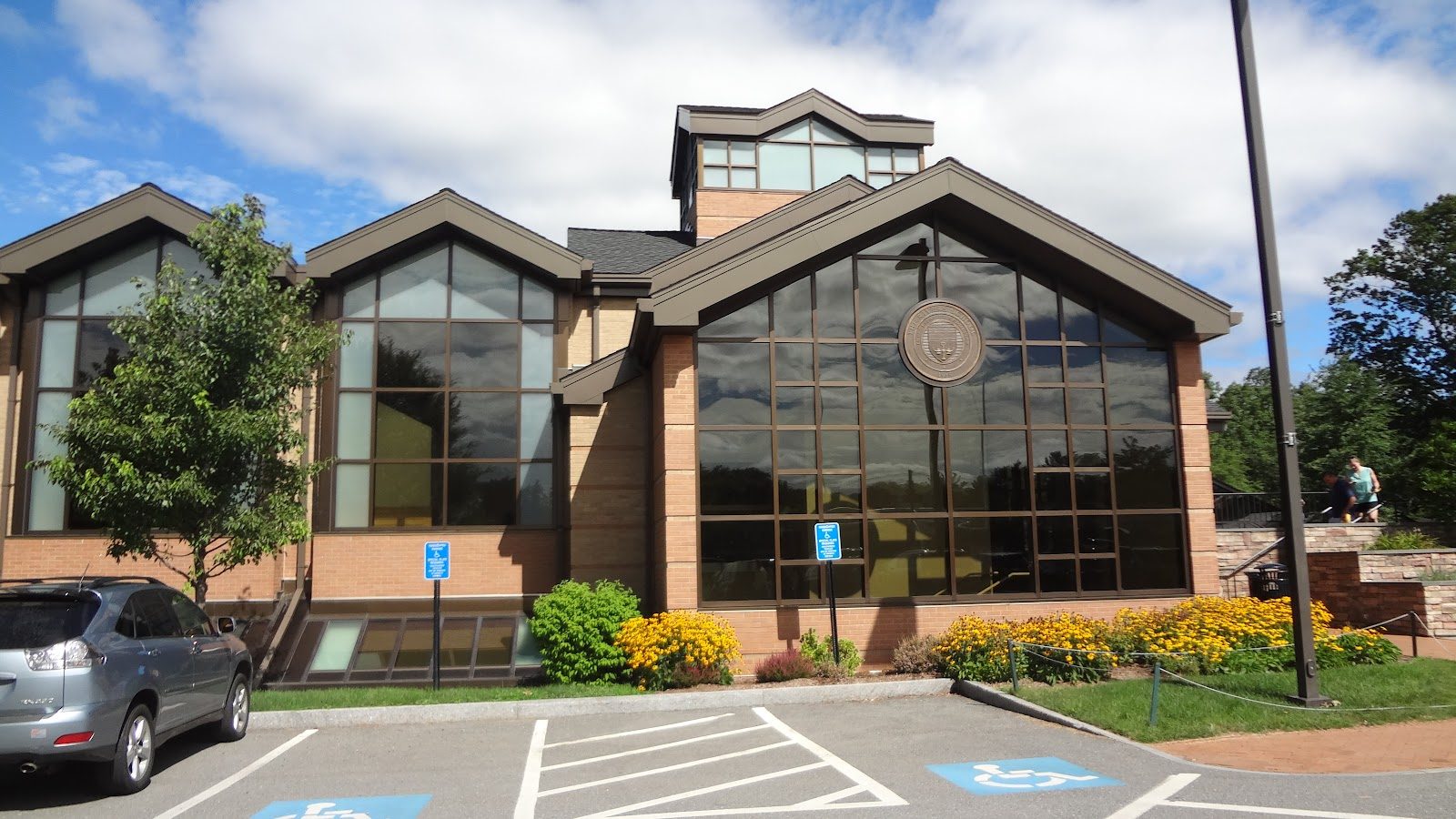
The Rivers School
Weston, MA · United States
On a Weston campus, a full music conservatory runs alongside AP-heavy academics for serious young musicians
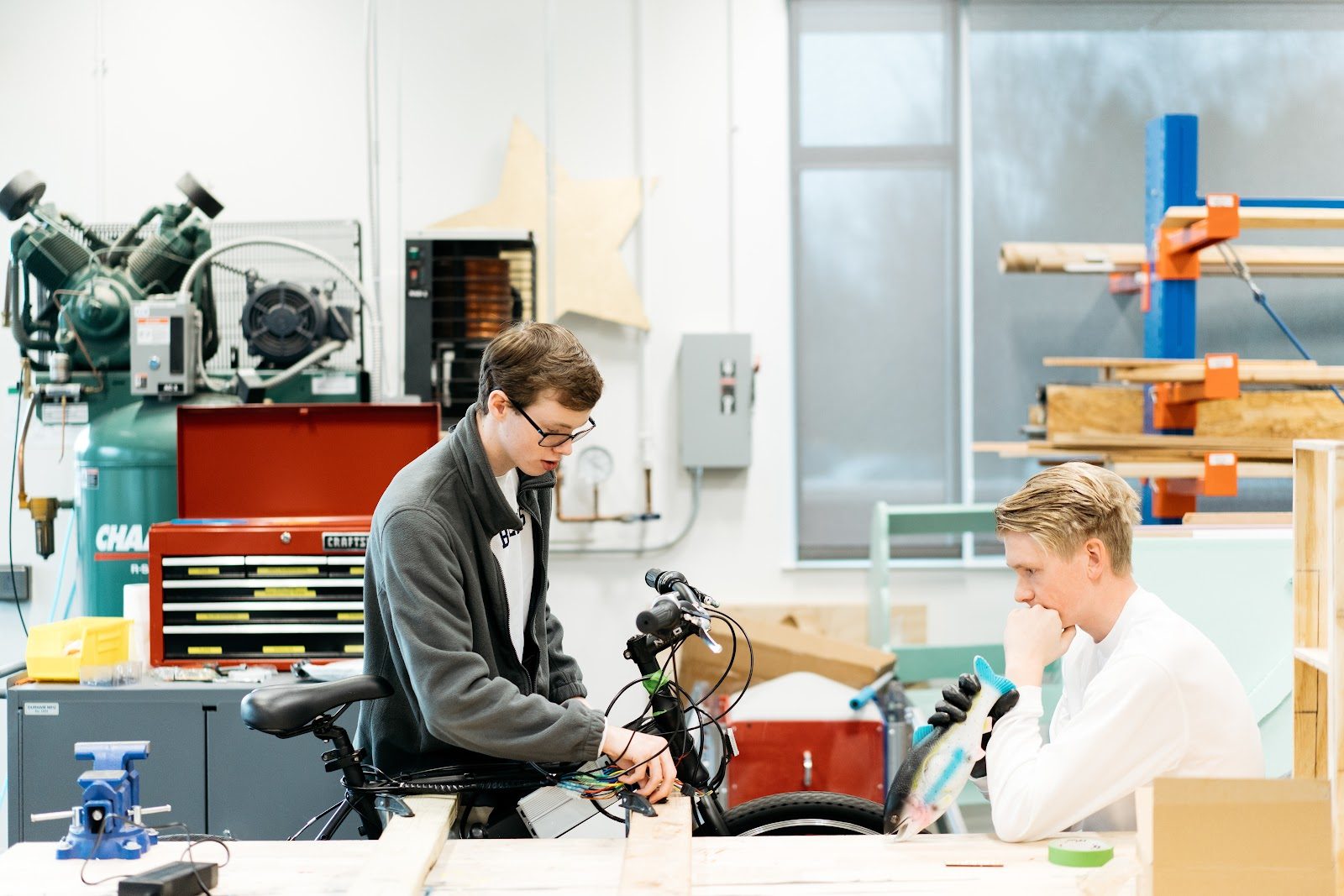
Bullis School
Potomac · United States
On a 102-acre Potomac campus with its own accredited arboretum, entrepreneurship and STEM classrooms sit beside 32 varsity sports.
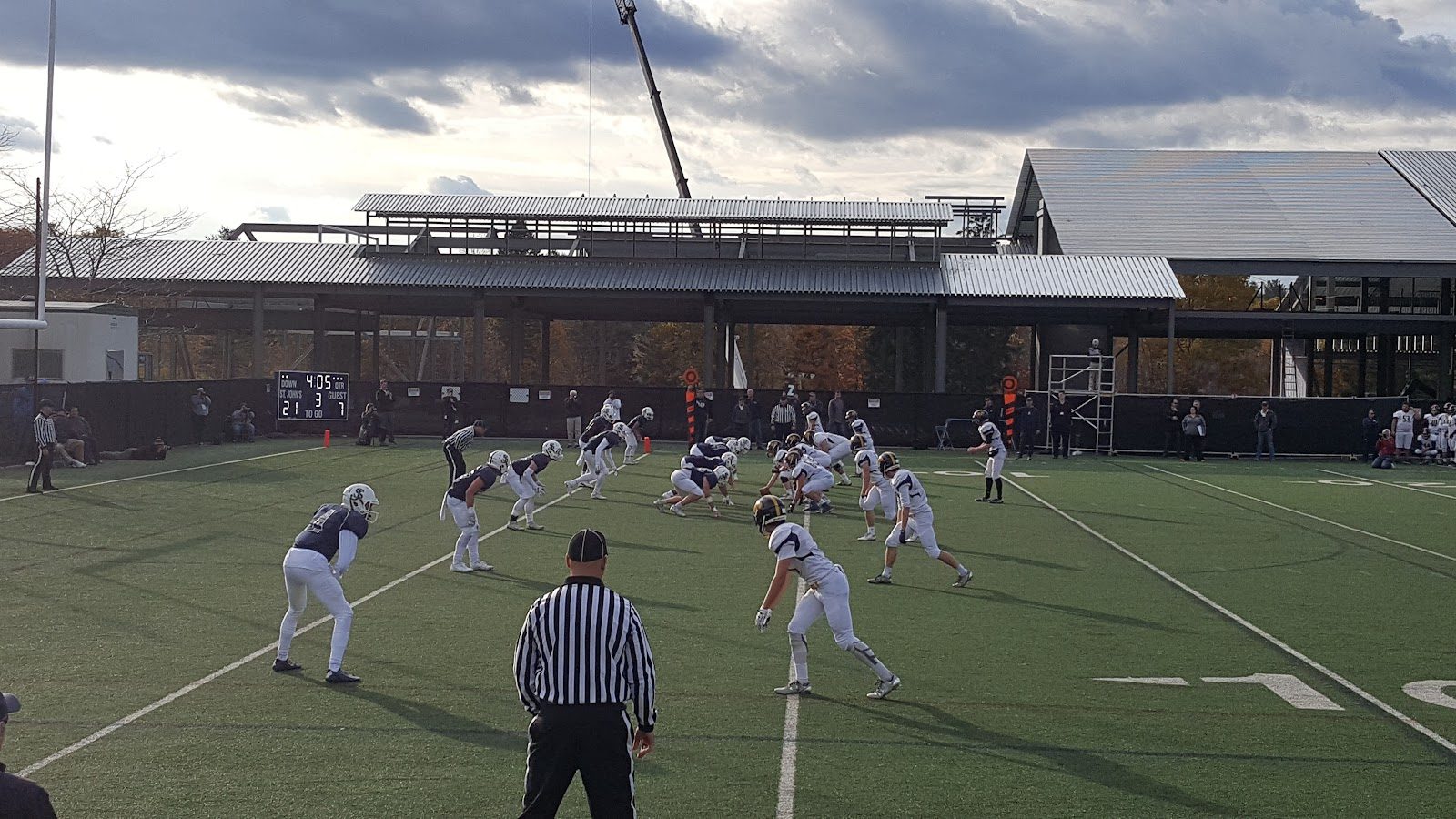
St. John's Prep
Danvers · United States
On a 175-acre campus north of Boston, Xaverian Brothers tradition since 1907 shapes an all-boys path of faith, rigor, and brotherhood.
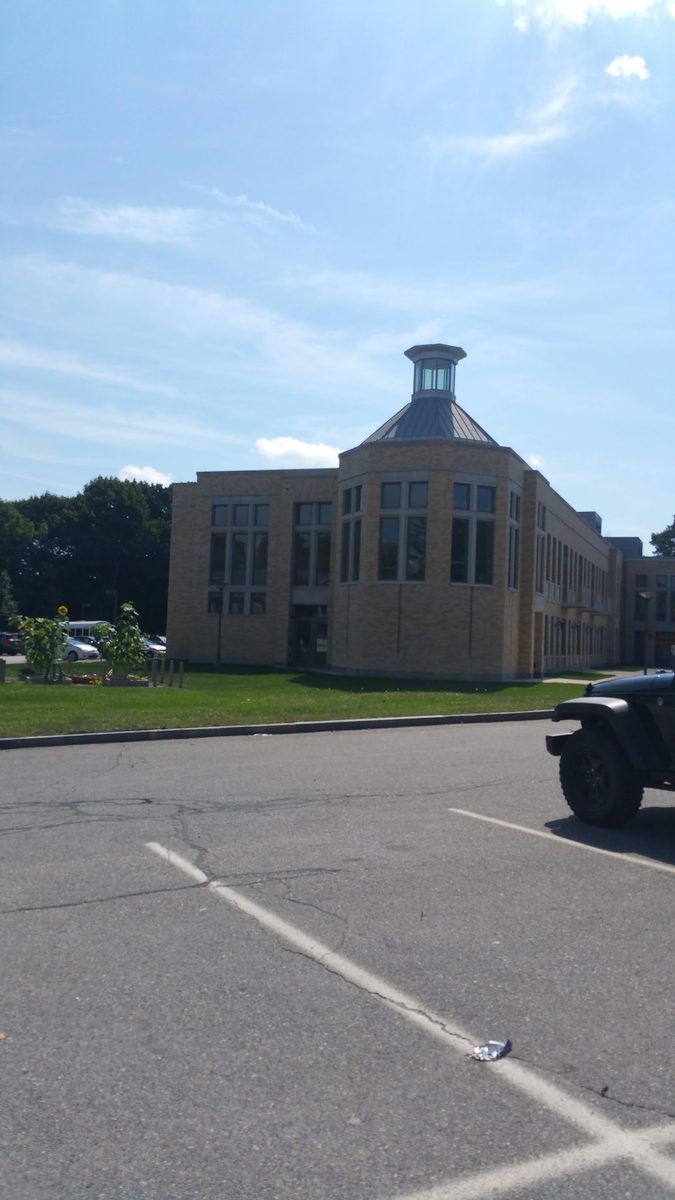
St. Sebastian's School
Needham · United States
All-boys Catholic ISL day school with a nationally competitive ice hockey and lacrosse tradition.
Same country and curriculum — closest matches within ±10 points either way