
Massachusetts
Boston University Academy
high confidence· 6/6 cats · 3.33 avg sourcesUpperclassmen trade study halls for Boston University lecture halls, banking college credit before graduation.
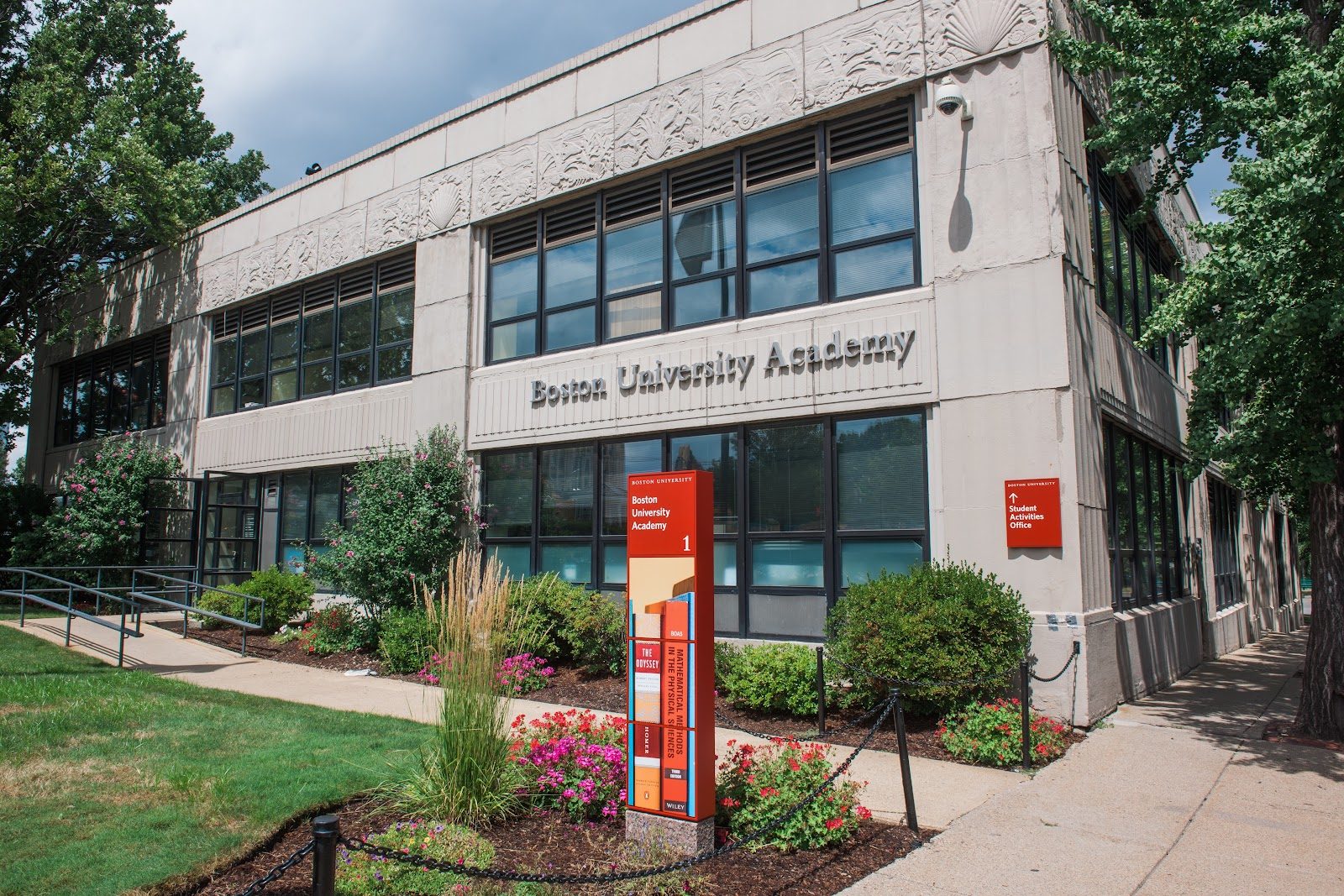
Photo © Boston University Academy via Google Maps
Type
Day
Ages
14–18
Curriculum
American
Qualifications
AP
Ratio
9:1
The Verdict
Editor's commitment
Right for
Ambitious teenagers who will use 11th and 12th grade to take up to 12 Boston University courses and bank about 48 credits.
Wrong for
Students who want a conventional high school; with 227 students, a 9:1 ratio and average classes of 12, this is intimate and intense.
Watch out for
Automatic admission to Boston University applies only in good academic and disciplinary standing, and the average annual fee is $63,528.
Ranking breakdown
Boston University Academy · # of 1591
Composite score 61.6. 8 weighted criteria.
By criterion
Academic Outcomes
Weight 20%
#855
of 1529 scored
University Placement
Weight 16%
#911
of 1529 scored
Prestige & Heritage
Weight 12%
#1182
of 1571 scored
Alumni Network
Weight 12%
#750
of 1530 scored
Facilities
Weight 12%
#1305
of 1534 scored
Transparency & Communications
Weight 8%
#983
of 1532 scored
Peer & Industry Review
Weight 10%
#998
of 1548 scored
Admissions Selectivity & Demand
Weight 8%
#547
of 1529 scored
Score history
Boston University Academy · 2026
Movement across 2024–2026. Peer average overlaid.
Overall — 2024–2026
61.6/ 100
▲ +14.8 vs 2025
year on year
Peer & Industry Review
How Boston University Academy is regarded in the sector
70
Respected · medium confidence
Boston University Academy is a small, selective independent high school located on BU's campus, regularly noted in Niche and US News-type rankings as one of the top private schools in Massachusetts, with high average SAT scores and strong college matriculation (Ivy League, MIT, BU) cited in local press like Boston Magazine's private school guides. It has a niche but respected reputation among Boston-area independent school peers and college admissions counselors, though it lacks the broad national or international name recognition of top-tier boarding schools like Exeter or Andover.
Evidence sources
Editors' overview
Boston University Academy cuts out the false divide between school and university. By Years 11 and 12, pupils can take up to 12 Boston University undergraduate courses, worth about 48 college credits, and the school sits on the university campus rather than borrowing its name for prestige. That makes BUA unusual even in the US independent-school market: this is a genuinely integrated university-linked high school, not a school with the odd dual-enrolment arrangement. It is also small, with 227 students, an average class size of 12, and a 9:1 student-teacher ratio. The result is a school built for bright teenagers who are already impatient for standard high-school pacing.
The attraction is obvious for the right child. BUA offers an American curriculum, teaches in English, and has NEASC and NAIS accreditation, but the real selling point is intellectual tempo. The school states that students in good academic and disciplinary standing receive automatic admission to Boston University; parents should read that as a meaningful safety net, not the main reason to apply. The stronger reason is access to serious academic stretch while still in school. This is a fiercely academic setting with a self-selecting peer group: 59% students of colour, 37% from multilingual households representing 26 languages, and a student body drawn from public, independent, parochial and home-school backgrounds. BUA will suit adolescents who want seminar-style teaching, close contact with faculty, and classmates who enjoy argument, reading and ideas. It will not suit students who want a broad, conventional high-school experience built around Friday-night sport and expansive extracurricular theatre.
At $63,528 a year on average, BUA sits in the expensive end of the American day-school market, and it needs that university access to justify the bill. In this case, it does. The school’s clear market position is as a compact, intellectually hard-edged Boston day school for students ready to trade some of the usual trappings of adolescence for early immersion in university life. Recent destinations listed include Amherst College, Berklee College of Music and Boston College, though the published sample here is too thin to support grand claims about outcomes. Still, for a family with a highly academic 14- to 18-year-old who wants challenge, independence and college-level work before graduation, Boston University Academy merits a serious shortlist.
Academic Performance
BUA’s published academic signals point in one direction: this is a school with a very high-achieving cohort, but with less public exam data than many parents will want. The most concrete indicator in the public domain is National Merit recognition: 43% of the Class of 2026 received commendation, with finalists and semi-finalists on top. That is an exceptionally strong result by any mainstream US high-school standard and places BUA well above the national field. The structure of the school also matters here. Older pupils move into Boston University undergraduate classes for credit, so the academic benchmark is not AP volume or IB point scores but success in genuine university coursework while still at school. In that respect, BUA sits in a rarefied niche rather than in direct competition with a conventional college-prep day school.
The limitation is transparency. The school does not publish aggregate SAT or ACT data here, nor a full college-destinations picture robust enough to map outcomes across a whole graduating class. It also does not offer the kind of exam-score table that makes peer comparison easy. Parents therefore need to judge performance through a different lens: selective admissions, sustained success in university-level classes, and the fact that students can secure automatic admission to Boston University if they meet the required academic and disciplinary threshold. That makes BUA academically serious and demanding, but also a school whose external-performance story rests more on cohort quality and university integration than on neat headline metrics.
Facilities
Boston University Academy’s own building is compact rather than lavish: classrooms and science labs on site, then a huge extension into Boston University’s infrastructure. That matters more than a glossy standalone campus. Pupils get access to 5.4 million library volumes through Mugar Library, alongside university theatres, concert halls, engineering and robotics spaces, fitness facilities, boathouse and sailing pavilion. Against peer academic day schools, that is a formidable advantage. Many schools advertise “university links” that amount to guest lectures and summer programmes; BUA students use a research university’s working facilities as part of daily life. For a teenager who wants books, laboratories and specialist spaces more than playing fields, that is the real asset.
The trade-off is clear. Families looking for a sprawling independent-school campus with its own deep bench of sports venues, arts blocks and dedicated sixth-form centres will find BUA leaner than top-fee peers built on large estates. Its facilities strength lies in integration, not ownership. That brings genuine upside: pupils move through an adult academic environment early and learn to use resources that match their intellectual level. It also means the physical experience is less cocooned and less traditionally school-like than at conventional US independents. In facilities terms, BUA wins on scholarly firepower, loses on self-contained campus theatre. For its target student, that is the right bargain.
Boston University Academy cuts out the false divide between school and university
Prestige
Boston University Academy carries real academic cachet in a narrow but powerful corner of the US market. The source of that prestige is not old-money ritual, vast grounds or sporting mythology. It is intellectual access. Teenagers here do not just visit a university campus or sample the odd enrichment lecture; they move into undergraduate study as a normal part of school life, with scope to complete up to 48 college credits before graduation. That arrangement gives BUA a serious scholarly identity that many college-prep schools advertise and few can match. The automatic route into Boston University for students who meet the academic and conduct bar adds status of a practical kind: not glamour, but institutional confidence. This is a school backed by a major research university that is prepared to stand behind its own pupils.
That said, BUA’s prestige is specialist rather than universal. It has strong recognition among families who value academic intensity, selective higher education and proximity to serious scholarship. It does not carry the broad social prestige of the oldest New England boarding schools, nor the mass-market visibility of the biggest brand-name independents. Its reputation rests on brainpower, not spectacle. For the right student, that is a stronger form of prestige anyway: admission signals high academic promise, survival there signals stamina, and success in real university classes while still at school carries weight far beyond polished college-counselling rhetoric. In short, BUA is elite by substance, not by theatre.
Boston University Academy carries real academic cachet in a narrow but powerful corner of the US market
Communications
Boston University Academy communicates like a small school inside a large institution: direct contact matters more than corporate polish. The public-facing essentials are in place — clear contact details, a visible calendar, recent news posts and a concise statement of mission and values — and the school gives parents enough operational information to understand the rhythm of the year. The detail that matters most is structural rather than cosmetic: this is a community with only 227 pupils and 23 faculty, so parent communication rests on access to people, not on mass mailing alone. That suits the school’s close-knit model. Families choosing BUA are not buying a sprawling system with layers of pastoral bureaucracy; they are buying a high-contact, adult-minded environment where questions can go to identifiable staff.
What BUA does not offer in the public domain is the sort of forensic transparency some data-hungry parents now expect. We have not seen a deep archive of policy documents, parent-handbook detail, or a broad publication of outcomes that would let families audit performance line by line. The communications style is therefore effective for day-to-day confidence and community tone, but less strong on disclosure. That trade-off fits the school’s character: intellectually serious, compact, and built on relationships. Parents who value responsiveness and clarity of purpose will be well served. Parents who want every metric, policy and result laid out in exhaustive public detail will find BUA more private than exhaustive.
Uniqueness
What marks BUA out is the depth of its integration with a working university. Plenty of schools advertise partnerships; this one hands older pupils the real thing as part of the weekly academic routine. By the final two years, students move into Boston University undergraduate classes and can complete up to 12 university courses, worth about 48 college credits, before leaving school. That changes the texture of sixth-form-age education. Bright teenagers are not kept in a holding pattern until college; they are asked to operate early with university expectations, university timetables and university standards. For the right student, that is genuinely rare, intellectually liberating and hard-edged in the best way.
The gain is not just acceleration. It is maturity. Students learn to navigate an adult academic environment while still held inside a small school community that knows them well. That combination matters: freedom without anonymity, stretch without the full shock of going straight from school corridors to a vast campus. The automatic route into Boston University for students who stay in good academic and disciplinary standing adds a practical dividend, but it is not the main event. The main event is early exposure to serious scholarship and peers who treat ideas as normal social currency. That makes BUA *unusual even among selective independents: a school for adolescents who want substance over ceremony* and who are ready to exchange a chunk of conventional teenage school life for something more exacting, and more adult.
Boston University Academy communicates like a small school inside a large institution: direct contact matters more than corporate polish
Student Profile
The student who fits BUA is intellectually hungry, self-directed and comfortable around adults. This is not a school for teenagers who need constant external prodding, a heavy pastoral buffer or the social choreography of a big American high school. It suits pupils who read beyond the set text, enjoy argument for its own sake and do not find serious academic company alienating. The intake is also more mixed in background than many small independents: 35% arrived from public schools, 61% from other independent schools, with smaller numbers from parochial and home-school settings. A striking 37% of students come from multilingual households. That mix matters. BUA is not a monoculture of one educational type; it draws pupils who already share academic appetite more than one social script.
In practical terms, the strongest fit is a teenager ready for independence early. Older pupils step into university classes, so organisation, confidence and stamina are not optional extras. The school’s own language about “kind and curious students who love learning” is more than admissions varnish; kindness matters in a small peer group, and curiosity is the entry price. Children who want a bookish, high-pressure, idea-driven adolescence will thrive. Those who want their school life anchored by spectacle, school-spirit ritual or a broad church of abilities will find BUA narrow by design. This is a place for young people who want to grow up a bit faster — and who find that prospect thrilling rather than alarming.
That is an exceptionally strong result by any mainstream US high-school standard and places BUA well above the national field
Co-curricular strengths
Arts & sport, on a separate axis
Overall 7.4/10
Scored 0-10 from the school's own published evidence. This axis is editorial-only — it does not feed the main WTS ranking.
Sports
8/10
Varsity Soccer, which is a bare named sports offering without further detail.
Drama
7.8/10
The extracurriculars explicitly include Theater Productions, indicating more than a bare listing because recurring productions are named.
Dance
5/10
Music
8.2/10
Both Chamber Orchestra and Jazz Ensemble, showing multiple structured music ensembles.
Visual Arts
8/10
Editor first-pass · editor-reviewable · 7/27/2026
Outcomes & destinations
Where students go next
Class of 2026
Top destinations
35 placements
- Amherst College· 1
- Berklee College of Music· 1
- Boston College· 1
- Boston University· 1
- Carleton College· 1
- Carnegie Mellon University· 1
- Case Western Reserve University· 1
- University of Chicago· 1
- Colby College· 1
- Colgate University· 1
- Columbia University· 1
- Cornell University· 1
- Duke University· 1
- Emory University· 1
- Endicott College· 1
- Florida Institute of Technology· 1
- Harvard University· 1
- Harvey Mudd College· 1
- University of Massachusetts Amherst· 1
- University of Massachusetts Boston· 1
- University of Michigan· 1
- McGill University· 1
- New York University· 1
- Northeastern University· 1
- Northwestern University· 1
- University of Pennsylvania· 1
- Smith College· 1
- University of St Andrews· 1
- Toronto Metropolitan University· 1
- University of Toronto Scarborough· 1
- Tufts University· 1
- Vassar College· 1
- University of Virginia· 1
- Wesleyan University· 1
- Yale University· 1
Reported by the school. Confirm with admissions.
Strengths
- +Boston University courses in junior and senior years
- +Guaranteed BU acceptance with stated academic conditions
- +Private high school operated on Boston University campus
- +10:1 student-teacher ratio; average class size 18
Considerations
- −High day fees: 55,000 USD annually
- −High boarding fees: 68,000 USD annually
- −Guaranteed BU place requires 3.0 in university courses
Availability
Primary entry gate & tests
ISEE/SSAT + Interview
Gallery
Photo © Pavol Michalec via Google Maps
Photo © Robert Prodigalidad via Google Maps
Parent reviews
Have you sent your child here?
Voice reviews carry the strongest trust badge — we transcribe them for you to tidy up before they go live. Prefer to type? A written review is fine too.
Add your voice
In 60 seconds, tell other parents: what's the best thing about Boston University Academy, and what surprised you when your child joined?
We ask for a Google sign-in so every review has a real face behind it — no anonymous drive-by attacks on schools, and no faked positive reviews. Your email is never shown publicly.
Send this profile to a friend
International parents rely on word-of-mouth. Share this review with someone weighing the same decision.
Schools with places
Similar schools to Boston University Academy with places available now.
Belmont Hill School
Belmont · United States
- 2026-27
- CLOSEDRegular cycle
- 2027-28
- PLACES OPENApplication route live
Noble and Greenough School
Dedham · United States
- 2026-27
- CLOSEDRegular cycle
- 2027-28
- PLACES OPENJan 15 '27 Deadline
Middlesex School
Concord · United States
- 2026-27
- CLOSEDRegular cycle
- 2027-28
- OPENS SOONOpens 1 Sept '26
Commonwealth School
Boston · United States
- 2026-27
- CLOSEDRegular cycle
- 2027-28
- OPENS SOONOpens 1 Sept '26
Availability first, then country, area, curriculum, price, co-curricular
Consider also
Also worth looking at alongside Boston University Academy.
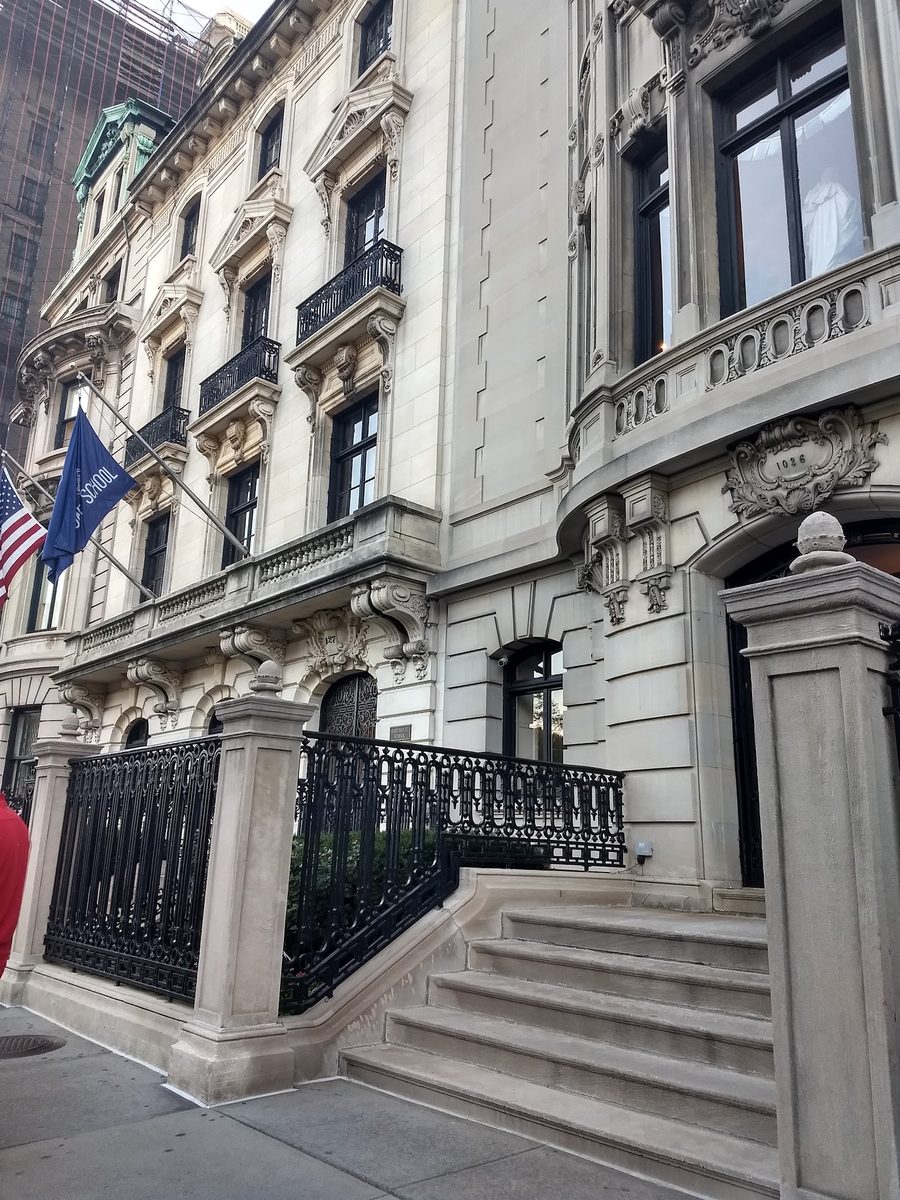
Marymount School of New York
New York City · United States
On Fifth Avenue, landmark mansions give way to Bloomberg terminals and classrooms inside the Met.
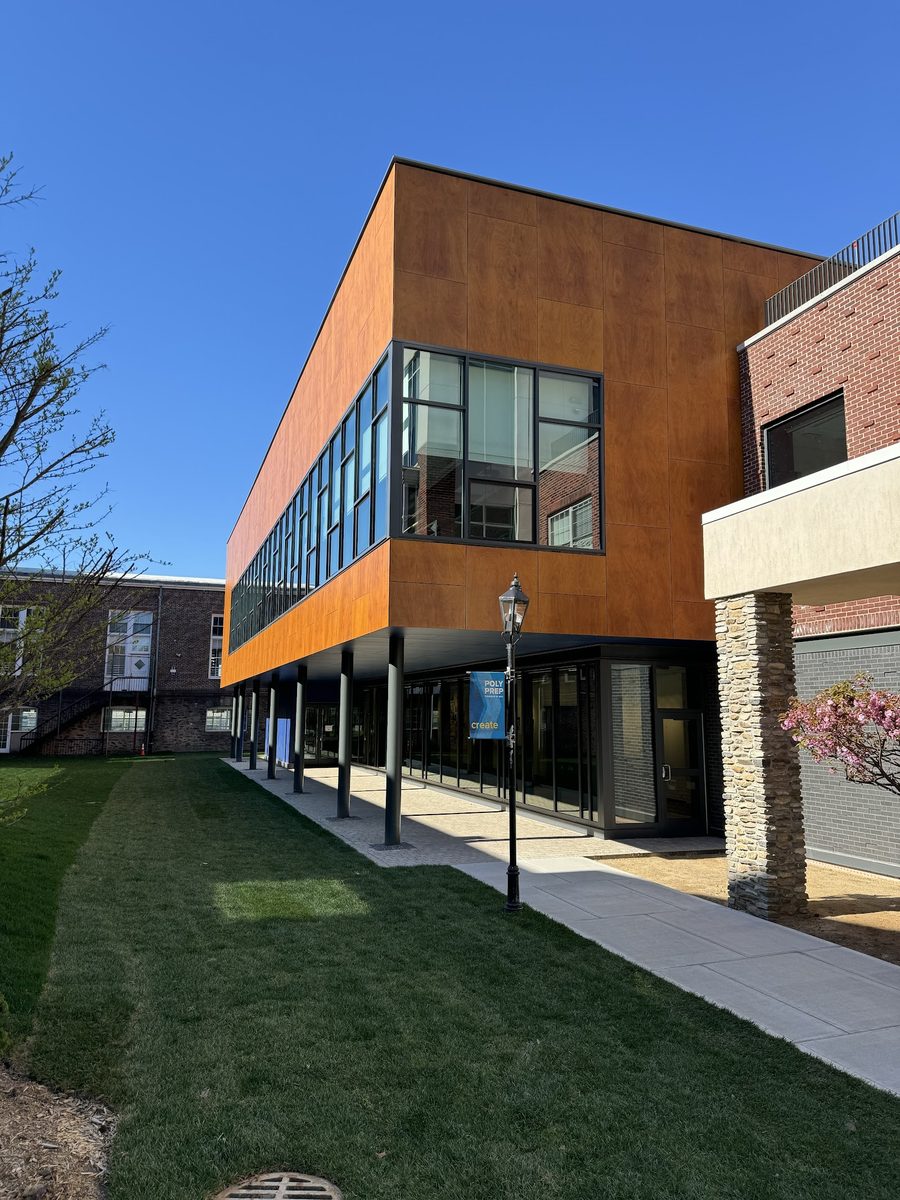
Poly Prep Country Day School
Brooklyn · United States
Founded in 1854 as Brooklyn's first boys' school, this day school pairs a Prospect Park mansion with a 25-acre Dyker Heights campus.

Germantown Friends School
Philadelphia · United States
Rooted in an 1845 Quaker meeting in historic Germantown, where juniors design a month-long independent study of their own.

The Browning School
New York City · United States
Manhattan's only K-12 all-boys day school, expanding onto East 64th Street after nearly 140 years on the Upper East Side.
Same country and curriculum — closest matches within ±10 points either way