
Greater London
University College School
high confidence· 5/6 cats · 2.94 avg sourcesA Hampstead offshoot of UCL's founding creed, prizing intellectual curiosity and independence of mind over rote drill since 1830.
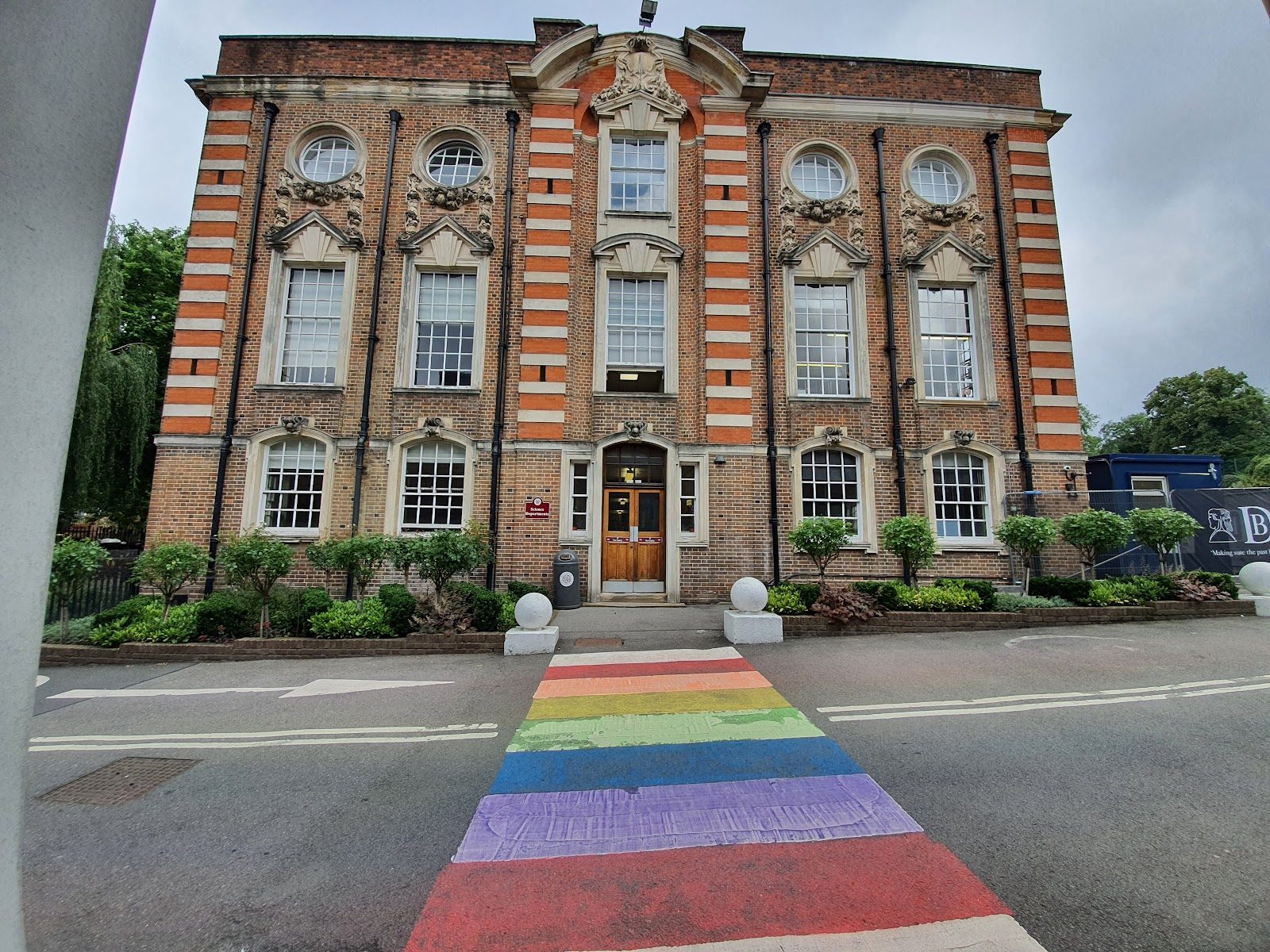
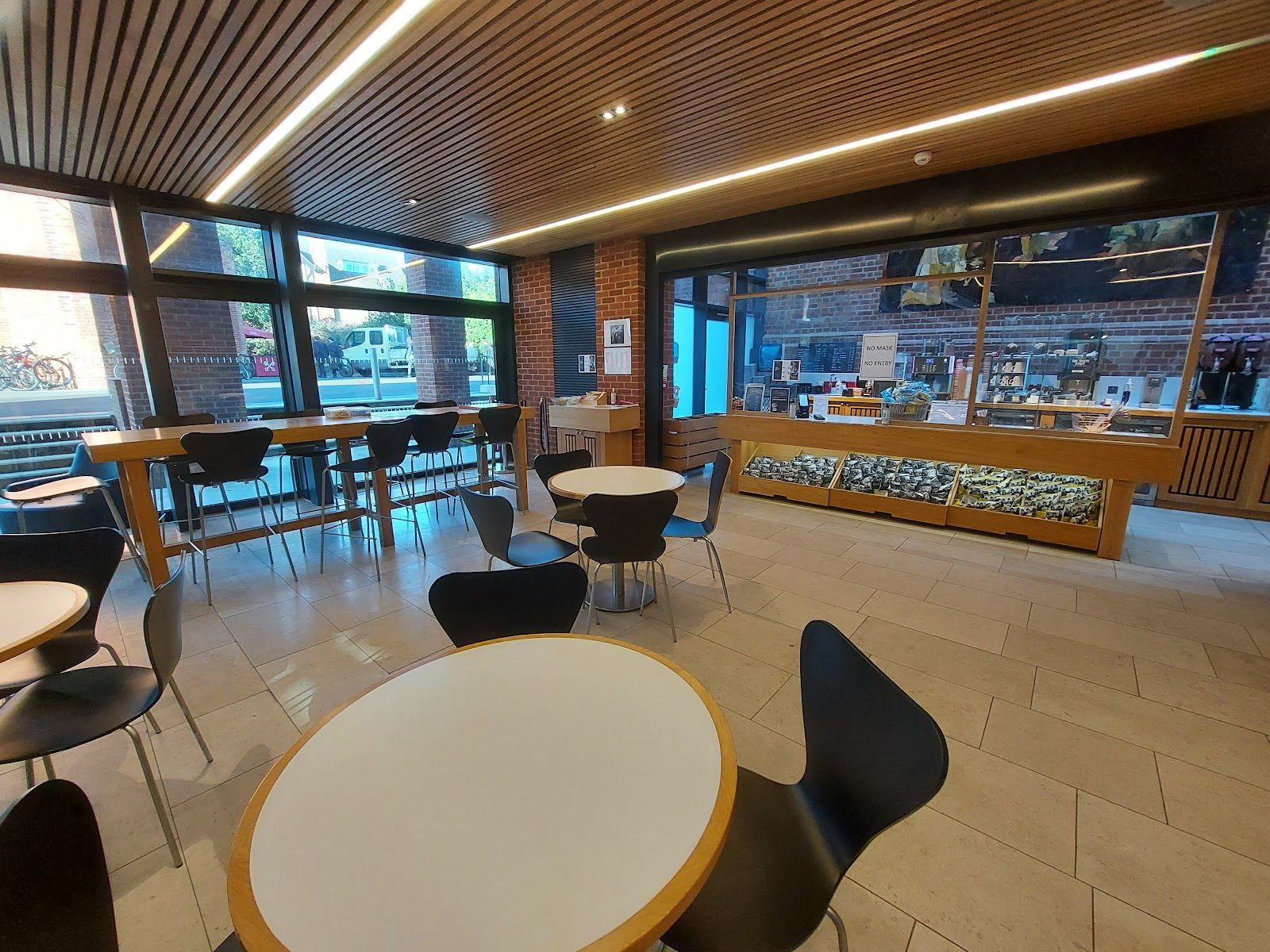
Photo © Kosala Perera via Google Maps
Type
Boarding
Ages
11–18
Curriculum
British
Qualifications
A-Level
Ratio
—
The Verdict
Editor's commitment
Right for
Academic pupils who value independence of mind: UCS has run on that liberal creed since 1830, with 14 Oxbridge places in 2024.
Wrong for
Families wanting a cheap London day school or a secular one: day fees average £31,355, boarding £55,000, and the school is Anglican.
Watch out for
This is an 11–18 British boarding school with serious academic expectations: 86% of 155 leavers went to top-100 universities, led by UCL.
Ranking breakdown
University College School · # of 1591
Composite score 69.8. 8 weighted criteria.
By criterion
Academic Outcomes
Weight 20%
#147
of 1529 scored
University Placement
Weight 16%
#136
of 1529 scored
Prestige & Heritage
Weight 12%
#118
of 1571 scored
Alumni Network
Weight 12%
#1312
of 1530 scored
Facilities
Weight 12%
#329
of 1534 scored
Transparency & Communications
Weight 8%
#204
of 1532 scored
Peer & Industry Review
Weight 10%
#147
of 1548 scored
Admissions Selectivity & Demand
Weight 8%
#180
of 1529 scored
Score history
University College School · 2026
Movement across 2024–2026. Peer average overlaid.
Overall — 2024–2026
69.8/ 100
▲ +14.1 vs 2025
year on year
Peer & Industry Review
How University College School is regarded in the sector
79
Strong · medium confidence
University College School (UCS) sits comfortably among London's most respected academic day schools, its reputation resting on consistently strong outcomes rather than marketing gloss. The Good Schools Guide's independent verdict highlights 91 per cent 9-7 at GCSE and 72 per cent A*/A at A level alongside a steady flow to Oxbridge and Russell Group destinations, praising its distinctive liberal, unstuffy ethos. Sector standing is reinforced by its status as one of the founding partner schools of the London Academy of Excellence, alongside Brighton College, Eton College and Highgate School, a role WhichSchoolAdvisor frames as bringing genuine independent-sector expertise into state education. Its membership of the Eton Group and a 2026 Tatler Schools Guide shortlisting further attest to peer recognition, though coverage remains concentrated in UK-specific guides rather than global "best schools" rankings, keeping it just below the very top tier."</parameter> </invoke>
- Christopher Nolan — Film Director, Entertainment
- Jonathan Nolan — Screenwriter, Entertainment
- Ian Livingstone — Co-founder, Games Workshop, Business
Editors' overview
University College School trades on a very old idea and still makes it feel current: education as intellectual formation rather than exam drill. Founded in 1830, it has kept a distinctive liberal-academic streak at the centre of the proposition, with the school itself stressing curiosity, breadth of study and independence of mind. That matters because plenty of London independents promise high grades; fewer make a principled case for scholarship without sliding into smugness. UCS’s recent university destinations show that the academic engine works: from 155 leavers in 2024, 86% moved on to top-100 universities, with 14 Oxbridge places and 43 Russell Group destinations. This is a school for able children who want intellectual stretch, but not a hothouse built around rote performance.
The market position is clear. UCS sits in the upper tier of London independent education, but it is not selling old-school stiffness or a brute-competition model. The average annual day fee across the 11–18 ladder is £31,355, and boarding averages £55,000 a year, which places it firmly in expensive territory without reaching the most inflated end of the capital’s market. It also carries the right external markers for parents who want formal reassurance: ISI oversight and HMC membership. The school’s own language around pastoral care, relationships and pupil voice is unusually consistent with the ethos it claims, and that coherence is part of the attraction. Parents looking for a *serious academic school with a human temperature* will put UCS on a shortlist quickly.
What is special here is the blend: brainy without being robotic, ambitious without an overt cult of rank, and old enough to have real institutional weight without feeling trapped by its own traditions. The alumni footprint is substantial — 164 notable alumni catalogued on Wikidata, including strong representation in politics, science, writing and the arts — which tells you something about the kind of adult life UCS has fed over time: public, intellectual and creative as much as conventionally high-status. The best fit is the student who enjoys ideas, reads beyond the syllabus, likes teachers who know their subjects in depth and wants room to think independently. The weaker fit is the child who needs constant spoon-feeding, heavy external structure or a more overtly results-drilled culture. UCS will suit the self-propelled and the curious; it will frustrate pupils who want school reduced to a checklist.
Academic Performance
UCS sits in the bracket of London independents where strong public outcomes are expected, not optional. The school does not publish aggregate GCSE or A-level grade profiles in the sources here, and that opacity matters: parents cannot test headline academic strength against the hard distribution of top grades in the way they can at more data-forward rivals. What UCS does disclose points instead to university destinations, and those are serious. A cohort of 155 leavers sending 86% to top-100 universities, with a visible Oxbridge pipeline and a heavier cluster into UCL, gives the school credible academic weight. That pattern places UCS firmly in the high-attaining camp, though not among the schools that trade on a relentless public drumbeat of examination statistics.
Relative to peers, UCS reads as a school whose academic reputation rests on where pupils end up and on the character of its intellectual culture, not on a barrage of published grade data. That fits the school’s own emphasis on curiosity, breadth and independence of mind. It also means parents need to judge a scholarly proposition rather than a spreadsheet proposition. In market terms, UCS belongs with the capital’s brainy, selective independents, but without the overt exam-branding of the most results-obsessed operators. For the right pupil, that is a strength. For families who want full statistical transparency on external exams before they engage, it is a weakness.
Facilities
UCS’s public case on facilities is striking for what it prioritises. The school talks far more about how pupils use spaces than about trophy architecture. What it does make clear is a broad working estate built to support full-spectrum school life: Drama, art, Music, Sport, academic study and cultural activity all sit inside the core offer, not as decorative extras. That puts UCS in solid company among London’s strong independent schools, where breadth beyond the classroom is a basic requirement. The difference here is tone. Some peers market facilities as luxury product. UCS frames them as tools for scholarship, self-discovery and communal life. For parents, that points to a campus culture that values function over spectacle — serious rather than showy, and better aligned with intellectually self-directed pupils than with families shopping for a country-club finish.
Against its peer set, that reads as a credible upper-tier provision rather than a facilities arms race. The school explicitly promises the “fullest range” of opportunities and an extensive co-curricular provision, which indicates a campus with enough specialist space to sustain arts, performance, sport and enrichment at scale. What is missing is detail: no published roll-call of theatres, labs, pitches, studios or boarding houses in the sources here, and no hard campus metrics. That lack of specificity leaves UCS short of the most transparent rivals, which document every performance venue and sports asset. Still, the internal logic is coherent. A school built around independent thought needs spaces that let pupils work, perform, practise and test themselves across disciplines, and UCS states that case with unforced confidence.
University College School trades on a very old idea and still makes it feel current: education as intellectual formation rather than exam drill
Prestige
UCS has real prestige, but it is a specific kind of prestige. This is not a school whose status rests on aristocratic theatre, glossy self-mythology or a flood of public exam data. Its standing comes from three harder things: longevity, academic selectivity and a durable record of producing adults with influence beyond the usual professional conveyor belt. The verified alumni base is substantial at 164 notable figures, with depth across politics, scholarship, writing and the arts rather than a narrow concentration in finance or sport. That breadth matters. It points to a school culture that has carried intellectual and cultural weight for generations, and to a network with reach in public life, universities and the creative industries. In London terms, that places UCS in the serious upper tier.
The prestige also has a distinct texture. UCS draws authority from its association with a major university foundation and from a liberal-academic tradition that prizes independence of mind over rote polish. That gives it social and intellectual cachet with families who value ideas, not just outcomes. The school’s destination profile reinforces that status, and the fee level confirms that this remains an expensive, selective proposition rather than a hidden bargain. Still, this is not a universal prestige brand in the mould of the most famous nameplate schools. Its appeal is high-grade and discerning: strongest among parents who want scholarship, cultural capital and grown-up seriousness, weaker among those chasing ceremonial grandeur or brute-status recognition.
That matters because plenty of London independents promise high grades; fewer make a principled case for scholarship without sliding into smugness
Communications
UCS communicates with parents in the same register it uses to define the school: thoughtful, self-possessed and more interested in substance than salesmanship. The website gives a clear line on ethos, pastoral priorities and the place of co-curricular life within the school’s wider educational model. That matters, because parents can see the governing ideas without wading through inflated claims or lifestyle fluff. The messaging is consistent across admissions and about pages: liberal scholarship, strong staff-pupil relationships, pupil voice, and a school culture built around the four Rs. Even the admissions notices are handled plainly, with practical signposts for open events rather than a hard sell. For a school charging an average £31,355 a year for day places and £55,000 for boarding, that level of tonal discipline counts in its favour.
The weakness is depth. UCS gives parents a strong sense of values, but a thinner bank of hard operational detail than the most transparent competitors. Public academic reporting is limited, and the facilities picture stays under-described. That leaves families to infer more than they should at this price point. The communication is effective on culture and educational intent; it is less effective on measurable proof. In editorial terms, UCS writes like a school confident in its identity and unwilling to reduce itself to metrics. That is refreshing if you want seriousness and trust the institution. It is frustrating if you want exhaustive disclosure before the first visit.
Uniqueness
What sets UCS apart is not raw selectivity or social theatre, but a coherent intellectual creed that still governs the place. Plenty of independent schools borrow the language of curiosity and independence; UCS builds its identity around it with unusual consistency. The school’s own definition of “liberal scholarship” — curiosity, creativity, breadth and independence of mind — gives pupils licence to do more than chase marks efficiently. That matters because it changes the student experience: stronger emphasis on reading, discussion, subject enthusiasm and intellectual risk, less on mechanical performance or institutional swagger. The stated “four Rs” also give the school a clearer moral frame than many academic rivals, linking achievement to responsibility, relationships and resilience rather than to rank alone.
For students, the benefit is a *brain-led education with room to become a person*. UCS puts equal weight on self-discovery and communal life, and that balance is not decorative. The school talks repeatedly about pupils being known, listened to and drawn into professional but relaxed relationships with teachers. That brings a distinctive kind of confidence: not the brittle confidence of children trained only to win, but the steadier confidence of pupils trusted to think, contribute and try things beyond their safest strengths. The destinations profile, with 86% progressing to globally strong universities and 14 securing Oxbridge places, shows that this anti-drill ethos does not blunt ambition. It channels ambition through scholarship, judgment and self-possession, which is a rarer and more durable educational outcome.
This is a school for able children who want intellectual stretch, but not a hothouse built around rote performance
Student Profile
The UCS student is bright, self-starting and comfortable with adults who treat pupils as thinkers rather than as exam machinery. This is a school for children who enjoy ideas for their own sake, read beyond what they are set, and can handle teachers with real subject authority. The school’s own language gives a strong steer: intellectual curiosity, creativity, breadth and independence of mind sit at the centre, backed by the four Rs and an insistence on positive staff-pupil relationships. That combination suits the child who wants serious academic stretch without a factory-school atmosphere, and who can thrive in a culture that asks for responsibility as well as attainment. The destinations pattern — 86% to top-100 universities, with 14 Oxbridge offers in one recent cohort — confirms that the school attracts pupils with high academic intent.
Fit matters here. UCS will reward students who are mentally lively, willing to contribute, and open to throwing themselves into drama, music, sport, culture and wider enrichment rather than treating school as a narrow grades transaction. It will also suit pupils who value a civilised adult tone: being listened to, knowing teachers well, and operating in a community that puts weight on mutual respect. The weaker fit is clear. Children who need constant chasing, rigid spoon-feeding or a highly managed competitive script will struggle. So will those who want the status theatre of a more hierarchical school culture. UCS suits independent minds; it is not a hand-holding environment.
UCS sits in the upper tier of London independent education, but it is not selling old-school stiffness or a brute-competition model
Co-curricular strengths
Arts & sport, on a separate axis
Overall 7.82/10
Scored 0-10 from the school's own published evidence. This axis is editorial-only — it does not feed the main WTS ranking.
Sports
8.5/10
UCS's own playing fields at Ranulf Road plus the Sir Roger Bannister Sports Centre/UCS Active with pool, tennis courts and gym, giving multiple pieces of evidence for dedicated sports facilities.
Drama
8.8/10
Drama productions, Wikipedia says the Kent Building houses the Lund Theatre, and verified alumni include BAFTA Fellow Ronald Neame and Oscar-winner Leslie Bricusse, together evidencing a notable drama pedigree.
Dance
5.5/10
External evidence specifically mentions 'Deme Dance 2023,' which is explicit naming of dance activity but without further detail on facilities, staff or programme depth.
Music
8.8/10
Orchestra and choir, regular music competitions, and verified alumni include three star-tier laureates—Grammy winners Thomas Adès and Leslie Bricusse plus Olivier-winning Roger Hall—which anchors music at at least 8.
Visual Arts
7.5/10
UCS opened a new art, design technology and modern languages building in 2007, which is clear evidence of a dedicated named facility for visual arts.
Editor first-pass · editor-reviewable · 7/28/2026
Outcomes & destinations
Where students go next
Editorial estimateClass of 2024
155 graduates
A-Level distribution
100% covered
- A*37%
- A32%
- B26%
- C5%
Top destinations
57 placements
- Cambridge· 8
- Oxford· 6
- UCL· 14
- Imperial College London· 10
- Bristol· 6
- Warwick· 5
- Durham· 4
- LSE· 4
Hampstead boys' day school; heavy UCL + Imperial flow.
Editor-approximated from the school's own leavers report. Awaiting school-attested figures.
Notable alumni · Wikidata
164notable alumni
122 historic (born pre-1930) · 8 modern (born post-1970)wikidata:2026-07-28 How we source this
The story in one line
56% achieved ≥ AAB in 2+ facilitating subjects·ISI Routine Inspection 2024
AAB with 2 facilitating subjects is the Department for Education's published predictor of admission to a top-third UK university: the pupil has scored high grades in at least two of the classic Russell-Group subjects (maths, sciences, English, history, geography, or a modern language). Independent schools don't appear in the state-only HE-destinations dataset, so this is the strongest DfE-verified sixth-form signal available. Source: DfE 16-18 school and college performance data · 2023/24. Value-added +0.30
DfE-verified statistics
Official GCSE data · 2024/2025
Progress 8
—
Value-added score. State-schools only; 0 = expected progress, +1 = one grade above.
Attainment 8
15.9
Average grade across 8 GCSEs (score out of 90). National ≈ 46.
EBacc average score
0.68
Avg grade across the 5 EBacc pillars (English, Maths, Sciences, Language, Humanity).
EBacc slots filled
1.1
How many of the 5 EBacc pillars pupils typically enter (max 5).
A-Level attainment
Cohort · 2023/24
Avg A-Level grade
A
APS per entry: 48.91
Best 3 grade
A
Best-3 APS: 48.55
≥ AAB + 2 fac.
55.8%
Russell-Group predictor.
Progress (value-added)
+0.30
Above average
Read with care. Independent schools frequently sit IGCSEs or Pre-U qualifications instead of standard GCSEs — DfE data only counts standard GCSEs, so these numbers may reflect a partial cohort. For a fuller picture, cross-check with the school's own annually-published results.
URN 100065Verified · DfE 2024/2025
Official inspection
ISI report · 2024
Inspectorate
Independent Schools Inspectorate
The Government-approved inspectorate for English independent schools.
Latest report
15 October 2024
Routine Inspection
Report history
Verified · Independent Schools InspectorateSource-of-truth
Strengths
- +Founded in 1830 in Gower Street as the school attached to the newly founded University College London, UCS inherited a liberal, secular outlook: places open on merit rather than by religious test, an ethos it retains today.
- +Academic outcomes are strong and published openly: in 2025, 91% of GCSE grades gained by Year 11 boys were 9-7 and 47% were grade 9, while at A Level 93% of grades were A*-B, 72% A*-A and 30% A*.
- +University placement is competitive at the top end: 86% of 2024 leavers reached top-100 universities with 14 to Oxbridge, and the school reports 23 Oxbridge places in 2025 alongside strong take-up at LSE, UCL and Imperial.
- +Financial access is broadened by bursaries: around 60 Senior School pupils hold means-tested awards ranging from 10% to 100% of fees, with assistance extending to uniform, PE kit, trips and a school-provided Chromebook.
- +The Hampstead site offers substantial facilities on a 20-acre foundation shared across all sections, including extensive sports provision and the new AKO Sixth Form Centre, with strong transport links via Finchley Road and Hampstead stations.
Considerations
- −The school is single-sex for most of its age range: boys attend from 4 to 16, and girls join only at 16 when the Sixth Form opens to both, so it is not an option for girls below Sixth Form.
- −Fees are substantial and rise across the school: Senior School fees are 10,971 GBP per term for 2025-26, with the Junior Branch at 10,047 GBP and the Pre-Prep at 9,165 GBP, before extras such as trips and equipment.
- −Places are hard to secure given the school's exam profile: at GCSE the Senior School sits inside the top 1% of schools in England, implying demanding entrance assessments at 11+ and Sixth Form.
- −The Hampstead day model means less land and fewer standalone buildings than country boarding peers, which will not suit families seeking an extensive residential estate.
Availability
Primary entry gate & tests
11+/16+ Written Exams (Boys)
Gallery
Photo © Kosala Perera via Google Maps
Photo © Vincenzo Reale via Google Maps
Photo © Vincenzo Reale via Google Maps
Photo © Vincenzo Reale via Google Maps
Photo © Jill Caven via Google Maps
Photo © Kosala Perera via Google Maps
Photo © Kosala Perera via Google Maps
Photo © Charles Phillpot via Google Maps
Photo © Charles Phillpot via Google Maps
Recommended reading
Independent write-ups of this school from editorial outlets we trust.
- University College SchoolGood Schools Guide
Parent reviews
Have you sent your child here?
Voice reviews carry the strongest trust badge — we transcribe them for you to tidy up before they go live. Prefer to type? A written review is fine too.
Add your voice
In 60 seconds, tell other parents: what's the best thing about University College School, and what surprised you when your child joined?
We ask for a Google sign-in so every review has a real face behind it — no anonymous drive-by attacks on schools, and no faked positive reviews. Your email is never shown publicly.
Send this profile to a friend
International parents rely on word-of-mouth. Share this review with someone weighing the same decision.
Schools with places
Similar schools to University College School with places available now.
Emanuel School
London · United Kingdom
- 2026-27
- CLOSEDStandard route closed
- 2027-28
- PLACES OPEN11+ / 16+ active
Tiffin School
Kingston upon Thames · United Kingdom
- 2026-27
- CLOSEDStandard route
- 2027-28
- PLACES OPENCloses 1 Sept '26, 12pm
City of London School
London · United Kingdom
- 2026-27
- CLOSEDStandard route
- 2027-28
- PLACES OPEN11+/16+ Active
Latymer Upper School
London · United Kingdom
- 2026-27
- CLOSEDStandard route
- 2027-28
- PLACES OPENCloses Nov
Availability first, then country, area, curriculum, price, co-curricular
Consider also
Also worth looking at alongside University College School.
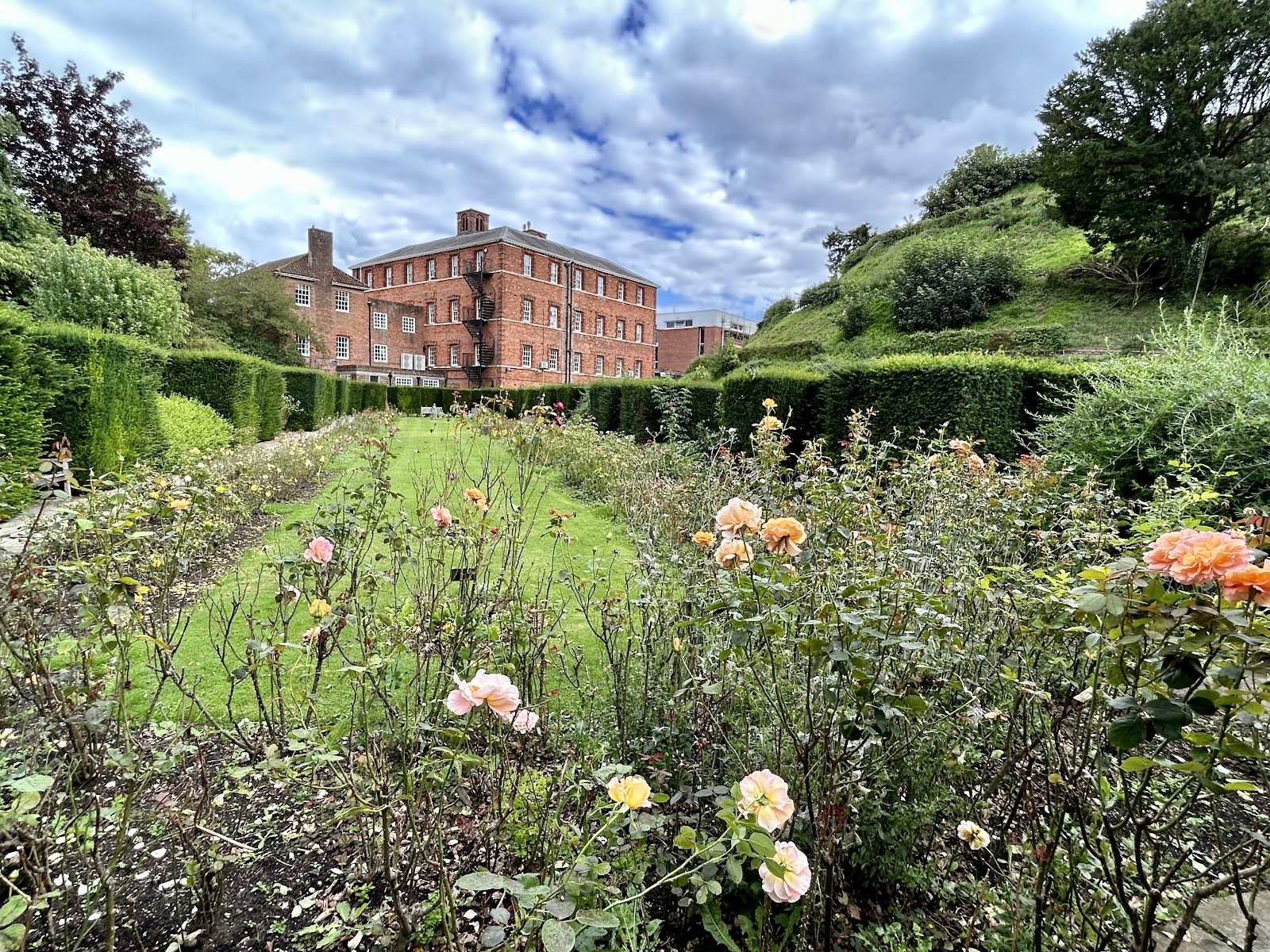
Marlborough College
Marlborough · United Kingdom
A 4,000-year-old Neolithic mound anchors a Wiltshire campus that pioneered co-education among Britain's boarding schools.
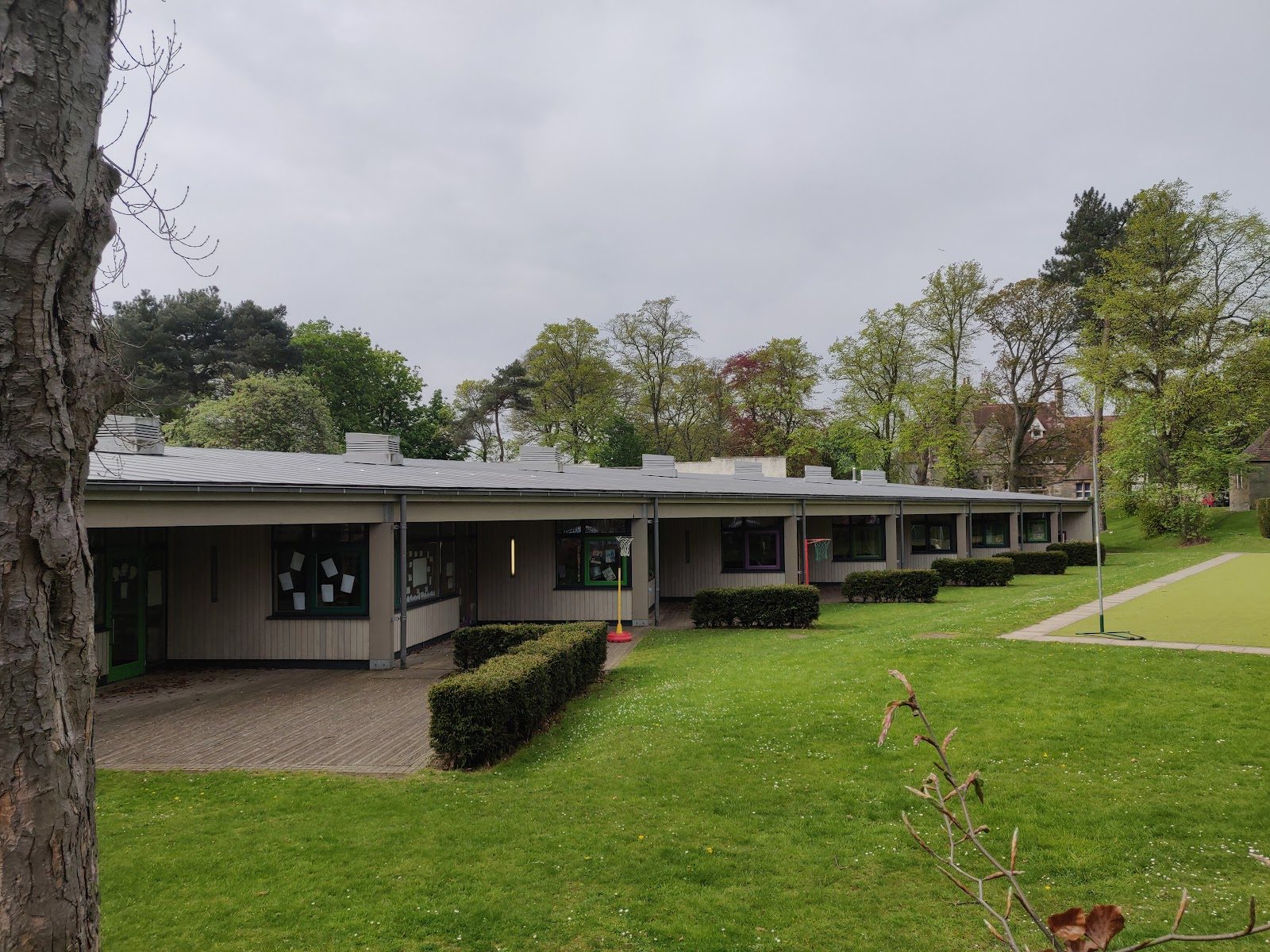
Fettes College
Edinburgh · United Kingdom
Gothic turrets said to have inspired Hogwarts frame Scotland's only sixth form pairing A Levels with a full IB Diploma pathway.
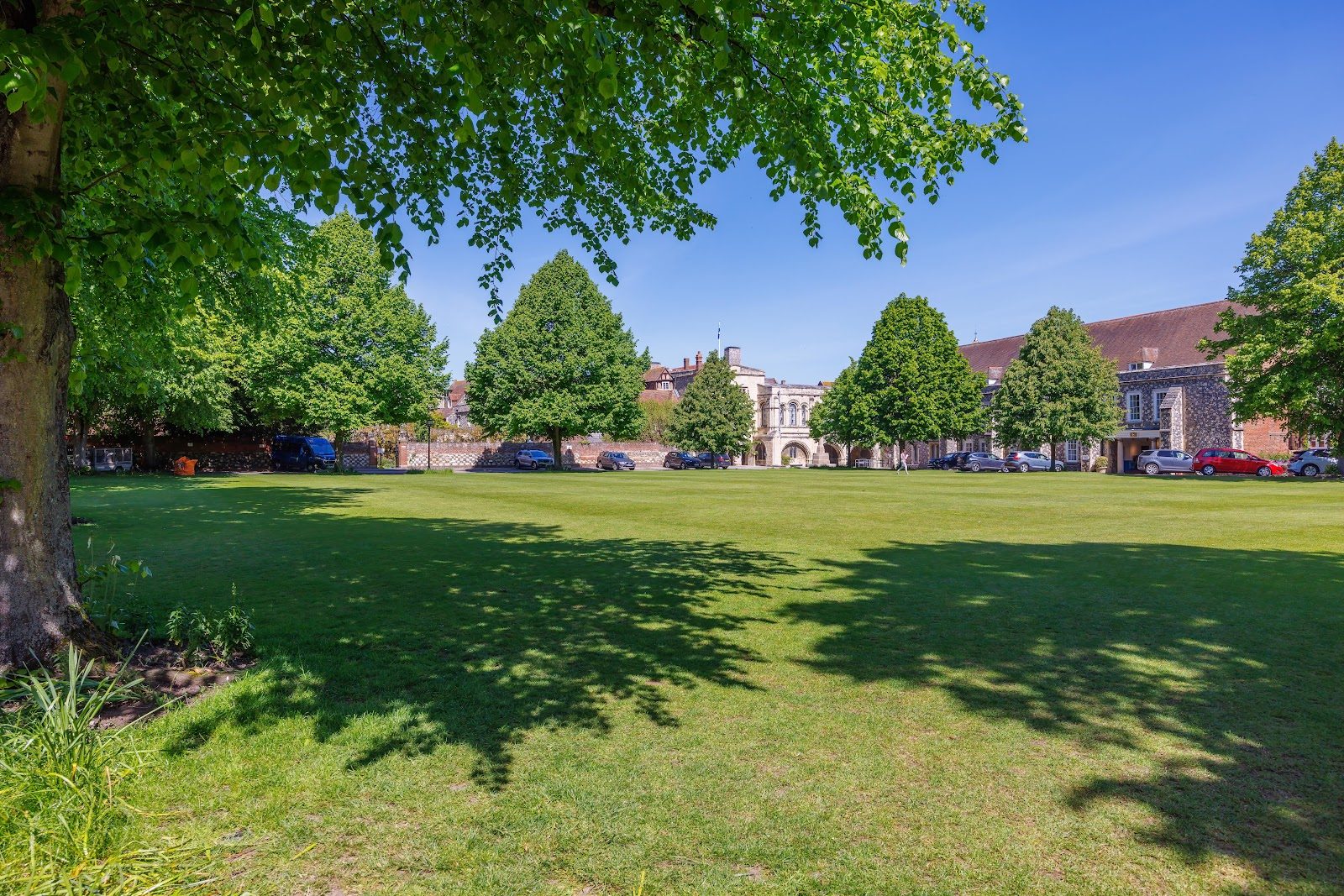
The King's School, Canterbury
Canterbury · United Kingdom
Inside Canterbury Cathedral's UNESCO precincts, lessons have run unbroken since 597 AD, folding King's Week festivities into daily life.
Radley College
Abingdon · United Kingdom
Eleven 'Socials' boarding houses anchor a full-boarding, all-boys community on an 800-acre Oxfordshire estate with its own golf course.
Same country and curriculum — closest matches within ±10 points either way