
California
Idyllwild Arts Academy
A mile-high pine forest campus houses the West Coast's only boarding arts high school, pairing conservatory training with college-prep rigor.
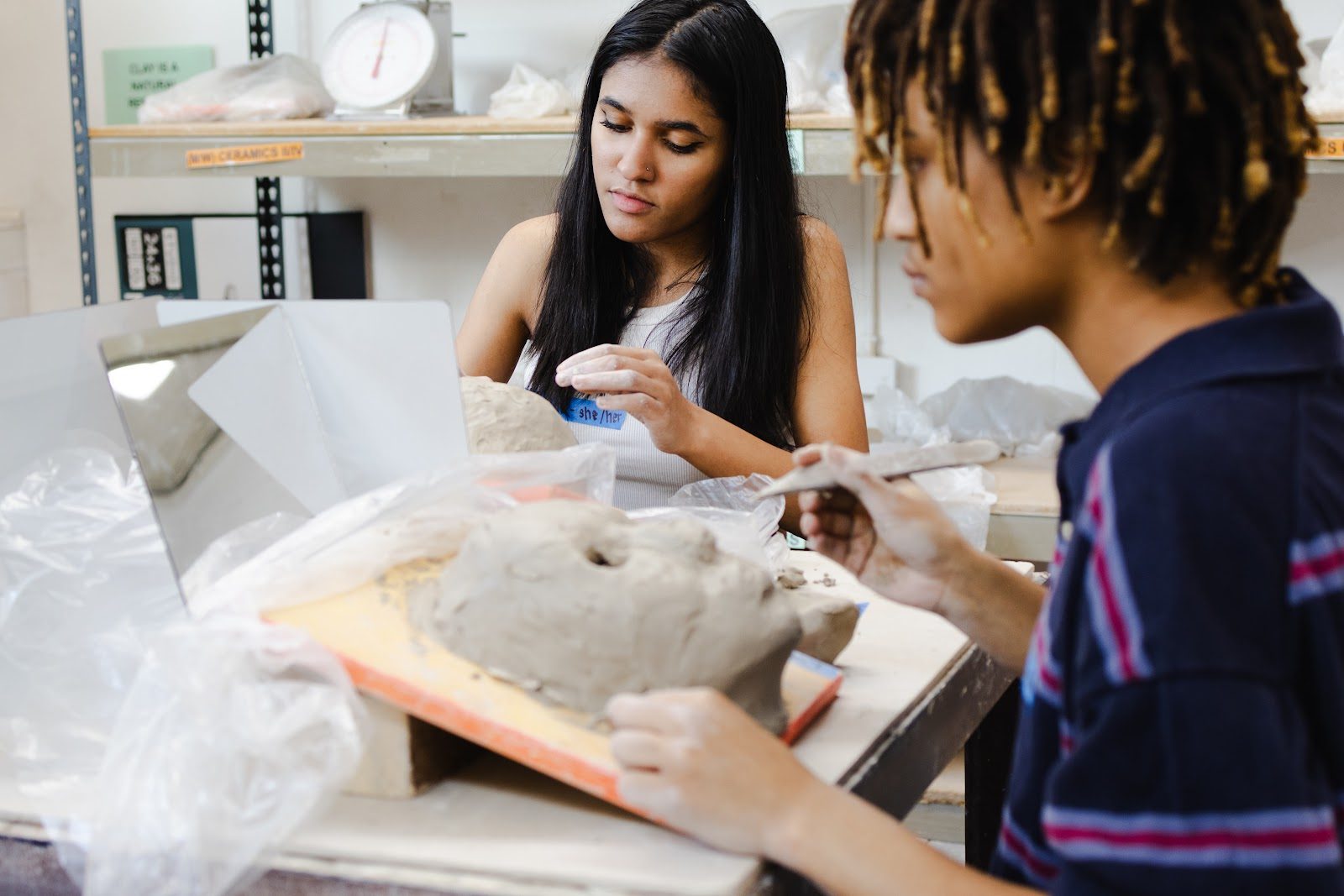
Photo © Idyllwild Arts Academy via Google Maps
Type
Boarding + Day
Ages
14–18
Curriculum
US High School Diploma
Ratio
1:4
The Verdict
Editor's commitment
Right for
Serious young artists who want boarding, a 1:4 student-teacher ratio, classes of 8, and a US high school diploma.
Wrong for
Families wanting a conventional all-round high school, lower fees than USD 68,000 boarding, or any religious framework; this is secular and specialised.
Watch out for
Founded in 1946 and WASC-accredited, it has pedigree; it also charges USD 45,000 day fees in a remote Idyllwild mountain setting.
Ranking breakdown
Idyllwild Arts Academy · # of 1591
Composite score 54.8. 8 weighted criteria.
By criterion
Academic Outcomes
Weight 20%
#1514
of 1533 scored
University Placement
Weight 16%
#1089
of 1529 scored
Prestige & Heritage
Weight 12%
#1100
of 1580 scored
Alumni Network
Weight 12%
#844
of 1530 scored
Facilities
Weight 12%
#1402
of 1540 scored
Transparency & Communications
Weight 8%
#791
of 1547 scored
Peer & Industry Review
Weight 10%
#268
of 1564 scored
Admissions Selectivity & Demand
Weight 8%
#991
of 1529 scored
Peer & Industry Review
How Idyllwild Arts Academy is regarded in the sector
78
Strong · medium confidence
Idyllwild Arts Academy occupies a specialist niche rather than competing head-to-head with mainstream college-prep boarding schools, so peer regard comes mainly from the arts-education world. It is consistently mentioned alongside Interlochen Arts Academy, Walnut Hill School for the Arts, and the North Carolina School of the Arts as one of America's few dedicated pre-professional arts boarding schools, and its NASAD/NASM/NASD subject accreditations give it standing with conservatory-style admissions officers. Its conservatory faculty and visiting-artist model draw regular coverage in Los Angeles-area press and arts-education trade outlets covering student placement into RISD, CalArts, Juilliard, Berklee, and USC's film and music programs, which admissions staff at those institutions cite informally as evidence of strong studio preparation. General independent-school ranking bodies (Niche, GSG-style guides) place it as a top specialist arts boarding option rather than a broad academic elite, reflecting its trade-off of narrower core academics for deeper studio training. It is less visible in mainstream league tables (e.g., UK-style whole-school comparisons) precisely because its identity is discipline-specific rather than Ivy-feeder generalist.
Award
Elite Film 50
World's Top School · The Global Ranking
Idyllwild Arts Academy is featured on our Global Top 50 ranking at #8. This seal is available for the school's marketing team to use on their website, prospectus and social channels.
Award
Elite Drama 50
World's Top School · The Global Ranking
Idyllwild Arts Academy is featured on our Global Top 50 ranking at #22. This seal is available for the school's marketing team to use on their website, prospectus and social channels.
Award
Elite Music 50
World's Top School · The Global Ranking
Idyllwild Arts Academy is featured on our Global Top 50 ranking at #40. This seal is available for the school's marketing team to use on their website, prospectus and social channels.
Award
Elite Visual & Fine Arts 76
World's Top School · The Global Ranking
Idyllwild Arts Academy is featured on our Global Top 76 ranking at #8. This seal is available for the school's marketing team to use on their website, prospectus and social channels.
Editors' overview
Idyllwild Arts Academy occupies a distinctive niche: a serious boarding arts high school in the San Jacinto Mountains, founded in 1946, with the atmosphere and isolation to make work the centre of daily life. The setting matters. A campus in pine forest at mile-high elevation creates creative intensity, distance from urban distraction and a strong residential culture. This is not a conventional American private school with a good drama department bolted on. It is an arts academy first, with academics structured around that fact. For families who want conservatory-level commitment without giving up a US high school diploma, Idyllwild earns a place on the shortlist.
Its market position is clear. On the West Coast, there are few direct competitors in the boarding segment for teenagers whose main ambition is in the arts rather than sport, general college-prep prestige or broad co-curricular sampling. The school’s numbers reinforce that focus: a 1:4 student–teacher ratio and average class size of 8 point to close supervision, critique and individual attention, all of which matter in studio, rehearsal and performance training. Fees are steep — US$68,000 for boarding and US$45,000 for day students — so parents are paying for specialism, time, access and environment, not the rounded polish of a large independent school. The trade-off is obvious: breadth narrows, but depth sharpens.
The students who flourish here are disciplined young artists who want full immersion, not dabbling. They need stamina for long practice hours, comfort with critique and a real appetite for a campus life built around making, performing and refining work. A teenager who wants Friday-night football culture, a long menu of casual extracurriculars or a conventional suburban high-school experience will find the academy narrow by design. A singer, dancer, musician, actor, writer or visual artist who wants peers with the same seriousness will find rare focus and daily artistic pressure. That pressure is the point. Idyllwild suits families ready to back a teenager’s artistic direction early, at 14–18, in a school where the work comes first.
A Global Elite 50 Music school
Idyllwild Arts Academy sits in Tier 3, Band 31-50, of the Global Elite 50 Music Schools because it is one of only three independent arts boarding high schools in the United States that offers a full four-year classical music training programme alongside an accredited college-preparatory diploma — the other two being Interlochen and Walnut Hill. Located on a 205-acre campus in the San Jacinto Mountains of southern California, Idyllwild teaches approximately 300 pupils across five arts disciplines.
Its classical music specialisms are broad: strings, piano, brass, woodwind, percussion, voice and composition, taught at senior-conservatoire preparation standard by a faculty drawn from the Los Angeles Philharmonic, the Colburn Conservatory and USC Thornton School of Music. The jazz programme is unusually strong for a US arts boarding school and includes formal streams in improvisation, arranging and combo performance; the songwriting programme is one of the few structured songwriting pathways offered at any American arts high school.
Progression evidence is strong across both classical and jazz. Idyllwild Music alumni matriculate into Juilliard, Curtis, the New England Conservatory, the Peabody Institute, the Cleveland Institute of Music, Eastman, the Manhattan School of Music, USC Thornton, the Colburn Conservatory and Berklee College of Music. On the jazz side, alumni have progressed to Berklee, Manhattan School of Music Jazz, USC Thornton Jazz Studies, and the New School's Jazz and Contemporary Music programme.
International openness is unusually high — approximately 40% of pupils in a typical year are non-US, with particularly strong feeder pipelines from East Asia (especially South Korea, China and Taiwan), Latin America and Europe. F-1 student visas are handled by the school and EAL support is embedded. Overseas families pay a full published boarding fee of approximately USD 82,000-86,000 per year all-in. Admission is by competitive audition — video pre-screens are accepted from anywhere in the world with recall auditions held on campus.
A Global Elite 50 Drama & Acting school
Idyllwild Arts Academy (Theatre) sits at #22 on our Global Elite 50 Drama & Acting Schools 2026, with a 75 Elite Score and B evidence-confidence grade, because on the 100-point Elite Acting Progression Model it demonstrates the weighted elite conservatoire progression, faculty pedigree, screen-and-stage training breadth and industry integration that separate a true tier institution from a strong regional feeder.
Its operating model is best described as Boarding Arts Academy: a structure that shapes both the daily balance of academic and specialist study, and the professional trajectory of graduating actors as they move into major drama-school BA degrees or direct casting.
The Global Elite 50 Drama & Acting Schools methodology is deliberately aggressive: 30 of the 100 available points are directly tied to weighted elite conservatoire and professional programme conversion between 2016 and 2026 — RADA, Guildhall, LAMDA, Juilliard, NYU Tisch, Yale, WAAPA, NIDA and their peers — with a further 15 points on faculty and industry pedigree and 20 points on training intensity and industry integration. Beautiful campuses, historic alumni and impressive facilities cannot compensate for weak contemporary professional conversion, and are not scored independently.
The evidence-confidence grade is deliberately separate from the ranking position: a lower grade reflects less public disclosure, not weaker performance. Where the school moves substantially better cohort data into the public domain in future audit cycles, the position — but not the underlying professional-conversion reality — may be revised.
International openness is a defining feature. Boarding or residential arrangements are standard where the school operates them, and overseas actors apply on a rolling international audition + video pre-screen basis without residency, federation or citizenship gates. Student visas are handled by the school or its host-family partner. This is one of the internationally-open pipelines on the Global Elite 50 Drama & Acting Schools list that a relocating family can consider directly.
A Global Elite 50 Film school
Idyllwild Arts Academy, in Idyllwild, California, sits at rank eight on the Global Elite 50 Film ranking because its Film & Digital Media major is described by the school itself as totally unique at the high school level, an immersive, practical education in the art of filmmaking, digital media, and audiovisual content production. That claim is backed by hardware most high schools never touch: students work on a dedicated soundstage and submit finished work into a genuine festival circuit rather than treating film as an elective add-on.
The program centers on the Bruce Ryan Sound Stage, complete with a Foley sound design and recording room, green room, and editing and color correction bays, supported by Black Magic cameras and iMac Pro workstations running industry-standard software. Post-production students can earn professional Avid User Certifications in Media Composer and Pro Tools, and postgraduates choose a year-long concentration in Directing, Producing, Writing, Editing, Sound Design, or Art Direction, delivered in 8-week focus sessions. Masterclasses bring in working producers, directors, and cinematographers, and advanced students pitch projects inside an actual Hollywood studio environment. Student work regularly earns selection at the All American High School Film Festival, LA Shorts International, North Hollywood CineFest, Toronto International Women Festival, Berlin International Art Film Festival, and Rome International Movie Awards.
Notable graduates lean toward acting and writing-for-screen rather than a deep bench of celebrated directors or cinematographers, and that honesty matters more than inflation. Marin Ireland, a postgraduate alumna, has built a film career spanning Hell or High Water, The Irishman, and Eileen. Neal Bledsoe, who spent a postgraduate year at Idyllwild before training at the North Carolina School of the Arts, is a working actor, writer, and filmmaker known for television roles in Shameless, The Man in the High Castle, and Ugly Betty. Dedicated director and cinematographer alumni are still emerging through the school's growing festival results.
International openness is structural: nearly half the student body is international, drawn from more than 30 countries, and admission requires an audition or portfolio plus, for non-native English speakers, a Duolingo, TOEFL, IELTS, or Cambridge English score. Boarding is standard for overseas applicants, ESL support runs through a dedicated English Language Learning program, and admissions are rolling year-round. International boarding tuition for 2025-2026 runs approximately $79,500. As a standard SEVP-certified US boarding school, Idyllwild issues the I-20 documentation international families need for the F-1 student visa process. Parents should start the portfolio, English-assessment, and visa paperwork at least nine months ahead of a target entry, since strong film applicants are reviewed alongside a genuinely competitive, arts-focused cohort.
An Elite Visual & Fine Arts 76 school
Idyllwild Arts Academy in Idyllwild, California sits at rank eight because it is the only boarding arts high school on the West Coast, and its Visual Arts graduates carry portfolios straight into Rhode Island School of Design, CalArts, Parsons, University of the Arts London and the Royal Conservatoire of Scotland. Niche has named it the number one high school for the arts in America, and roughly forty-six percent of the roughly 280-student body is international, drawn from over thirty countries in a typical year.
The Visual Arts major runs from foundational Art Fundamentals through to a capstone Senior Seminar, with students grounding their work in drawing and painting before moving into sculpture, ceramics, printmaking, graphic design and photography. The department is chaired by David Reid-Marr, a Royal College of Art-trained practicing artist who has taught at the school for nineteen years and oversees portfolio and show preparation for every visual arts student. Work is exhibited in the Parks Exhibition Center, a 1,400-square-foot professional gallery at the heart of campus, and students share studio access across disciplines rather than working in isolation.
Shepard Fairey, the street artist and graphic designer behind the Obama "Hope" poster, graduated from Idyllwild in 1988 before earning his BFA at RISD. Contemporary pop artist Nate Lowman, whose work has shown at Maccarone Gallery and Salon 94 in New York, also grew up on campus and graduated from the school. Elora Hardy, a 1999 Visual Art graduate, went on to found and creative-direct Ibuku, the Bali-based sustainable design studio.
International openness is built into the school's identity: admission requires a portfolio or audition rather than a specific passport, boarding is standard, and English Language Learning support is integrated for non-native speakers alongside F-1 visa sponsorship as a U.S. boarding school. International boarding tuition for 2025-2026 runs approximately $79,500, with total costs including fees closer to $80,000-$81,500 once room, board and department charges are added; need-based financial aid is available on a rolling basis. Overseas families should submit portfolios and financial aid paperwork by the December-to-February deadlines and treat the F-1 visa process as a nine-to-twelve-month lead item given the small, competitive cohort.
Academic Performance
Idyllwild Arts Academy does not publish the kind of external examination data that lets parents benchmark a school cleanly against academic peers. We have not seen aggregate SAT or ACT profiles, AP participation and score distributions, IB results, or a full university-placement table broken down by course and institution. That leaves academic performance opaque in the aggregate. For a specialist arts school, that is not unusual; for a family weighing academic stretch against conservatory training, it is a real gap. The published structure points to close teaching — 1:4 staffing and classes averaging 8 — but intimate provision is not the same thing as transparent outcomes.
Relative to mainstream US college-prep independents, Idyllwild sits in a different lane. The comparison group is not the all-purpose day school chasing test-score bragging rights; it is the small set of serious pre-professional arts schools where timetable, energy and institutional attention flow first to studio, rehearsal, critique and performance. In that market, academic strength matters as a floor rather than the whole proposition. Parents should read the school as arts-led, not metrics-led: a place where a teenager’s portfolio, audition standard and discipline carry more weight than a barrage of published exam statistics. That makes it high-trust and high-risk at once. Families who need hard academic data for reassurance will find the public picture too thin.
Facilities
The decisive facility here is not a single theatre or studio but the campus itself: a secluded mountain setting in the San Jacinto range, inside national forest, where rehearsal, making and residential life fold into one another. For an arts school, that matters. Distance cuts both ways. It strips away urban distraction and builds total immersion; it also limits the easy access to city galleries, conservatories, professional companies and visiting cultural traffic that metropolitan peers can draw on. Families choosing Idyllwild are buying into that trade: fewer external amenities, more internal focus. Against arts boarding competitors, the campus reads as purpose-built for concentration rather than spectacle.
What we have not seen is a publicly detailed account of specialist spaces by discipline — no full published inventory of performance venues, practice rooms, recording facilities, dance studios, galleries, workshops or technical-production infrastructure. That absence matters because at this fee level — US$68,000 for boarders — parents should expect hard specifics, not atmosphere alone. The low staffing ratio and tiny classes imply close use of specialist spaces, and that strengthens the educational case. But compared with peer schools that publish exhaustive arts-facility detail, Idyllwild leaves too much unsaid. The result is a facilities picture that is compelling in setting, serious in intent and less transparent than it should be.
Idyllwild Arts Academy does not publish the kind of external examination data that lets parents benchmark a school cleanly against academic peers
Prestige
Idyllwild’s prestige is specialist, not universal. In mainstream American private-school circles, the names that dominate status talk are old East Coast college-prep institutions with deep athletic, donor and admissions ecosystems. This is not that market. Idyllwild carries weight in a narrower and more serious one: pre-professional arts education. For families targeting conservatory-style training in the teenage years, the school has real standing because it offers something scarce on the West Coast — an arts academy where the daily culture is built around disciplined practice, critique and performance rather than broad-school display. The low staffing ratio and classes averaging 8 reinforce that seriousness. Prestige here comes from artistic concentration, peer standard and the credibility of choosing a school that asks a teenager to commit early.
That also sets the limits of the brand. Outside arts-focused families, Idyllwild does not have the instant social recognisability of the grand US independents or the exam-driven international names. Its fees — US$68,000 for boarders and US$45,000 for day students — place it firmly in the expensive bracket, so parents are paying for a rarefied niche rather than broad prestige. We rate it as high-prestige within specialist arts boarding, but not as a universal status school. That is a strength, not a flaw. For the right student, the badge matters less than the fact that the school’s reputation rests on serious work rather than polish.
Idyllwild Arts Academy occupies a distinctive niche: a serious boarding arts high school in the San Jacinto Mountains, founded in 1946, with the atmosphere and isolation to make work the centre of daily life
Communications
Idyllwild’s parent communications carry the strengths and weaknesses of a specialist school in a remote setting. The strengths are clear: a focused institution with small classes, a low staffing ratio and high fees cannot function without direct contact between adults and families. Parents need timely updates on artistic progress, rehearsal demands, performance schedules, pastoral issues and residential logistics, and the school has every operational reason to keep that information moving. The website does the core job — it explains the school’s identity quickly, stakes out its artistic mission clearly and gives families a coherent sense of who the school is for. That matters. In a niche school charging US$68,000 for boarding, muddled messaging is unacceptable. Idyllwild avoids that. Its outward communication is clear-eyed, mission-led and more disciplined than decorative.
The weakness is depth. We have not seen the level of public detail that lets parents test how communication works once a child is enrolled: no strong published evidence of reporting rhythms, parent-portal functionality, response standards, safeguarding detail, residential routines or the practical cadence of home-school contact. For a school built on intense adolescent specialisation and physical distance from home, that gap matters more than it does at an ordinary day school. Families are not buying casual oversight; they are handing over a large part of daily structure in a high-pressure, high-trust environment. The result: communications read as effective at the level of positioning and first contact, but less transparent than they should be on the lived parent experience.
Uniqueness
Idyllwild’s uniqueness starts with category, not branding. This is a teenage arts school where the institution does not treat the arts as enrichment, ornament or a prize-winning sideline. It organises life around them. That matters because most schools asking young musicians, dancers, actors, writers or visual artists to work at serious level still keep them inside a conventional college-prep culture. Idyllwild reverses the hierarchy. Artistic development sits at the centre, academics support it, and the mountain setting enforces a closed-loop intensity that day schools cannot match. The result is a rare form of adolescent specialisation: students live with peers who share the same obsessions, the same critique culture and the same tolerance for long hours of solitary practice and public exposure.
That brings clear gains and clear constraints. The gains are depth, discipline and early professional habits. Small classes and a very low staffing ratio — 1:4 — give students close attention, immediate correction and the kind of sustained mentoring that serious young artists need. The fees — US$68,000 for boarders and US$45,000 for day students — buy time, concentration and a peer group selected for commitment, not a broad all-American school experience. For the right student, that is transformative. For the wrong one, it is claustrophobic. Idyllwild’s real distinction lies there: it asks teenagers to choose a lane early and then gives them a campus built to stay in it.
A campus in pine forest at mile-high elevation creates creative intensity, distance from urban distraction and a strong residential culture
Student Profile
The students who fit Idyllwild are not school-spirited generalists hunting a broad teenage menu. They are young artists prepared to let one discipline dominate the week: the violinist who practises when nobody is watching, the dancer who takes correction without drama, the actor who can repeat a scene until it works, the writer or visual artist who tolerates solitude and scrutiny. Peer culture matters here. In a school with a 1:4 student–teacher ratio and classes averaging 8, there is little room to hide, coast or reinvent weak effort as personality. The right student wants that pressure. The wrong one will find it exposing, intense and narrow by design.
Temperament matters as much as talent. A teenager who needs constant urban stimulation, conventional Friday-night school culture or a wide social field will chafe in this environment. The students who settle best are self-propelling, emotionally steady and comfortable living among other adolescents whose identities are tied closely to their work. That can be galvanising for serious young performers and makers; it can also turn comparison and ambition up to an uncomfortable pitch. Families should read the profile plainly: Idyllwild suits a student with real artistic direction, a high tolerance for critique and the maturity to handle an expensive, all-in specialist education without romantic illusions.
This is not a conventional American private school with a good drama department bolted on
Co-curricular strengths
Arts & sport, on a separate axis
Overall 8.5/10
Scored 0-10 from the school's own published evidence. This axis is editorial-only — it does not feed the main WTS ranking.
Sports
3.8/10
Drama
9.5/10
Dance
9.7/10
Music
9.7/10
Visual Arts
9.8/10
Strengths
- +Small, arts-only campus (roughly 250 students) allows conservatory-style, discipline-specific training rather than a conventional broad curriculum.
- +Faculty include working professional artists, filmmakers and musicians who teach alongside academic staff, giving direct industry exposure.
- +Offers both boarding and day options, with a substantial international student population representing dozens of countries.
- +Dedicated major tracks (Film & Digital Media, Theatre, Music, Dance, Visual Art, Creative Writing) let students specialise from ninth grade onward.
- +205-acre mountain campus provides purpose-built studios, theatres, editing suites and practice spaces uncommon at most secondary schools.
Considerations
- −Remote location in the San Jacinto Mountains means roughly a two-hour drive to Los Angeles or Palm Springs airports, limiting easy access to family visits.
- −Small overall enrollment restricts breadth of non-arts extracurriculars, sports facilities, and elective academic subjects compared to larger prep schools.
- −Mountain elevation (about 5,400 feet) brings cold winters and occasional snow closures that can disrupt the boarding-school routine.
- −Intense focus on a single artistic major from early high school may not suit students who are still undecided or want a generalist education.
Gallery
Photo © Idyllwild Arts Academy via Google Maps
Photo © Jason Chiang via Google Maps
Photo © Jason Chiang via Google Maps
Photo © Jason Chiang via Google Maps
Photo © Jason Chiang via Google Maps
Photo © Jason Chiang via Google Maps
Photo © Jason Chiang via Google Maps
Parent reviews
Have you sent your child here?
Voice reviews carry the strongest trust badge — we transcribe them for you to tidy up before they go live. Prefer to type? A written review is fine too.
Add your voice
In 60 seconds, tell other parents: what's the best thing about Idyllwild Arts Academy, and what surprised you when your child joined?
We ask for a Google sign-in so every review has a real face behind it — no anonymous drive-by attacks on schools, and no faked positive reviews. Your email is never shown publicly.
Send this profile to a friend
International parents rely on word-of-mouth. Share this review with someone weighing the same decision.
Schools with places
Similar schools to Idyllwild Arts Academy with places available now.
Head-Royce School
Oakland · United States
- 2026-27
- CLOSEDRegular cycle
- 2027-28
- OPENS SOONOpens Sept '26
The Branson School
Ross · United States
- 2026-27
- CLOSEDRegular cycle
- 2027-28
- OPENS SOONOpens Sept '26
Crystal Springs Uplands School
Hillsborough · United States
- 2026-27
- CLOSEDRegular cycle
- 2027-28
- OPENS SOONOpens Sept '26
Lick-Wilmerding High School
San Francisco · United States
- 2026-27
- CLOSEDRegular cycle
- 2027-28
- OPENS SOONOpens early Sept '26
Availability first, then country, area, curriculum, price, co-curricular
Consider also
Also worth looking at alongside Idyllwild Arts Academy.
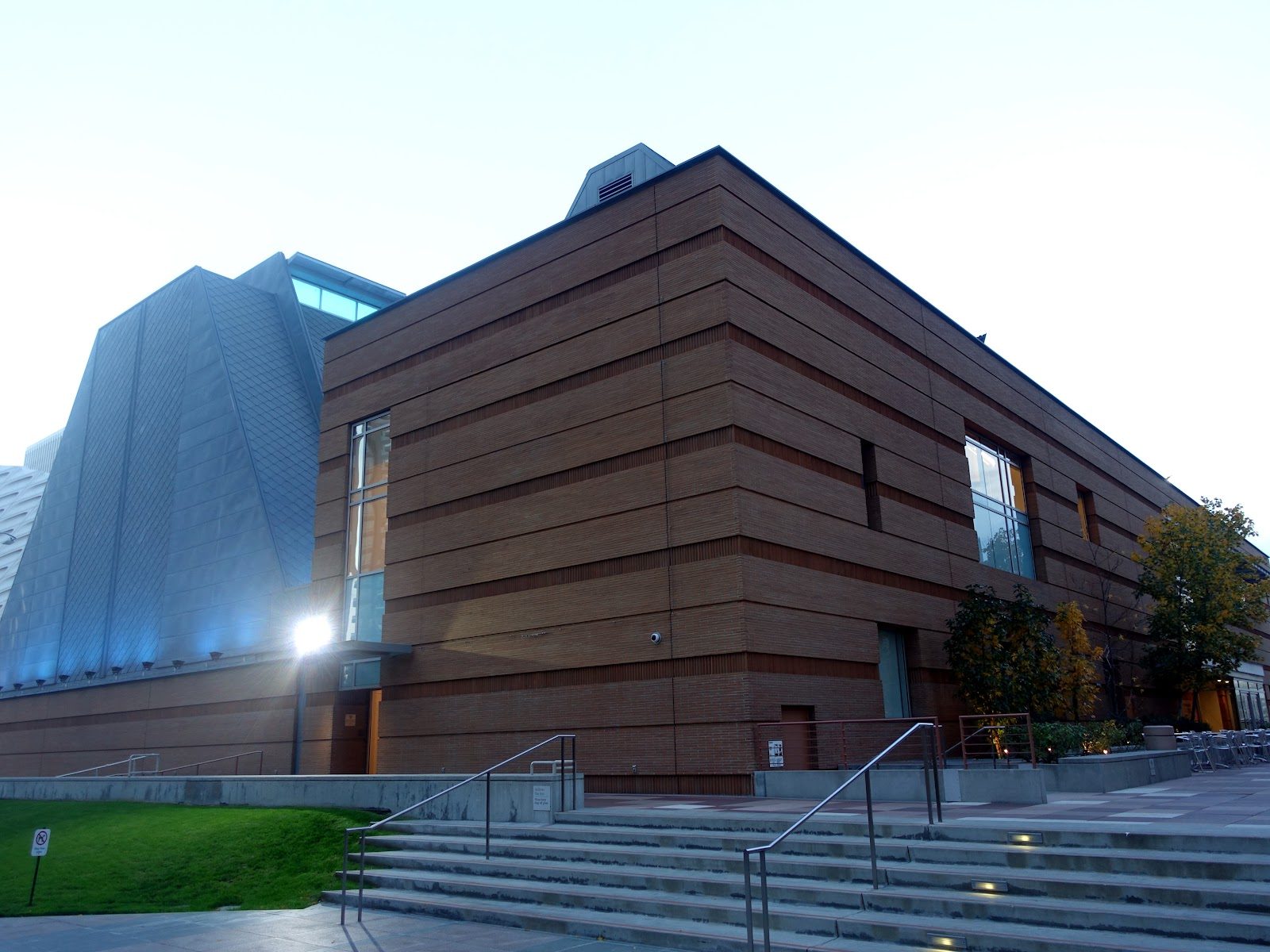
Colburn Music Academy
Los Angeles, CA · United States
Downtown LA's highly selective pre-college conservatory track pairs LA Phil-taught private lessons with an outside high school diploma.
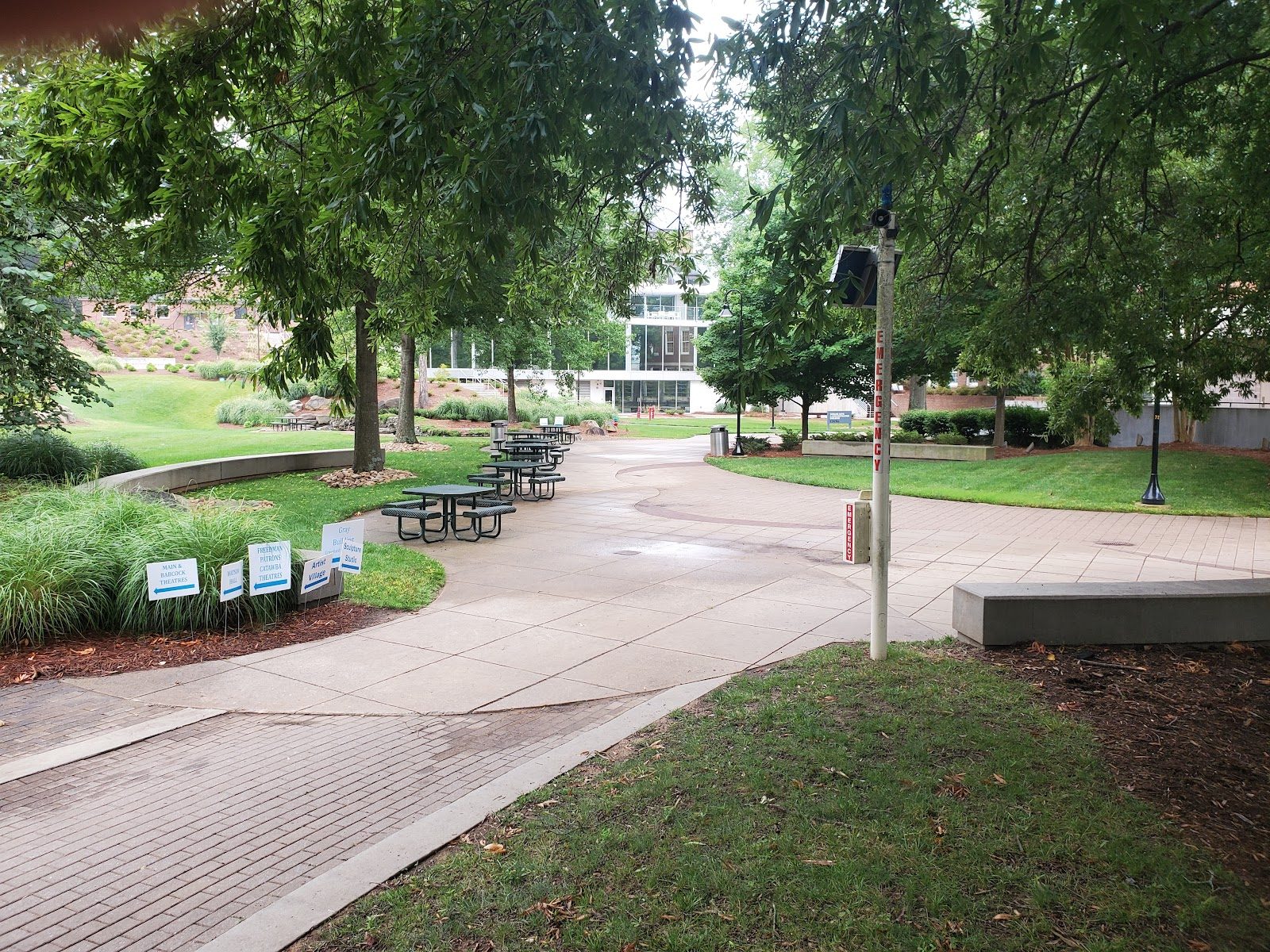
UNCSA High School, School of Music
Winston-Salem, NC · United States
Born from America's first public arts conservatory, pairing pre-professional music training with a rare four-year residential high school track.
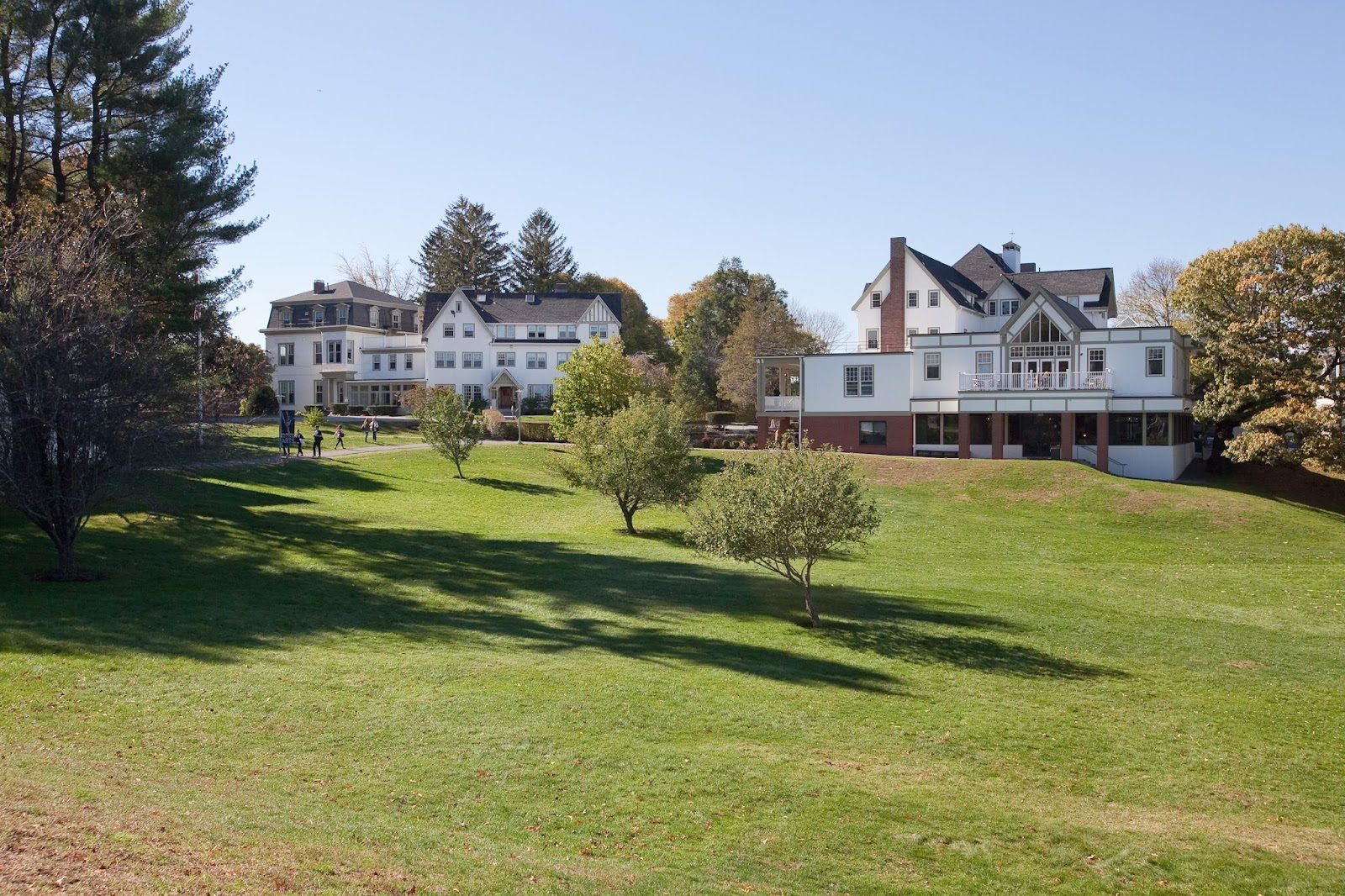
Walnut Hill School for the Arts
Natick, MA · United States
A weekly commute to Boston's Jordan Hall pairs New England Conservatory training with a full college-prep diploma.
The Yehudi Menuhin School
Stoke d'Abernon, Surrey · United Kingdom
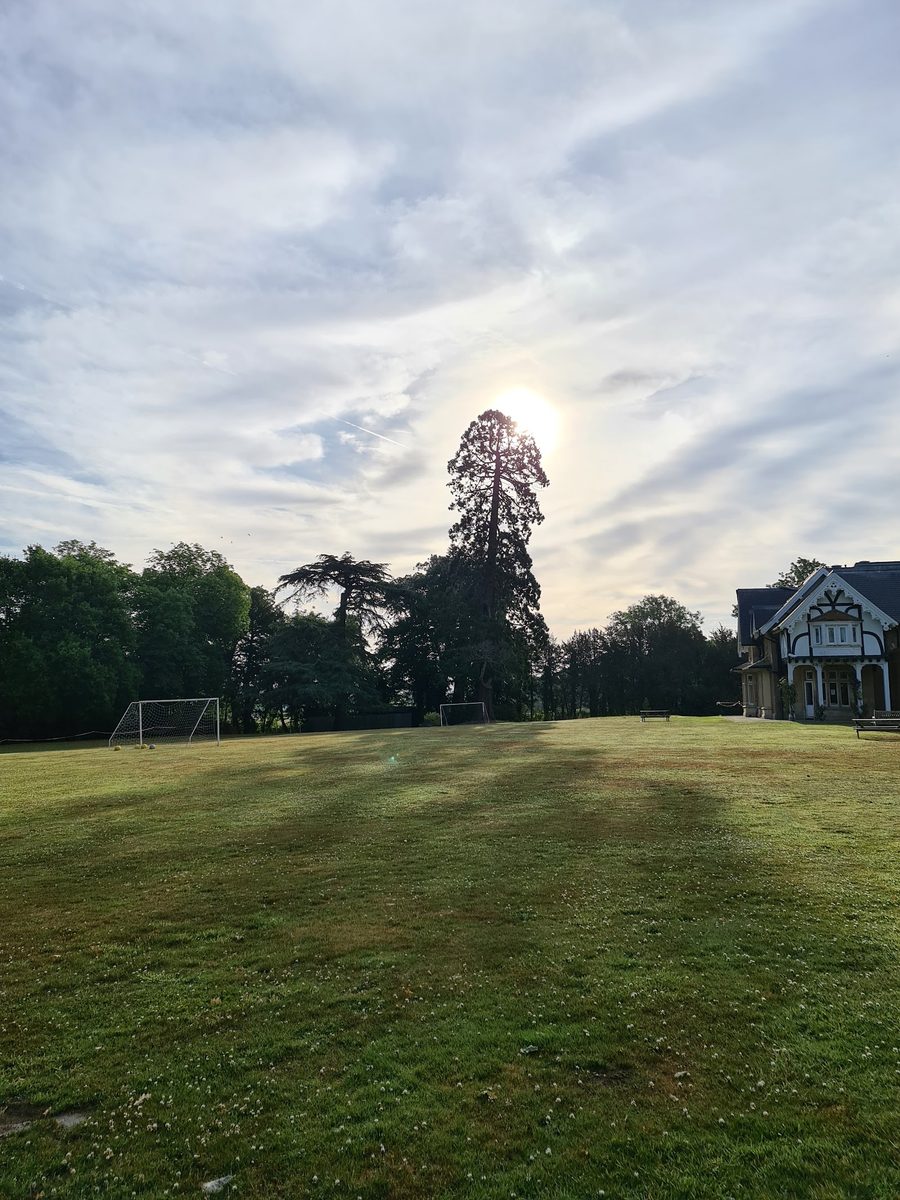
Set in Surrey woodland, this specialist conservatoire trains string, piano and guitar prodigies, sending most graduates straight into music careers.
Same specialism, country and curriculum — closest matches within ±10 points either way