
Greater London
Wedged between brutalist towers and the old Roman city wall, a rigorously academic day school with the capital as its classroom.
Know this school? Rate it
No community ratings yet — be the first.
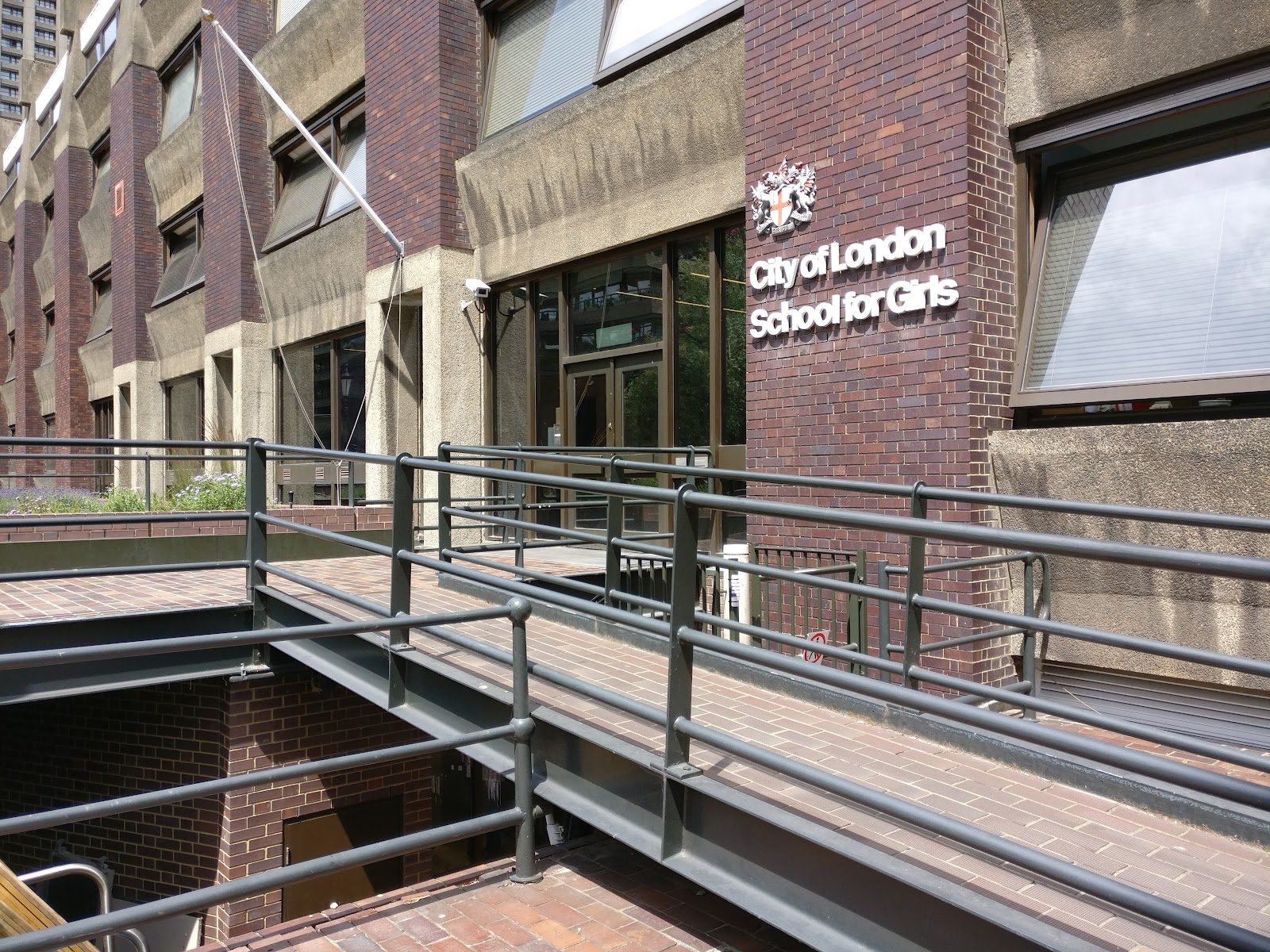
Photo © Ian Roberts via Google Maps
Type
Day
Ages
11–18
Curriculum
British
Qualifications
A-Level
Ratio
—
The Verdict
Editor's commitment
Right for
Girls who want a hard-driving British academic education in the City, with 91% of 2024 leavers to top-100 universities.
Wrong for
Families wanting boarding, a gentler pace, or a cheaper route than the £32,000 average annual day fee.
Watch out for
This is an 11–18 day school by the Barbican; 18 Oxbridge places in 2024 tell you exactly where the bar sits.
Ranking breakdown
City of London School for Girls · #64 of 1591
Composite score 79.4. 8 weighted criteria.
By criterion
Academic Outcomes
Weight 20%
#68
of 1545 scored
University Placement
Weight 16%
#59
of 1529 scored
Prestige & Heritage
Weight 12%
#70
of 1590 scored
Alumni Network
Weight 12%
#181
of 1532 scored
Facilities
Weight 12%
#457
of 1564 scored
Transparency & Communications
Weight 8%
#123
of 1575 scored
Peer & Industry Review
Weight 10%
#106
of 1582 scored
Admissions Selectivity & Demand
Weight 8%
#121
of 1530 scored
Score history
City of London School for Girls · 2026
Movement across 2024–2026. Peer average overlaid.
Overall — 2024–2026
79.4/ 100
▲ +25.0 vs 2025
year on year
Peer & Industry Review
How City of London School for Girls is regarded in the sector
87
Strong · high confidence
City of London School for Girls sits firmly in the premier league of UK girls' schools, with the Good Schools Guide noting it has "acquired an academic pre-eminence" and calling it "a London school par excellence." WhichSchoolAdvisor's review flags its reputation for "impressive GCSE and A Level results and well-rounded single sex education," while its Barbican location and links to sister school City of London School reinforce its standing within the wider City Schools family. The Sunday Times rated it the second-best independent school in the UK by exam results in 2018, and it has previously topped national A-level league tables. Tatler's guide echoes this, praising pupils who are "intellectually confident" and highlighting strong Oxbridge and Ivy League progression. Coverage is consistently glowing across specialist press, with only its highly selective, single-sex remit narrowing its appeal versus larger co-ed powerhouses.
Evidence sources
Editors' overview
Wedged into the Barbican beside the old city wall, City of London School for Girls uses central London as more than a backdrop. The setting matters: this is a school for girls who thrive on pace, culture and intellectual traffic, not leafy seclusion. Founded in 1894, CLSG is a day school for ages 11–18, teaches in English, and sits firmly in the British academic tradition. Its partnership with the boys’ City of London School and City of London Freemen’s School, with all three receiving support from the City’s Cash, gives it an institutional confidence that newer London independents cannot match. The market position is clear: academically hard-driving, urban, and unapologetically selective.
Parents shortlist CLSG for results and for the kind of pupil those results attract. The Class of 2024 sent 91% of its 100 leavers to top-100 universities, with 18 Oxbridge places and 33 to Russell Group universities; the most common destinations were Cambridge and UCL with 10 each, and Oxford with 8. That is not a school dabbling in academic ambition; it is a school built around it. HMC membership adds another marker of standing, but the more telling point is the consistency of destination data. At an average annual fee of £31,833, it sits in the upper tier of London day schools without straying into the stratospheric pricing of some competitors. This is expensive, but it is not vague luxury pricing; families are paying for a serious academic machine.
What is special here is the combination of intensity and location. Many strong girls’ schools offer examination success; fewer offer it in the middle of the City, adjacent to the Barbican, with the capital functioning as an extended classroom. That suits girls who are independent, intellectually confident and happy in a high-pressure environment where scholarship carries real status. It will not suit a child who wants open fields, a softened competitive edge or a more pastorally cushioned atmosphere. CLSG belongs on a shortlist for families who want a fiercely academic London day school with proven university outcomes, an adult urban setting and a student body that does not need coaxing to work hard.
Academic Performance
Academic performance sits at the centre of CLSG’s proposition. This is not a school that trades on warm generalities about “all-round development” while leaving outcomes opaque. The destination pattern already signals the level, and the academic culture behind it is hard-edged, high-expectation and unmistakably selective. In the London girls’ day-school market, CLSG belongs in the top bracket with the capital’s most academically exacting independents: the schools parents compare when they want stretch, speed and a cohort that treats intellectual effort as normal. That matters because headline university offers do not happen by accident; they come from sustained examination performance across the senior years.
What the school does not publish here is a clean set of aggregate public exam statistics, and that absence matters. Parents cannot test CLSG against peers through a simple run of A-level or GCSE headline tables in the way they can with more transparent competitors. Even so, the weight of the outcomes puts it firmly among London’s exam-driven elite. A school sending 18 leavers to Oxbridge in one cycle and 91% of a year group to top-100 universities is operating at a rare level of academic conversion. The caveat is straightforward: this is a place for girls who can thrive under pressure, not for families looking for a softer measure of success or a school that hides ambition behind pastoral rhetoric.
Facilities
Facilities are defined first by location. CLSG does not sell the fantasy of acres, pitches and cloistered calm; it operates beside the Barbican in a dense, adult, urban setting where cultural infrastructure matters as much as on-site square footage. For the right pupil, that is a strength, not a compromise. Access to the Barbican’s concert halls, theatres, cinemas and galleries gives the school an arts ecosystem few London peers can match without a coach journey. The trade-off is plain: families wanting sweeping grounds, extensive outdoor sport on the doorstep or the visual reassurance of a grand campus will find CLSG tight, vertical and city-bound. Against other academically selective London day schools, that places it closer to the capital’s high-intensity urban operators than to schools whose facilities impress through land and scale.
That means the most important facilities here are the ones that support serious sixth-form study and cultural participation rather than pastoral sprawl: well-used teaching space, specialist rooms for senior subjects, and direct adjacency to one of London’s strongest arts complexes. The partnership with its brother schools also adds institutional heft, even if it does not turn the site into a country estate. Benchmark it against peers and the picture is clear. CLSG is not the school with the broadest sports plant or the most lavish physical campus. It is the school whose facilities make sense for an academically exacting girls’ day education in the middle of the capital, with the city itself doing part of the work.
Wedged into the Barbican beside the old city wall, City of London School for Girls uses central London as more than a backdrop
Prestige
CLSG carries serious metropolitan prestige. Part of that status comes from raw selectivity and part from institutional inheritance: this is a City school in the literal sense, tied to the long-established family of City of London schools and supported by the City’s Cash rather than standing alone as another branded independent. In a crowded London market, that gives it old-civic weight as well as academic clout. The location beside the Barbican adds something sharper than pretty surroundings ever could. It places the school in an adult, professional, culturally dense environment that reads as intellectual urban confidence, not cocooned privilege. For families who know the sector, CLSG sits in the same prestige conversation as the capital’s hardest-driving girls’ day schools.
The rating also rests on output and social recognition. University destinations at 18 Oxbridge places in a single cycle and 91% progressing to top-100 universities put CLSG in a thin top tier where reputation is earned through results, not marketing copy. Its alumnae footprint strengthens that picture: public records already capture 45 notable former pupils across scholarship, writing, the arts and public life. That breadth matters. Some schools produce a narrow stream of conventional high achievers; CLSG has prestige that extends beyond exam success into visible cultural and intellectual influence. The limitation is clear too: this is high-status through performance, not through acreage, sporting mythology or aristocratic gloss. For many families, that makes the prestige more credible, not less.
A school sending 18 leavers to Oxbridge in one cycle and 91% of a year group to top-100 universities is operating at a rare level of academic conversion
Communications
Parent communication is strongest when a school knows exactly who it is talking to. CLSG serves a high-drive, high-literacy parent body that expects information to be clear, timely and worth reading, not padded with pastoral euphemism. The school’s identity helps here: an academically exacting London day school in an adult setting cannot afford woolliness. Families need operational clarity around schedules, events, examinations, trips and sixth-form planning, and CLSG has every incentive to keep that machinery tight. Its public-facing voice is concise and institutional rather than chatty. That matters. Schools that over-market themselves to current parents usually compensate for muddled internal communication; CLSG reads like a school that values precision over performance.
The limit is visibility. We have not seen the kind of richly detailed public parent-information architecture that lets outsiders judge communication systems in depth: no expansive published dashboard of routines, response standards or parent-facing process detail. That does not indict the school, but it does place more weight on culture and competence. Here, the school’s wider record works in its favour. A place producing outcomes at this level, in a complex central-London context, does not function on scrappy communication. Parents choosing CLSG should expect efficient, adult, no-nonsense exchanges rather than hand-holding warmth. For many families, that is a strength. For those wanting a heavily cushioned, overtly pastoral communication style, it is a mismatch.
Uniqueness
What marks CLSG out is not one flagship feature but a rare fit between institution and setting. Plenty of selective girls’ schools in London deliver strong academics; few do it in the middle of the City, beside a major arts complex, with the old civic machinery of London woven into the school’s identity. The link to the wider City of London family of schools matters here. This is not an isolated boutique operation. It has civic heft, urban seriousness and a sense that education sits in conversation with the capital’s professions, culture and public life. For students, that brings an education that feels less insulated than many independent schools. Daily life has an adult tempo. Girls learn early to move confidently through a demanding environment and to treat the city as working territory, not an occasional trip.
That distinctiveness also sharpens the student culture. CLSG attracts girls who want intellectual challenge without apology and who do not need a campus to manufacture stimulation around them. The benefits are obvious: rapid independence, cultural fluency, and peers for whom academic effort carries social value rather than embarrassment. The school’s public outcomes and alumnae record reinforce that pattern, with 45 notable former pupils already visible across scholarship, writing and the arts. There is a trade-off. This is a high-pressure, high-expectation model with little of the softened atmosphere some families want. For the right girl, that exact combination is the point: a school embedded in the capital, serious about ideas, and not for the faint-hearted.
What marks CLSG out is not one flagship feature but a rare fit between institution and setting
Student Profile
The girl who fits here does not need coaxing to join in, speak up or work hard. She is intellectually quick, self-propelled and comfortable being surrounded by other able students who treat academic effort as normal social currency. CLSG suits pupils with serious academic appetite and the nerve to handle a school where standards are high and excuses carry little weight. The strongest fit is a girl who enjoys argument, reads beyond the syllabus and wants teachers and peers who will push back. The urban setting also matters to the student profile: this works for girls with real independence, good organisational habits and ease in an adult environment. If your daughter wants a sheltered school life built around open space, ritualised school spirit or a gentler pace, this is the wrong address.
Socially, the culture rewards confidence of mind more than polish or performative extroversion. A quieter student can thrive here, but only if she has inner steel and can hold her ground in a fast, capable cohort. The university record and the pull of 18 Oxbridge places in one leaving year shape expectations all the way down the school; ambition is not hidden. Nor is the alumnae signal trivial: at least 45 notable former pupils across public life, scholarship and the arts point to a student body with intellectual range as well as examination drive. Best for girls who are high-functioning, curious and not for the faint-hearted; a poor fit for those who need persistent reassurance or a softer competitive edge.
The setting matters: this is a school for girls who thrive on pace, culture and intellectual traffic, not leafy seclusion
Co-curricular strengths
Arts & sport, on a separate axis
Overall 8.22/10
Scored 0-10 from the school's own published evidence. This axis is editorial-only — it does not feed the main WTS ranking.
Sports
7.8/10
Competes fiercely across London independent school leagues, balancing intensive academic tracking with strong netball and swimming squads.
Drama
8.8/10
Ambitious theater curriculum utilizing an exceptional on-campus venue, providing deep training in scriptwriting and tech direction.
Dance
7/10
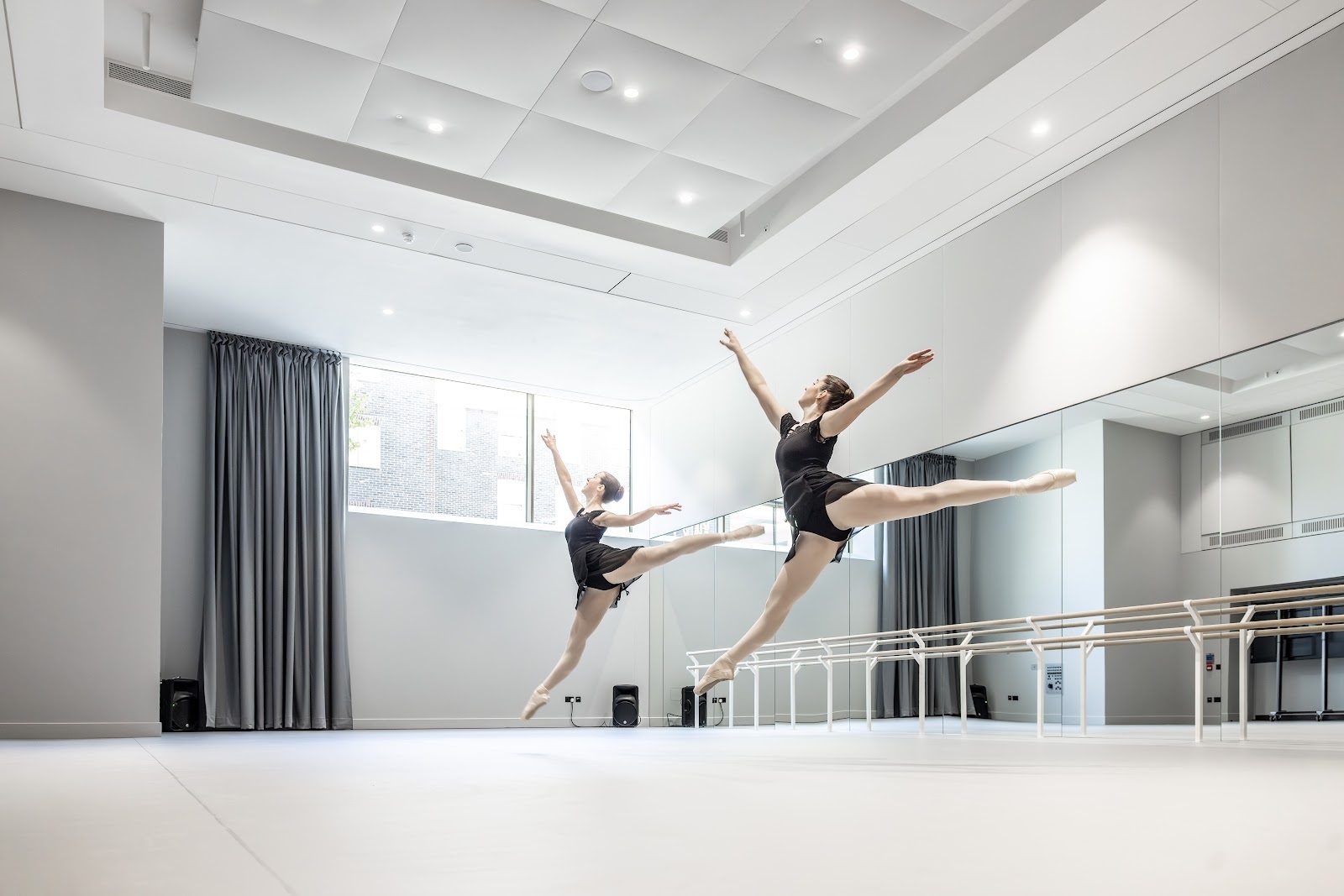
Highly dedicated formal dance curriculum running classical ballet and modern composition inside custom studios.
Music
9/10
Outstanding musical depth; supports multiple jazz big bands, massive symphonies, and elite choirs with deep civic pipelines.
Visual Arts
8.5/10
Breathtaking visual studios producing top-tier design portfolios, digital multimedia creations, and fine art pieces.
Editor-verified · 8/6/2026
Outcomes & destinations
Where students go next
Editorial estimateClass of 2024
100 graduates
A-Level distribution
100% covered
- A*46%
- A33%
- B17%
- C4%
Top destinations
53 placements
- Cambridge· 10
- Oxford· 8
- Yale· 2
- UCL· 10
- Imperial College London· 6
- Durham· 5
- Bristol· 4
- Warwick· 4
- LSE· 4
Central-London girls' day school with strong medical + STEM placement.
Editor-approximated from the school's own leavers report. Awaiting school-attested figures.
Notable alumni · Wikidata
45notable alumni
12 historic (born pre-1930) · 14 modern (born post-1970)wikidata:2026-07-28 How we source this
The story in one line
71% achieved ≥ AAB in 2+ facilitating subjects·ISI Routine Inspection 2025
AAB with 2 facilitating subjects is the Department for Education's published predictor of admission to a top-third UK university: the pupil has scored high grades in at least two of the classic Russell-Group subjects (maths, sciences, English, history, geography, or a modern language). Independent schools don't appear in the state-only HE-destinations dataset, so this is the strongest DfE-verified sixth-form signal available. Source: DfE 16-18 school and college performance data · 2023/24.
DfE-verified statistics
Official GCSE data · 2024/2025
Progress 8
—
Value-added score. State-schools only; 0 = expected progress, +1 = one grade above.
Attainment 8
49.7
Average grade across 8 GCSEs (score out of 90). National ≈ 46.
EBacc average score
3.09
Avg grade across the 5 EBacc pillars (English, Maths, Sciences, Language, Humanity).
EBacc slots filled
1.8
How many of the 5 EBacc pillars pupils typically enter (max 5).
A-Level attainment
Cohort · 2023/24
Avg A-Level grade
A+
APS per entry: 52.21
Best 3 grade
A+
Best-3 APS: 52.58
≥ AAB + 2 fac.
71.1%
Russell-Group predictor.
Progress (value-added)
+0.15
Above average
Read with care. Independent schools frequently sit IGCSEs or Pre-U qualifications instead of standard GCSEs — DfE data only counts standard GCSEs, so these numbers may reflect a partial cohort. For a fuller picture, cross-check with the school's own annually-published results.
URN 100001Verified · DfE 2024/2025
Official inspection
ISI report · 2025
Inspectorate
Independent Schools Inspectorate
The Government-approved inspectorate for English independent schools.
Latest report
29 April 2025
Routine Inspection
Report history
Verified · Independent Schools InspectorateSource-of-truth

WTS 300 badge
2026/27 editionCity of London School for Girls is one of the World's Top 300 Schools for 2026/27. Claim your listing to add it to your site →
Strengths
- +A selective independent day school for girls aged 11 to 18, founded in 1894 on a merchant's bequest, with a reputation among the top-performing academic schools in London.
- +Rated Excellent in its most recent Integrated Inspection by the Independent Schools Inspectorate (ISI).
- +Strong 2024 exam outcomes: 46% of A-level grades were A* and 33% were A, with 91% of leavers progressing to top-100 universities.
- +Music is world-class and both drama and visual arts are elite, giving genuine co-curricular depth alongside the academic programme.
- +Bursary provision is generous by sector standards: bursaries can be awarded for up to 100% of fees, plus an allowance for travel, uniform and compulsory trips, with a significant share of students receiving assistance.
- +Academic breadth is strong through Sixth Form, with a wide choice of more than 24 A-level subjects and the EPQ, plus two Modern Foreign Languages studied from Year 7.
Considerations
- −Entry is genuinely competitive and multi-staged: at 11+ a two-stage entrance assessment in January admits only 72-80 girls into Year 7 each year, so places are limited relative to demand.
- −It is single-sex throughout (11-18), which will not suit families specifically seeking a co-educational environment for their daughter.
- −Fees are substantial for a day school at around £30,000 per year, with music lessons and other extras charged additionally.
- −Because girls travel from across London, some families face long daily commutes into the central Barbican site rather than a neighbourhood catchment.
- −The Barbican setting means the school is unlikely to match the dedicated on-site sports provision or expansive grounds of larger day schools outside central London.
Availability
Primary entry gate & tests
11+ Written Exams
Gallery
Photo © City of London School for Girls via Google Maps
Photo © Jose Roshan via Google Maps
Photo © J X via Google Maps
Photo © J X via Google Maps
Photo © Игорь Igor via Google Maps
Photo © Steve Morton via Google Maps
Photo © hywel jones via Google Maps
Photo © City of London School for Girls via Google Maps
Photo © Alec Selwyn via Google Maps
Recommended reading
Independent write-ups of this school from editorial outlets we trust.
- City of London School for GirlsGood Schools Guide
Parent reviews
Have you sent your child here?
Voice reviews carry the strongest trust badge — we transcribe them for you to tidy up before they go live. Prefer to type? A written review is fine too.
Add your voice
In 60 seconds, tell other parents: what's the best thing about City of London School for Girls, and what surprised you when your child joined?
We ask for a Google sign-in so every review has a real face behind it — no anonymous drive-by attacks on schools, and no faked positive reviews. Your email is never shown publicly.
Send this profile to a friend
International parents rely on word-of-mouth. Share this review with someone weighing the same decision.
Explore further
Schools families also compare with City of London School for Girls
Schools with places
Similar schools to City of London School for Girls with places available now.
Godolphin and Latymer School
London · United Kingdom
- 2026-27
- CLOSEDStandard route
- 2027-28
- PLACES OPENCloses Nov
Harrow School
London · United Kingdom
- 2026-27
- CLOSEDStandard route
- 2027-28
- PLACES OPEN16+ Active; 13+ Closed
University College School
London · United Kingdom
- 2026-27
- CLOSEDStandard route
- 2027-28
- PLACES OPEN11+ (9 Nov); 16+ (28 Sept)
Tiffin School
Kingston upon Thames · United Kingdom
- 2026-27
- CLOSEDStandard route
- 2027-28
- PLACES OPENCloses 1 Sept '26, 12pm
Availability first, then country, area, curriculum, price, co-curricular
Consider also
Also worth looking at alongside City of London School for Girls.
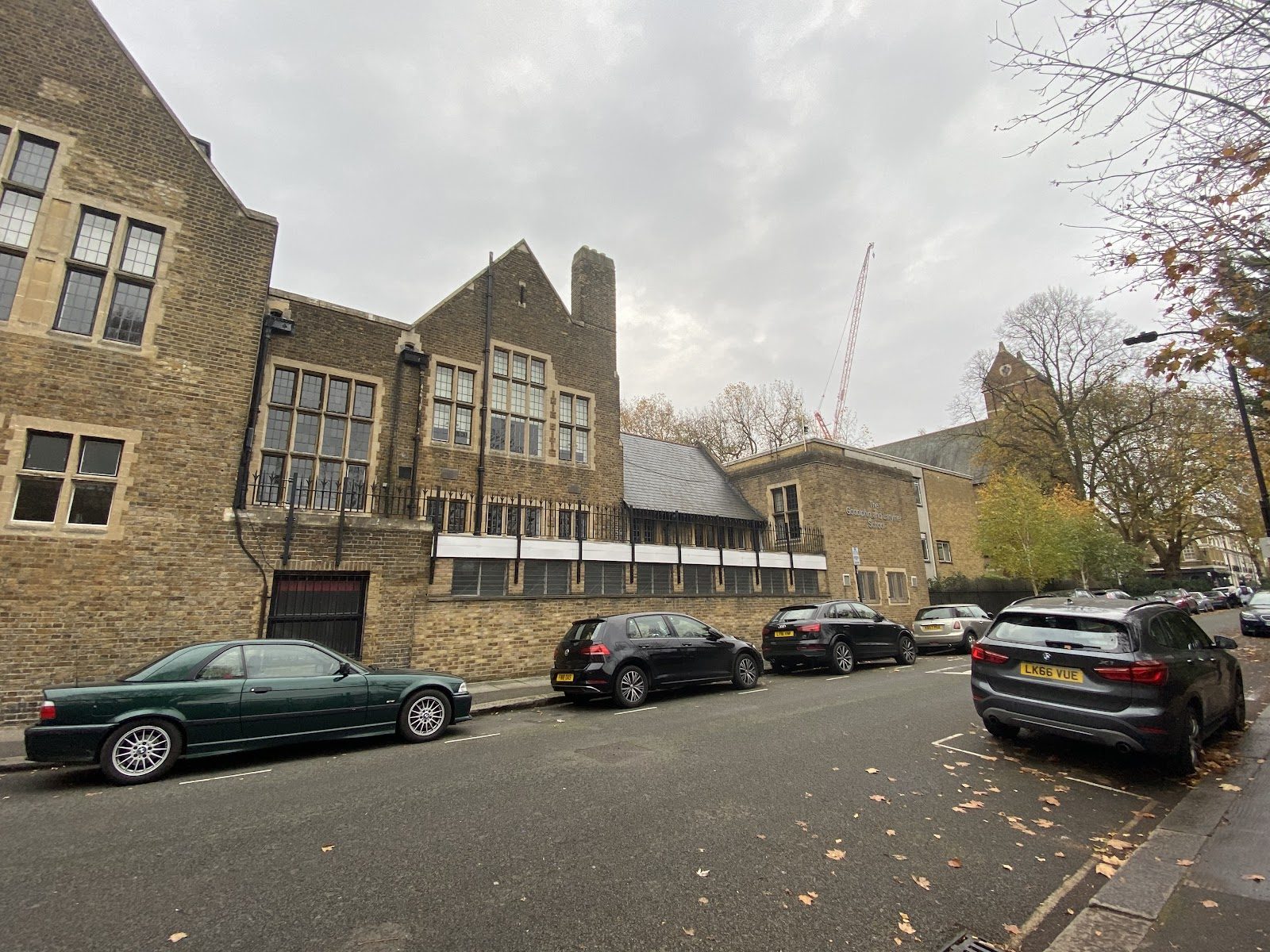
Godolphin and Latymer School
London · United Kingdom
A Thames-side Hammersmith campus where IB scores rank among the world's top ten and six houses bear the names of trailblazing women
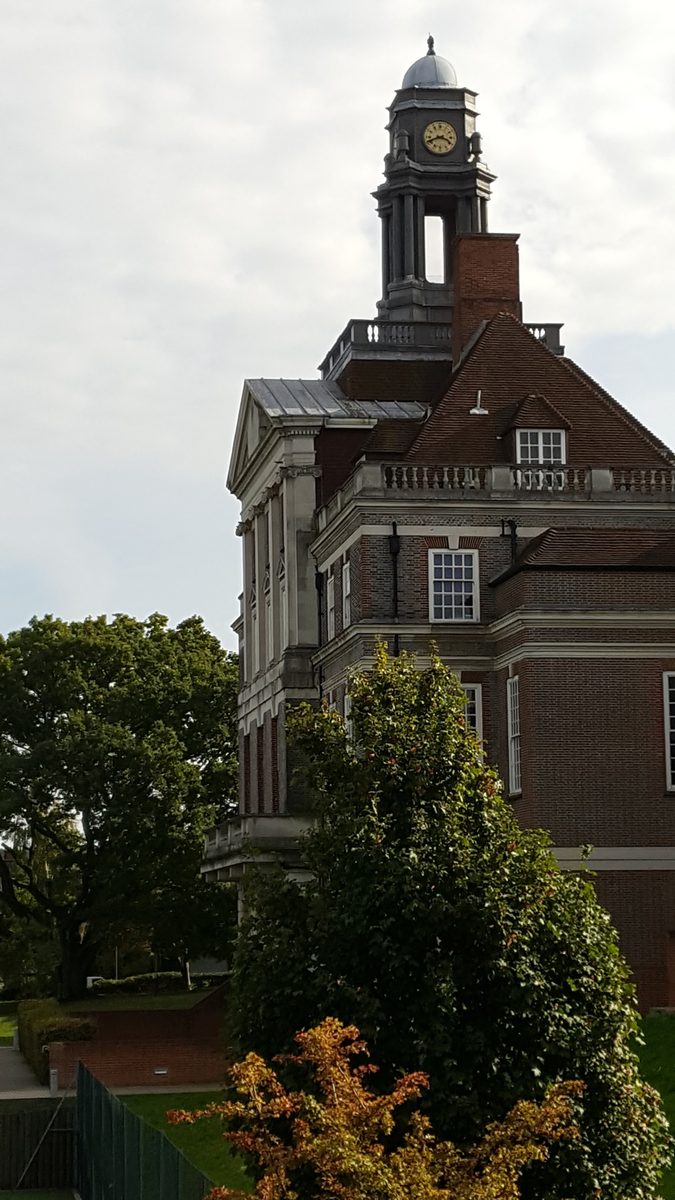
The Henrietta Barnett School
London · United Kingdom
A free, fiercely oversubscribed girls' grammar in Lutyens' Hampstead Garden Suburb, sending dozens each year to Oxbridge.
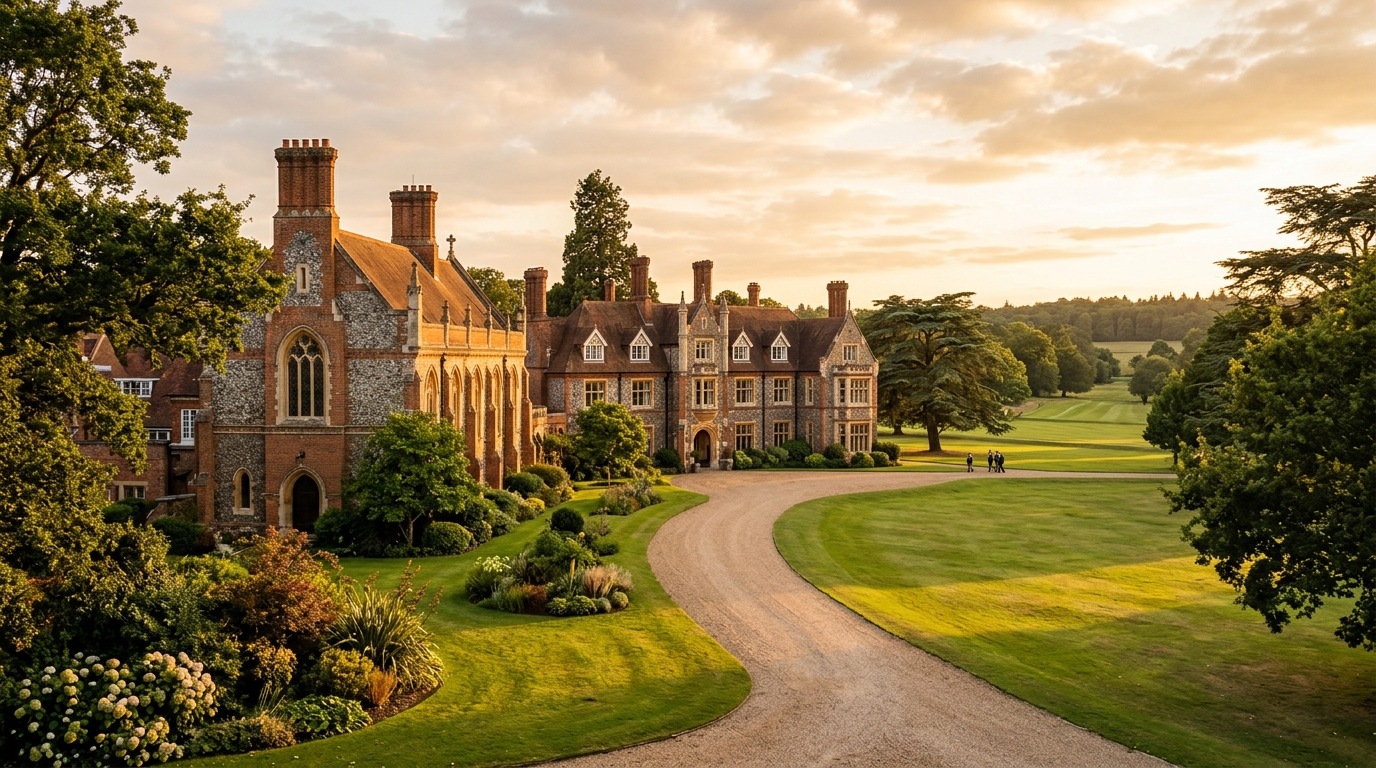
St Mary's School Ascot
Ascot · United Kingdom
Set in 55 boarding-school acres near London, this Catholic girls' school built its reputation on topping the national GCSE table.
Brighton College
Brighton · United Kingdom
Between the South Downs and the sea, a two-decade climb from mid-table to Sunday Times School of the Decade.
Same country and curriculum — closest matches within ±10 points either way