
District of Columbia
Weekly silent worship and a world-first Platinum-rated campus root Quaker inquiry steps from the Capitol.
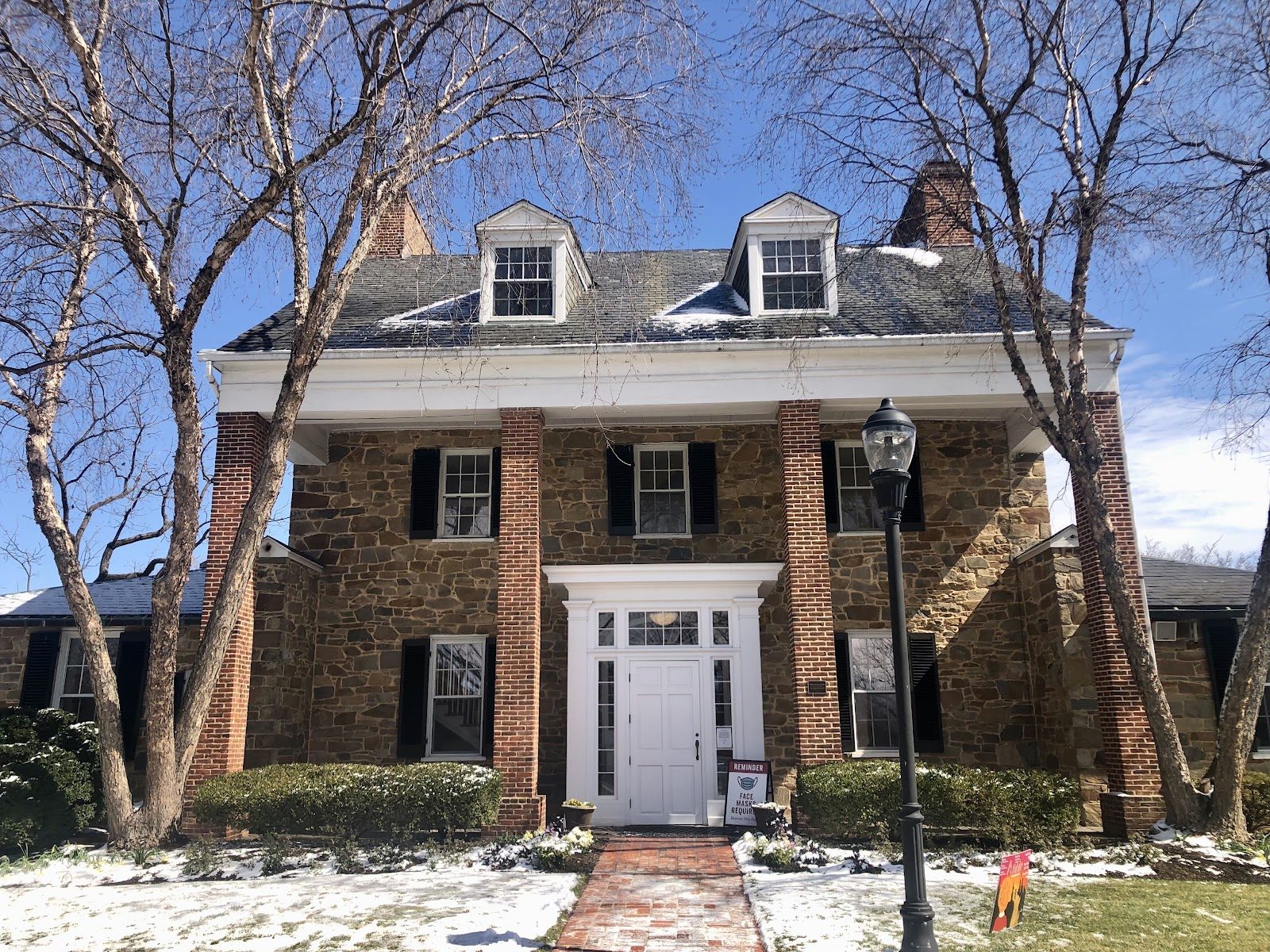
Photo © Tim Pruss via Google Maps
Type
Day
Ages
3–18
Curriculum
American
Qualifications
AP
Ratio
10:1
The Verdict
Editor's commitment
Right for
Families wanting Quaker education with weekly silent worship, a 10:1 student-teacher ratio, and campuses in Bethesda and Washington, DC.
Wrong for
Parents chasing boarding, religious orthodoxy or bargain fees: this is a day school only, with an average annual fee of $60,772.
Watch out for
The political aura is real, but published destinations here list American, Babson and Barnard; 23% receive aid, and entry remains fiercely competitive.
Ranking breakdown
Sidwell Friends School · # of 1591
Composite score 81.9. 8 weighted criteria.
By criterion
Academic Outcomes
Weight 20%
#66
of 1529 scored
University Placement
Weight 16%
#18
of 1529 scored
Prestige & Heritage
Weight 12%
#18
of 1571 scored
Alumni Network
Weight 12%
#6
of 1530 scored
Facilities
Weight 12%
#246
of 1534 scored
Transparency & Communications
Weight 8%
#204
of 1532 scored
Peer & Industry Review
Weight 10%
#26
of 1548 scored
Admissions Selectivity & Demand
Weight 8%
#120
of 1529 scored
Score history
Sidwell Friends School · 2026
Movement across 2024–2026. Peer average overlaid.
Overall — 2024–2026
81.9/ 100
▲ +23.1 vs 2025
year on year
Peer & Industry Review
How Sidwell Friends School is regarded in the sector
93
Top-tier · high confidence
Sidwell Friends is consistently cited in national media as one of the most prestigious private schools in the US, famously educating children of presidents (Obama, Clinton, Nixon) and prominent political/media figures, which is widely covered in outlets like Washington Post, New York Times, and Politico. It is a perennial benchmark school in D.C. private education coverage and is a member of elite consortiums like the Cum Laude Society and G20 Schools group, with an alumni network including notable figures across politics, media, and business.
Evidence sources
Editors' overview
Weekly silent worship is not a branding flourish at Sidwell Friends; it shapes the school’s tempo, discipline and sense of self. This is a PK–12 Quaker day school founded in 1883, split across two campuses: Lower School in Bethesda and Middle and Upper School in Washington, D.C., less than a mile from Tenleytown/AU Metro. The academic set-up is intimate by large-city standards, with a 10:1 student–teacher ratio and average class size of 18. Parents who want a school that marries serious academics to moral and civic language will find a rare fit here. Parents who want glossy competition, heavy status signalling or a more conventional prep-school culture will not.
What marks Sidwell out is the combination of institutional seriousness and Quaker restraint. The school talks about empathy, wonder and “continuing revelation”, but the more persuasive evidence sits in the operating facts: 1,144 students, 273 full-time faculty and staff, 84% of faculty holding advanced degrees, and 23% of students receiving financial aid, backed by more than $10 million in awards. The school’s public identity also rests on substance rather than theatre: five LEED-certified buildings and a campus profile tied to environmental design, including the Platinum-rated site that has become part of Sidwell’s reputation. This is an expensive school at an average annual fee of $60,772, but it does not read as a luxury product. It reads as a self-possessed, academically demanding institution with a strong internal code.
Its market position in Washington is clear. Sidwell sits in the top tier for families who want access to a high-powered peer group without surrendering to a purely transactional culture. The alumni footprint is deep, with more than 6,300 alumni and at least 85 notable alumni catalogued in Wikidata across politics, journalism, scholarship, the arts and public life. Recent published destinations in the context are modestly listed — American University, Babson and Barnard — and the school does not publish a broader outcomes table here, so parents must judge prestige through the school’s long-standing reputation, accreditations from NEASC and NAIS, and its durable prominence in Washington’s civic ecosystem. The student who thrives here is intellectually curious, verbally confident, comfortable with reflection, and willing to take moral language seriously. For a child who wants a loudly triumphant school identity, Sidwell will feel too controlled. For a child who values inquiry, breadth and a culture that expects thought before noise, it belongs on the shortlist.
Academic Performance
Sidwell does not publish the basic external-performance data that top-tier schools now owe parents: no SAT or ACT averages, no aggregate AP results, no IB data, no university destinations table with breadth and depth, and no subject-by-subject outcomes. That opacity matters. In a market where peer schools use hard results to prove academic muscle, Sidwell asks families to infer standards from reputation, selectivity and destination anecdotes. That is a weak evidential position for a school of this stature and price. The recent destinations listed in the context are too thin to function as a serious outcomes readout, and the school’s own public-facing facts prioritise mission, community and campus over examination metrics. For parents who want clean, comparable proof, this is a gap.
That said, the surrounding indicators still point to a formidable academic culture. The staffing depth, advanced-degree profile and long-standing prominence in Washington support the view that Sidwell belongs in the serious college-preparatory tier of American day schools. Its peer group is not defined by test-prep theatre or score-dumping; it sits closer to schools that expect strong writing, discussion, self-command and intellectual range, then trust university admissions results to carry the message. The problem is not lack of academic ambition. The problem is disclosure. Until Sidwell publishes a fuller outcomes picture, parents must treat academic performance here as high-confidence but under-evidenced rather than fully demonstrated.
Facilities
The facilities story starts with the estate itself. Sidwell runs across two campuses, with younger children in Bethesda and older pupils in Washington, and that split is handled with more purpose than inconvenience. The headline asset is the school’s environmental infrastructure: 5 LEED-certified buildings, including the Platinum-rated campus that has become part of Sidwell’s public identity for good reason. Among American day schools, that is not decorative sustainability language; it is serious institutional investment in how buildings work, how pupils move through them, and what the school chooses to teach through its physical environment. Add a substantial arts programme with 50+ performances each year, and the campus reads as one built for daily use rather than admissions-tour theatre.
Against peer schools, Sidwell’s facilities are strong, but in a disciplined way. Families hunting for the country-club excess of some East Coast independents — cavernous athletic palaces, showy new centres, the full architecture-of-prestige routine — will find Sidwell more restrained. The school still offers breadth: dedicated lower, middle and upper school spaces, extensive club life, and a full varsity sports programme with 22 teams. The difference is tone. The estate supports an intellectually serious, values-driven school rather than a spectacle. That makes the facilities more coherent than lavish. In this bracket, plenty of schools have more overtly glamorous sports provision. Fewer have a campus profile with this much educational intent baked into the buildings themselves.
Sidwell sits in the top tier for families who want access to a high-powered peer group without surrendering to a purely transactional culture
Prestige
Sidwell carries rare social capital in American education. That status does not rest on league tables or published test data; it rests on who knows the school, who sends children there, and how securely it sits inside Washington’s civic and intellectual life. A long alumni roll matters here, and the verified floor is already substantial: 85 notable alumni catalogued in Wikidata across politics, journalism, scholarship, business and the arts. Add more than 6,300 alumni overall, and the picture is clear. This is not prestige manufactured by new buildings, branding or aggressive university placement messaging. It is old, embedded prestige: the kind that travels well in universities, newsrooms, foundations, government and cultural institutions.
The Quaker frame sharpens that status rather than diluting it. Sidwell has managed something difficult: it confers elite access without adopting the gaudy mannerisms of many elite schools. Weekly worship, moral vocabulary and institutional reserve give it a distinctive seriousness that parents and universities recognise at once. The school’s environmental profile also adds a layer of modern prestige; 5 LEED-certified buildings signal an institution that has put money and thought into values, not just optics. We rate Sidwell highly because its name carries weight far beyond its campuses, its alumni footprint reaches into national public life, and its culture gives that prestige a disciplined, self-possessed form rather than a flashy one.
Weekly worship, moral vocabulary and institutional reserve give it a distinctive seriousness that parents and universities recognise at once
Communications
Sidwell’s parent communications carry the same institutional tone as the rest of the school: controlled, literate and confident that families will meet it halfway. The public-facing information does the important things well. Core facts are easy to find, the split-campus structure is explained plainly, and the school publishes concrete topline data on enrolment, diversity, financial aid and staffing rather than hiding behind slogans. That matters. A school with 1,144 pupils and a complex age range needs disciplined communication, and Sidwell shows it. The mission language is prominent, but it does not swamp the practical basics. There is also enough specificity in the published facts — 23% on financial aid, more than 65 clubs, clear tuition bands by phase — to give parents a usable sense of scale and priorities. This is serious, orderly communication, not admissions fluff.
The limitation is depth. Sidwell communicates culture and institutional values better than it communicates outcomes. Parents can grasp the school’s ethos, community composition and operational competence quickly; they get far less on academic results, comparative performance or the full university destinations picture. That weakens trust at the margins, because polished tone is not a substitute for disclosure. For current families, the school’s manner will suit those who value measured, high-trust communication and do not need constant hand-holding. For hard-nosed prospective parents, the missing performance data leaves the picture too curated. The school communicates with composure and clarity. It does not communicate everything parents paying this much have a right to see.
Uniqueness
What separates Sidwell is not academic ambition alone, nor social cachet alone, but the fact that both sit inside a living Quaker frame. Weekly silent worship gives the school a distinct moral cadence: pupils are asked to listen, reflect and speak with intent, not just perform fluency on demand. That changes the texture of school life. In many elite American day schools, confidence dominates the room; here, conscience has institutional standing. The mission language about “continuing revelation” matters because it grants seriousness to doubt, revision and self-scrutiny. For students, that can be intellectually liberating and personally exacting at once. A child who wants argument without introspection will find the culture too bounded. A child who wants ideas tied to conduct will find rare coherence.
The other point of difference lies in the school’s civic and environmental setting. Sidwell educates children in the shadow of national power without adopting a triumphalist tone, and that combination is highly unusual. The school’s sustainability estate is not a token gesture but a built ethic, with 5 LEED-certified buildings and a public environmental identity that has real educational force. Add 65+ clubs, a broad performance calendar and a community where financial aid reaches a meaningful share of pupils, and the result is a school that trains students to move between privilege, public life and principle with more discipline than display. That is Sidwell’s real distinction. It does not just produce polished young people; it presses them to ask what polish is for.
Weekly silent worship is not a branding flourish at Sidwell Friends; it shapes the school’s tempo, discipline and sense of self
Student Profile
Sidwell suits children who can live inside a school culture where reflection is not decorative but routine. The student who thrives here is intellectually agile, articulate without needing constant display, and willing to treat moral language as part of ordinary school life rather than an annual assembly theme. Weekly silent worship matters because it rewards patience, self-command and the confidence to think before speaking. So does the school’s social mix: a community of 1,144 pupils with a racially varied intake and a meaningful financial-aid cohort creates a student body that is not socially narrow, even if the overall setting remains unmistakably elite. This is a strong fit for children who enjoy discussion, read nuance well and can handle adults who expect maturity early. It is not a refuge for drift, and it is not built for peacocking.
The children who struggle here are easier to identify than the children who flourish. A pupil who wants relentless external affirmation, easy status games or a louder, more swaggering prep-school culture will find Sidwell too restrained and too internally governed. Equally, a child who resists introspection or finds values talk embarrassing will hit friction quickly. The school asks students to balance ambition with conscience, fluency with listening, and privilege with responsibility. That combination is rare and demanding. Families who want a place that produces polished winners at any cost should look elsewhere. Families who want a serious-minded, socially aware child to be stretched among able peers will find one of Washington’s clearest fits here.
The academic set-up is intimate by large-city standards, with a 10:1 student–teacher ratio and average class size of 18
Co-curricular strengths
Arts & sport, on a separate axis
Overall 8.12/10
Scored 0-10 from the school's own published evidence. This axis is editorial-only — it does not feed the main WTS ranking.
Sports
8.3/10
Highly competitive MAC/ISL program, fielding dominant varsity teams in basketball, soccer, and track that regularly feed NCAA tracks.
Drama
8.6/10
Creative engine staging highly complex, experimental, and student-written theatrical works inside premium venues.
Dance
6.5/10
Strong afternoon performance track offering technical modern jazz and synchronization choreography modules.
Music
8.7/10
Exceptional chamber orchestras, wind ensembles, and choral troupes that routinely headline major youth music festivals.
Visual Arts
8.5/10
Sun-drenched studio spaces specialized for advanced ceramics, fine oil painting, and high-end digital photography portfolios.
Editor-verified · 8/6/2026
Outcomes & destinations
Where students go next
Top destinations
130 placements
- American University· 1
- Babson College· 1
- Barnard College· 1
- Bates College· 1
- Bocconi University· 1
- Boston College· 1
- Boston University· 1
- Bowdoin College· 1
- Bryn Mawr College· 1
- Bucknell University· 1
- Carleton College· 1
- Carnegie Mellon University· 1
- Case Western Reserve University· 1
- Chapman University· 1
- Claremont McKenna College· 1
- Colby College· 1
- Colgate University· 1
- Columbia University· 1
- Cooper Union for the Advancement of Science and Art· 1
- Cornell University· 1
- Dartmouth College· 1
- Davidson College· 1
- Deep Springs College· 1
- Denison University· 1
- Dickinson College· 1
- Drexel University· 1
- Duke University· 1
- East Carolina University· 1
- Emerson College· 1
- Emory University· 1
- Franklin & Marshall College· 1
- George Washington University· 1
- Georgetown University· 1
- Gettysburg College· 1
- Grinnell College· 1
- Hamilton College· 1
- Harvard University· 1
- Haverford College· 1
- Jacksonville University· 1
- Kenyon College· 1
- Lafayette College· 1
- Lehigh University· 1
- Loyola University Maryland· 1
- Macalester College· 1
- Massachusetts Institute of Technology· 1
- McGill University· 1
- Mercyhurst University· 1
- Miami University (Oxford)· 1
- Middlebury College· 1
- Millersville University of Pennsylvania· 1
- Morehouse College· 1
- New York University· 1
- Northeastern University· 1
- Northwestern University· 1
- Occidental College· 1
- Old Dominion University· 1
- Pennsylvania State University (University Park)· 1
- Pitzer College· 1
- Pomona College· 1
- Pratt Institute· 1
- Princeton University· 1
- Purdue University (Main Campus)· 1
- Reed College· 1
- Rensselaer Polytechnic Institute· 1
- Rice University· 1
- Rochester Institute of Technology· 1
- Rutgers University (New Brunswick)· 1
- Santa Clara University· 1
- Scripps College· 1
- Skidmore College· 1
- Smith College· 1
- South Methodist College· 1
- Spelman College· 1
- St. John's University· 1
- Stanford University· 1
- Stevens Institute of Technology· 1
- Swarthmore College· 1
- Syracuse University· 1
- Temple University· 1
- The American University of Paris· 1
- The University of Texas at Austin· 1
- Towson University· 1
- Trinity College· 1
- Trinity College Dublin· 1
- Tufts University· 1
- Tulane University· 1
- Union College· 1
- United State Air Force Academy· 1
- United States Naval Academy· 1
- University College London· 1
- University of British Columbia· 1
- University of California (Berkeley)· 1
- University of California (Los Angeles)· 1
- University of California (San Diego)· 1
- University of California (Santa Cruz)· 1
- University of Chicago· 1
- University of Colorado Boulder· 1
- University of Connecticut· 1
- University of East Anglia· 1
- University of Illinois at Urbana-Champaign· 1
- University of Kansas· 1
- University of Maryland (College Park)· 1
- University of Massachusetts (Amherst)· 1
- University of Miami· 1
- University of Michigan· 1
- University of North Carolina at Chapel Hill· 1
- University of Oregon· 1
- University of Oxford· 1
- University of Pennsylvania· 1
- University of Pittsburgh· 1
- University of Rochester· 1
- University of Southern California· 1
- University of St. Andrews· 1
- University of Toronto· 1
- University of Utah· 1
- University of Vermont· 1
- University of Virginia (Main Campus)· 1
- University of Washington (Seattle Campus)· 1
- University of Wisconsin· 1
- Vanderbilt University· 1
- Vassar College· 1
- Villanova University· 1
- Virginia Polytechnic Institute and State University· 1
- Wake Forest University· 1
- Washington University in St. Louis· 1
- Wellesley College· 1
- Wesleyan University· 1
- William & Mary· 1
- Williams College· 1
- Yale University· 1
Reported by the school. Confirm with admissions.
Notable alumni · Wikidata
85notable alumni
12 historic (born pre-1930) · 31 modern (born post-1970)wikidata:2026-07-28 How we source this
WTS 300 badge
2026/27 editionSidwell Friends School is one of the World's Top 300 Schools for 2026/27. Claim your listing to add it to your site →
Strengths
- +Founded in 1883, Sidwell Friends is one of Washington D.C.'s oldest Quaker day schools, operating a PK-4 campus in Bethesda, Maryland and a 5-12 campus in northwest D.C.
- +The school maintains a substantial financial aid program, with roughly 25 percent of Upper School students receiving assistance and an average grant of $41,000.
- +Alumni include Chelsea Clinton and Malia and Sasha Obama, reflecting the school's long-standing role as a choice for Washington political families.
- +Sidwell fields 16 interscholastic sports teams, from baseball and crew to wrestling and swimming, giving students a broad range of athletic options.
- +U.S. News reports a student-teacher ratio of 8:1, supporting smaller class settings across the divisions.
Considerations
- −Upper School tuition reached $59,920 for the 2025-2026 year, among the highest fee levels in the D.C. independent school market, with additional technology, textbook and shuttle charges on top.
- −Admission is highly selective; acceptance-rate estimates from third-party trackers range from roughly 7 to 15 percent, meaning most applicants, however qualified, are turned away.
- −The school does not offer Advanced Placement courses, a structural departure from many peer preparatory schools that families expecting a conventional AP transcript should note.
- −The split-campus structure (Bethesda for PK-4, D.C. for grades 5-12) means younger children transition schools mid-childhood, and inter-campus travel is a paid add-on rather than included in tuition.
Availability
Primary entry gate & tests
SSAT/ISEE + Assessment
Gallery
Photo © Sidwell Friends School via Google Maps
Photo © Thomas Sidwell via Google Maps
Photo © Thomas Sidwell via Google Maps
Photo © Sidwell Friends School via Google Maps
Photo © Sidwell Friends School via Google Maps
Photo © Thomas Sidwell via Google Maps
Photo © Sidwell Friends School via Google Maps
Photo © Sidwell Friends School via Google Maps
Photo © Thomas Sidwell via Google Maps
Parent reviews
Have you sent your child here?
Voice reviews carry the strongest trust badge — we transcribe them for you to tidy up before they go live. Prefer to type? A written review is fine too.
Add your voice
In 60 seconds, tell other parents: what's the best thing about Sidwell Friends School, and what surprised you when your child joined?
We ask for a Google sign-in so every review has a real face behind it — no anonymous drive-by attacks on schools, and no faked positive reviews. Your email is never shown publicly.
Send this profile to a friend
International parents rely on word-of-mouth. Share this review with someone weighing the same decision.
Schools with places
Similar schools to Sidwell Friends School with places available now.
St. Albans School
Washington, D.C. · United States
- 2026-27
- CLOSEDRegular cycle
- 2027-28
- OPENS SOONOpens Sept '26
Maret School
Washington, D.C. · United States
- 2026-27
- CLOSEDRegular cycle closed
- 2027-28
- PLACES OPENCloses 6 Jan '27
Availability first, then country, area, curriculum, price, co-curricular
Consider also
Also worth looking at alongside Sidwell Friends School.
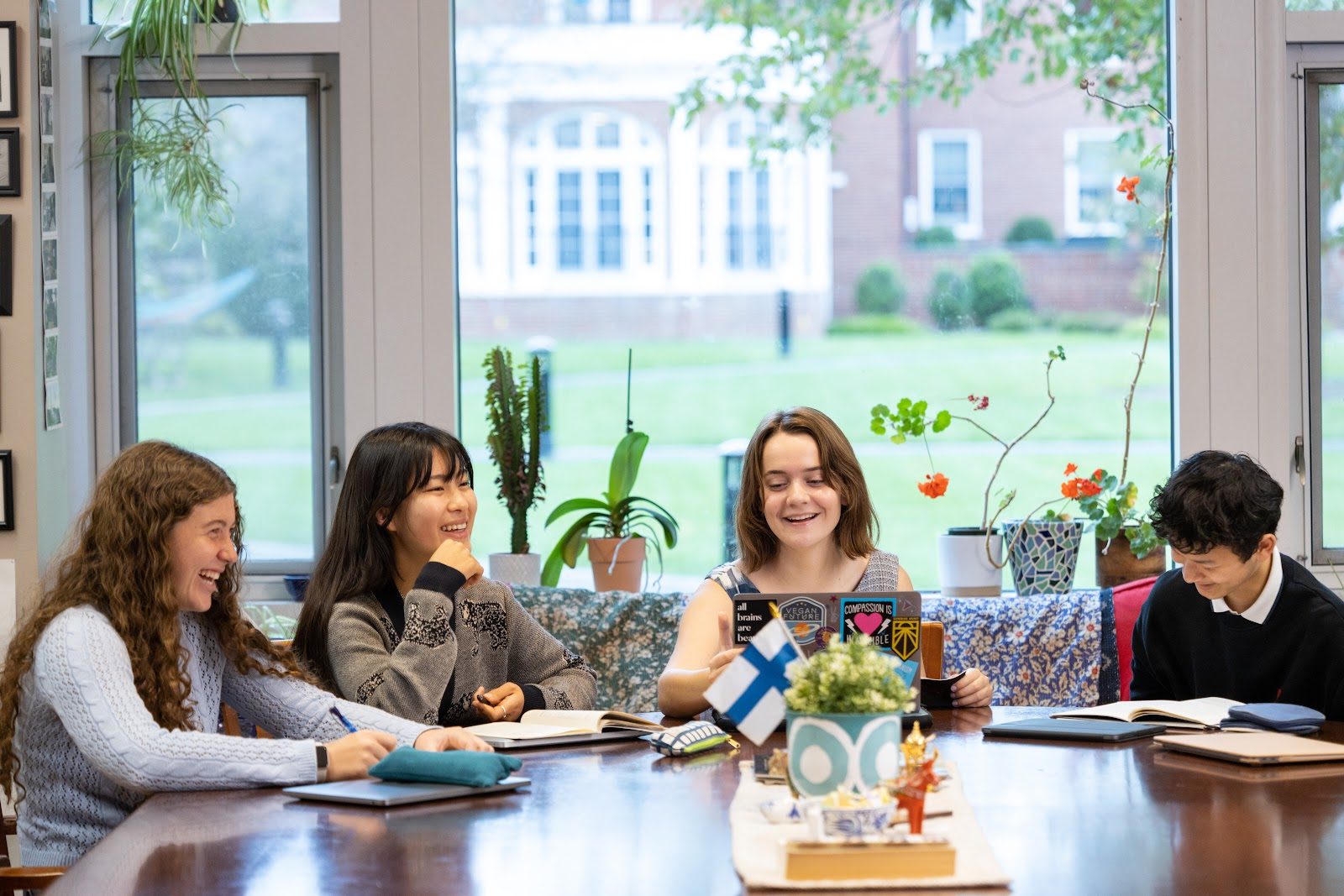
The Lawrenceville School
Lawrenceville · United States
Since 1936, oval Harkness tables replace lectures with discussion, while a century-old House system anchors campus life
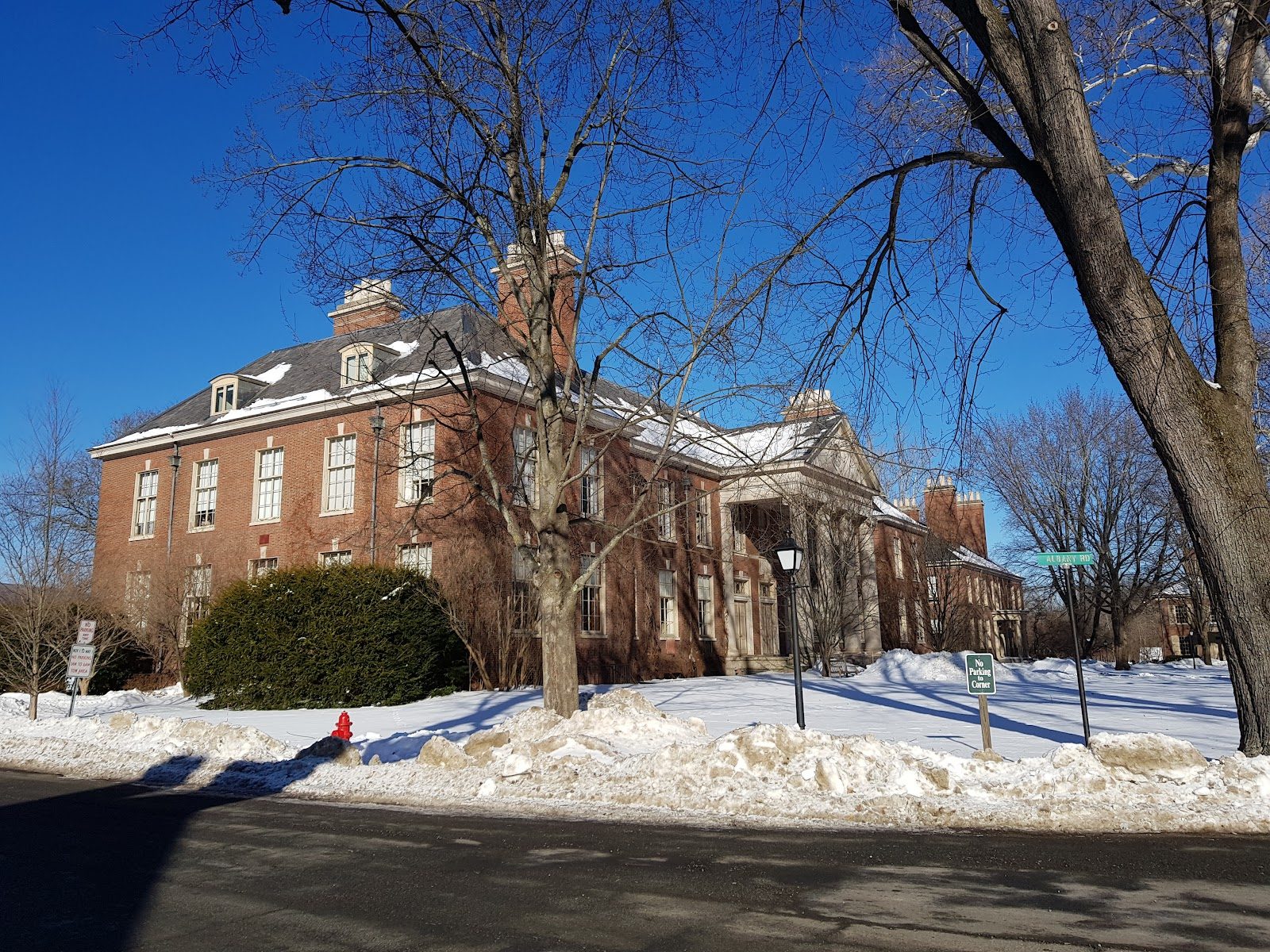
Deerfield Academy
Deerfield · United States
In a preserved 1797 village along the Deerfield River, seniors close their English studies not with an exam, but a spoken meditation.
Harvard-Westlake School
Los Angeles · United States
Along the LA River in Studio City, a former golf course is rising into a riverside campus of trails, turf and native habitat.
St. Paul's School
Concord · United States
On a 2,000-acre Concord campus where American ice hockey was born in 1883, boarding life still shapes every house and classroom.
Same country and curriculum — closest matches within ±10 points either way