
California
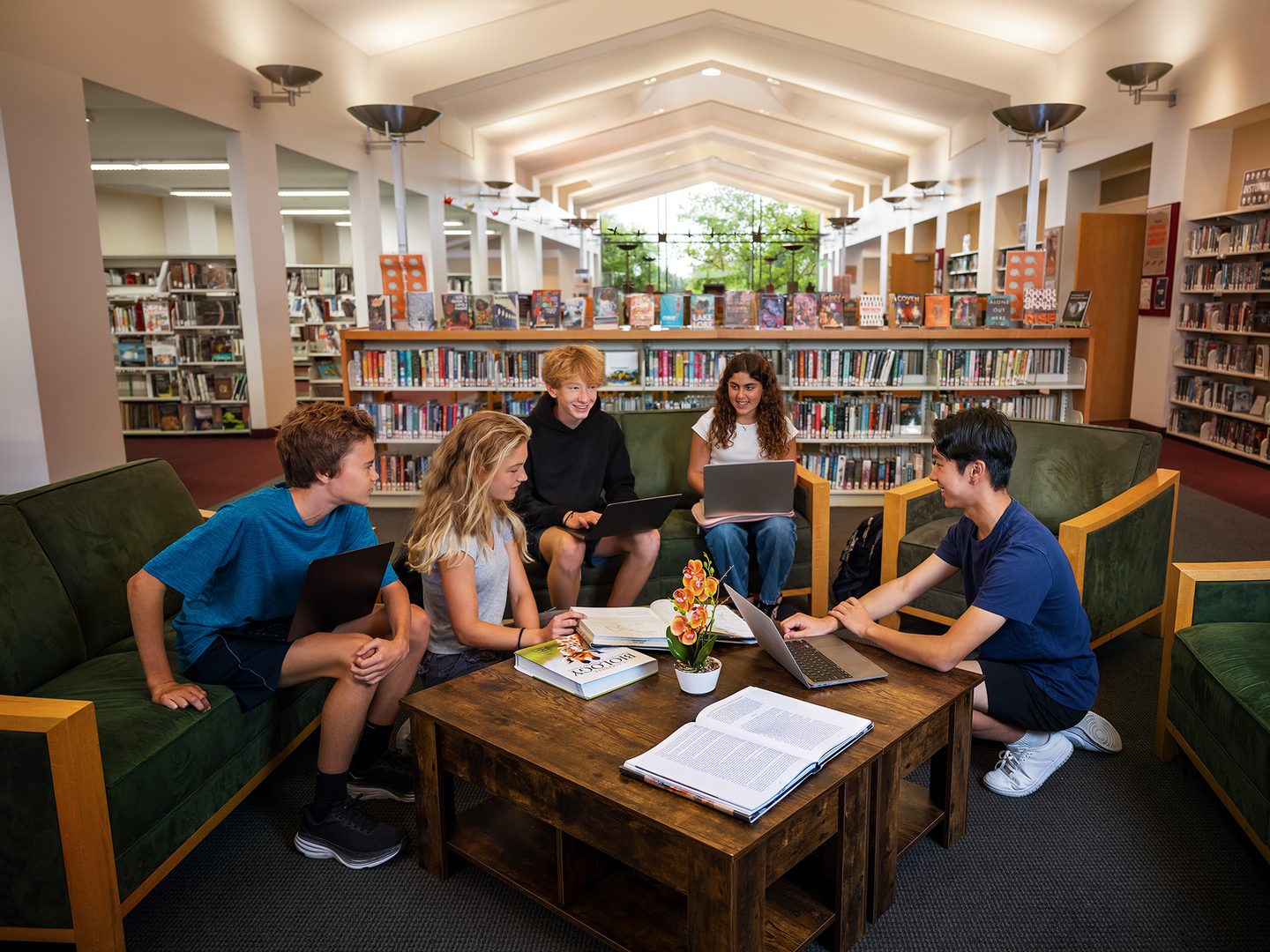
Along the LA River in Studio City, a former golf course is rising into a riverside campus of trails, turf and native habitat.
Type
Day
Ages
12–18
Curriculum
American
Qualifications
AP
Ratio
8:1
The Verdict
Editor's commitment
Right for
Ambitious 12–18 year-olds who want an American college-prep day school with 8:1 staffing, 16-pupil classes and 125 notable alumni.
Wrong for
Families wanting boarding, religious formation or one compact campus; Harvard-Westlake is day-only and splits grades 7–12 between Holmby Hills and Studio City.
Watch out for
The average annual fee is $54,900, and the Studio City expansion on a former golf course signals a school that builds and charges accordingly.
Ranking breakdown
Harvard-Westlake School · # of 1591
Composite score 81.7. 8 weighted criteria.
By criterion
Academic Outcomes
Weight 20%
#91
of 1529 scored
University Placement
Weight 16%
#41
of 1529 scored
Prestige & Heritage
Weight 12%
#44
of 1571 scored
Alumni Network
Weight 12%
#14
of 1530 scored
Facilities
Weight 12%
#70
of 1534 scored
Transparency & Communications
Weight 8%
#62
of 1532 scored
Peer & Industry Review
Weight 10%
#26
of 1548 scored
Admissions Selectivity & Demand
Weight 8%
#153
of 1529 scored
Score history
Harvard-Westlake School · 2026
Movement across 2024–2026. Peer average overlaid.
Overall — 2024–2026
81.7/ 100
▲ +20.0 vs 2025
year on year
Peer & Industry Review
How Harvard-Westlake School is regarded in the sector
92
Top-tier · high confidence
Harvard-Westlake is consistently ranked among the top private schools in the US in Niche.com and Los Angeles Business Journal rankings, and is widely covered in the Chronicle of Higher Education and college-admissions press for its Ivy League matriculation rates. Its alumni network includes numerous notable figures in entertainment, politics, and business, generating regular independent media coverage in outlets like the Los Angeles Times and Hollywood Reporter regarding both admissions competitiveness and campus controversies. It is frequently benchmarked against other elite LA-area schools (Marlborough, Crossroads) in college counseling and education press discussions.
Evidence sources
Award
Elite Entrepreneurship, Economics & Finance 60
World's Top School · The Global Ranking
Harvard-Westlake School is featured on our Global Top 60 ranking at #31. This seal is available for the school's marketing team to use on their website, prospectus and social channels.
Editors' overview
Along the LA River in Studio City, Harvard-Westlake is building a new riverside campus out of a former golf course, while its existing school remains split between Holmby Hills for the middle school and Studio City for the high school. That physical footprint captures the school neatly: ambitious, well-funded and unmistakably Los Angeles. This is a non-religious American day school for ages 12 to 18, founded in 1900, with about 1,600 pupils in grades seven through twelve. It teaches in English, carries NEASC and NAIS accreditation, and runs at a 8:1 student-teacher ratio with an average class size of 16. Those numbers matter. They put Harvard-Westlake in the bracket of schools that can combine scale with real classroom access, not just sell intimacy in the prospectus.
What sets it apart is not a quirky educational philosophy or a niche curriculum. It is a hard-edged university preparatory school with a powerful local network, a deep bench of alumni and a level of cultural visibility that few American independents match. Wikidata alone records 125 notable alumni, with exceptional weight in film, television, writing and music; that is a serious signal in Los Angeles, where industry access and peer networks carry practical value. The school is also expensive: the average annual day fee across the full age range is $54,900. Parents are paying for selective company, strong resources and a school culture that treats high achievement as standard business, not as an occasional flourish.
This belongs on a shortlist for families who want a high-pressure, high-opportunity environment in which bright, organised and competitive students can thrive. It suits children who can handle pace, expectation and a peer group full of other able adolescents. It does not suit families looking for a gentle or loosely structured adolescence. Harvard-Westlake’s appeal rests on concentration of talent: small classes, tight ratios, a long-established reputation in Los Angeles and an alumni network with real weight in public life and the arts. For the right student, that mix is formidable. For the wrong one, it is unforgiving.
An Elite Entrepreneurship, Economics & Finance 60 school
Harvard-Westlake School in Los Angeles sits at rank thirty-one on the Elite Entrepreneurship, Economics & Finance 60 on the strength of a genuinely competitive result: its student team, Harvard-Westlake Horizons, was named among the fifty global semifinalists in the 2025 Wharton Global High School Investment Competition, a field that drew more than 1,800 teams from 66 countries that year. That is externally validated, juried performance against the world's strongest school-based investing cohorts, not an internal accolade.
The specialism is built less around a deep stack of finance courses than around applied, project-based leadership and venture work. Beyond AP Economics, the school's Kutler Center runs a dedicated Leadership & Entrepreneurship strand in which students take on real-world responsibility and decision-making rather than simulated case studies. HW Inc, a student-led entrepreneurship intensive, has participants build an original business or social venture over a week and pitch it to a panel of alumni venture capitalists and entrepreneurs. Faculty advisor Rob Levin has guided multiple student teams through the Wharton Investment Competition's real-world client scenarios. This is honest, hands-on entrepreneurship exposure, though it stops short of a Bloomberg terminal, a published student-managed investment fund, or a formal Business department with a multi-course finance sequence.
Notable alumni include Eric Weinstein, a former managing director at Thiel Capital who has since become a prominent podcast host and public commentator on economics and technology. Beyond individual names, the school's strongest current evidence of specialism is cohort-level: repeated fielding of competitive teams into the Wharton Global High School Investment Competition's national semifinalist pool.
International openness comes with real caveats families must weigh honestly. Harvard-Westlake is day-only with no boarding infrastructure, so overseas applicants must arrange independent local housing or guardianship rather than relying on a dormitory system. The school does note additional management fees for international students, suggesting some capacity to support F-1 arrangements, but this is not a dedicated international-boarding pathway. Admissions requires ISEE scores, transcripts, recommendations and an essay, with an acceptance rate around 20%. Annual tuition runs approximately $49,700 to $52,500, plus new-student and activity fees. For a family not already relocating to Los Angeles, this is best approached as a target for a family already establishing local residency well ahead of the January application deadline, rather than a turnkey international boarding option.
Academic Performance
Harvard-Westlake sits in the top American independent-school bracket for university preparation, but the public picture on external examinations is less transparent than at many international schools built around AP, IB or A level score publication. The school does not publish aggregate AP or SAT/ACT tables in the public domain, so parents cannot inspect a neat grid of mean scores, subject-by-subject pass rates or multi-year trend lines. That opacity is common among elite US independents; it does not damage the school’s academic standing, but it does force families to judge performance through selectivity, university placement patterns and institutional reputation rather than a spreadsheet. In that market, Harvard-Westlake has a serious academic reputation and competes with the strongest non-religious day schools in California and the wider US.
Relative to peers, the key point is this: Harvard-Westlake operates in a tier where weak exam performance would surface quickly, and it has not. Its university-preparatory identity, selective intake and high-pressure academic culture place it among schools where strong standardised outcomes are the norm, not a bonus. That does not make it uniquely data-rich. It is not the school for parents who want every result metric laid out in black and white. It is the school for families prepared to read prestige, admissions competitiveness and alumni outcomes as proxies for academic strength. In that sense, Harvard-Westlake is *elite, exacting and academically credible — but also less numerically transparent* than the best international schools in the results-publishing tradition.
Facilities
The headline facilities story is the Studio City site. The school is converting a former golf course along the LA River into a new riverside campus with trails, playing fields and native habitat: a project on a scale few urban day schools can match. That matters because peer schools in dense, high-value neighbourhoods often ration outdoor space or split sport across hired venues. Harvard-Westlake is moving in the opposite direction, with a big-ticket land play that strengthens athletics, outdoor circulation and the daily feel of campus life. Add the existing split-site arrangement — middle school in Holmby Hills, high school in Studio City — and the practical picture is one of serious physical capacity, not a cramped academic block with a gym attached.
Against top American independents, this puts Harvard-Westlake in a heavily resourced bracket, but not a universally superior one. What it has in ambition and acreage, it still needs to prove in finished execution and integration. New campuses can be transformative; they can also feel engineered, expensive and oddly impersonal if the design outpaces the life lived inside it. We have not seen a full public accounting of specialist teaching spaces, performing arts infrastructure or laboratory provision that would let parents benchmark room-by-room against the strongest East Coast prep schools. Even so, the direction of travel is clear: this is a school investing at a serious metropolitan level, with facilities shaped as much by sport, landscape and status as by classroom function.
Against top American independents, this puts Harvard-Westlake in a heavily resourced bracket, but not a universally superior one
Prestige
Harvard-Westlake carries *top-tier American independent-school prestige* and, more to the point, a form of prestige with direct currency in Los Angeles. This is not just a respected school; it is a name-brand institution in a city obsessed with access, performance and networks. Its alumni footprint underlines that status. Wikidata alone records 125 notable alumni, with striking depth across public life, publishing, film, television, music and the visual arts. That breadth matters. Some schools produce a narrow professional tribe; Harvard-Westlake feeds multiple elite circuits at once. Among US day schools, that gives it a rare cultural reach beyond university admissions and into the industries that shape the city around it.
The rating also rests on selectivity by association. A school does not sustain this level of social and professional pull without drawing ambitious families, able students and influential graduates back into the orbit. The result is self-reinforcing prestige: peers know the name, universities know the name, and employers in media-heavy circles know the name. The price reinforces the point. An average annual fee of $54,900 places it firmly in the expensive upper tier, where parents expect more than decent teaching and tidy facilities. They are buying entry into a school with established cachet, strong inherited networks and a reputation that carries well beyond the school gate. That is real prestige, not brochure inflation.
Harvard-Westlake carries top-tier American independent-school prestige and, more to the point, a form of prestige with direct currency in Los Angeles
Communications
Harvard-Westlake communicates like a school that expects parents to keep up. The public-facing basics are clear enough: campus structure, institutional identity and the broad shape of school life are easy to grasp, and the school does not hide behind vague mission language. That said, clarity is stronger on identity than on evidence. Parents can understand what the school values; they get less hard data on outcomes, programme performance or comparative results than at the most information-rich independent schools. For a community paying an average of $54,900 a year, that matters. This is confident, top-down communication: polished, assured and built on the assumption that reputation already does part of the work.
That style will suit families who value institutional authority and do not need every claim footnoted. It will frustrate parents who want granular, routinely published measures of academic performance, student wellbeing or operational decision-making. The school’s scale, split-campus structure and intense parent body make communication discipline important, and Harvard-Westlake has the resources to manage that well. The question is not competence; it is openness. On the public side, the school projects control and confidence more than deep transparency. In practical terms, that means parents are buying into a high-trust model: strong signalling, professional presentation and selective disclosure, rather than a constant stream of measurable proof.
Uniqueness
Harvard-Westlake’s distinctiveness lies in the way it combines old-line American prep-school discipline with a *peculiarly Los Angeles field of influence*. Plenty of elite schools send pupils to strong universities. Fewer sit at the intersection of academic competition, entertainment culture, public life and money in the way this one does. The alumni record makes the point with unusual force: 125 notable former pupils are catalogued in Wikidata, with exceptional density in screen industries, writing, music and public-facing professions. That creates a student environment where ambition is not abstract. Children grow up among peers whose families know how power works in practice, and among graduates who have already converted school advantage into visible careers. For confident, able teenagers, that is a serious accelerant.
The benefit is exposure: sharper peer standards, wider professional horizons and a school culture that treats accomplishment as normal, not heroic. The cost is pressure. This is not uniqueness built on pastoral warmth, eccentricity or educational experimentation. It is built on concentration: talent, expectation, money and networks in one institution. That gives students access to a rare metropolitan ecosystem in which academic success sits beside cultural fluency and social capital. In a city where relationships open doors, Harvard-Westlake offers more than classroom instruction. It offers a high-octane proving ground for adolescents ready to compete, connect and convert opportunity into momentum.
This is confident, top-down communication: polished, assured and built on the assumption that reputation already does part of the work
Student Profile
The students who thrive here are bright, fast-moving and comfortable being measured against other able children every day. This is a school for adolescents who can cope with intensity without mistaking it for hostility: pupils who enjoy argument in class, manage heavy workloads without constant hand-holding and treat competition as fuel rather than threat. The low staffing ratio and small classes give teachers room to know students properly, but that does not turn the atmosphere soft. Harvard-Westlake suits the self-propelled, the thick-skinned and the high-output. It does not suit children who need repeated external reassurance, loose deadlines or a deliberately sheltered peer culture.
Socially, the best fit is a student who can navigate confidence, affluence and ambition without being overawed by any of them. The school’s reach into public life and the arts shapes the pupil mix as much as pure academics do; families arrive with expectations, contacts and a clear sense of the prizes on offer. That creates a teenage environment with sharp elbows as well as opportunity. For the right child, it is electrically stimulating: able classmates, adults who expect substance, and a network that extends far beyond school. For the wrong child, it is draining and exposed. The key question for parents is not whether their child is clever enough, but whether they can hold their ground in a culture where achievement is routine and comparison is constant.
Harvard-Westlake’s distinctiveness lies in the way it combines old-line American prep-school discipline with a peculiarly Los Angeles field of influence
Co-curricular strengths
Arts & sport, on a separate axis
Overall 9.2/10
Scored 0-10 from the school's own published evidence. This axis is editorial-only — it does not feed the main WTS ranking.
Sports
10/10
Absolute athletic juggernaut in Southern California, routinely sending dozens of students directly to NCAA Division I tracks.
Drama
9.5/10
Outstanding pre-professional theatrical training centered around world-class campus theaters, feeding top acting academies.
Dance
8.5/10
Highly dedicated formal dance curriculum running classical ballet, jazz, and modern composition inside custom studios.
Music
9/10
Exceptional chamber orchestras, wind ensembles, and choral troupes that routinely headline major West Coast youth music festivals.
Visual Arts
9/10
Sun-drenched, state-of-the-art studio workshops specialized for fine art, digital graphic design, and high-end multimedia.
Editor-verified · 8/23/2026
Notable alumni · Wikidata
125notable alumni
14 historic (born pre-1930) · 75 modern (born post-1970)wikidata:2026-07-28 How we source this
WTS 300 badge
2025/26 editionHarvard-Westlake School is one of the World's Top 300 Schools for 2025/26. Claim your listing to add it to your site →
Strengths
- +Strong Ivy League placement, with 54 of 283 Class of 2024 graduates (19%) enrolling at Ivy League universities, including 14 at Harvard and 6 at Yale.
- +Small classes and favourable staffing, with an average class size of around 16 students and a student-teacher ratio commonly cited between 7.5:1 and 9:1.
- +Substantial financial aid commitment, having distributed 14 million dollars in aid in 2023 to about 20 percent of students, averaging 33,500 dollars per recipient.
- +Well-resourced arts and athletics facilities, including the Bing Performing Arts Center's 800-seat theater and a 16-acre former country club bought in 2017 for over 40 million dollars for a new athletics complex.
- +Long institutional history, tracing back to the Harvard School for Boys (1900) and Westlake School for Girls (1904), fully merged as a co-educational school in 1991.
Considerations
- −Tuition is a major financial commitment, listed at 49,700 dollars for 2024-25 plus a 2,500 dollar new-student fee and further charges for buses, books and activities.
- −Admissions are highly selective; the school does not publish an official acceptance rate, but third-party estimates place it around 20 percent or lower, making entry uncertain even for strong applicants.
- −The split-campus model means students change sites mid-way through their secondary years, moving from the Middle School in Holmby Hills (grades 7-9) to the Upper School in Studio City (grades 10-12).
- −As a day school with no boarding option, relocating expat families must independently arrange local housing within commuting distance of both campuses.
Availability
Primary entry gate & tests
ISEE + Interview
Gallery
Photo © Ken Stoker via Google Maps
Photo © Colin Yuan via Google Maps
Photo © AskMsGoldBond via Google Maps
Photo © Colin Yuan via Google Maps
Parent reviews
Have you sent your child here?
Voice reviews carry the strongest trust badge — we transcribe them for you to tidy up before they go live. Prefer to type? A written review is fine too.
Add your voice
In 60 seconds, tell other parents: what's the best thing about Harvard-Westlake School, and what surprised you when your child joined?
We ask for a Google sign-in so every review has a real face behind it — no anonymous drive-by attacks on schools, and no faked positive reviews. Your email is never shown publicly.
Send this profile to a friend
International parents rely on word-of-mouth. Share this review with someone weighing the same decision.
Schools with places
Similar schools to Harvard-Westlake School with places available now.
The Nueva School
Hillsborough · United States
- 2026-27
- CLOSEDRegular cycle
- 2027-28
- OPENS SOONOpens Sept '26
Polytechnic School
Pasadena · United States
- 2026-27
- CLOSEDRegular cycle
- 2027-28
- OPENS SOONOpens Oct '26
The Thacher School
Ojai · United States
- 2026-27
- CLOSEDRegular cycle
- 2027-28
- OPENS SOONOpens 1 Sept '26
Cate School
Carpinteria · United States
- 2026-27
- CLOSEDRegular cycle
- 2027-28
- PLACES OPEN
Availability first, then country, area, curriculum, price, co-curricular
Consider also
Also worth looking at alongside Harvard-Westlake School.
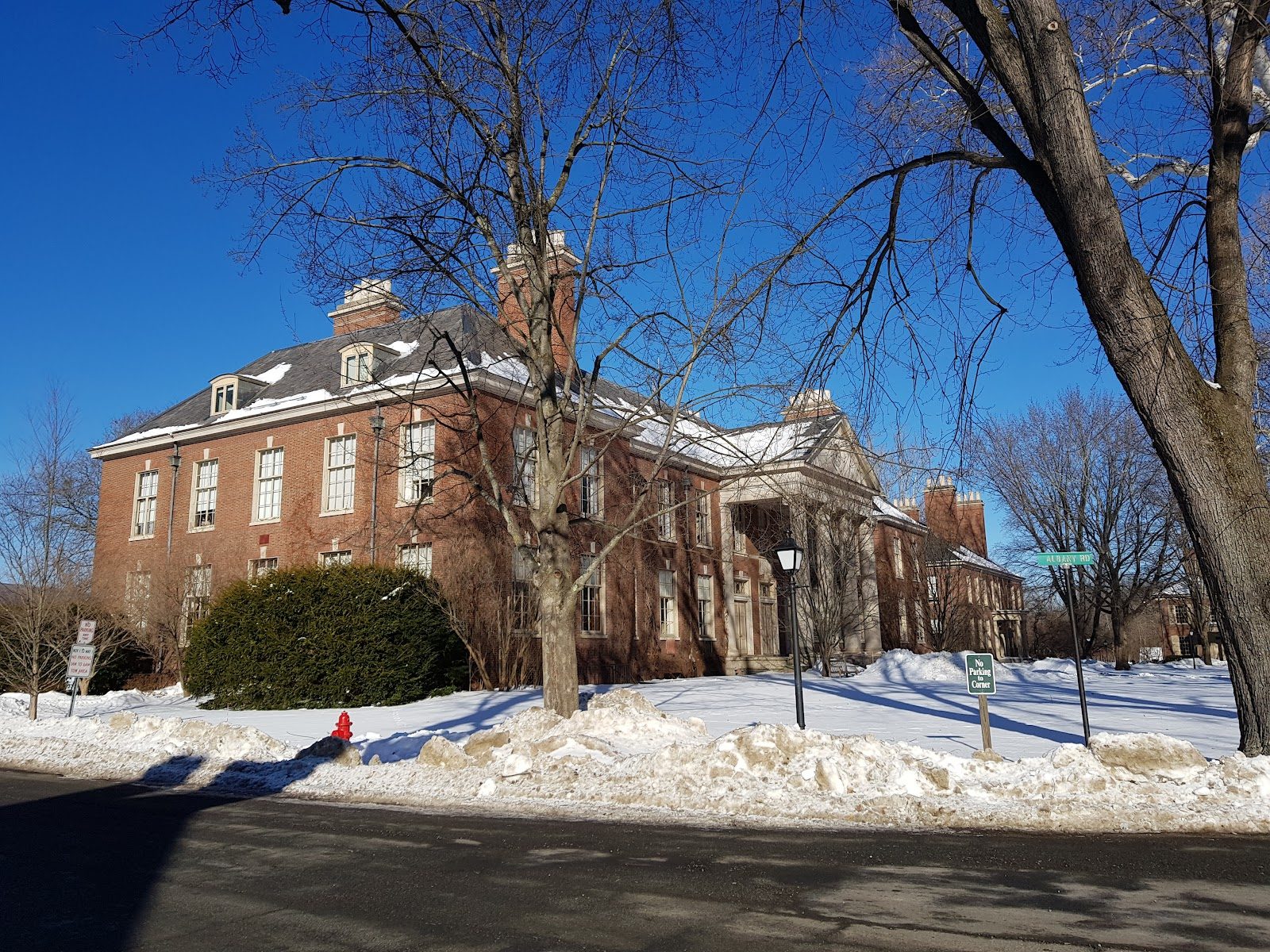
Deerfield Academy
Deerfield · United States
In a preserved 1797 village along the Deerfield River, seniors close their English studies not with an exam, but a spoken meditation.
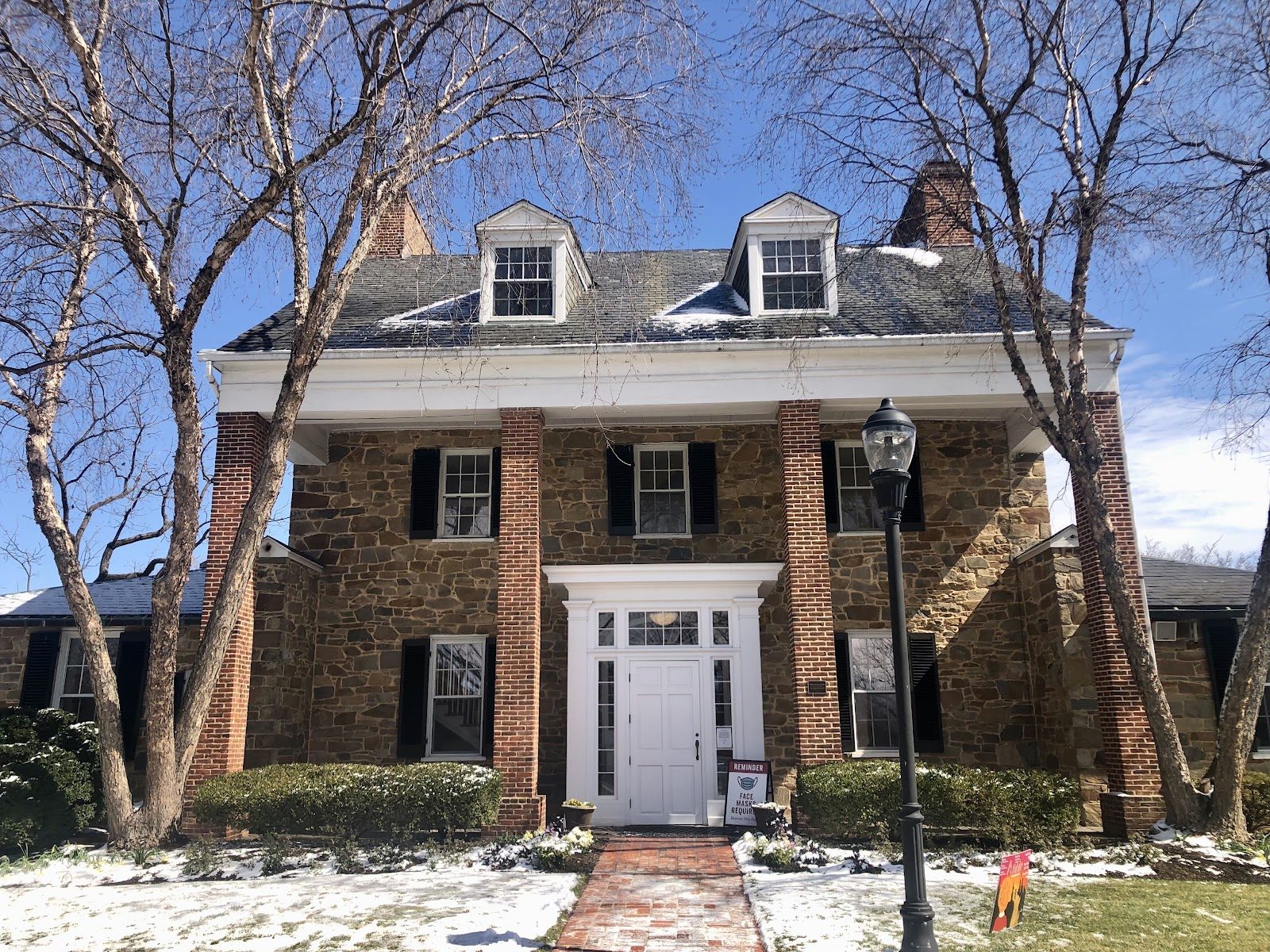
Sidwell Friends School
Washington, D.C. · United States
Weekly silent worship and a world-first Platinum-rated campus root Quaker inquiry steps from the Capitol.
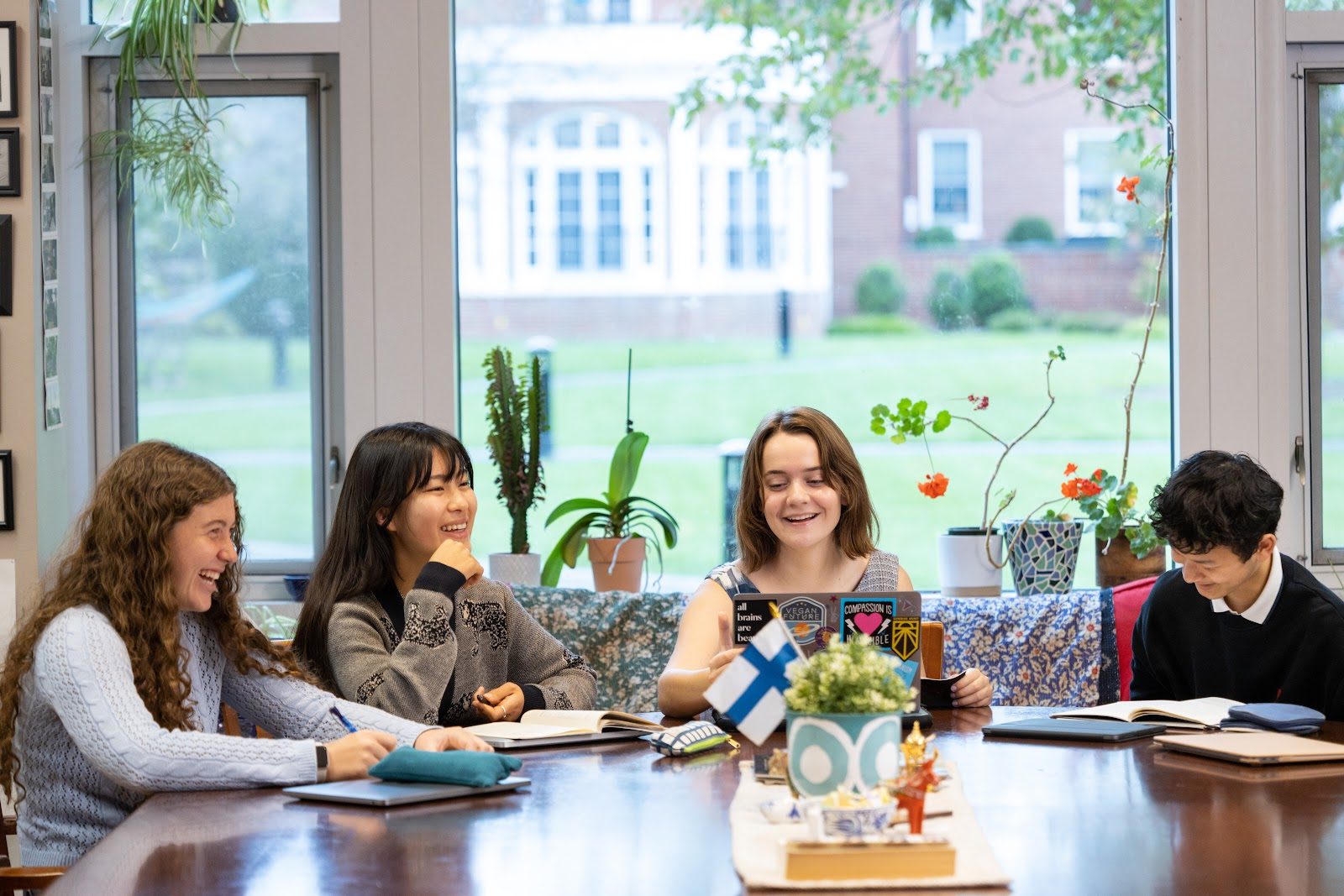
The Lawrenceville School
Lawrenceville · United States
Since 1936, oval Harkness tables replace lectures with discussion, while a century-old House system anchors campus life
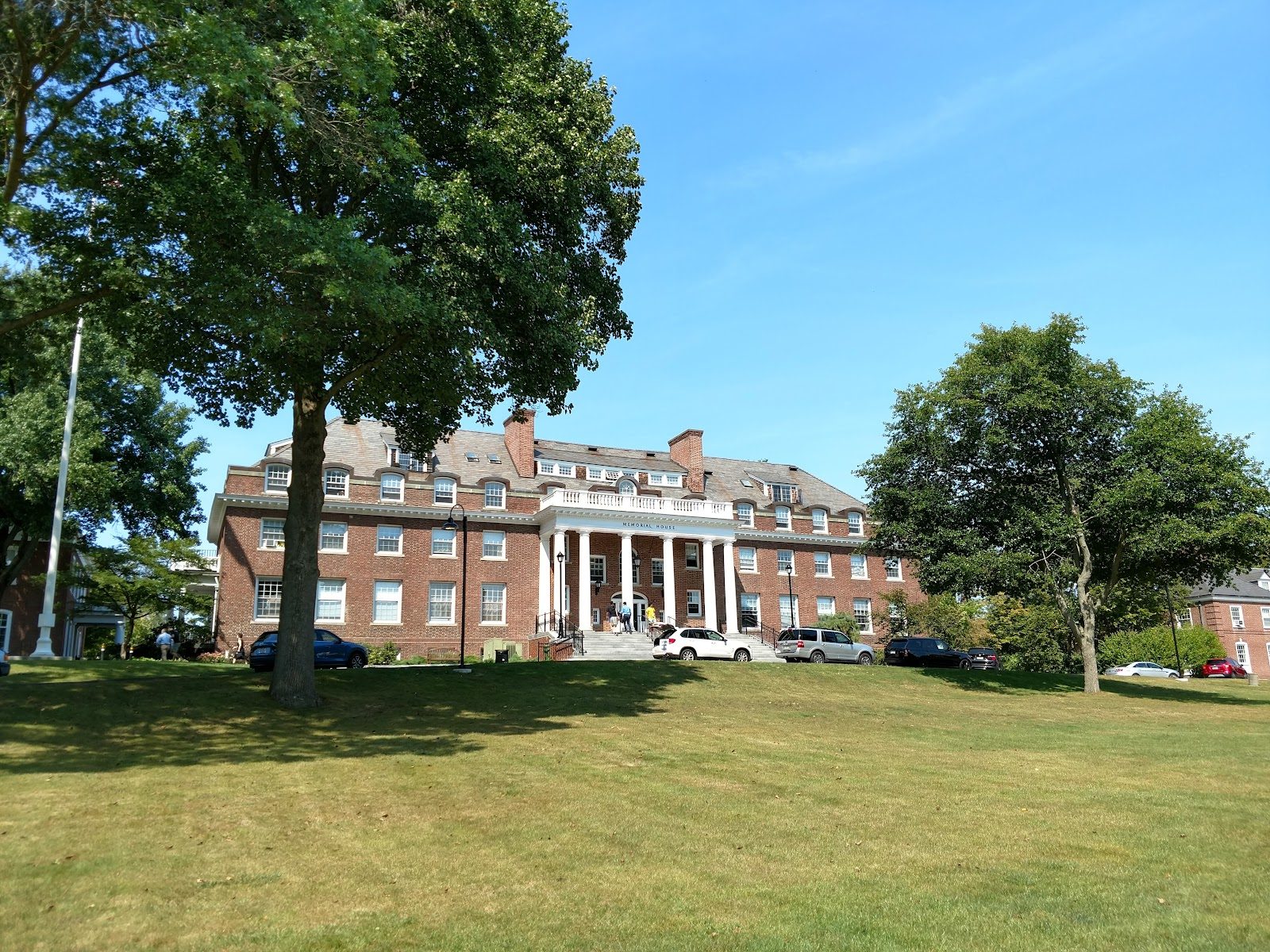
Choate Rosemary Hall
Wallingford · United States
A Wallingford campus where an I.M. Pei arts center anchors a rare, dedicated Arabic and Middle Eastern studies track.
Same country and curriculum — closest matches within ±10 points either way