
Victoria
Melbourne High School
Victoria's only academically selective boys' school, its hilltop South Yarra campus earning the nickname Castle on the Hill.
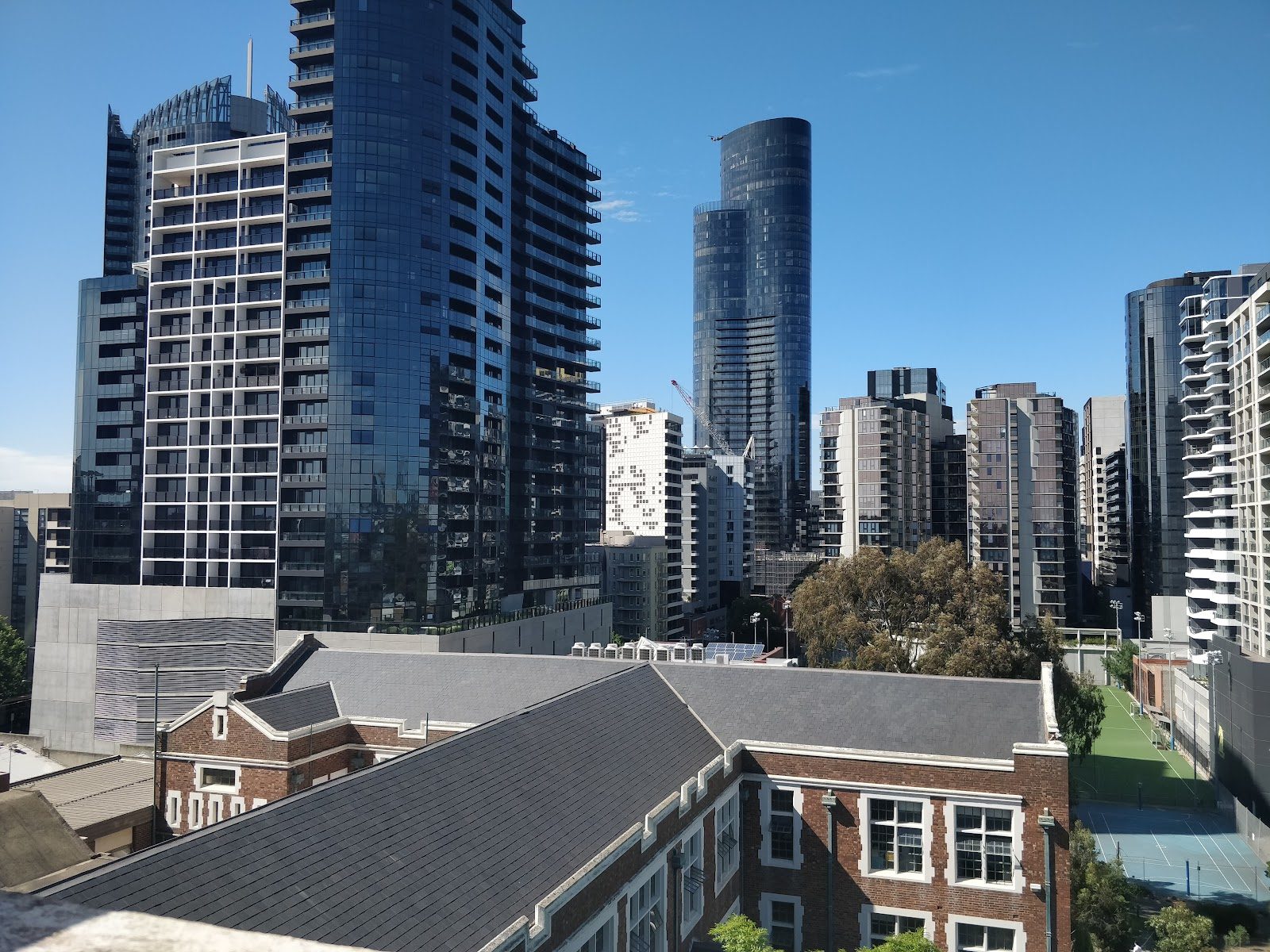
Photo © Melbourne High School via Google Maps
Type
Day
Ages
15–18
Curriculum
Australian
Qualifications
VCE
Ratio
—
The Verdict
Editor's commitment
Right for
Able boys aged 15–18 who want Victoria’s only government selective boys’ day school, on Melbourne High’s South Yarra hilltop campus.
Wrong for
Families wanting co-education, girls’ places, boarding, or entry before Year 9; Melbourne High serves boys only, Years 9–12.
Watch out for
The school publishes selective status, South Yarra location and a 1905 founding, but no public aggregate exam or university-destination data.
Ranking breakdown
Melbourne High School · # of 1591
Composite score 71.4. 8 weighted criteria.
By criterion
Academic Outcomes
Weight 20%
#13
of 1529 scored
University Placement
Weight 16%
#24
of 1529 scored
Prestige & Heritage
Weight 12%
#135
of 1571 scored
Alumni Network
Weight 12%
#1287
of 1530 scored
Facilities
Weight 12%
#1182
of 1534 scored
Transparency & Communications
Weight 8%
#153
of 1532 scored
Peer & Industry Review
Weight 10%
#147
of 1548 scored
Admissions Selectivity & Demand
Weight 8%
#7
of 1529 scored
Peer & Industry Review
How Melbourne High School is regarded in the sector
78
Strong · medium confidence
Melbourne High is regarded as the benchmark among Victoria's selective-entry government schools, sitting alongside Nossal High, Suzanne Cory High and MacRobertson Girls' in the state's small academic-selective cohort; heads of these schools and of fee-paying rivals like Melbourne Grammar and Scotch College routinely cite it as the toughest public competitor for high-ATAR students. Victorian media league tables (The Age and Herald Sun VCE results guides, built on VCAA median study score data) consistently place it in the top handful of schools statewide, ahead of many prestigious independents, which is the primary public signal of its standing since UK-style guides such as Good Schools Guide or WhichSchoolAdvisor do not cover Australian state schools. University of Melbourne and Monash University admissions data and outreach programs treat MHS as a core high-yield feeder school for law, medicine and engineering cohorts. Its reputation rests almost entirely on measurable academic outcomes and selective-entry exam competitiveness rather than marketing, giving it unusually strong credibility within Australia's education press and among rival school leaders despite receiving no formal international accreditation.
- Malcolm Fraser — Prime Minister of Australia, Politics
- Richard Pratt — CEO/Chairman, Visy Industries, Business
- Solomon Lew — Chairman, Premier Investments, Business
Editors' overview
Melbourne High School occupies a singular place in Victoria: the state’s only government academically selective boys’ school, serving Years 9 to 12 on its South Yarra campus. Founded in 1905, it offers an Australian curriculum in English and sits in a narrow market position that few schools can match: public, selective, non-religious, boys-only, and senior-secondary only. That combination matters. Families are not paying for brand theatre or pastoral packaging; they are buying entry into a concentrated academic peer group and a school culture built around serious intellectual competition, earned admission and high expectations without apology.
What sets Melbourne High apart is structural, not cosmetic. Entry at Year 9 filters for boys who want a more demanding academic environment, and the school’s age range of 15–18 keeps the focus on the final four years of secondary education rather than dispersing attention across primary or middle years. The hilltop setting and “Castle on the Hill” identity give it public recognition, but the real distinction lies in the model: a government selective school with the scale, history and self-belief to function as a destination for academically ambitious boys across Melbourne. Parents who want a co-educational setting, a gentler pace, or heavy hand-holding should look elsewhere. This is a school for students who thrive when surrounded by equally able peers and who read competition as fuel, not pressure.
It belongs on a shortlist for families seeking academic intensity, institutional gravitas and a route into a high-performing public-school cohort without private-school fees. The presence of visible co-curricular, sport, arts, wellbeing and community structures on the school’s own navigation also points to a broad school life rather than a narrow exam factory, though the school does not publish a concise public-facing explanation of outcomes on the pages cited here. That opacity is a weakness. A selective school benefits from publishing hard academic data cleanly and prominently. Even so, Melbourne High’s core proposition remains clear and strong: boys aged 15–18 who want challenge, pace and a hard-edged academic culture will find a school built for exactly that purpose.
Academic Performance
For a school built on selective entry and a concentrated senior cohort, the public treatment of academic performance is strikingly opaque. We have not seen aggregate VCE outcomes, ATAR distributions, subject-level score profiles or clean year-on-year benchmarking published on the pages cited here. That is a real weakness. Schools in this bracket do not earn trust on reputation alone; they earn it by disclosing hard numbers clearly. Without that disclosure, parents cannot test whether Melbourne High converts selective intake into results that hold their ground against Victoria’s strongest government and independent competitors.
That said, the school’s place in the market is still clear. A boys-only selective government school serving only the final years of secondary education enters the comparison set at the sharp end: Mac.Robertson Girls’ High School, Nossal High School, Suzanne Cory High School and Melbourne’s top-fee academic independents. Melbourne High belongs in that conversation by design, not by marketing. The question is not whether standards are high; the question is how high, how consistently, and in which subjects. On that point, the school leaves too much unsaid. Parents who care about hard academic evidence should ask for recent median study scores, the share of students above key ATAR thresholds, university destination patterns, and the spread of results across mathematics, sciences, humanities and languages. Until those figures are published, any claim of elite academic performance rests on institutional status rather than transparent proof.
Facilities
The school’s own navigation points to the core facility pillars: dedicated spaces for performing and visual arts, sport, wellbeing, and a separate Centre for Higher Education Studies. That matters more than glossy architecture. For a selective senior school, the useful test is whether specialist spaces support sixth-form style depth rather than broad all-ages provision, and Melbourne High’s structure points in the right direction. The Centre for Higher Education Studies is the standout because it signals academic extension beyond standard classroom delivery; among government peers, that is a serious institutional asset. The inclusion of Millgrove in the site structure also indicates an outdoor or residential component that gives the school more range than an urban academic campus alone. What we have not seen is a clear public account of laboratories, design and technology provision, libraries, music practice infrastructure, theatre facilities, or sporting stock in enough detail to judge capacity or quality.
Against selective peers, that leaves Melbourne High in a mixed position. The bones of a well-rounded senior campus are visible, and the school does not read like a narrow exam shed. But the public case is thin where top schools need precision. Families comparing Melbourne High with other selective government schools or high-performing independents should expect hard detail: named facilities, scope of specialist provision, and evidence that arts and sport match the school’s hard-driving academic culture. Without that, the facilities picture rests on category labels rather than proof.
Melbourne High School occupies a singular place in Victoria: the state’s only government academically selective boys’ school, serving Years 9 to 12 on its South Yarra campus
Prestige
Melbourne High carries real public-sector prestige within Victoria because its status rests on scarcity, selection and history rather than fees. There is only one government academically selective boys’ school in the state, and that monopoly matters. Families know what entry signals: not purchased advantage, but a place won in competition for a concentrated academic cohort. The school’s identity also has unusual civic visibility. “Castle on the Hill” is not empty branding; it marks a school with a strong public profile, a recognisable mythology and an old-boy network that keeps the name in circulation long after students leave. In Australian terms, that gives Melbourne High a kind of institutional weight that many newer selective schools and many expensive private schools work hard to manufacture.
That prestige has limits, and they are worth naming. It is high-status, but not insulated from scrutiny. The school does not publish the clean academic outcome data that would lock reputation to evidence, so part of its standing still trades on legacy and selectivity rather than transparent proof. It also serves a narrow brief: boys only, senior years only, academically filtered. That makes it powerful but specialised, not universally admired. For the right family, though, the badge carries force. In Melbourne’s education market, Melbourne High signals earned entry, intellectual ambition and a culture that values performance without softening the edges.
But the public case is thin where top schools need precision
Communications
Melbourne High communicates through the standard architecture of an established state school: a public website with clear top-level routes for news, events, policies, enrolment, booklists and uniform, plus parent-facing access points for Compass and Canvas. That matters because the school serves an older cohort and a demanding academic culture; parents do not need sentimental hand-holding, but they do need clean operational clarity. On that test, the framework is sound. Key functions are easy to locate, and the presence of separate areas for parental support, community bodies, the foundation and the old boys’ association points to a school that treats communication as an institutional network rather than a single newsletter feed. The weakness sits elsewhere: the site map is functional rather than illuminating. It tells parents where to click, not enough about what they will learn when they get there.
Effectiveness, then, is mixed. For day-to-day logistics, Melbourne High has the right channels and the right tools; Compass and Canvas carry much of the routine parent traffic in schools of this kind, and their visibility here is a practical strength. For strategic communication, the school is less assured. We have not seen a crisp public account of academic outcomes, facility depth or the school’s educational case set out with hard-edged precision. That leaves parents with process but not always with proof. For a school with such a strong institutional identity, that gap is unnecessary. Good communication does not stop at access; it publishes the evidence parents actually need.
Uniqueness
Melbourne High’s uniqueness is structural and cultural at once. In a crowded school market, it occupies a rare public niche: a government school for boys only, with admission tied to academic selection and the entire institution focused on the senior secondary years. That combination produces a different social and intellectual climate from a comprehensive school and a different economic logic from a private one. Students are not buffered by fee-paying entitlement or diluted by an all-through age range; they enter a cohort where earned entry carries status and where academic pace is the norm, not the exception. The result is a school culture with a hard competitive edge that many families want and others should avoid.
What does that bring to students? First, a peer group that normalises ambition. For able boys, that matters daily: classroom discussion moves faster, comparison sharpens effort, and underperformance is harder to hide. Second, it creates a distinctive version of public-school confidence. Melbourne High gives students access to a high-status meritocratic tribe without private-school fees or religious framing, and that can be formative. Third, the school’s boys-only setting strips away the co-educational balancing act; everything is built around how adolescent boys learn, compete and organise themselves. That brings energy, loyalty and institutional identity. It also brings pressure. This is a school for students who gain momentum from intensity, not for those who need a softer runway or constant reassurance.
Good communication does not stop at access; it publishes the evidence parents actually need
Student Profile
The student who fits here is academically able, self-propelled and comfortable being measured against other strong boys every day. This is not a school for late starters who need coaxing into good habits. It suits boys in the upper secondary years who already know that they like demanding classes, fast-moving discussion and a peer group that treats effort as normal. They need resilience as much as intelligence. In an environment built around selective entry and a narrow age band, comparison is constant, status attaches to performance, and excuses wear thin. Boys who enjoy intellectual pressure, competitive company and earned respect will find that energising. Boys who need a gentler culture or broader definitions of success will not.
The social fit is just as specific. Students do well here when they can handle a boys-only culture without turning it into noise, laddishness or drift. The school’s visible arts, sport, wellbeing and community structures matter because the healthiest version of this place is not a tunnel of study and test scores; it is a high-drive school life with outlets beyond the classroom. The best fit, then, is a boy aged 15–18 who wants challenge without pastoral cosseting, can organise himself, and does not need adults to manufacture motivation. For the right student, that mix creates serious momentum. For the wrong one, it becomes hard-edged and unforgiving very quickly.
Melbourne High’s uniqueness is structural and cultural at once
Co-curricular strengths
Arts & sport, on a separate axis
Overall 8.72/10
Scored 0-10 from the school's own published evidence. This axis is editorial-only — it does not feed the main WTS ranking.
Sports
8.8/10
Drama
8.8/10
Dance
8/10
Music
9.2/10
Visual Arts
8.8/10
Strengths
- +Consistently high VCE outcomes, with a median study score of 36 in 2025 and 29.9% of study scores at 40 or above
- +Entry is purely merit-based via a state-wide selective exam with no residential zoning, so any eligible Victorian student can apply regardless of address
- +One of Australia's oldest state secondary schools, founded in 1905 as the first government secondary school in Victoria, with a heritage-listed 'Castle on the Hill' campus in South Yarra
- +A long-established alumni network - The Sun-Herald ranked it third among Australia's top ten boys' schools in 2001 based on alumni listed in Who's Who in Australia
- +As a government school, tuition costs are far lower than equivalent academically selective independent day schools in Melbourne
Considerations
- −Admission is highly competitive: roughly 1,400 applications compete for about 336 Year 9 places, an acceptance rate near 24%, decided by a single Year 8 exam
- −Boys-only from Year 9 to Year 12, so it is not an option for families wanting coeducation or seeking a school with a junior/primary campus
- −No junior school - families must secure a separate primary and early-secondary pathway before the Year 9 entry point
- −Because there is no catchment zone, the school draws boys from across greater Melbourne, meaning many students face a daily commute of 30-60 minutes each way
Availability
Primary entry gate & tests
Vic. Selective Entrance Exam (Boys)
Gallery
Photo © Melbourne High School via Google Maps
Photo © gilart “치타델레” via Google Maps
Photo © gilart “치타델레” via Google Maps
Photo © gilart “치타델레” via Google Maps
Photo © gilart “치타델레” via Google Maps
Photo © Michail Petrov via Google Maps
Photo © Parsh DP via Google Maps
Parent reviews
Have you sent your child here?
Voice reviews carry the strongest trust badge — we transcribe them for you to tidy up before they go live. Prefer to type? A written review is fine too.
Add your voice
In 60 seconds, tell other parents: what's the best thing about Melbourne High School, and what surprised you when your child joined?
We ask for a Google sign-in so every review has a real face behind it — no anonymous drive-by attacks on schools, and no faked positive reviews. Your email is never shown publicly.
Send this profile to a friend
International parents rely on word-of-mouth. Share this review with someone weighing the same decision.
Schools with places
Similar schools to Melbourne High School with places available now.
Wesley College
Melbourne · Australia
- 2026-27
- WAITPOOLVacancy-dependent
- 2027-28
- PLACES OPEN
Methodist Ladies' College
Melbourne · Australia
- 2026-27
- WAITPOOLVacancy-dependent
- 2027-28
- PLACES OPEN
Ivanhoe Grammar School
Melbourne · Australia
- 2026-27
- WAITPOOLVacancy-dependent
- 2027-28
- PLACES OPEN
Melbourne Grammar School
Melbourne · Australia
- 2026-27
- WAITPOOLVacancy-dependent
- 2027-28
- PLACES OPENBoarding open; Day waitpool
Availability first, then country, area, curriculum, price, co-curricular
Consider also
Also worth looking at alongside Melbourne High School.
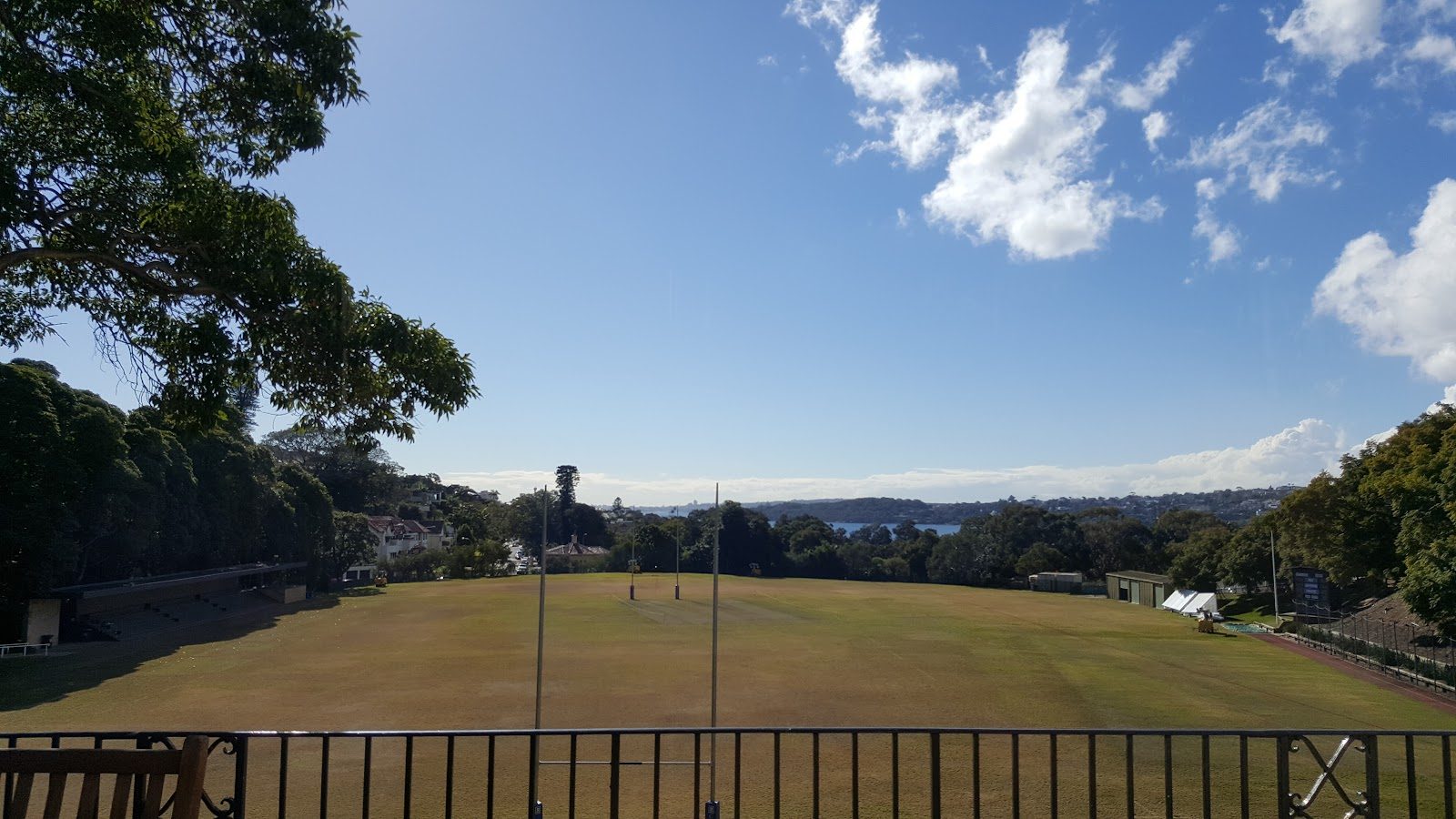
Cranbrook School
Sydney · Australia
Sydney's first IB Continuum School, pairing Bellevue Hill harbour views with a Blue Mountains bush campus for experiential learning.
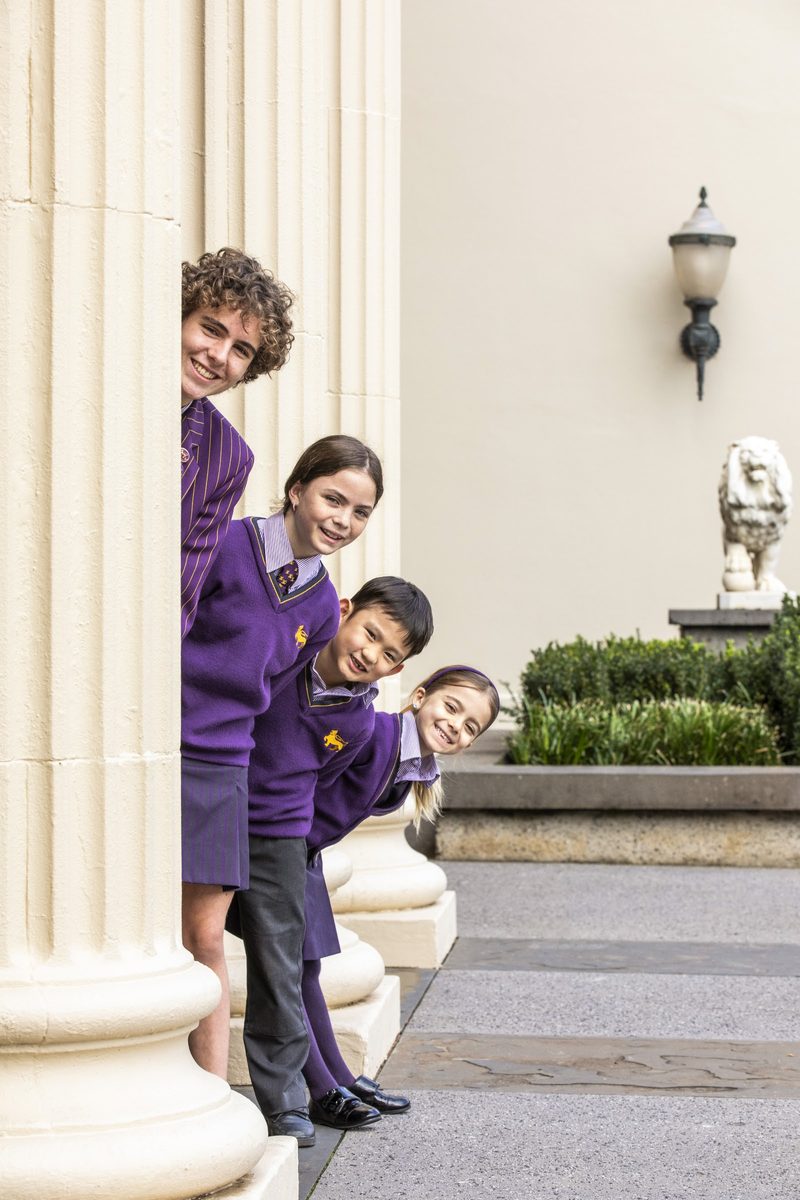
Wesley College
Melbourne · Australia
Runs the full IB continuum alongside VCE across three Melbourne campuses, reaching all the way to a studio school in the Kimberley outback.
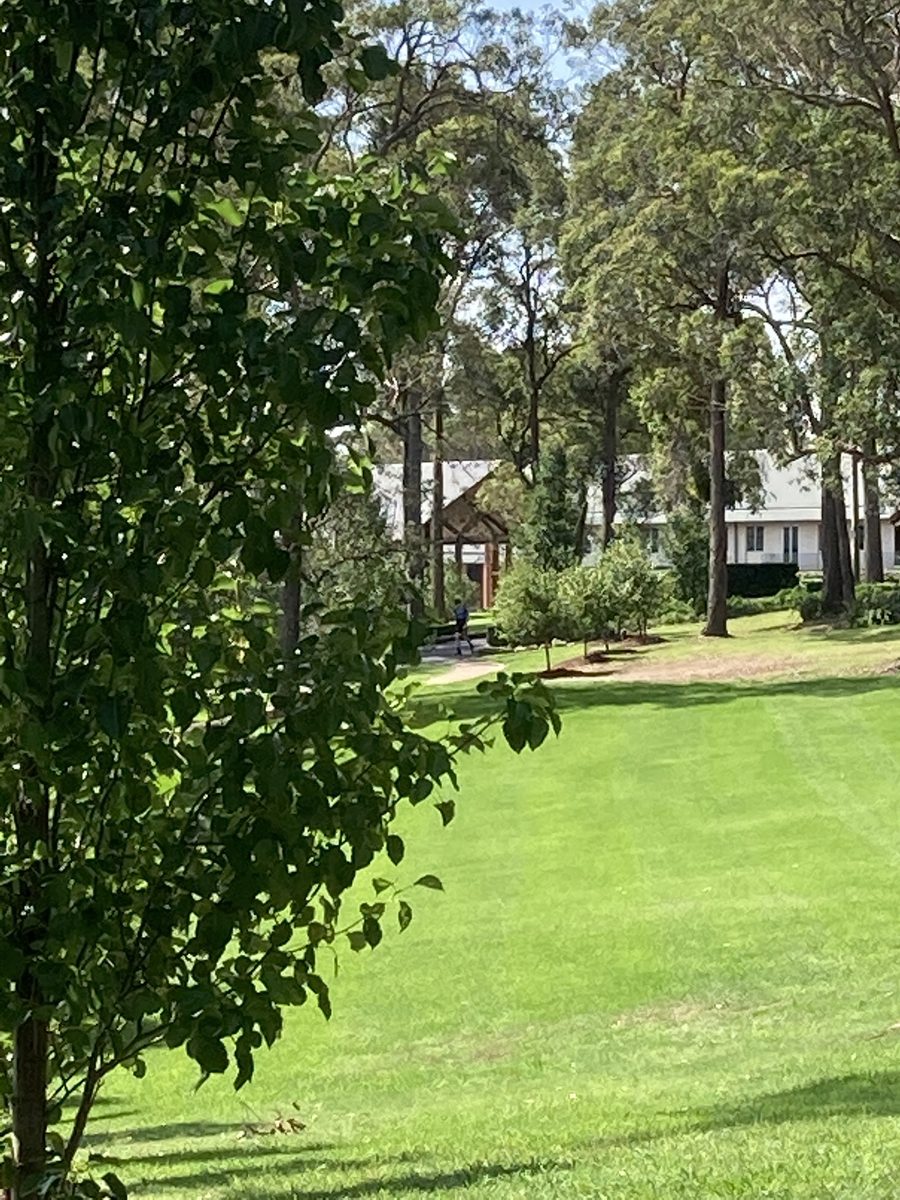
The King's School (Parramatta)
Parramatta · Australia
Australia's oldest independent school, where an 1831 foundation still marches in the country's oldest surviving military uniform and cadet corps.
Methodist Ladies' College
Melbourne · Australia
First school worldwide to put laptops in every student's hands in 1990, now pairing deep VCE-IB choice with an eight-week Marshmead wilderness term.
Same country and curriculum — closest matches within ±10 points either way