
Greater London
Sylvia Young Theatre School
A split week of GCSEs and stagecraft, taught inside a converted Victorian church off Marble Arch
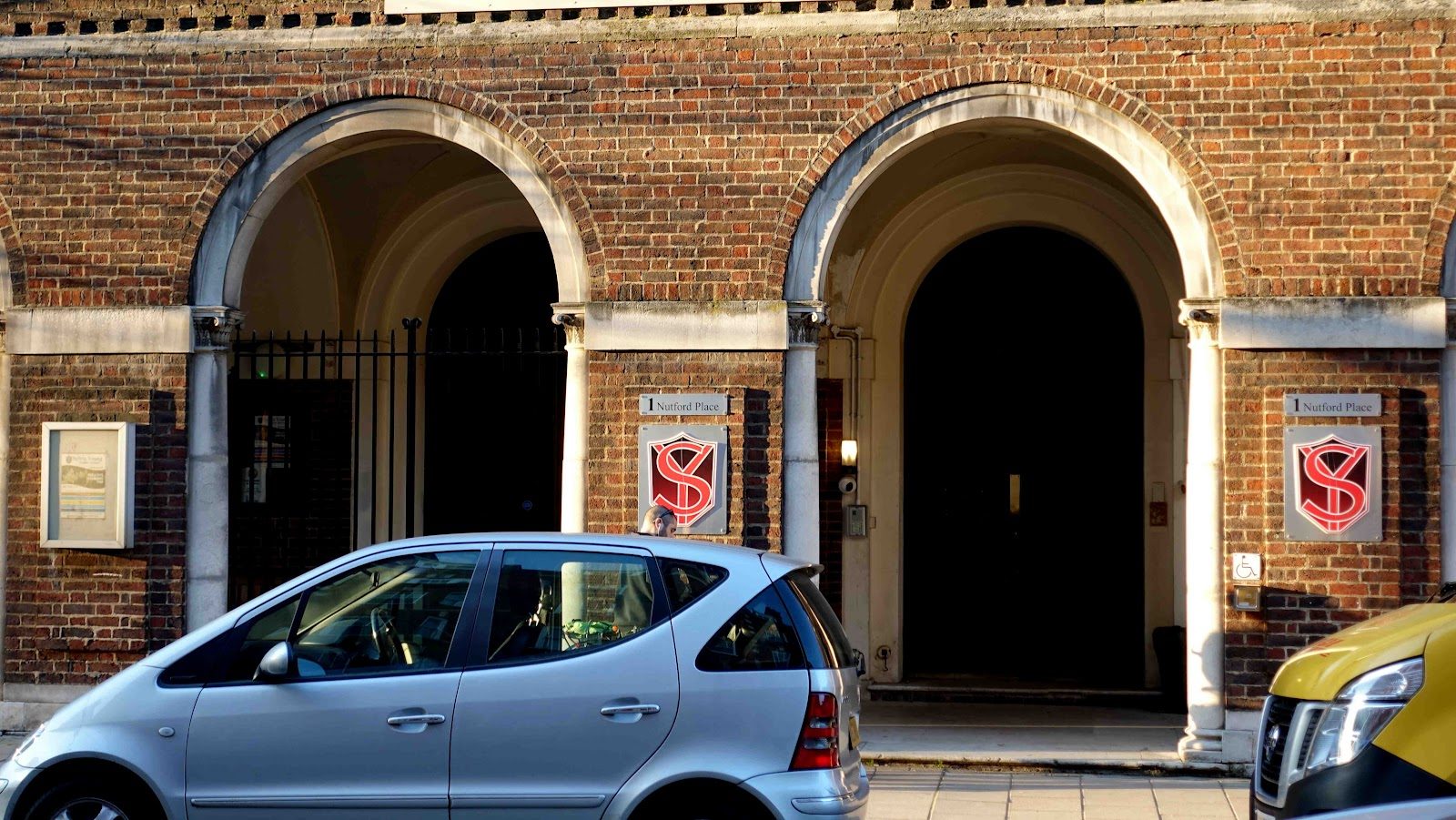
Photo © VAL VLOG via Google Maps
Type
Day
Ages
10–16
Curriculum
GCSE
Ratio
—
The Verdict
Editor's commitment
Right for
Children aged 10–16 who want GCSEs alongside serious performing arts training in Marylebone, inside a school founded in 1981.
Wrong for
Families wanting breadth beyond a specialist day school, older teenagers, or boarding; Sylvia Young runs 10–16 only, in English.
Watch out for
At £17,000 a year, this is a focused vocational bet; ISI accreditation matters less than whether your child can handle the split.
Ranking breakdown
Sylvia Young Theatre School · # of 1591
Composite score 52.2. 8 weighted criteria.
By criterion
Academic Outcomes
Weight 20%
#1474
of 1533 scored
University Placement
Weight 16%
#1517
of 1529 scored
Prestige & Heritage
Weight 12%
#1185
of 1580 scored
Alumni Network
Weight 12%
#1460
of 1530 scored
Facilities
Weight 12%
#1242
of 1540 scored
Transparency & Communications
Weight 8%
#1261
of 1547 scored
Peer & Industry Review
Weight 10%
#268
of 1564 scored
Admissions Selectivity & Demand
Weight 8%
#334
of 1529 scored
Peer & Industry Review
How Sylvia Young Theatre School is regarded in the sector
82
Strong · medium confidence
Among UK vocational stage schools, Sylvia Young is usually bracketed with Italia Conti, ArtsEd and the state-funded BRIT School rather than with academically selective independents, and heads of those rival schools rarely comment publicly, so cross-school endorsement is limited to shared alumni recognition rather than quoted praise. Its reputation is carried chiefly by destinations: graduates have progressed into West End productions, television and music careers, with alumni such as Amy Winehouse, Billie Piper and Denise Van Outen frequently cited in press profiles as evidence of industry pull, though formal university admissions data comparable to academic schools is not published. The Good Schools Guide and Tatler Schools Guide both carry entries describing it as a long-established, well-regarded specialist stage school with strong industry contacts in Marylebone, but neither places it in mainstream league tables, since GCSE/A-level results are not its primary marketing metric. Independent education press coverage is largely feature-based (profiling famous former pupils) rather than analytical, meaning its standing rests more on entertainment-industry credibility than on the academic or Russell Group admissions benchmarks used to judge conventional best_300 schools.
Award
Elite Drama 50
World's Top School · The Global Ranking
Sylvia Young Theatre School is featured on our Global Top 50 ranking at #2. This seal is available for the school's marketing team to use on their website, prospectus and social channels.
- Amy Winehouse — Singer-songwriter, Music
- Billie Piper — Actress, Television/Film
- Denise van Outen — Actress/Presenter, Entertainment
Editors' overview
Sylvia Young Theatre School occupies a narrow and valuable niche in London: a specialist day school for children aged 10 to 16 who want GCSE study and serious performing arts training in the same week, under one roof. Founded in 1981, it trades on focus, not scale. The model is clear: high academic standards, high expectations and sustained vocational training in drama, music and performance. The setting reinforces the point. The school now works from Nutford Place in Marylebone, with dedicated vocational floors, studios, rehearsal rooms, a recording studio and separate academic space. For families who want discipline with creative purpose rather than a conventional independent school with a few strong productions, this is a distinct proposition.
What puts Sylvia Young on a shortlist is specialisation. Many schools claim to nurture talent; this one is built around it. The attraction lies in the daily integration of classroom study and stagecraft, and in a student body full of peers who take performance seriously. That creates *a working environment, not a hobby culture*. The school also has the advantage of London itself: central, connected and close to the professional industries that shape its identity. At £17,000 a year, it sits below the fee level of many full-spectrum London independents, though parents are paying for a concentrated brief, not acres of campus or a broad sixth-form pathway. It is a day school only, and it stops at age 16, so families need a clear post-GCSE plan.
This school suits a specific child. The right student wants a split life without compromise: academic lessons alongside rigorous performing arts training, with staff who expect self-discipline and resilience. It will appeal to children who are energised by rehearsal, performance practice and a peer group with the same ambitions. It will not suit a child who wants a broad co-curricular menu, expansive playing fields or a conventional all-through school experience. Sylvia Young is *small, focused and unapologetically vocational*. That is its strength and its limit.
The market position is straightforward: Sylvia Young is one of London’s best-known specialist theatre schools for the 10–16 age range, offering GCSEs in English in a central day-school format with ISI accreditation. Parents should shortlist it if they want *serious training embedded in the school week*, a campus configured for performance work, and a culture of high expectation at a young age. They should pass if they want breadth over intensity.
A Global Elite 50 Drama & Acting school
Sylvia Young Theatre School sits among our Global Elite 50 Drama & Acting Schools because it demonstrates the weighted elite progression, faculty pedigree, screen-and-stage training breadth and industry integration that separate a true tier institution from a strong regional feeder. Its drama provision is rated world-class within our co-curricular framework.
Its operating model is best described as Integrated Specialist: a structure that shapes both the daily balance of academic and specialist study through GCSE and the professional trajectory of leavers as they move into major performing-arts programmes or direct casting.
The methodology is deliberately aggressive: the largest share of available points is tied to weighted elite conservatoire and professional-programme conversion, with further points on faculty and industry pedigree and on training intensity and industry integration. Beautiful campuses, historic alumni and impressive facilities cannot compensate for weak contemporary professional conversion, and are not scored independently. On these measures SYTS scores heavily through its in-house agency and casting relationships, which give pupils genuine professional exposure while still at school.
The school ends at Year 11, so its role is as a pre-16 pipeline: leavers typically progress to top-tier 16-18 performing-arts destinations such as ArtsEd, the BRIT School, Tring Park and Hurtwood, or directly into professional casting. Faculty are drawn from the West End, National Theatre, RSC and the London television-drama community.
For a relocating family, SYTS is a day school in central London: there is no boarding, so proximity to the Marylebone campus is a practical requirement. Auditions are held on a rolling basis, and this is one of the most industry-integrated pre-16 drama pipelines a family can consider directly.
Academic Performance
The school does not publish headline GCSE performance data in the public domain. We have not seen aggregate pass rates, top-grade distributions, value-added measures or subject-by-subject outcomes. That matters. In a school that puts academic standards at the centre of its pitch, parents need more than aspiration and atmosphere; they need results. Without that disclosure, Sylvia Young sits in an opaque position academically. You cannot place it with confidence against London independents that publish strong grade profiles, nor against specialist arts schools that back their claims with hard numbers. The school’s age range also limits the public academic picture: there is no sixth-form layer of A-level or IB data to deepen the record.
That does not make the academic side weak; it makes it hard to verify. The core question is whether the school delivers GCSE outcomes that stand up beyond its vocational identity. Families comparing it with mainstream independents will find a thin evidential trail. Families comparing it with other performance-led schools will still want proof that rehearsal time does not erode academic attainment. Until the school publishes a clear run of external results, its academic performance sits in the category of specialist but unproven in public. For some parents, the school’s focused brief will outweigh that gap. For others, absent data is a decisive drawback.
Facilities
The school’s physical brief is tight and purposeful. The important spaces are the vocational floors, studios, rehearsal rooms and recording studio, backed by separate academic floors rather than a mixed-use compromise. That matters more here than grand architecture or sports provision. Parents are buying working space for young performers: rooms built for repetition, coaching and practice during the school day, not a conventional independent campus with a theatre bolted on. The large canteen and two courtyard gardens add a practical break from the intensity, but this is still an urban, vertical school in which specialist teaching space carries the load. Housed in a converted church-school setting and now configured across dedicated floors, it reads as functional rather than plush.
Against peer schools in the specialist performing-arts bracket, that facilities package is credible and fit for purpose, but not lavish. The presence of a recording studio gives it an edge over smaller stage schools that rely on hired space or push music work off-site. Equally, families comparing it with full-spectrum London independents need a clear view of the trade-off: you do not get acres, extensive sports grounds or the sprawling amenity set that comes with much higher fees. At £17,000, the school’s facility offer is concentrated, vocational and efficient. For a child whose week revolves around rehearsal and performance training, that is enough. For a family wanting breadth of campus life, it is a clear limit.
It is a day school only, and it stops at age 16, so families need a clear post-GCSE plan
Prestige
Sylvia Young carries real name recognition in a narrow field: specialist performance education for children who want school and stage training fused together. That matters, but it needs framing correctly. This is not prestige in the old independent-school sense of acres, endowment, Oxbridge chatter or a long ladder through sixth form. It is sector prestige, built on specialism, visibility and a founder’s enduring imprint on British theatre-school culture. Within that lane, the brand is strong and immediately legible. Parents, agents and casting-facing families know what Sylvia Young is for. The central London address helps, and so does a model that puts rehearsal rooms, studios and academic floors under one roof for pupils aged 10–16.
The limit to that prestige is just as clear. Outside performing arts circles, Sylvia Young does not carry the same status weight as London’s big academic independents, because its mission is narrower and its public academic outcomes are not. Prestige here rests on reputation, focus and industry adjacency, not on published exam dominance or institutional breadth. That leaves it in a distinct but bounded category: high-profile for the right family, less persuasive for parents who equate prestige with elite academic data, broad university preparation or a conventional all-through school trajectory. In plain terms, Sylvia Young has cachet where it counts for performers and less authority outside that world.
We have not seen aggregate pass rates, top-grade distributions, value-added measures or subject-by-subject outcomes
Communications
Parent communication looks direct and old-school. The school publishes named senior staff with individual email addresses, a central phone line and a full postal address, and it invites both informal contact by telephone and formal contact in writing. That matters. Many schools hide behind generic inboxes and polished forms; Sylvia Young does not. Parents can see who runs the place and how to reach them, from the headteacher to safeguarding and behaviour leads. In a specialist environment with young children balancing school life and intensive performance training, that access is a strength. It signals a culture that expects issues to be raised plainly and handled by identifiable adults, not absorbed into an anonymous system.
The limit is polish. The public-facing communication does the essentials, but not much more. We have not seen the kind of detailed parent-information architecture that stronger independent schools now treat as standard: clear publication of outcomes, rich day-to-day explanation of school life, or a sharply organised bank of practical information. The tone leans functional rather than expansive. For some families, that will read as refreshingly no-nonsense; for others, it will feel thin and leave too much to chase by phone or email. The school’s best communication asset is human accessibility, not digital sophistication. That is workable, even reassuring, if the office responds quickly and leadership stays visible. It is less convincing for parents who want forensic clarity before making contact.
Uniqueness
What sets Sylvia Young apart is not glamour but structure. This is a school built for children whose week needs to hold two demanding identities at once: pupil and young performer. Many schools offer productions, peripatetic lessons and a bit of stage polish around the edges. Sylvia Young organises the whole institution around performance training as a daily discipline. That gives students something rare and hard-edged: peers who treat rehearsal as work, staff who expect self-discipline, and a timetable that does not force the arts into the after-school margins. The result is *a professionalising environment at an unusually young age*. For the right child, that sharpens focus, raises standards and cuts out the drag of having to explain serious ambition to a school culture that does not share it.
The benefit is clear. Students work in a setting that treats performing arts talent as something to be trained methodically, not flattered. Dedicated vocational floors, studios, rehearsal rooms and a recording studio create *a working school rather than a showcase school*. That matters because young performers need repetition, correction and stamina more than they need polish. The other side of that uniqueness is pressure. A specialist school with an upper age limit of 16 asks families to think early and plan decisively for what follows. It also narrows the day-to-day experience: children gain intensity, fluency and purpose, but give up the breadth and looser adolescence of a conventional independent school. For committed performers, that trade is the point.
The result is a professionalising environment at an unusually young age
Student Profile
The students who fit here are the ones who do not want performing arts parked at the edge of school life. They want it in the middle of the week, taken seriously, corrected closely and pursued with stamina. That points to children with real vocational intent rather than vague enthusiasm: pupils who can move between lessons and rehearsal without treating either as optional. The school’s own language is full of expectation, self-discipline, responsibility and respect, and that gives a clear read on the social contract. A child who needs constant coaxing, resists structure or wants a loose, exploratory atmosphere will find the culture tight and demanding. A child who thrives on repetition, feedback and visible standards will find peers who work at the same pitch.
Age matters too. This is a school for children from 10 to 16, which means ambition starts early and the peer group skews young, focused and purpose-driven. The best fit is a pupil who is already comfortable standing out for effort, not just talent. Confidence helps, but resilience matters more: performing arts training at this level brings correction, comparison and pressure. Families also need a child who can live without the broader social sprawl of a conventional independent school. The draw here is shared seriousness, creative discipline and a working atmosphere. The limit is plain: if a child wants breadth, anonymity or an easier pace, this school is not for the faint-hearted.
The model is clear: high academic standards, high expectations and sustained vocational training in drama, music and performance
Co-curricular strengths
Arts & sport, on a separate axis
Overall 8.2/10
Scored 0-10 from the school's own published evidence. This axis is editorial-only — it does not feed the main WTS ranking.
Sports
4/10
Drama
9.8/10
Dance
9.7/10
Music
9.5/10
Visual Arts
8/10
Strengths
- +Founded by Sylvia Young OBE and operating in Marylebone for decades, giving it deep industry links.
- +Delivers a full GCSE academic curriculum alongside daily vocational training in acting, singing and dance rather than as an after-school add-on.
- +Central London location gives pupils practical proximity to West End theatres, casting agents and audition venues during term time.
- +Alumni have gone on to sustained careers in music, film and television, evidencing a credible track record of industry placement.
- +Small cohort sizes allow close monitoring of both academic progress and individual performance training.
Considerations
- −Entry is by competitive audition, so places are not guaranteed even for families able and willing to pay full fees.
- −The intensive vocational timetable may disadvantage pupils who later decide against a performing career, given reduced time for other subjects.
- −The school ends at Year 11 with no Sixth Form, requiring families to plan a 16-18 transition mid-secondary.
- −Facilities and extracurricular breadth are narrower than at larger all-round independent schools, reflecting its specialist focus.
Gallery
Photo © VAL VLOG via Google Maps
Photo © VAL VLOG via Google Maps
Photo © Amelie Happy via Google Maps
Photo © Dean Nicolas via Google Maps
Photo © Dean Nicolas via Google Maps
Photo © Babak Babakinejad via Google Maps
Photo © dan peck via Google Maps
Parent reviews
Have you sent your child here?
Voice reviews carry the strongest trust badge — we transcribe them for you to tidy up before they go live. Prefer to type? A written review is fine too.
Add your voice
In 60 seconds, tell other parents: what's the best thing about Sylvia Young Theatre School, and what surprised you when your child joined?
We ask for a Google sign-in so every review has a real face behind it — no anonymous drive-by attacks on schools, and no faked positive reviews. Your email is never shown publicly.
Send this profile to a friend
International parents rely on word-of-mouth. Share this review with someone weighing the same decision.
Schools with places
Similar schools to Sylvia Young Theatre School with places available now.
Tiffin School
Kingston upon Thames · United Kingdom
- 2026-27
- CLOSEDStandard route
- 2027-28
- PLACES OPENCloses 1 Sept '26, 12pm
University College School
London · United Kingdom
- 2026-27
- CLOSEDStandard route
- 2027-28
- PLACES OPEN11+ (9 Nov); 16+ (28 Sept)
City of London School
London · United Kingdom
- 2026-27
- CLOSEDStandard route
- 2027-28
- PLACES OPEN11+/16+ Active
Latymer Upper School
London · United Kingdom
- 2026-27
- CLOSEDStandard route
- 2027-28
- PLACES OPENCloses Nov
Availability first, then country, area, curriculum, price, co-curricular
Consider also
Also worth looking at alongside Sylvia Young Theatre School.
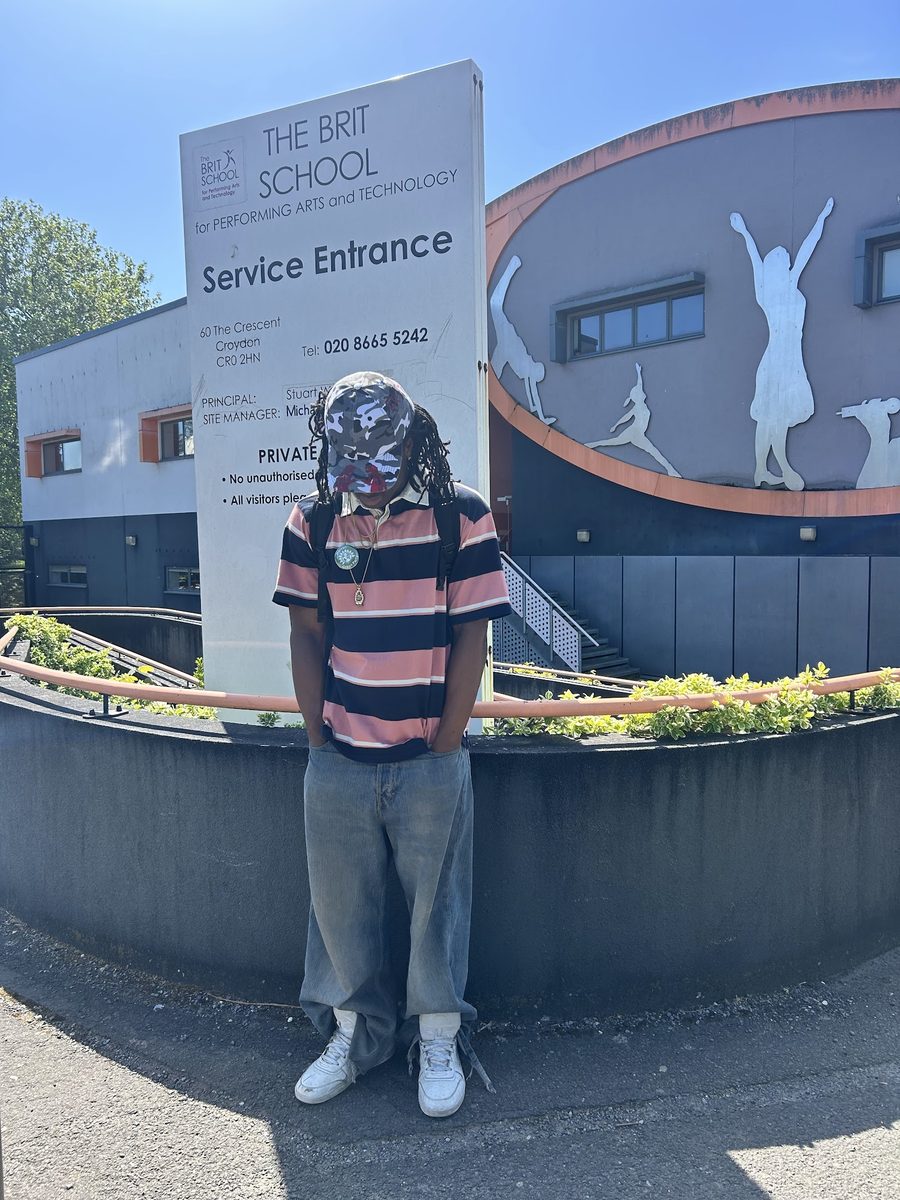
The BRIT School
Croydon, London · United Kingdom
Free tuition-free training in music, dance and theatre, funded by the BRIT Awards and built around a 50/50 split of studio craft and academic study.
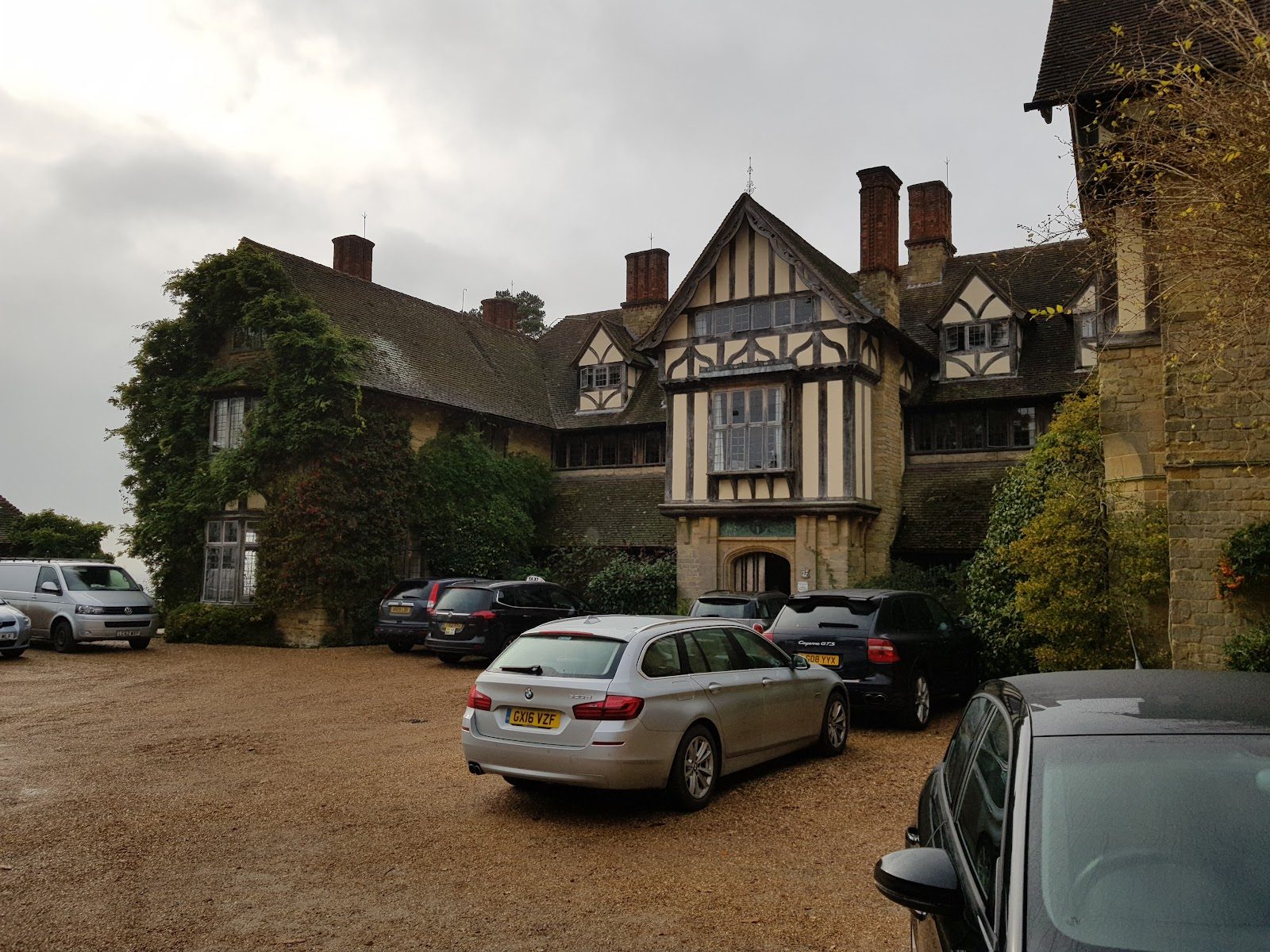
Hurtwood House
Holmbury St Mary, Surrey · United Kingdom
In the Surrey Hills, a sixth-form-only campus mounts 40 productions a year and still teaches filmmaking on 16mm.
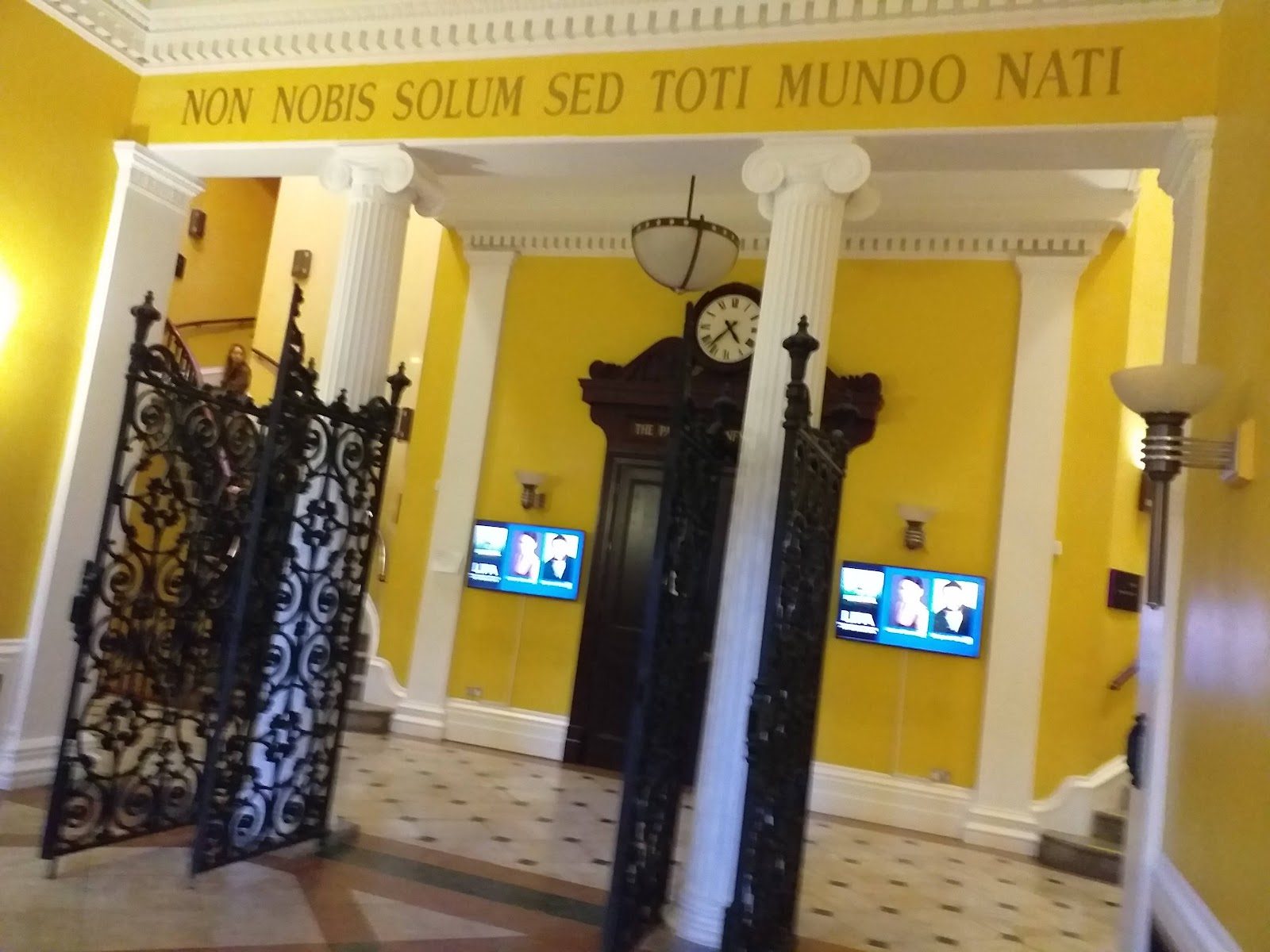
LIPA Sixth Form College (Acting)
Liverpool · United Kingdom
On Liverpool's Hope Street, purpose-built studios and a 100-seat theatre train BTEC actors for the professional stage.
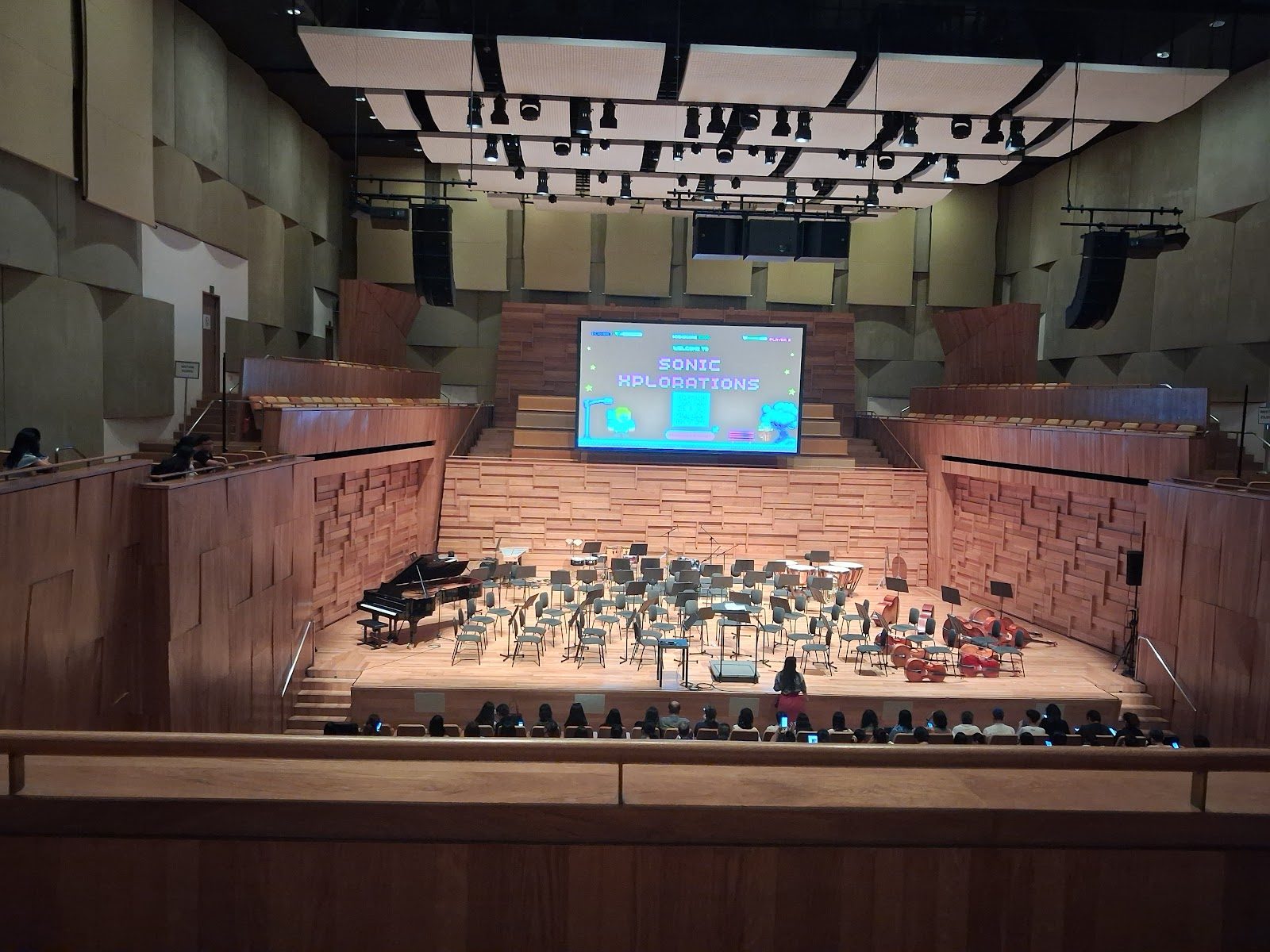
School of the Arts Singapore (SOTA), Theatre
Singapore · Singapore
A six-year IB pathway swaps O-Levels for stage craft, rehearsing theatre talent in Bras Basah's arts quarter
Same specialism, country and curriculum — closest matches within ±10 points either way