
Surrey
Hurtwood House
In the Surrey Hills, a sixth-form-only campus mounts 40 productions a year and still teaches filmmaking on 16mm.
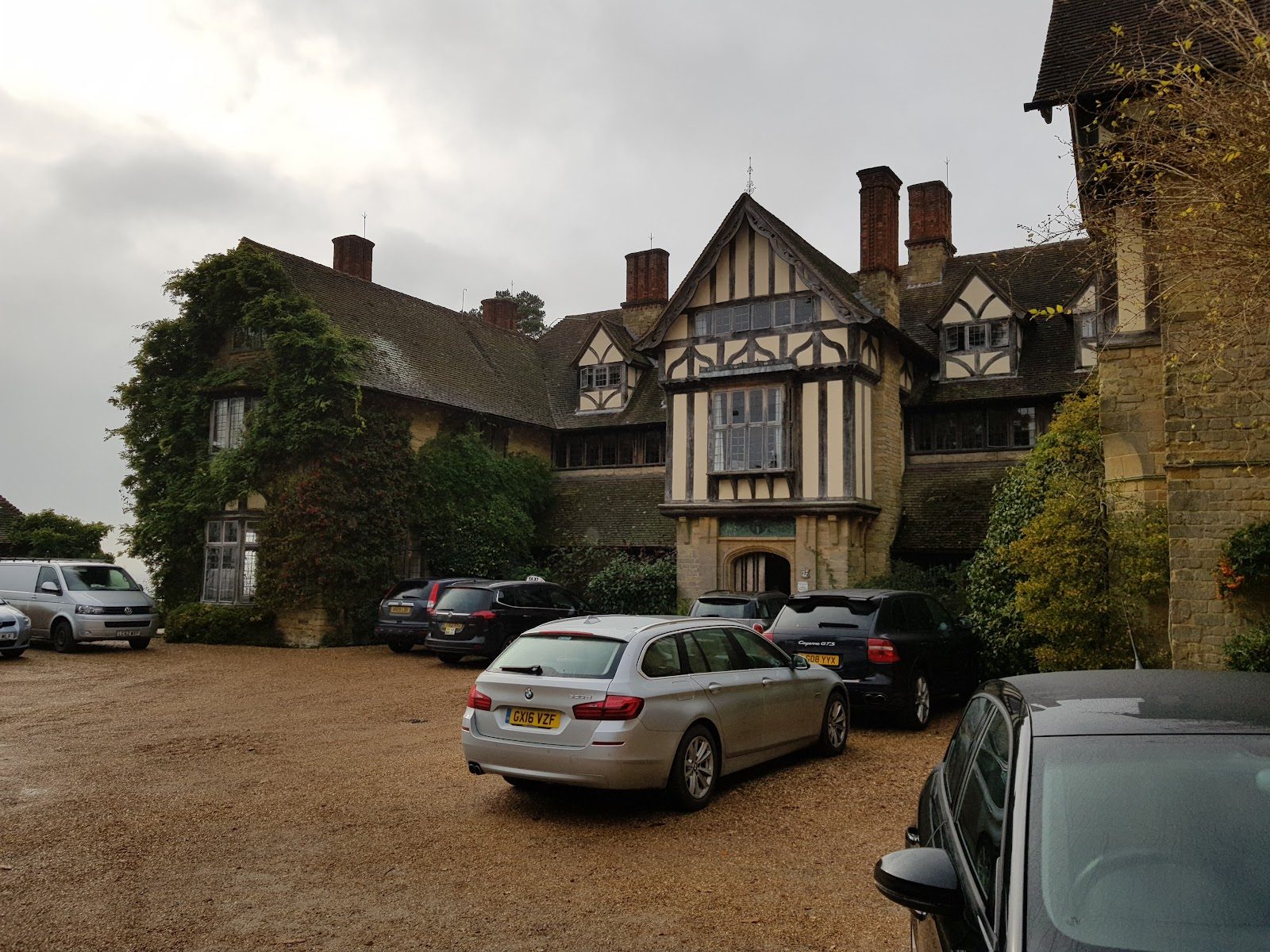
Photo © Gabriela via Google Maps
Type
Boarding + Day
Ages
16–18
Curriculum
A-Level · BTEC
Ratio
—
The Verdict
Editor's commitment
Right for
Sixth-formers who want A-Level or BTEC, average classes of 8, and a creative campus that mounts 40 productions a year.
Wrong for
Families wanting a through-school, lower fees, or broad age-range boarding; Hurtwood only covers 16–18 and boarding averages £69,000.
Watch out for
The sell is arts-heavy, but the bill is not: day fees average £46,000, boarding £69,000, and results quoted are 53.5% A*-A.
Ranking breakdown
Hurtwood House · # of 1591
Composite score 57.2. 8 weighted criteria.
By criterion
Academic Outcomes
Weight 20%
#959
of 1533 scored
University Placement
Weight 16%
#965
of 1529 scored
Prestige & Heritage
Weight 12%
#1043
of 1580 scored
Alumni Network
Weight 12%
#1427
of 1530 scored
Facilities
Weight 12%
#845
of 1540 scored
Transparency & Communications
Weight 8%
#1091
of 1547 scored
Peer & Industry Review
Weight 10%
#94
of 1564 scored
Admissions Selectivity & Demand
Weight 8%
#1326
of 1529 scored
Peer & Industry Review
How Hurtwood House is regarded in the sector
86
Strong · medium confidence
Within the UK's Sixth Form college sector, Hurtwood House is generally grouped with the likes of Mander Portman Woodward and Cardiff Sixth Form College rather than with traditional public schools such as Eton or Harrow, reflecting its two-year, results-focused model. The Good Schools Guide and WhichSchoolAdvisor both flag its distinctive lack of uniform and strong pastoral structure, while noting the school leans heavily on its performing arts, media and film provision as a differentiator rather than academic breadth alone. National broadsheet league tables (Times/Telegraph Independent Schools guides) place it consistently among top-performing boarding sixth forms for A-level value-added, particularly in Film Studies, Drama and Media, subjects rarely offered at this depth elsewhere. Its reputation with universities is strongest with drama conservatoires (RADA, LAMDA, Guildhall) and media-industry recruiters, alongside a steady, if not headline, Oxbridge and Russell Group intake. Independent education press coverage tends to focus on its media/entertainment pipeline rather than sporting or classical academic prestige, positioning it as a specialist rather than a direct peer-competitor to the most academically selective schools in Surrey and London.
Award

Elite Film 50
World's Top School · The Global Ranking
Hurtwood House is featured on our Global Top 50 ranking at #12. This seal is available for the school's marketing team to use on their website, prospectus and social channels.
Award

Elite Drama 50
World's Top School · The Global Ranking
Hurtwood House is featured on our Global Top 50 ranking at #7. This seal is available for the school's marketing team to use on their website, prospectus and social channels.
Award
Elite Visual & Fine Arts 76
World's Top School · The Global Ranking
Hurtwood House is featured on our Global Top 76 ranking at #30. This seal is available for the school's marketing team to use on their website, prospectus and social channels.
- Alex James — Musician, Blur
- Kaya Scodelario — Actress, Film/TV
- George MacKay — Actor, Film
Editors' overview
In the Surrey Hills, Hurtwood House does something few British sixth forms attempt with any conviction: it treats the final two school years as a bridge to adult creative and academic life rather than an extension of Year 11. This is a boarding and day school for ages 16 to 18, with a very clear point of difference: a sixth-form-only campus, 40 productions a year in the school’s own phrasing, filmmaking taught on 16mm, and a timetable built around A-Level and BTEC study rather than a broad lower-school model bolted onto sixth form. The classes are tiny at 8 on average, which matters here because specialist teaching only works when staff know exactly what each student is making, writing or revising. Hurtwood also holds IB World School accreditation and is inspected by ISI, though the declared curriculum in this listing is A-Level and BTEC.
Its market position is straightforward. Hurtwood is expensive even by UK independent standards: the average annual day fee is £46,155 and boarding averages £69,231 a year across the full two-year ladder. Parents are paying for intensity, specialism and atmosphere, not for a conventional all-through public-school experience. The school advertises 53.5% A*–A at A level in 2025, which puts real academic substance behind the arts-heavy image. That matters, because Hurtwood’s strongest selling point is not that it indulges creative teenagers; it gives them a structure in which serious performance, film, music or theatre can coexist with strong exam teaching. For the right student, that mix is electrifying. For a family that wants chapel, house matches and a stiff institutional culture, it is the wrong school.
The student who will want Hurtwood is bright, self-aware and ready to leave a conventional school model at 16. This is a place for young people who want a more adult social and intellectual setting, who will thrive in a small, high-energy peer group, and who have a genuine interest in the arts without wanting academic standards lowered in exchange. It also suits students who felt constrained by a previous school’s sixth form and want more flexibility of subject choice. It is less convincing for teenagers who need close external structure, who want the continuity of an 11–18 school, or who prefer a quieter, more anonymous route through sixth form. Put plainly, Hurtwood belongs on a shortlist when a family wants a *distinctive, high-cost, creatively charged* sixth form with real teaching focus and no interest in pretending to be ordinary.
A Global Elite 50 Drama & Acting school
Hurtwood House (Drama/Theatre) sits at #7 on our Global Elite 50 Drama & Acting Schools 2026, with an 85.5 Elite Score and a B+ evidence-confidence grade, because on the 100-point Elite Acting Progression Model it demonstrates the weighted elite conservatoire progression, faculty pedigree, screen-and-stage training breadth and industry integration that separate a true tier institution from a strong regional feeder.
Its operating model is best described as Specialist Sixth Form: a structure that shapes both the daily balance of academic and specialist study, and the professional trajectory of graduating actors as they move into major drama-school BA degrees or direct casting.
The Global Elite 50 Drama & Acting Schools methodology is deliberately aggressive: 30 of the 100 available points are directly tied to weighted elite conservatoire and professional programme conversion between 2016 and 2026 — RADA, Guildhall, LAMDA, Juilliard, NYU Tisch, Yale, WAAPA, NIDA and their peers — with a further 15 points on faculty and industry pedigree and 20 points on training intensity and industry integration. Beautiful campuses, historic alumni and impressive facilities cannot compensate for weak contemporary professional conversion, and are not scored independently.
The evidence-confidence grade is deliberately separate from the ranking position: a lower grade reflects less public disclosure, not weaker performance. Where the school moves substantially better cohort data into the public domain in future audit cycles, the position — but not the underlying professional-conversion reality — may be revised.
International openness is a defining feature. Full boarding is standard, and overseas actors apply on a rolling audition and interview basis without residency, federation or citizenship gates. Student visas are handled by the school. This is one of the internationally-open pipelines on the Global Elite 50 Drama & Acting Schools list that a relocating family can consider directly.
A Global Elite 50 Film school
Hurtwood House, in Holmbury St Mary in the Surrey Hills, sits at rank twelve on the Global Elite 50 Film because it runs a genuine production company inside a school. The Hurtwood Film Academy operates as a production company within the school in which students take their training to another level, making documentaries and broadcasting live productions while working with traditional 16mm methods, and its alumni now include BAFTA-nominated directors, cinematographers and filmmakers working behind the camera.
The pathway begins with the Media Studies A-Level, where students work towards the production of a film opening sequence and a coursework portfolio linked to a music-industry marketing project. Those with particular aptitude are then selected into the Hurtwood Film Academy, a smaller cohort trained across a three-term course in fiction and documentary production by practising filmmaker-tutors one afternoon a week alongside their A-levels. Facilities include an industry-standard TV studio with the latest cameras and green screen, cutting-edge post-production and editing suites, and an annual Media Awards Evening held at the local cinema to screen finished work. Graduates progress onward to institutions including the London College of Communication, Ravensbourne and the New York Film Academy, and sometimes straight onto set.
The school's screen-craft record is anchored by Rose Glass, who made her feature debut with the psychological horror Saint Maud, nominated for two awards at the 74th British Academy Film Awards, and who went on to premiere Love Lies Bleeding at Sundance in 2024. Fellow Film Academy alumnus Finn Bruce built a directing and producing career including Tucked, winner of the 2018 Grand Jury Award for Outstanding International Narrative Feature, and Swede Caroline, winner of the 2022 Spirit of Raindance award. Jack Huston, an international film star known for American Hustle and Ben-Hur, also wrote, directed and produced Day of the Fight, while Vanessa Kirby, a BAFTA winner and Oscar nominee, credits her Hurtwood mentor for her early break.
International openness is real but structured: roughly one-third of pupils come from overseas, with more than 30 nationalities represented. Full boarding across five houses is standard, and the school sponsors visas for international boarders and admits by interview rather than exam. Boarding fees run to around £45,000 per year, with day places at around £24,000. Families targeting the Film Academy specifically should apply at least a year ahead, since Film Academy places are selective and limited even after enrolment.
An Elite Visual & Fine Arts 76 school
Hurtwood House, in Holmbury St Mary, Surrey, sits at rank thirty on the Elite Visual & Fine Arts 76 on the strength of a genuinely unusual outcome: each year about 90 per cent of the students studying Art and Design decide to specialise in the subject at art college, and the school states that all of its art students have gone on to secure places at either art college or university. That is not a marginal enrichment programme bolted onto A-Levels; it is a sixth-form culture built specifically around a portfolio-to-art-college pipeline.
The architecture is the AQA A-Level in Art and Design, with students able to specialise in Fine Art, Textiles or Photography, taught by a dedicated art department whose staff devise projects intended to make pupils question preconceived notions of art and personal ability. Its published 2025 results bear this out, with A*-A rates of 59.1 per cent in Fine Art, 65.0 per cent in Photography and 58.3 per cent in Textiles. The art studios operate an open-house policy, allowing students to work independently during activities afternoons and open studio weekends throughout the year, and the department organises visits to university and art-college Foundation shows so pupils meet staff and see standards firsthand.
Hurtwood's clearest visual-arts alumna is Phoebe Boswell, who held an arts scholarship at Hurtwood House studying Art, English and Theatre Studies before progressing to a Foundation course at Central Saint Martins and a Fine Art Painting degree at the Slade School of Art; she has since exhibited at the Venice Biennale, the Royal Academy and Gagosian, and won the Future Generation Art Prize's Special Prize. More recently, alumnae Hattie Quigley and Checka Levi-Morenos both competed as portrait painters on Sky Arts's Portrait Artist of the Year, while alumna Rebecca Gilpin has continued exhibiting work that fuses art and music in London galleries.
International openness is built into the model: full boarding is standard, with day places also available alongside it. Admissions run on interview and school reference rather than entrance exam, and the school can issue the Confirmation of Acceptance for Studies needed for a Child Student Visa. Boarding fees stand at around £45,000 per year. Because places are competitive and boarding capacity is limited each year, families abroad should begin the interview and visa process at least two terms ahead of the intended entry year, and should treat a strong, self-directed portfolio, not just A-Level predicted grades, as the real currency of admission into Hurtwood's art stream.
Academic Performance
Academic performance here has more steel in it than the school’s arts reputation invites lazy readers to assume. The published headline of 53.5% at the top A-level grades places Hurtwood in serious academic company among co-educational boarding schools, not in the category of creative sixth forms that trade rigour for atmosphere. The key point is consistency of demand: a specialist sixth form with a strong performance and production culture can still lose academic discipline if timetabling, staffing or expectations slip. Hurtwood’s results indicate that they do not. Small classes help, but small classes alone do not produce outcomes at this level; teaching, subject choice and student selection all matter. For families weighing it against more conventional independent sixth forms, that result puts Hurtwood firmly in the upper tier of its peer group.
There is, however, a limit to how far the public data goes. The school advertises headline strength and recent strong leavers’ results, but it does not publish the fuller spread that sharper parents will want: no subject-by-subject breakdown, no multi-year table in one place, and no aggregate BTEC outcomes in the public domain that match the prominence of the A-level claims. That leaves a patch of real opacity beneath the top-line numbers. The verdict remains positive: this is an academically credible, high-pressure sixth form with results that carry weight. But families should ask harder questions than the headline and press for subject-level detail before enrolling.
Facilities
The facilities that matter here are the ones tied to the school’s core proposition: performance, film, music and close sixth-form teaching. Hurtwood’s own pitch puts that front and centre, and the detail has bite. A school mounting 40 productions a year needs real theatre infrastructure, rehearsal capacity and technical support; that is far beyond the token black-box setup many independent schools use to decorate a prospectus. The film side also carries unusual weight. Teaching filmmaking on 16mm is not a gimmick; it gives students direct contact with the physical grammar of the medium in a way most school departments, and plenty of undergraduate courses, no longer do. Add the school’s regular industry-facing activity around film and performance, and the facilities read as professionally minded rather than merely arts-friendly. Against peer sixth forms, that puts Hurtwood in a rare bracket.
What Hurtwood does not sell is the sprawling, all-purpose estate of a large traditional public school. Families looking for monumental sports provision, ceremonial architecture or the endless amenity list of a full 11–18 boarding campus will find stronger competition elsewhere. That is not a weakness so much as a choice. Hurtwood concentrates resource where its students spend their time and where its identity sits: studios, stages, teaching rooms and the social spaces needed for an intense, creative, late-teen environment. For its peer group, the facilities are specialist and serious. For families wanting breadth over focus, they are narrower by design.
That leaves a patch of real opacity beneath the top-line numbers
Prestige
Hurtwood carries real prestige, but of a specific kind. This is not the prestige of an old establishment trading on inherited status, parade-ground tradition or an 11–18 social network built over years. It is the prestige of specialist cachet: a sixth form that has become a recognised destination for ambitious, artistically serious teenagers who want stronger creative infrastructure than most British schools can offer without sacrificing academic credibility. The school’s own claims matter here because they are concrete. A production culture running to 40 shows a year, a film department still teaching on 16mm, and a stream of alumni news tied to stage and screen create a high-recognition brand inside performing arts, film and music circles. Among families in those worlds, Hurtwood has genuine name-value.
That prestige does not convert neatly into the broader social capital of the grandest public schools. Hurtwood is too singular for that. Its reputation is stronger in creative industries than in the old professional class imagination, and stronger among families searching for a deliberately unconventional sixth form than among those who want institutional grandeur. The academic results protect it from being dismissed as a finishing school for performers, which is crucial to its standing. My rating is high because Hurtwood has built a reputation that is both distinctive and durable: not universal, not old-money, but powerfully credible in the lane it occupies.
Hurtwood also holds IB World School accreditation and is inspected by ISI, though the declared curriculum in this listing is A-Level and BTEC
Communications
Hurtwood’s parent communication has a clear centre of gravity: public-facing news. The website is busy, current and unapologetically image-led, with a steady stream of updates on student results, productions, alumni trajectories and visiting industry figures. That suits the school’s culture. Families get a running account of what the community values, and the message is consistent: this is a place in motion, with students making work, performing, recording and moving on to recognisable next steps. For a specialist sixth form, that kind of outward communication matters. It reinforces confidence that the school is active rather than static. The tone, though, is self-congratulatory and high-gloss. It tells parents what the school celebrates; it tells them less about the mechanics of day-to-day life, pastoral systems, academic tracking or how concerns are handled when a teenager is struggling.
That gap limits effectiveness. A parent choosing a school for this age group does not need constant hand-holding, but they do need plain dealing and operational clarity. We have seen strong evidence of promotional communication and weak evidence of routine parent information in the public domain. There is no rich public explanation of reporting rhythms, contact routes, or how boarding and day families are kept aligned. That does not mean those systems are weak; it means the school does not foreground them. The result is communication that is confident, brand-conscious and culturally coherent, but also selective. It sells the experience well. It explains the infrastructure behind that experience less well.
Uniqueness
What sets Hurtwood apart is not just that it specialises in the arts, but that it reorganises school life around late-adolescent ambition. Most sixth forms bolt creative opportunities onto a conventional school structure; Hurtwood builds the structure around them. A student does not squeeze drama, film or music into the margins of an academic week. Those disciplines sit near the centre of the place, with enough scale and seriousness to shape the culture. The school’s own account of 40 productions a year tells you exactly what that means in practice: constant deadlines, repeated public performance, collaboration under pressure, and a peer group that treats making work as normal. Add the unusual insistence on teaching film on 16mm, and the message is clear. This is a school with real artistic muscle, strong technical instincts and no interest in watered-down enrichment.
That singularity brings clear benefits to the right student. Teenagers ready for a more adult environment get a sharper transition towards university and the creative industries than most schools provide. They learn to handle critique, manage competing demands and make choices with more independence than a heavily managed school allows. Socially, the fresh-start dynamic matters too: with so many newcomers arriving together, the culture rewards reinvention rather than long-set hierarchies. The result is liberating for students who have outgrown a standard school model and highly productive for those with talent plus discipline. It is also demanding. Hurtwood gives students room, but it expects them to use it well.
Parents are paying for intensity, specialism and atmosphere, not for a conventional all-through public-school experience
Student Profile
The student who fits Hurtwood is not looking for a holding pen between GCSEs and university. This is a place for sixth formers who want a more adult atmosphere, who can handle freedom without drifting, and who gain energy from living among other ambitious, expressive teenagers. It suits performers, film-makers, musicians and visual creatives, but not only them. The stronger fit is a young person with a real working appetite: someone willing to rehearse, redraft, revise and take criticism without folding. With average classes of 8, there is nowhere to hide. Students who rely on anonymity, coast on charm or need constant external policing will feel exposed fast. Students who want teachers to know them properly, and who want peers with similar drive, will thrive.
Socially, Hurtwood works best for teenagers ready to join a community built around reinvention rather than long school history. The school itself points out that around half the intake is new each year, which makes entry easier and clique power weaker than in an entrenched all-through school. That matters for students arriving from other schools at a moment of reset. The strongest candidates are self-aware, artistically serious and thick-skinned enough for an environment where talent is visible and standards are public. It is not for the hesitant. A quiet student can do well here; a passive one will not.
The school advertises 53.5% A–A at A level in 2025, which puts real academic substance behind the arts-heavy image
Co-curricular strengths
Arts & sport, on a separate axis
Overall 9.06/10
Scored 0-10 from the school's own published evidence. This axis is editorial-only — it does not feed the main WTS ranking.
Sports
7/10
Drama
9.8/10
Dance
9.7/10
Music
9.5/10
Visual Arts
9.3/10
Strengths
- +Operates as a specialist two-year sixth-form college (ages 16-18) offering A-Levels and BTECs alongside dedicated Film, Drama, Dance and Music pathways.
- +Maintains in-house production facilities, including a professional television studio and editing suites, used for practical Film and Media coursework.
- +Small cohort size relative to large day schools allows closer staff contact across both academic and creative departments.
- +Full residential boarding across five houses suited to international families entering at sixth-form level.
- +Founded in 1970, with a strong record of progression into competitive drama schools, conservatoires and creative-industry courses.
- +Published 2025 A-Level results of 53.5 per cent A*-A demonstrate genuine academic credibility alongside the arts focus.
Considerations
- −Boarding fees sit at the upper end of UK sixth-form costs, which may limit accessibility for some families.
- −As a sixth-form-only institution, all students join at 16 having completed GCSEs elsewhere, requiring rapid social and academic adjustment.
- −The strong arts identity may not suit students wanting a more conventional, exam-focused sixth-form environment.
- −Rural Surrey location means limited independent access to London during term time without organised transport.
Parent reviews
Have you sent your child here?
Voice reviews carry the strongest trust badge — we transcribe them for you to tidy up before they go live. Prefer to type? A written review is fine too.
Add your voice
In 60 seconds, tell other parents: what's the best thing about Hurtwood House, and what surprised you when your child joined?
We ask for a Google sign-in so every review has a real face behind it — no anonymous drive-by attacks on schools, and no faked positive reviews. Your email is never shown publicly.
Send this profile to a friend
International parents rely on word-of-mouth. Share this review with someone weighing the same decision.
Schools with places
Similar schools to Hurtwood House with places available now.
Royal Grammar School, Guildford
Guildford · United Kingdom
- 2026-27
- CLOSEDStandard route closed
- 2027-28
- PLACES OPEN11+ / 13+ / 16+ active
ACS International School Cobham
Cobham · United Kingdom
- 2026-27
- WAITPOOLSpace-dependent
- 2027-28
- PLACES OPENRolling
Charterhouse
Godalming · United Kingdom
- 2026-27
- CLOSEDStandard route
- 2027-28
- PLACES OPEN16+ Active (Closes 23 Sept); 13+ Late
Availability first, then country, area, curriculum, price, co-curricular
Consider also
Also worth looking at alongside Hurtwood House.
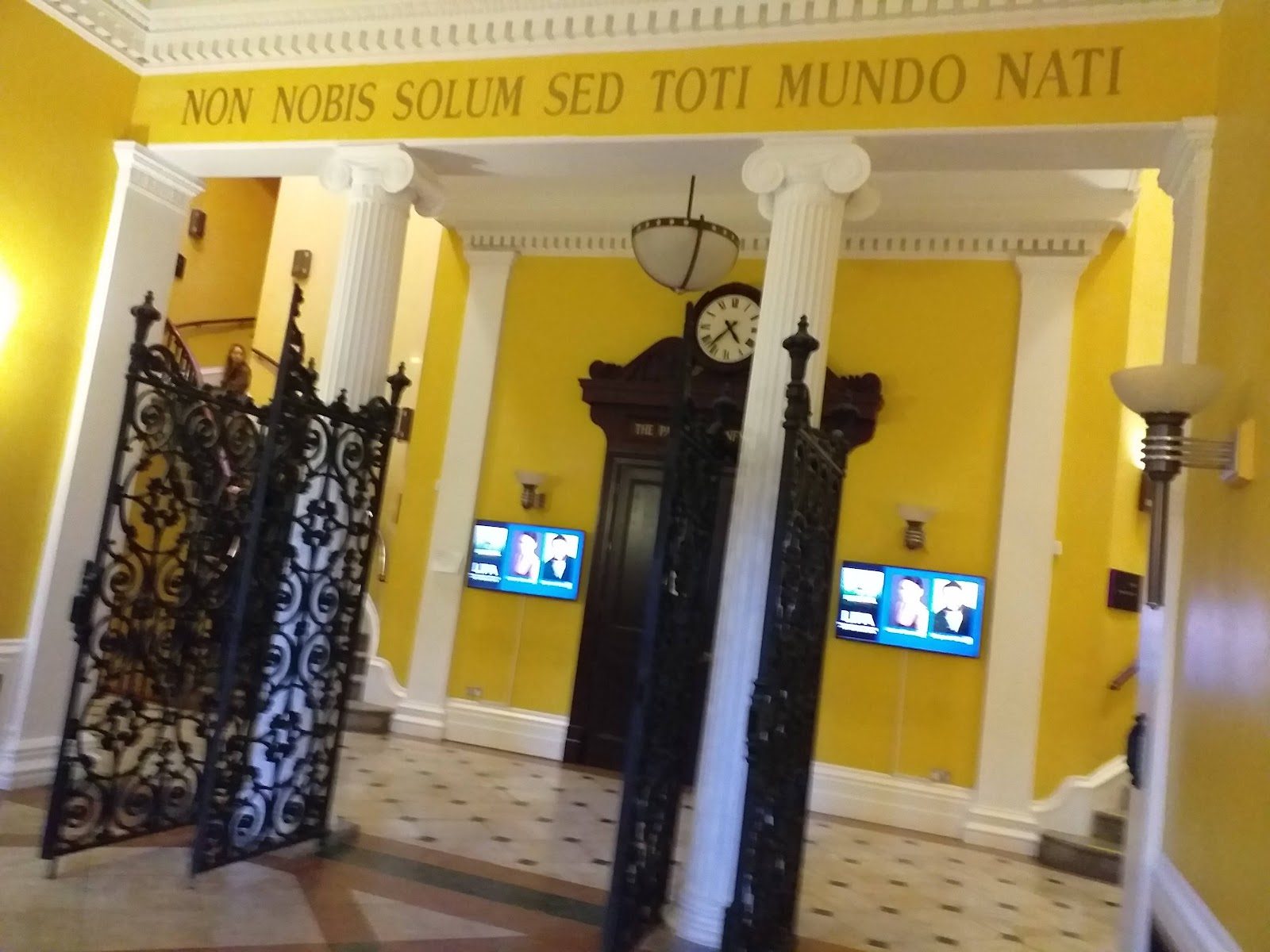
LIPA Sixth Form College (Acting)
Liverpool · United Kingdom
On Liverpool's Hope Street, purpose-built studios and a 100-seat theatre train BTEC actors for the professional stage.
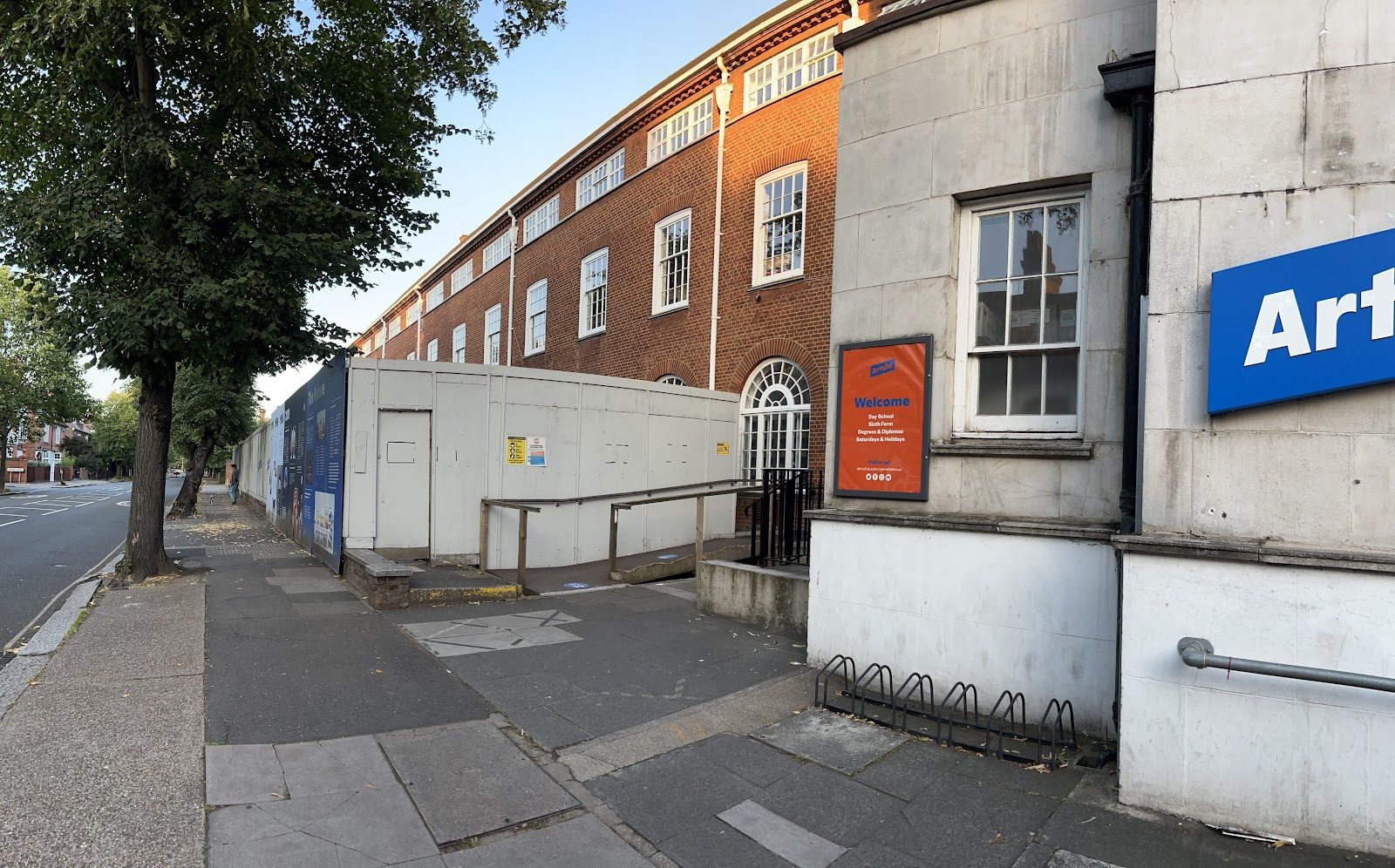
ArtsEd Day School & Sixth Form
Chiswick, London · United Kingdom
Three-quarters academic timetable, one quarter stagecraft: GCSEs and A-Levels run alongside a BTEC Extended Diploma in performing arts on a Chiswick campus built for the stage.

The BRIT School
Croydon, London · United Kingdom
Free tuition-free training in music, dance and theatre, funded by the BRIT Awards and built around a 50/50 split of studio craft and academic study.
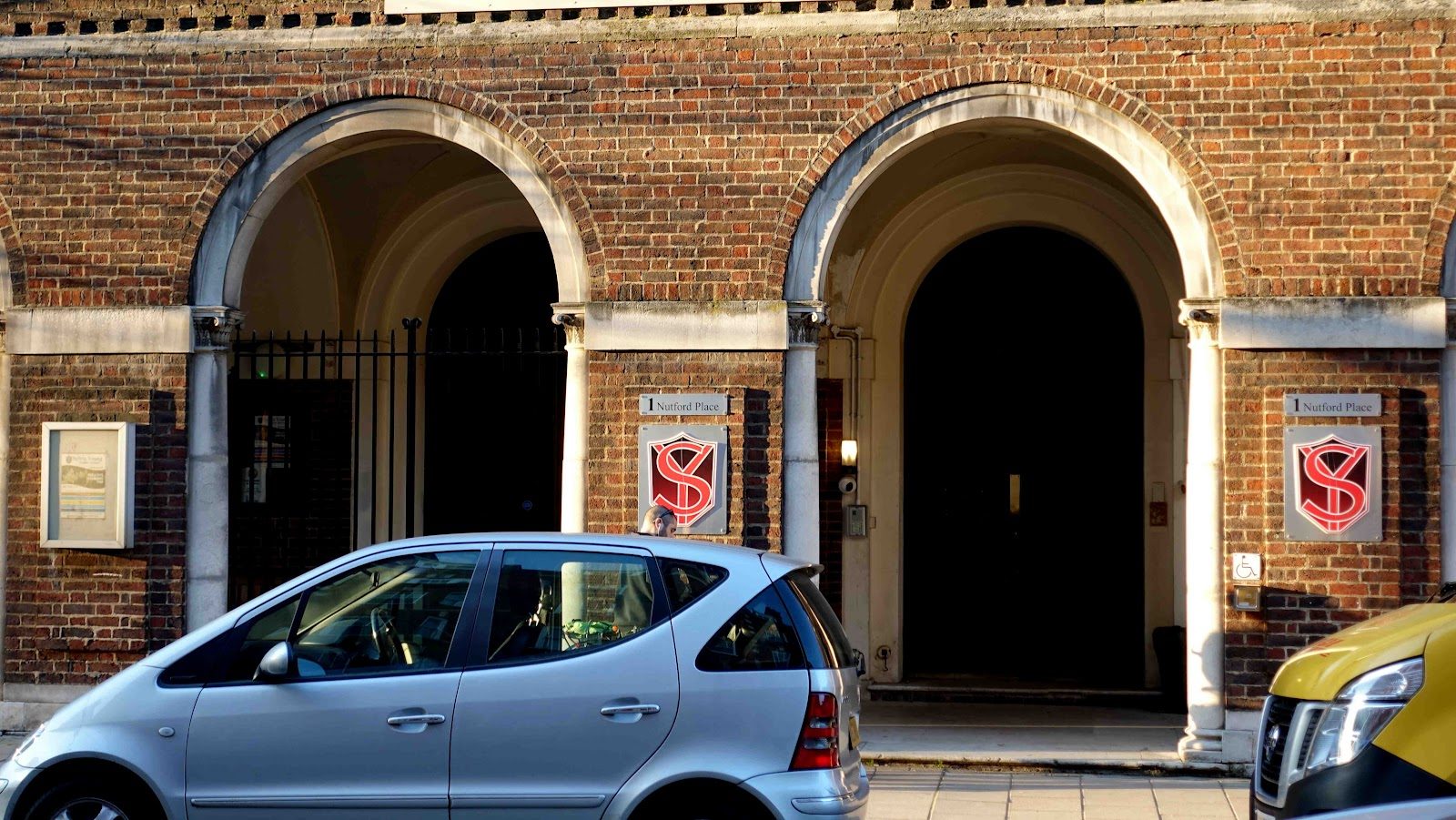
Sylvia Young Theatre School
Marylebone, London · United Kingdom
A split week of GCSEs and stagecraft, taught inside a converted Victorian church off Marble Arch
Same specialism, country and curriculum — closest matches within ±10 points either way