
Somerset
Wells Cathedral School
A thousand years of choral tradition anchors one of Britain's five specialist music schools, tucked beside a medieval cathedral close.
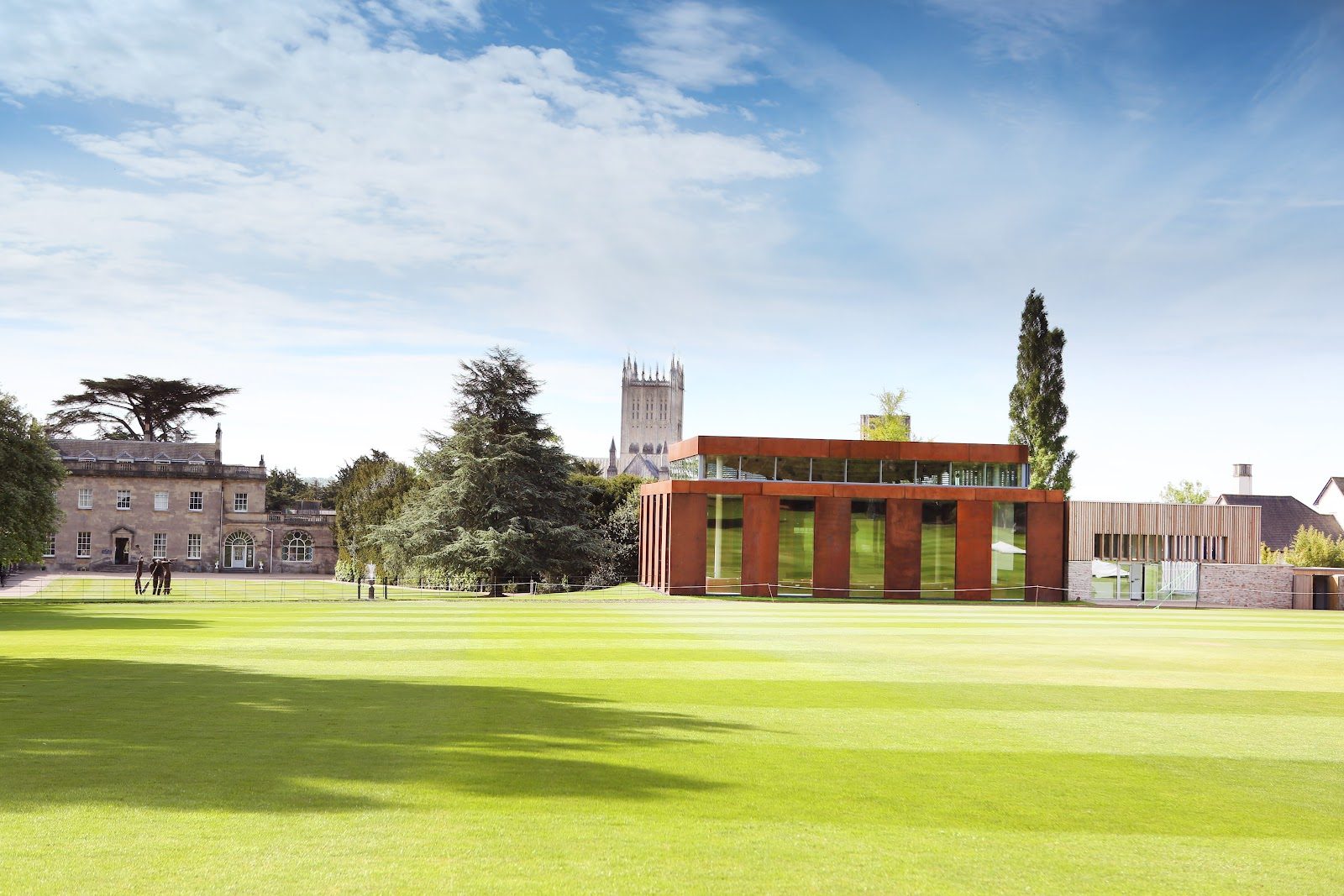
Photo © Wells Cathedral School - Independent School in Somerset via Google Maps
Type
Day + Boarding
Ages
3–18
Curriculum
GCSE · A-Level
Ratio
—
The Verdict
Editor's commitment
Right for
Musicians who want a 3–18 school beside Wells Cathedral, with GCSE and A-Level backed by Music and Dance Scheme status.
Wrong for
Families wanting a secular school or a standard independent track; Church of England identity and one of five specialist music schools shape the place.
Watch out for
Fees are steep at £39,000 boarding and £21,000 day, and the specialist-music brief will dominate school life more than many expect.
Ranking breakdown
Wells Cathedral School · #1120 of 1591
Composite score 58.3. 8 weighted criteria.
By criterion
Academic Outcomes
Weight 20%
#1005
of 1533 scored
University Placement
Weight 16%
#1164
of 1529 scored
Prestige & Heritage
Weight 12%
#906
of 1580 scored
Alumni Network
Weight 12%
#1442
of 1530 scored
Facilities
Weight 12%
#716
of 1540 scored
Transparency & Communications
Weight 8%
#785
of 1547 scored
Peer & Industry Review
Weight 10%
#499
of 1564 scored
Admissions Selectivity & Demand
Weight 8%
#489
of 1529 scored
Peer & Industry Review
How Wells Cathedral School is regarded in the sector
89
Strong · medium confidence
Wells Cathedral School is grouped by HMC and by the DfE's Music and Dance Scheme as one of England's five specialist music schools, a peer set that includes Chetham's, Purcell and the Yehudi Menuhin School; heads within that small cohort routinely cite Wells for its cathedral choir integration rather than conservatoire-style intensity alone. The Good Schools Guide highlights its music provision and pastoral care while noting academic results are solid but secondary to the arts specialism, a balance independent education press consistently frames as the school's defining trade-off. University destinations regularly include Oxbridge choral and organ scholarships plus places at the Royal College of Music, Royal Academy of Music and Guildhall, reflecting conservatoire admissions tutors' recognition of its training pipeline. In national broadsheet independent-school league tables (Times, Telegraph) it sits mid-table academically among HMC schools, which peer commentators attribute to its non-selective-on-academics music intake. It has a visible presence at Music and Dance Scheme and ISM conferences, reinforcing its niche authority in specialist music education rather than broad academic prestige.
Award

Elite Music 50
World's Top School · The Global Ranking
Wells Cathedral School is featured on our Global Top 50 ranking at #20. This seal is available for the school's marketing team to use on their website, prospectus and social channels.
- Rick Wakeman — Musician, Progressive Rock/Keyboardist
- Joanna MacGregor — Pianist and Conductor, Classical Music
- Michael Berkeley — Composer, Classical Music
Editors' overview
Wells Cathedral School earns attention for one reason above all: music is not an add-on here. It sits in the rarefied group of Britain’s five specialist music schools, and that changes the proposition. This is a school for families who want serious conservatoire-track training without giving up a full school education. The setting sharpens that identity: a school beside a medieval cathedral close, with chorister training woven into daily life and a choral tradition that stretches back a millennium. That gives Wells a sense of lineage and musical seriousness that few schools can match.
For the right child, that distinction is decisive. A gifted instrumentalist, singer or chorister who needs structured musical development alongside GCSEs and A-levels will find a school built around that rhythm. The age span, 3–18, also matters. It allows unusual continuity, from first lessons through to advanced performance years, without the rupture of changing schools at 11 or 13. Boarding at £39,000 a year and day fees at £21,000 place Wells in the expensive bracket, but that price buys entry into a narrow and specialist market, not a generic independent-school package. Parents paying those sums need to want the school’s single-minded musical focus, not just a pretty cathedral-city address.
The market position is clear: Wells sits between the traditional academic boarding school and the junior conservatoire route. It offers an all-round education, but music is the distinguishing force, not a decorative extra. That makes it a strong shortlist school for children with real aptitude, stamina and appetite for disciplined practice. It is less compelling for families seeking a conventional all-rounder with broad sporting prestige or a large metropolitan campus. Wells suits pupils who want their schooling shaped by performance, ensemble work, rehearsal and sacred music tradition; children who find that world electrifying, demanding and deeply formative.
The school’s Church of England foundation and cathedral connection also give it a specific cultural tone. For some families, that brings rare atmosphere and a daily life anchored in music-making of unusual quality. For others, it narrows the appeal. That is not a flaw; it is the point. Wells belongs on a shortlist when a child’s musical life is central, not peripheral, and when parents want a school with a clear identity rather than one trying to be everything at once.
A Global Elite 50 Music school
Wells Cathedral School sits in Tier 2, Band 11-30, of the Global Elite 50 Music Schools because, alongside Chetham's, the Purcell School and the Menuhin School, it is one of the four DfE Music and Dance Scheme specialist music schools in the United Kingdom — and the only one that operates as a Specialist Music stream within a full mainstream boarding school of around 710 pupils. That structural difference matters: Wells gives specialist musicians the choice of a full parallel independent-school academic and pastoral environment, rather than a single-focus specialist-only campus.
Its specialisms are unusually broad. Choristers of Wells Cathedral — one of the last remaining cathedral choir schools with a full girls' as well as boys' choir — sit at the heart of the choral programme, and the specialist stream covers piano, all orchestral strings, brass, woodwind and percussion at senior-conservatoire preparation standard. The Cedars Hall concert venue, opened in 2016, sits at the heart of the specialist programme and hosts pupil recitals as well as touring international artists.
Progression evidence is strong. Wells specialist musicians routinely matriculate into the Royal Academy of Music, the Royal College of Music, the Royal Northern College of Music, the Guildhall, Juilliard, Curtis and the New England Conservatory, as well as major Oxbridge choral awards. Alumni across generations include Colin Currie, Freddie De Tommaso, and a rolling roster of current international soloists and cathedral choir professionals.
International openness is high. Approximately 20% of pupils are non-UK in a typical year, and Wells operates a formal International Department with EAL provision and UK student visa handling for enrolled pupils. Boarding fees run to around £39,000 a year, and — because the specialist music stream sits inside a full mainstream boarding school — the pastoral and academic support base is unusually broad. Admission is audition-first for the specialist music stream, with recorded auditions accepted from anywhere in the world.
Academic Performance
Wells does not publish headline GCSE or A-level outcome data in the public domain. That matters. In a British independent-school market where strong academic schools trade heavily on top-grade percentages, Oxbridge offers and value-added claims, silence leaves parents with less to test. For a school charging premium fees and asking families to buy into an exacting specialist model, that is a real weakness in the academic case. The absence of aggregate results does not make the academics poor; it makes them opaque. Parents comparing Wells with academically driven boarding schools, or with specialist music schools that disclose more, will find the benchmarking harder than it needs to be.
That said, Wells does not sell itself as a results factory. Its distinctive challenge lies elsewhere: delivering credible academic outcomes alongside serious pre-professional music and chorister commitments. That timetable pressure cuts both ways. For the right pupil, disciplined structure can sharpen focus; for others, practice hours and performance demands will compete directly with exam preparation. Relative to conventional independents, Wells fits best in the category of schools where academic performance needs to be judged in the context of a dual-track education, not as a pure league-table play. Families who want pristine published scorecards will find stronger options. Families who want academic study to coexist with high-level musical training will judge success by a wider measure.
Facilities
The facilities that matter at Wells are the ones built for music, not the standard independent-school showpieces. As one of only five specialist music schools in the country, it needs practice space, performance space and the infrastructure to support a school day organised around rehearsals, lessons and ensemble work. The cathedral relationship also gives the school access to a setting few peers can match for choral training: not a generic school hall with decent acoustics, but a living liturgical and musical environment. For choristers and serious singers, that is a material advantage. For instrumentalists, the value lies in being in a school where music rooms are central rather than peripheral. Against peer boarding schools, that is a sharper, more purposeful estate; against conservatoire-track specialist schools, it holds its ground on identity and tradition.
What we have not seen is a detailed public account of wider campus provision: no clear published inventory of sports facilities, science spaces, design workshops or sixth-form social areas. That gap matters because families still need the rest of school life to function well, even in a specialist setting. Wells therefore reads as a school where facilities are strong where they must be strong and less clearly articulated elsewhere. If you want a sprawling sports complex or the glossy multi-building spectacle common at richer full-spectrum boarding schools, look elsewhere. If you want the physical environment to serve serious musical formation first, Wells has a rare advantage.
Wells Cathedral School earns attention for one reason above all: music is not an add-on here
Prestige
Wells carries real prestige, but it is specialist prestige, not the broad social cachet of a famous academic boarding school. The source of status is clear: it sits in a national group of only five specialist music schools for children, and that designation matters. In British education, scarcity confers standing. Add the cathedral connection, chorister tradition and the discipline required to sustain serious musical training through school age, and Wells occupies a rarefied niche with genuine weight among musicians, music educators and families who know that world well. In that circle, the name has serious cultural capital. Outside it, the brand lands less forcefully. Parents chasing prestige through league tables, elite university placement chatter or old-boy mythology will find stronger labels elsewhere.
That is why the school’s prestige rating sits below the country’s most universally recognised independents but above the mass of competent fee-paying schools. Wells has a clear claim to distinction and a defensible one. It does something few schools can do, and that matters more than polished marketing or generic “all-round excellence”. The prestige also has a practical edge: entry into a school built for children whose musical life is central, not extracurricular. That focus raises the school’s standing with the families who matter most to it, while narrowing its appeal to everyone else. In plain terms: high-status within its field, less commanding outside it.
Its distinctive challenge lies elsewhere: delivering credible academic outcomes alongside serious pre-professional music and chorister commitments
Communications
Wells communicates best when it sticks to the essentials of a specialist school: who it serves, what daily life revolves around, and why families would choose it over a conventional independent route. On those points, the message is clear-eyed and coherent. The school’s identity does not get lost in generic private-school language; music, chorister life and all-round education sit at the centre of the story, and parents can grasp that quickly. That matters in a school with an age range running from the nursery years to sixth form, because the audience is broad and the stakes are high. The public-facing case also benefits from institutional distinctiveness: being one of only five specialist music schools gives the school a hard-edged point of difference that needs little embellishment.
Where communication weakens is in the detail parents need once interest turns serious. We have not seen strong public disclosure on academic outcomes, and that limits trust. For a school asking families to commit substantial fees and a demanding educational model, opaque results and thin operational detail leave too much work to the parent. The same issue applies beyond academics: the wider shape of campus life, non-musical provision and comparative strengths outside the specialist core need fuller treatment. In effect, Wells communicates its identity better than its evidence base. Families already sold on the mission will accept that. Analytical parents will ask harder questions, and rightly so.
Uniqueness
What sets Wells apart is not just that music matters, but that the entire school is built around it. Membership of a national group of only five specialist music schools changes the daily proposition: rehearsal, individual tuition, ensemble discipline and performance sit at the centre of school life, not on its edges. Add the cathedral connection and chorister training, and Wells offers something genuinely rare: a school education shaped by a working musical tradition rather than a school that has bolted music on afterwards. The age range also gives pupils an unusually continuous route from early promise to advanced training inside one institution. That continuity matters for children whose progress depends on steady technical development, expert teaching and a timetable that treats music as serious work.
For students, the gain is clear. Young musicians grow up in a culture where high standards are normal, practice is non-negotiable and artistic ambition has institutional backing. That can be deeply formative. It teaches stamina, concentration, self-criticism and the ability to perform under pressure — qualities that travel well beyond the concert platform. The trade-off is just as clear: this is a demanding, specialised environment, and not every child wants school life organised around that rhythm. For pupils who do, Wells offers something few schools can: not a generic independent education with strong music, but a single-minded musical education with the rest of school built to support it.
The age range also gives pupils an unusually continuous route from early promise to advanced training inside one institution
Student Profile
The right pupil for Wells is a child whose musical life already has shape, discipline and urgency. This school suits young singers, instrumentalists and choristers who do not treat practice as an optional extra and who can live inside a timetable where rehearsal, tuition and performance carry real weight. Talent matters, but temperament matters more. Pupils who thrive here will tolerate repetition, correction and scrutiny; they will accept that standards are high and that progress depends on steady work, not flashes of promise. The age range from 3–18 also gives room for two distinct groups: children identified early and built carefully over time, and older students already on a serious trajectory who need a school that will not force music to the margins.
Socially, Wells fits students who are comfortable in a purposeful, tradition-steeped environment and who do not need the status theatre or sporting swagger of a larger boarding school. It will suit families who want their child surrounded by peers for whom music is normal, not niche. It will not suit children who want a loose, casual school culture, or those who resent the demands of collective music-making and cathedral life. As one of only five specialist music schools, Wells draws a self-selecting, driven student body. For the right child, that is deeply affirming. For the wrong one, it is claustrophobic and exacting.
It sits in the rarefied group of Britain’s five specialist music schools, and that changes the proposition
Co-curricular strengths
Arts & sport, on a separate axis
Overall 9.34/10
Scored 0-10 from the school's own published evidence. This axis is editorial-only — it does not feed the main WTS ranking.
Sports
9.3/10
Drama
9.2/10
Dance
9/10
Music
10/10
Visual Arts
9.2/10
Strengths
- +One of only four specialist music schools in the UK designated under the government's Music and Dance Scheme, giving means-tested funding for specialist music pupils
- +Choristers sing daily services in Wells Cathedral, providing a liturgical and performance training ground unmatched outside similar cathedral schools
- +Traces its foundation to around 909 AD, giving it a claim to being one of the oldest continuously operating schools in the world
- +Offers day and boarding across a wide age range, with entry points from the nursery through to sixth form
- +World-class music provision, with co-curricular music scored at the top of our band
Considerations
- −Its specialist music identity means non-musical pupils may find the culture and timetable weighted heavily towards performance and practice
- −Wells has no railway station; the nearest mainline stations are in Bath or Bristol, roughly 30-45 minutes away by road
- −A relatively small cohort compared with larger day and boarding schools limits the breadth of sporting and co-curricular choice
- −Boarding and day fees, while offset for MDS-funded musicians, remain substantial for non-scholarship families
Gallery
Photo © Bambi George via Google Maps
Photo © Bambi George via Google Maps
Photo © Raffaele Vescovo via Google Maps
Photo © Eduardo Yamamoto via Google Maps
Parent reviews
Have you sent your child here?
Voice reviews carry the strongest trust badge — we transcribe them for you to tidy up before they go live. Prefer to type? A written review is fine too.
Add your voice
In 60 seconds, tell other parents: what's the best thing about Wells Cathedral School, and what surprised you when your child joined?
We ask for a Google sign-in so every review has a real face behind it — no anonymous drive-by attacks on schools, and no faked positive reviews. Your email is never shown publicly.
Send this profile to a friend
International parents rely on word-of-mouth. Share this review with someone weighing the same decision.
Schools with places
Similar schools to Wells Cathedral School with places available now.
Availability first, then country, area, curriculum, price, co-curricular
Consider also
Also worth looking at alongside Wells Cathedral School.
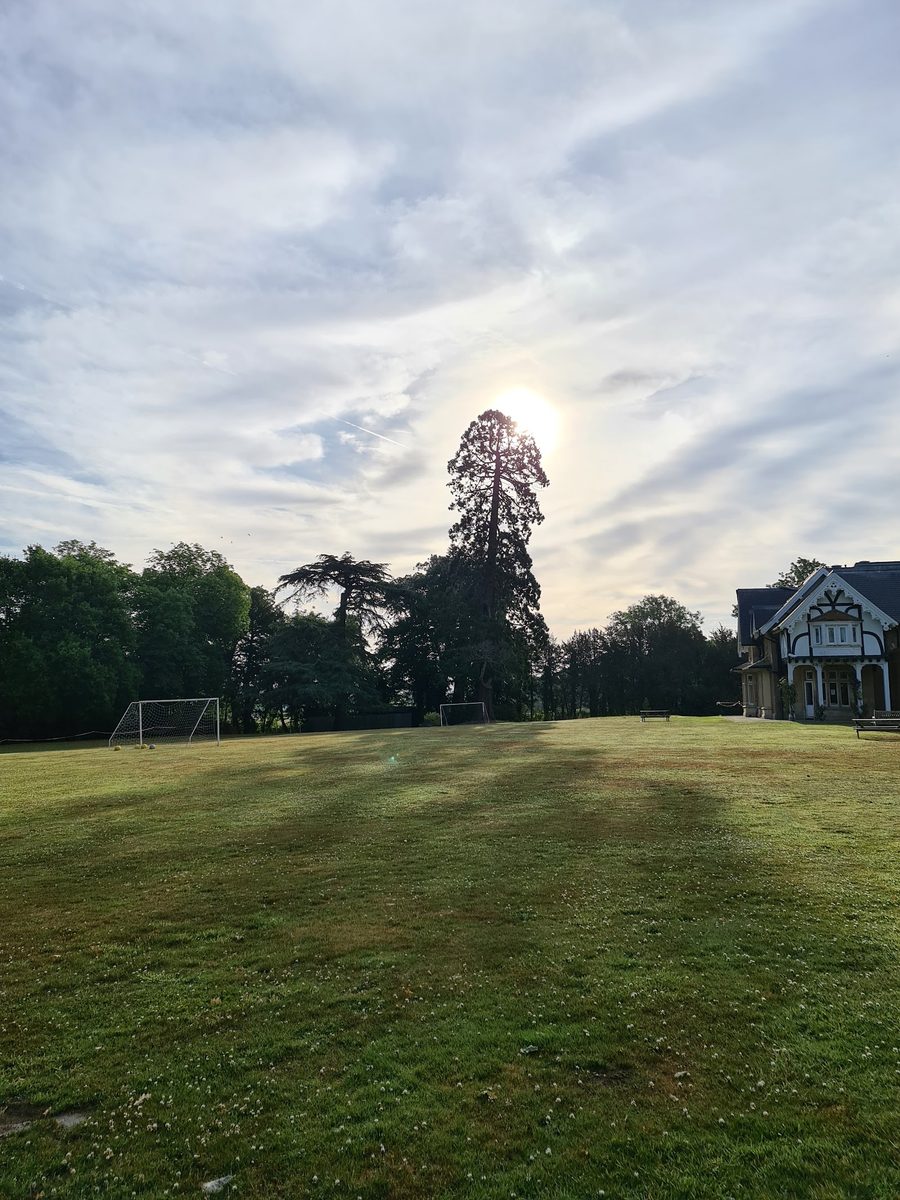
The Yehudi Menuhin School
Stoke d'Abernon, Surrey · United Kingdom
Set in Surrey woodland, this specialist conservatoire trains string, piano and guitar prodigies, sending most graduates straight into music careers.
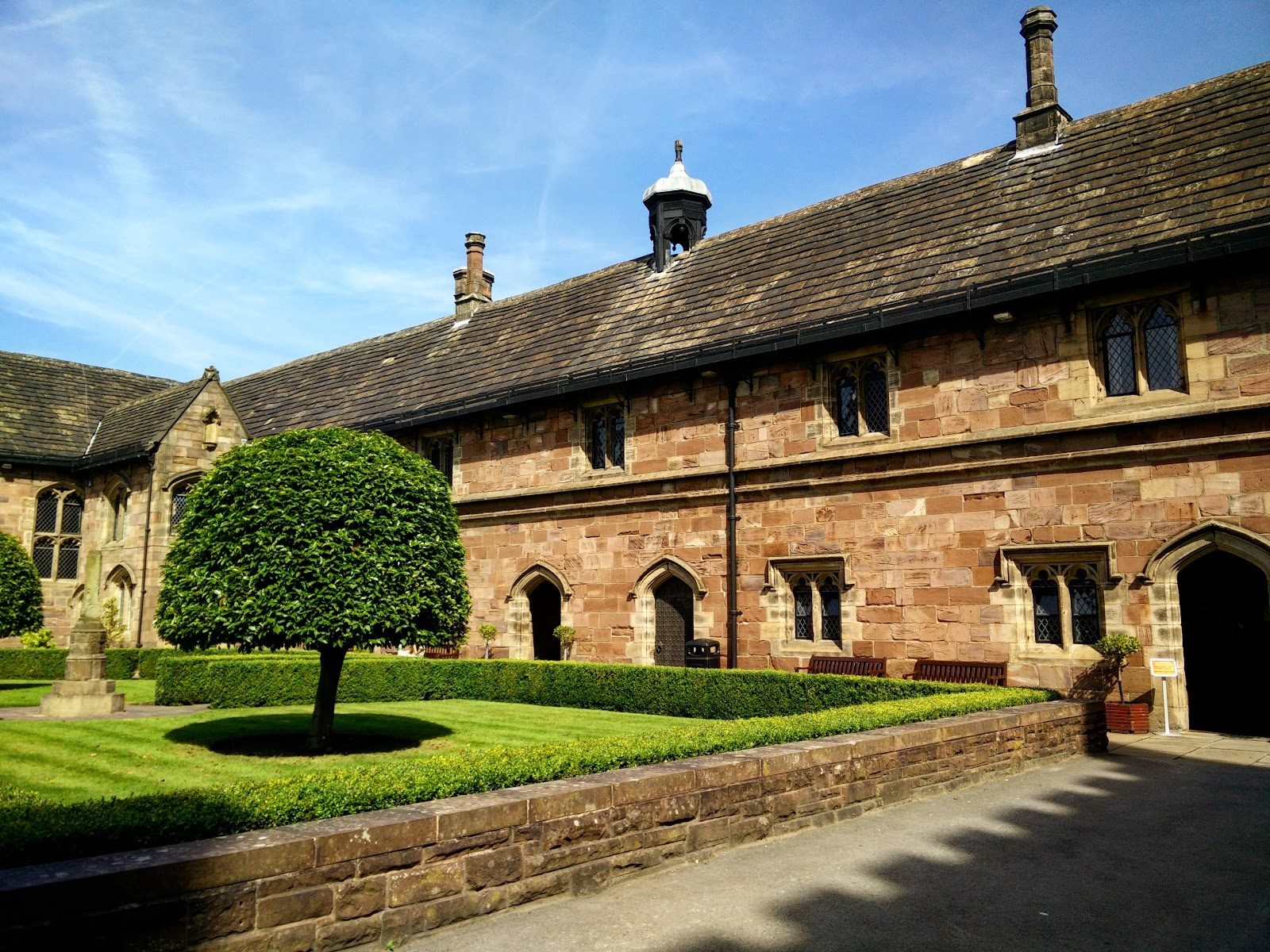
Chetham's School of Music
Manchester · United Kingdom
Set on a medieval site by Manchester Cathedral, entry here turns on musical audition, not fees, at the north's only specialist music school.

St Mary's Music School
Edinburgh · United Kingdom
Scotland's only full-time specialist music school, splitting each day between instrumental training and academic study for pupils aged 9 to 19.
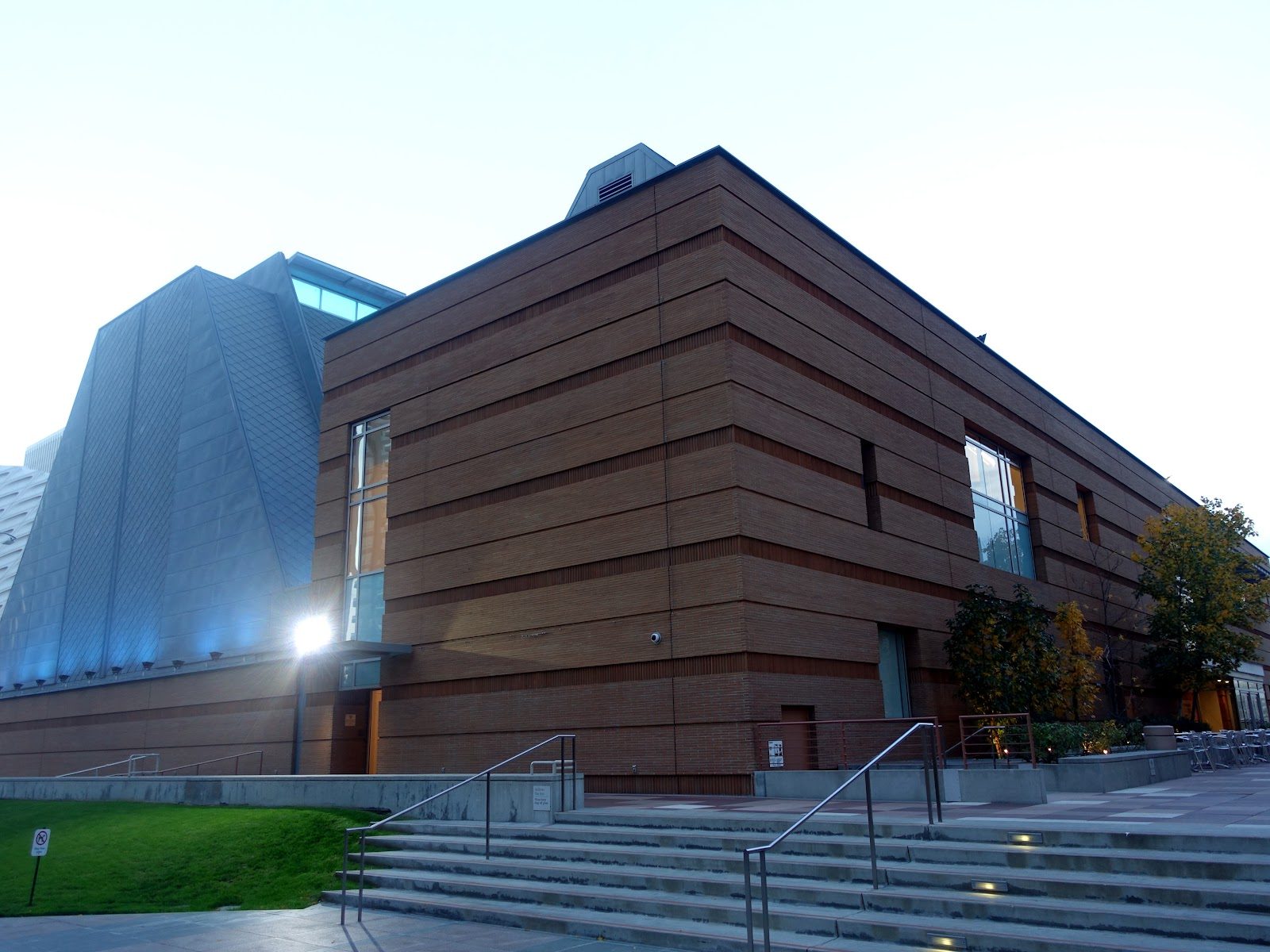
Colburn Music Academy
Los Angeles, CA · United States
Downtown LA's highly selective pre-college conservatory track pairs LA Phil-taught private lessons with an outside high school diploma.
Same specialism, country and curriculum — closest matches within ±10 points either way