
Europe
St Benedict's School, Ealing
West London's Benedictine all-through Catholic day school
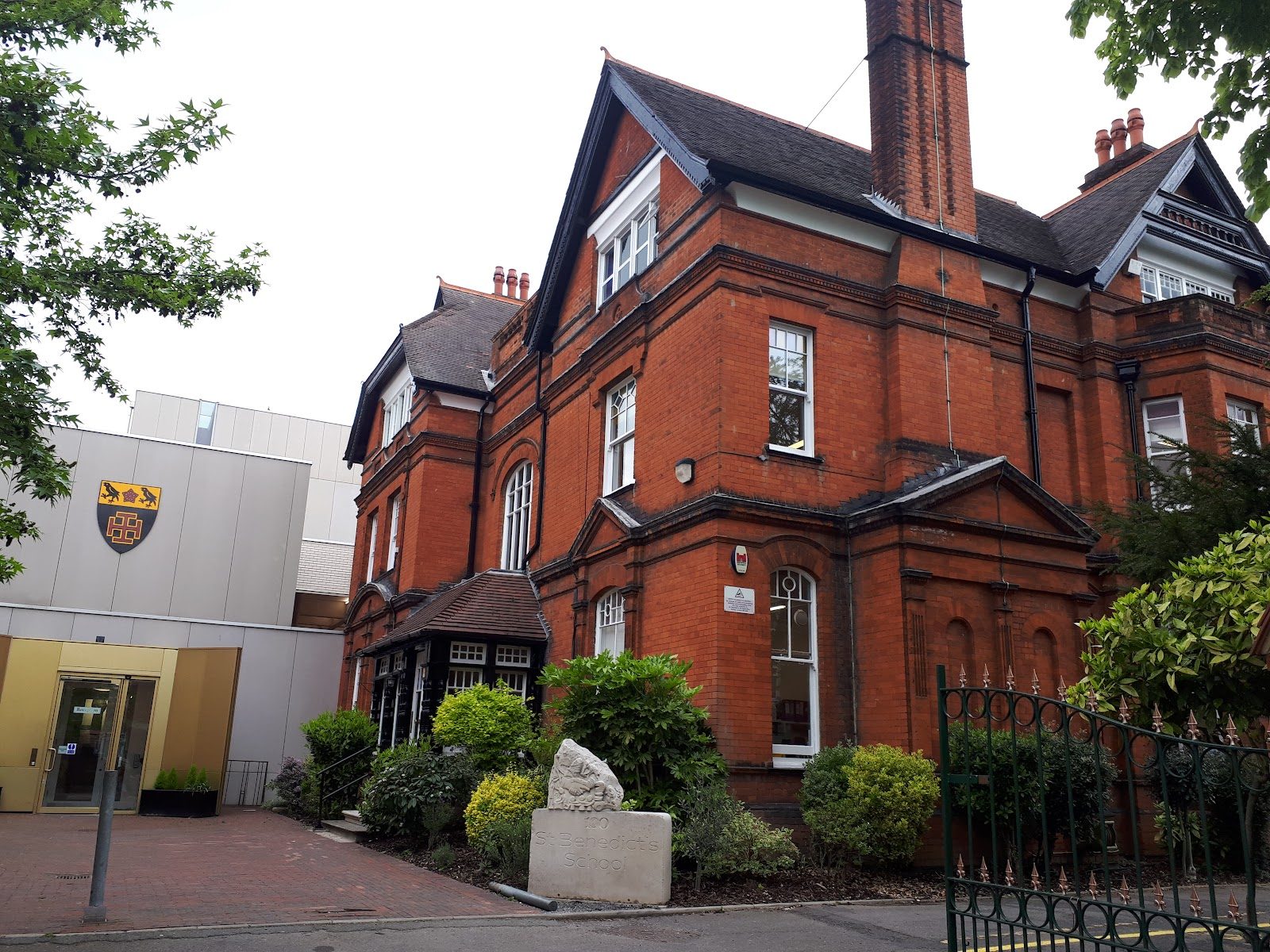
Photo © Roxana via Google Maps
Type
Day
Ages
3–18
Curriculum
British
Ratio
—
The Verdict
Editor's commitment
Right for
West London Catholic families wanting a 3–18, co-educational day school with a single-site path from Nursery to Sixth Form.
Wrong for
Families after boarding, a secular ethos or a lower fee point: the average annual day fee is £25,717.
Watch out for
Founded in 1902 and explicitly Benedictine, this is a Roman Catholic school first; if that matters, it matters every day.
Ranking breakdown
St Benedict's School, Ealing · # of 1591
Composite score 64.5. 8 weighted criteria.
By criterion
Academic Outcomes
Weight 20%
#1002
of 1529 scored
University Placement
Weight 16%
#965
of 1529 scored
Prestige & Heritage
Weight 12%
#1182
of 1571 scored
Alumni Network
Weight 12%
#791
of 1530 scored
Facilities
Weight 12%
#246
of 1534 scored
Transparency & Communications
Weight 8%
#41
of 1532 scored
Peer & Industry Review
Weight 10%
#1352
of 1548 scored
Admissions Selectivity & Demand
Weight 8%
#960
of 1529 scored
Peer & Industry Review
How St Benedict's School, Ealing is regarded in the sector
Insufficient peer signal
We couldn't find enough independent third-party evidence to score this school's peer & industry standing with confidence. It doesn't mean the school isn't well regarded — only that public reputation sources we trust don't yet cover it. This axis is left blank for now and the composite score is median-imputed from the other six categories.
Editors' overview
St Benedict’s occupies a distinct niche in west London: a Roman Catholic, Benedictine, all-through day school that runs from age 3–18 on one site and keeps the transition from junior to senior years unusually clean. That matters. Parents buying an all-through education want continuity, not a second admissions battle at 11 or a cultural reset halfway through childhood. The school’s Benedictine frame gives it more than chapel-window atmosphere; the stated emphasis on reflection, kindness, hospitality and character points to a house style built around serious pastoral care, moral seriousness and calm continuity. In a market crowded with schools that chase polish and profile, St Benedict’s offers something more durable: a coherent ethos with a long institutional memory, dating back to 1902.
What puts it on a shortlist is that blend of academic ambition and a broad, structured co-curricular life. The school talks up outstanding examination results but does not publish aggregate results in the source material, so parents should ask for current leavers’ destinations and recent subject performance by cohort. Even without that data in the open, the shape of the offer is clear: strong tutorial support, a proper sporting tradition, substantial music-making, regular drama productions, and investment in facilities such as a new Sixth Form Centre, Art Department, and Nursery and Pre-Prep. This is not a narrow hothouse. It is a school for families who want the whole person educated, with academics, sport, music, drama and religion all carrying real weight.
The average annual fee across the full age range is £25,717, which places St Benedict’s in the expensive bracket, though still below the very top tier of London independent pricing. That makes value a real part of the proposition. Parents are paying for an all-through independent education with a defined Catholic identity, English-medium teaching, and access to senior-school facilities from the junior years onward. The school also accepts pupils of all faiths, which broadens its appeal beyond committed Catholic families to parents who want a grounded culture, clear values and a school with more depth than branding.
The pupil who will thrive here is not hunting for a flashy, hyper-competitive social scene. St Benedict’s suits children who respond to structure, community and adult attention; who will use the sporting, musical and dramatic opportunities rather than treat them as brochure filler; and who can live comfortably inside a school where faith and values are explicit parts of daily life. For parents, the attraction is straightforward: a stable all-through education, a strong sense of belonging, and a school that treats formation of character as part of the main job, not an optional extra.
Academic Performance
St Benedict’s makes strong academic claims, but the public record is thinner than it needs to be. The school states that it has a proud academic record and outstanding examination results, and that pupils win places at the UK’s top universities. That gives a sense of ambition, not proof. We have not seen published aggregate GCSE or A-level outcomes, no subject-level breakdowns, and no recent cohort profile that would let parents judge consistency year to year. In a London independent market where serious schools publish hard numbers, that absence matters. It leaves St Benedict’s short of the data-rich transparency offered by the most academically assertive peers.
That does not put it in the weak academic bracket; it puts it in the opaque middle ground between schools with fully disclosed results and schools that ask parents to trust the brand. The structure of the school helps: an all-through model, explicit tutorial support and a settled culture can support steady attainment across the age range. But parents comparing it with London independents need more than rhetoric. Ask for the last 3 years of GCSE and A-level results, grade distributions, value-added data if available, and destination lists by cohort. Until those figures are produced, St Benedict’s sits as a school with clear academic intent and an unverified top-tier claim, not one that has earned automatic placement among the capital’s exam heavyweights.
Facilities
The practical advantage here is the shared site and shared infrastructure across the whole age range. The junior pupils use senior-school facilities, which matters more than glossy campus language ever does: it gives younger children access to stronger specialist spaces and makes the move into the upper school administratively simple and socially less jarring. The school itself singles out recent investment in a Sixth Form Centre, Art Department, and a new Nursery and Pre-Prep. That points to a campus that has had money put into the bookends of the school journey, not just the headline years. Add frequent drama productions, a strong choral tradition and multiple instrumental ensembles, and the picture is of a school with serious performing-arts provision, not an arts offer kept alive by goodwill alone.
Against London independent peers, that places St Benedict’s in the solidly well-equipped bracket rather than the arms-race tier. We have no published inventory of science labs, sports hall capacity, theatre specification or specialist tech spaces, so it does not offer the same level of facilities transparency as schools that publish every suite and square metre. Still, the essentials that matter to families are clear: all-through continuity on one site, access to senior facilities from the junior years, proper space for art, music and drama, and a sporting setup strong enough to support pupils competing beyond school level. That is a credible, full-service campus, not a flashy showpiece.
The school states that it has a proud academic record and outstanding examination results, and that pupils win places at the UK’s top universities
Prestige
St Benedict’s carries real local standing in the west London independent market, but not the kind of prestige that rests on national cachet alone. Its status comes from a durable mix: a long-established Catholic identity, an all-through structure that keeps families in one institution across the full school career, and a reputation built around formation as much as grades. For the right family, that has weight. This is not a school trading on fashionable scarcity or metropolitan gloss; it trades on institutional seriousness, community continuity and a clear moral framework. The average annual fee of £25,717 also places it in a bracket where parents expect substance, not just tone, and St Benedict’s has enough depth in sport, music, drama and pastoral provision to justify being read as a properly established London independent rather than a niche faith school with limited breadth.
Its prestige still has limits. The school claims strong exam outcomes and top university destinations, yet keeps the hard data out of public view. That weakens its standing against the uppermost academic brands, where published results do a large share of the reputational work. So the verdict is clear: St Benedict’s offers solid, old-school prestige grounded in ethos, continuity and parent confidence, not the sharper prestige of schools that dominate league-table conversation. If you want a school admired for character, culture and staying power, it rates well. If you want one whose name alone signals top-tier academic firepower, this sits a rung below.
The school claims strong exam outcomes and top university destinations, yet keeps the hard data out of public view
Communications
St Benedict’s communicates like a traditional independent school that expects an ongoing relationship with parents, not a series of transactions. The website gives a clear sense of institutional priorities — pastoral care, tutorial guidance, co-curricular life and faith — and it does the basic navigational job without much friction. That matters because an all-through school needs parents to understand the shape of the journey early. The message is coherent. You can tell what the school values, and that coherence usually carries through into parent communications more effectively than in schools that bombard families with disconnected updates. The presence of a parental portal also points to a workmanlike, routine-based system rather than a chaotic one.
The weakness is transparency. St Benedict’s communicates ethos better than evidence. It tells parents a great deal about values, atmosphere and opportunity, but less about outcomes, benchmarking and the hard data that serious fee-paying families want before and after admission. At an average annual fee of £25,717, that is a real editorial flaw. Strong communication is not just warmth and tone; it is timely logistics, clear expectations and open performance reporting. On ethos and day-to-day confidence, the school looks steady, ordered and parent-literate. On public academic disclosure, it falls short. The verdict: reassuring in culture, less rigorous in proof.
Uniqueness
What sets St Benedict’s apart is not novelty but continuity with substance. Plenty of schools claim to educate the whole child; fewer build that claim into the structure of daily life from nursery to sixth form on one campus, under one religious tradition, with one clear moral vocabulary. Here, the Benedictine frame is the differentiator. Reflection, hospitality, kindness and generosity are not decorative values bolted onto a competitive independent school; they are the organising code. That gives pupils a coherent moral atmosphere across the full 3–18 journey, and it gives parents a cleaner proposition than the usual patchwork of junior school, senior transfer and sixth-form reinvention. The school also educates children of all faiths, which matters: this is a Catholic school with a real confessional centre, not a closed enclave.
For students, that produces something more valuable than branding: cultural consistency, strong pastoral containment and a better chance of growing up without having to relearn the rules of school life every few years. The benefit is strongest for children who do well in settled communities and who want serious access to sport, music and drama without entering a showy, status-driven environment. The trade-off is clear too. Families wanting a secular culture, a looser institutional feel or a school that defines itself first through public academic metrics will find stronger fits elsewhere. St Benedict’s is distinctive because it treats character formation as core business, not enrichment.
If you want one whose name alone signals top-tier academic firepower, this sits a rung below
Student Profile
The pupils who fit best here are children who value structure, routine and clear adult expectations. An all-through Catholic school with a Benedictine frame does not suit every temperament. It suits students who are comfortable in a community where reflection, kindness and hospitality are explicit parts of daily life, and where pastoral care carries real weight alongside academic pressure. Children who need constant novelty, performative competitiveness or a more anonymous social culture will find this a constraining environment. Those who thrive with steady guidance, strong relationships with teachers and a settled peer group across the years are a much better match. The age span of 3–18 also makes it a strong fit for families who want one educational culture from the earliest years to sixth form, rather than repeated reinvention.
It also suits pupils who will actually use the school’s broader offer. The profile here is not narrowly exam-drilled. Sport, music and drama are central enough to shape daily life, so the school works best for children prepared to join in rather than sit on the edges. That does not require elite talent; it requires willingness, stamina and a degree of community-mindedness. The Roman Catholic identity is another dividing line. Families do not need to be Catholic, but they do need to be comfortable with a school where faith is not cosmetic. In short, this is a good home for the grounded, participatory student; less so for the child chasing a flashier or more aggressively individualistic school culture.
St Benedict’s is distinctive because it treats character formation as core business, not enrichment
Co-curricular strengths
We haven't scored this school on the arts & sport axis yet. Our editorial team is working through the fleet — the school's public evidence will earn its own score, not a guess.
Gallery
Photo © Min Zhang via Google Maps
Photo © Min Zhang via Google Maps
Photo © Min Zhang via Google Maps
Photo © Min Zhang via Google Maps
Photo © Min Zhang via Google Maps
Photo © Marketing St Benedict's School via Google Maps
Parent reviews
Have you sent your child here?
Voice reviews carry the strongest trust badge — we transcribe them for you to tidy up before they go live. Prefer to type? A written review is fine too.
Add your voice
In 60 seconds, tell other parents: what's the best thing about St Benedict's School, Ealing, and what surprised you when your child joined?
We ask for a Google sign-in so every review has a real face behind it — no anonymous drive-by attacks on schools, and no faked positive reviews. Your email is never shown publicly.
Send this profile to a friend
International parents rely on word-of-mouth. Share this review with someone weighing the same decision.
Schools with places
Similar schools to St Benedict's School, Ealing with places available now.
Thomas's Battersea
London · United Kingdom
- 2026-27
- CLOSEDStandard route closed
- 2027-28
- PLACES OPENRegistration open for Sept 2027 and beyond
University College School
London · United Kingdom
- 2026-27
- CLOSEDStandard route
- 2027-28
- PLACES OPEN11+ (9 Nov); 16+ (28 Sept)
Emanuel School
London · United Kingdom
- 2026-27
- CLOSEDStandard route closed
- 2027-28
- PLACES OPEN11+ / 16+ active
City of London School
London · United Kingdom
- 2026-27
- CLOSEDStandard route
- 2027-28
- PLACES OPEN11+/16+ Active
Availability first, then country, area, curriculum, price, co-curricular
Consider also
Also worth looking at alongside St Benedict's School, Ealing.
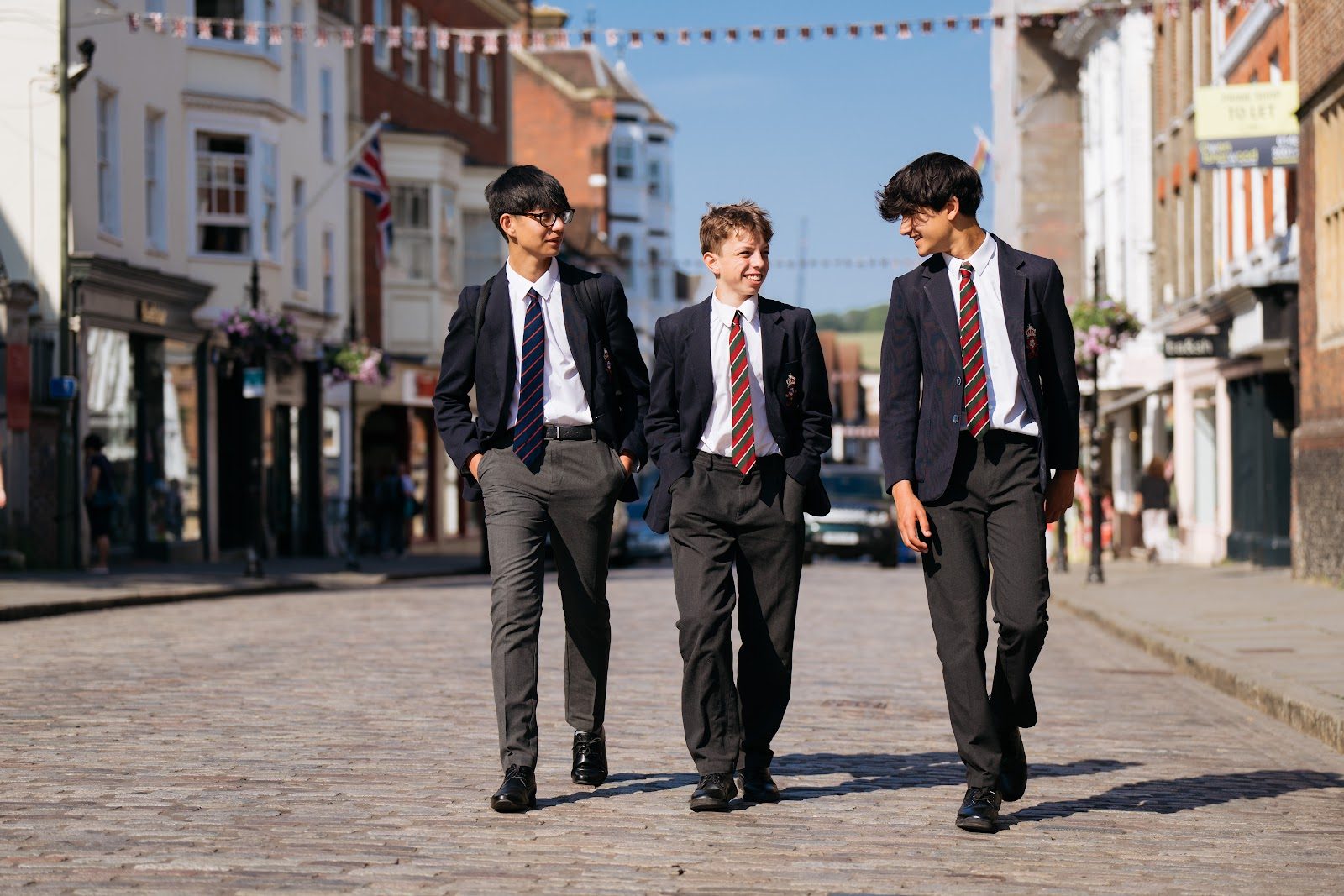
Royal Grammar School, Guildford
Guildford · United Kingdom
A working chained library inside a Grade I Tudor schoolroom anchors a 1509 foundation's steady march toward Oxbridge offers.
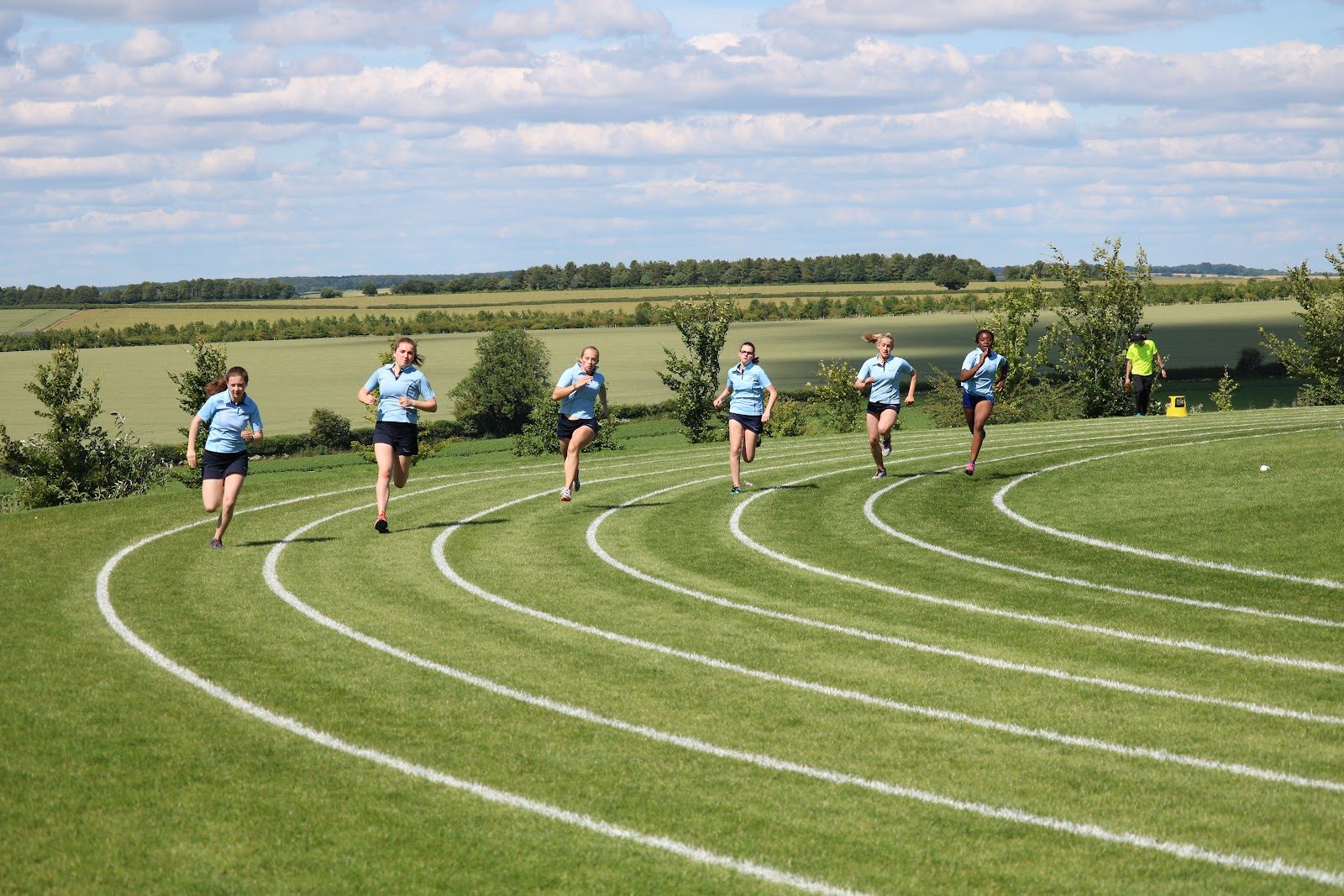
St Swithun's School
Winchester · United Kingdom
Perched above Winchester's chalk downs, this girls' school pairs cathedral choir tradition with a serious grounding in the sciences.
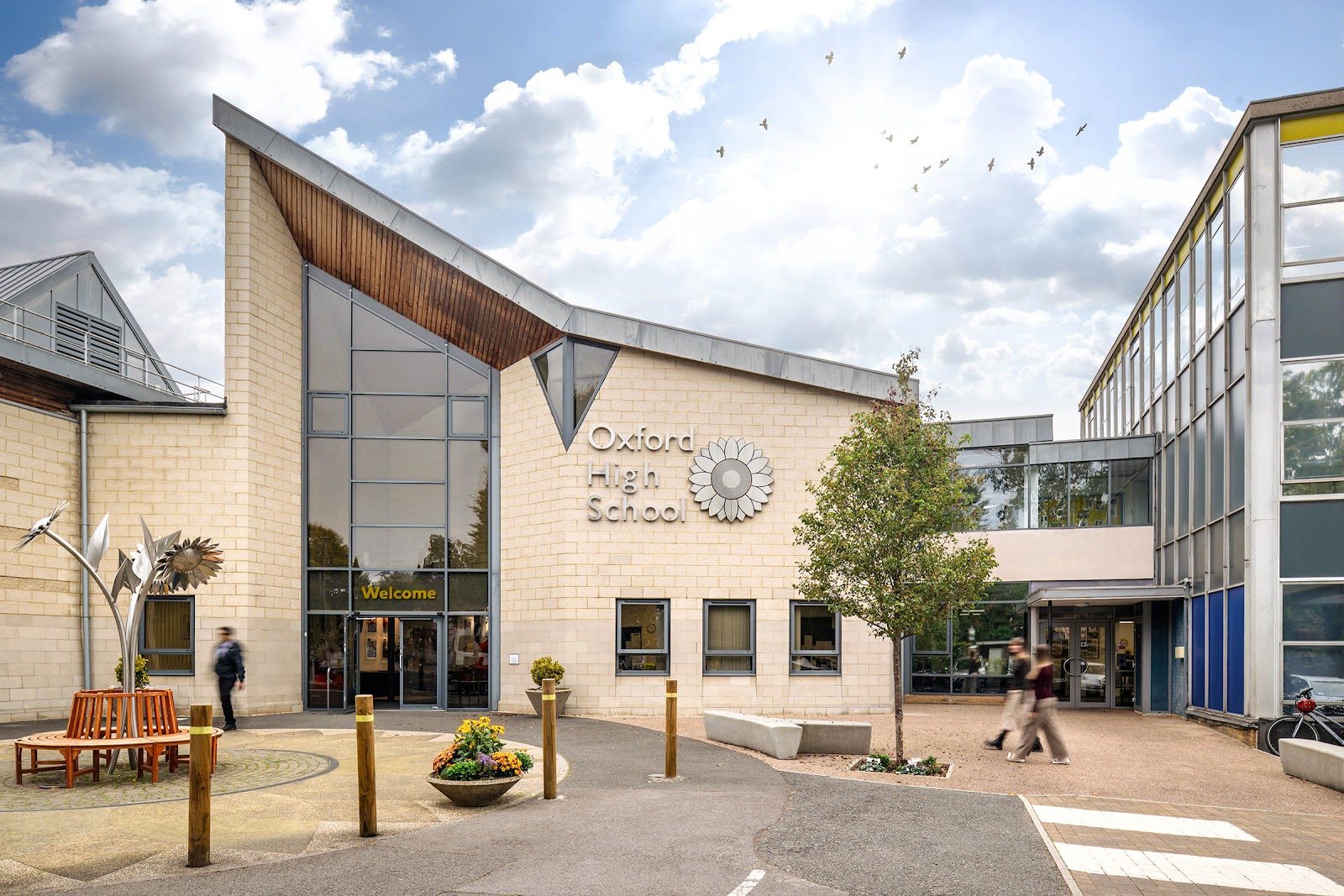
Oxford High School
Oxford · United Kingdom
One of England's earliest girls' day schools, founded in 1875, pairs Oxford scholarship with a culture of fearless inquiry.
Stowe School
Stowe · United Kingdom
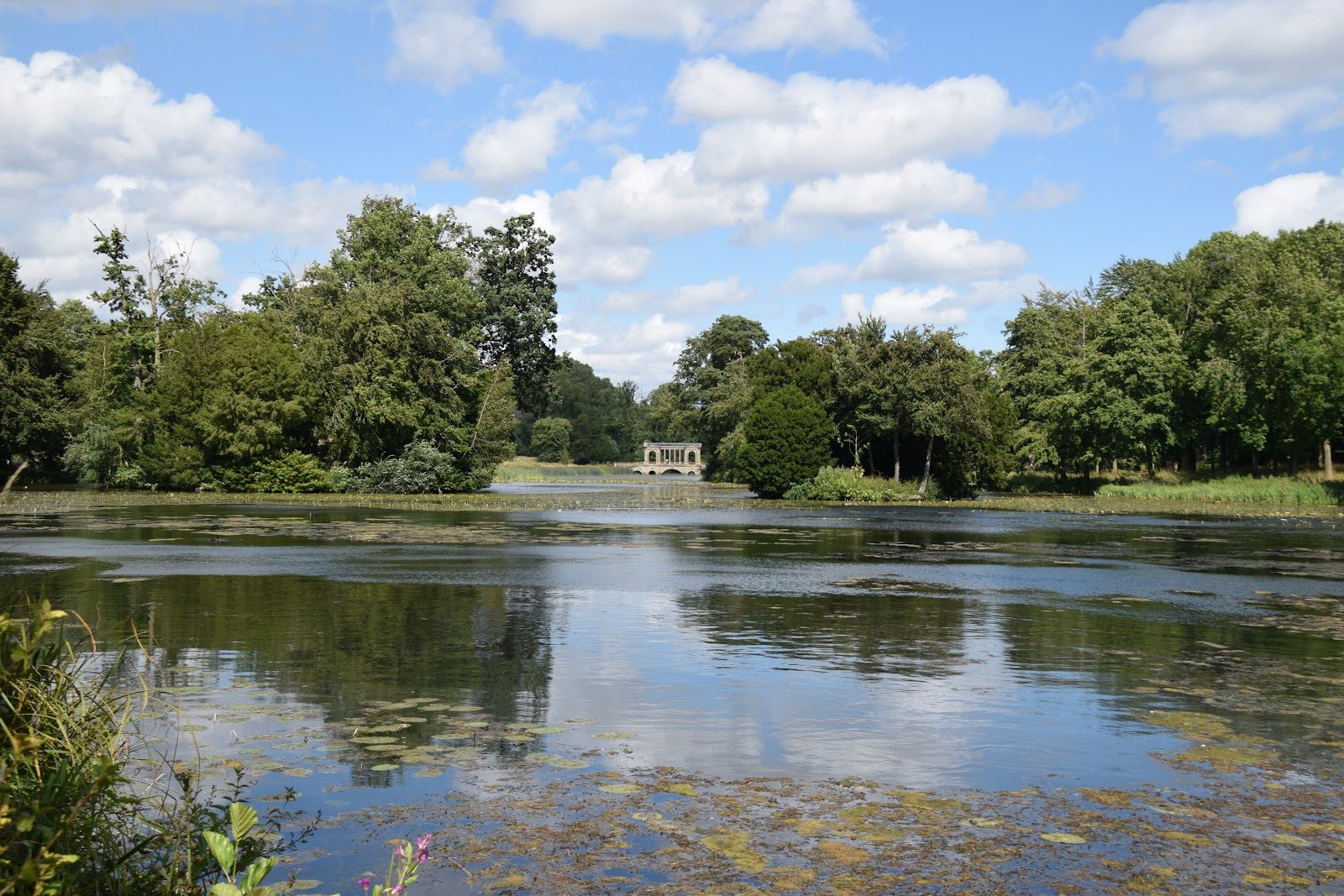
Boarders learn inside a Grade I neoclassical mansion set within an 18th-century landscape garden that shaped English garden design.
Same country and curriculum — closest matches within ±10 points either way