
Gyeonggi
Kaywon High School of Arts
Since 1980, a Gyeonggi campus splits fine art, music, dance and theatre into four dedicated conservatory tracks under one roof.
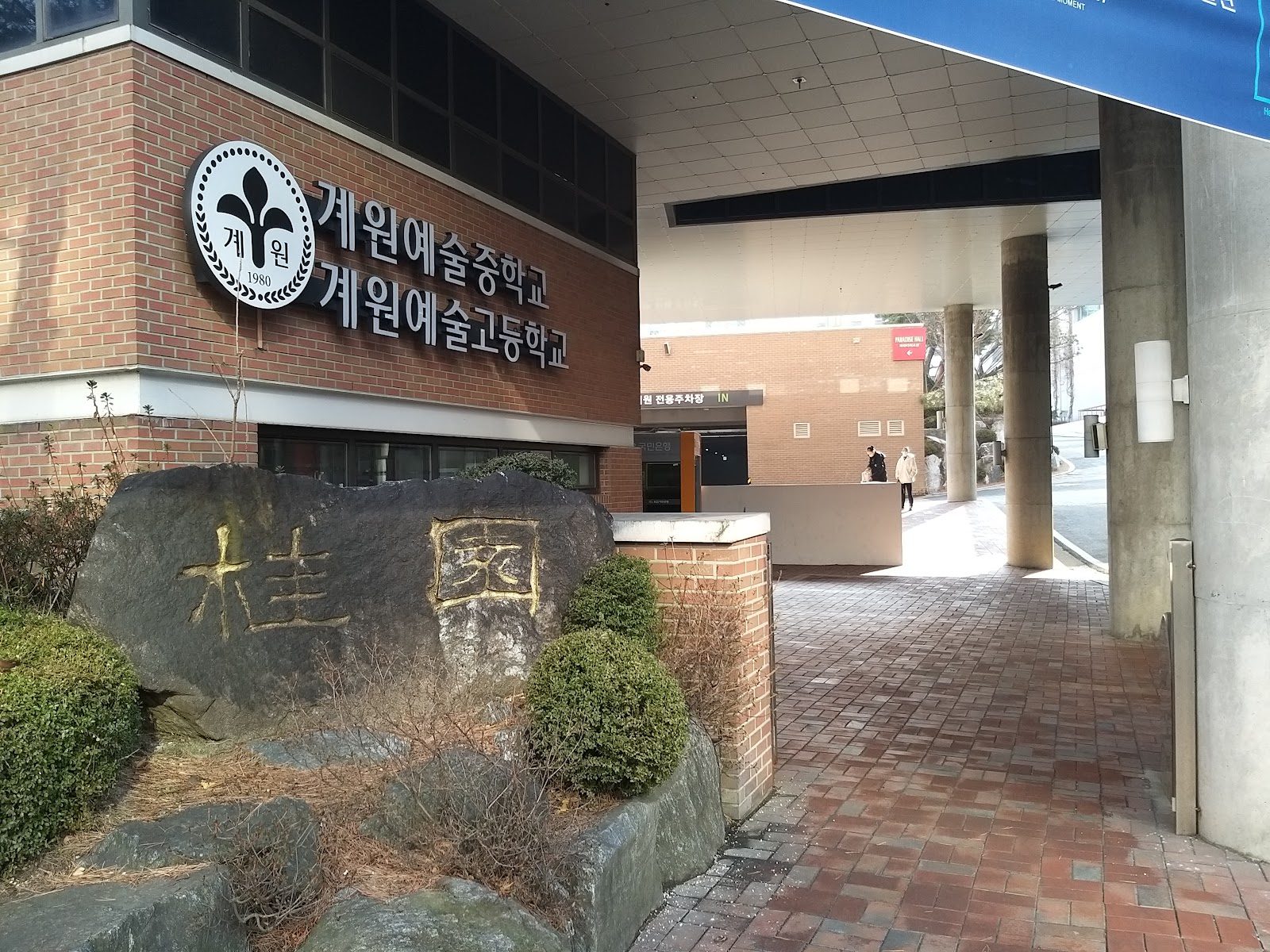
Photo © AIOF아이오프 via Google Maps
Type
Day
Ages
16–19
Curriculum
Korean National Curriculum
Ratio
—
The Verdict
Editor's commitment
Right for
Teen artists aged 16–19 who want a day school in Uiwang with four specialist tracks: art, music, dance and drama-film.
Wrong for
Families wanting English-medium teaching, boarding or a general academic sixth form: instruction is Korean, the curriculum is Korean National, and it is day-only.
Watch out for
Founded in 1985, Kaywon is a specialist conservatoire-style high school; the school does not publish aggregate outcomes or university destination data.
Ranking breakdown
Kaywon High School of Arts · #1514 of 1591
Composite score 48.0. 8 weighted criteria.
By criterion
Academic Outcomes
Weight 20%
#1192
of 1529 scored
University Placement
Weight 16%
#133
of 1529 scored
Prestige & Heritage
Weight 12%
#1563
of 1571 scored
Alumni Network
Weight 12%
#1060
of 1530 scored
Facilities
Weight 12%
#1526
of 1533 scored
Transparency & Communications
Weight 8%
#1530
of 1532 scored
Peer & Industry Review
Weight 10%
#1539
of 1548 scored
Admissions Selectivity & Demand
Weight 8%
#1122
of 1529 scored
Peer & Industry Review
How Kaywon High School of Arts is regarded in the sector
58
Credible · medium confidence
Within Korea's film and entertainment training ecosystem, Kaywon is respected as a legitimate feeder school, but it lacks the international festival visibility or cross-border industry citations seen at globally ranked film academies.
Award

Elite Film 50
World's Top School · The Global Ranking
Kaywon High School of Arts is featured on our Global Top 50 ranking at #21. This seal is available for the school's marketing team to use on their website, prospectus and social channels.
Award
Elite Drama 50
World's Top School · The Global Ranking
Kaywon High School of Arts is featured on our Global Top 50 ranking at #15. This seal is available for the school's marketing team to use on their website, prospectus and social channels.
Editors' overview
Kaywon High School of Arts occupies a clear niche in South Korea’s specialist secondary market: a day school for ages 16–19 built around the Korean National Curriculum and delivered in Korean, with four conservatory-style departments under one roof — art, music, dance, and drama & film. That departmental structure is the point. This is not a general academic school with a strong arts programme bolted on. It is an arts high school that organises school life, training and identity around disciplined specialisation. For families who want serious pre-professional formation rather than broad-based school enrichment, that distinction matters. Founded in 1985 on its Uiwang campus in Gyeonggi, Kaywon has had time to establish routines, expectations and a recognisable institutional culture.
What puts Kaywon on a shortlist is focus. A student enters a defined track, trains alongside peers with the same intensity, and studies in a school where the arts are the main business rather than the decorative fringe. The four-department model also gives it breadth inside that focus: visual artists, musicians, dancers, and drama or film students each have a home, while still sharing a single specialist environment. That creates a conservatory atmosphere, high artistic seriousness and peer pressure in the best sense. Parents looking for a polished international package in English will find none of that here; the language of instruction is Korean, the curriculum is national, and the school serves students ready to work within a Korean arts-education framework. That directness is a strength, not a flaw.
The right student for Kaywon is not a dabbler. This school suits a teenager with a settled commitment to one discipline, the stamina for repeated practice, critique and rehearsal, and the temperament to thrive in a selective artistic peer group. A painter who wants studio-centred schooling, a dancer who needs training to shape the day, a young musician who wants daily immersion, or a drama and film student drawn to performance under pressure will find the proposition intelligible. Students who want maximum subject breadth, a late decision on specialism, or a conventional academic sixth-form experience should look elsewhere. Kaywon’s appeal rests on clarity of purpose: 4 dedicated departments, one specialist mission, and an age range of 16–19 that catches students at the point where talent needs structure.
A Global Elite 50 Film school
Kaywon High School of Arts, in Bundang-gu, Seongnam, Gyeonggi Province, South Korea, sits at rank twenty-one on the Global Elite 50 Film because one of its own graduates, Bora Kim, first studied film inside the school's Department of Theatre and Film before her debut feature House of Hummingbird went on to premiere internationally. That film later won the Grand Prix for best film in the Generation 14plus sidebar at the Berlin International Film Festival, a landmark result for a Korean-curriculum day school built primarily around stage and screen training.
The specialism sits inside the Department of Theatre and Film, one of four arts departments alongside fine art, music and dance, with entry split between an acting track and a film track covering theory, directing and crew roles, tested through a scripted-scene performance and a timed creative-composition exercise. The department runs only a single class per grade against three each for art and music, keeping the film cohort small and audition-driven. Student work is showcased through the school's own Kaywon Film Festival, which reached its 22nd edition in 2021 when it was hosted online by the streaming platform MovieBloc, evidence of a sustained, decades-old in-house festival culture rather than a bolt-on club activity.
Notable alumni include director Bora Kim, whose House of Hummingbird collected dozens of festival prizes worldwide after its Berlinale win; actress Kim Go-eun, who filmed scenes of the drama Princess Hours at her own alma mater; and actress Choi Sung-eun, a Department of Theatre and Film graduate who won the Chunsa Film Art Award for Best New Actress for Start-Up. Actors Hwang Jung-min, Cho Seung-woo and Joo Won are also counted among the school's well-known screen and stage graduates.
International openness is limited and should be understood honestly. Admission runs through practical exam and interview conducted entirely in Korean, with only narrow special-entry categories for legally defined returnee or overseas-Korean-national applicants rather than a general international-student pathway or ESL support. Kaywon is a day school with no boarding, so relocating families must arrange independent housing and guardianship near Seongnam. Tuition and admission fees are officially deregulated, with sibling Kaywon institutions charging roughly 1.5 million won per quarter before after-school lesson costs, putting annual totals in the single-digit millions of won. This is not a plug-and-play option for non-Korean-speaking families; it suits fluent-Korean or Korean-heritage applicants willing to prepare a competitive audition well over a year in advance, with Kaywon best treated as an aspirational reference point for screen-acting and directing pathways into Korea's film industry.
Academic Performance
Kaywon does not publish aggregate external exam results in the public domain. We have not seen school-wide score distributions, university entrance statistics, conservatoire placement rates, or benchmark comparisons against other arts high schools. That leaves a serious gap in the school’s academic accountability. For parents trying to judge performance against specialist peers, the absence of hard outcomes matters. A school built around 4 specialist departments needs to show where students land — in higher education, in national examinations, and in discipline-specific progression. Kaywon’s public face gives prominence to notices, departmental identity and school publications; it does not give the reader a usable results picture.
That does not mean weak outcomes. It means opaque outcomes. In a specialist arts school, raw academic comparison with mainstream academic high schools tells only part of the story anyway; the sharper test is progression into strong art, music, dance, theatre and film pathways. On that front, Kaywon gives no consolidated public data. Relative to peers, then, the school sits in the hard-to-verify category: established enough to command attention, but not transparent enough for a confident verdict on examination strength. Families who care about measured performance need to ask direct questions and expect direct answers: cohort pass rates, subject grades, admission to top domestic arts universities, and destination data over at least 3 recent graduating cohorts.
Facilities
Kaywon’s most important facilities are the ones built around its department structure. The public site names 4 departments — art, music, dance, and drama & film — and that matters more than any generic claim about “modern campuses”. In schools of this type, the real test is whether each discipline has spaces that suit daily specialist work: studios for visual art, rehearsal and practice rooms for music, sprung-floor training space for dance, and performance or production areas for drama and film. Kaywon’s campus organisation points in that direction, with dedicated academic identities rather than a single arts block doing everything at once. Against peer arts high schools, that is the baseline for credibility, not a luxury. A specialist school without discipline-specific working space is thin gruel. Kaywon clears that bar.
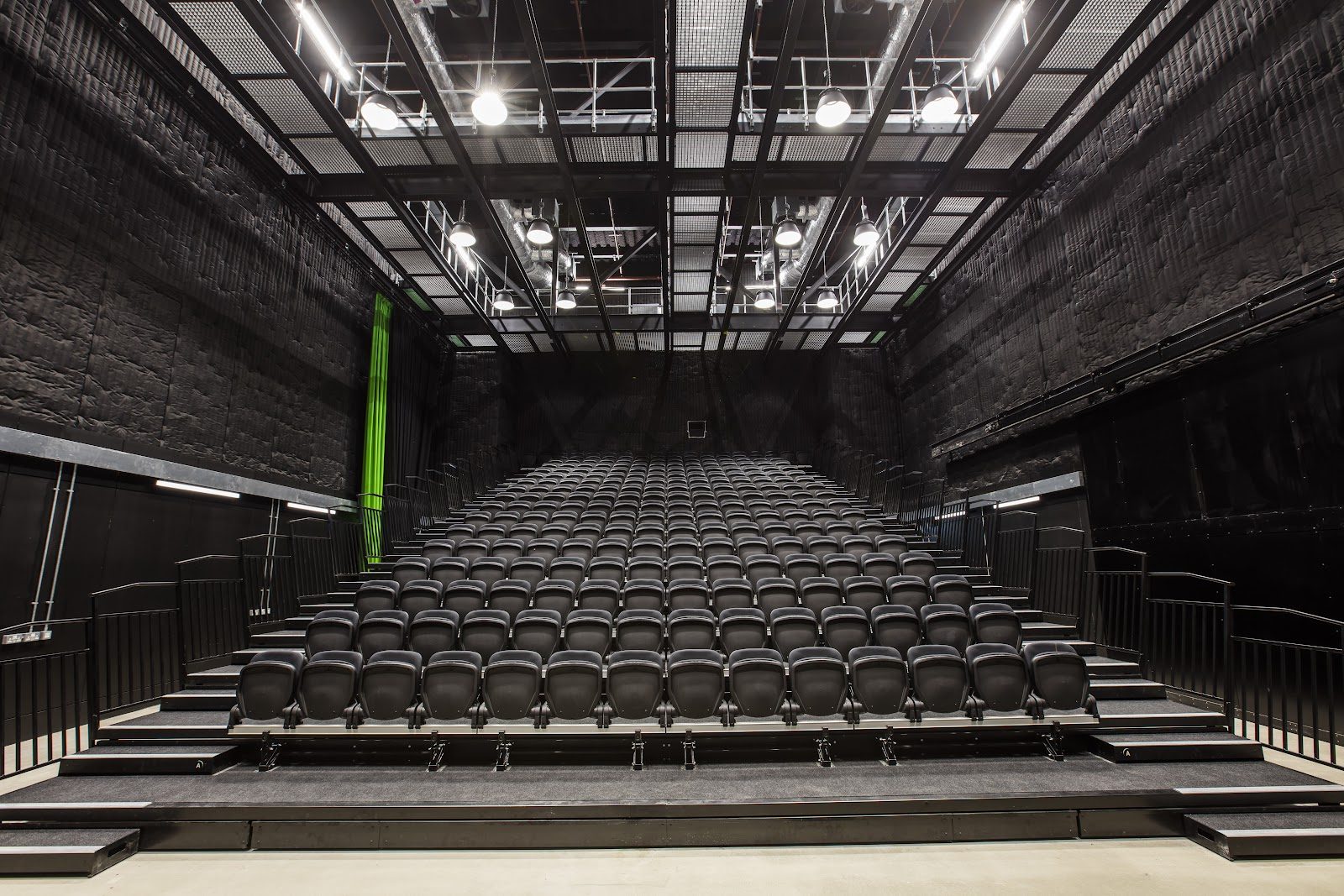
What the school does not do is publish a granular facilities picture. We have not seen a clear public inventory of theatres, recording rooms, black box spaces, editing suites, gallery areas, instrument provision, or technical production resources. That weakens comparison with stronger peers, which spell out exactly what young artists use and how often they use it. The result is a campus profile that reads as functionally serious but insufficiently evidenced. Parents choosing between specialist arts schools should press for specifics: how many studios, what kind of dance floors, what access students get to practice rooms, and whether drama & film students train with professional-grade equipment or school-level basics.
This is not a general academic school with a strong arts programme bolted on
Prestige
Kaywon carries real prestige inside its niche, not because it trades on glossy international branding, but because it is a dedicated arts secondary school with 4 named departments and a clear conservatoire logic. In South Korea, that matters. Schools that organise themselves around fine art, music, dance, and drama or film attract families who treat artistic training as the main event, not an extracurricular accessory. That gives Kaywon a serious specialist identity and a peer group shaped by commitment rather than casual interest. The school’s long-running publications, dense notice culture and departmental structure reinforce an image of an institution with routines, internal discipline and an entrenched artistic culture. Prestige here rests on specialism, not breadth.
That said, prestige is not the same as proven superiority. Kaywon benefits from the cachet attached to selective arts education, but it does not publish the outcome data that would turn reputation into a fully evidenced verdict. We have not seen aggregate university destinations, national benchmarking, or consolidated progression figures for graduates in the performing or visual arts. That weakens its claim to top-tier transparency. So the rating is strong but qualified: *high-status within a defined domestic arts lane*, less persuasive for families who want public proof of where students end up. For parents who value discipline-specific seriousness and institutional focus, Kaywon has weight. For parents who want measurable proof, the school still leaves work to do.
It is an arts high school that organises school life, training and identity around disciplined specialisation
Communications
Kaywon’s parent communication looks functional, centralised and very school-led. The public site runs on a classic Korean school portal model: dense notice traffic, quick-menu links, downloadable documents, school publications and department signposting, all routed through one main platform. Contact points are explicit rather than hidden. The homepage lists separate phone lines for the main office and for departments, plus office hours of 08:00–17:00. That matters. Parents who need to reach the right person fast do not have to fight through a glossy admissions layer first. The school also pushes recurring publications such as seasonal newsletters and keeps a steady stream of operational announcements live. On basic administrative communication, this is workmanlike, active and institutionally organised.
The weakness is usability. The site reads like an internal bulletin board built for people who already know how the school works, not a parent communication system designed for clarity under pressure. Navigation is crowded, notices pile up, and the important items do not always stand out from routine traffic. That is common in domestic school portals, but it still makes communication more cumbersome than it needs to be. For existing local families, that structure will do the job. For newcomers, anxious parents, or anyone expecting polished hand-holding, it will feel forbiddingly bureaucratic. The school communicates frequently; it does not communicate elegantly. That distinction matters.
Uniqueness
Kaywon’s distinctiveness lies in concentration. Many secondary schools add arts pathways to a standard academic structure; Kaywon builds the institution around 4 separate artistic homes and lets that shape the day, the peer group and the internal hierarchy. That changes the student experience in concrete ways. A dancer does not sit at the edge of a school built for exam tacticians; a young painter does not borrow identity from a generalist campus that rewards sport or broad extracurricular display. At Kaywon, the arts are the centre of gravity. The presence of a dedicated drama and film department also sharpens the offer. Plenty of arts schools handle theatre competently; fewer fold film into the same specialist frame at school level. That gives the school a more complex creative ecology than a simple fine-arts-and-music split.
For students, the gain is immersion and pressure in equal measure. They work among peers who have already chosen a lane and who treat practice, critique, rehearsal and portfolio-building as normal school business. That produces serious early professionalisation, high peer calibration and a demanding conservatory rhythm. It also narrows the experience. Students who want room for indecision, broad academic wandering or a lighter-touch adolescent education will find Kaywon too exacting. Students who already know their discipline, and want school to organise itself around that fact, get something rarer: a specialist environment where artistic commitment is not explained, defended or translated for the rest of the campus.
For families who want serious pre-professional formation rather than broad-based school enrichment, that distinction matters
Student Profile
The students who fit Kaywon are the ones who have already crossed a line from interest into commitment. This is a school for teenagers who can tolerate repetition, correction and public comparison without folding under it. A visual artist needs patience for long studio hours and critique; a musician needs the self-discipline to practise when the novelty has worn off; a dancer needs bodily resilience and a high pain threshold; a drama or film student needs stamina, timing and the ability to take direction without ego. The shared thread is not “creativity” in the loose brochure sense. It is work ethic, technical seriousness and a willingness to let one art form organise daily life. With 4 specialist departments, peer culture will reward application fast and expose vagueness even faster.
Students who flourish here will also be comfortable in a pressurised specialist cohort. They do not need to be flamboyant, but they do need conviction. Indecisive adolescents, late developers and students who want broad academic optionality will find the environment narrow by design. So will those who like the idea of the arts more than the routine of them. The best fit is a young person with a settled sense of medium, tolerance for scrutiny, and enough inner ballast to handle a school where talent alone carries no weight for long. This is not for dabblers. It is for students ready to be trained.
Founded in 1985 on its Uiwang campus in Gyeonggi, Kaywon has had time to establish routines, expectations and a recognisable institutional culture
Co-curricular strengths
Arts & sport, on a separate axis
Overall 8.88/10
Scored 0-10 from the school's own published evidence. This axis is editorial-only — it does not feed the main WTS ranking.
Sports
5.5/10
Drama
9.5/10
Dance
9.8/10
Music
9.8/10
Visual Arts
9.8/10
Strengths
- +Specialized arts high school under the Kaywon Foundation offering dedicated Theatre and Film, Broadcasting Entertainment, and Visual Arts departments within Korea's national curriculum.
- +Admission is audition and portfolio-based, producing a committed, artistically pre-selected student body rather than a general comprehensive intake.
- +Located in Uiwang, Gyeonggi, within commuting distance of Seoul's broadcasters, film studios and entertainment agencies for industry exposure.
- +Long-standing reputation within Korea's entertainment industry as a training ground for students pursuing acting, directing, and broadcasting careers.
Considerations
- −Instruction follows the Korean National Curriculum almost entirely in Korean, making it impractical for non-Korean-speaking expatriate students without prior fluency.
- −Day-only school with no boarding facilities, so relocating families must independently arrange local accommodation and guardianship.
- −Narrow arts specialization chosen at age 15-16 leaves limited flexibility for students who later wish to pivot to non-arts academic tracks.
- −Highly competitive audition-based entry, particularly in performance-facing departments, means many capable applicants are turned away each year.
Gallery
Photo © AIOF아이오프 via Google Maps
Photo © 백형석 via Google Maps
Photo © 변용휘 via Google Maps
Photo © 변용휘 via Google Maps
Photo © Green K via Google Maps
Photo © Green K via Google Maps
Photo © Green K via Google Maps
Parent reviews
Have you sent your child here?
Voice reviews carry the strongest trust badge — we transcribe them for you to tidy up before they go live. Prefer to type? A written review is fine too.
Add your voice
In 60 seconds, tell other parents: what's the best thing about Kaywon High School of Arts, and what surprised you when your child joined?
We ask for a Google sign-in so every review has a real face behind it — no anonymous drive-by attacks on schools, and no faked positive reviews. Your email is never shown publicly.
Send this profile to a friend
International parents rely on word-of-mouth. Share this review with someone weighing the same decision.
Schools with places
Similar schools to Kaywon High School of Arts with places available now.
Chadwick International
Incheon · South Korea
- 2026-27
- CLOSEDStandard route closed
- 2027-28
- OPENS SOONInfo mid-Oct '26 / dates TBC
Korea International School
Seongnam · South Korea
- 2026-27
- WAITPOOLSpace-dependent
- 2027-28
- PLACES OPENRolling
Seoul Foreign School
Seoul · South Korea
- 2026-27
- WAITPOOLSpace-dependent
- 2027-28
- PLACES OPENRolling
North London Collegiate School Jeju
Jeju · South Korea
- 2026-27
- WAITPOOLVacancy-dependent
- 2027-28
- PLACES OPEN
Availability first, then country, area, curriculum, price, co-curricular
Consider also
Also worth looking at alongside Kaywon High School of Arts.
Gyeonggi Arts High School
Uijeongbu, Gyeonggi · South Korea
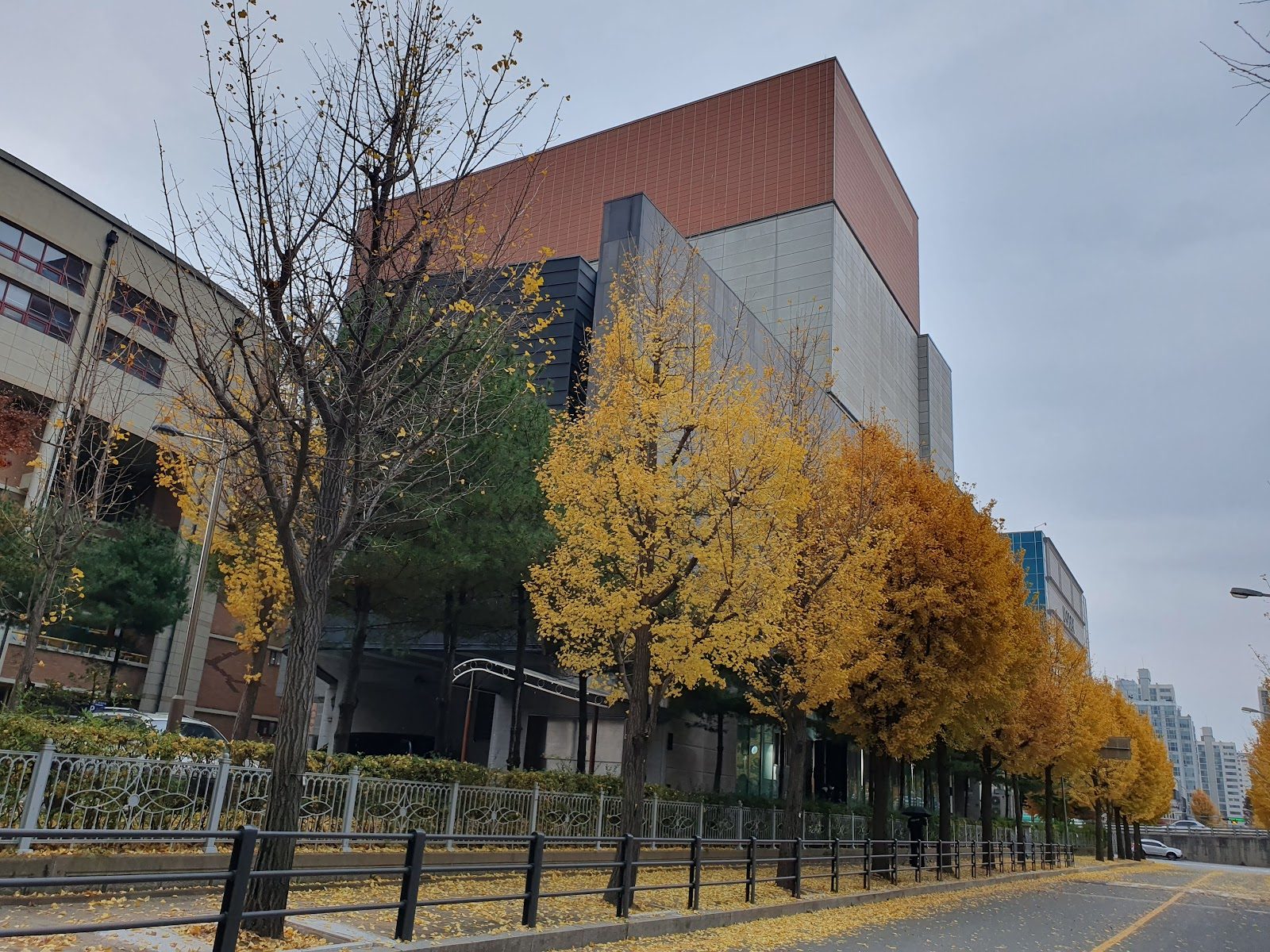
Gyeonggi's only publicly funded arts high school, housing music, fine art, theatre-film and animation studios under one dormitory roof.

School of Performing Arts Seoul
Guro, Seoul · South Korea
Once a night school for Guro's factory workers, now a state-designated arts academy shaping Korea's stage, screen and dance talent.
Korean Arts High School
Jongno-gu, Seoul · South Korea
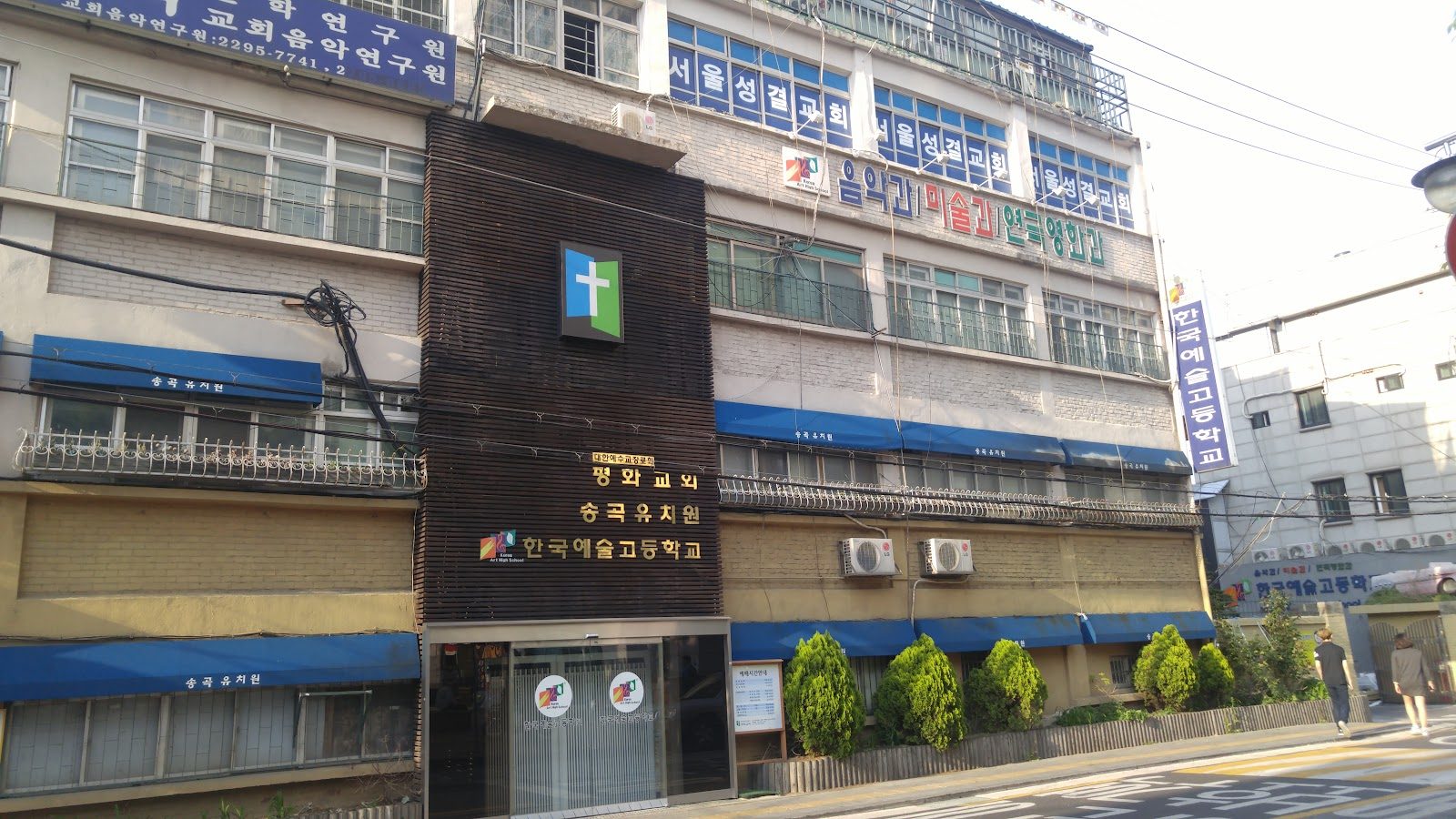
An audition-only conservatory since 1953, pairing academics with classical music, ballet and visual art in Jongno-gu's arts quarter.
London Screen Academy
Islington, London · United Kingdom
Housed in a 1930s radio factory in Islington, this free sixth form trains students for screen careers via industry masterclasses.
Same specialism, country and curriculum — closest matches within ±10 points either way