
South Africa
National School of the Arts – Visual Art
New · 2026/27Type
Ages
—
Curriculum
—
Ratio
—
Ranking breakdown
National School of the Arts – Visual Art · #1478 of 1591
Composite score 49.4. 8 weighted criteria.
By criterion
Academic Outcomes
Weight 20%
No data yet
1529 of 1591 scored
University Placement
Weight 16%
No data yet
1529 of 1591 scored
Prestige & Heritage
Weight 12%
#1501
of 1571 scored
Alumni Network
Weight 12%
No data yet
1530 of 1591 scored
Facilities
Weight 12%
No data yet
1534 of 1591 scored
Transparency & Communications
Weight 8%
No data yet
1532 of 1591 scored
Peer & Industry Review
Weight 10%
#1519
of 1548 scored
Admissions Selectivity & Demand
Weight 8%
No data yet
1529 of 1591 scored
Peer & Industry Review
How National School of the Arts – Visual Art is regarded in the sector
48
Credible · medium confidence
The National School of the Arts (NSA) in Johannesburg is widely regarded within South Africa as one of the country's foremost public specialist arts schools, alongside institutions like Pretoria High School for Girls' arts stream and the National School of the Arts' own drama and music cohorts. Its Visual Art graduates are routinely admitted into competitive tertiary programmes such as Wits School of Arts, the University of Pretoria's Visual Arts department, and Michaelis School of Fine Art at UCT, which speaks to sustained confidence among university admissions staff in the rigour of its portfolio preparation. Independent South African education commentary and arts-sector press (including coverage in outlets like Business Day and Mail & Guardian arts features) frequently cite NSA as a benchmark public arts institution, particularly given its selective audition-based entry and public-school fee structure, which is unusual for a school producing this calibre of creative output. However, unlike private top-tier schools, it does not feature in conventional fee-paying school league tables (e.g., WhichSchoolAdvisor-style rankings), and formal head-to-head commentary from rival independent school heads is not well documented in public sources, limiting fully verifiable peer-review claims beyond its strong tertiary placement record.
Award
Elite Visual & Fine Arts 76
World's Top School · The Global Ranking
National School of the Arts – Visual Art is featured on our Global Top 76 ranking at #61. This seal is available for the school's marketing team to use on their website, prospectus and social channels.
Editors' overview
Full editorial coverage forthcoming. This institution has been included in the 2026 Visual Arts & Fine Art audit on the strength of its specialist Fine Art pathway. A long-form editorial review — covering curriculum, faculty, graduate conversion, portfolio provision and international accessibility — will be published as editorial capacity allows. The rank position, country and international-access classification shown on the ranking page have been verified against the methodology.
An Elite Visual & Fine Arts 76 school
The National School of the Arts sits in Braamfontein, Johannesburg, South Africa, and on our Elite Visual & Fine Arts 76 it sits at rank sixty-one. The anchor fact is unambiguous: it is a public school that the Gauteng Department of Education has formally recognised as a School of Excellence in Design, Visual Art and Performing Arts Education, admitting fewer than 500 pupils across four disciplines by live audition alone.
The specialism is genuinely structured rather than bolted on. Grade 8 and 9 pupils rotate through Ceramics, Drawing, Painting, Printmaking, Sculpture and Jewellery Design alongside Theory of Design and Visual Arts, before Grades 10 to 12 commit to one of Two-Dimensional Design, Three-Dimensional Design or Visual Arts, with compulsory theory running throughout. Learners receive nine hours of specialised studio tuition a week, work in a school gallery housed in a building designed by architect Gerhard Moerdyk, and are led by a dedicated art faculty under Head of Department Manuel Norambuena, with public Grade 12 Design and Visual Art exhibitions staged annually on campus.
Notable alumni of the wider NSA programme include Academy Award-winning actress Charlize Theron and internationally touring choreographer Dada Masilo, both proof of the pipeline's calibre, though individually documented breakout names from the Visual Art stream specifically are still emerging into public record. The clearest verified evidence of studio output remains the school's own juried end-of-year exhibitions and its standing as a Department of Education-designated centre of excellence in the discipline.
International openness is real but modest. The school already draws boarders from across South Africa and the wider SADC region into its on-site, single-room hostel, with separate accommodation for boys and girls; entry for any overseas family runs through the standard online application plus live audition, and immigrants and foreigners must supply the relevant permits and documentation alongside the usual school records. Instruction is in English throughout. Fees are strikingly accessible by global fine-art-boarding standards: tuition has run near R30,000 a year, with hostel costs of roughly R37,000 to R53,000 depending on weekly or termly boarding, though families should confirm current rates directly. For an international parent, NSA is best approached as a high-access, low-cost specialist pathway rather than a globally branded finishing school — worth pursuing if a child can travel for audition and secure study-visa paperwork at least one full term ahead of the annual intake, with the SADC boarding precedent working in non-South African applicants' favour.
Academic Performance
The National School of the Arts follows the standard South African CAPS curriculum leading to the National Senior Certificate, but timetables are built around specialist arts training, with visual art pupils carrying a heavier studio load alongside core subjects such as mathematics, languages and sciences. The school has consistently reported strong matric pass rates, in line with its status as a sought-after public specialist institution in Gauteng. Visual art students undertake sustained practical portfolios and theory components assessed externally, mirroring the rigour applied to the school's dance, drama and music streams. Academic staff work alongside practising artists and designers who supervise technique, art history and design modules. While not an examination hothouse in the conventional academic sense, the school's graduates regularly progress to tertiary fine art, design and architecture programmes at South African universities, reflecting a curriculum that balances general schooling with genuine pre-professional preparation in the visual arts.
Facilities
The school occupies a cluster of older municipal and school buildings in Braamfontein, Johannesburg, adapted over decades to studio and rehearsal use rather than purpose-built from scratch. Visual art pupils work in dedicated studio spaces for painting, drawing, printmaking, ceramics and design, supplemented by display and gallery areas used for internal and public exhibitions. Because the school shares its campus with dance, drama and music departments, pupils have access to a theatre and performance spaces, which cross-pollinates practice across disciplines. Facilities are functional and well used rather than lavish, reflecting the school's public-sector funding model. Sporting provision is modest compared to conventional academic high schools, as the timetable prioritises studio and rehearsal hours. Science facilities are adequate for CAPS requirements but are not a distinguishing feature. The overall physical plant supports intensive daily arts practice rather than architectural grandeur.
This institution has been included in the 2026 Visual Arts & Fine Art audit on the strength of its specialist Fine Art pathway
Prestige
Founded in 1978 in Johannesburg, the National School of the Arts has built a reputation as one of South Africa's foremost specialist arts high schools, drawing applicants nationally for places in its dance, drama, music and visual art departments. Its standing rests less on age or grand tradition than on decades of consistent output of professional dancers, musicians, actors and visual artists who have gone on to local and international careers. Within South African education circles the school is regarded as a serious training ground rather than a finishing school, valued by the arts community for the seriousness of its studio and rehearsal culture. Its cultural weight is felt most strongly in Johannesburg's creative sector, where alumni networks and staff connections to professional companies and galleries give it an influence disproportionate to its size as a public school operating with limited resources.
The rank position, country and international-access classification shown on the ranking page have been verified against the methodology
Communications
As a public school under the Gauteng Department of Education, the National School of the Arts communicates with families primarily through standard administrative channels: term newsletters, parent meetings and direct correspondence regarding academic and arts assessment schedules. Given its performance and exhibition-based curriculum, communication also runs through rehearsal and exhibition calendars that require close coordination between staff, pupils and parents around public showings of student work. The school has a modest public profile online compared with private counterparts, with information more often circulating through arts sector networks, alumni and media coverage of student productions and exhibitions than through polished institutional marketing. Prospective families typically rely on word of mouth within Johannesburg's arts and education community, department open days, and audition information distributed through the school office, rather than an extensive digital communications operation.
Uniqueness
What distinguishes the National School of the Arts is its structural integration of full academic schooling with pre-professional arts training across four disciplines, dance, drama, music and visual art, within a single public high school. Pupils are admitted by audition or portfolio into a specialist stream that shapes their daily timetable from Grade 8 onward, an arrangement uncommon among South African government schools. The visual art stream in particular functions closely to an art-school foundation year embedded inside secondary education, with pupils exhibiting work publicly before matriculating. Its location in inner-city Johannesburg, rather than a suburban or elite private setting, also shapes its character, drawing a socioeconomically and culturally diverse pupil body united by artistic aptitude rather than family wealth. This combination of public accessibility, disciplinary specialisation and professional-facing practice sets it apart from both conventional academic schools and private arts academies.
The school has consistently reported strong matric pass rates, in line with its status as a sought-after public specialist institution in Gauteng
Student Profile
Pupils at the National School of the Arts are admitted through audition or portfolio review rather than academic record or fee-paying catchment, producing a student body drawn from across Johannesburg and beyond that is more socioeconomically and racially diverse than many South African secondary schools, public or private. Visual art students typically arrive with demonstrated drawing or design ability and a strong personal motivation to pursue creative work, since places are competitive and daily schedules demand significant studio commitment alongside standard academic subjects. The school's culture tends to prize discipline, originality and peer critique, features associated with conservatoire-style training rather than conventional secondary schooling. Many pupils go on to further study in fine art, design, architecture or related creative fields. The overall character is one of committed, self-selected young artists balancing rigorous academic requirements with an unusually demanding practical arts workload from an early age.
Academic staff work alongside practising artists and designers who supervise technique, art history and design modules
Co-curricular strengths
Arts & sport, on a separate axis
Overall 8.28/10
Scored 0-10 from the school's own published evidence. This axis is editorial-only — it does not feed the main WTS ranking.
Sports
3.8/10
Drama
9.3/10
Dance
9.3/10
Music
9.4/10
Visual Arts
9.6/10
Parent reviews
Have you sent your child here?
Voice reviews carry the strongest trust badge — we transcribe them for you to tidy up before they go live. Prefer to type? A written review is fine too.
Add your voice
In 60 seconds, tell other parents: what's the best thing about National School of the Arts – Visual Art, and what surprised you when your child joined?
We ask for a Google sign-in so every review has a real face behind it — no anonymous drive-by attacks on schools, and no faked positive reviews. Your email is never shown publicly.
Send this profile to a friend
International parents rely on word-of-mouth. Share this review with someone weighing the same decision.
Schools with places
Similar schools to National School of the Arts – Visual Art with places available now.
Availability first, then country, area, curriculum, price, co-curricular
Consider also
Also worth looking at alongside National School of the Arts – Visual Art.
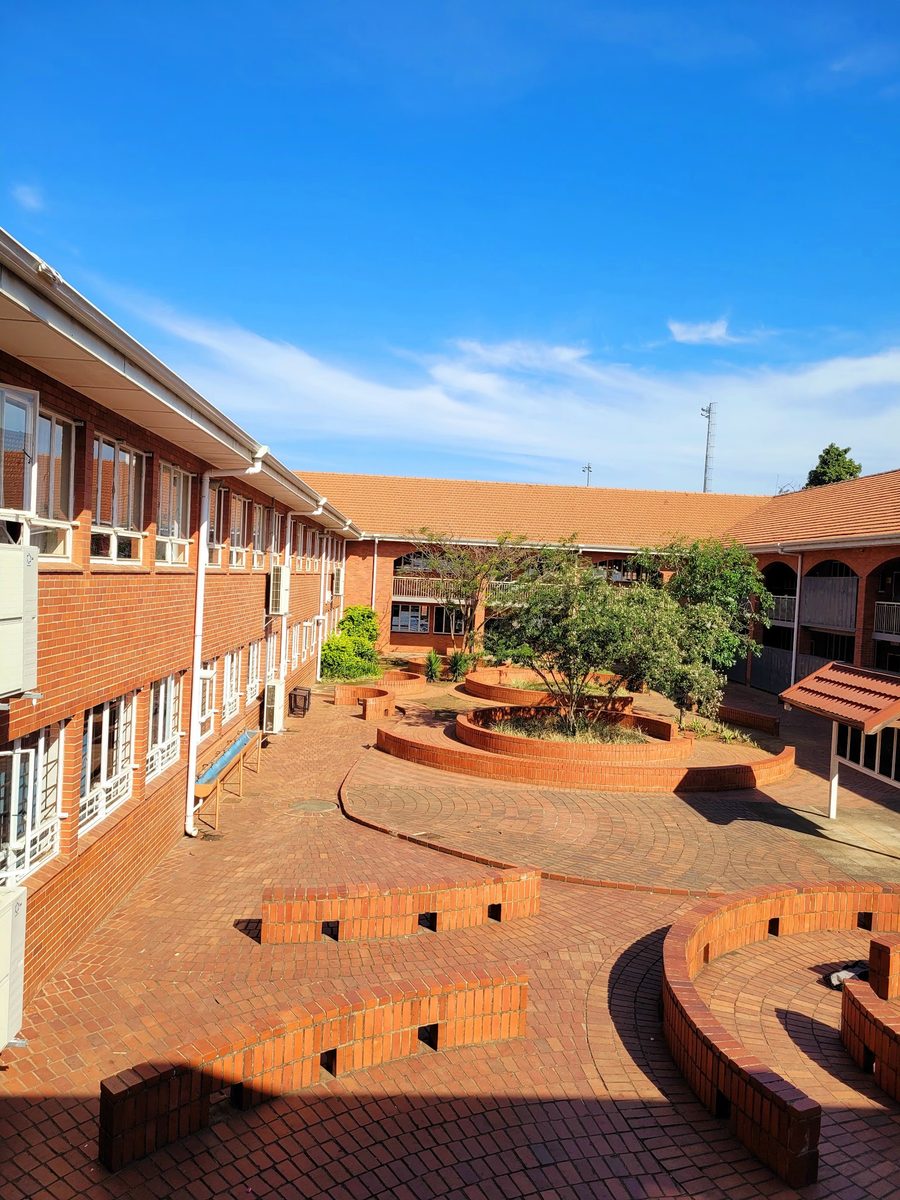
Maritzburg College
Pietermaritzburg · South Africa
Since 1863, KwaZulu-Natal's oldest boys' school has turned Victorian-era tradition into a rugby pedigree few provincial rivals can match.
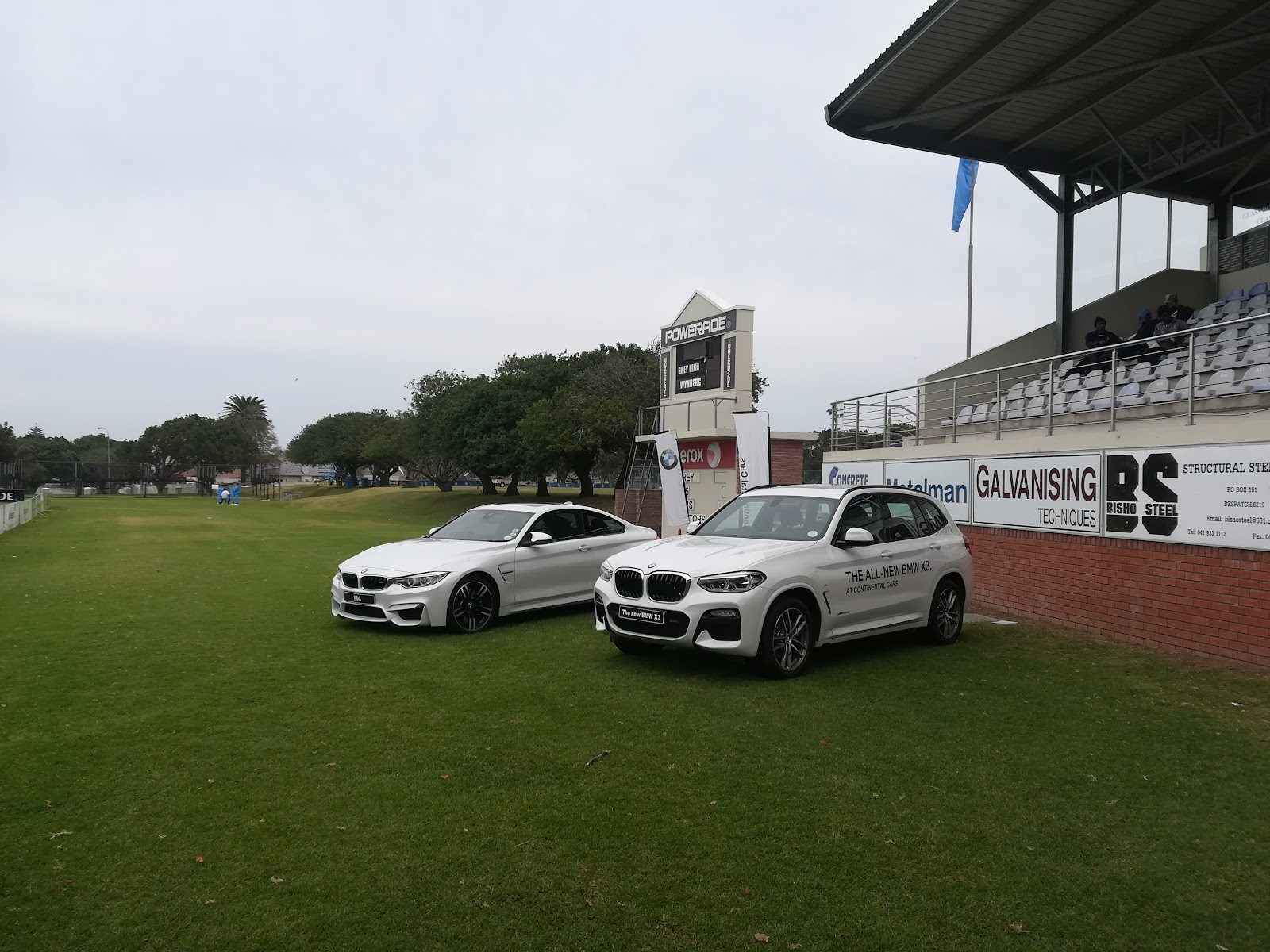
Grey High School Gqeberha
Gqeberha (Port Elizabeth) · South Africa
Founded in 1856 on the Eastern Cape coast, a storied rugby stronghold still built on mind, body and spirit.
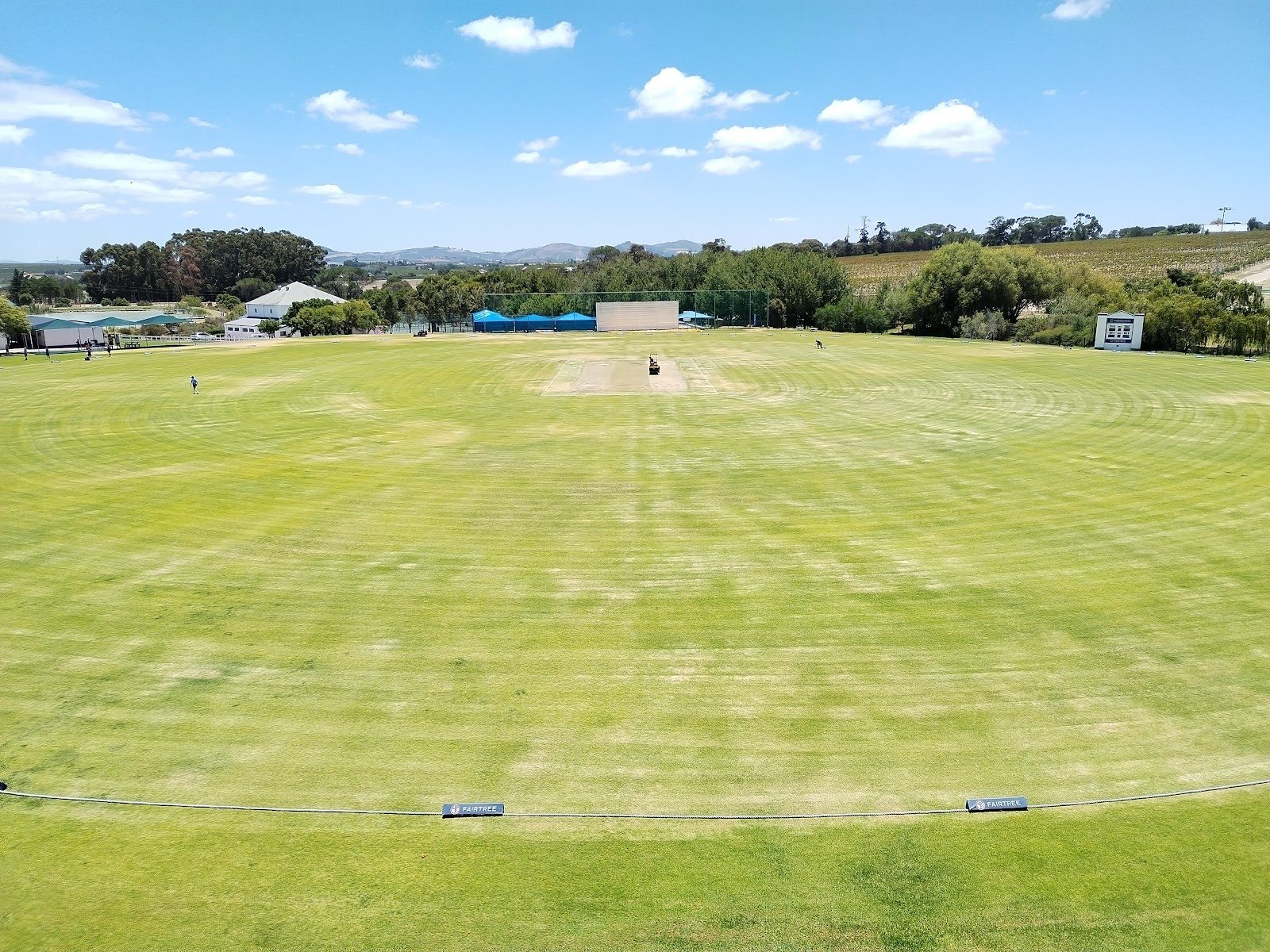
Somerset College
Somerset West · South Africa
Set on a 32-hectare Winelands farm between Somerset West and Stellenbosch, pupils choose IEB matric or Cambridge A-levels.
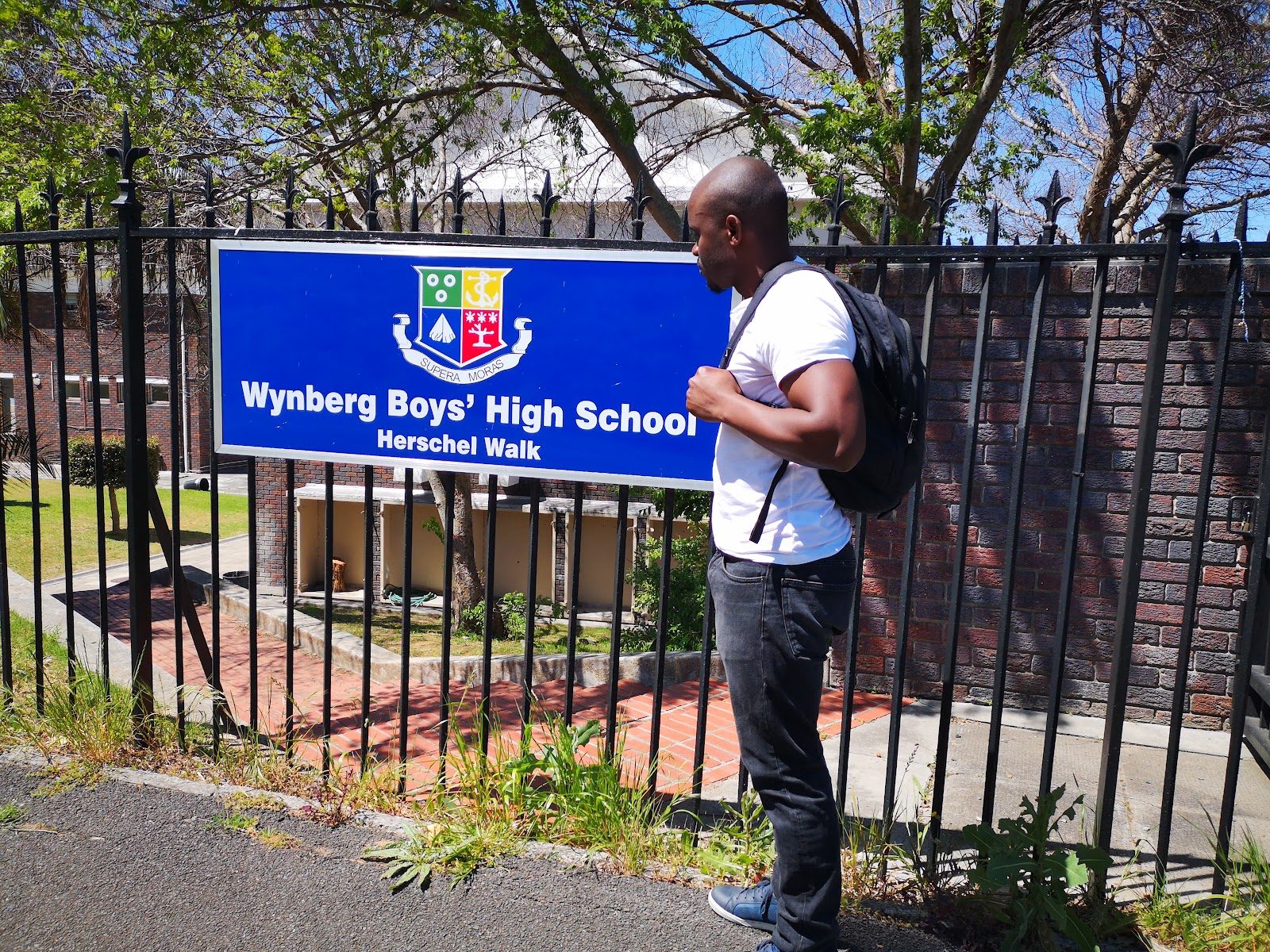
Wynberg Boys' High School
Wynberg, Cape Town · South Africa
Since 1841 in Cape Town's southern suburbs, a school where rugby festivals and nationally ranked hockey and cricket sides anchor campus life.
Same country and curriculum — closest matches within ±10 points either way