
Eastern Province
British School Dhahran
In Saudi Arabia's oil heartland, a purpose-built 40-acre campus delivers the National Curriculum for England alongside its American neighbour.
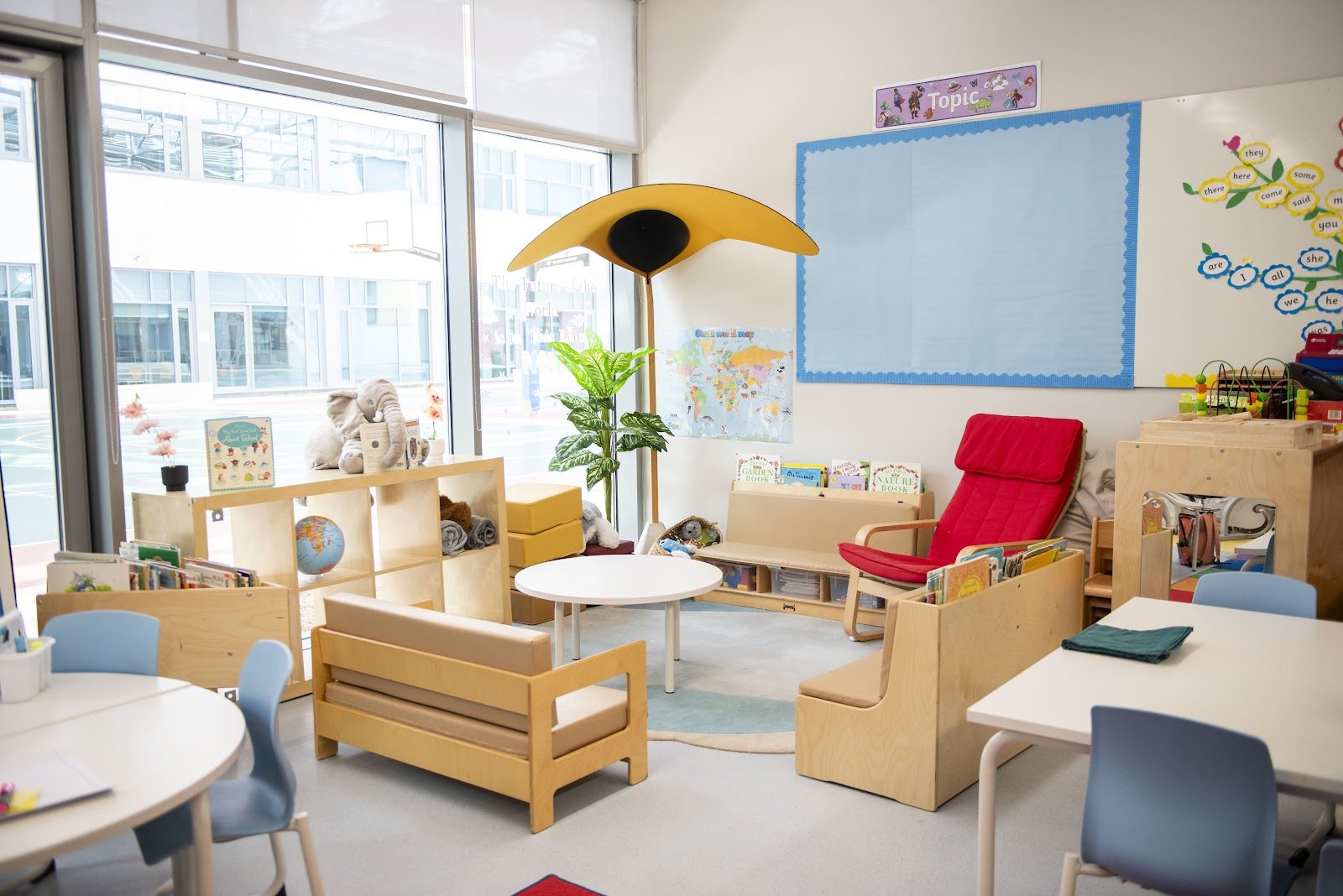
Photo © British School Dhahran (BSD) via Google Maps
Type
Day
Ages
4–18
Curriculum
British
Qualifications
IGCSE · A-Level
Ratio
—
The Verdict
Editor's commitment
Right for
Families in Dhahran who want English-medium day schooling from 4–18 on a 40-acre campus, with COBIS and BSO accreditation.
Wrong for
Parents wanting boarding, religious schooling, or a curriculum outside the National Curriculum for England at this 1975-founded day school.
Watch out for
British School Dhahran sits inside ISG, which runs five Saudi schools; check how BSD differs from its American neighbour before signing.
Ranking breakdown
British School Dhahran · # of 1591
Composite score 39.7. 8 weighted criteria.
By criterion
Academic Outcomes
Weight 20%
#1492
of 1529 scored
University Placement
Weight 16%
#1502
of 1529 scored
Prestige & Heritage
Weight 12%
#1515
of 1571 scored
Alumni Network
Weight 12%
#1219
of 1530 scored
Facilities
Weight 12%
#1419
of 1534 scored
Transparency & Communications
Weight 8%
#1514
of 1532 scored
Peer & Industry Review
Weight 10%
#1529
of 1548 scored
Admissions Selectivity & Demand
Weight 8%
#1506
of 1529 scored
Peer & Industry Review
How British School Dhahran is regarded in the sector
40
Regional · medium confidence
British School Dhahran is not benchmarked in the mainstream Gulf league tables that cover Dubai or Abu Dhabi schools; WhichSchoolAdvisor and Good Schools Guide International, which review Gulf British-curriculum schools extensively, have published little to no independent commentary on it, reflecting the Eastern Province's smaller expatriate market and Saudi Aramco's historically closed compound system. Within COBIS and British Schools Overseas circles, it is recognised as one of the few BSO-accredited British curriculum providers in Saudi Arabia's Eastern Province, and its inspection reports (rather than press features) are the main public signal of standing among peer heads. University-facing evidence is limited to standard UCAS-style progression data rather than named admissions-officer endorsements. Compared with larger, media-covered COBIS members in Dubai, Cairo or Bahrain, its industry profile is modest and regional rather than international, with recognition concentrated among Aramco-linked expatriate families and fellow British curriculum schools in the Gulf rather than in UK independent press or global rankings.
Editors' overview
British School Dhahran occupies a distinctive niche in Saudi Arabia’s Eastern Province: an English-curriculum day school on a purpose-built 40-acre campus in the heart of the oil industry, founded in 1975 and backed by the wider International Schools Group. That matters. Parents are not buying a start-up school or a one-campus operation with thin infrastructure. They are buying into an established institution in a region where stability, scale and operational competence carry real weight. The draw is plain: a British education in English for ages 4–18, in a non-religious setting, with COBIS and BSO accreditation. For families who want continuity through the school years without switching systems, BSD earns a serious place on the shortlist.
What sets it apart is context as much as curriculum. Dhahran attracts a mobile, internationally employed parent body, and BSD sits beside its American neighbour within the ISG orbit. That gives families a rare level of choice inside one local ecosystem: British for one child, American for another, without leaving the same broad educational network. In practical terms, that reduces friction for expatriate families whose plans change with postings and contracts. The school’s appeal rests less on glossy claims and more on hard advantages: longevity, a substantial campus, an English-medium British curriculum, and the institutional backing of a group that runs multiple schools across Saudi Arabia. Settled rather than experimental, international without theatre, orderly in outlook, serious about continuity.
The students who thrive here are those who want structure, clear academic progression and a school culture shaped by an international professional community. BSD suits families aiming for the National Curriculum for England from the early years through sixth form, and children who do well in schools where expectations are explicit and the social mix reflects a transient expatriate city. It also fits parents who value a calm, workmanlike environment over a school built around image. What remains opaque in the public domain is the academic fine print: the school does not publish aggregate exam outcomes here, so parents should ask directly about GCSE and sixth-form results, university destinations and student turnover. Even with that caveat, BSD stands out as a credible long-term option in a market where durability and system-fit matter more than spectacle.
Academic Performance
Academic transparency is the weak point. BSD does not publish aggregate GCSE or sixth-form outcomes in the public domain, and that matters because exam data is the clearest way to place a British school against direct competitors. Without pass rates, top-grade proportions, subject entry patterns or university destination lists, parents cannot test the school’s academic claims against hard benchmarks. In a market where strong schools increasingly put headline results front and centre, that silence reads as a real omission, not a trivial gap. It does not make the school weak; it makes it hard to judge with confidence.
Relative to peers, BSD sits in an opaque middle ground. The group structure and established operating base imply institutional stability, but stability is not the same as published academic strength. The useful comparison here is not with marketing-heavy newcomers, but with other British schools in the Gulf that release A/A, 9–7, or A–A data and back it up with destination evidence. BSD has not done that here. Parents considering sixth form or exam-heavy upper years should ask direct questions: full GCSE and A-level distributions, cohort sizes, resit policy, value-added data, and where leavers go next. Until those figures are disclosed, BSD’s academic standing remains credible but unproven in public.
Facilities
The big asset is space. A campus of 40 acres gives BSD room that many urban Gulf schools do not have, and that changes daily school life in practical ways: circulation is easier, outdoor sport is easier to timetable, and specialist areas need less compromise. That matters in a market where plenty of competitors operate on tighter plots and end up stacking functions into the same buildings. BSD also benefits from belonging to a group that runs 5 schools in the kingdom, with its American sister school next door. For parents, that signals shared infrastructure, operational depth and a campus environment built for a sizeable school operation rather than a make-do setup. Against peers, that places BSD in the serious, purpose-built bracket, not the improvised one.
What is missing is the fine-grained picture. The school does not publish a clear public inventory of science labs, performing arts spaces, libraries, sports amenities or sixth-form-specific areas, so parents cannot judge whether the campus is merely large or genuinely well equipped. That distinction matters. A big site can carry real functional strength; it can also hide thin specialist provision. Strong peer schools in the British international market now spell this out, room by room and facility by facility. BSD has not done that here. The result: the school holds an advantage in land, scale and institutional backing, but its facilities case remains credible rather than fully evidenced until families see the campus and ask direct questions about specialist teaching spaces.
British School Dhahran carries solid local standing and limited wider cachet
Prestige
British School Dhahran carries solid local standing and limited wider cachet. In the Eastern Province, its reputation benefits from longevity, from the operational shelter of a multi-school group, and from association with a well-known expatriate corridor shaped by energy-sector employment. That gives the school credibility with families who prize continuity and competent delivery over glamour. The adjacent presence of its American stablemate also reinforces the sense of an established educational enclave rather than a standalone venture. For parents moving within Saudi Arabia’s international employment circuits, that matters: BSD is a name people recognise, and recognition has value.
Prestige, though, has tiers. BSD does not sit in the bracket occupied by the Gulf’s status-heavy, university-destination-driven British flagships whose public profile rests on published top exam results, marquee facilities and regional name recognition that extends far beyond their immediate city. BSD’s prestige is practical rather than rarefied: respected by families who know the market, less powerful as a badge outside it. The missing public exam data also caps its standing. Prestige in British international education rests on outcomes, selectivity, alumni traction and institutional reputation. BSD has the institutional piece through ISG’s 5-school network. It has not put the outcome piece into the public domain. That leaves the school in the category of *credible, established and trusted locally — but not elite*.
Parents are not buying a start-up school or a one-campus operation with thin infrastructure
Communications
Parent communication looks functional, not polished. The school sits inside a group running 5 schools, and that has two consequences: systems and consistency tend to matter, but local voice can get diluted. What parents need from a school serving a mobile expatriate community is plain information, quick updates and clear signposting when routines change. BSD has the institutional backbone for that. What we have not seen is the sharper public-facing communication standard that distinguishes the best-run schools: detailed academic reporting, a rich calendar of school life, or substantive leadership commentary that gives parents a strong read on priorities. The absence of public exam data feeds directly into this judgment. A school that withholds its hardest numbers is practising controlled communication, not full transparency.
That does not make communication weak day to day. It points instead to a style that is orderly, workmanlike and administratively competent, with less emphasis on narrative, openness or evidence-rich public accountability. For current families, that may be enough if messages arrive on time, logistics are clear and issues get handled without fuss. For prospective families, it is thinner than it needs to be. The test is simple: can a parent understand academic standards, school culture and operational expectations without chasing for answers? At BSD, the answer is not yet. Communication covers the essentials, but it does not yet inspire strong confidence in the school’s willingness to show its workings.
Uniqueness
BSD’s defining advantage is structural: it sits inside an education group that runs 5 schools in the kingdom, with a British pathway operating alongside an American neighbour in the same local orbit. That is unusual, and for international families it solves real problems. Siblings with different learning styles do not need to leave the wider system to follow different academic routes. Parents posted in and out of the Eastern Province get more continuity than a standalone school can offer. In a city shaped by corporate mobility, that networked setup gives BSD a practical edge over single-campus competitors. It is not a school trading on boutique exclusivity or brand theatre; its distinctiveness lies in institutional range, transferability and the kind of operational steadiness that matters when family plans change fast.
For students, that translates into a school culture built less around local social hierarchy and more around an internationally employed community with clear reasons for being there. The benefit is a workmanlike cosmopolitanism: children grow up among peers whose families move countries for engineering, energy, technical and professional roles, and that tends to produce social adaptability without much pretence. The large campus strengthens that sense of a settled, full-service environment rather than a squeezed urban outpost. BSD’s version of uniqueness is not romance; it is function. Students get a school designed for mobile expatriate life, with enough scale and group backing to make that model durable rather than fragile.
They are buying into an established institution in a region where stability, scale and operational competence carry real weight
Student Profile
The student body here suits families tied to an internationally mobile professional world, not families chasing a grand social scene or a prestige badge. Children who fit best are those comfortable with routine, clear rules and a school culture shaped by parents who relocate for work and expect things to function. That tends to favour students who settle into structured classrooms, cope with turnover in friendship groups and do not need a school to manufacture identity through spectacle. The adjacent place of BSD inside a 5-school organisation also makes it a sensible fit for siblings whose educational paths need to stay inside one administrative umbrella. The social tone reads orderly, international without fuss and *adult-supervised rather than adolescent-led*.
Pupils who thrive here are steady, adaptable and willing to get on with school life without much drama. This is a good match for children who like predictability, value a mixed expatriate peer group and can build friendships in a community where arrivals and departures are part of the rhythm. It is less convincing for families who want a high-octane, status-conscious environment or a school that trades on public academic swagger. Equally, students who need a strongly defined arts, sporting or intellectual identity to anchor their place in school will need to test that carefully in person, because the public picture remains thin. BSD suits the pragmatic internationally minded middle: children who want solid schooling, social flexibility and a campus life built for continuity rather than theatre.
The draw is plain: a British education in English for ages 4–18, in a non-religious setting, with COBIS and BSO accreditation
Co-curricular strengths
Arts & sport, on a separate axis
Overall 7.78/10
Scored 0-10 from the school's own published evidence. This axis is editorial-only — it does not feed the main WTS ranking.
Sports
9.2/10
Drama
8/10
Dance
5.5/10
Music
8.2/10
Visual Arts
8/10
Strengths
- +Delivers a British National Curriculum pathway through to IGCSE, giving continuity for expatriate families who may return to UK-pattern schooling later.
- +Located in Dhahran, close to the large Saudi Aramco expatriate compound, making the school geographically convenient for oil-and-gas sector families.
- +Day-only structure keeps the cost base and logistics simpler than boarding alternatives, which suits relocating professional families with school-age children.
- +As a smaller, newer entrant in the region's British-curriculum market, class sizes and staff-to-pupil ratios are likely to be tighter than at long-established mega-campuses in Riyadh or Jeddah.
Considerations
- −No independently published fee schedule, exam results or university-destination data could be verified, making it difficult for families to benchmark cost or academic outcomes in advance.
- −The school has no public website, which limits transparency on curriculum detail, accreditation status and admissions procedures compared with peer schools.
- −As a 'rising star' tier institution with a modest editorial rank, it lacks the multi-decade track record of the region's flagship British schools.
- −Facilities and extracurricular breadth (sports, arts, boarding-adjacent activities) are likely more limited than at larger international campuses in Saudi Arabia's bigger cities.
Availability
Primary entry gate & tests
Academic Record + Assessment
Gallery
Photo © British School Dhahran (BSD) via Google Maps
Photo © Basim Abussaud via Google Maps
Photo © Louis Lee Bastareche via Google Maps
Photo © Basim Abussaud via Google Maps
Photo © Basim Abussaud via Google Maps
Photo © Louis Lee Bastareche via Google Maps
Photo © Louis Lee Bastareche via Google Maps
Parent reviews
Have you sent your child here?
Voice reviews carry the strongest trust badge — we transcribe them for you to tidy up before they go live. Prefer to type? A written review is fine too.
Add your voice
In 60 seconds, tell other parents: what's the best thing about British School Dhahran, and what surprised you when your child joined?
We ask for a Google sign-in so every review has a real face behind it — no anonymous drive-by attacks on schools, and no faked positive reviews. Your email is never shown publicly.
Send this profile to a friend
International parents rely on word-of-mouth. Share this review with someone weighing the same decision.
Schools with places
Similar schools to British School Dhahran with places available now.
Multinational School Riyadh
Riyadh · Saudi Arabia
- 2026-27
- PLACES OPENApps open / space-dependent
- 2027-28
- WAITPOOL2027/28 timetable TBC
Misk Schools
Riyadh · Saudi Arabia
- 2026-27
- PLACES OPENApps open / space-dependent
- 2027-28
- WAITPOOL2027/28 timetable TBC
The British International School of Jeddah
Jeddah · Saudi Arabia
- 2026-27
- PLACES OPENApps open / space-dependent
- 2027-28
- WAITPOOL2027/28 timetable TBC
Jeddah Prep and Grammar School
Jeddah · Saudi Arabia
- 2026-27
- WAITPOOLAdmissions open / availability-dependent
- 2027-28
- PLACES OPENMarketed as open for 2027
Availability first, then country, area, curriculum, price, co-curricular
Consider also
Also worth looking at alongside British School Dhahran.
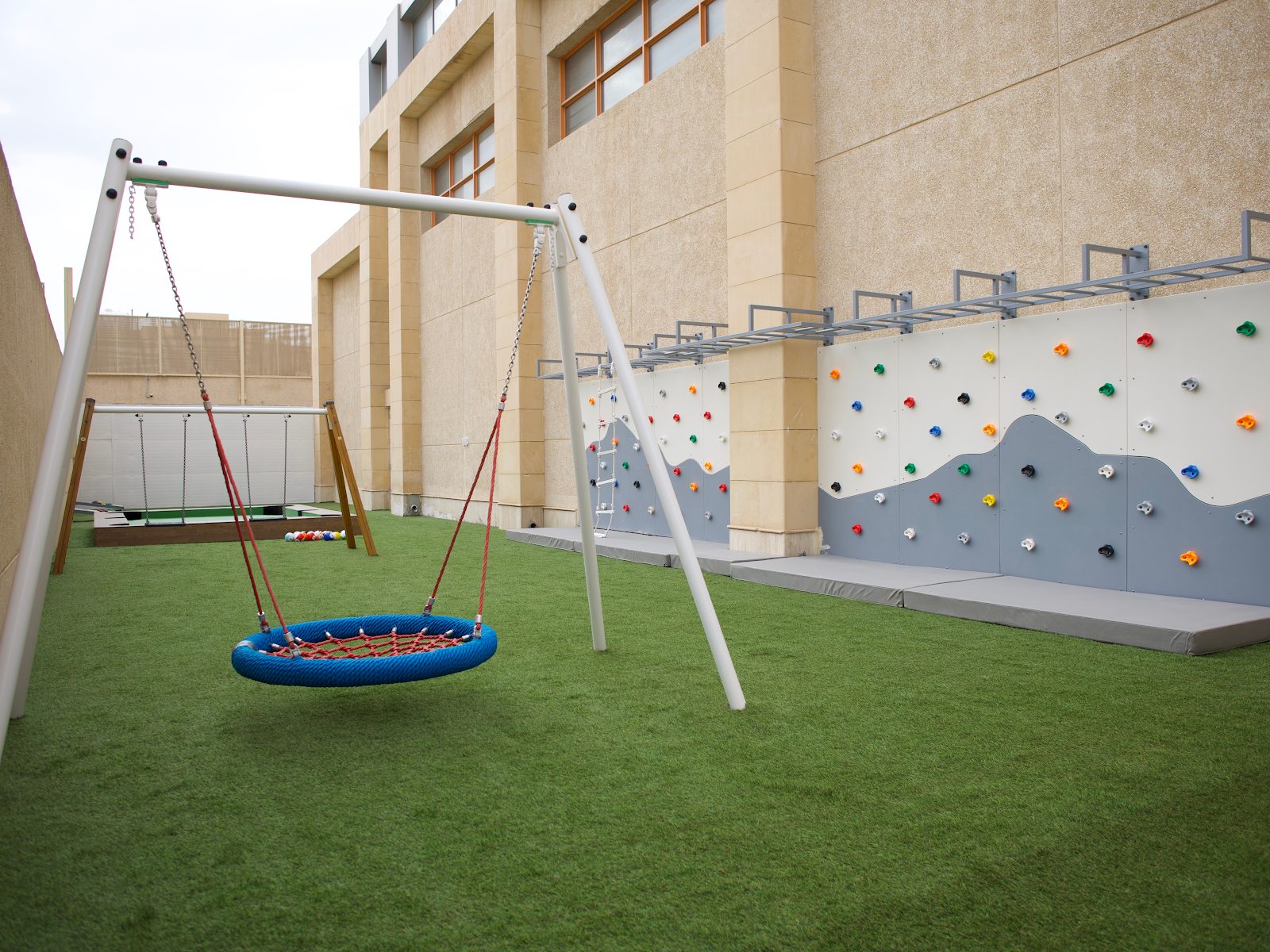
Aldenham Riyadh
Riyadh · Saudi Arabia
A 425-year-old English school's owner-operated outpost in Riyadh's financial district pairs British rigour with strong Arabic studies.
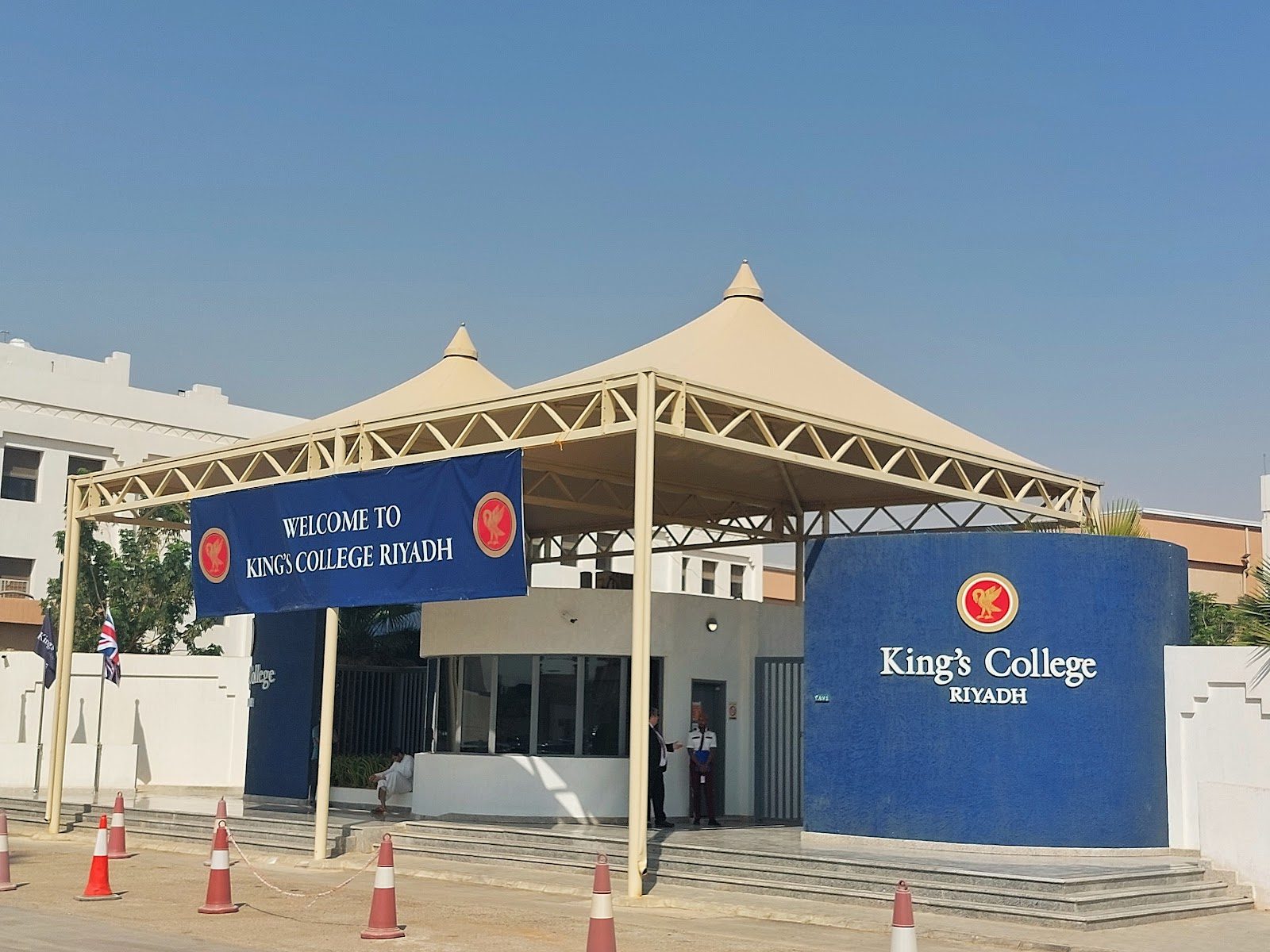
King's College Riyadh
Riyadh · Saudi Arabia
Riyadh's first British day school anchors a 140-year King's lineage in historic Diriyah, building toward iGCSE and A Level provision.
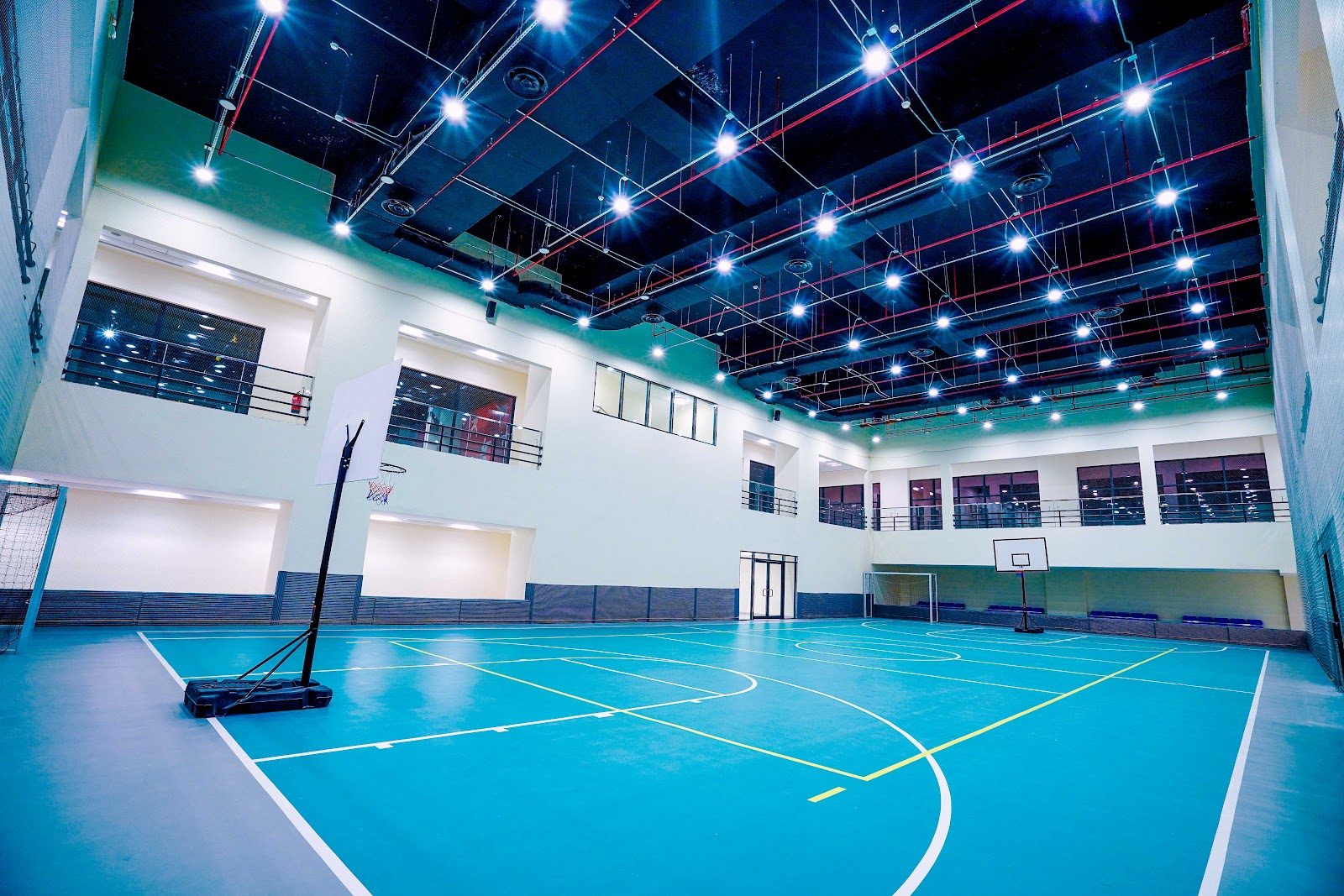
Downe House Riyadh
Riyadh · Saudi Arabia
A century-old Berkshire girls' school transplanted to Riyadh, blending British rigor with Arabic and Islamic studies from Year 5.
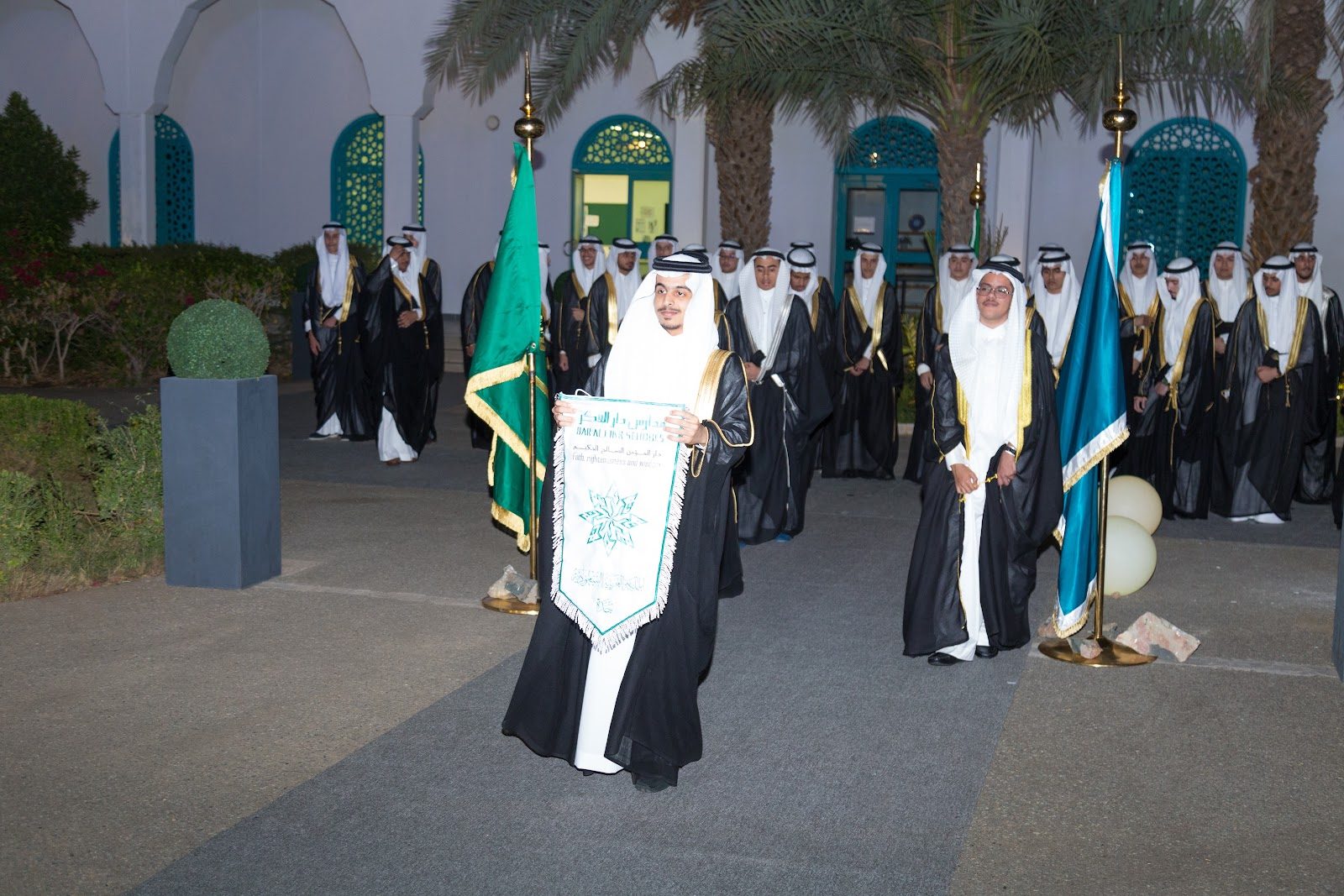
Dar Al Fikr Schools
Jeddah · Saudi Arabia
A campus engineered like a solar system, with faith as the fixed center around which British rigor and Arab-Islamic identity orbit.
Same country and curriculum — closest matches within ±10 points either way