
Greater London
Tiffin School
medium confidence· 5/6 cats · 2 avg sourcesNo fees, no let-up: a Kingston grammar school where two-stage testing turns 2,000 hopefuls into a class of 180.
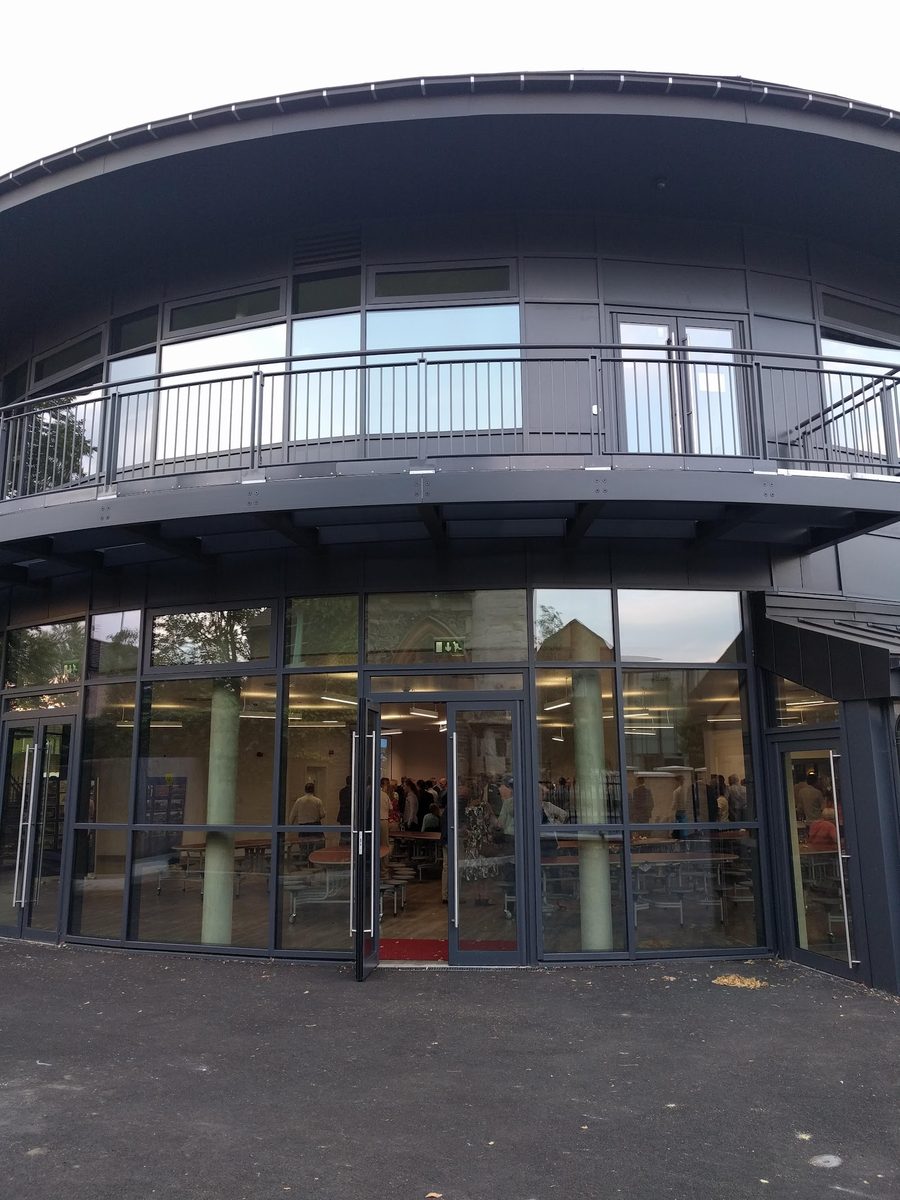
Photo © Robert Houghton via Google Maps
Type
Day
Ages
11–18
Curriculum
British
Ratio
14:1
The Verdict
Editor's commitment
Right for
Academic boys aiming high: 175 leavers in 2024, 89% to top-100 universities, with 12 to Imperial and 11 to Oxbridge.
Wrong for
Families wanting small-scale attention: this is a 1,400-pupil grammar school, average class size 27, with a 14:1 student-teacher ratio.
Watch out for
Entry is ruthless: the school’s own tagline starts with 2,000 hopefuls for 180 places, and the sixth form is mixed while 11–16 stays boys-only.
Ranking breakdown
Tiffin School · #469 of 1591
Composite score 69.3. 8 weighted criteria.
By criterion
Academic Outcomes
Weight 20%
#66
of 1529 scored
University Placement
Weight 16%
#136
of 1529 scored
Prestige & Heritage
Weight 12%
#212
of 1571 scored
Alumni Network
Weight 12%
#1369
of 1530 scored
Facilities
Weight 12%
#808
of 1533 scored
Transparency & Communications
Weight 8%
#254
of 1532 scored
Peer & Industry Review
Weight 10%
#250
of 1548 scored
Admissions Selectivity & Demand
Weight 8%
#93
of 1529 scored
Score history
Tiffin School · 2026
Movement across 2024–2026. Peer average overlaid.
Overall — 2024–2026
69.3/ 100
▲ +22.1 vs 2025
year on year
Peer & Industry Review
How Tiffin School is regarded in the sector
68
Respected · medium confidence
Tiffin School stands among the most academically formidable state grammar schools in the London area, an institution parents and peer schools treat as a benchmark for what a non-fee-paying selective education can deliver. The Good Schools Guide's independent verdict calls it "an exceptional state school with a strong sense of community and culture of success" where pupils are described as feeling "lucky to be there" and "eager to do their best." Ofsted rates it Good overall with outstanding behaviour, attitudes and sixth-form provision, while independent performance-tracking places it around the top 3% of ranked English secondaries nationally. Its reputation rests almost entirely on results and fierce entry competition, roughly 2,000 candidates for 180 Year 7 places, rather than the specialist-press circuit that covers fee-paying independents, so its footprint in dedicated school-review publications remains narrower than that of comparable independent day schools.
Evidence sources
- Rob Green — Professional footballer, England goalkeeper
- Roger Norrington — Conductor, Music
- Jerome Flynn — Actor, Game of Thrones
Editors' overview
Tiffin School occupies a rare slot in the London market: a free academically selective day school with the outcomes, scale and co-curricular range that many fee-charging independents use as their selling point. Founded in 1880, it is a boys’ grammar school from 11 to 18, with girls joining in the sixth form, and it runs on a British curriculum in English. The proposition is blunt: fierce entry competition, high expectations once in, and no indulgence about work rate. For families who want serious academic pressure without school fees, Tiffin belongs near the top of the list.
What sets it apart is the combination of selective intensity and breadth. This is not a small hothouse. With nearly 1,500 pupils, average class size of 27 and a student-teacher ratio of 14:1, Tiffin operates at scale, yet still trades heavily on structure, houses, forms and a strong communal identity. The school’s own emphasis on clubs and societies matters here: parents are not buying a narrow exam factory, but a grammar school with a large co-curricular engine and established strength in performing arts and languages. The admissions reality is part of the appeal. A two-stage process that cuts roughly 2,000 candidates down to 180 Year 7 places creates a cohort used to competition before term even starts. That delivers high-octane classrooms, but it also means the school is not a gentle fit.
The results and destinations justify the attention. For the Class of 2024, 89% of leavers went to top-100 universities, with 11 to Oxbridge and Imperial College London the single biggest destination. That profile places Tiffin firmly in the camp of unapologetically ambitious state schools. Its alumni footprint adds range beyond academics, spanning science, the arts and elite sport. Parents who want a school that keeps open routes into medicine, engineering, humanities and top universities will find a clear track record. Parents who want extensive hand-holding, soft edges or a relaxed peer culture will not.
The student who thrives at Tiffin is bright, self-propelled and comfortable in a crowd of other able boys who also expect to do well. He needs stamina, not just raw ability: enough discipline to handle a demanding academic pace, and enough curiosity to use the school’s clubs, music, drama, sport or languages rather than treating them as decorative extras. Sixth-form entrants, including girls, need the same appetite for pace and competition. For the right child, Tiffin offers intellectual intensity, earned momentum and a formidable bargain. For the wrong one, it will feel relentless.
Academic Performance
Tiffin sits in the top flight of English state education on outcomes. Its university destinations tell the story clearly: this is a school that converts selective intake into serious academic delivery, not one that coasts on admissions prestige. For the most recent leavers, 89% progressed to top-100 universities, with 11 to Oxbridge and Imperial taking the largest single share. In the grammar-school market, that places Tiffin among the hard-driving academic operators that compete less with local comprehensives than with London’s strongest selective state schools and a good number of fee-charging independents. The school also publicises “exceptional” A-level results, but it does not publish the aggregate A-level or GCSE headline set that would let parents test that claim properly against peers.
That gap matters. In this part of the market, the sharpest schools put out clean top-line exam data: A*/A rates, top-grade GCSE proportions, subject spread, and multi-year trend lines. Tiffin’s public case rests more on destinations and reputation than on full results disclosure. That is not fatal; the destinations are strong enough to confirm real academic muscle. But it does leave the external picture less transparent than it should be for a school with this level of competition for entry. The broad verdict stands: Tiffin is an exam-intensive, high-output grammar school with outcomes that rank near the front of the state sector, even if its published exam data are thinner than the best-run peers.
Facilities
The headline facility story is breadth rather than polish. Tiffin is a large urban state grammar, not a country-campus independent, so parents should expect a site that works hard rather than one designed to impress on first glance. The school’s own emphasis on a “vast number of clubs and societies” points to the practical strength: enough teaching rooms, performance space, sports provision and shared areas to keep a big co-curricular programme moving well beyond the timetable. The specialist status in performing arts and languages also matters. At peer state grammars, those labels can be ceremonial; here they align with a school identity that gives music, drama, speaking and language work real institutional weight. For boys who want more than a narrow exam conveyor belt, that is a genuine asset.
Against fee-charging London independents, the facilities package is less luxurious, with none of the estate swagger, manicured grounds or architectural theatre that high fees buy. Against other high-performing state schools, the offer is stronger than average because the school combines scale with a wide activity base and a public commitment to co-curricular life that goes past tokenism. The trade-off is obvious: classes average 27, so no facility gets the benefit of intimate usage. Space has to absorb pressure. Parents choosing Tiffin for facilities alone will find solid, busy, high-use provision rather than indulgence. Parents choosing it for what those facilities enable — ambitious teaching, performance, sport and clubs at volume — will judge the campus more favourably.
For families who want serious academic pressure without school fees, Tiffin belongs near the top of the list
Prestige
Tiffin carries serious prestige in the English state sector because it does two things at once: it is hard to get into, and it converts that selectivity into outcomes that parents actually value. The school’s standing does not rest on glossy mythology or a niche specialism inflated into a brand. It rests on a long-established place in London’s grammar-school hierarchy, a large and visible alumni base, and a university destination record that keeps it in the conversation with the capital’s strongest selective schools. The sixth form’s draw adds to that status: families do not treat it as a local default, but as a high-stakes academic destination. In the state market, “free” and formidable rarely sit together this convincingly.
The limits are clear, and they matter to the rating. Tiffin does not enjoy the social cachet of the most famous London independents; outside selective-state circles, names like Westminster or St Paul’s still carry more instant recognition. Its public exam reporting is also thinner than a school with this reputation should allow. Even so, the prestige score stays high because the underlying signals are strong: 89% to top-100 universities, 11 Oxbridge places in the latest leavers’ destinations, and a Wikidata floor of 51 notable alumni spanning science, the arts and elite sport. That mix gives Tiffin earned prestige: less polished than the grand independents, but academically weighty, socially mobile and taken very seriously by families who know the market.
For the Class of 2024, 89% of leavers went to top-100 universities, with 11 to Oxbridge and Imperial College London the single biggest destination
Communications
Tiffin communicates like a big, tightly run state school: formal, regular and centred on the website, newsletters and routine parent-facing notices rather than polished relationship management. The public-facing structure is clear. Parents get a dedicated area for reports, governance, policies, privacy notices, inspection documentation and the Parents’ Association, alongside a steady stream of dated news items and the Head’s newsletter. That matters. Schools with weak parent communication bury operational detail or let updates go stale; Tiffin does neither. The school also gives parents a visible route into institutional life through governance and foundation pages, which adds a layer of useful transparency beyond day-to-day announcements. For a school educating close to 1,500 pupils, that degree of order is not optional; it is basic competence, and Tiffin delivers it.
The limitation is tone. This is not a hand-holding school, and its communications fit that culture. Parents looking for warm, highly personalised messaging or a concierge-style flow of reassurance will not get it here. The school’s public voice is confident, brisk and unapologetically institutional, with plenty of emphasis on standards, events and student activity. That works for families who value clarity and structure over charm. It works less well for those who want granular public reporting on outcomes; the same school that keeps its notices current still leaves exam disclosure thinner than it should be. So the verdict is mixed in a precise way: operational communication is disciplined and effective, but strategic transparency stops short of best-in-class.
Uniqueness
What makes Tiffin distinctive is not one gimmick but a rare combination: selective-state severity on entry, a big-school operating scale once inside, and a co-curricular life that extends beyond the usual grammar-school script. Many academically selective schools are either intimate hothouses or broad but uneven comprehensives. Tiffin sits in neither camp. It takes a heavily filtered intake and then educates that cohort in a large, structured environment with houses, forms and enough institutional heft to sustain serious activity outside lessons. The presence of girls in sixth form changes the tone at the top of the school as well; it prevents the oldest years from feeling socially narrow and gives the senior phase a more mixed, adult atmosphere than the lower school.
For students, that mix brings clear benefits. They get the competitive charge of a grammar-school classroom without being trapped in a joyless exam silo. The school’s established weight in performing arts and languages broadens the offer for boys whose strengths are not confined to maths and science, and it gives articulate, stage-confident, outward-facing pupils more room than many selective state peers manage. At the same time, the large cohort and average class size of 27 demand independence. No one gets spoon-fed. The gain is resilience, pace and peer stretch; the cost is that quieter or less self-directed children can get lost in a demanding machine. For the right student, that machine is unusually effective.
Parents who want a school that keeps open routes into medicine, engineering, humanities and top universities will find a clear track record
Student Profile
The Tiffin pupil is academically fast, competitive and unbothered by being surrounded by other bright children. This is a school for boys who gain energy from pace, comparison and high expectations, not for those who need constant reassurance that they are doing fine. The intake process already filters hard, and life inside the school rewards organisation, stamina and the confidence to hold ground in large classes. A child who enjoys argument, reads beyond the syllabus, volunteers answers and treats strong peers as fuel will fit well. A child who wilts under pressure or needs heavy adult prompting will find the place hard-edged and unforgiving. The social fit matters too: this is a big institution with many moving parts, so students need the self-command to navigate it without expecting close shepherding at every turn.
Fit also depends on whether a boy wants more than marks. Tiffin’s public identity gives real weight to clubs, societies, performing arts and languages, so the strongest fit is an able student with range: musical, articulate, stage-ready, sporty, intellectually curious, or at least willing to join in rather than hide behind homework. Sixth formers need the same appetite, with girls joining a senior culture that is more mixed and more adult than the lower school. The best Tiffin students are not merely clever; they are self-propelled, busy by instinct and comfortable in a school where 180 places attract around 2,000 hopefuls. That ratio tells you the culture before the first lesson starts.
Tiffin sits in the top flight of English state education on outcomes
Co-curricular strengths
Arts & sport, on a separate axis
Overall 8/10
Scored 0-10 from the school's own published evidence. This axis is editorial-only — it does not feed the main WTS ranking.
Sports
8.8/10
A 29-acre sports site at Grist's with facilities for rugby, athletics, football and cricket, plus a boat club, sports hall and all-weather AstroTurf pitch, which evidences multiple dedicated facilities and regular sporting provision.
Drama
8.5/10
Drama explicitly, annual large-scale oratorio performances at the Rose Theatre or school sports hall, and the school has several notable acting/comedy alumni, giving recurring productions plus alumni pedigree.
Dance
5.5/10
Music
9.2/10
A prestigious choir, several ensembles including swing band and symphony orchestra, annual oratorio performances accompanied by major orchestras, and the Tiffin Boys' Choir performing at the Royal Opera House, Royal Festival Hall and Barbican, which amounts to sustained high-level external recognition.
Visual Arts
8/10
Specialist art teaching spaces, the school has specialist status in performing arts, and Wikipedia identifies notable visual-arts alumni including painter John Bratby, which supports a clear art programme with some pedigree.
Editor first-pass · editor-reviewable · 7/28/2026
Outcomes & destinations
Where students go next
Editorial estimateClass of 2024
175 graduates
A-Level distribution
100% covered
- A*40%
- A33%
- B23%
- C4%
Top destinations
56 placements
- Cambridge· 6
- Oxford· 5
- Imperial College London· 12
- UCL· 10
- Warwick· 8
- Durham· 6
- Bristol· 5
- Nottingham· 4
Kingston-upon-Thames boys' selective state grammar.
Editor-approximated from the school's own leavers report. Awaiting school-attested figures.
Notable alumni · Wikidata
51notable alumni
14 historic (born pre-1930) · 13 modern (born post-1970)wikidata:2026-07-28 How we source this
The story in one line
73% to top-third universities·from a cohort where 3.4% of pupils are eligible for Free School Meals
FSM is the Department for Education's headline marker of low household income (pupils whose families claim income-based benefits). It's the fairest lens for a school's true value-add: a school with a wealthier intake gets a head start; a school achieving strong outcomes with a broader FSM base is doing more of the work itself. DfE-verified progression (Russell-Group-adjacent). Punching above weight
DfE-verified statistics
Official GCSE data · 2024/2025
Progress 8
—
Value-added score. State-schools only; 0 = expected progress, +1 = one grade above.
Attainment 8
79.1
Average grade across 8 GCSEs (score out of 90). National ≈ 46.
EBacc average score
7.61
Avg grade across the 5 EBacc pillars (English, Maths, Sciences, Language, Humanity).
EBacc slots filled
3
How many of the 5 EBacc pillars pupils typically enter (max 5).
Cohort · Pupils on roll
924
Free school meals
3.4%
English as additional language
31.7%
A-Level attainment
Cohort · 2023/24
Avg A-Level grade
A
APS per entry: 49.21
Best 3 grade
A
Best-3 APS: 49.73
≥ AAB + 2 fac.
66.8%
Russell-Group predictor.
Progress (value-added)
+0.19
Above average
Sixth-form destinations
Leavers · 2021/2022
Any HE
100%
Sustained a level-4+ destination.
Degree
91%
Sustained degree study.
Top-third HE
73%
The top-third universities (Russell-Group-adjacent).
URN 136910Verified · DfE 2024/2025
Official inspection
Ofsted report · 2022
Inspectorate
Ofsted
The UK's official inspectorate for state-funded schools.
Latest report
21 September 2022
Ofsted inspection
Read it in full
Official reportVerified · OfstedSource-of-truth
Strengths
- +As a state grammar school, Tiffin charges no tuition fees, making it a genuinely no-cost option for academically selected families.
- +Strong public examination outcomes: 40% of A-level grades were awarded at A* in 2024, and 89% of leavers progressed to top-tier universities.
- +World-class music provision and elite sport (including cricket, rowing and rugby) sit alongside a co-curricular programme of more than 70 clubs and societies.
- +The sixth form is co-educational, admitting girls from age 16 even though the main school (Years 7 to 11) is boys-only.
- +The school publicly publishes its GCSE and A-level results on its own website, offering transparency on outcomes.
Considerations
- −Single-sex for the compulsory years (ages 11 to 16); girls are only admitted into the sixth form, which limits mixed schooling for younger boys.
- −Entry is via a highly competitive two-stage 11+ exam, with only around 180 places against a large applicant pool, demanding significant test preparation.
- −As a state school with priority-area admissions rules (broadly within 10km), families relocating from overseas without an established local address may find it harder to secure a place.
- −Located in Kingston upon Thames, on the south-western edge of London, which is a longer commute for families based in central or north London.
- −No boarding provision, which may not suit overseas families expecting residential facilities from a traditional British name.
Availability
Primary entry gate & tests
11+ Stage 1 & 2 Exams (Boys)
Gallery
Photo © Lucas Warsop via Google Maps
Photo © Mark Haines via Google Maps
Recommended reading
Independent write-ups of this school from editorial outlets we trust.
- Tiffin SchoolGood Schools Guide
Parent reviews
Have you sent your child here?
Voice reviews carry the strongest trust badge — we transcribe them for you to tidy up before they go live. Prefer to type? A written review is fine too.
Add your voice
In 60 seconds, tell other parents: what's the best thing about Tiffin School, and what surprised you when your child joined?
We ask for a Google sign-in so every review has a real face behind it — no anonymous drive-by attacks on schools, and no faked positive reviews. Your email is never shown publicly.
Send this profile to a friend
International parents rely on word-of-mouth. Share this review with someone weighing the same decision.
Schools with places
Similar schools to Tiffin School with places available now.
University College School
London · United Kingdom
- 2026-27
- CLOSEDStandard route
- 2027-28
- PLACES OPEN11+ (9 Nov); 16+ (28 Sept)
City of London School
London · United Kingdom
- 2026-27
- CLOSEDStandard route
- 2027-28
- PLACES OPEN11+/16+ Active
Latymer Upper School
London · United Kingdom
- 2026-27
- CLOSEDStandard route
- 2027-28
- PLACES OPENCloses Nov
St Paul's Girls' School
London · United Kingdom
- 2026-27
- CLOSEDStandard route
- 2027-28
- PLACES OPEN11+ Nov 6 / 16+ Sept 25
Availability first, then country, area, curriculum, price, co-curricular
Consider also
Also worth looking at alongside Tiffin School.
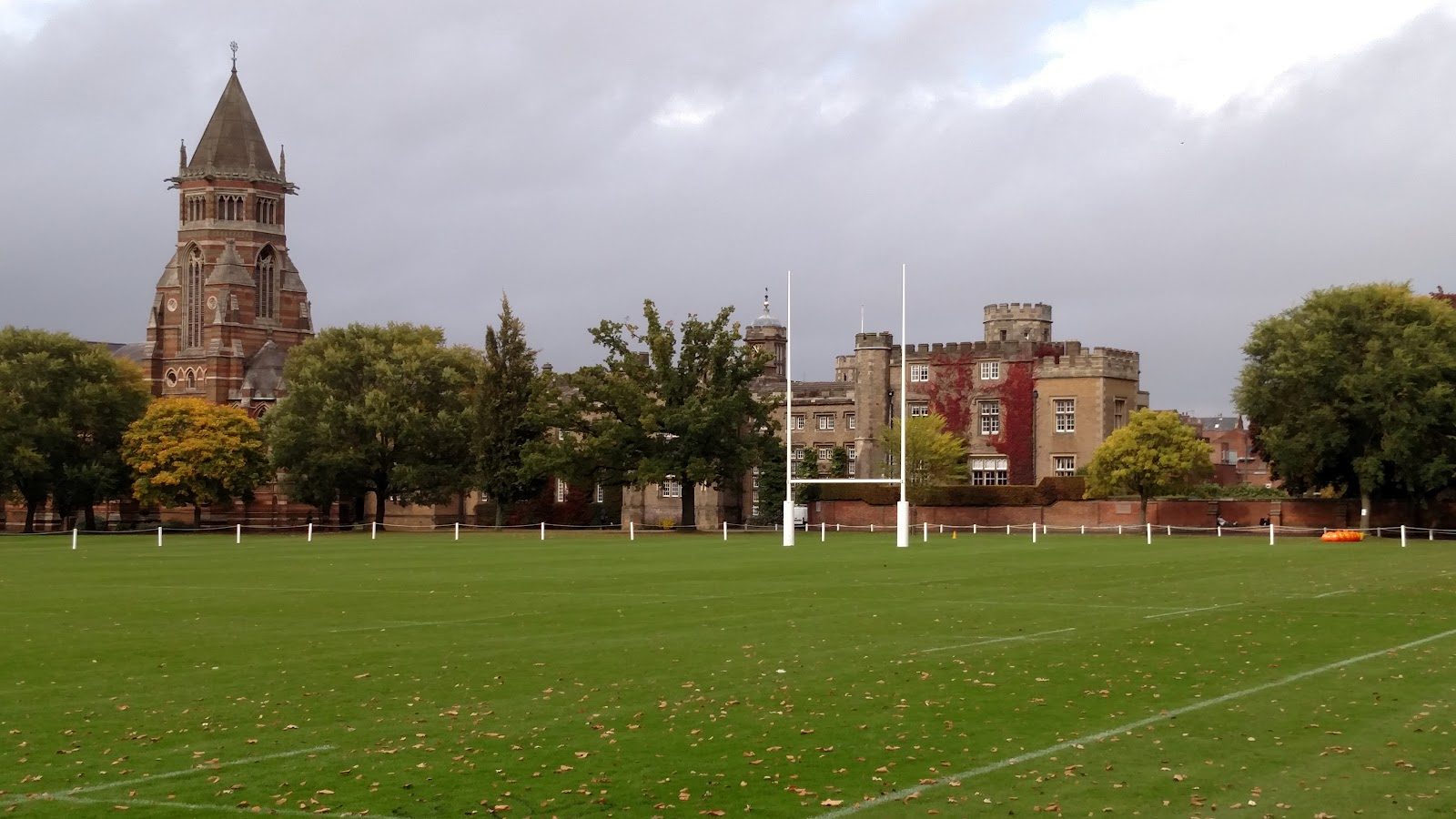
Rugby School
Rugby · United Kingdom
The Warwickshire close where a schoolboy's 1823 sprint with the ball gave rugby its name and its game.
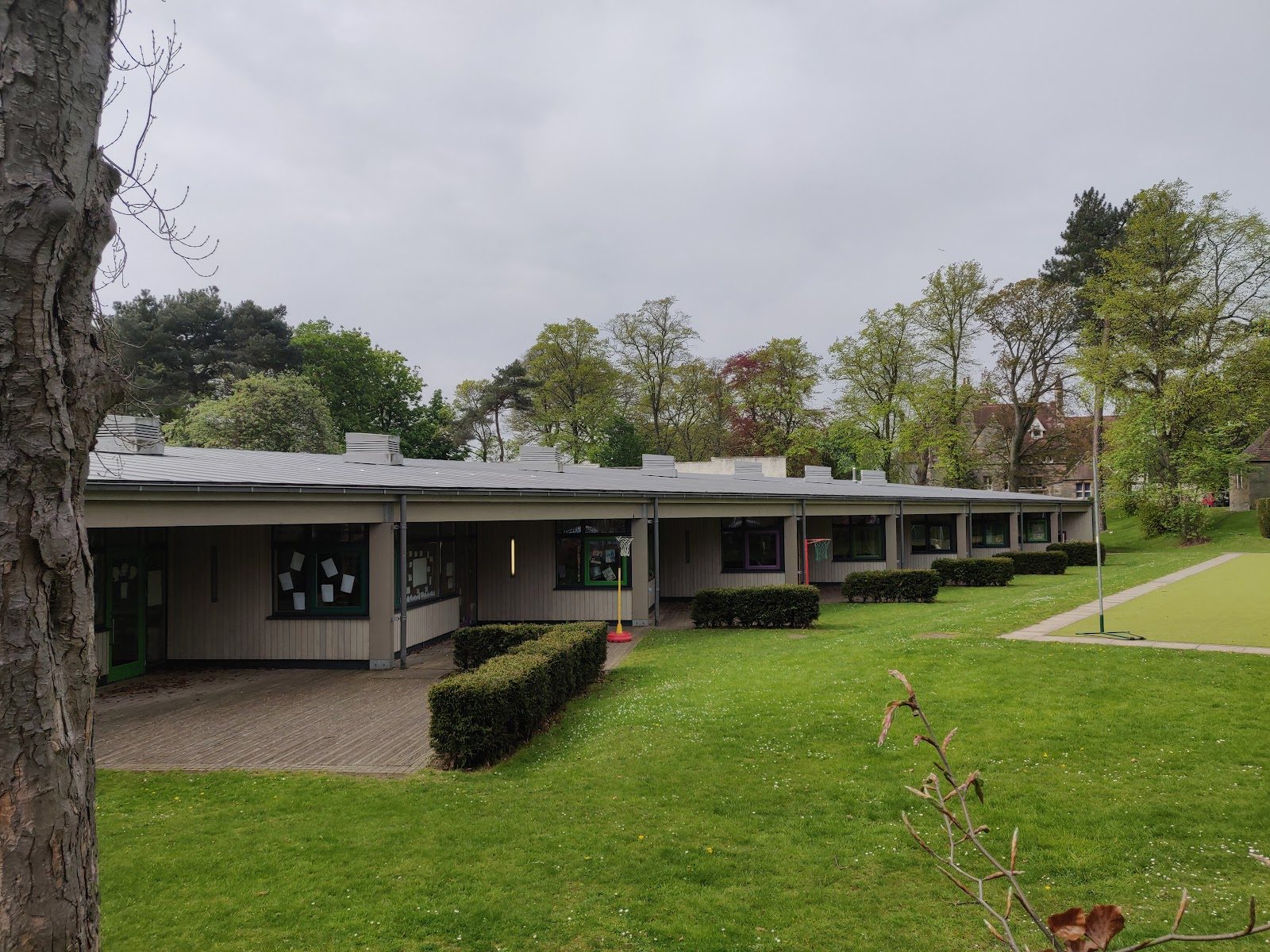
Fettes College
Edinburgh · United Kingdom
Gothic turrets said to have inspired Hogwarts frame Scotland's only sixth form pairing A Levels with a full IB Diploma pathway.
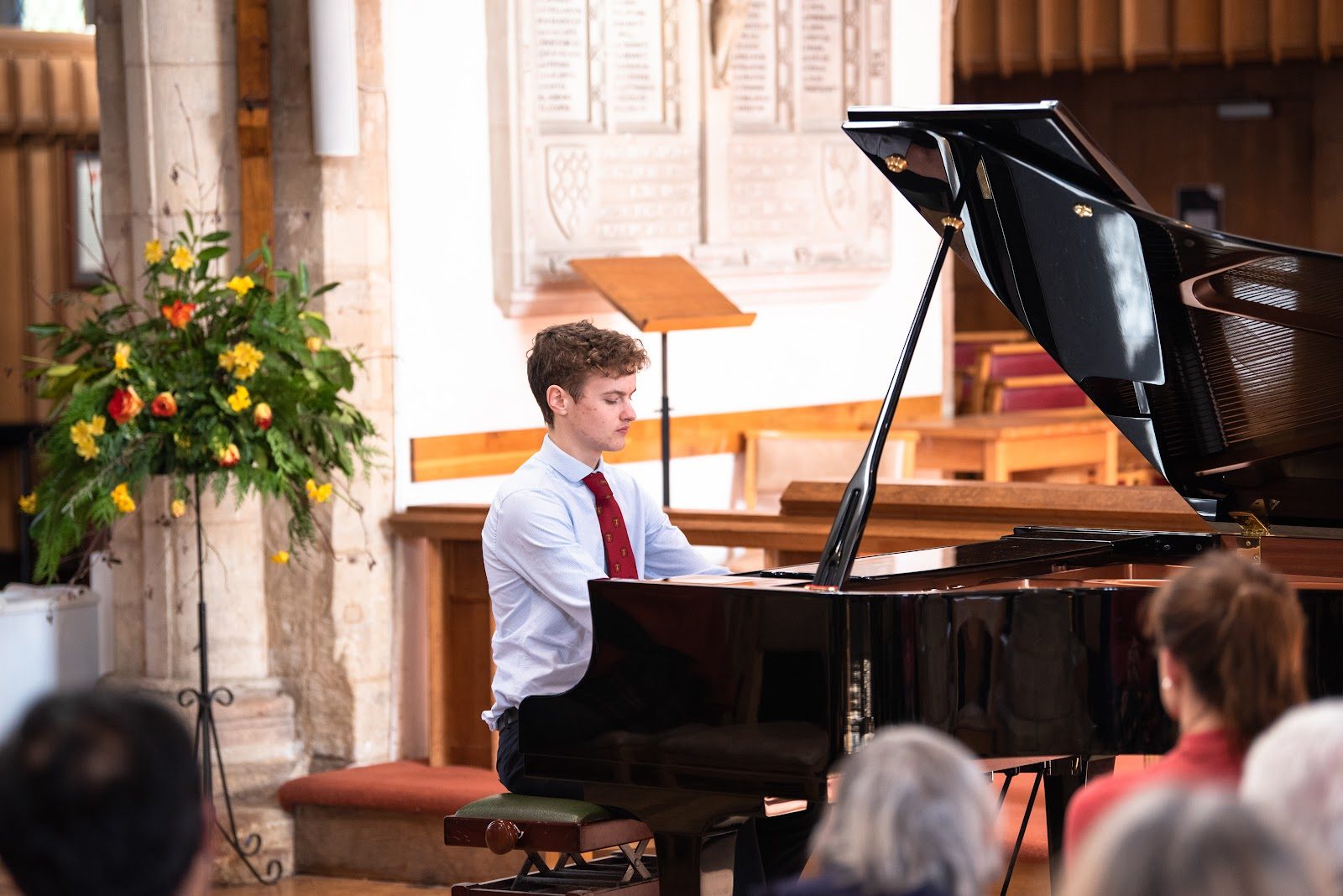
Oundle School
Oundle · United Kingdom
Boarding houses woven into a historic market town, and an engineering centre that 3D-prints titanium and carbon fibre.
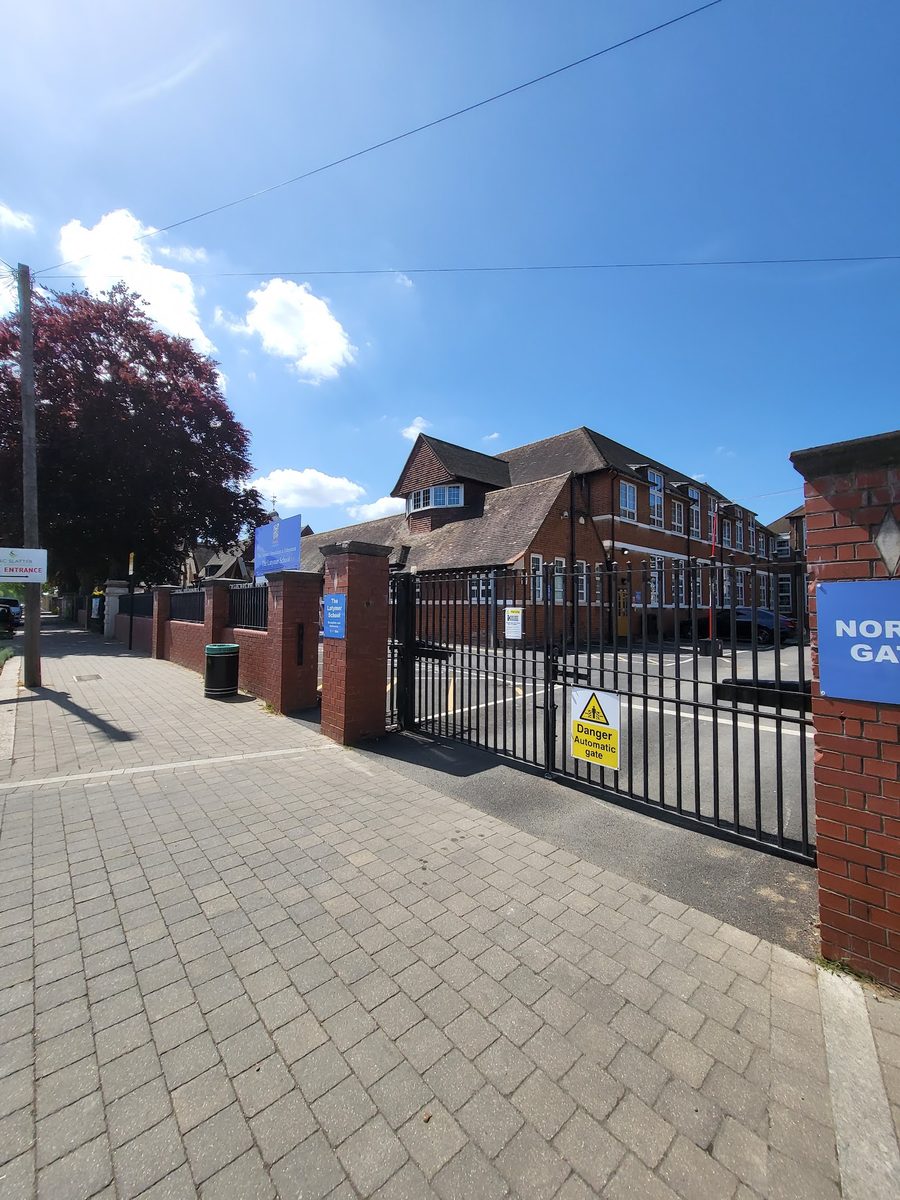
The Latymer School
London · United Kingdom
A 400-year-old state grammar in Edmonton where over 1,000 applicants compete yearly for just 192 places, with Cambridge college endowments still funding leavers.
Same country and curriculum — closest matches within ±10 points either way