
Stockholm County
Kulturama Gymnasium
Under one Hammarby Sjostad roof, the Nordic region's largest arts upper-secondary stages roughly 300 student productions each year.
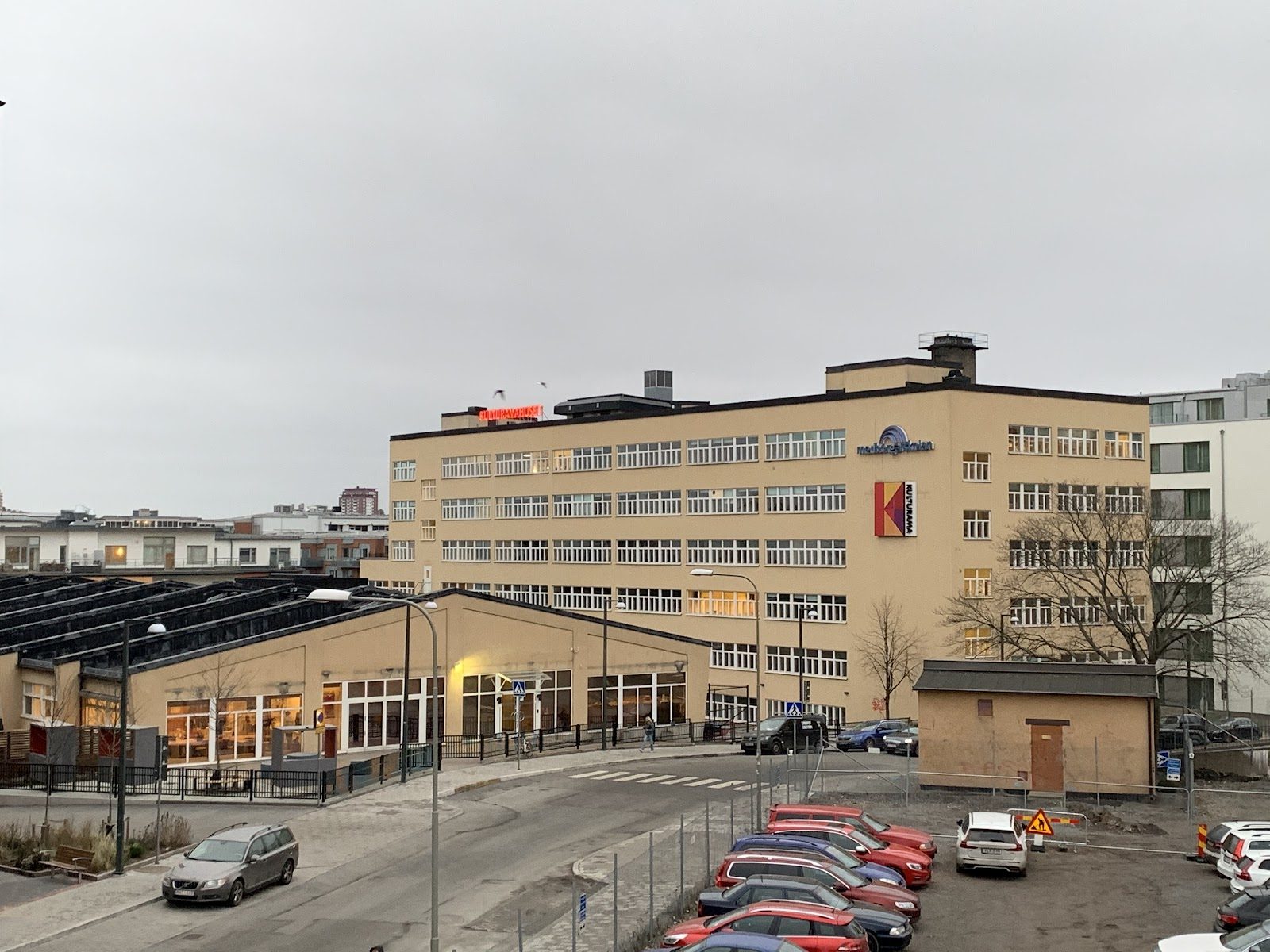
Photo © Fredrik Karlsson via Google Maps
Type
Day
Ages
16–19
Curriculum
Swedish Upper Secondary School Diploma
Ratio
—
The Verdict
Editor's commitment
Right for
Sixth-formers aged 16–19 who want the Swedish Upper Secondary School Diploma inside Stockholm's Hammarby Sjostad arts machine.
Wrong for
Families wanting English-medium teaching, boarding, or a conventional academic sixth form; Kulturama is Swedish-language, day-only and arts-led.
Watch out for
The school stages roughly 300 student productions each year; that scale drives the culture, and published academic outcomes are absent.
Ranking breakdown
Kulturama Gymnasium · #1540 of 1591
Composite score 45.8. 8 weighted criteria.
By criterion
Academic Outcomes
Weight 20%
#1002
of 1529 scored
University Placement
Weight 16%
#305
of 1529 scored
Prestige & Heritage
Weight 12%
#1557
of 1571 scored
Alumni Network
Weight 12%
#1223
of 1530 scored
Facilities
Weight 12%
#1531
of 1533 scored
Transparency & Communications
Weight 8%
#1525
of 1532 scored
Peer & Industry Review
Weight 10%
#1547
of 1548 scored
Admissions Selectivity & Demand
Weight 8%
#1155
of 1529 scored
Peer & Industry Review
How Kulturama Gymnasium is regarded in the sector
50
Credible · low confidence
Recognised within Swedish film-education circles as a credible feeder for domestic media/arts higher education, but carries little to no recognition among international film industry professionals.
Award
Elite Film 50
World's Top School · The Global Ranking
Kulturama Gymnasium is featured on our Global Top 50 ranking at #25. This seal is available for the school's marketing team to use on their website, prospectus and social channels.
Editors' overview
Kulturama Gymnasium occupies a clear niche in Stockholm: a Swedish Upper Secondary School Diploma school for students aged 16–19 who want the mainstream academic track delivered inside a serious arts environment. The decisive point is scale. Under one Hammarby Sjöstad roof, this is the Nordic region’s largest arts upper-secondary, staging roughly 300 student productions each year. That volume matters. It means performance, rehearsal, critique and public presentation are not decorative extras; they are part of the school’s operating rhythm. For families comparing Swedish gymnasiums, Kulturama belongs on the shortlist if a teenager wants arts training embedded into daily school life rather than bolted on after hours. The attraction is obvious: constant creative output, a working artistic culture, high-volume stage experience.
What is special here is not academic novelty; it is concentration. The curriculum is the Swedish Upper Secondary School Diploma, taught in Swedish, and the school is secular and day-only. The distinction lies in the density of artistic activity and the peer group it attracts. A teenager who wants to sing, act, dance, make, rehearse and perform alongside others with the same appetite will find that Kulturama offers serious immersion and an unusually committed cohort. That also brings pressure. A school built around arts production suits students who gain energy from visibility, deadlines and ensemble work. It suits them less well if they want a quiet, anonymous sixth form experience.
Parents should also read the proposition with clear eyes. This is not the right fit for every able student in Stockholm. A child whose interests sit firmly outside the arts, or who wants a broad international curriculum in English, should look elsewhere. Kulturama’s value rests on specialisation, and specialisation narrows as well as enriches. For the right student, that narrowness is the point: creative intensity, professional-style repetition, and a school week shaped by making work, not just discussing it. The best fit is a 16–19-year-old who already knows that artistic practice is central to their identity and wants a school where that commitment is treated as normal, daily business, not a hobby.
A Global Elite 50 Film school
Kulturama Gymnasium, housed in the purpose-built Kulturamahuset in Hammarby Sjostad, Stockholm, sits at rank twenty-five on the Global Elite 50 Film. The anchoring fact is unambiguous: Kulturama Filmgymnasium has been named "Basta Filmskola" (Best Film School) at Sweden's short film festival, Sveriges Kortfilmsfestival, in 2013, 2014, 2016 and 2017, a recognition no other Swedish upper-secondary film pathway has repeated as often.
The specialism runs through the Estetiska programmet's Film profile, where students work toward "a hign teknisk mognad" in script, direction, cinematography, sound and editing, with fiction filmmaking as the grounding discipline. Facilities include dedicated edit suites, a film studio, an equipment store, a computer lab and costume storage, with generous access seven days a week outside timetabled hours, school-issued Mac laptops loaded with the Adobe CC suite, and post-production finished in Premiere Pro and DaVinci Resolve. The gymnasium track feeds directly into Kulturama's own post-secondary two-year vocational Film 1 and Film 2 programs in the same building, and the school reports strong placement of graduates into Stockholms Konstnarliga Hogskola (SKH), HDK-Valand, Den Danske Filmskole and Den norske filmskolen.
On recognised talent, Josua Enblom, a former Kulturama film student who now returns as a guest instructor, won the 2024 Guldbagge Award for Best Cinematography for "Syndabocken," Sweden's national film award. Editing instructor Robert Krantz, who teaches on the same film program, won the corresponding Guldbagge for Best Editing on the same film, underlining a faculty-alumni feedback loop rare at secondary level.
International openness here is honest but limited. Instruction is delivered in Swedish, admission runs through Gymnasieantagningen Storsthlm with a mandatory skills test for the Film profile, and the school is day-only with no boarding provision. As a publicly funded fristaende gymnasium, tuition is free for pupils registered in a Swedish municipality, meaning overseas families must secure residency before applying rather than paying an international fee. A newly launched Erasmus+ exchange with the film section of Lycee Rotrou in Dreux, France, signals a growing international dimension. Families relocating to Stockholm should register residency and prepare the skills-test portfolio at least a year ahead of the winter application window.
Academic Performance
Kulturama Gymnasium does not publish the exam data a parent needs for a hard academic judgement. We have not seen aggregate grade distributions, national comparison tables, university entrance outcomes, or programme-level completion figures in the public domain. That leaves a conspicuous gap at the centre of any performance review. For a school with a strong identity and heavy specialisation, opacity on external results matters. Families can judge the artistic proposition with ease; they cannot judge academic outcomes with the same confidence. Against Swedish upper-secondary peers that publish clear attainment data, Kulturama sits in the less transparent camp.
That does not amount to weak results; it amounts to unproven results. Those are different things, and parents should treat them differently. A specialist arts school can deliver solid diploma outcomes, but the case needs evidence. Here, the public case rests on ethos and scale of creative activity rather than on disclosed examination performance. That places Kulturama in a distinct segment: high-commitment arts education with thin public accountability on academics. For the right student, that trade-off may be acceptable. For families comparing selective or academically exacting gymnasiums, it is a real limitation. In blunt terms, Kulturama offers a vivid account of school life and no published academic scoreboard.
Facilities
The core facility question here is simple: does the school give arts students enough real working space to practise at tempo? On that measure, Kulturama has a strong case. The school’s identity rests on performance, rehearsal and making, so the important facilities are not ornamental libraries or prestige architecture but the rooms that keep creative work moving: stages, rehearsal areas, studios and teaching spaces that can absorb a heavy flow of productions without collapsing into timetabling chaos. A school handling 300 productions a year needs a hard-working physical plant, not a glossy showpiece. Against peer arts upper-secondaries, that operational intensity places Kulturama in the serious-use category. Students are not waiting all term for one annual showcase; they are working in spaces built for repeated public output.
The caveat is that the school does not publish the kind of detailed facilities breakdown that would let parents test quality room by room. We have not seen a full inventory of specialist theatres, music suites, dance studios, workshop spaces, recording provision or technical resources in the public domain. That limits hard benchmarking against rival specialist schools that disclose square footage, venue counts and equipment lists. Even so, the scale of artistic activity points to facilities that are functionally strong and used with real pressure. Families choosing between arts schools should focus less on whether the campus feels grand and more on whether it sustains constant rehearsal culture and high-frequency production life. On that narrower, more important standard, Kulturama looks well equipped.
Kulturama Gymnasium does not publish the exam data a parent needs for a hard academic judgement
Prestige
Kulturama Gymnasium carries real prestige in a narrow field, not broad social cachet across the whole Stockholm schools market. Its name has weight with families and students who care about performance, rehearsal discipline and serious artistic training inside mainstream upper-secondary education. The source of that status is not elite admissions mythology or published academic dominance. It is output. A school that mounts 300 student productions a year builds visibility, internal standards and a reputation for hard practice. That quantity creates something many arts schools claim and few sustain: constant exposure, public proof of work and a professionalised creative tempo. Among specialist arts options, that confers distinction.
The limit is clear. Prestige here is vocational and cultural, not universal. Families chasing old-guard academic prestige, selective intellectual branding or internationally portable status markers will not find them here. The school’s public identity rests on artistic immersion, and that gives it a strong but bounded reputation. It is prestigious for the teenager who wants to live in studios, rehearsal rooms and performance spaces; less so for the family that wants a school name to signal all-round academic supremacy. That is not a flaw. It is the exact shape of Kulturama’s standing: high-status within its lane, unmistakably specialised, and credible because the scale of creative work is visible rather than merely claimed.
Kulturama Gymnasium carries real prestige in a narrow field, not broad social cachet across the whole Stockholm schools market
Communications
Kulturama’s parent communications are functional, sales-led and thinner than they need to be for a school built on high commitment. The public-facing site gives a clear sense of the institution’s wider creative world — courses, schools, applications and a strong emphasis on expression and community — but it does less well on the information a parent of an upper-secondary student actually needs day to day. We have not seen a detailed parent-facing account of reporting cycles, assessment updates, pastoral channels, response times, key staff contacts or the rhythm of home-school communication. That matters. In a school where student work is public, collaborative and schedule-heavy, families need crisp logistics, clear lines of contact and no-nonsense operational detail. The current public communication profile is vivid on ethos and bluntly underpowered on process.
What works in its favour is focus. This is not a sprawling all-through institution with a muddled message; the creative identity is easy to grasp, and parents will understand the school’s priorities quickly. The website also handles practical digital functions such as applications and user settings, which points to a working administrative backbone rather than chaos. But effectiveness for parents rests on more than a smooth admissions journey. It rests on whether families can track expectations, deadlines, performance commitments and support routes without chasing the school for answers. On that stricter measure, Kulturama’s communications read as serviceable rather than exemplary. For a school running activity on this scale, that is a real weakness, not a minor cosmetic flaw.
Uniqueness
Kulturama’s distinctiveness lies in concentration, not breadth. Many schools run arts options alongside a general upper-secondary offer; here, the arts culture drives the whole day. That changes the peer group, the pace and the standard of participation. Students are surrounded by others who take rehearsal, critique and public presentation seriously, which creates a high-pressure creative norm that is hard to replicate in a conventional gymnasium. The headline production volume — 300 student productions a year — is not a decorative statistic. It means repeated cycles of preparation, exposure, correction and performance. For teenagers with artistic ambition, that brings real stage mileage, constant feedback and a working understanding of ensemble discipline. It also strips away the fantasy that creative education is all inspiration and no grind.
That environment gives students something more useful than a vague “creative atmosphere”: it gives them routine under pressure. They learn to deliver work to deadline, absorb criticism without collapse, and function inside shared productions where other people depend on them. Those habits transfer beyond the arts. At its best, Kulturama turns adolescent talent into practical resilience and professional tempo. The trade-off is plain. A school built on visibility and output suits confident makers and committed performers; it is not a refuge for drifters. Students who want to keep artistic practice at the edge of school life, or who dislike being seen, judged and pushed, will find the model unforgiving.
The student who fits Kulturama Gymnasium is not testing an interest
Student Profile
The student who fits Kulturama Gymnasium is not testing an interest. They already live through it. This school suits teenagers who want their days organised around rehearsal, practice, critique and public output, and who do not need coaxing into creative work. The peer group will skew toward the visibly committed: young performers, makers and collaborators who tolerate pressure, repetition and being assessed through what they produce, not just what they say. A student who likes anonymity, keeps extracurricular interests compartmentalised, or wants school to feel calm and low-stakes will struggle here. The pace is demanding, the culture exposed, and the standard of participation high because the school’s artistic life is constant rather than occasional.
The best fit is a teenager with stamina, self-discipline and a workable ego: enough confidence to get on stage or into critique, enough humility to take correction and go again. Ensemble-minded students will do better than prima donnas. So will those who can manage deadlines, shared responsibility and the social intensity that comes with frequent collaborative work. The school stages around 300 productions each year, and that volume shapes the student body as much as any formal admissions criteria. It draws and rewards students who want serious immersion, high-output training and a cohort that treats artistic ambition as normal. For the right child, that is liberating. For the wrong one, it is unforgiving.
Kulturama’s distinctiveness lies in concentration, not breadth
Co-curricular strengths
Arts & sport, on a separate axis
Overall 8.74/10
Scored 0-10 from the school's own published evidence. This axis is editorial-only — it does not feed the main WTS ranking.
Sports
4.5/10
Drama
9.8/10
Dance
9.8/10
Music
9.8/10
Visual Arts
9.8/10
Strengths
- +Runs the Aesthetic Programme (Estetiska programmet) with named orientations in Film & Media, Music, Theatre and Dance, allowing early creative specialisation.
- +As a Swedish friskola, it is funded through the national school voucher (skolpeng) system and charges no tuition fees to students.
- +Located in central Stockholm, giving students proximity to the city's professional film, media and performing arts scene for work placements and networking.
- +Specialist aesthetic gymnasier of this type typically maintain smaller cohort sizes in creative subjects than mainstream upper secondary programmes.
Considerations
- −Teaching follows the Swedish national curriculum and is delivered in Swedish, which disadvantages non-Swedish-speaking or newly arrived families.
- −Does not offer the International Baccalaureate or Cambridge pathways, limiting options for families expecting internationally transferable qualifications.
- −As a single-site day school it has no boarding facility, so it is unsuitable for families relocating without a Stockholm base.
- −Entry to the creative orientations generally requires both strong grundskola grades and an audition or portfolio, adding a layer of competitive selection beyond academics.
Gallery
Photo © Yana Holodyshyn via Google Maps
Photo © Radoslaw Kita via Google Maps
Photo © E P via Google Maps
Parent reviews
Have you sent your child here?
Voice reviews carry the strongest trust badge — we transcribe them for you to tidy up before they go live. Prefer to type? A written review is fine too.
Add your voice
In 60 seconds, tell other parents: what's the best thing about Kulturama Gymnasium, and what surprised you when your child joined?
We ask for a Google sign-in so every review has a real face behind it — no anonymous drive-by attacks on schools, and no faked positive reviews. Your email is never shown publicly.
Send this profile to a friend
International parents rely on word-of-mouth. Share this review with someone weighing the same decision.
Schools with places
Similar schools to Kulturama Gymnasium with places available now.
Availability first, then country, area, curriculum, price, co-curricular
Consider also
Also worth looking at alongside Kulturama Gymnasium.

School of Performing Arts Seoul
Guro, Seoul · South Korea
Once a night school for Guro's factory workers, now a state-designated arts academy shaping Korea's stage, screen and dance talent.
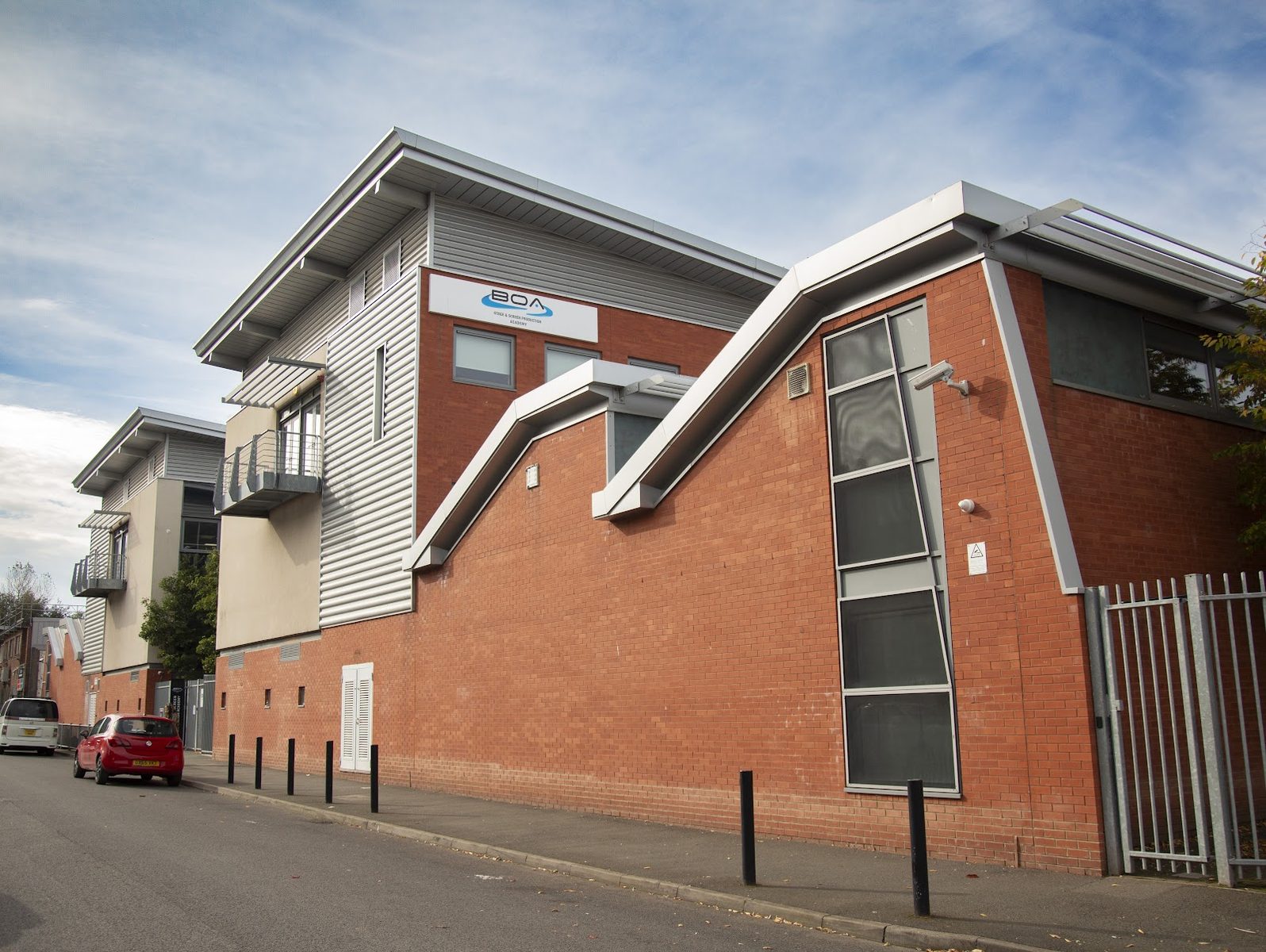
BOA Stage & Screen Production Academy
Birmingham · United Kingdom
In Birmingham's Jewellery Quarter, a 16-19 academy trains backstage talent for the BBC, the RSC and Birmingham Royal Ballet.
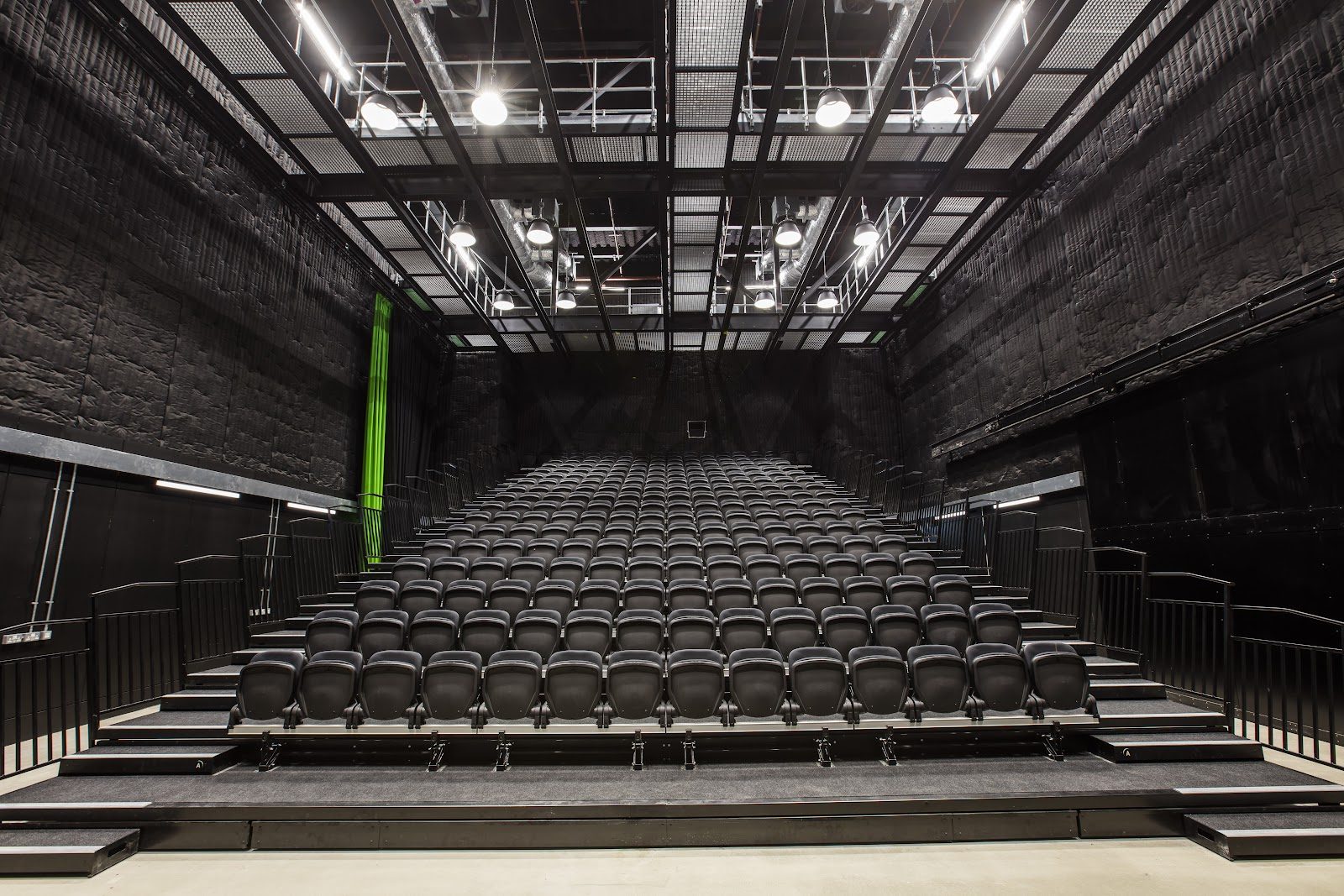
London Screen Academy
Islington, London · United Kingdom
Housed in a 1930s radio factory in Islington, this free sixth form trains students for screen careers via industry masterclasses.
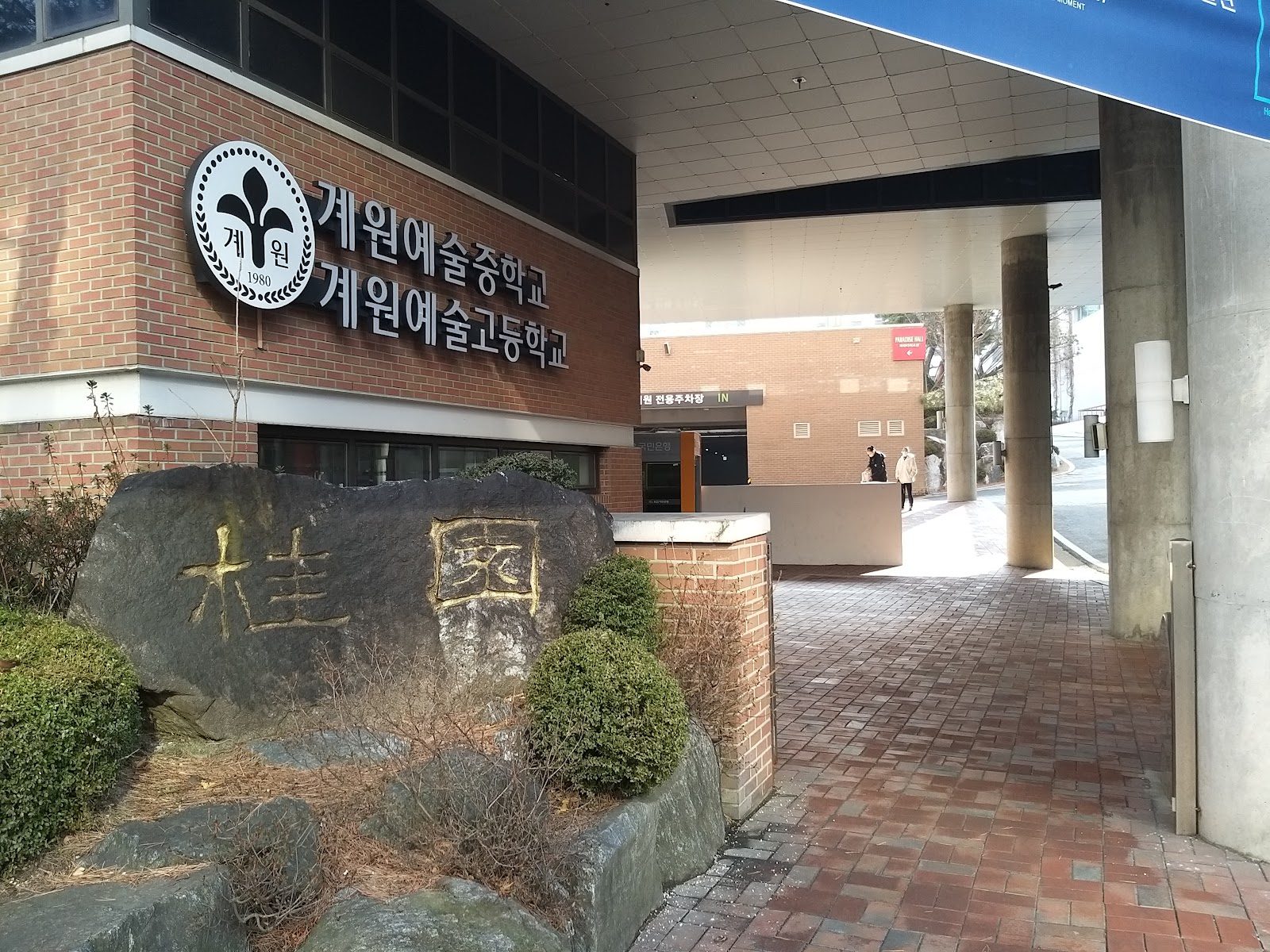
Kaywon High School of Arts
Uiwang, Gyeonggi · South Korea
Since 1980, a Gyeonggi campus splits fine art, music, dance and theatre into four dedicated conservatory tracks under one roof.
Same specialism, country and curriculum — closest matches within ±10 points either way