
Virginia
St. Stephen's and St. Agnes School
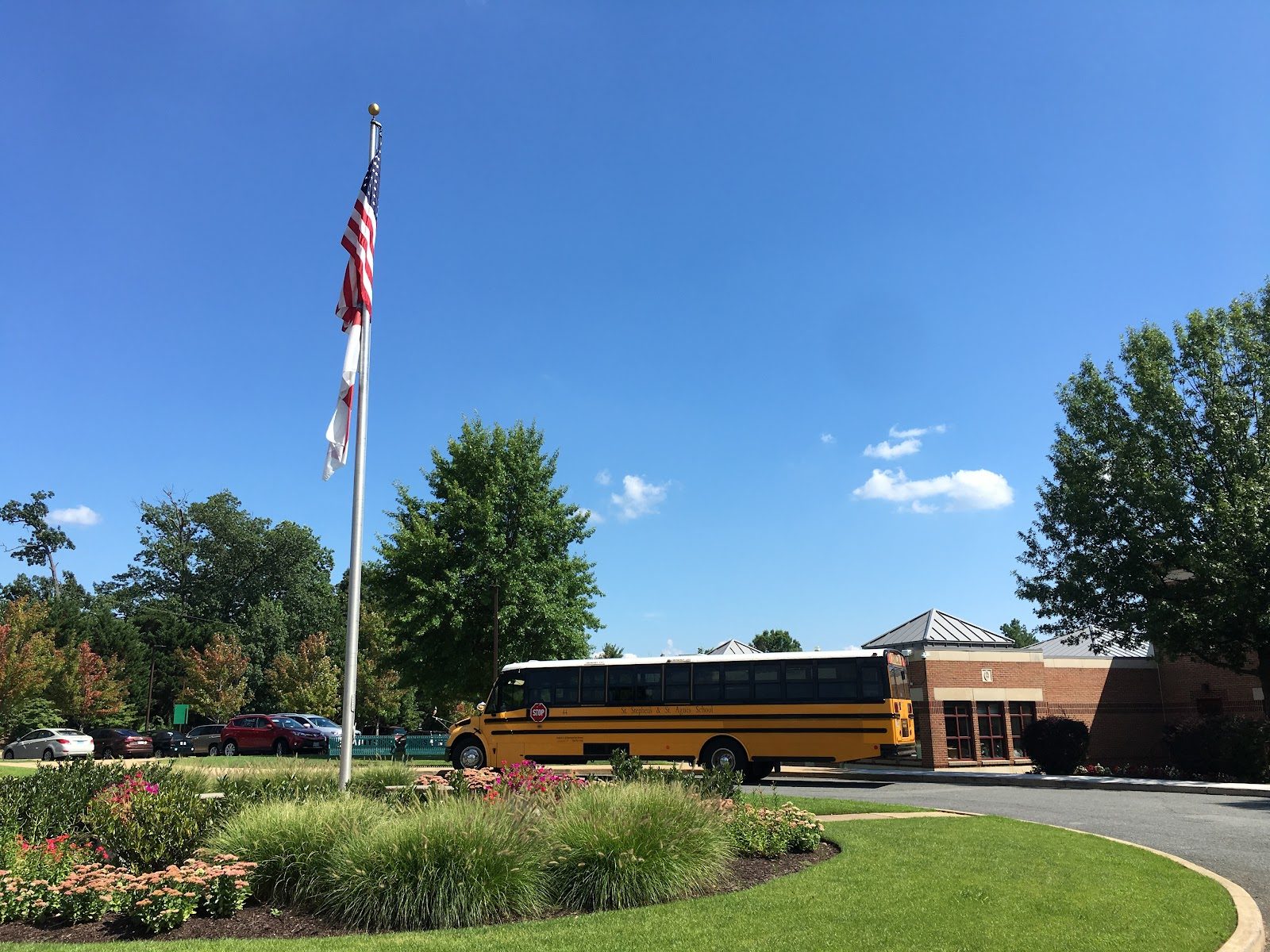
low confidence· 3/6 cats · 2.33 avg sourcesBorn of a 1991 merger between two historic single-sex schools, this Episcopal day school spans three campuses just outside Washington, D.C.
Type
Day
Ages
3–18
Curriculum
American
Qualifications
AP · US High School Diploma
Ratio
1:8
The Verdict
Editor's commitment
Right for
Washington-area families wanting an Episcopal day school, ages 3–18, across three campuses with a 1:8 ratio and 34 APs.
Wrong for
Parents wanting one compact campus, boarding, or a secular ethos; this is Episcopal, day-only, and split across Fontaine, Braddock and St Stephen's Road.
Watch out for
The 1924 foundation story masks a 1991 merger, and three campuses mean logistics matter more here than at a single-site school.
Ranking breakdown
St. Stephen's and St. Agnes School · #784 of 1591
Composite score 65.4. 8 weighted criteria.
By criterion
Academic Outcomes
Weight 20%
#857
of 1529 scored
University Placement
Weight 16%
#848
of 1529 scored
Prestige & Heritage
Weight 12%
#819
of 1571 scored
Alumni Network
Weight 12%
#481
of 1530 scored
Facilities
Weight 12%
#857
of 1533 scored
Transparency & Communications
Weight 8%
#842
of 1532 scored
Peer & Industry Review
Weight 10%
#998
of 1548 scored
Admissions Selectivity & Demand
Weight 8%
#760
of 1529 scored
Peer & Industry Review
How St. Stephen's and St. Agnes School is regarded in the sector
65
Respected · medium confidence
Among Washington-area independent schools, SSSAS is generally regarded as a solid second tier below the region's most prestigious names -- Sidwell Friends, National Cathedral School, and Georgetown Day School -- a positioning reinforced by its comparatively recent institutional identity (the 1991 merger) and a more modest endowment. It holds standard NAIS and Virginia independent-school accreditation and competes athletically and academically within the same Northern Virginia/DC circuit as Episcopal High School and other regional day schools, giving it credibility as a peer competitor rather than an aspirant. University admissions offices tend to know it as a steady, dependable feeder rather than a headline one, with graduates matriculating broadly to strong flagship and mid-tier selective institutions rather than clustering at the most competitive handful. Independent-school guides and regional press generally treat it as a well-regarded local choice rather than a nationally ranked destination school, and it does not typically appear in international league tables, reflecting a deliberately regional rather than global orientation.
Editors' overview
St. Stephen’s and St. Agnes School occupies a strong niche in the Washington market: an Episcopal, all-through day school with real scale, a long local history and a three-campus structure that keeps each phase age-appropriate. Founded in 1924 and formed in its current shape through a 1991 merger, it offers an American college-preparatory education from age 3 to 18 across Lower, Middle and Upper School sites within a tight Alexandria radius. That matters. Many all-through schools talk about continuity; SSSAS has built it into the geography. Children do not vanish into a single oversized campus. They move through distinct environments, with the advantages of one community behind them. The religious character is explicit rather than cosmetic: this is an Episcopal school that talks plainly about goodness as well as knowledge, service and the value of each child.
What puts it on a shortlist is breadth without the sprawl or institutional fog that larger US independents can suffer. The school publishes a 1:8 student-teacher ratio, and the Upper School offers 34 AP courses, which signals serious academic range for a day school. Add visible commitment to athletics, arts and service, and the proposition becomes clear: this is a school for families who want strong preparation for university without reducing childhood to a test-prep exercise. Fearless curiosity, a caring community and college dreams become reality are not unusual phrases in school marketing; at SSSAS, the structure of the school gives them more credibility than they get at many peers. Three campuses, one leadership spine and one institutional identity can produce both intimacy and momentum.
The best fit is a student who wants a full, busy school life and can use a broad platform well. This suits children who thrive with academic stretch, who want teams, performances, service and community to sit alongside classroom work, and who benefit from clear pastoral framing rather than a purely secular, sink-or-swim culture. It also suits families who want access to the Washington area while staying rooted in Alexandria. The trade-off is plain. Parents seeking a progressive, anti-structure environment or a narrow specialist academy in STEM, arts or sport will find SSSAS too balanced, too traditional and too intentionally values-led. For the right child, that balance is the point: warm but not soft, ambitious without frenzy, grounded in service and built for students who want to grow up in one coherent school community over three campuses.
Academic Performance
Academic performance is where the school’s public picture turns less satisfying. It advertises academic range at the top end, with 34 AP courses in the Upper School, and that places it in serious company among Washington-area independents. A course list of that size gives able students room to build demanding programmes across disciplines rather than clustering in a narrow honours track. That breadth matters. It tells parents the school has enough staffing depth and timetable flexibility to support varied ambitions, from humanities-heavy profiles to mathematically stronger ones. In peer terms, that is credible, substantial provision.
What the school does not publish, at least in public view, is the data that would let families judge outcomes with precision: no aggregate AP score profile, no clear distribution of top grades, no average SAT or ACT figures, and no university destinations list in the sources we have seen. That opacity limits any hard verdict on exam performance against direct competitors. The broad academic platform is clear; the measurable yield is not. Relative to peers, that puts St. Stephen’s and St. Agnes in a mixed position: stronger than schools with thin advanced offerings, weaker in transparency than independents that publish score bands, testing averages and detailed matriculation results. For a school with this level of ambition, the silence is conspicuous.
Facilities
The most important facility here is not one showpiece building but the school’s three-site layout. Lower, middle and upper school pupils each get a campus built for their stage, rather than being folded into one oversized through-school estate. That gives the school a cleaner operational logic than many all-through rivals: younger children are not competing with teenagers for space, and older students get an Upper School with the scale to support a serious college-prep programme. The campuses sit within a 1.5-mile radius, which keeps the whole arrangement coherent rather than fragmented. For parents, that translates into a school that feels deliberately organised, not patched together. The Upper School’s academic plant also carries weight: a programme offering 34 APs needs laboratories, specialist teaching rooms and timetable capacity that weaker peers do not maintain, even if the school does not publish a granular facilities inventory.
Against Washington-area independents, this is a strong but not lavish facilities proposition. The advantage lies in age-appropriate space, institutional scale and the breadth needed for athletics, arts and advanced courses across three campuses. The limitation is equally plain: the school does not put much hard detail into the public domain about theatres, maker spaces, performance venues, sports complexes or standout specialist centres, so there is no obvious signature facility to rival the arms-race campuses at the richest US independents. In peer terms, SSSAS looks well equipped for a full school life and practical rather than ostentatious in its estate.
It advertises academic range at the top end, with 34 AP courses in the Upper School, and that places it in serious company among Washington-area independents
Prestige
St. Stephen’s and St. Agnes carries solid regional prestige rather than national mystique. In the Washington market, that matters. It is an established Episcopal independent with a coherent all-through structure, broad co-curricular expectations and the sort of institutional continuity that affluent local families recognise at once. The three-campus model reinforces that standing: it signals scale, permanence and a school built phase by phase rather than improvised into an all-age operation. The published 1:8 staffing ratio adds to that impression of seriousness. So does the Upper School’s 34 APs, which puts academic choice on a level parents expect from a properly resourced college-prep school, not a small outfit trading on atmosphere alone.
That said, prestige here rests more on local reputation, community confidence and institutional depth than on public proof of elite academic outcomes. The school does not publish the kind of aggregate testing and destination data that top-tier independents use to cement status. That weakens the case for placing it in the uppermost echelon of US private schooling. It reads instead as a well-entrenched, socially credible Washington-area school with genuine substance, clear pastoral and religious identity, and enough breadth to command respect among peers. For families who value a stable, polished school community over brand-name glamour, that is real prestige. For families chasing national cachet, it falls short.
The school does not publish the kind of aggregate testing and destination data that top-tier independents use to cement status
Communications
Parent communication is competent, centralised and more confident than intimate. The public-facing site does the practical work cleanly: clear division by school phase, direct campus addresses, a single main phone number, prominent navigation and useful links that reduce friction for busy families. The structure matters. A school spread across separate campuses needs disciplined communication or parents end up chasing different offices for basic answers. Here, the “one community” line is backed by a website that organises the school as one institution with distinct entry points, not as 3 semi-detached operations. The tone is warm, values-led and unmistakably pastoral, with the Head of School visible and the mission stated without euphemism.
What is missing is the harder layer of communication that strong independent-school parents also want: data. The school speaks fluently about ethos, belonging and opportunity; it says far less in public about measurable academic results, comparative outcomes or the concrete evidence behind its college-preparatory claims. That weakens trust at the sharp end. Good communication is not only friendliness and polish. It is disclosure. On that test, St. Stephen’s and St. Agnes is effective in tone, orderly in presentation and less rigorous than it should be in sharing performance information. Families who prioritise culture and day-to-day usability will find the communication solid. Families who want harder proof alongside pastoral reassurance will find it too guarded.
Uniqueness
What marks St. Stephen’s and St. Agnes out is not a gimmick or a specialist badge. It is the combination of an explicit Episcopal moral frame with a genuinely all-through structure that still preserves age-appropriate separation. Plenty of schools promise continuity; this one builds it through distinct lower, middle and upper school environments tied into one institutional culture. That gives students a rare mix of security and progression: children grow up inside one community without spending their whole childhood on one undifferentiated campus. The school’s language about pursuing goodness as well as knowledge is not decorative. It sets a clear expectation that service, character and community life carry real weight alongside academic ambition. For families who want a school to form judgement, not just produce transcripts, that is a meaningful distinction.
The other differentiator is breadth without obvious fragmentation. A school serving children from age 3 to grade 12 can easily become either impersonal or incoherent; SSSAS avoids both by keeping phase identity strong. Students get the benefit of a long runway, familiar values and institutional memory, while still moving into settings that match their maturity. Add an Upper School with 34 APs and the proposition sharpens: this is not a cosy parish school that runs out of academic road in the later years. It is a serious, values-led day school with enough range for students to change, stretch and stay in one place while doing it.
It is the combination of an explicit Episcopal moral frame with a genuinely all-through structure that still preserves age-appropriate separation
Student Profile
The pupil who fits best here wants a full-spectrum school life and has the energy to use it. This is not a place for children who want to drift anonymously or specialise early and narrowly. The school’s own language tells you a lot: it prizes learning, athletics, artistic endeavour, diversity and service in one frame, then adds a religious expectation around goodness, care and the value of each child. That combination suits students who are busy, conscientious and socially engaged, not just high scorers. A child who likes joining in, accepts adult guidance and can move comfortably between classroom, stage, pitch and service work will find room here. The low 1:8 ratio also points to a school where adults know pupils well; that benefits children who respond to close attention and clear expectations, and it leaves less cover for those who prefer to hide.
The social fit is equally clear. This suits families who want an overtly values-led environment rather than a purely secular or laissez-faire one. Students do not need to be saintly, but they do need tolerance for structure, community norms and a school culture that takes belonging seriously. The Upper School’s 34 APs widen the profile at the older end: intellectually ambitious students have range, but they still need to function inside a school that values character as much as credentials. For the right child, that mix is steadying, demanding and well-rounded. For the wrong one, it will feel too managed or too conventional.
Many all-through schools talk about continuity; SSSAS has built it into the geography
Co-curricular strengths
Arts & sport, on a separate axis
Overall 9.06/10
Scored 0-10 from the school's own published evidence. This axis is editorial-only — it does not feed the main WTS ranking.
Sports
9.6/10
High-performance co-educational athletic competitor, fielding highly competitive varsity basketball, rowing, and football squads across extensive grounds.
Drama
9/10
Ambitious theater tracking staging complex contemporary plays and student-written works inside modern theater spaces.
Dance
8.5/10
Offered as a popular co-curricular activity providing core choreography assets for seasonal school showcases.
Music
9/10
Robust private vocal and instrumental infrastructure feeding active jazz big bands and full chamber symphonies.
Visual Arts
9.2/10
Highly structured fine art layout leaning heavily toward technical design, digital graphics, and portfolio mastery.
Strengths
- +Episcopal ethos is explicit in mission and identity
- +Educates ages 3–18 through grade 12
- +Three campuses, one community structure
- +Noted ISL basketball, rowing and football programmes
Considerations
- −Religious framing may not suit non-Episcopal families
- −Day school only; no boarding option
- −American curriculum may hinder later system switches
Availability
Primary entry gate & tests
ISEE/SSAT + Interview
Parent reviews
Have you sent your child here?
Voice reviews carry the strongest trust badge — we transcribe them for you to tidy up before they go live. Prefer to type? A written review is fine too.
Add your voice
In 60 seconds, tell other parents: what's the best thing about St. Stephen's and St. Agnes School, and what surprised you when your child joined?
We ask for a Google sign-in so every review has a real face behind it — no anonymous drive-by attacks on schools, and no faked positive reviews. Your email is never shown publicly.
Send this profile to a friend
International parents rely on word-of-mouth. Share this review with someone weighing the same decision.
Schools with places
Similar schools to St. Stephen's and St. Agnes School with places available now.
Episcopal High School
Alexandria · United States
- 2026-27
- CLOSEDRegular cycle closed
- 2027-28
- OPENS SOONOpens Sept '26
Thomas Jefferson High School for Science and Technology
Alexandria · United States
- 2026-27
- CLOSEDStandard route
- 2027-28
- OPENS SOONOpens 5 Oct '26
Availability first, then country, area, curriculum, price, co-curricular
Consider also
Also worth looking at alongside St. Stephen's and St. Agnes School.
Friends Seminary
New York City · United States
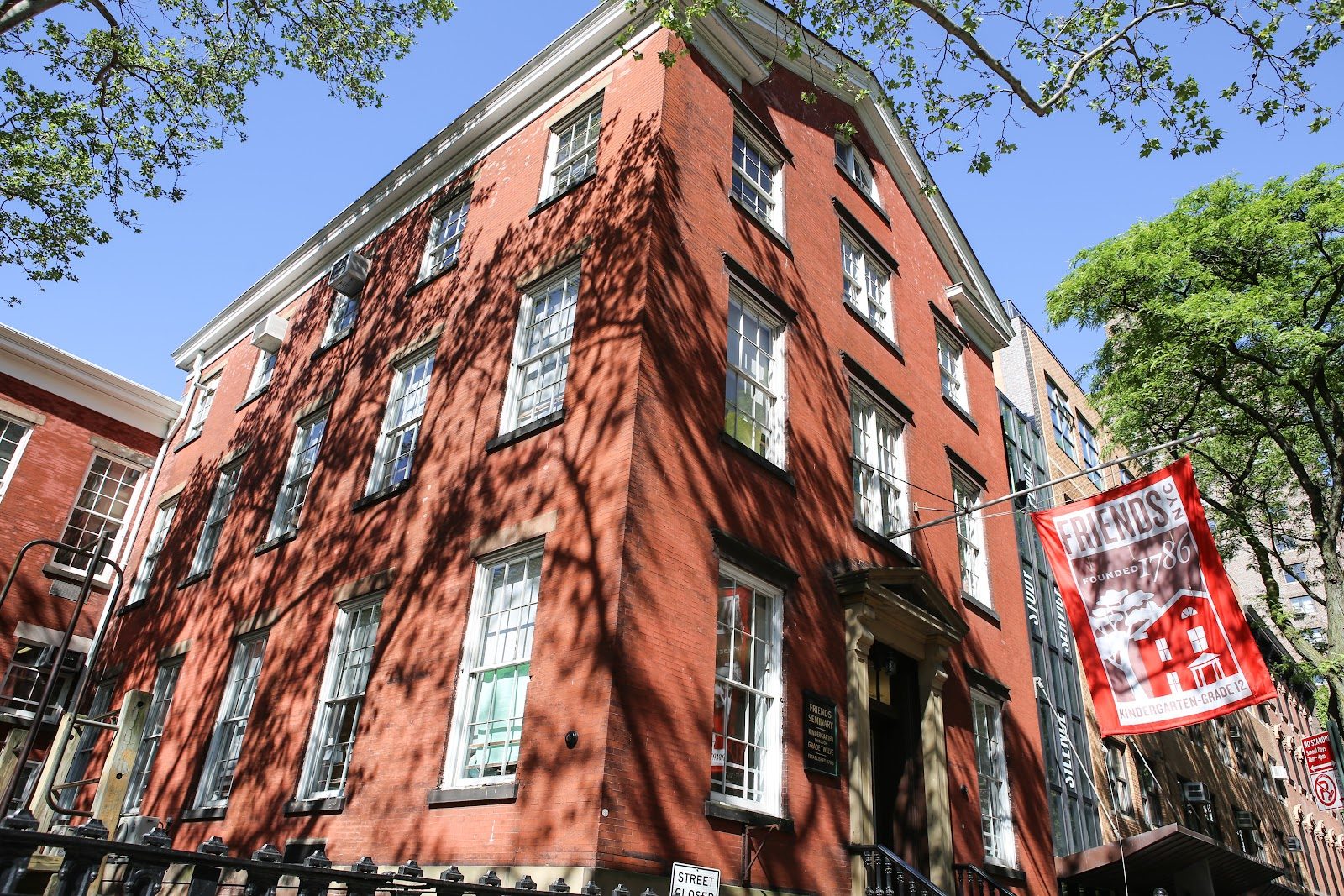
Founded in 1786, the oldest coeducational school in New York City still teaches Quaker simplicity and peace amid Manhattan's bustle
The Buckley School
New York City · United States
On Manhattan's Upper East Side since 1913, a K-9 boys' school pairing classical rigor with mandatory public-speaking training for every student.
Head-Royce School
Oakland · United States
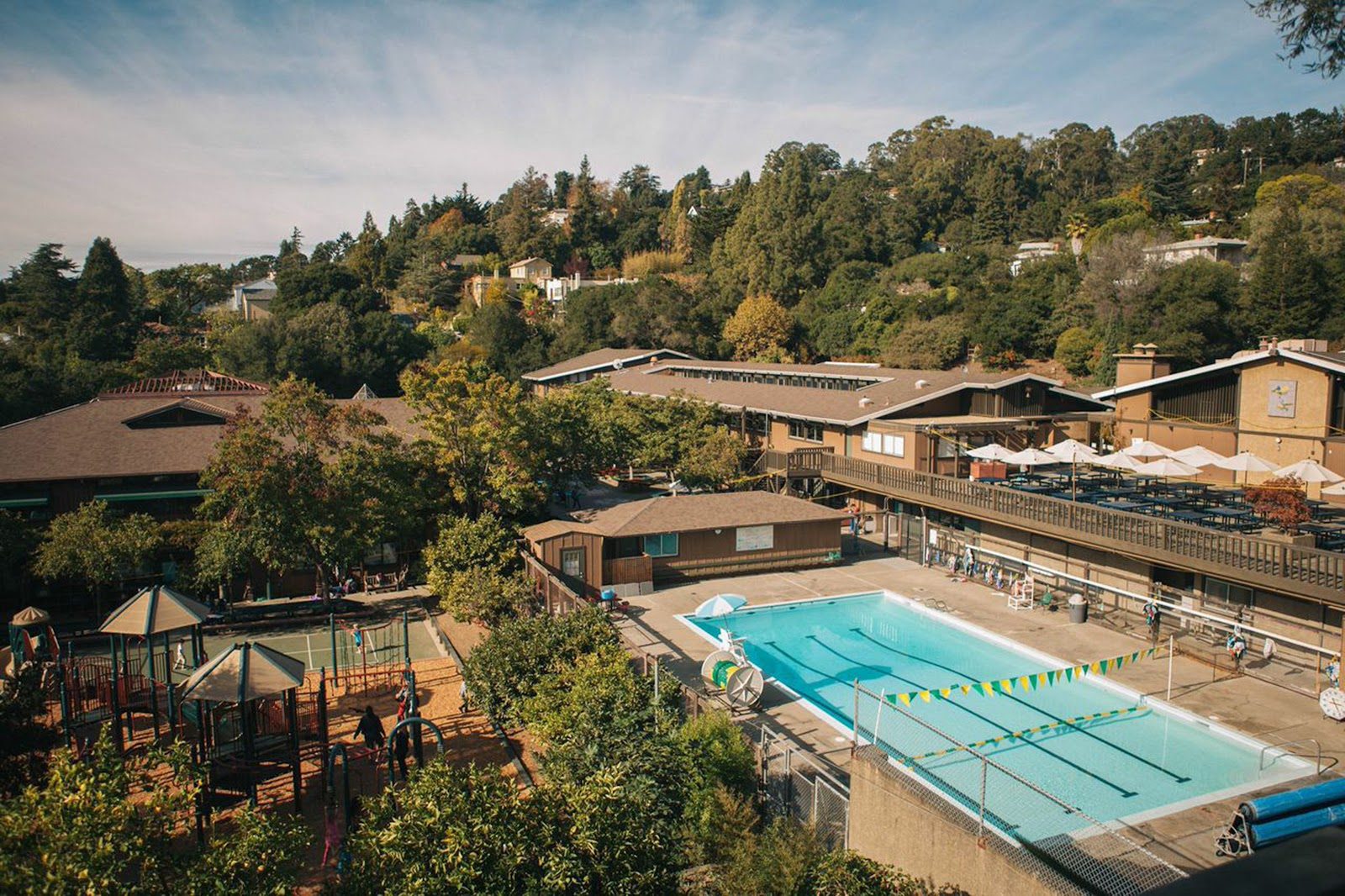
Since 1887 on a wooded Oakland hills campus, pairing rigorous scholarship with a decades-old public-school partnership that opens college doors for first-generation students
The Haverford School
Haverford · United States
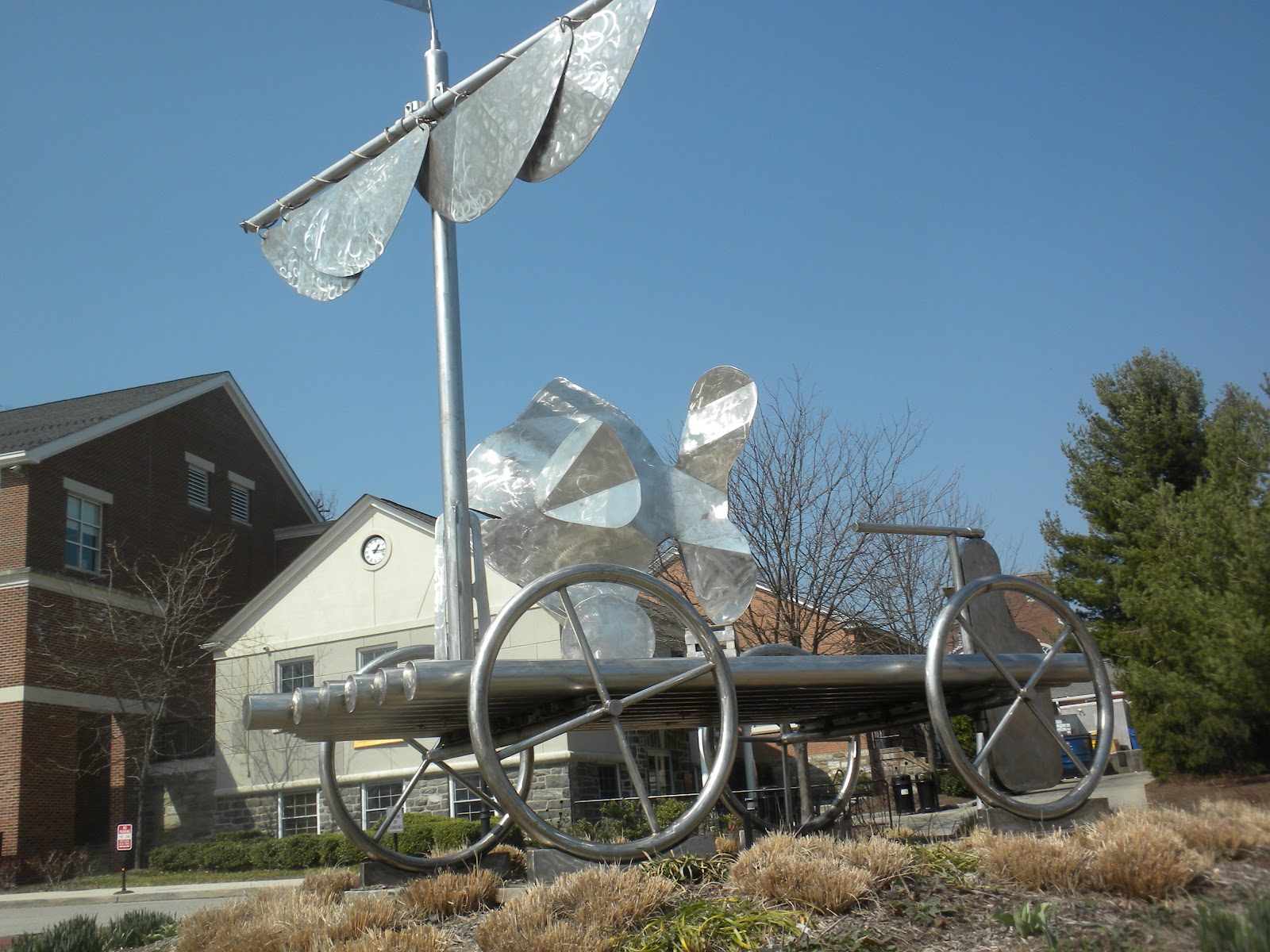
Since 1884 on Philadelphia's storied Main Line, an all-boys campus balances rigorous academics with athletics and the arts.
Same country and curriculum — closest matches within ±10 points either way