
Pennsylvania
The Haverford School
high confidence· 5/6 cats · 3.15 avg sourcesSince 1884 on Philadelphia's storied Main Line, an all-boys campus balances rigorous academics with athletics and the arts.
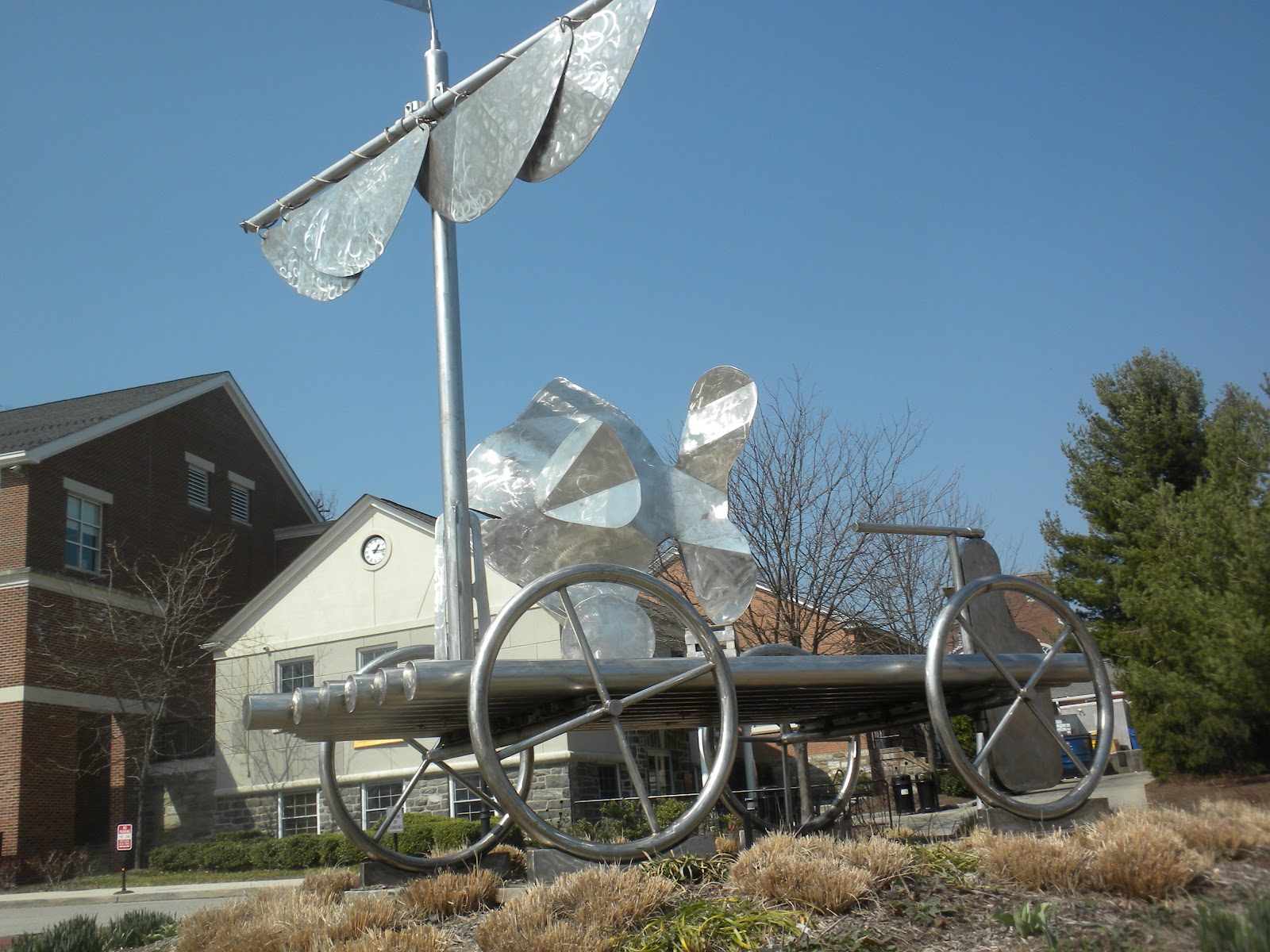
Photo © Neil Gilmour via Google Maps
Type
Day
Ages
3–18
Curriculum
American
Qualifications
AP
Ratio
—
The Verdict
Editor's commitment
Right for
Boys aged 3–18 who want a full American Pre-K–12 run on the Main Line, with academics, sport and arts all taken seriously.
Wrong for
Families wanting co-education, boarding or a religious ethos; The Haverford School is a non-religious day school for boys only.
Watch out for
At an average annual day fee of $42,745, this 1884 Main Line institution sits in premium territory; NEASC and NAIS add polish, not value.
Ranking breakdown
The Haverford School · #717 of 1591
Composite score 66.3. 8 weighted criteria.
By criterion
Academic Outcomes
Weight 20%
#386
of 1529 scored
University Placement
Weight 16%
#354
of 1529 scored
Prestige & Heritage
Weight 12%
#296
of 1571 scored
Alumni Network
Weight 12%
#1305
of 1530 scored
Facilities
Weight 12%
#406
of 1533 scored
Transparency & Communications
Weight 8%
#456
of 1532 scored
Peer & Industry Review
Weight 10%
#480
of 1548 scored
Admissions Selectivity & Demand
Weight 8%
#334
of 1529 scored
Score history
The Haverford School · 2026
Movement across 2024–2026. Peer average overlaid.
Overall — 2024–2026
66.3/ 100
▲ +17.2 vs 2025
year on year
Peer & Industry Review
How The Haverford School is regarded in the sector
78
Strong · medium confidence
The Haverford School is consistently regarded as one of the top all-boys independent schools in the Philadelphia region, frequently appearing in Niche.com and Philadelphia Magazine 'best private schools' rankings, and is a member of the prestigious Ten Schools Admission Organization is not applicable but it holds strong standing among Inter-Ac League peer schools. Its robust college matriculation record (regularly sending students to Ivy League and top-tier universities) and active, well-organized alumni network reinforce a strong regional-to-national reputation among independent school peers, though it lacks the global brand recognition of schools like Phillips Exeter or Andover.
Evidence sources
Award

Elite Entrepreneurship, Economics & Finance 60
World's Top School · The Global Ranking
The Haverford School is featured on our Global Top 60 ranking at #33. This seal is available for the school's marketing team to use on their website, prospectus and social channels.
- Bert Bell — NFL Commissioner and co-founder of the Philadelphia Eagles, sports/business leadership
- Michael Smerconish — Radio and television political commentator
- Frolic Weymouth — Artist and founder of the Brandywine River Museum
Editors' overview
On Philadelphia’s Main Line, The Haverford School occupies a clear niche: a non-religious, all-boys American day school for ages 3 to 18 with a long institutional memory and a very definite view of how boys learn. The school was founded in 1884, and it trades on that history without lapsing into antique self-regard. Its own language is direct: boys are “known, challenged, and supported”, with an emphasis on relationships, scholarship and character. That focus matters. In a crowded US independent-school market, Haverford’s strongest point is not novelty but institutional confidence: it knows its model, sticks to it, and builds the whole campus experience around it.
The attraction for parents is the combination of rigour and breadth on one site. This is a pre-kindergarten to 12th grade day school, so families buy continuity as much as schooling. The average annual day fee across the full ladder is $42,745, which places Haverford in the expensive end of the local private-day market and demands a serious return in teaching, pastoral grip and co-curricular range. The school’s stated ambition to be the foremost option for boys in the Philadelphia area is bold, but the underlying proposition is credible: a single-sex environment, a long-established Main Line base, and an educational philosophy built specifically for boys rather than adapted for them. Accreditation from NEASC and NAIS adds standard external validation, though parents should note that the school does not publish public exam metrics in the data here, so the academic case rests more on institutional reputation and programme design than on headline outcomes.
It should be on a shortlist for families who want a structured, high-expectation boys’ school rather than a progressive experiment or a glossy status purchase. The best fit is a boy who will use the full platform: academics, athletics, arts, and leadership, all taken seriously. Boys who thrive with close adult attention, clear standards and a strong communal identity will get traction here. Boys who want a fully co-educational social setting, or who resist any culture with a pronounced ethos, will find it a tighter fit. Haverford’s alumni footprint also gives it extra weight: Wikidata records 41 notable alumni, including figures in business, science, journalism and the arts. That does not prove current quality on its own, but it does point to a school with real civic and intellectual reach over time.
An Elite Entrepreneurship, Economics & Finance 60 school
The Haverford School, an all-boys day school on Philadelphia's Main Line in Haverford, Pennsylvania, sits at rank thirty-three because a student team named Fordman Sachs reached the Top 50 semifinalists of the 2025 Wharton Global High School Investment Competition, a field drawn from more than 1,800 teams across 66 countries. The school fielded three separate teams that year, with Fordman Sachs's fourteen-page investment report carrying the delegation into the semifinal round, led by upper-formers including Drew Carrasco, Kevin Covington, and Ben McDade.
The economics architecture here is real but modest rather than exhaustive: Microeconomics and Macroeconomics are established upper-school offerings, and a dedicated Markets & Investment elective gives students structured exposure to portfolio analysis ahead of competitions like Wharton's. Economics sits among 29 STEM-related electives spanning biology, chemistry, computer science, and economics, of which eleven carry honors designation, reflecting genuine depth within the sciences track. What is honestly absent is a standalone Business or Entrepreneurship department, a Bloomberg terminal, or a published real-money student investment fund; the school's finance credibility currently rests on its competition record and classroom economics sequence rather than a purpose-built applied-finance facility.
Notable alumni anchor the finance and entrepreneurship claim convincingly. Michael Dubin, class of 1997, founded Dollar Shave Club, a company later acquired by Unilever. Ronald Perelman, class of 1960, built a career as a billionaire investor and controlling owner of MacAndrews & Forbes. Douglas Brunt, another graduate, served as CEO of the cybersecurity firm Authentium. These figures give the school a longer entrepreneurial arc even as current student-level competition results are the freshest evidence.
International openness is limited by design. Haverford is not a boarding school, so overseas applicants are only considered for grades 9 through 11, must demonstrate English fluency with a TOEFL score of 100 or above, and are required to live with a host family arranged by the family itself; visas, transportation, and finances remain the family's responsibility throughout. Day tuition runs roughly $47,900 to $49,850 annually, with substantial need-based aid available to domestic families but not typically extended to international applicants. Given the narrow 9-11 entry window and host-family logistics, overseas parents should begin the admissions and host-family search at least a full year ahead of the intended entry grade, and treat this as a serious academic-plus-competition pathway rather than a boarding-finance immersion.
Academic Performance
Haverford does not publish public AP, IB, SAT, ACT or college-matriculation aggregates in the sources here, so any parent looking for clean external benchmarking hits an immediate limit. That matters. In the US independent-school market, academically confident schools still need to show outcomes, not just talk about scholarship. Here, the academic case rests on the school’s own insistence on rigorous, comprehensive education and on a long-standing college-preparatory identity, rather than on a disclosed bank of exam data. Against peers that publish score distributions, top-university destinations or subject-by-subject results, Haverford is less transparent than it needs to be.
That does not place it in a weak academic bracket; it places it in an opaque one. The strongest evidence available is indirect but still meaningful: a school with a long record, a durable reputation in academics, and at least 41 notable alumni catalogued in Wikidata across scholarship, journalism, business and the arts has produced serious intellectual and professional outcomes over time. That is real institutional weight, but it is not the same as current performance data. Relative to peers, Haverford fits the category of reputation-led college-prep schools whose standing exceeds what they publicly quantify. Parents comparing selective day schools should press hard for recent AP results, testing ranges, university destinations and advanced-course uptake before treating the academic proposition as fully proven.
Facilities
The campus carries the stamp of an old Main Line school that has had time to accumulate substance. The school’s own history points to Wilson Hall, a later-built gym under an earlier head, and a long-standing arts tradition; that matters because it signals facilities woven into the institution rather than bolted on for admissions gloss. For parents, the key point is breadth: Haverford is built for boys who will use classrooms, playing fields, performance spaces and communal areas as one connected platform, not as separate departments. That puts it ahead of younger private schools with polished surfaces but thinner infrastructure. Against top-tier US day-school peers, the estate reads as established rather than flashy, with serious athletic intent and a campus culture shaped around daily use, routine and identity.
The limit is detail. The school does not publish, in the sources here, the kind of hard facilities inventory that strong competitors now spell out clearly: specialist labs, theatre specifications, design spaces, aquatic provision, or square-footage scale. That lack of precision leaves parents to infer quality from heritage, programme ambition and institutional confidence. In peer terms, that places Haverford in a familiar bracket: schools with deep-rooted physical assets and real operational heft, but a public-facing description of facilities that is less exacting than it should be. For a school charging an average of $42,745 a year, clearer disclosure would strengthen the case.
Against peers that publish score distributions, top-university destinations or subject-by-subject results, Haverford is less transparent than it needs to be
Prestige
Haverford carries real local prestige, but it is a specific kind of prestige. This is not glamour-school cachet built on public score tables or relentless brand projection. Its status rests on longevity, Main Line placement, and a durable reputation in boys’ education among Philadelphia-area families who value old independent-school networks. The alumni record strengthens that case: Wikidata alone catalogues 41 notable former pupils across business, scholarship, journalism and the arts. That is not decorative. It points to a school with genuine social and intellectual reach over time, and to a community whose influence extends beyond the campus gates.
The limit on that prestige is clarity. Haverford earns respect as a serious establishment school with a strong sense of self, but it does not back that status with the kind of public outcomes data that would turn inherited standing into fully evidenced present-day authority. For some families, the all-boys model itself adds prestige because it signals conviction and specialisation rather than compromise. For others, it narrows the appeal. The fee level — an average of $42,745 a year — places it firmly in the expensive, high-expectation bracket, so reputation alone is not enough. My rating lands in the upper tier regionally, not at the absolute summit nationally: Haverford has weight, lineage and network value, but less public proof than the most transparent elite schools.
That divide matters: fit here is genuinely ideological, not just practical
Communications
Haverford communicates with the confidence of a school that expects parents to buy into its culture, not negotiate it line by line. The public-facing message is coherent, disciplined and unmistakably values-led: mission, vision, virtues and history are all set out in plain sight, and the school does not dilute its stance for broader appeal. That helps. Parents can tell quickly what kind of environment they are entering and what standards the school intends to hold. The emphasis on each boy being known and supported also carries an implied promise of close adult contact, which matters in an all-through setting serving boys from the early years to the end of school. There is also enough historical narrative to give communications some backbone rather than reducing them to event notices and admissions polish.
The weakness is operational clarity. The school states what it believes with institutional force, but the sources do not show the harder-edged parent information that marks out the best communicators: published academic outcomes, detailed programme data, or a sharper facilities inventory. That leaves the impression of a school strong on ethos and identity, weaker on measurable disclosure. For current parents, that may be perfectly workable if day-to-day communication is handled directly and staff are accessible; for prospective parents, it is a real limitation. In editorial terms, Haverford communicates its character better than its evidence base. That is effective for families drawn to clear conviction; it is less effective for parents who want hard answers before committing $42,745 a year.
Uniqueness
Haverford’s real distinction is not old-school polish or selective-school theatre. It is its single-minded commitment to boys’ education across the full age range, in one continuous day-school setting, with a philosophy that puts relationships, scholarship and character at the centre. Plenty of schools claim to educate the whole child; Haverford has built an all-boys version of that idea into its structure, vocabulary and daily culture. The school even publishes a long list of virtues — from courage and humility to scholarship and teamwork — which tells you something important: this is a place with a declared moral code, not a loose collection of classes and clubs. For the right boy, that delivers clarity, pressure and belonging in equal measure.
That distinctiveness brings real advantages. A boy does not need to decode mixed messages about what matters here; the institution states its expectations plainly and organises school life around them. The all-through format also gives staff a long runway to know pupils well and shape habits over time, which fits the school’s own emphasis on each boy being known, challenged and supported. Add the alumni footprint — at least 41 notable former pupils in Wikidata alone — and the result is a school with deep generational continuity rather than a temporary buzz. The trade-off is obvious. This is a strongly defined environment. Boys who want a looser, more socially mixed, less values-driven experience will feel constrained. Boys who benefit from structure, identity and sustained adult attention will gain a great deal.
The school was founded in 1884, and it trades on that history without lapsing into antique self-regard
Student Profile
The right pupil for Haverford is a boy who responds to clear standards, adult scrutiny and a culture that treats effort, conduct and participation as part of the same bargain. This is not a loose, anonymous environment where a student can drift at the edges. The school’s own language — each boy known, challenged and supported — points to a profile that fits boys who can handle being noticed. That suits the engaged, coachable child who benefits from structure and who is willing to be pulled into the full life of the school rather than picking off one strength in isolation. The virtues list runs to 24 items, which tells you the behavioural bar is explicit and constant. Boys who bridle at rules, resist communal expectations or want a more casual social culture will find it constraining.
It is also a strong match for families who actively want an all-boys setting and the intensity that brings. The school is built for boys who will test themselves across the classroom, the stage and the playing field, and who can live with a level of expectation that is deliberate, old-fashioned in the best sense and not for the faint-hearted. There is room here for intellectual curiosity and creative talent, but not for indifference. With at least 41 notable alumni recorded in Wikidata, the student body sits within a tradition of male achievement that has real pull for some families and no pull at all for others. That divide matters: fit here is genuinely ideological, not just practical.
Its own language is direct: boys are “known, challenged, and supported”, with an emphasis on relationships, scholarship and character
Co-curricular strengths
Arts & sport, on a separate axis
Overall 8.52/10
Scored 0-10 from the school's own published evidence. This axis is editorial-only — it does not feed the main WTS ranking.
Sports
9.2/10
Absolute all-boys Inter-Ac athletic force; home to historically dominant squash, lacrosse, and wrestling programs that consistently produce NCAA Division I talent.
Drama
9/10
Ambitious theater curriculum staging collaborative productions and high-quality seasonal theater tracker with neighboring institutions.
Dance
6/10
Maintained strictly as a minor auxiliary component for stage movement in musical theater rather than an independent elective.
Music
9.2/10
Robust private vocal and instrumental infrastructure feeding active jazz big bands and full symphonies.
Visual Arts
9.2/10
Studio-intensive fine arts focus housed within custom studio environments, prioritizing woodworking, ceramics, and portfolio layout.
Editor-verified · 8/6/2026
Notable alumni · Wikidata
41notable alumni
14 historic (born pre-1930) · 11 modern (born post-1970)wikidata:2026-07-28 How we source this
Strengths
- +Founded in 1884, Haverford is a long-established all-boys Pre-K-12 day school with over 140 years of continuous operation in the Philadelphia Main Line area.
- +Ranked among the top all-boys high schools in America, placing 19th nationally and 1st in Pennsylvania for all-boys high schools according to Niche's 2026 rankings.
- +Offers substantial need-based financial aid, awarding more than $10 million annually with roughly 42% of families receiving assistance.
- +Maintains a low student-teacher ratio of about 8 to 1, supporting close academic attention across its roughly 950-960 students.
- +Member of the International Boys Schools Coalition and multiple regional accrediting associations (NAIS, PAIS, ADVIS), reflecting an established institutional network.
Considerations
- −Single-sex (all-boys) structure narrows the pool of families willing to consider it, especially those seeking co-education.
- −Day tuition is high, reported in the range of roughly $28,000 to $50,000 depending on grade level, before additional fees.
- −Admission for grades 6-12 requires standardized testing (ISEE or SSAT), adding a competitive academic screening hurdle for applicants.
- −Located in suburban Haverford Township, roughly eight miles from central Philadelphia, meaning families outside the immediate Main Line area face a commute.
Availability
Primary entry gate & tests
ISEE/SSAT + Interview (Boys)
Gallery
Photo © Nkrantz04 via Google Maps
Photo © Faith Whitfield via Google Maps
Photo © The Haverford School via Google Maps
Photo © The Haverford School via Google Maps
Photo © The Haverford School via Google Maps
Photo © The Haverford School via Google Maps
Photo © The Haverford School via Google Maps
Photo © The Haverford School via Google Maps
Photo © The Haverford School via Google Maps
Parent reviews
Have you sent your child here?
Voice reviews carry the strongest trust badge — we transcribe them for you to tidy up before they go live. Prefer to type? A written review is fine too.
Add your voice
In 60 seconds, tell other parents: what's the best thing about The Haverford School, and what surprised you when your child joined?
We ask for a Google sign-in so every review has a real face behind it — no anonymous drive-by attacks on schools, and no faked positive reviews. Your email is never shown publicly.
Send this profile to a friend
International parents rely on word-of-mouth. Share this review with someone weighing the same decision.
Schools with places
Similar schools to The Haverford School with places available now.
The Hill School
Pottstown · United States
- 2026-27
- CLOSEDRegular cycle closed
- 2027-28
- OPENS SOONOpens Sept '26
Germantown Friends School
Philadelphia · United States
- 2026-27
- CLOSEDRegular cycle closed
- 2027-28
- OPENS SOONOpens Sept '26
The Baldwin School
Bryn Mawr · United States
- 2026-27
- CLOSEDRegular cycle closed
- 2027-28
- OPENS SOONOpens 1 Sept '26
Availability first, then country, area, curriculum, price, co-curricular
Consider also
Also worth looking at alongside The Haverford School.
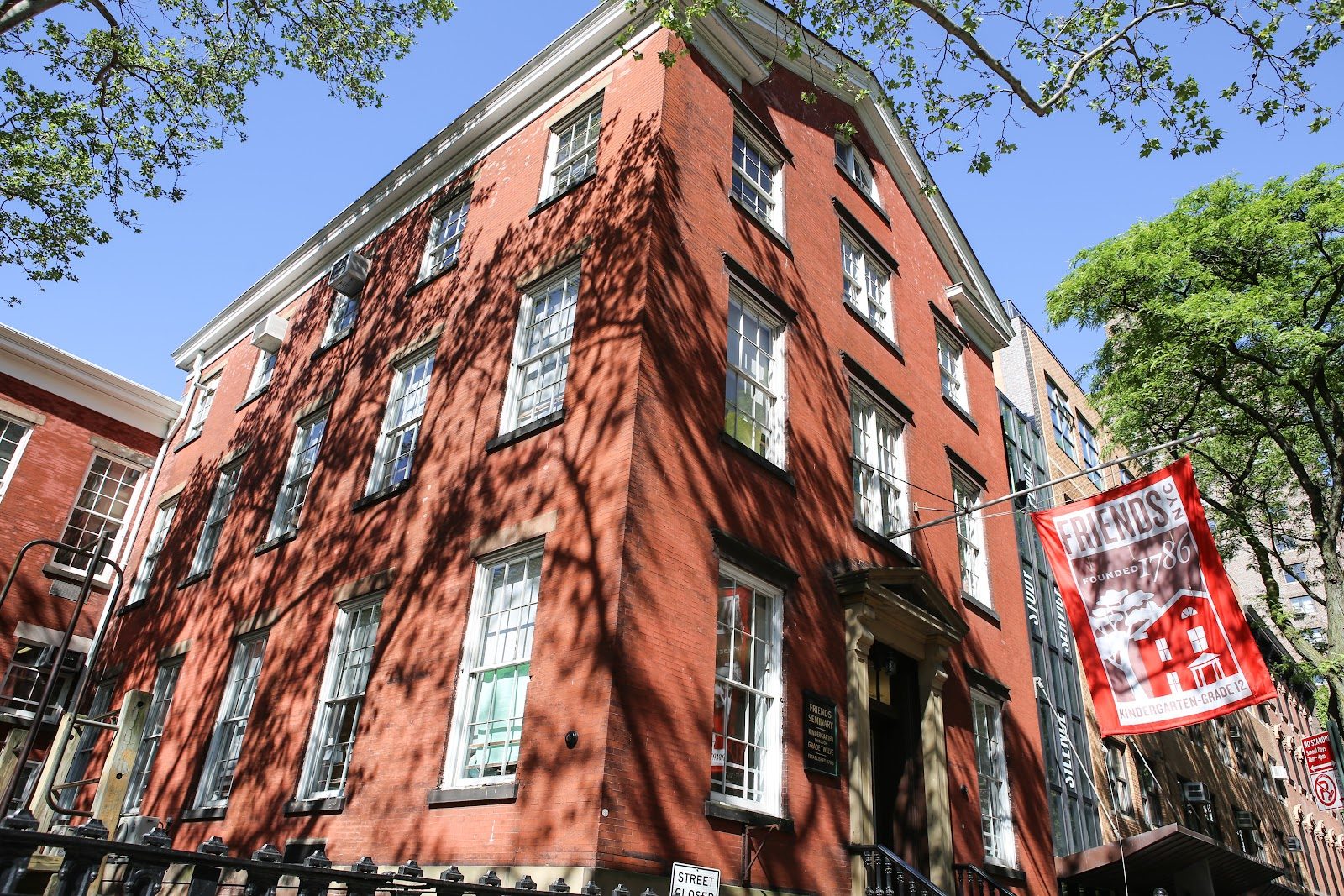
Friends Seminary
New York City · United States
Founded in 1786, the oldest coeducational school in New York City still teaches Quaker simplicity and peace amid Manhattan's bustle
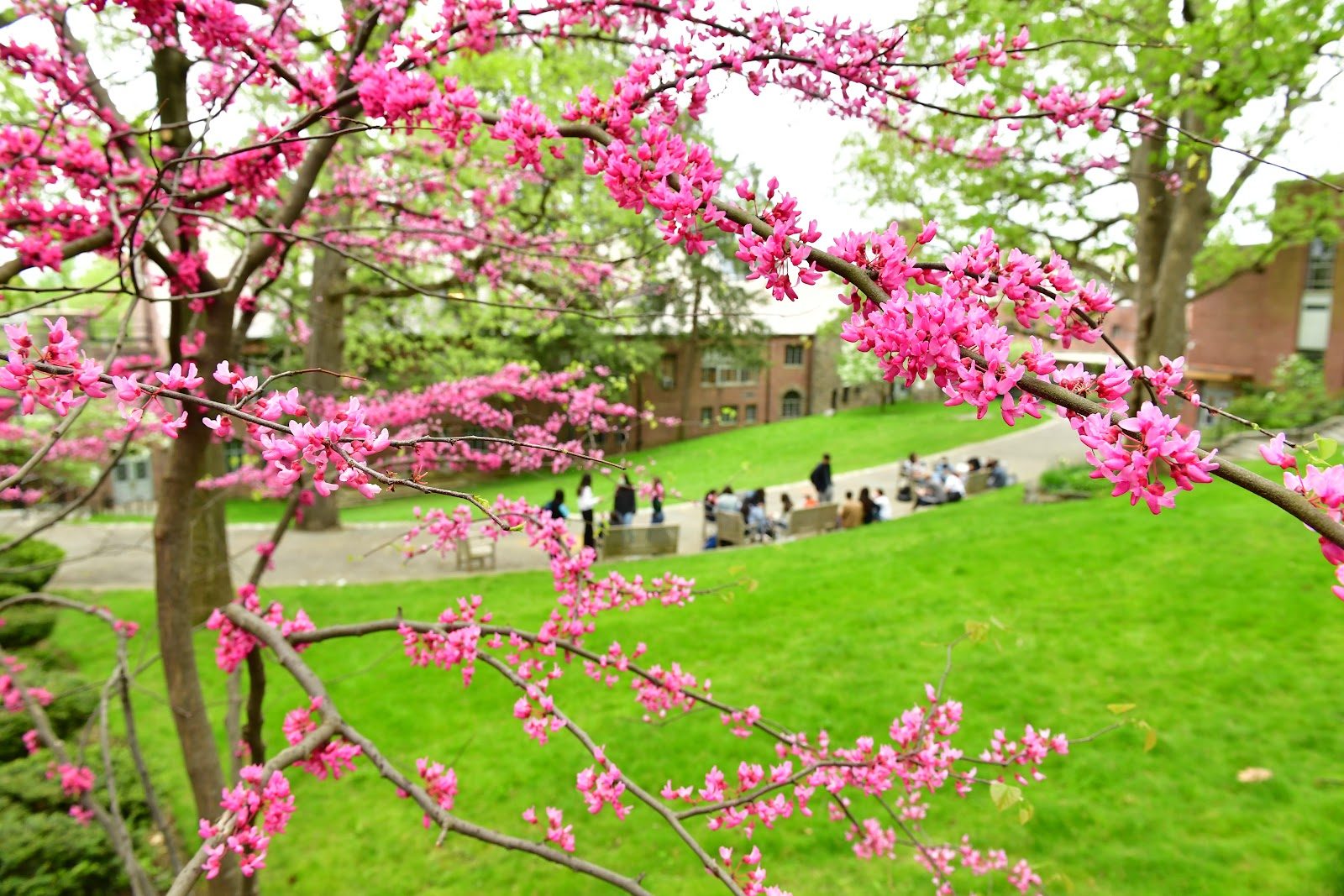
Ethical Culture Fieldston School
New York City · United States
Rooted in Felix Adler's 1878 Ethical Culture movement, its wooded Riverdale hilltop campus still anchors progressive American pedagogy.
The Buckley School
New York City · United States
On Manhattan's Upper East Side since 1913, a K-9 boys' school pairing classical rigor with mandatory public-speaking training for every student.
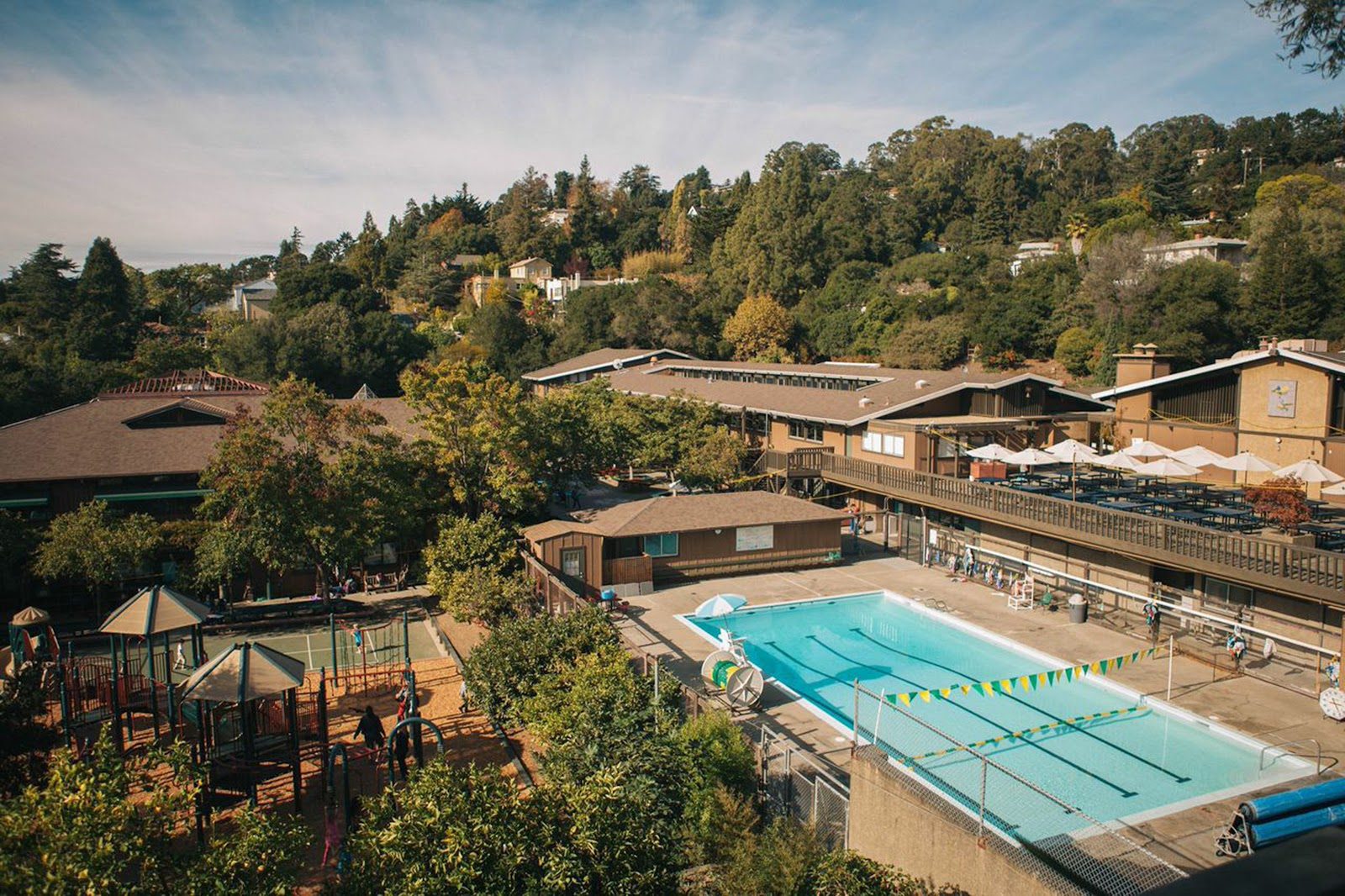
Head-Royce School
Oakland · United States
Since 1887 on a wooded Oakland hills campus, pairing rigorous scholarship with a decades-old public-school partnership that opens college doors for first-generation students
Same country and curriculum — closest matches within ±10 points either way