
New York
The Buckley School
high confidence· 5/6 cats · 3.36 avg sourcesOn Manhattan's Upper East Side since 1913, a K-9 boys' school pairing classical rigor with mandatory public-speaking training for every student.
Type
Day
Ages
5–14
Curriculum
American
Ratio
—
The Verdict
Editor's commitment
Right for
Upper East Side families wanting a day school founded in 1913, with American curriculum and mandatory public speaking from K to 9.
Wrong for
Parents wanting co-education, boarding, religion, or education beyond age 14; Buckley is a non-religious boys' day school for ages 5–14.
Watch out for
Exit points matter: recent destinations list Deerfield, Hotchkiss and Taft, one boy each, so published outcomes are narrow not broad.
Ranking breakdown
The Buckley School · #477 of 1591
Composite score 70.7. 8 weighted criteria.
By criterion
Academic Outcomes
Weight 20%
#511
of 1529 scored
University Placement
Weight 16%
#459
of 1529 scored
Prestige & Heritage
Weight 12%
#462
of 1529 scored
Alumni Network
Weight 12%
#386
of 1529 scored
Facilities
Weight 12%
#502
of 1529 scored
Transparency & Communications
Weight 8%
#554
of 1529 scored
Peer & Industry Review
Weight 10%
#595
of 1529 scored
Admissions Selectivity & Demand
Weight 8%
#400
of 1529 scored
Score history
The Buckley School · 2026
Movement across 2024–2026. Peer average overlaid.
Overall — 2024–2026
70.7/ 100
▲ +30.4 vs 2025
year on year
Peer & Industry Review
How The Buckley School is regarded in the sector
68
Respected · low confidence
The Buckley School is a well-known all-boys K-9 feeder school on Manhattan's Upper East Side, frequently mentioned in NYC private school guides (e.g., Manhattan Private School Advisor, Private School Review) and local press like the New York Observer/New York Times coverage of elite Manhattan admissions and alumni families. It has a strong regional reputation among NYC's private school circuit and is considered a solid feeder to elite secondary schools, but lacks the broad national/international benchmarking or specialist press coverage (Tatler, Good Schools Guide) seen with top-tier globally recognized institutions.
Evidence sources
- Nelson Doubleday Jr. — Publisher and former owner of the New York Mets, Business
- Cyrus Vance Jr. — Manhattan District Attorney, Law/Politics
- John Podhoretz — Columnist and editor, Media
Editors' overview
The Buckley School occupies a narrow, durable niche in New York: an all-boys K–9 day school on the Upper East Side, founded in 1913, teaching an American curriculum in English and ending before the usual secondary years. That structure matters. Buckley is not selling a through-school experience; it is a launch school. The value lies in what it does before age 14, then where boys go next. The recent destination list is tiny but pointed — Deerfield, Hotchkiss and Taft — and it tells parents exactly where Buckley sits in the market: a traditional Manhattan preparatory school with one eye fixed on competitive boarding-school and day-school exits. This is a school with a clear function.
What distinguishes Buckley is the combination of old-school academic discipline and compulsory training in public speaking. Plenty of prep schools talk about confidence; Buckley puts “Public Speaker” into the student-facing story and ties performance to practice and feedback. That gives the school a sharper identity than the usual private-school blur of leadership, character and excellence. For families who want boys to write accurately, speak in full sentences and handle scrutiny without folding, that is a serious advantage. *The culture reads as formal, drilled and deliberate.* Parents who dislike that tone will know it quickly. Parents who want polish without drift will take notice.
Buckley belongs on a shortlist because it offers a specific answer to a specific parental brief: a boys’ day education from ages 5–14 in a high-expectation setting, with recognised standing through NAIS and NYSAIS accreditation, and a record of placing boys into selective next-step schools. It will suit the boy who responds to structure, repetition and adult direction; who gains confidence from mastery; and who can tolerate, or enjoy, being pushed to speak up in public. It will also suit families who want a tightly run pre-secondary education rather than a progressive or therapeutic atmosphere. This is not the school for a child who needs a loose frame, broad choice or a low-pressure culture. *Buckley’s appeal is precision, not softness.*
In market terms, Buckley sits with New York’s established junior independent schools that trade on tradition, social fluency and strong onward placement. Its Upper East Side location, single-sex format and age range make it a targeted purchase, not a general one. The school does not publish aggregate academic outcome data in the public domain here, so parents must judge it through culture, curriculum and exits rather than headline metrics. Even so, the proposition is coherent: *serious training early, selective options later*. For the right boy, that is compelling. For the wrong one, it is constricting. That clarity is a strength.
Academic Performance
Buckley does not publish aggregate external examination data, and that limits any hard academic verdict. There are no public AP, SAT, ISEE, SSAT or state-test summaries attached to the school’s own pages here, and no grade-profile tables that let parents compare cohort performance against Manhattan peers. For a school that stops before the standard American high-school examination cycle, that opacity matters less than it would at an older school, but it still leaves parents without the clean benchmarking many competitors now provide. Academic judgement therefore rests on indirect markers: the school’s drilled emphasis on writing, the explicit use of feedback and practice, and the fact that public speaking is treated as a taught discipline rather than an extracurricular garnish. That points to a high-control, old-prep model of academic formation.
Relative to peers, Buckley fits the traditional New York junior-school tier where success is measured less by published exam averages than by readiness for selective next-step admissions. The recent destinations listed here are tiny in number — 1 each to Deerfield, Hotchkiss and Taft — so they do not prove broad placement strength across a full cohort. They do, however, show access to serious receiving schools. That puts Buckley in the camp of schools whose academic reputation is carried by onward placement and institutional standing, not transparent score reporting. Parents who want spreadsheets and published distributions will find the picture frustratingly opaque. Parents who value polish, disciplined literacy and interview-ready boys will read the signals more favourably.
Facilities
Buckley’s facilities read less as a selling point in their own right than as instruments for a tightly run, performance-driven education. The clearest clue sits in the school’s own emphasis on public speaking: this is a place that needs rooms built for recitation, presentation and adult scrutiny, not just generic classrooms. The site extract also points to an identity built around distinct roles — “Public Speaker”, “Athlete”, “Craftsman” — which implies provision across speaking, sport and practical work rather than a purely bookish setup. That is useful, but the public picture is thin. The school does not publish a clear facilities inventory, no campus map, and no serious visual or technical breakdown of specialist spaces. For a fee-paying Manhattan school, that lack of detail is a weakness. Parents cannot inspect the proposition from afar with much confidence.
Against peer schools in New York’s junior independent sector, Buckley fits the compact urban model rather than the expansive campus one. Families should not expect the acreage, spectacle or dedicated high-end science and athletic infrastructure that bigger suburban prep schools use to impress. The trade-off is obvious: less sprawl, more intensity, and facilities aligned to routine, supervision and old-prep polish. If Buckley’s spaces work well, they work by supporting discipline and delivery, not by dazzling. That will suit families who care more about how boys are trained than how buildings photograph. It will disappoint parents who want facility-heavy luxury as part of the purchase.
Buckley’s uniqueness lies in its refusal to be a generalist school
Prestige
Buckley carries real social and educational cachet within its slice of the New York private-school market. The source of that prestige is not scale, spectacle or published score tables. It is selectivity of purpose. This is a boys’ school that ends early, trains hard and sends pupils on to ambitious next steps. The recent destination list is tiny, but it includes 1 place each at Deerfield, Hotchkiss and Taft; those names matter because they function as external validation from schools that do not admit casually. Add the Upper East Side setting, the old preparatory-school model and the school’s insistence on formal speaking, and the result is a high-status, old-network proposition that many families will recognise instantly.
That said, Buckley’s prestige is specialist rather than universal. It carries weight among families who value manners, verbal fluency, discipline and polished onward placement. It carries less weight with parents who equate prestige with research-grade facilities, broad sixth-form outcomes or transparent academic data. The school does not publish the sort of hard performance numbers that would let it dominate on academic proof alone, so its standing rests on reputation, constituency and exits. That is enough to place Buckley in the serious prep-school bracket, but not enough to make it untouchable. The prestige is earned through fit and finish, not through openness or scale.
For those who want polish, stamina and verbal discipline before the next school gate opens, it is an unusually focused proposition
Communications
Buckley’s parent communication reads as controlled, brand-conscious and less informative than a school at this level ought to be. The public-facing website gives the essentials of identity but, in the extract here, it is cluttered with placeholder text, broken-looking staff data and thin explanatory copy. That matters because schools communicate with parents long before a tour or interview. If a site throws up “Lorem ipsum”, incomplete names and vague role labels such as “Public Speaker”, “Athlete” and “Craftsman”, it does not project administrative sharpness. It projects a digital operation that needs attention. For a school built on polish and discipline, that mismatch is jarring.
The stronger side of Buckley’s communication sits in message discipline. The school does not flood the reader with competing claims; it pushes a tight identity around performance, practice and pupil formation. Parents who already like that ethos will grasp the offer quickly. Parents who need granular answers — staff biographies, programme detail, clear facilities information, published academic data, or a cleaner sense of day-to-day parent interface — will hit limits fast. Communication, then, is effective at signalling culture and weak at supplying proof. That is a usable strategy for a school trading on reputation and fit, but it is not a transparent one. Families making a serious decision for a boy in this age range deserve a site that works harder than this.
Uniqueness
Buckley’s uniqueness lies in its refusal to be a generalist school. It does not try to cover every temperament, every age, or every educational fashion. It takes boys through a narrow span — 5–14 — and uses that time for deliberate formation: writing that is corrected, speaking that is practised, and confidence that is earned in front of other people rather than talked about in abstract terms. The public-speaking element matters most. Many schools claim to build voice; Buckley treats voice as a trainable skill. That gives boys repeated exposure to scrutiny, correction and performance, which in turn builds poise, verbal control and a thicker skin. For the right child, that is *serious preparation for selective environments* later on.
The all-boys structure sharpens that model further. Buckley can run a high-control, old-prep culture without apologising for it, and that creates a distinctive kind of pupil: articulate, polished, and used to adult expectations being explicit. The benefit is not warmth or breadth. It is clarity of training. Boys learn how to stand up, speak plainly, organise their thoughts and hold a room. In a market full of vague promises about leadership and confidence, that is a *rarely stated, concretely taught advantage*. It will not suit every family. For those who want polish, stamina and verbal discipline before the next school gate opens, it is an unusually focused proposition.
Buckley is not selling a through-school experience; it is a launch school
Student Profile
The boy who fits Buckley is one who can live inside a high-expectation routine without constant negotiation. He does not need endless choice, therapeutic framing or a soft landing every time he falls short. He benefits from correction, repetition and adult direction, and he can absorb public scrutiny without retreating. Because the school runs from 5–14 and stops at 9th grade, families also need to be comfortable with a staged education: this is for parents who want deliberate early formation, then a move on. Socially, the school suits boys who can handle a formal peer culture where articulation, manners and self-command carry weight. A child who resists structure on principle, or who needs room to disappear into the background, will find the atmosphere tight, exposing and not forgiving.
The strongest fit is the boy who gains confidence through competence. Buckley’s own language around “Public Speaker”, alongside the emphasis on practice and feedback, points to a school that rewards boys who can stand up, deliver and improve in full view of others. That does not require extroversion; it requires resilience and coachability. The school also fits families who value old-prep polish and are buying for onward traction as much as for daily happiness. It is less suited to boys whose strengths lie in independence without supervision, broad creative looseness or a low-pressure childhood. In blunt terms, this is for the child who can be shaped — and for parents who want that shaping done early.
The value lies in what it does before age 14, then where boys go next
Co-curricular strengths
Arts & sport, on a separate axis
Overall 8.96/10
Scored 0-10 from the school's own published evidence. This axis is editorial-only — it does not feed the main WTS ranking.
Sports
8.8/10
Multiple sports—soccer, basketball, baseball, and track and field—showing a structured multi-sport offering, but gives no facility, specialist staff, or competitive results.
Drama
9/10
Drama appears explicitly in the extracurricular list.
Dance
9/10
Music
9/10
Visual Arts
9/10
Editor-verified · 8/6/2026
Outcomes & destinations
Where students go next
Top destinations
20 placements
- Deerfield· 1
- Hotchkiss· 1
- Taft· 1
- St. Paul's· 1
- Trinity· 1
- Riverdale· 1
- Andover· 1
- Lawrenceville· 1
- Groton· 1
- Horace Mann· 1
- Exeter· 1
- Choate· 1
- St. Andrew's· 1
- St. George's· 1
- Hackley· 1
- CGPS· 1
- Westminster· 1
- Blair· 1
- Grace Church· 1
- Thacher· 1
Reported by the school. Confirm with admissions.
Strengths
- +A private, K-9 day school for boys on Manhattan's Upper East Side, founded in 1913 and now led by its sixth head of school, giving it over a century of institutional continuity.
- +Buckley is a member of the National Association of Independent Schools, the New York State Association of Independent Schools and the International Boys' Schools Coalition (IBSC), situating it within recognised peer networks for single-sex education.
- +The school has three divisions -- Lower School (K-3), Middle School (4-6) and Upper School (7-9) -- with a student body of approximately 370 pupils and 90 faculty and staff members, indicating a relatively favourable adult-to-student presence.
- +Strong secondary school placement, low attrition, two major capital campaigns, a $70 million building project, increased alumni involvement, and a more diverse community have been the hallmarks of the last decade, per the school's own account of recent progress.
- +From his very first year every Buckley boy learns to speak in front of a crowd, plays on competitive athletic teams, and draws, paints, carves wood, acts on stage, and sings in concerts, reflecting a broad, compulsory co-curricular model rather than early specialisation.
Considerations
- −The school is a K-9 day school for boys only -- families must re-enter the competitive New York secondary school admissions market after grade 9, and there is no option for daughters to attend.
- −2026-27 day tuition is reported at $62,400, a significant and rising cost typical of Manhattan single-sex day schools, before fees or financial aid are considered.
- −Enrollment is small, at approximately 370 pupils across ten grade levels, meaning few openings exist in any given year outside the main kindergarten ('Beginners') entry point.
- −Applications for grades 1 through 9 are accepted only contingent on available openings, so places above kindergarten can be scarce and unpredictable for relocating families.
Availability
Primary entry gate & tests
ISEE/SSAT + Interview (ISAAGNY)
Parent reviews
Have you sent your child here?
Voice reviews carry the strongest trust badge — we transcribe them for you to tidy up before they go live. Prefer to type? A written review is fine too.
Add your voice
In 60 seconds, tell other parents: what's the best thing about The Buckley School, and what surprised you when your child joined?
We ask for a Google sign-in so every review has a real face behind it — no anonymous drive-by attacks on schools, and no faked positive reviews. Your email is never shown publicly.
Send this profile to a friend
International parents rely on word-of-mouth. Share this review with someone weighing the same decision.
Schools with places
Similar schools to The Buckley School with places available now.
Friends Seminary
New York City · United States
- 2026-27
- WAITPOOLLate/held pending openings
- 2027-28
- OPENS SOONExpected Sept '26
Saint Ann's School
Brooklyn · United States
- 2026-27
- WAITPOOLLate / attrition-dependent
- 2027-28
- OPENS SOONOpens 8 Sept '26
Ethical Culture Fieldston School
New York City · United States
- 2026-27
- WAITPOOLLimited late availability
- 2027-28
- OPENS SOONOpens post-Labor Day '26
Riverdale Country School
New York City · United States
- 2026-27
- WAITPOOLLate application possible
- 2027-28
- OPENS SOONOpens 8 Sept '26 (Noon ET)
Availability first, then country, area, curriculum, price, co-curricular
Consider also
Also worth looking at alongside The Buckley School.
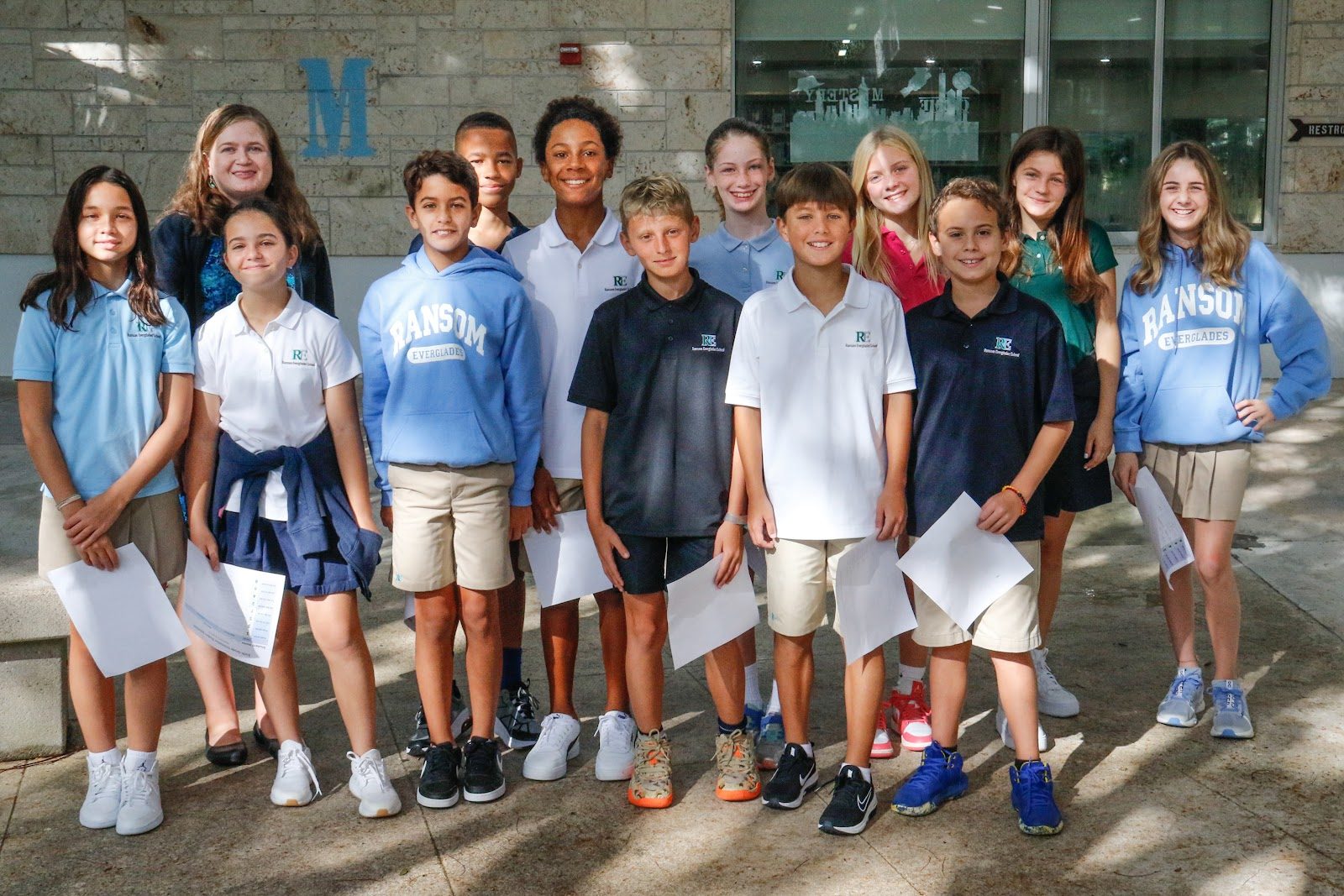
Ransom Everglades School
Miami · United States
On Biscayne Bay since 1903, where sailing and marine science turn the water itself into a classroom
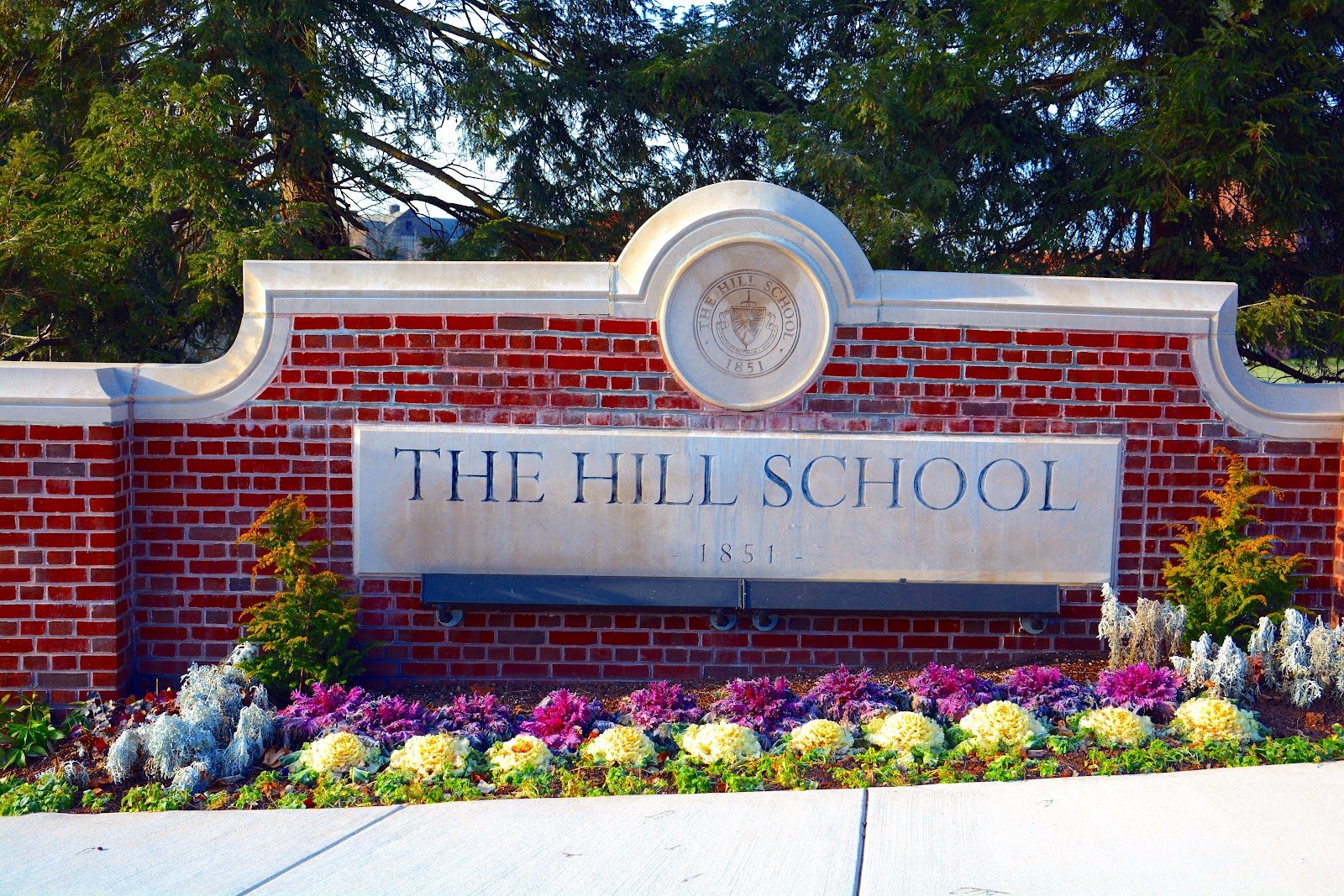
The Hill School
Pottstown · United States
Born in 1851 as the nation's first family boarding school, still pairing faculty and students under one roof on a Pottstown hilltop.
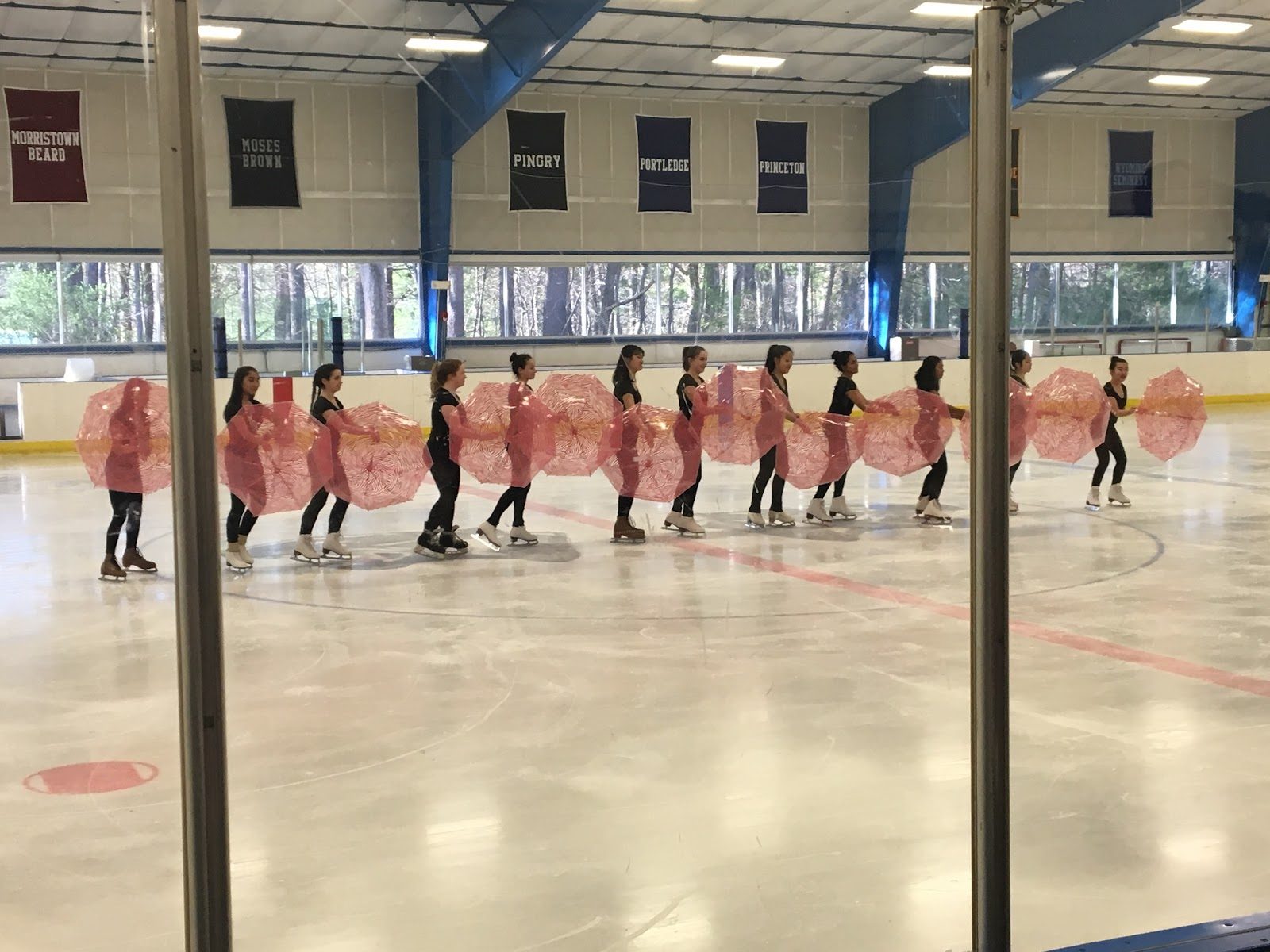
Princeton Day School
Princeton · United States
Formed by a 1965 merger of two century-old Princeton schools, pairing STEAM rigor with a rare four-year architecture program across 106 acres.
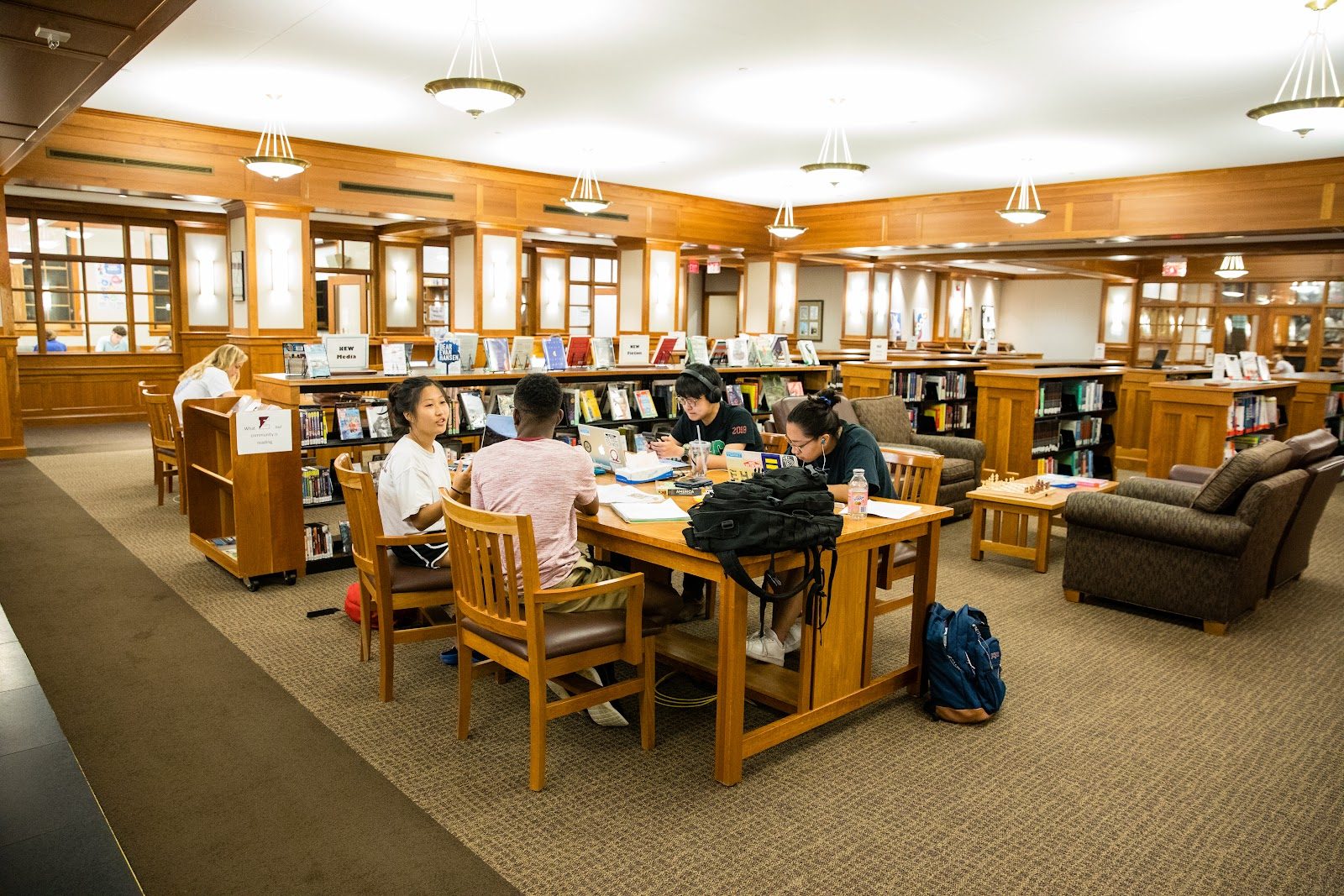
Episcopal High School
Alexandria · United States
A 130-acre hilltop campus 10 minutes from the Capitol, running America's only fully residential school of its caliber in a major metro area.
Same country and curriculum — closest matches within ±10 points either way