
New York
Friends Seminary
medium confidence· 4/6 cats · 3.5 avg sourcesFounded in 1786, the oldest coeducational school in New York City still teaches Quaker simplicity and peace amid Manhattan's bustle
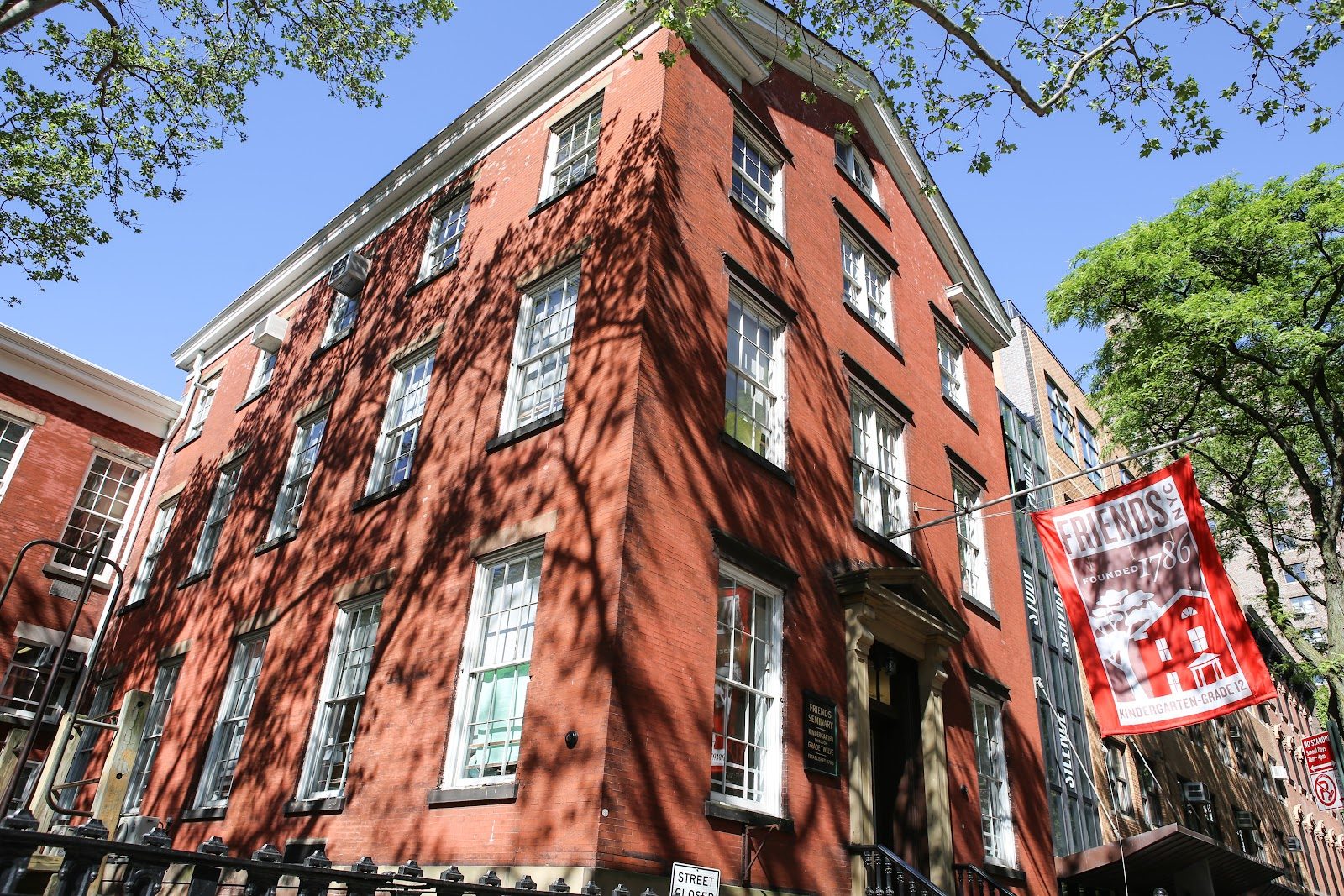
Photo © Friends Seminary via Google Maps
Type
Day
Ages
5–18
Curriculum
American
Qualifications
AP
Ratio
—
The Verdict
Editor's commitment
Right for
Families wanting a Manhattan K-12 with Quaker practice at its core, founded in 1786 and still coeducational in New York City.
Wrong for
Parents after boarding, a religious school, or a cheap option: this is day-only, non-religious, and averages USD 68,700.
Watch out for
NEASC and NAIS accreditation signal solid institutional standing; what the school does not publish here is hard academic outcome data.
Ranking breakdown
Friends Seminary · #764 of 1591
Composite score 65.6. 8 weighted criteria.
By criterion
Academic Outcomes
Weight 20%
#294
of 1529 scored
University Placement
Weight 16%
#305
of 1529 scored
Prestige & Heritage
Weight 12%
#377
of 1571 scored
Alumni Network
Weight 12%
#1403
of 1530 scored
Facilities
Weight 12%
#489
of 1533 scored
Transparency & Communications
Weight 8%
#388
of 1532 scored
Peer & Industry Review
Weight 10%
#480
of 1548 scored
Admissions Selectivity & Demand
Weight 8%
#266
of 1529 scored
Score history
Friends Seminary · 2026
Movement across 2024–2026. Peer average overlaid.
Overall — 2024–2026
65.6/ 100
▲ +16.3 vs 2025
year on year
Peer & Industry Review
How Friends Seminary is regarded in the sector
78
Strong · medium confidence
Friends Seminary is a well-established Quaker private school in Manhattan frequently mentioned in NYC private school guides and rankings (e.g., Niche, Private School Review) alongside peer institutions like Dalton, Trinity, and Brearley, and is regularly covered in outlets like The New York Times and New York Magazine's private school coverage for its rigorous academics and notable alumni network. It has a long-standing reputation among NYC independent schools as academically strong with a distinctive values-based (Quaker) approach, though it receives less specialist international press attention (e.g., Tatler, Good Schools Guide UK-focused outlets) compared to schools with global boarding profiles.
Evidence sources
- Uma Thurman — Actress, Film/Entertainment
Editors' overview
In lower Manhattan, Friends Seminary offers a rare mix: a K–12 American education in a school founded in 1786, with Quaker practice still at the centre rather than parked as heritage décor. It is the oldest continuously coeducational school in New York City, and that matters because the culture has had centuries to settle into something distinct: plain-speaking, reflective, community-minded, and resistant to the status games that infect many Manhattan independents. The school teaches in English, runs as a day school for ages 5 to 18, and carries NEASC and NAIS accreditation. For parents who want a school with a moral vocabulary but without doctrinal pressure, that combination is genuinely unusual.
What puts Friends on a shortlist is not scale or spectacle. The school serves about 800 students, which keeps it intimate by New York standards, and its identity is bound up with Quaker education, peace and simplicity rather than brand expansion or a polished global-schools script. That will appeal to bright, self-possessed children who can thrive in a culture that values thoughtfulness, discussion and personal responsibility over swagger. It is a strong fit for families who want Manhattan access without a performative Manhattan school atmosphere. It is a weaker fit for children who want a large-campus experience, a high-octane competitive culture, or a school built around overt religiosity; Friends was created for Quaker children but now welcomes students from other backgrounds, and the listing classifies it as non-religious.
The fee level tells you where it sits in the market. At an average annual day fee of $68,700, Friends Seminary is expensive even within the New York independent sector, so parents are paying for a scarce proposition: historic institutional identity, a full K–12 ladder, and a culture with real philosophical coherence in the middle of Manhattan. Its alumni base also has substance: Wikidata catalogues 57 notable alumni, with strong representation in writing, journalism, the arts and scholarship. That points to a school that suits intellectually curious, verbally confident students who value ideas and culture as much as conventional prestige. Friends Seminary is not a mass-appeal choice. It is a clear-eyed, values-led one for families who want seriousness without bombast.
Academic Performance
Friends Seminary does not publish the exam data that would let parents place it cleanly against New York’s strongest independents. We have not seen school-level AP averages, SAT or ACT ranges, National Merit counts, or university matriculation breakdowns in the public domain. That is a real limitation. In a market where the most academically confident schools disclose selective outcomes with precision, this level of opacity leaves parents relying on reputation, selectivity and institutional character rather than hard performance tables. For a school with an established intellectual identity, that gap is frustratingly thin.
That does not point to weak academics; it points to a school that does not sell itself through scoreboard culture. The K–12 structure, the long-settled culture, and the concentration of alumni in writing, scholarship and the arts indicate a school that values serious thinking over exam theatre. The verified alumni footprint — 57 notable former pupils, with deep representation in journalism, literature and the performing arts — gives at least one concrete signal of long-range academic and cultural formation. Relative to peers, Friends fits the camp of high-prestige, low-noise Manhattan schools: demanding, intellectually credible, and uninterested in mass-market metrics. Parents who need published exam proof will find cleaner data elsewhere. Parents who trust institutional substance over public scorecards will find Friends easier to back.
Facilities
Facilities are not the reason to choose Friends Seminary. Parents looking for a vast green campus, a field-house complex or the brute-force abundance of the largest New York independents will not find it here. The school operates in lower Manhattan, and that means space is constrained, vertical and urban. The important named asset is the Turrell Skyspace, an installation that gives the campus a cultural distinction few peers can match. It is not a substitute for expansive grounds, but it does signal a school that invests in reflective, arts-adjacent spaces rather than prestige architecture for its own sake. The Meetinghouse also matters. In a school where Quaker practice is central, dedicated communal space is not decorative; it is functional.
Against peers, this is a compact, purpose-built offer rather than a showpiece one. The best-resourced suburban or outer-borough campuses will beat Friends easily on acreage, athletic infrastructure and specialist sprawl. Manhattan competitors with deeper capital programmes can also offer more visual polish. Friends’ advantage sits elsewhere: facilities that support a coherent culture and a school day organised around intellectual and communal life rather than spectacle. That will suit families who value atmosphere, access and distinctive spaces over sheer quantity. It will disappoint those who equate excellence with standout sports provision, glossy labs on public display, or the country-club version of independent schooling.
Friends Seminary does not publish the exam data that would let parents place it cleanly against New York’s strongest independents
Prestige
Friends Seminary carries real prestige, but it is not the chest-thumping kind. Its standing rests on age, continuity and cultural distinctiveness inside a crowded independent-school market. The school’s Quaker inheritance gives it a recognisable moral and institutional shape that many rivals lack. That matters. In New York, plenty of schools sell access, polish and outcomes; far fewer have a settled educational philosophy that reaches beyond branding. The result is a school with serious social capital among families who know the sector well, especially those who value intellect, restraint and civic conscience over flash. Its enrolment of about 800 also keeps it selective in feel: large enough to sustain breadth, small enough to preserve identity.
The alumni record strengthens that case. Wikidata alone captures 57 notable former pupils, with unusual depth in writing, journalism, acting, directing and the visual arts. That is not a random scatter of famous names; it points to a school that has long fed New York’s cultural and intellectual life. Prestige here works in a quietly patrician register. Friends does not trade on stadiums, global campuses or public scoreboards. It trades on old institutional confidence, a distinctive ethos and a network that reaches into media, publishing and the arts. For families who want obvious status signals, other schools project harder. For families who understand understated influence, Friends ranks highly.
Friends Seminary carries real prestige, but it is not the chest-thumping kind
Communications
Friends Seminary’s parent-facing communication is disciplined, coherent and rooted in institutional life rather than admissions theatre. The navigation on its public site does useful work: “Mission”, multiple Quaker education pages, leadership, campus, family engagement, extended programmes and a school magazine are all easy to find, which tells parents what the school thinks matters. That is a serious strength. Schools with a strong internal culture need to explain themselves clearly, and Friends does. The prominence given to Quaker education, faith and practice, and community-facing sections points to a school that communicates values plainly, not as decorative rhetoric. The inclusion of direct contact details and practical visit information also counts in its favour. This is not a mysterious institution hiding behind aura.
The limits are equally clear. We have not seen the kind of hard parent information that sharpens trust at the point of decision: detailed academic outcomes, richer operational detail, or a fuller public picture of day-to-day school life across the age range. That leaves communications strong on identity and weaker on proof. For many families, that will be enough; the school knows what it is and says so with refreshing restraint. For hard-nosed parents comparing elite independents, the communication model asks for more faith than the market now rewards. It is effective at conveying culture and seriousness. It is less effective at answering the blunt questions parents ask before committing $68,700 a year.
Uniqueness
What makes Friends Seminary distinctive is not rarity for its own sake, but a school culture built around Quaker practice that still governs the daily experience rather than sitting as ceremonial wallpaper. In a sector crowded with high-performing schools that reward speed, display and social confidence, Friends gives unusual weight to silence, reflection, conscience and plain dealing. That has consequences for students. Children grow up in an environment that gives moral language institutional force, treats community life as part of the education rather than an add-on, and places real value on listening before speaking. The result is countercultural in the Manhattan independent market: a school that trains judgement as deliberately as it trains achievement. For the right child, that is deeply formative.
Its other point of difference is the combination of full-school continuity and an intimate scale. A community of about 800 creates room for sustained relationships across the age range without tipping into anonymity or corporate sprawl. Add the Meetinghouse and the Turrell Skyspace, and the school’s physical environment reinforces the same message as its ethos: slow down, pay attention, think clearly. That is a rare institutional coherence. Students who are intellectually alert but allergic to bluster will benefit from it most. Students who want a louder, sharper-edged, openly competitive atmosphere will not. Friends is not a universal fit; its uniqueness lies in offering an education with moral seriousness and restraint in a city that prizes performance.
Friends Seminary’s parent-facing communication is disciplined, coherent and rooted in institutional life rather than admissions theatre
Student Profile
Friends suits children who think before they speak, tolerate silence, and do not need constant external reward to stay engaged. The Quaker core matters here: pupils live with reflection, community expectation and a moral vocabulary that has practical force, not assembly-hall symbolism. The best fit is a student who is self-possessed, verbally agile and inwardly driven — the kind of child who can handle discussion, dissent and introspection without turning every classroom into a performance. Families drawn to this school tend to want seriousness without piety, standards without swagger, and a peer group shaped less by social display than by intellectual and cultural appetite. The school’s notable alumni footprint — 57 catalogued figures, with heavy representation in writing, journalism and the arts — reinforces that picture.
The weaker fit is just as clear. A child who wants a loud, tribal school culture, high-visibility competition or big-campus energy will chafe. So will students who measure themselves through rank, public trophies and relentless comparison. Friends asks for emotional steadiness, intellectual patience and a tolerance for restraint. That can be deeply sustaining for thoughtful children who dislike peacocking and status games. It can feel claustrophobic to those who want more edge, speed and spectacle. At an average annual fee of $68,700, this is not a school for parents buying a logo; it is for families buying a culture and expecting their child to inhabit it fully.
For parents who want a school with a moral vocabulary but without doctrinal pressure, that combination is genuinely unusual
Co-curricular strengths
Arts & sport, on a separate axis
Overall 8.94/10
Scored 0-10 from the school's own published evidence. This axis is editorial-only — it does not feed the main WTS ranking.
Sports
8.5/10
Varsity basketball and cross-country, and external evidence adds a basement-level gymnasium, which together support a notable but not extensive sports programme.
Drama
9/10
Theater productions, a black box theater and performance use of the Meetinghouse/Vineyard Theatre, and verified alumni include Tony-winning Liev Schreiber and Emmy-winning Kyra Sedgwick, which anchors drama at least at 8.
Dance
9/10
Music
9/10
Jazz ensemble and chamber orchestra, and external evidence states the Meetinghouse serves as a home for the school's music program, indicating a dedicated named space for music.
Visual Arts
9.2/10
Visual arts, and external evidence adds art studios, which is dedicated facility evidence sufficient for a 6.
Editor first-pass · editor-reviewable · 7/28/2026
Notable alumni · Wikidata
57notable alumni
13 historic (born pre-1930) · 17 modern (born post-1970)wikidata:2026-07-28 How we source this
Strengths
- +Founded in 1786, Friends Seminary is the oldest continuously operated, coeducational day school in New York City, giving it a long institutional track record.
- +Small average class size of 18 students supports close teacher-student engagement across the K-12 continuum.
- +Quaker foundations give the school a distinctive character-education framework, including Meeting for Worship, alongside a college-preparatory curriculum.
- +The school reports a substantial financial aid program aimed at maintaining an economically diverse student body, reducing reliance on full-pay families alone.
- +Central Manhattan location (222 East 16th Street) places the school within walking distance of Union Square and the East Village for families based downtown.
Considerations
- −Tuition is among the highest in New York day-school terms, with published figures ranging from the mid-$50,000s to roughly $68,700 depending on year and source, placing real financial demands on families.
- −Kindergarten and Grade 9 are the only guaranteed entry points; places in Grades 1-8 and 10-12 depend on attrition, which limits flexibility for relocating families needing a specific mid-cycle start.
- −Grades 5-12 applicants must submit ISEE or SSAT scores plus interviews, adding a formal testing hurdle typical of Manhattan independent schools.
- −As an urban day campus spread across several older buildings, Friends Seminary lacks the large green playing fields and purpose-built athletic campus found at suburban or boarding alternatives.
Availability
Primary entry gate & tests
ISEE/SSAT + Interview (ISAAGNY)
Gallery
Photo © David Adler via Google Maps
Photo © Friends Seminary via Google Maps
Photo © Michael Harrington via Google Maps
Photo © Michael Harrington via Google Maps
Photo © John Choe via Google Maps
Photo © John Choe via Google Maps
Photo © John Choe via Google Maps
Photo © John Choe via Google Maps
Photo © John Choe via Google Maps
Parent reviews
Have you sent your child here?
Voice reviews carry the strongest trust badge — we transcribe them for you to tidy up before they go live. Prefer to type? A written review is fine too.
Add your voice
In 60 seconds, tell other parents: what's the best thing about Friends Seminary, and what surprised you when your child joined?
We ask for a Google sign-in so every review has a real face behind it — no anonymous drive-by attacks on schools, and no faked positive reviews. Your email is never shown publicly.
Send this profile to a friend
International parents rely on word-of-mouth. Share this review with someone weighing the same decision.
Schools with places
Similar schools to Friends Seminary with places available now.
The Buckley School
New York City · United States
- 2026-27
- CLOSEDConfirmed full
- 2027-28
- OPENS SOONOpens post-Labor Day '26
Ethical Culture Fieldston School
New York City · United States
- 2026-27
- WAITPOOLLimited late availability
- 2027-28
- OPENS SOONOpens post-Labor Day '26
Rye Country Day School
Rye · United States
- 2026-27
- CLOSEDRegular cycle
- 2027-28
- PLACES OPENActive now (Opened 1 Aug)
The Browning School
New York City · United States
- 2026-27
- CLOSEDConfirmed full
- 2027-28
- OPENS SOONOpens 25 Aug '26; appointments from 8 Sep
Availability first, then country, area, curriculum, price, co-curricular
Consider also
Also worth looking at alongside Friends Seminary.
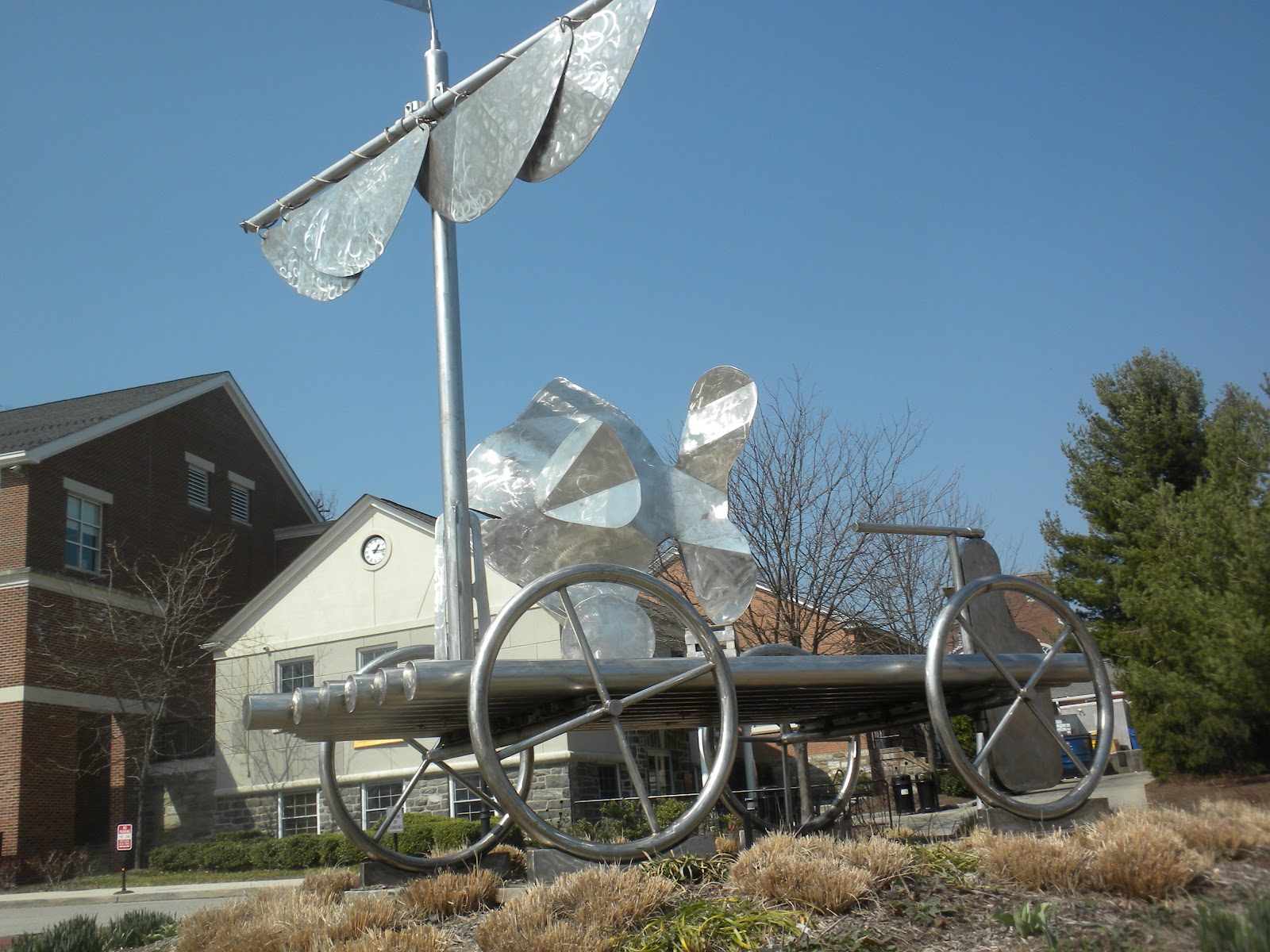
The Haverford School
Haverford · United States
Since 1884 on Philadelphia's storied Main Line, an all-boys campus balances rigorous academics with athletics and the arts.
The Buckley School
New York City · United States
On Manhattan's Upper East Side since 1913, a K-9 boys' school pairing classical rigor with mandatory public-speaking training for every student.
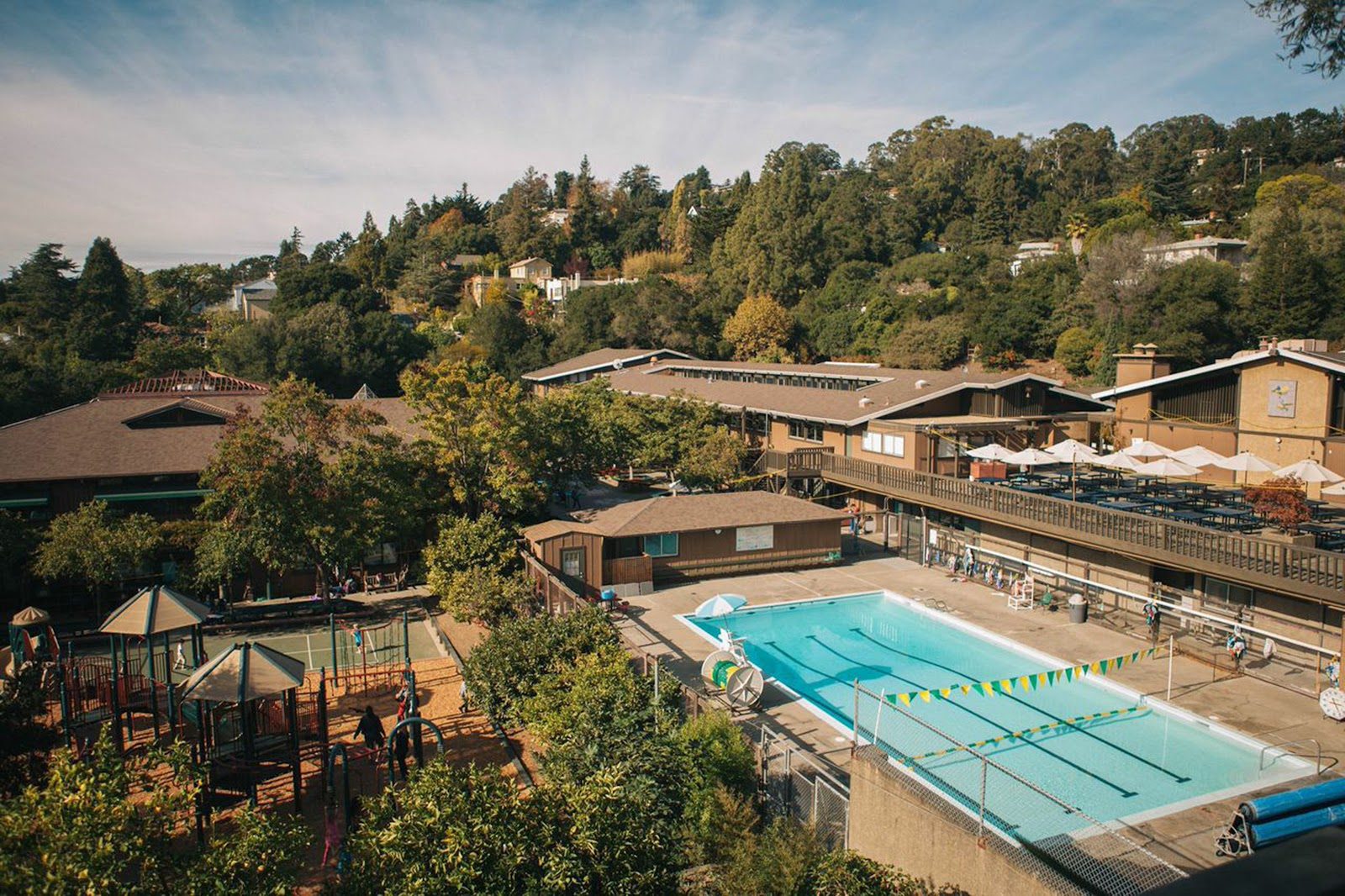
Head-Royce School
Oakland · United States
Since 1887 on a wooded Oakland hills campus, pairing rigorous scholarship with a decades-old public-school partnership that opens college doors for first-generation students
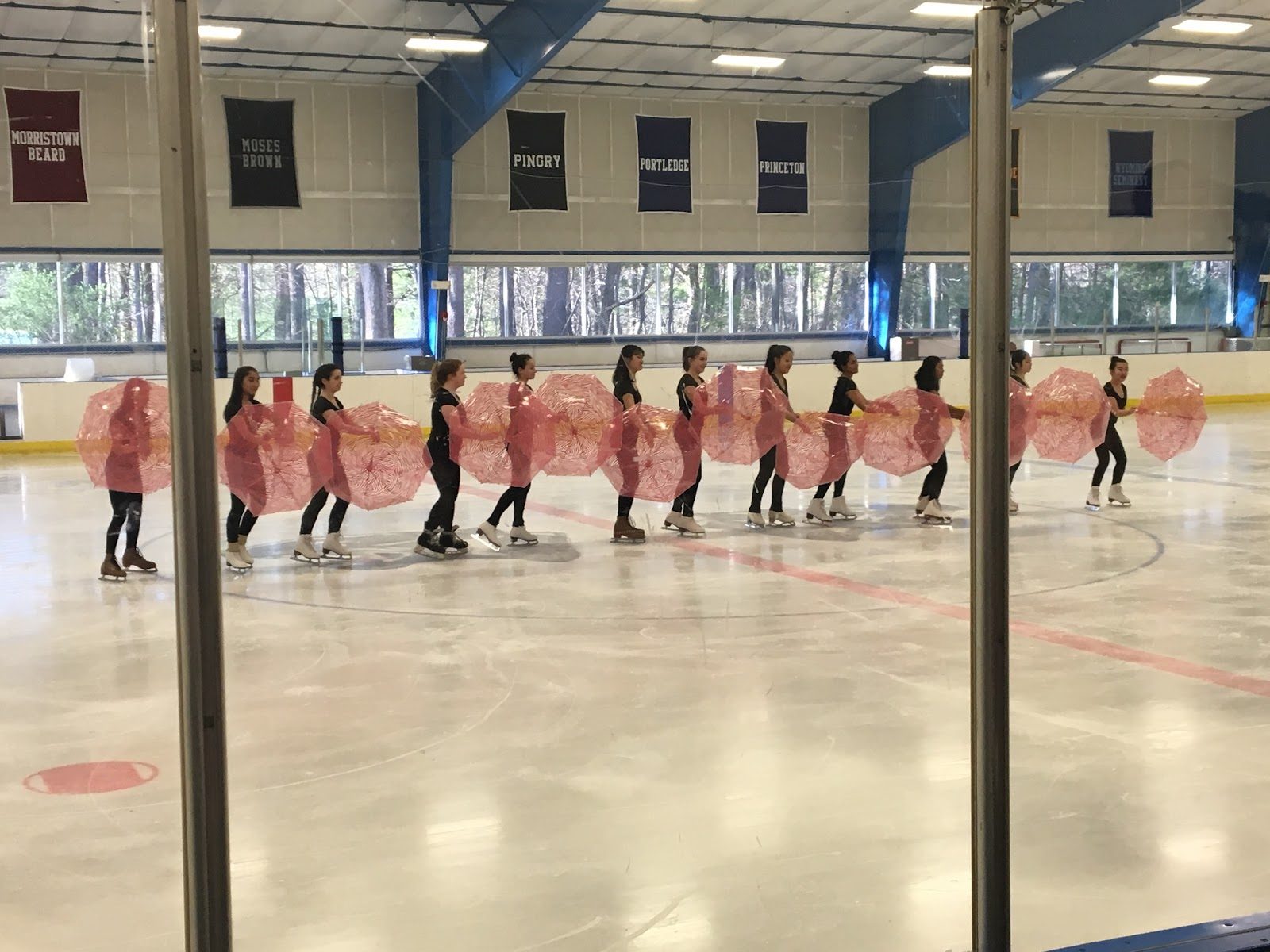
Princeton Day School
Princeton · United States
Formed by a 1965 merger of two century-old Princeton schools, pairing STEAM rigor with a rare four-year architecture program across 106 acres.
Same country and curriculum — closest matches within ±10 points either way