
California
Francis Parker School
low confidence· 1/6 cats · 2.5 avg sourcesSince 1912, San Diego's oldest independent day school has run on Colonel Francis Parker's progressive-education playbook.
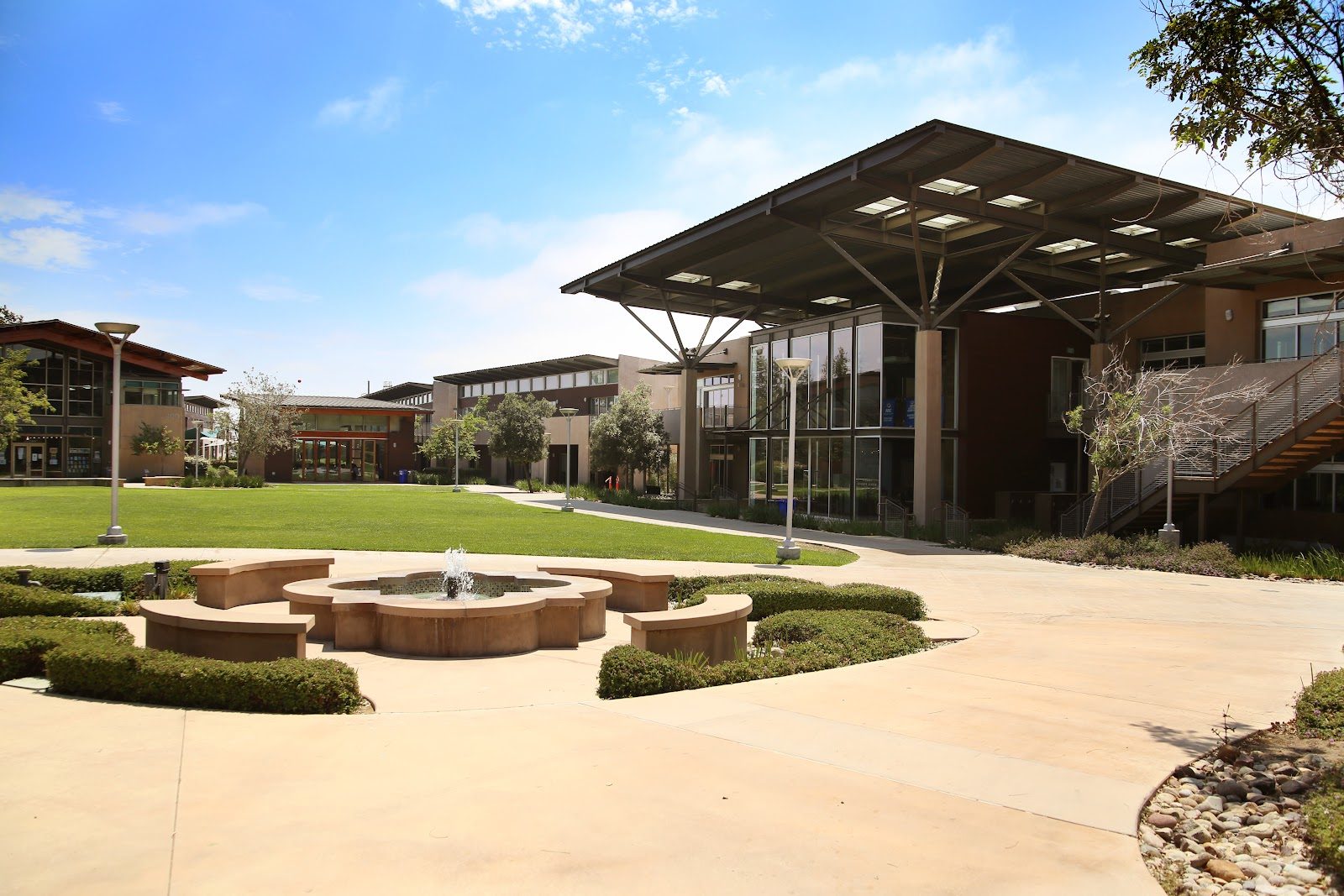
Photo © Francis Parker School via Google Maps
Type
Day
Ages
3–18
Curriculum
American
Qualifications
AP · US High School Diploma
Ratio
9:1
The Verdict
Editor's commitment
Right for
Families who want San Diego's oldest independent day school, founded in 1912, with American curriculum, 9:1 staffing and 16-pupil classes.
Wrong for
Anyone wanting boarding, religious formation or another language of instruction: Parker is non-religious, day-only, English-medium and spans ages 3–18.
Watch out for
At an average USD 42,250 a year, progressive education needs scrutiny: NAIS membership is not exam disclosure, and public outcomes stay thin.
Ranking breakdown
Francis Parker School · #783 of 1591
Composite score 65.4. 8 weighted criteria.
By criterion
Academic Outcomes
Weight 20%
#902
of 1529 scored
University Placement
Weight 16%
#911
of 1529 scored
Prestige & Heritage
Weight 12%
#734
of 1571 scored
Alumni Network
Weight 12%
#481
of 1530 scored
Facilities
Weight 12%
#808
of 1533 scored
Transparency & Communications
Weight 8%
#779
of 1532 scored
Peer & Industry Review
Weight 10%
#998
of 1548 scored
Admissions Selectivity & Demand
Weight 8%
#837
of 1529 scored
Peer & Industry Review
How Francis Parker School is regarded in the sector
65
Respected · medium confidence
Among California Association of Independent Schools (CAIS) and NAIS peers, Francis Parker is respected as a solid, values-driven institution but is typically ranked behind The Bishop's School and La Jolla Country Day School in local prestige surveys and informal head-of-school circles, largely on account of endowment size and legacy family networks rather than academic rigor. College admissions offices at UC San Diego, UCLA and Berkeley regard Parker as a reliable feeder with well-prepared applicants, though its Ivy League placement numbers remain modest compared with the top-tier Northeastern day schools. Independent education review platforms such as Niche and Public School Review consistently place Parker among San Diego's top five private schools, citing strong teacher engagement and community culture, but it rarely appears in national or international rankings alongside schools like Phillips Exeter or Horace Mann. Its progressive pedagogy draws occasional academic interest at NAIS conferences, where Parker's discussion-based Harkness model is cited as a regional exemplar, but the school maintains a low international profile and minimal coverage in UK-based advisory outlets like Good Schools Guide or WhichSchoolAdvisor, reflecting its status as a well-regarded but distinctly regional institution.
Editors' overview
Francis Parker School occupies a rare position in San Diego: an old, established independent day school with genuine educational ballast rather than a new-build gloss. Founded in 1912, it trades on a progressive tradition and, more importantly, still organises school life around it. The defining features are clear: American curriculum, non-religious setting, ages 3–18, English-medium teaching, and a substantial all-through structure that keeps families in one institution from early years to university entry. Size matters here. With 1322 pupils, 70+ ZIP codes represented, a 9:1 student-teacher ratio and average classes of 16, Parker has both scale and intimacy. That combination gives it reach in sport, arts, clubs and academic options without the anonymity that afflicts many larger schools. Deep roots and serious institutional confidence set the tone.
What puts Parker on a shortlist is not novelty but execution. This is San Diego’s oldest co-educational private school, and it has the advantages of maturity: clear mission, broad co-curricular provision, visible investment in student support, and enough institutional heft to sustain specialist programmes across divisions. The school publishes a strong line on wellness, with four licensed counsellors and structured activity across lower, middle and upper school. That matters. In a high-performing American day school, pastoral care is not decorative; it is part of the operating model. Parker also pushes global perspective, character, citizenship and out-of-classroom learning hard. Parents who want a purely exam-factory environment will find that emphasis too expansive. Parents who want academic ambition without a narrow, joyless culture will read that as a civilised balance and an unusually complete school life.
The market position is straightforward: Parker is a premium, established, academically ambitious San Diego independent for families who want breadth, stability and a full school experience rather than a niche specialist proposition. It is not a tiny boutique school, and it is not a loose progressive free-for-all. It sits in the middle of that market with authority: enough structure to drive results, enough independence of spirit to keep bright children engaged. The student who fits Parker best is curious, articulate, busy and comfortable participating. This is a school for children who want to do several things well — academics, arts, sport, service, leadership — and who benefit from adults expecting them to contribute to a community. The quieter, self-contained child can do well here too, but only if they still want to join in. Parker rewards students who respond to high expectations, strong adult support and a culture that treats school as more than classroom performance.
Academic Performance
Francis Parker does not publish the hard exam data that would let parents place it cleanly against top American independents. We have not seen aggregate AP scores, AP participation rates, SAT or ACT averages, National Merit counts, or a university matriculation table with enough detail to judge depth as well as headline destinations. That opacity matters. In this market, schools with genuinely strong external outcomes put at least some of those numbers into the public domain. Parker instead leans on mission, student experience and graduate qualities. That says something about institutional priorities, but it also leaves an information gap where academic proof should sit.
That does not make Parker weak academically; it makes it harder to verify how far it outruns peers. The school’s scale, staffing profile and evident investment in support point to a platform capable of producing serious academic performance, and the reference to stress relief during AP examinations confirms a substantial advanced-course culture in the upper school. Still, parents comparing Parker with other selective Californian independents need more than atmosphere and aspiration. They need published outcomes. Until Parker discloses them, the school fits best in the category of *credibly academic but insufficiently transparent*. For a school of this stature, that is a real editorial flaw, not a minor omission.
Facilities
Parker’s facilities read as those of a large, mature all-through independent rather than a start-up chasing spectacle. The most telling assets are the ones tied directly to daily school life: a dedicated Student Health and Wellness team, 4 licensed counsellors working across divisions, a lower school community garden used for planting and composting, and enough student infrastructure to sustain 60+ clubs and organisations in the middle and upper school. The school also refers to “campuses” in the plural, which matters: this is not a cramped one-building operation. There is space for divisional separation, age-appropriate provision and a wider spread of activities. The therapy-dog programme, counselling visibility and recurring wellness events point to pastoral facilities that are more deliberate than decorative. Many schools advertise wellbeing; Parker has built routines, staffing and physical touchpoints around it.
Against peer American independents, that places Parker in a strong but not showpiece bracket. The wellness provision is more concrete than at many rivals, and the garden-based lower school work adds a useful hands-on dimension that schools with a purely academic plant miss. What we do not see in public is the kind of facility detail that top-tier schools now publish aggressively: specialist labs, performing arts venues, athletic complexes, design spaces or libraries described with any precision. That silence limits the case. Parents can infer a broad campus platform and serious institutional capacity; they cannot yet judge whether Parker’s physical estate is merely solid or genuinely exceptional.
The second distinctive feature is the school’s unusually deliberate wellness culture
Prestige
Francis Parker carries real local prestige. In San Diego, an education here signals entry into one of the city’s established independent institutions rather than a fashionable newcomer or a narrow specialist school. Prestige rests first on permanence and social recognition, but also on institutional breadth: families are buying into a school large enough to sustain a full student life, visible enough to draw from 70+ ZIP codes, and structured enough to support children across every division without losing coherence. The school’s own language leans hard on character, citizenship and global perspective, which gives the brand a cultivated, civic-minded cast rather than a brute-force, results-at-any-cost one. That distinction matters. Parker’s name carries weight with families who value polish, confidence and community standing.
Still, prestige here is substantial rather than absolute. Within the American independent-school market, the strongest prestige attaches either to schools with ferociously selective academic reputations or to schools that publish unmistakable outcome data and elite university placement patterns. Parker does not make that case in public with enough force. The school projects seriousness through low staffing ratios, 60+ clubs and organisations, and 4 licensed counsellors, all of which reinforce an image of well-funded institutional competence. But prestige built on history, scale and reputation alone has limits. Parker reads as a top-tier local independent, not a national prestige powerhouse. For many families, that is more than enough.
Parents who want academic ambition without a narrow, joyless culture will read that as a civilised balance and an unusually complete school life
Communications
Parker communicates like a mature independent school with a firm grip on its own message. The public-facing site is busy but informative: it pushes parents quickly towards day-to-day life, student support, divisional activity and headline school priorities. That matters more than glossy branding. The school puts concrete pastoral detail into the open — from Wellness Wednesday programming to therapy-dog activity and the presence of 4 licensed counsellors — which gives parents a clear read on what the institution actually spends time doing. The graduate profile, mission language and repeated emphasis on belonging, balance and out-of-classroom learning are not subtle. Families will know, early and unmistakably, that Parker expects students to engage widely rather than just collect grades. That is clear, institutionally confident communication.
The weakness is volume. Parker publishes a lot of narrative and initiative-led content, and that creates a curated, school-led picture of community life. Parents who want hard comparatives, succinct academic dashboards or a cleaner split between promotion and information will find the presentation less rigorous than it should be. The communications do a strong job on ethos, student life and pastoral visibility; they do a weaker job on measurable academic accountability. In editorial terms, Parker tells families what it values with real fluency. It tells them less clearly how performance is tracked against peers.
Uniqueness
What marks Parker out is not a gimmick or a specialist niche. It is the combination of a progressive inheritance with the operating scale of a major all-through independent. Plenty of schools talk about curiosity, character and citizenship; Parker builds that language into the day-to-day structure of school life. The “qualities of a Parker graduate” are not tucked away as decorative rhetoric but set out as the school’s organising ideal: critical thought, confident communication, empathy, resourcefulness and civic engagement. That brings students an education that reaches beyond classroom compliance. Children here are pushed to speak, contribute, lead and connect their learning to the world around them. For the right student, that is expansive, energising and intellectually alive. For the child who wants to keep their head down and do the minimum, it is a poor fit.
The second distinctive feature is the school’s unusually deliberate wellness culture. Many independents bolt counselling onto an already crowded timetable and call it pastoral care. Parker has made student support visible, routine and normal across divisions, with 4 licensed counsellors, recurring wellness programming, therapy-dog involvement in the middle school, and lower school garden work tied to social-emotional learning. That gives students a less performative, more operational form of care: support is part of the school’s machinery, not an emergency add-on. In a high-pressure environment, that matters. It gives Parker a civilised seriousness that sets it apart from schools that chase achievement while neglecting the conditions that make sustained achievement possible.
Francis Parker does not publish the hard exam data that would let parents place it cleanly against top American independents
Student Profile
The Parker pupil is not a specialist monomaniac and not a passive bystander. This school suits children who want a full life: lessons, clubs, service, leadership, arts, sport, friendships and a visible role in the community. With 60+ student organisations and a graduate profile built around communication, empathy, curiosity and civic engagement, the culture rewards students who speak up, try things, and tolerate being stretched in public. That does not require extroversion in the crude sense, but it does require participation. A child who prefers to stay anonymous, avoid group contribution or treat school as a narrow academic transaction will find Parker demanding in the wrong way. A child with energy, range and a taste for involvement will find it rich, busy and socially fluent.
There is also a clear fit question around emotional tempo. Parker has put real weight behind counselling, wellness routines and support across divisions, which makes it a good home for students who thrive with structure, adult visibility and a school that treats wellbeing as part of the working day. That pastoral infrastructure matters in an ambitious environment. Students who do best here are bright, organised enough to juggle competing commitments, and open to a culture that asks them to be thoughtful classmates as well as strong performers. Families seeking a hard-edged, winner-takes-all atmosphere should look elsewhere. Parker is for children who can handle expectations without needing the school to turn combative or cold.
In this market, schools with genuinely strong external outcomes put at least some of those numbers into the public domain
Co-curricular strengths
Arts & sport, on a separate axis
Overall 8.9/10
Scored 0-10 from the school's own published evidence. This axis is editorial-only — it does not feed the main WTS ranking.
Sports
9.4/10
Drama
8.8/10
Dance
8.8/10
Music
8.7/10
Visual Arts
8.8/10
Strengths
- +Founded in 1912; long-established San Diego school
- +American curriculum throughout ages 3–18
- +Co-educational day school; no boarding disruption
- +NAIS-accredited, non-religious, English-medium teaching
Considerations
- −Day-only model excludes boarding families
- −Only American curriculum; no IB or British option
- −English-only instruction may limit non-native speakers
Availability
Primary entry gate & tests
ISEE/SSAT + Interview
Gallery
Photo © Francis Parker School via Google Maps
Photo © Joey Babcock via Google Maps
Photo © Francis Parker School via Google Maps
Photo © Henry Bookmore via Google Maps
Photo © Henry Bookmore via Google Maps
Parent reviews
Have you sent your child here?
Voice reviews carry the strongest trust badge — we transcribe them for you to tidy up before they go live. Prefer to type? A written review is fine too.
Add your voice
In 60 seconds, tell other parents: what's the best thing about Francis Parker School, and what surprised you when your child joined?
We ask for a Google sign-in so every review has a real face behind it — no anonymous drive-by attacks on schools, and no faked positive reviews. Your email is never shown publicly.
Send this profile to a friend
International parents rely on word-of-mouth. Share this review with someone weighing the same decision.
Schools with places
Similar schools to Francis Parker School with places available now.
Head-Royce School
Oakland · United States
- 2026-27
- CLOSEDRegular cycle
- 2027-28
- OPENS SOONOpens Sept '26
The Webb Schools
Claremont · United States
- 2026-27
- CLOSEDRegular cycle closed
- 2027-28
- PLACES OPENPortal live
The Branson School
Ross · United States
- 2026-27
- CLOSEDRegular cycle
- 2027-28
- OPENS SOONOpens Sept '26
Crystal Springs Uplands School
Hillsborough · United States
- 2026-27
- CLOSEDRegular cycle
- 2027-28
- OPENS SOONOpens Sept '26
Availability first, then country, area, curriculum, price, co-curricular
Consider also
Also worth looking at alongside Francis Parker School.

Friends Seminary
New York City · United States
Founded in 1786, the oldest coeducational school in New York City still teaches Quaker simplicity and peace amid Manhattan's bustle
The Buckley School
New York City · United States
On Manhattan's Upper East Side since 1913, a K-9 boys' school pairing classical rigor with mandatory public-speaking training for every student.
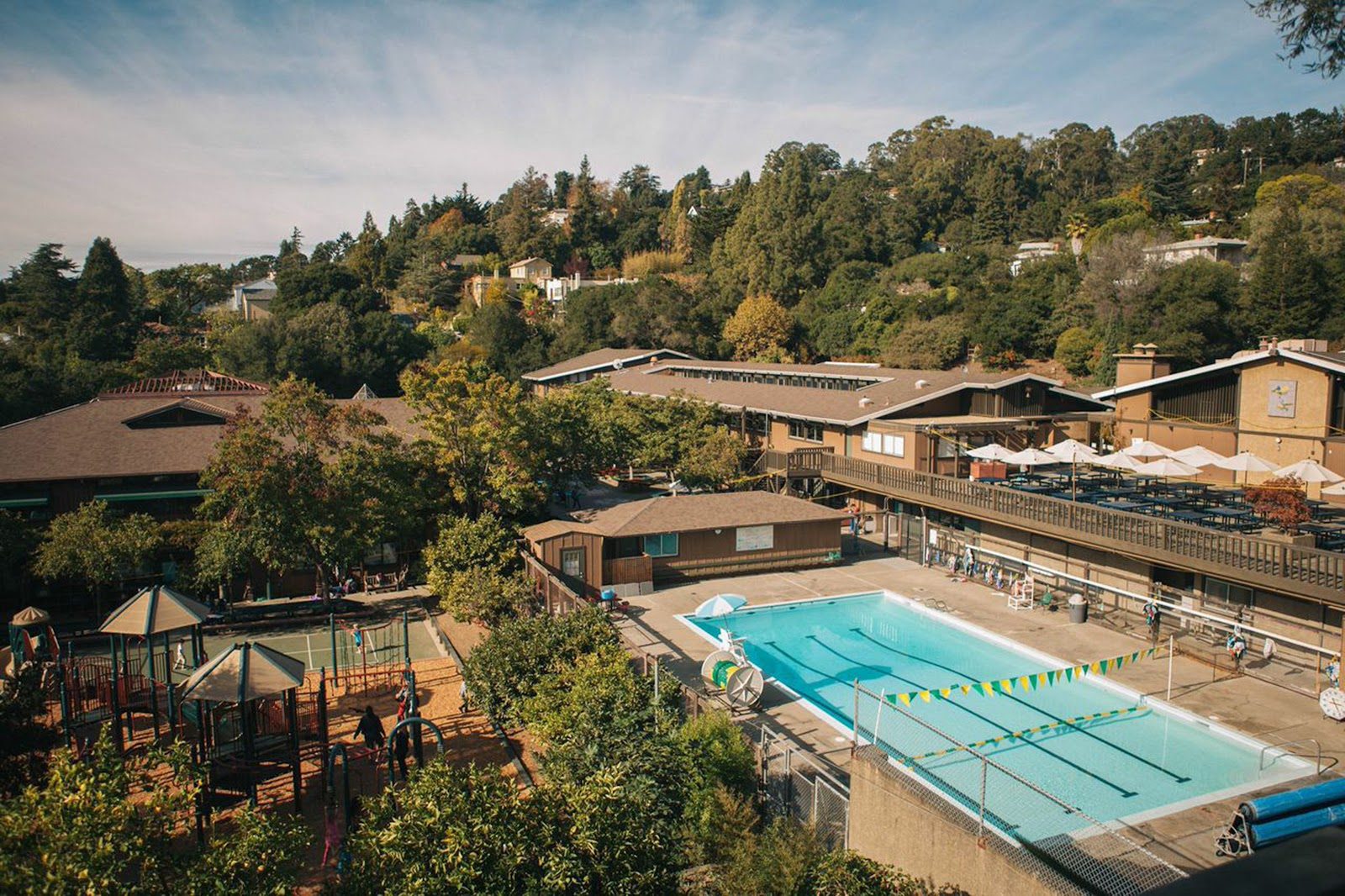
Head-Royce School
Oakland · United States
Since 1887 on a wooded Oakland hills campus, pairing rigorous scholarship with a decades-old public-school partnership that opens college doors for first-generation students
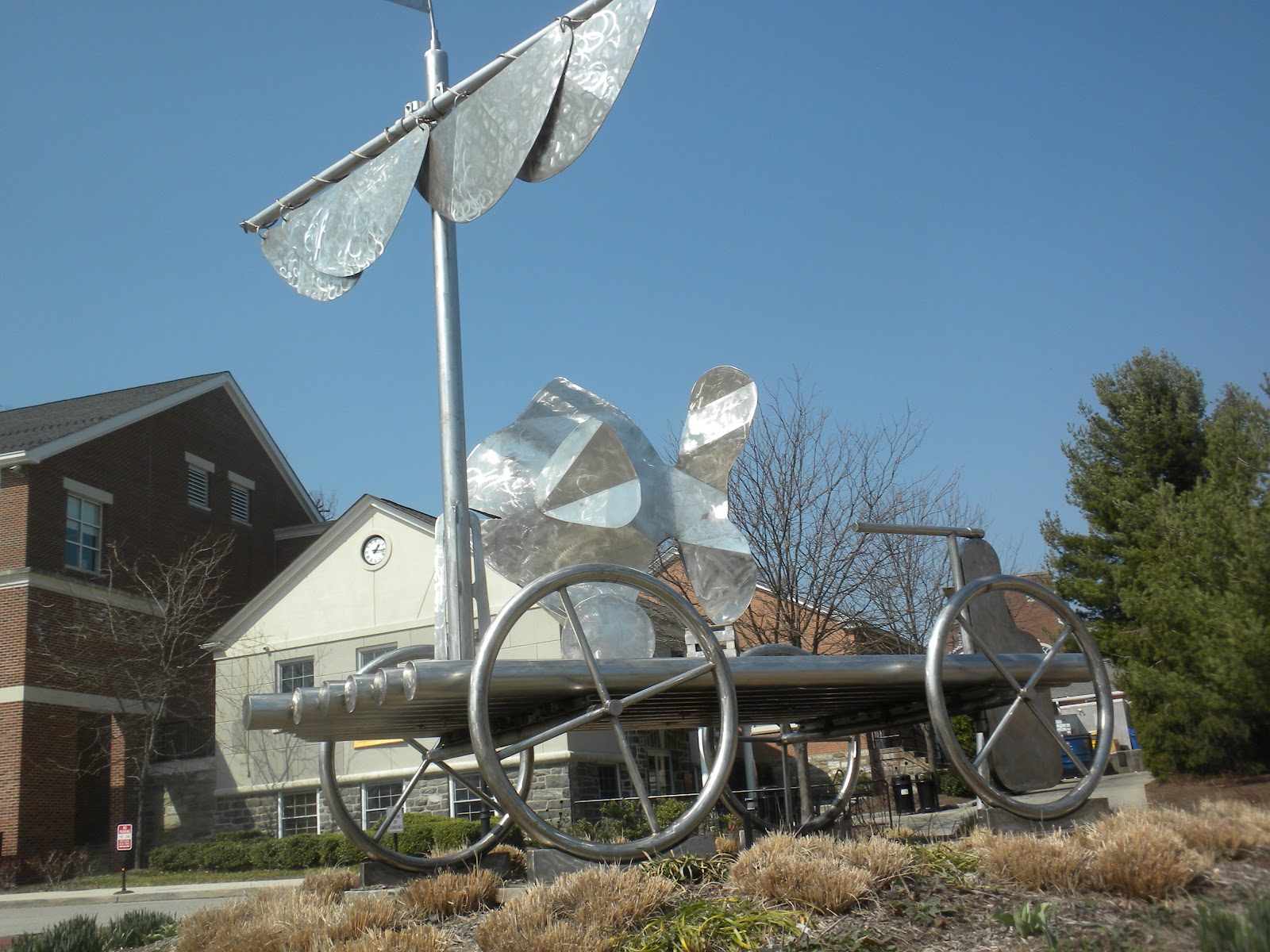
The Haverford School
Haverford · United States
Since 1884 on Philadelphia's storied Main Line, an all-boys campus balances rigorous academics with athletics and the arts.
Same country and curriculum — closest matches within ±10 points either way