
Virginia
Episcopal High School
high confidence· 6/6 cats · 3.31 avg sourcesA 130-acre hilltop campus 10 minutes from the Capitol, running America's only fully residential school of its caliber in a major metro area.
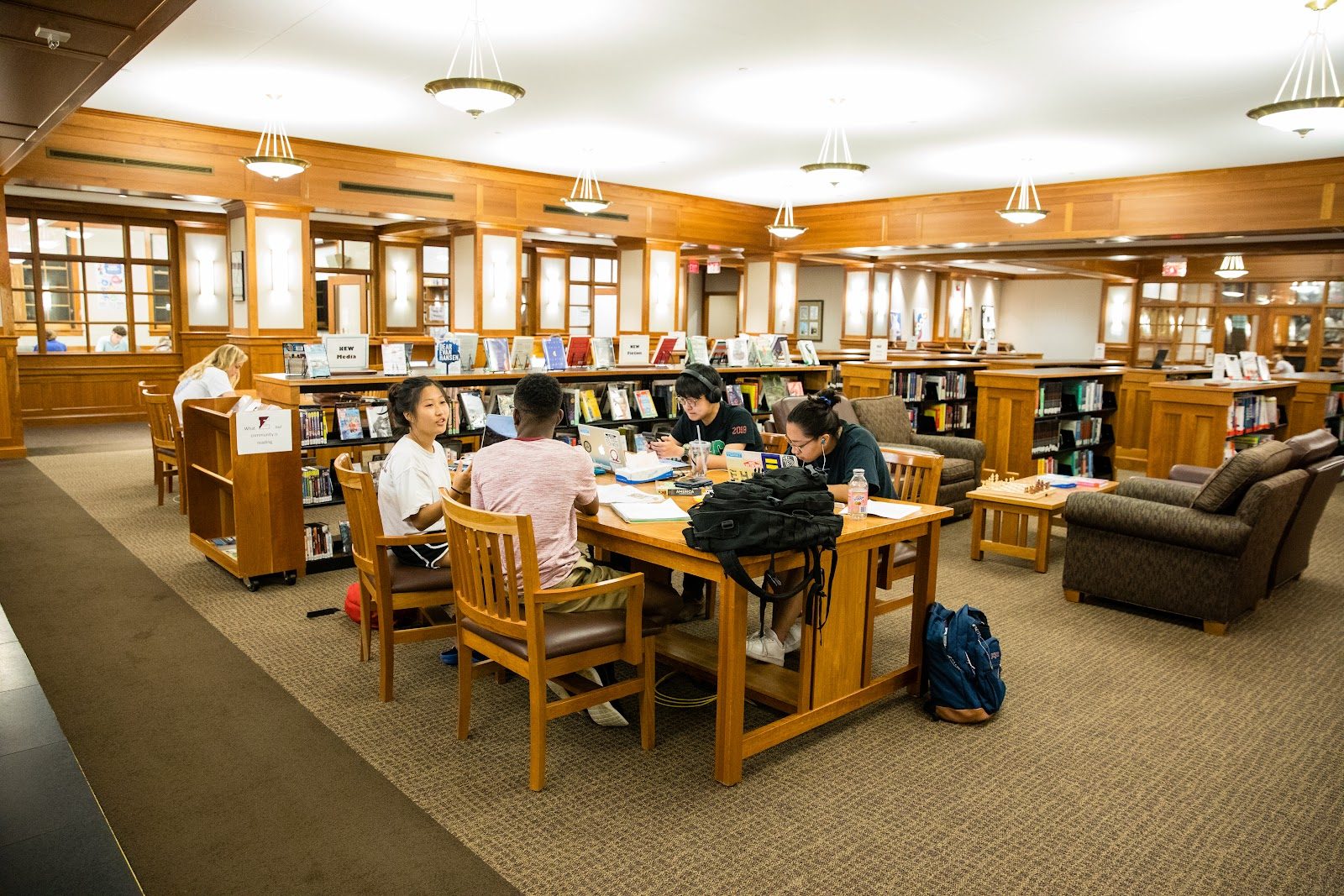
Photo © Episcopal High School via Google Maps
Type
Boarding
Ages
14–18
Curriculum
American
Qualifications
AP
Ratio
—
The Verdict
Editor's commitment
Right for
Teenagers who want full boarding, 11-student classes and Washington on tap: 650+ annual experiences, seven miles from the Capitol.
Wrong for
Families wanting day school, a secular urban commute, or broad university outcomes beyond American University 2 and Amherst College 1.
Watch out for
At $72,000 a year for boarding, this 1839 Alexandria school sells immersion and access; the published destinations list is thin.
Ranking breakdown
Episcopal High School · #419 of 1591
Composite score 70.2. 8 weighted criteria.
By criterion
Academic Outcomes
Weight 20%
#668
of 1529 scored
University Placement
Weight 16%
#584
of 1529 scored
Prestige & Heritage
Weight 12%
#377
of 1571 scored
Alumni Network
Weight 12%
#195
of 1530 scored
Facilities
Weight 12%
#406
of 1533 scored
Transparency & Communications
Weight 8%
#652
of 1532 scored
Peer & Industry Review
Weight 10%
#645
of 1548 scored
Admissions Selectivity & Demand
Weight 8%
#438
of 1529 scored
Score history
Episcopal High School · 2026
Movement across 2024–2026. Peer average overlaid.
Overall — 2024–2026
70.2/ 100
▲ +10.4 vs 2025
year on year
Peer & Industry Review
How Episcopal High School is regarded in the sector
85
Strong · medium confidence
Episcopal High School is consistently regarded as one of the most elite Episcopal boarding schools in the US, frequently mentioned alongside St. Albans, National Cathedral School, and other top East Coast boarding schools in specialist press coverage of elite secondary education. Its alumni network includes prominent figures in politics, business, and media (e.g., Senator Sam Nunn, various ambassadors and journalists), and it is a perennial feeder to Ivy League and elite universities, which is tracked in boarding school guides and college counseling circles. It lacks the singular global brand recognition of a Groton or Phillips Exeter but is firmly established as a top-tier Southern boarding school with strong peer and admissions-industry reputation.
Evidence sources
Editors' overview
Episcopal High School trades on two hard advantages that few American boarding schools can match at the same time: a 100% boarding model and a campus seven miles from Washington. That combination defines the school. This is not a suburban day school with dorms bolted on, and it is not a remote New England boarding campus cut off from city life. Episcopal runs a fully residential community on 130 acres in Alexandria, with 90% of faculty living on campus and a daily structure that carves out 2.5-hour flex blocks for off-campus academic work. The school says it offers 650+ Washington experiences each year, and every student lives on campus. For parents, the attraction is clear: serious pastoral containment, dense adult presence and direct access to politics, public policy, science, business and culture in the US capital.
The academic proposition rests less on exam-bragging than on structure and range. Episcopal teaches an American curriculum, keeps classes to 11 students on average and lists 150+ courses, including 75 honours or advanced options. That points to a school built for discussion, supervision and intellectual stretch rather than mass delivery. The weakness is transparency around outcomes. The school does not publish a broad destinations profile here beyond a small recent sample that includes American University, Amherst College and Appalachian State University. Parents who want a clean public data set of university placements across a full cohort will not get it from what Episcopal discloses.
In market terms, this is an expensive, high-touch US boarding school with a very specific edge: metropolitan access without sacrificing residential intensity. The average annual boarding fee is $72,000, which places it firmly in the premium bracket. The school will suit teenagers who want their education tied to the life of Washington rather than insulated from it: ambitious, outward-facing students interested in government, international affairs, research, public service or the arts, and who are happy living in a fully immersive campus community. It will not suit families looking for a light-touch boarding arrangement, a large commuter population or a conventional day-school rhythm. Episcopal is for students who want close adult oversight, constant communal life and a school that uses the city as part of the timetable, not as an occasional trip.
Academic Performance
Episcopal does not make the usual US independent-school results case through public exam data, because there is no public exam data to inspect. The school advertises breadth of course choice, advanced options and discussion-driven teaching, but it does not publish aggregate AP participation, AP score distributions, SAT or ACT ranges, National Merit counts, or a full university destinations table for an entire graduating class. That leaves parents without the clean comparative metrics many peer boarding schools use to prove academic strength. In performance terms, Episcopal therefore sits in the opaque camp: not weak, but data-light. For a school at this fee level, that is a real limitation, not a trivial omission.
Relative to peers, the school’s academic standing rests on indirect indicators instead: small classes, a residential model with dense adult oversight, and a programme built around off-campus academic work in Washington. That package points to a serious, high-supervision environment with unusual opportunities beyond the classroom. It does not answer the core results question. Among top American boarding schools, the strongest operators publish enough external benchmarks to let families judge selectivity, attainment and university traction with confidence. Episcopal does not. The public destinations sample is too narrow to carry much analytical weight, and the absence of cohort-wide outcomes leaves the school harder to place precisely than more transparent rivals.
Facilities
The defining facility is not a single building but the school’s integrated residential plant. Every pupil lives on site, and a striking share of staff do too, which changes how the campus works: houses, dining, common spaces and academic areas operate as one continuous environment rather than separate day-school zones with dormitories attached. Among US peers, that is a serious operational advantage. Many boarding schools advertise community; fewer run a campus where residential life has this level of adult density and institutional control. For parents, that translates into constant supervision, easier logistics and a stronger sense that evenings, weekends and study time sit inside the school’s educational framework rather than outside it.
The other major asset is geographic rather than architectural. Episcopal’s hilltop site gives it the grounds and containment of a traditional boarding school while keeping Washington close enough to function as a working extension of the campus. The school has built facilities planning around that fact, with 2.5-hour midday blocks and 650+ organised Washington experiences each year. Against peer schools, that is genuinely distinctive. Rivals may have better-known theatres, labs or athletic complexes, but very few can match a setup where access to government, research, culture and professional networks forms part of the routine timetable. What is missing from the public picture is the usual hard inventory: there is no clear published showcase here of standout laboratories, arts venues or sports infrastructure. That opacity matters. The residential estate and metropolitan access are the real facilities story; specialist bricks-and-mortar assets are not.
Episcopal excels at telling parents what daily life feels like and why the school’s structure is distinctive
Prestige
Episcopal carries real prestige in a narrow, high-value lane: old-line American boarding education tied directly to Washington rather than to rural seclusion or prep-school nostalgia. Its standing rests on three things that matter to status-conscious parents and universities alike: a fully residential structure, a conspicuous adult presence on campus, and a programme that turns proximity to national institutions into part of the school week rather than an occasional enrichment add-on. The school’s own claim of 650+ Washington experiences a year, backed by 100% faculty participation in academic expeditions, gives it a point of distinction few rivals can match. This is not mass-market prestige. It is institutional prestige: a school with a defined identity, a serious internal culture and a strong sense of place.
That said, prestige here is stronger on reputation and educational shape than on publicly evidenced outcomes. The school has cachet, history and a high-status setting, but it does not publish the sort of cohort-wide academic and university placement data that would let families rank it cleanly against the most transparent top-tier US boarding schools. That matters. In elite-school terms, Episcopal sits in the recognised but not fully legible bracket: respected, distinctive and expensive, with a compelling Washington angle, but without the public results architecture that turns esteem into an airtight top-table case. For families drawn to influence, networks and close supervision, that prestige is tangible. For families who want prestige proven through hard comparative data, it is incomplete.
Episcopal High School trades on two hard advantages that few American boarding schools can match at the same time: a 100% boarding model and a campus seven miles from Washington
Communications
Episcopal communicates with unusual clarity about its central idea. The website is clean, current and tightly organised around the school’s educational model, with strong signposting for admissions, student life, athletics, arts and life after school. Parents do not have to dig to understand the main operational promises: a fully residential community, heavy staff presence, small classes and regular use of Washington as an academic resource. The school also gives concrete headline figures — 650+ Washington experiences, 150+ courses, 11 students per class — which helps. That makes the outward communication disciplined, coherent and easy to navigate. For first-contact communication, Episcopal does the job well.
Where it is weaker is depth and accountability. The messaging is highly managed and mission-led, but it does not publish the hard parent data that matters most once interest turns serious: cohort-wide university outcomes, aggregate testing data, or a fuller results picture. That gap limits trust. A school asking families to buy into an intense, expensive residential model needs communication that covers not just ethos and opportunity, but proof of academic delivery. Episcopal excels at telling parents what daily life feels like and why the school’s structure is distinctive. It is less convincing when parents want evidence of what that structure produces at scale. In communications terms, this is a strong front end with an opaque back end.
Uniqueness
Episcopal’s real distinction is structural, not cosmetic. Most American schools near major cities dilute boarding into an optional extra or use the city for occasional enrichment. Episcopal builds school life around both. It runs a fully immersive residential model in a major metropolitan orbit, then threads that access directly into the week through 2.5-hour flex blocks and 650+ organised Washington experiences. That gives students something rarer than a good campus or a good location: a timetable that links formal study to live institutions, working professionals and the civic machinery of the capital. For a teenager interested in policy, science, international affairs, culture or public service, that is a serious educational advantage, not a brochure flourish.
The second point of difference is the school’s adult architecture. With 90% of faculty living on campus and every student in residence, Episcopal offers an intense, high-supervision environment where teaching, advising and pastoral oversight do not stop at the classroom door. That brings obvious gains: tighter relationships with adults, quicker intervention when a student is struggling, and a stronger sense of shared purpose than schools where day pupils disperse each afternoon. It also brings pressure. This is not a place for teenagers who want anonymity, loose structure or a casual boarding experience. Episcopal’s uniqueness lies in that combination of constant community and external reach: inwardly contained, outwardly connected, and designed for students who want both.
This is not a suburban day school with dorms bolted on, and it is not a remote New England boarding campus cut off from city life
Student Profile
The student who fits here wants intensity, structure and proximity. Episcopal suits teenagers who do their best work inside a closely held community where adults know them well, expectations stay high and free time is not detached from school life. The daily reality is shared: everyone lives together, teachers are deeply woven into campus routines, and the institution places heavy weight on honour, service, character and participation. That suits students who are comfortable being visible, accountable and busy. It does not suit the privacy-seeking adolescent who wants to disappear after lessons, build an independent city life, or keep school at arm’s length.
Intellectually, the best fit is a student drawn to live institutions rather than abstract schoolroom study alone. The school’s use of Washington, backed by 650+ annual experiences and 100% faculty participation in expeditions, favours pupils who are energised by politics, public affairs, science, culture and professional environments beyond campus. Socially, this is a better match for teenagers who like communal routines, team commitments and constant company than for those who need large amounts of solitude. The class format also rewards students willing to speak, listen and defend ideas in front of peers. In profile terms, Episcopal is for the engaged, thick-skinned, high-functioning boarder who wants a school with a strong internal code and an outward-facing academic life. It is not for the faint-hearted.
The school says it offers 650+ Washington experiences each year, and every student lives on campus
Co-curricular strengths
Arts & sport, on a separate axis
Overall 8.98/10
Scored 0-10 from the school's own published evidence. This axis is editorial-only — it does not feed the main WTS ranking.
Sports
9.2/10
Spanning an enormous 130-acre Washington D.C. area campus; fields fiercely competitive national-caliber football, lacrosse, and track squads.
Drama
9/10
The specialized performing arts center provides a pre-professional training model for acting, set construction, and design.
Dance
8.5/10
Strong afternoon performance track providing core choreography assets for major collaborative musical theater shows.
Music
9/10
Deeply institutionalized choral and string tracking modules feeding active regional touring groups and seasonal events.
Visual Arts
9.2/10
Highly structured fine art layout leaning heavily toward technical drawing, fine oils, and advanced portfolio mastery.
Editor-verified · 8/6/2026
Outcomes & destinations
Where students go next
Top destinations
603 placements
- American University· 2
- Amherst College· 1
- Appalachian State University· 1
- Auburn University· 6
- Babson College· 4
- Barnard College· 1
- Boston College· 6
- Boston University· 3
- Bowdoin College· 2
- Brandeis University· 2
- Brown University· 6
- Bucknell University· 8
- Campbell University· 1
- Chapman University· 4
- Claremont McKenna College· 1
- Clemson University· 5
- Colby College· 1
- Colgate University· 4
- College of Charleston· 2
- Colorado College· 2
- Colorado State University· 1
- Columbia University· 3
- Cornell University· 10
- CUNY City College· 1
- Dartmouth College· 6
- Davidson College· 2
- Denison University· 4
- Dickinson College· 3
- Drexel University· 1
- Duke University· 6
- Elizabethtown College· 1
- Elon University· 4
- Embry-Riddle Aeronautical University· 1
- Emory & Henry University· 1
- Emory University· 4
- Emory University (Oxford)· 1
- Flagler College· 1
- Florida Agricultural and Mechanical University· 1
- Fordham University· 3
- Franklin & Marshall College· 1
- Frostburg State University· 1
- Furman University· 1
- George Washington University· 4
- Georgetown University· 12
- Georgia Institute of Technology· 2
- Hamilton College· 1
- Harvard University· 4
- Harvey Mudd College· 1
- Haverford College· 1
- High Point University· 2
- Howard University· 1
- IE University· 1
- Indiana University, Bloomington· 3
- James Madison University· 2
- Johns Hopkins University· 3
- Kenyon College· 2
- Lafayette College· 2
- Lindenwood University· 1
- Louisiana State University· 1
- Loyola Marymount University· 1
- Maine Maritime Academy· 1
- Massachusetts Institute of Technology· 1
- McGill University· 1
- Miami University· 1
- Middlebury College· 3
- Montclair State University· 1
- Morehouse College· 1
- Muhlenberg College· 1
- New York University· 7
- North Carolina A&T State University· 1
- North Carolina State University· 3
- Northeastern University· 5
- Northwestern University· 1
- Oberlin College· 1
- Occidental College· 1
- Old Dominion University· 1
- Pennsylvania State University· 3
- Penn State Beaver· 1
- Pepperdine University· 1
- Prague University of Economics and Business· 1
- Pratt Institute· 1
- Princeton University· 3
- Providence College· 2
- Radford University· 1
- Rhode Island College· 1
- Rice University· 1
- Rochester Institute of Technology· 1
- Rollins College· 2
- Salve Regina University· 1
- Shenandoah University· 1
- Skidmore College· 1
- Southern Methodist University· 19
- Spelman College· 3
- St. Francis Xavier University· 1
- St. John's University (New York)· 1
- St. Lawrence University· 1
- St. Mary's College of Maryland· 1
- Stanford University· 5
- Stony Brook University· 1
- SUNY University at Buffalo· 1
- SUNY Fashion Institute of Technology· 1
- Syracuse University· 6
- Texas A&M University· 2
- Texas Christian University· 17
- The College of Wooster· 2
- The New School· 1
- The Ohio State University· 1
- The University of Edinburgh· 1
- The University of Nottingham· 1
- Towson University· 2
- Trinity College· 4
- Tufts University· 7
- Tulane University· 14
- United States Merchant Marine Academy· 1
- United States Military Academy· 2
- United States Naval Academy· 1
- University of Alabama· 9
- University of California, Berkeley· 3
- University of California, Irvine· 1
- University of California, Los Angeles· 5
- University of California, San Diego· 1
- University of California, Santa Cruz· 1
- University of Central Florida· 1
- University of Chicago· 4
- University of Colorado Boulder· 3
- University of Connecticut· 1
- University of Denver· 3
- University of Florida· 1
- University of Georgia· 8
- University of Gothenburg· 1
- University of Illinois Urbana-Champaign· 4
- University of Maine· 1
- University of Mary Washington· 1
- University of Maryland· 2
- University of Maryland, Baltimore County· 1
- University of Miami· 10
- University of Michigan· 7
- University of Mississippi· 5
- University of Montana· 1
- University of North Carolina (Charlotte)· 1
- University of North Carolina at Chapel Hill· 25
- University of Notre Dame· 3
- University of Pennsylvania· 9
- University of Rhode Island· 2
- University of Richmond· 4
- University of Rochester· 1
- University of San Diego· 1
- University of San Francisco· 1
- University of South Carolina· 8
- University of Southern California· 4
- University of St. Andrews· 16
- University of Texas· 4
- University of Texas at El Paso· 1
- University of the District of Columbia· 2
- University of the South· 17
- University of Utah· 1
- University of Vermont· 1
- University of Virginia· 27
- University of Virginia at Wise· 2
- University of Washington· 1
- University of Wisconsin· 3
- Vanderbilt University· 1
- Vassar College· 1
- Villanova University· 6
- Virginia Commonwealth University· 1
- Virginia Military Institute· 1
- Virginia Polytechnic Institute and State University· 4
- Virginia University of Lynchburg· 1
- Wake Forest University· 26
- Washington and Lee University· 18
- Washington College· 1
- Washington University in St. Louis· 1
- Wellesley College· 1
- Wesleyan University· 3
- Western University· 2
- Willamette University· 1
- William & Mary· 5
- Wofford College· 7
- Xavier University· 1
- Yale University· 4
Reported by the school. Confirm with admissions.
Strengths
- +Episcopal is a 100% boarding community, one of the few all-boarding schools situated inside a major metropolitan area, minutes from Washington, D.C.
- +Student-to-teacher ratio is reported at roughly 5:1 to 8:1 depending on source, supporting small-class, discussion-based teaching.
- +The school carries a substantial endowment of about $382.5 million (as of June 30, 2025), which underpins financial aid and campus facilities.
- +Notable alumni include Senator John McCain (class of 1954) and investor Julian Robertson (class of 1951), reflecting a long track record of producing prominent graduates.
- +The 130-acre campus supports a broad athletics program of roughly 20 interscholastic sports plus dedicated arts spaces and a chapel.
Considerations
- −Total fees run close to $75,000-$77,000 a year, placing it among the costlier American boarding options and with no day-student alternative to offset cost.
- −Admission is selective, with acceptance rates reported between roughly 29% and 35%, and requires SSAT/ISEE scores plus a mandatory interview.
- −Episcopal only admits students entering grades 9, 10, or 11 and does not accept postgraduates or one-year seniors, which limits options for late-arriving or gap-year families.
- −As an all-boarding, single-campus community, families cannot opt for a day or hybrid arrangement, which is a structural commitment some relocating parents may find inflexible.
Availability
Primary entry gate & tests
SSAT/ISEE + Interview
Gallery
Photo © Yu James via Google Maps
Photo © Yu James via Google Maps
Photo © Episcopal High School via Google Maps
Photo © Episcopal High School via Google Maps
Photo © Norman Campbell via Google Maps
Photo © Francisco Hernandez via Google Maps
Photo © Episcopal High School via Google Maps
Photo © Allen Lee via Google Maps
Photo © Allen Lee via Google Maps
Parent reviews
Have you sent your child here?
Voice reviews carry the strongest trust badge — we transcribe them for you to tidy up before they go live. Prefer to type? A written review is fine too.
Add your voice
In 60 seconds, tell other parents: what's the best thing about Episcopal High School, and what surprised you when your child joined?
We ask for a Google sign-in so every review has a real face behind it — no anonymous drive-by attacks on schools, and no faked positive reviews. Your email is never shown publicly.
Send this profile to a friend
International parents rely on word-of-mouth. Share this review with someone weighing the same decision.
Schools with places
Similar schools to Episcopal High School with places available now.
Availability first, then country, area, curriculum, price, co-curricular
Consider also
Also worth looking at alongside Episcopal High School.
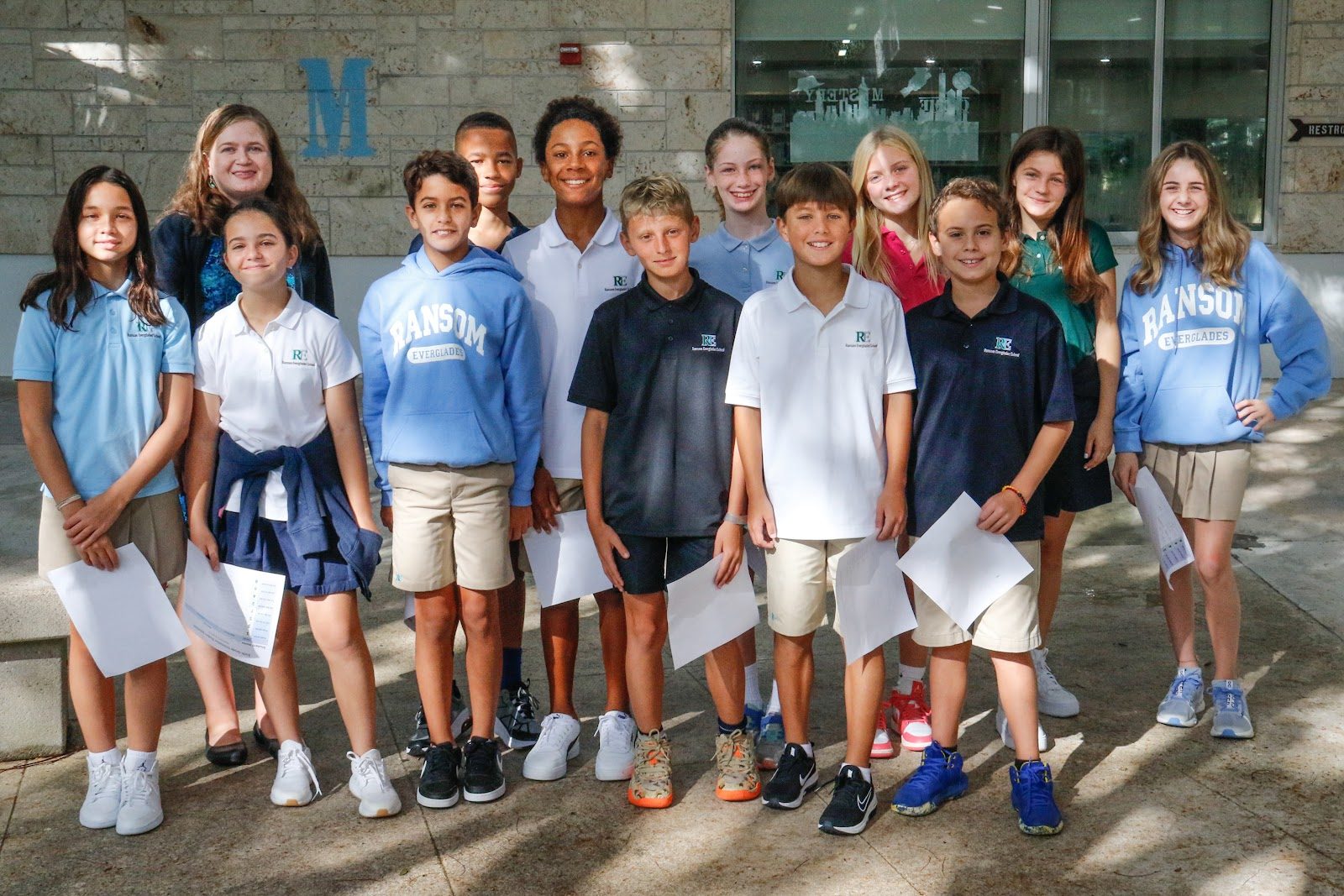
Ransom Everglades School
Miami · United States
On Biscayne Bay since 1903, where sailing and marine science turn the water itself into a classroom
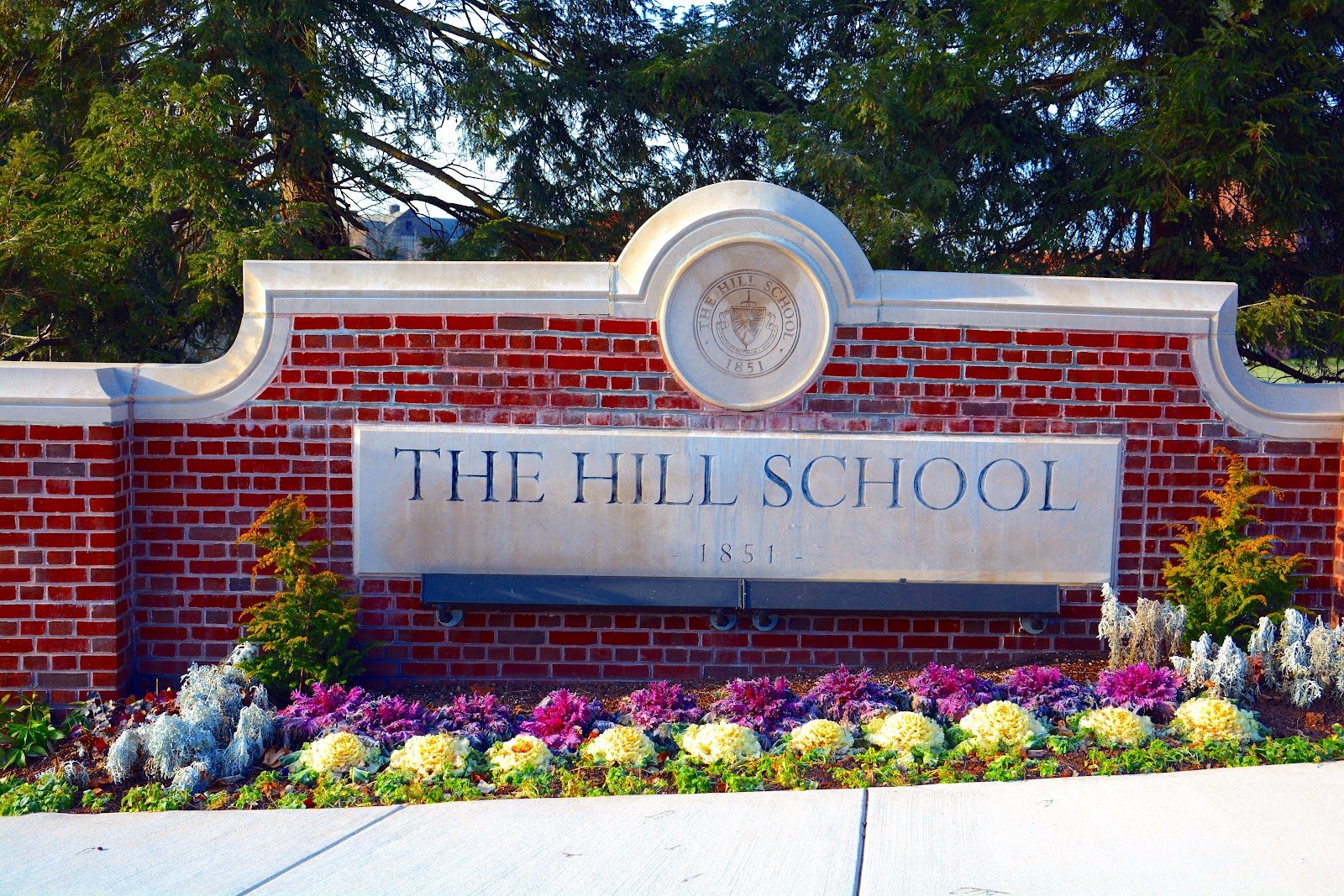
The Hill School
Pottstown · United States
Born in 1851 as the nation's first family boarding school, still pairing faculty and students under one roof on a Pottstown hilltop.
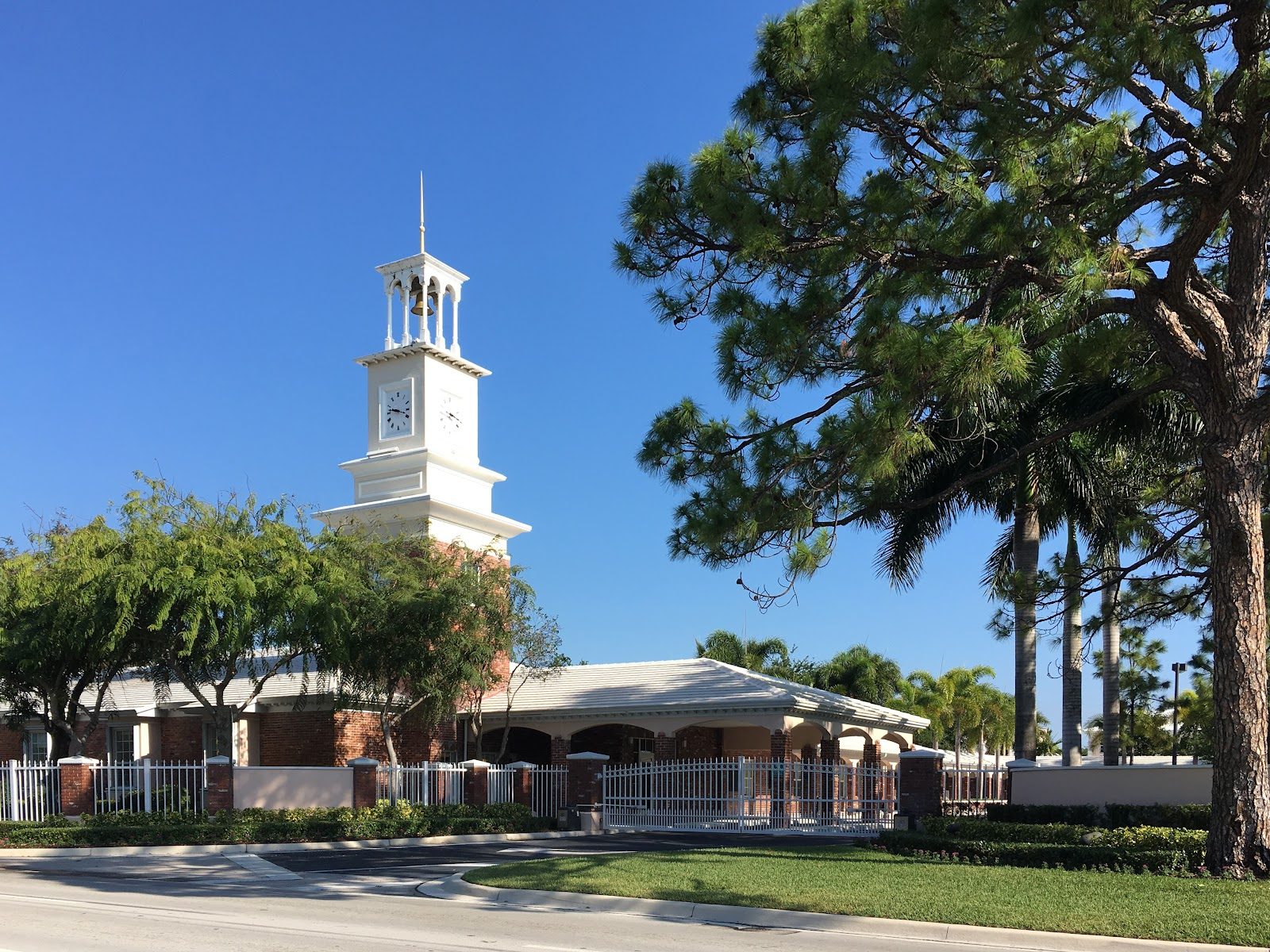
Pine Crest School
Fort Lauderdale · United States
Born as a 1930s tutoring practice for winter visitors, this Fort Lauderdale day school now tops the nation's Challenge Index rankings.
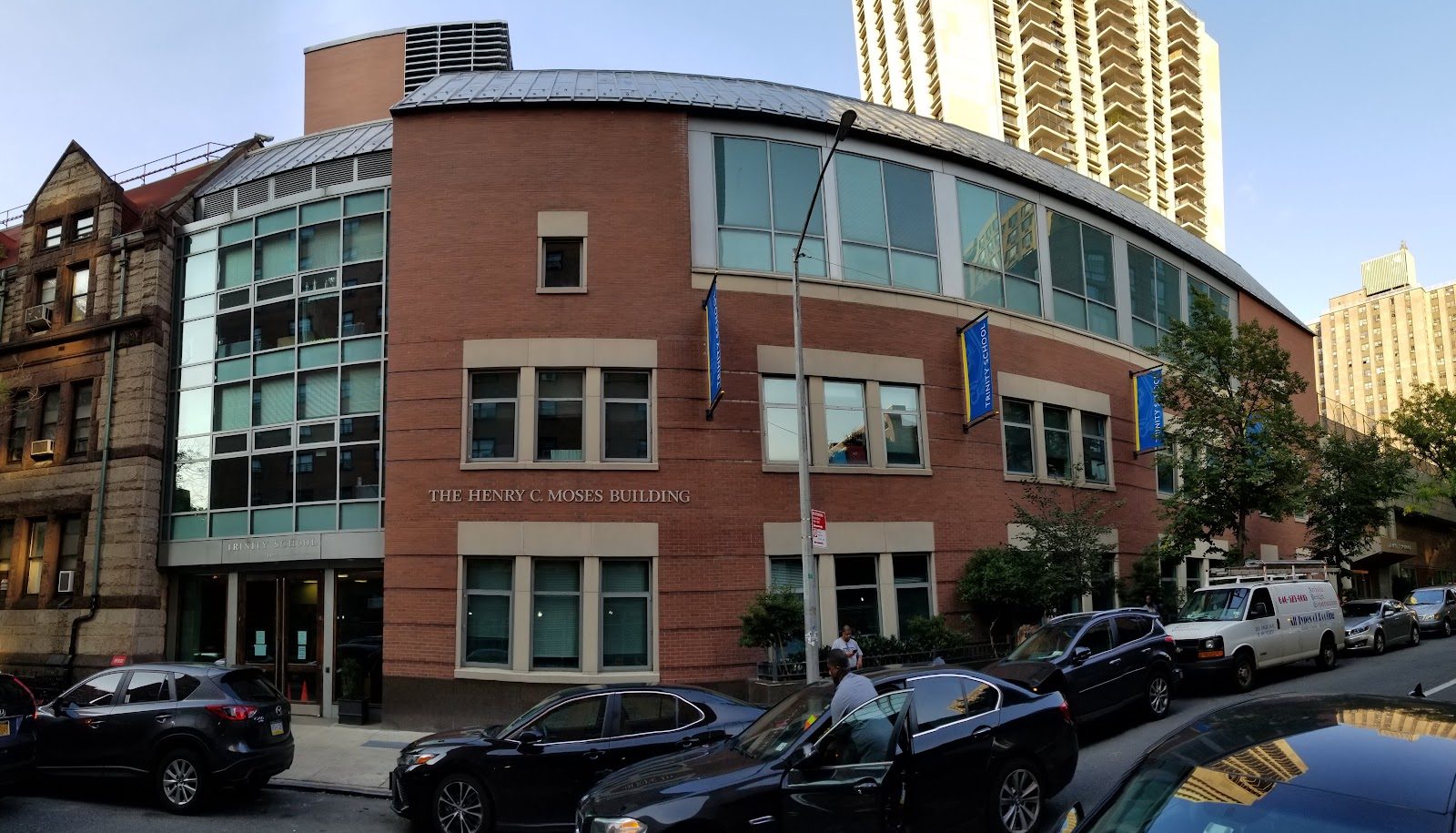
Trinity School
New York City · United States
Founded in 1709 as a charity school, now the oldest continuously operating school in New York City, still built on a rare full Classics department
Same country and curriculum — closest matches within ±10 points either way