
California
Head-Royce School
medium confidence· 4/6 cats · 3.2 avg sourcesSince 1887 on a wooded Oakland hills campus, pairing rigorous scholarship with a decades-old public-school partnership that opens college doors for first-generation students
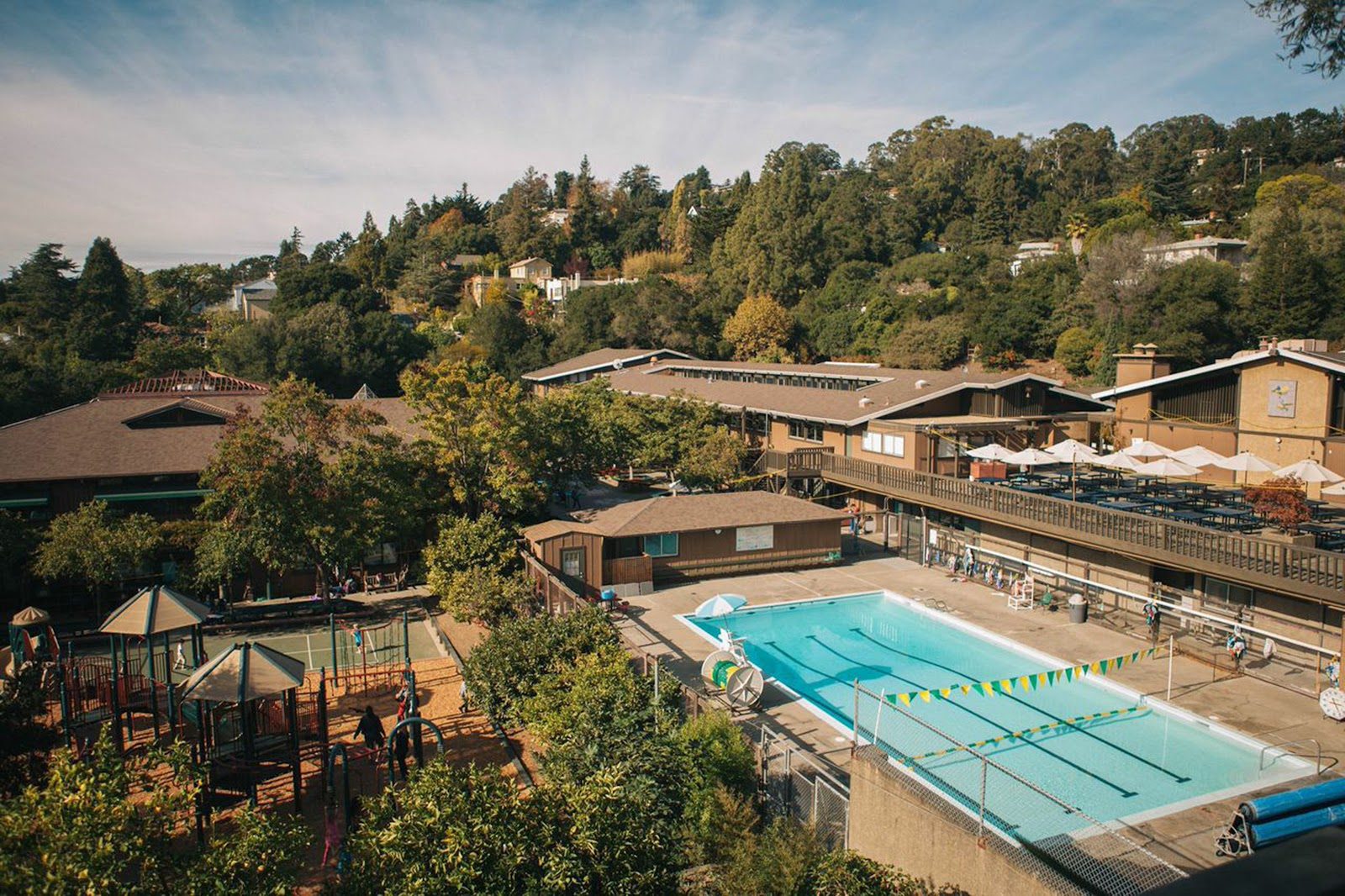
Photo © Head-Royce School via Google Maps
Type
Day
Ages
5–18
Curriculum
American
Qualifications
AP
Ratio
—
The Verdict
Editor's commitment
Right for
Families wanting a non-religious American K–12 on an Oakland campus, with NEASC and NAIS accreditation and real civic-engagement intent.
Wrong for
Parents who want boarding, a faith-based ethos, or a cheap option: this is day-only and averages $60,500 a year.
Watch out for
Leadership is in interim hands under Ricky Lapidus, and a 2023–24 strategic reset means priorities are still being bedded in.
Ranking breakdown
Head-Royce School · #836 of 1591
Composite score 64.6. 8 weighted criteria.
By criterion
Academic Outcomes
Weight 20%
#261
of 1529 scored
University Placement
Weight 16%
#263
of 1529 scored
Prestige & Heritage
Weight 12%
#446
of 1571 scored
Alumni Network
Weight 12%
#1516
of 1530 scored
Facilities
Weight 12%
#569
of 1533 scored
Transparency & Communications
Weight 8%
#354
of 1532 scored
Peer & Industry Review
Weight 10%
#424
of 1548 scored
Admissions Selectivity & Demand
Weight 8%
#247
of 1529 scored
Score history
Head-Royce School · 2026
Movement across 2024–2026. Peer average overlaid.
Overall — 2024–2026
64.6/ 100
▲ +8.2 vs 2025
year on year
Peer & Industry Review
How Head-Royce School is regarded in the sector
62
Respected · low confidence
Head-Royce is consistently ranked among top private K-12 schools in the Bay Area by Niche.com and similar regional aggregators, and is recognized locally as a strong, academically rigorous independent school with a respected college placement record. However, it has limited visibility in national or international specialist education press (e.g., no significant Tatler or Good Schools Guide coverage) and lacks the widespread alumni-network name recognition of the very top-tier US independent schools.
Evidence sources
- Chesa Boudin — District Attorney, Public Service/Law
Editors' overview
Set in the wooded Oakland hills and founded in 1887, Head-Royce trades on substance rather than spectacle. It is a non-religious K–12 day school with an American curriculum, teaching in English, and an annual average day fee of $60,500 across the full age range. That places it firmly in the top tier of Bay Area private schooling. The school’s public identity is clear: rigorous academics, diversity and belonging pushed beyond slogans, and civic engagement tied to the local community rather than treated as a decorative extra. The campus history matters here too. Anna Head’s school started more than a century ago, but the institution has kept one foot in tradition and another in modern programme design, with innovation, internships and integrated learning all named as part of its current direction.
What marks Head-Royce out is the combination of serious academic pressure with an equally serious moral and civic brief. The school states its mission in blunt terms: character, intellect and creativity. It also commits, in unusually explicit language, to anti-racist curriculum revision, conflict resolution, repairing harm and prioritising BIPOC leadership. Many schools gesture in this direction; Head-Royce has written it into the spine of the institution. Parents who want a polished, country-club version of independent education should look elsewhere. This is a school for families comfortable with an intellectually and socially demanding environment, and for children who will use the opportunities of a diverse community rather than retreat from them. NEASC and NAIS accreditation add a layer of external credibility, but the stronger signal is the school’s long-standing seriousness about what education is for.
It also earns a place on a shortlist because it sits in a rare position in the market: prestige without social insulation. The editorial tagline points to a decades-old public-school partnership that opens college doors for first-generation students, and that widens the school’s frame beyond its own fee-paying families. That matters. It gives Head-Royce a civic texture many expensive American day schools lack. The minimum verified alumni footprint is also deep enough to register: 20 notable alumni catalogued in Wikidata, including 6 writers and journalists, alongside figures in film, music and the visual arts. That pattern fits the school’s self-declared emphasis on intellect and creativity. The student who will thrive here is bright, articulate, resilient and happy being stretched across disciplines. The student who wants anonymity, low stakes or a narrow exam-factory education will not enjoy it. Head-Royce is for engaged minds, not passengers.
Academic Performance
Head-Royce does not publish aggregate AP, SAT or ACT results in the public domain, and that limits any hard-edged ranking against the most data-heavy American independents. There is no headline score sheet for parents to scrutinise, no published distribution tables, and no neat exam-first brag line. That opacity matters. In a market where many competitors trumpet medians, National Merit counts or Ivy-adjacent placements, silence leaves families to judge academic strength through institutional signals instead. Here, those signals point to a serious college-preparatory school: a long-established academic reputation, explicit emphasis on assessment and intellectual development, and a programme built around more than test preparation alone. This is not a school selling itself as an exam factory.
Relative to peers, Head-Royce sits in the bracket of high-expectation selective day schools where university preparation is assumed rather than advertised through relentless data drops. That will reassure families who value depth, writing, discussion and broader intellectual formation. It will frustrate parents who want published proof in the form of AP averages, SAT medians or matriculation grids. The school’s stated commitment to innovation, internships, life-skills teaching and civic engagement also points to an academic model that stretches beyond narrow score optimisation. The trade-off is clear: substance over scoreboard theatre, but with less external transparency than the sharpest peer institutions provide. For confident, independently minded families, that is acceptable. For the results-obsessed, it is a gap.
Facilities
Head-Royce does not trade on grand standalone architecture or resort-style amenities. The more important asset is the wooded hillside setting itself, which gives the campus a serious, self-contained feel that suits a school built around concentration rather than spectacle. The school also points to innovation centres, integrated technology, small advising groups and cross-divisional buddy structures. Those are not mere pastoral add-ons; they shape how pupils use the site day to day. Internships and service learning matter too, because they extend the functional campus beyond its buildings and tie facilities to programme design. Against peer schools, that reads as thought-through rather than flashy: less trophy-campus theatre, more infrastructure organised around teaching, relationships and intellectual work.
There is a limit. The school does not publish the kind of detailed facilities inventory that top independents with heavy capital spending use to impress parents: no public roll call of specialised labs, theatre specifications, athletic complexes or maker spaces, and no easy way to benchmark sheer physical scale against bigger competitors. That lack of granularity leaves Head-Royce behind peers that document every studio, pool and performance venue. Families choosing it on campus alone will find the picture less glossy and more opaque than at rival schools in the same fee bracket. Families choosing it for educational use of space, community structure and a deliberately unshowy environment will find the essentials in place.
That places it firmly in the top tier of Bay Area private schooling
Prestige
Head-Royce carries *real Bay Area independent-school prestige*, but not the flashier kind built on mass-market name recognition or relentless publication of outcomes. Its status rests on selectivity, long institutional memory, a demanding college-preparatory culture and a social profile that reaches deep into the professional class. Among families who know the Oakland and San Francisco private-school landscape, this is a serious name. The fee level reinforces that standing: an average of $60,500 a year places it in the expensive end of the market, where parents expect strong teaching, ambitious peers and durable university access. The verified alumni floor also matters. With 20 notable alumni catalogued in Wikidata, including a heavy showing in writing, film, music and the visual arts, the school has produced graduates with public-cultural weight rather than just private-sector success.
What lifts Head-Royce above standard affluent-day-school prestige is that its identity has sharper edges. The school ties intellectual ambition to diversity, belonging and civic engagement in language that is strikingly explicit, and it backs that with a public-school partnership framed around first-generation college access. That gives the brand more credibility than the usual polished rhetoric about service and inclusion. Prestige here comes with moral seriousness and high internal expectations, not country-club ease. The limitation is plain: outside informed US circles, the name does not carry the instant global cachet of the biggest East Coast boarding schools. Inside its own world, though, Head-Royce is genuinely elite.
It also commits, in unusually explicit language, to anti-racist curriculum revision, conflict resolution, repairing harm and prioritising BIPOC leadership
Communications
Head-Royce communicates with parents in a way that matches its institutional temperament: clear in values, selective in detail, and stronger on philosophy than on operational granularity. The public-facing message is coherent. Mission, values, strategic direction, DEI commitments and leadership are all easy to locate and stated in direct language. That matters, because parents can tell quickly what kind of school this is and what behavioural and cultural expectations sit behind the classroom. The school does not hide behind bland phrasing; it spells out student wellbeing, belonging, civic engagement and anti-racist work in terms that are unusually explicit. For families who want alignment before enquiry, that is effective communication.
Where the picture weakens is depth. The school gives a strong sense of who it is and what it believes, but a thinner sense of daily mechanics and measurable outcomes. Public information does not offer the dense operational transparency some parents now expect from a school charging $60,500 a year: there is no rich bank of published performance data, no exhaustive facilities breakdown, and limited publicly visible evidence of how the strategic language translates into routine parent communication. That does not make communication poor. It makes it top-down rather than forensic. Parents who value institutional clarity and a confident moral voice will rate it highly. Parents who want dashboards, fine-grained disclosure and constant proof points will find it too controlled and insufficiently concrete.
Uniqueness
What makes Head-Royce distinctive is not a single programme or prestige marker, but the way it fuses high academic expectation with a hard-edged civic conscience. Many expensive independents talk about character and community; Head-Royce writes conflict repair, anti-racist curriculum work, belonging and BIPOC leadership into the institution’s operating language. That gives the school a more demanding moral climate than the polished consensus version of progressive education. Students do not just absorb strong teaching and move on. They are asked to examine how they live with other people, how power works, and what responsibility looks like in practice. For articulate, intellectually serious children, that produces a sharper education: more self-awareness, more social fluency, and more comfort handling disagreement without retreating into cliches.
The other distinguishing feature is structural. This is a full K–12 school with cross-divisional buddy systems, small advising groups, service learning, internships and a public-school partnership centred on first-generation college access. That mix gives pupils an experience that is less siloed than many peer schools and more outward-facing than the fee level would lead you to expect. Younger children grow up in sight of older pupils; older pupils are pushed beyond the campus and beyond their own social bracket. The result is a student body shaped not just for admission to selective universities, but for adult life in mixed, demanding settings. That is genuinely unusual. It also means the school has little patience for children who want to coast.
Set in the wooded Oakland hills and founded in 1887, Head-Royce trades on substance rather than spectacle
Student Profile
The right Head-Royce student is bright, verbal and ready to participate. This is not a refuge for children who want to drift at the back of the room, keep their heads down and collect credentials in peace. The school’s own language points to a culture of assessment, creativity, civic engagement and belonging, with small advising groups and cross-divisional structures built into daily life. That combination suits pupils who can handle being known well by adults and peers, and who do not panic when a school asks more of them than homework completion. The strongest fit is a child with intellectual stamina, social confidence and the capacity to move between scholarship, discussion, service and self-examination without resentment. At an average annual fee of $60,500, families are buying entry into a high-pressure, high-attention environment, not a passive one.
Temperament matters as much as ability. A child who enjoys disagreement, reflects on conduct, and can live inside a diverse community without retreating into defensiveness will do well here. A pupil who resists explicit conversations about identity, harm, responsibility and inclusion will find the culture demanding and, at times, unforgiving. This is also a strong match for first-rate all-rounders rather than narrow specialists: students who can write, think, contribute and collaborate across age groups. The poor fit is clear too. Head-Royce will frustrate families seeking social ease, emotional anonymity or a politically bland independent-school experience. It suits engaged minds and sturdy characters.
It is a non-religious K–12 day school with an American curriculum, teaching in English, and an annual average day fee of $60,500 across the full age range
Co-curricular strengths
Arts & sport, on a separate axis
Overall 8.96/10
Scored 0-10 from the school's own published evidence. This axis is editorial-only — it does not feed the main WTS ranking.
Sports
8.8/10
High-performance East Bay day athletic powerhouse; fields nationally dominant tennis, soccer, and basketball programs.
Drama
9/10
The school's performing arts tracks function like a professional conservatory environment, mounting elite, large-scale theater productions.
Dance
9/10
Highly active formal dance curriculum running modern, jazz, and classical composition inside custom sprung-floor studios.
Music
9/10
Outstanding musical depth; supports multiple jazz big bands, massive symphonies, and elite choirs with deep civic pipelines.
Visual Arts
9/10
Breathtaking visual studios producing top-tier design portfolios, digital multimedia creations, and fine art pieces.
Editor-verified · 8/6/2026
Notable alumni · Wikidata
20notable alumni
8 historic (born pre-1930) · 7 modern (born post-1970)wikidata:2026-07-28 How we source this
Strengths
- +Head-Royce maintains an average class size of 16 with a 7:1 student-to-teacher ratio across its roughly 921-student K-12 enrollment, supporting close individual attention.
- +The upper school is built on a four-year interdisciplinary Humanities Core, senior seminars, and a capstone, with 60-plus honors and advanced courses, giving students an unusually structured academic pathway.
- +Recent matriculation includes UC Berkeley, UCLA, University of Chicago, USC, Stanford, Northwestern, Brown, Cornell and Yale, indicating access to competitive university placement.
- +The school traces its roots to the Anna Head School for Girls, founded in 1887, which merged with the neighboring Royce School in 1979, giving it a long institutional history and a campus with historic designation.
- +The school states that commitment to socioeconomic diversity is foundational, with a flexible tuition program designed to make a Head-Royce education affordable for all families based on demonstrated financial need.
Considerations
- −Upper-school tuition is $60,500 for 2025-26, placing the school among the higher-cost independent day schools in the Bay Area, even with aid available.
- −With total enrollment around 921 students and 11 interscholastic sports, the range of athletic and extracurricular options is narrower than at larger private schools in the region.
- −The Head-Royce acceptance rate is lower than that of other private schools in the area, and the admissions process is challenging, meaning families should not assume an easy path to enrollment.
- −Students come from Oakland, Berkeley, Alameda, Orinda, and 33+ other communities representing 80 other zip codes in the East Bay and beyond, so families outside the immediate Oakland hills area may face a significant daily commute.
Availability
Primary entry gate & tests
ISEE/SSAT + Interview
Gallery
Photo © Head-Royce School via Google Maps
Photo © Bhagyesh Trivedi via Google Maps
Photo © Bhagyesh Trivedi via Google Maps
Photo © Bhagyesh Trivedi via Google Maps
Photo © Bhagyesh Trivedi via Google Maps
Photo © James Wogan via Google Maps
Photo © Bhagyesh Trivedi via Google Maps
Photo © James Wogan via Google Maps
Photo © Head-Royce School via Google Maps
Parent reviews
Have you sent your child here?
Voice reviews carry the strongest trust badge — we transcribe them for you to tidy up before they go live. Prefer to type? A written review is fine too.
Add your voice
In 60 seconds, tell other parents: what's the best thing about Head-Royce School, and what surprised you when your child joined?
We ask for a Google sign-in so every review has a real face behind it — no anonymous drive-by attacks on schools, and no faked positive reviews. Your email is never shown publicly.
Send this profile to a friend
International parents rely on word-of-mouth. Share this review with someone weighing the same decision.
Schools with places
Similar schools to Head-Royce School with places available now.
The Webb Schools
Claremont · United States
- 2026-27
- CLOSEDRegular cycle closed
- 2027-28
- PLACES OPENPortal live
The Branson School
Ross · United States
- 2026-27
- CLOSEDRegular cycle
- 2027-28
- OPENS SOONOpens Sept '26
Crystal Springs Uplands School
Hillsborough · United States
- 2026-27
- CLOSEDRegular cycle
- 2027-28
- OPENS SOONOpens Sept '26
Lick-Wilmerding High School
San Francisco · United States
- 2026-27
- CLOSEDRegular cycle
- 2027-28
- OPENS SOONOpens early Sept '26
Availability first, then country, area, curriculum, price, co-curricular
Consider also
Also worth looking at alongside Head-Royce School.
The Buckley School
New York City · United States
On Manhattan's Upper East Side since 1913, a K-9 boys' school pairing classical rigor with mandatory public-speaking training for every student.
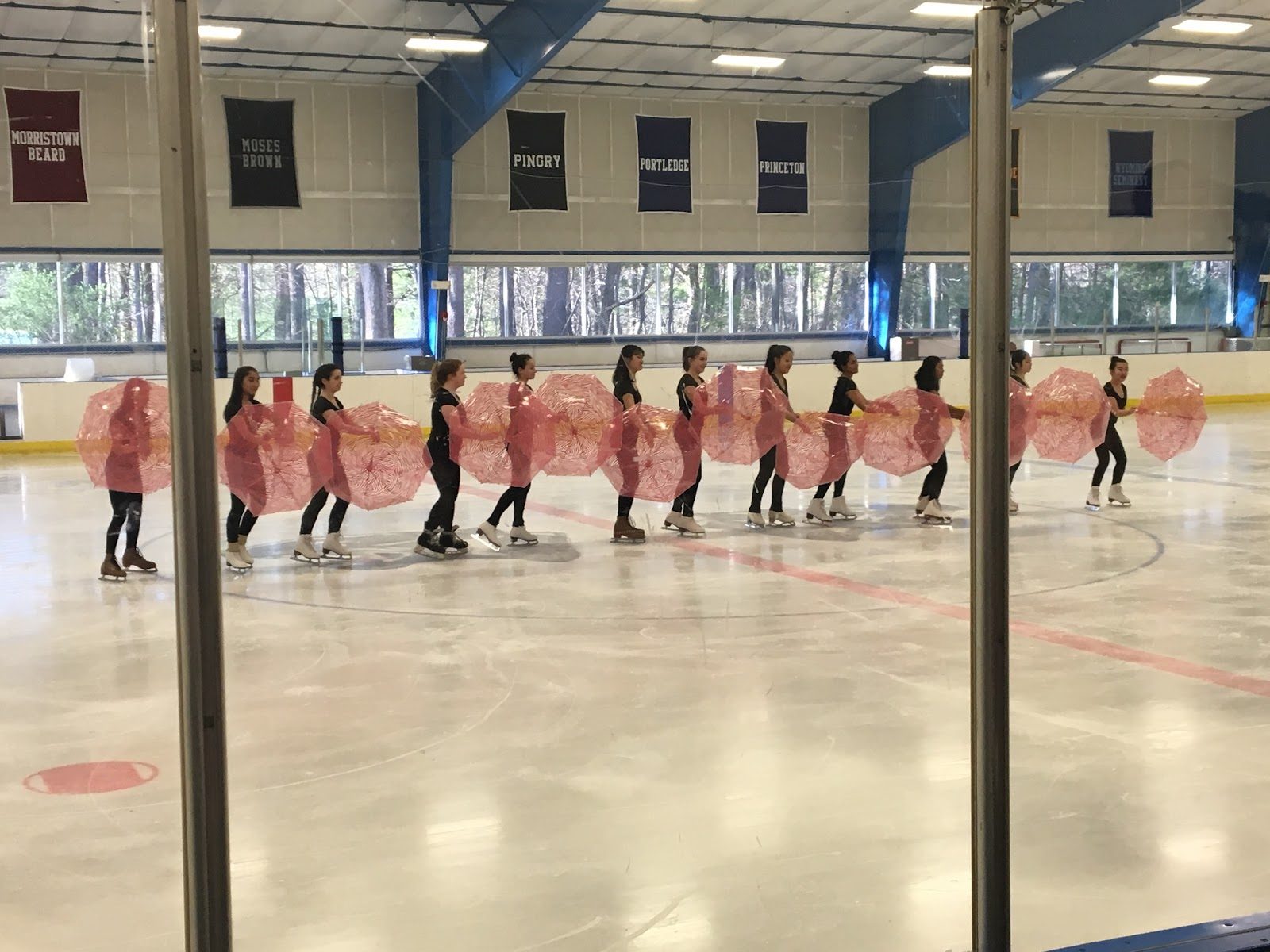
Princeton Day School
Princeton · United States
Formed by a 1965 merger of two century-old Princeton schools, pairing STEAM rigor with a rare four-year architecture program across 106 acres.
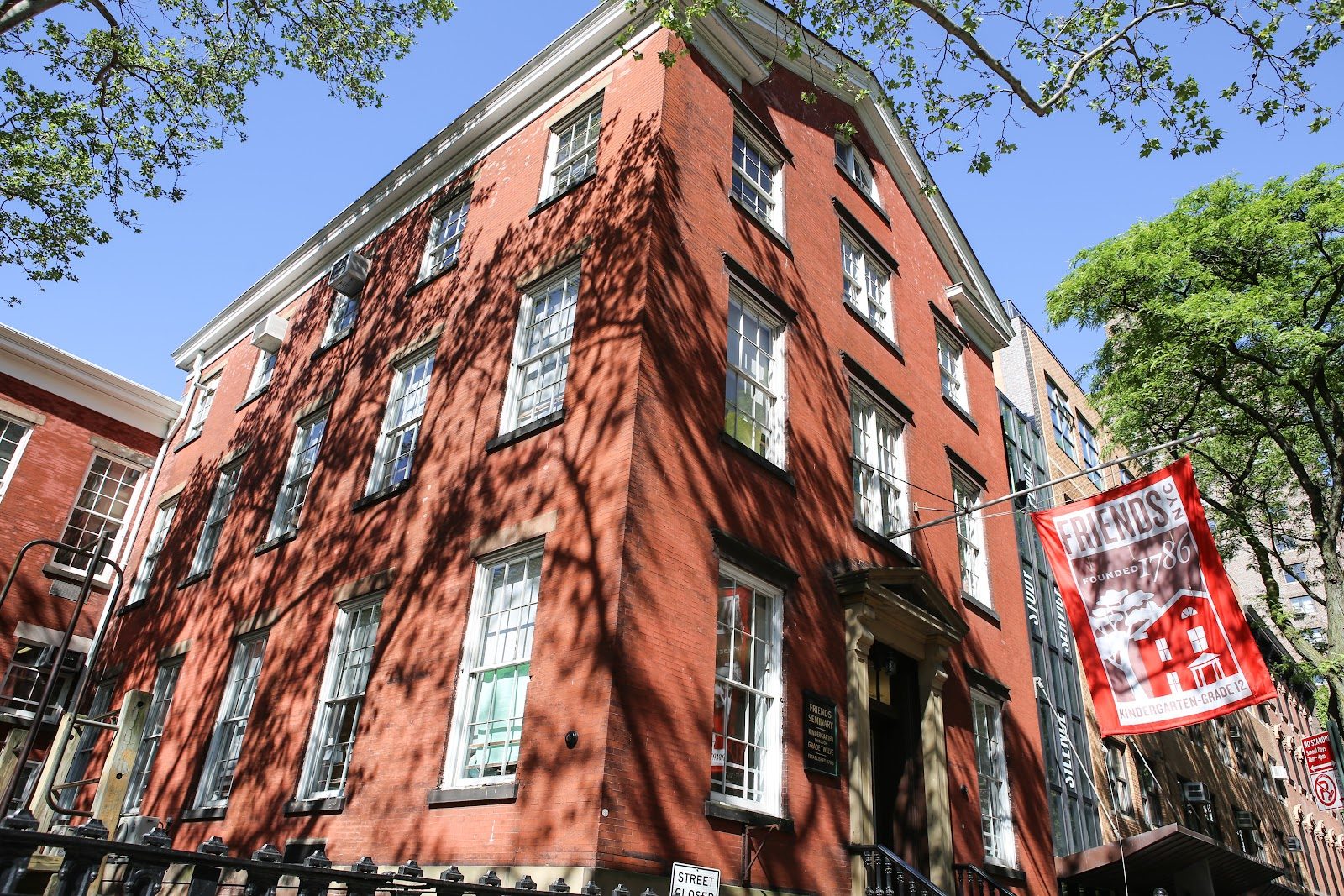
Friends Seminary
New York City · United States
Founded in 1786, the oldest coeducational school in New York City still teaches Quaker simplicity and peace amid Manhattan's bustle
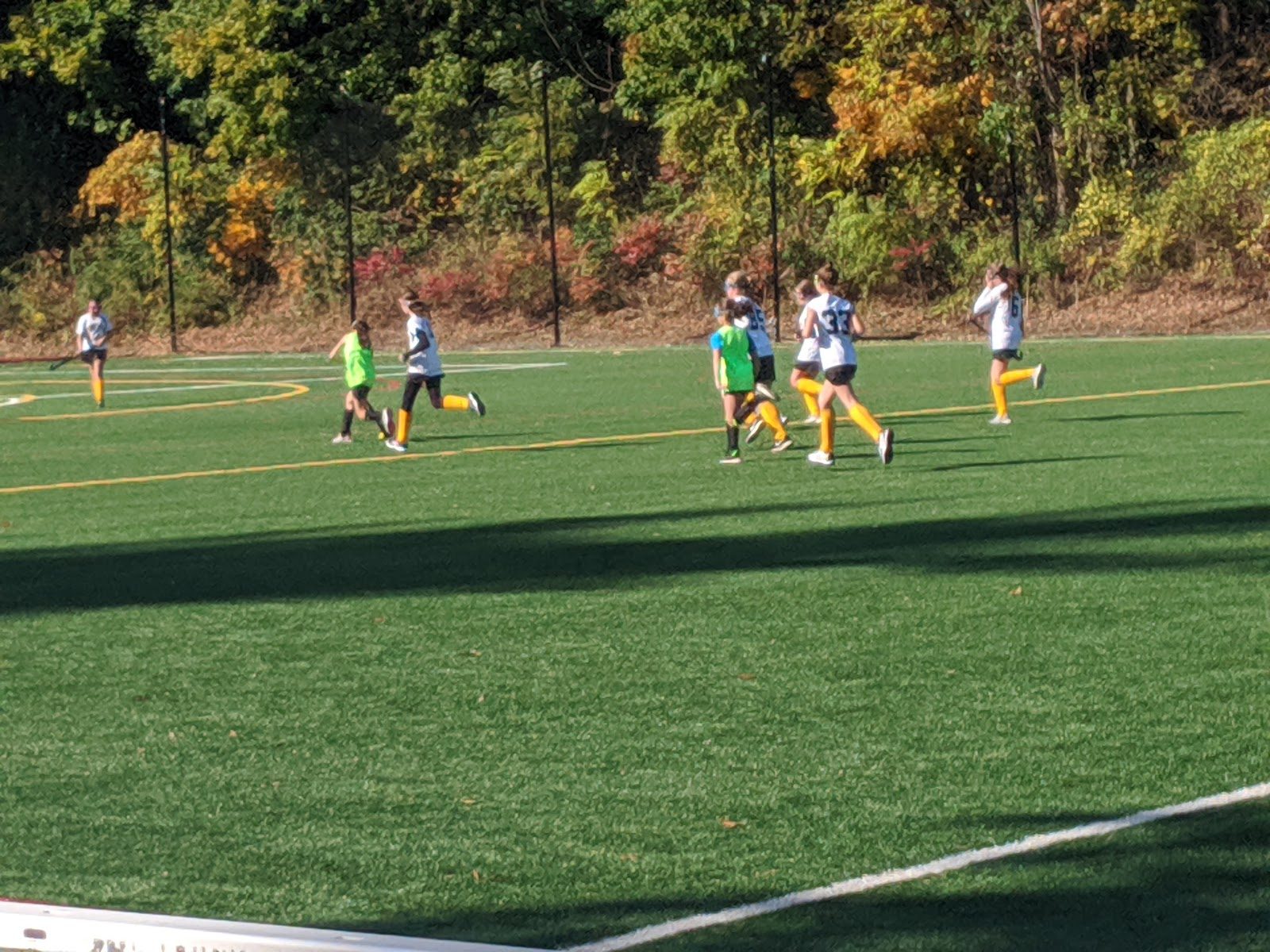
Greenwich Academy
Greenwich · United States
Connecticut's oldest all-girls school pairs single-sex grounding with coeducational upper-school classes shared alongside Brunswick's boys.
Same country and curriculum — closest matches within ±10 points either way