
Greater London
London Screen Academy
Housed in a 1930s radio factory in Islington, this free sixth form trains students for screen careers via industry masterclasses.
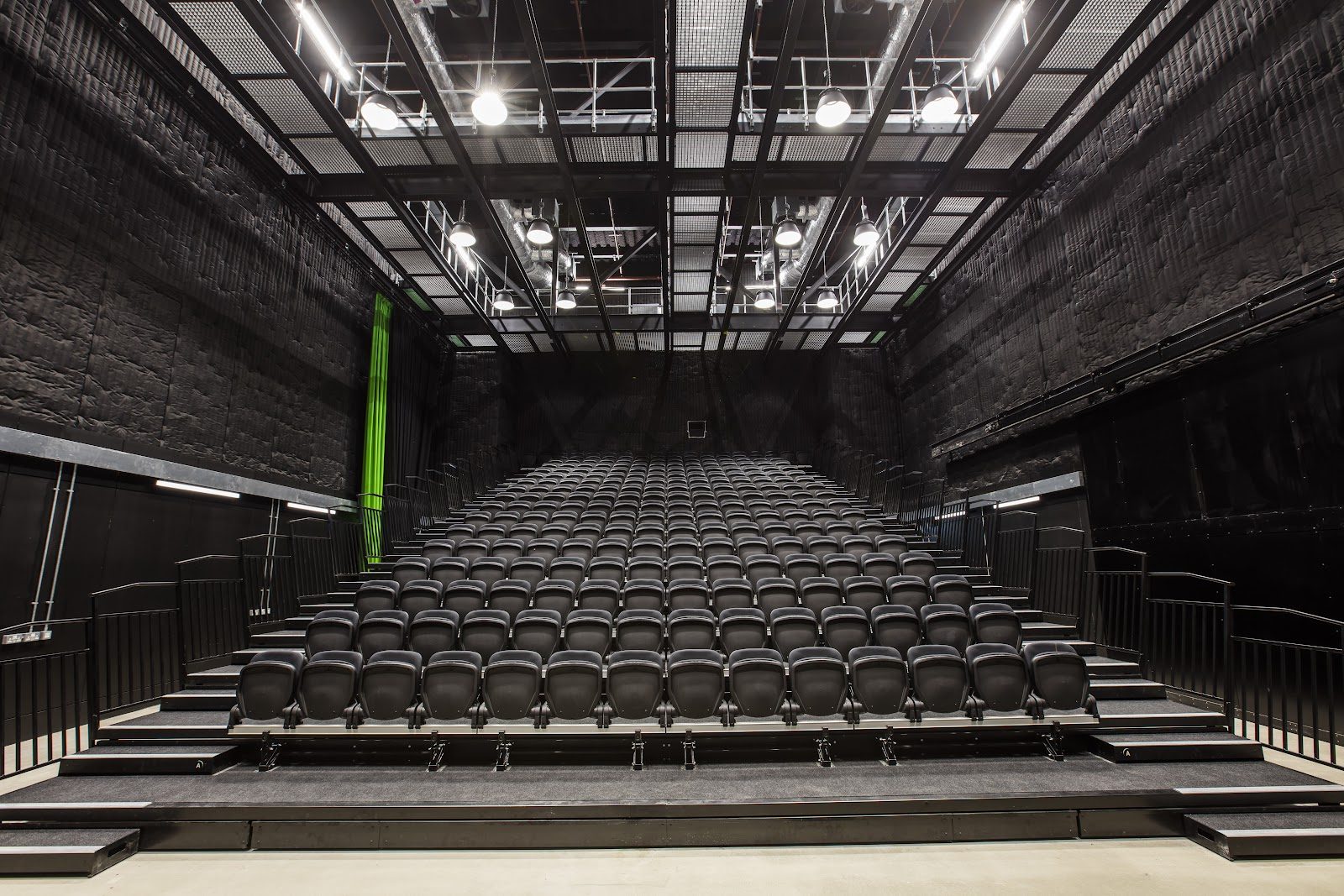
Photo © London Screen Academy via Google Maps
Type
Day
Ages
16–19
Curriculum
BTEC · A-Level
Ratio
—
The Verdict
Editor's commitment
Right for
Sixth formers aged 16–19 who want BTEC and A-Level study tied to screen work in Islington, not a generic sixth form.
Wrong for
Families wanting a through-school, younger entry, or boarding: London Screen Academy is a day school founded in 2019 for 16–19 only.
Watch out for
Ofsted accreditation and a free-school model do not answer the hard question: the school does not publish headline outcome data here.
Ranking breakdown
London Screen Academy · #1519 of 1591
Composite score 47.7. 8 weighted criteria.
By criterion
Academic Outcomes
Weight 20%
#1193
of 1529 scored
University Placement
Weight 16%
#304
of 1529 scored
Prestige & Heritage
Weight 12%
#1569
of 1571 scored
Alumni Network
Weight 12%
#1345
of 1530 scored
Facilities
Weight 12%
#1522
of 1533 scored
Transparency & Communications
Weight 8%
#1508
of 1532 scored
Peer & Industry Review
Weight 10%
#1109
of 1548 scored
Admissions Selectivity & Demand
Weight 8%
#1156
of 1529 scored
Peer & Industry Review
How London Screen Academy is regarded in the sector
80
Strong · medium confidence
The school's founding partnerships with BAFTA, the BFI, and major studios (including Warner Bros. and Sky) have earned it strong regard among UK film and TV industry professionals as an innovative pipeline into the sector.
Award

Elite Film 50
World's Top School · The Global Ranking
London Screen Academy is featured on our Global Top 50 ranking at #1. This seal is available for the school's marketing team to use on their website, prospectus and social channels.
Editors' overview
London Screen Academy occupies a narrow and unusual part of the London sixth-form market. Founded in 2019, it is a free, secular day school for ages 16–19 with a declared mix of BTEC and A-Level study, taught in English. The distinction is simple: this is not a conventional academic sixth form with a media club bolted on. It is a screen-industry school, built around film, television and digital production, and housed in a converted 1930s radio factory in Islington. That gives it a clear vocational identity and a strong sense of place. For families who want a generalist sixth form with every subject under the sun, this is the wrong school. For students who already know they want to work in screen, production or adjacent creative roles, it merits serious attention.
What puts it on a shortlist is focus. London has no shortage of sixth forms, but few ask students at 16 to commit this directly to a sector and then organise the school around that choice. The editorial tagline says the school trains students for screen careers through industry masterclasses; that matters more than glossy claims about creativity. A young person who learns best through making, collaborating and responding to deadlines will find a professional rhythm here that many school sixth forms cannot replicate. Parents who value visible relevance between study and work will also understand the appeal. The trade-off is obvious and important: specialisation brings momentum, but it narrows the offer. A student still undecided between medicine, history, economics and film will get a better fit elsewhere.
The ideal applicant is not the child chasing the broadest academic menu or a highly traditional sixth-form experience. London Screen Academy suits a student with a practical cast of mind, a genuine appetite for film and television, and enough self-possession to commit early to a specialist route. It will also suit teenagers who have felt under-served by conventional schools and want education tied to a real industry rather than abstract aspiration. The best candidates will enjoy teamwork, cope with critique and want to build things that can be watched, edited, pitched or produced. In market terms, London Screen Academy sits as a specialist, state-funded alternative to expensive creative independent schools and generic large sixth-form colleges: purposeful, career-facing and far more distinctive than its age suggests.
A Global Elite 50 Film school
The London Screen Academy in Islington, London, holds the top position on the Global Elite 50 Film ranking because it is, in effect, the industry's own creation: a specialist sixth form founded in 2019 with backing from leading film-industry figures and organisations, with production professionals embedded in its governance. No other school on this list has its curriculum designed so closely around the working realities of feature-film and television production.
LSA students study BTEC vocational qualifications in film and television production alongside A-Level study, delivered across specialist pathways spanning craft, technical, production and post-production disciplines, with the continued English and maths required by post-16 English education policy. Teaching runs through purpose-built facilities — television studios, a green-screen stage, professional edit suites, and an on-site screening cinema — with camera, lighting, sound and craft disciplines taught by dedicated specialist teams. Demand for places has been strong since opening, and the school's infrastructure is designed to mirror industry-standard workflows so that students graduate familiar with the kit and processes used on professional sets.
Because LSA only opened in 2019, its alumni network is still emerging, but early cohorts are beginning to secure crew and craft roles across professional productions and to progress into industry training routes and further specialist study. Its value lies in placing students directly into the pipeline of London's film and television production clusters at the point of leaving school.
International openness here requires an honest caveat: LSA is a UK state-funded free school for 16-19 year-olds with no tuition fees, and admission runs through the school's own application and assessment process, requiring GCSE attainment and a demonstrated commitment to screen production. Instruction is in English, and there is no open overseas enrolment route, so this is not a relocation destination for fee-paying international families. It is the right choice for UK-resident students, including those with settled status, who want the strongest industry-embedded film pathway in the country. Families abroad should confirm their teenager's UK residency eligibility well before the application window opens each autumn.
Academic Performance
London Screen Academy is still too young for a deep, multi-year exam record, and that limits hard judgement. What matters is transparency: the school does not publish a broad run of aggregate public results that lets parents compare performance cleanly against strong academic sixth forms or large general FE colleges. That opacity matters more here because the offer is so specialised and the intake is self-selecting. In a niche screen school, raw pass rates on their own tell only part of the story; families need completion rates, value added, destinations and the split between higher and lower grades. Those figures are not in the public domain in a form that allows serious benchmarking.
Relative to peers, this puts London Screen Academy in a different lane rather than at the top or bottom of a conventional results table. A specialist creative sixth form lives or dies by whether students leave with usable qualifications and credible routes into higher study or the industry, not by whether it can mimic the headline A-Level score profile of a selective academic school. Parents who want forensic data and easy league-table comparison will find the picture thin. Parents who accept a vocational gamble in exchange for sector focus need to press the school for its latest cohort outcomes, grade distribution and post-school destinations before drawing conclusions.
Facilities
The building matters here more than manicured grounds. London Screen Academy works from a converted radio factory, and that industrial shell fits the school better than a polished suburban campus ever could. For a screen-focused sixth form, the key question is not acreage or playing fields; it is whether students have regular access to spaces that support filming, editing, production planning and collaborative project work. On that test, the premises carry real vocational logic. Families should expect a campus built for making rather than lounging: studios and production areas matter more than grand libraries, theatres or sports complexes. Against mainstream sixth forms, that is a narrower physical offer. Against specialist creative providers, it is the right priority.
The limitation is scale and breadth. A specialist school in an urban converted building will not match the facility spread of a large college with multiple science labs, extensive sports provision and a broad arts estate. That trade-off is plain. Students who need elite athletic infrastructure, abundant green space or a huge range of subject-specific rooms will find the campus deliberately constrained. Students who want an environment that feels closer to a working media site than a conventional school will find it far more purposeful. The strongest peers in this niche combine professional-standard kit with heavy industry use; London Screen Academy’s edge rests on that sector-specific fit, not on lavishness.
Relative to peers, this puts London Screen Academy in a different lane rather than at the top or bottom of a conventional results table
Prestige
London Screen Academy carries niche prestige, not broad social cachet. In the independent-school imagination, prestige still attaches to age, academic selectivity, Oxbridge pipelines and polished estates. This school trades in none of that. Its standing rests on something narrower and more modern: direct relevance to film and television, proximity to working practice, and access to industry voices that most sixth forms cannot offer. For the right student, that is serious currency. For families chasing old-status signals, it is not. The fact that entry starts at 16 sharpens the point: students commit early, and the school’s reputation depends less on brand inheritance than on whether it can turn that commitment into credible training and destinations.
That makes its prestige conditional rather than automatic. Within screen education, the model has real distinction: specialist, state-funded, and built around a sector with obvious pull for ambitious teenagers. Outside that lane, the name does not yet carry the weight of the capital’s established academic sixth forms or elite creative independents. The school is also still young, so it lacks the long alumni roll, entrenched university links and generational reputation that harden prestige over time. Our rating sits in the middle: high-interest, low-heritage prestige. It commands attention from families who value vocational clarity and industry contact; it does not confer the instant, cross-context status that attaches to older, more conventional institutions.
London Screen Academy occupies a narrow and unusual part of the London sixth-form market
Communications
Communication sits in the pragmatic camp rather than the polished one. That fits the school. Families considering a specialist sixth form need direct answers on timetable structure, transport, kit, workload, safeguarding, destinations and how industry activity affects the ordinary school week. London Screen Academy has strong reason to keep that practical information plainly organised and easy to act on, because its offer raises more operational questions than a generic sixth form. The public-facing communication we have seen does the core job: it explains the school’s purpose clearly, keeps the message tight, and avoids the inflated language that clutters many creative-education websites. That said, clarity of mission is not the same as depth of parent information. We have not seen a rich public bank of hard parent-facing detail on outcomes, policies in action, or the rhythms of day-to-day student support. For parents who like forensic transparency, that is a weakness.
Effectiveness, then, depends on what a family needs. If the question is “What kind of place is this, and who is it for?”, the answer lands fast and without waffle. If the question is “How will communication work once my child is enrolled, and how consistently does the school report progress, attendance and concerns?”, the public picture is thinner. In a school built around projects, deadlines and external-facing work, parent communication needs to be disciplined and unambiguous. That standard matters more with students aged 16–19, when schools can drift into treating parents as peripheral. London Screen Academy needs firm, regular channels and published expectations. We have not seen enough in the public domain to rate that side of communication as exceptional.
Uniqueness
What sets London Screen Academy apart is not simply that it teaches media; plenty of schools do that at the margins. The difference is that screen work sits at the centre of the institution’s reason for existing. That creates a rare degree of alignment between student interest, day-to-day work and future direction. Teenagers who already think in shots, edits, scripts and production schedules get a sixth form built around that instinct rather than asking permission to pursue it after hours. The result is a sharper professional identity than most schools manage with students of this age. In a crowded post-16 market, that is distinctive.
What this brings to students is momentum. They do not spend two years treating creative ambition as a hobby while completing a generic sixth-form experience; they test it against deadlines, collaboration and external scrutiny. That matters because screen work rewards resilience, judgment and teamwork as much as flair. The school’s industry-facing model also gives students a useful early reality check: whether they like the discipline behind production, not just the glamour around it. For the right student, that is transformative. It can turn vague enthusiasm into a portfolio, a network and a credible next step. The risk is built into the same model. Early specialisation narrows exploration, and students who change direction later will feel that constraint more acutely than peers in broader settings.
London Screen Academy is still too young for a deep, multi-year exam record, and that limits hard judgement
Student Profile
The students who fit best here are the ones who already have a direction. Not polished prodigies, not children collecting prestige options, but teenagers who want to make things and can tolerate the grind behind creative work. Screen education at this age demands more than enthusiasm for cinema or online content. It demands stamina, collaboration, punctuality and the capacity to take criticism without folding. A student who enjoys building projects, solving practical problems, editing repeatedly and carrying their weight in a team will settle in. A student who wants a broad sixth-form social world, a huge subject menu or a slow runway to decide what they care about will not. This is a self-selecting cohort with a work-first mindset. The age range, 16–19, matters because students arrive at the point where schools stop indulging vague interest and start asking for commitment.
Temperament counts as much as talent. The right student has professional patience: they can repeat takes, revisit drafts, accept feedback and keep going when the glamorous idea turns into technical routine. They do not need to be loud, but they do need creative resilience and enough confidence to contribute in groups. This school will also suit students who felt misplaced in conventional settings and want learning tied to a recognisable industry rather than abstract academic status. It is not for the half-interested or the chronically disorganised. The strongest fit is a teenager who wants their education to feel closer to a junior production environment than to a standard school week.
London Screen Academy works from a converted radio factory, and that industrial shell fits the school better than a polished suburban campus ever could
Co-curricular strengths
Arts & sport, on a separate axis
Overall 5.5/10
Scored 0-10 from the school's own published evidence. This axis is editorial-only — it does not feed the main WTS ranking.
Sports
3.5/10
Drama
6.5/10
Dance
3.5/10
Music
5.5/10
Visual Arts
8.5/10
Strengths
- +State-funded free school status means no tuition fees for eligible UK-resident students, unusual for a specialist creative sixth form.
- +Curriculum is built exclusively around film and screen industries, combining BTEC vocational qualifications with A-Level study.
- +Founded with industry backing, giving it visible sponsorship and links to production companies.
- +Located in Islington, within easy reach of London's film, TV and media production clusters for work placements and site visits.
- +Purpose-built production facilities including studios, edit suites, a green-screen stage and a screening room are unusually strong for a school of this age.
Considerations
- −Provision is limited to the 16-19 sixth-form phase only, so there is no earlier entry point for younger students.
- −As a UK state free school, admissions are governed by state-sector rules rather than open international enrolment, which can complicate access for expat families.
- −The single-industry focus on film and screen narrows curriculum breadth for students who may later change career direction.
- −Founded relatively recently in 2019, the school has a limited multi-year track record of destinations and long-term outcomes to assess.
Gallery
Photo © London Screen Academy via Google Maps
Photo © London Screen Academy via Google Maps
Photo © London Screen Academy via Google Maps
Photo © London Screen Academy via Google Maps
Photo © Roger Chick via Google Maps
Photo © Lorna via Google Maps
Photo © London Screen Academy via Google Maps
Parent reviews
Have you sent your child here?
Voice reviews carry the strongest trust badge — we transcribe them for you to tidy up before they go live. Prefer to type? A written review is fine too.
Add your voice
In 60 seconds, tell other parents: what's the best thing about London Screen Academy, and what surprised you when your child joined?
We ask for a Google sign-in so every review has a real face behind it — no anonymous drive-by attacks on schools, and no faked positive reviews. Your email is never shown publicly.
Send this profile to a friend
International parents rely on word-of-mouth. Share this review with someone weighing the same decision.
Schools with places
Similar schools to London Screen Academy with places available now.
Tiffin School
Kingston upon Thames · United Kingdom
- 2026-27
- CLOSEDStandard route
- 2027-28
- PLACES OPENCloses 1 Sept '26, 12pm
University College School
London · United Kingdom
- 2026-27
- CLOSEDStandard route
- 2027-28
- PLACES OPEN11+ (9 Nov); 16+ (28 Sept)
City of London School
London · United Kingdom
- 2026-27
- CLOSEDStandard route
- 2027-28
- PLACES OPEN11+/16+ Active
Latymer Upper School
London · United Kingdom
- 2026-27
- CLOSEDStandard route
- 2027-28
- PLACES OPENCloses Nov
Availability first, then country, area, curriculum, price, co-curricular
Consider also
Also worth looking at alongside London Screen Academy.
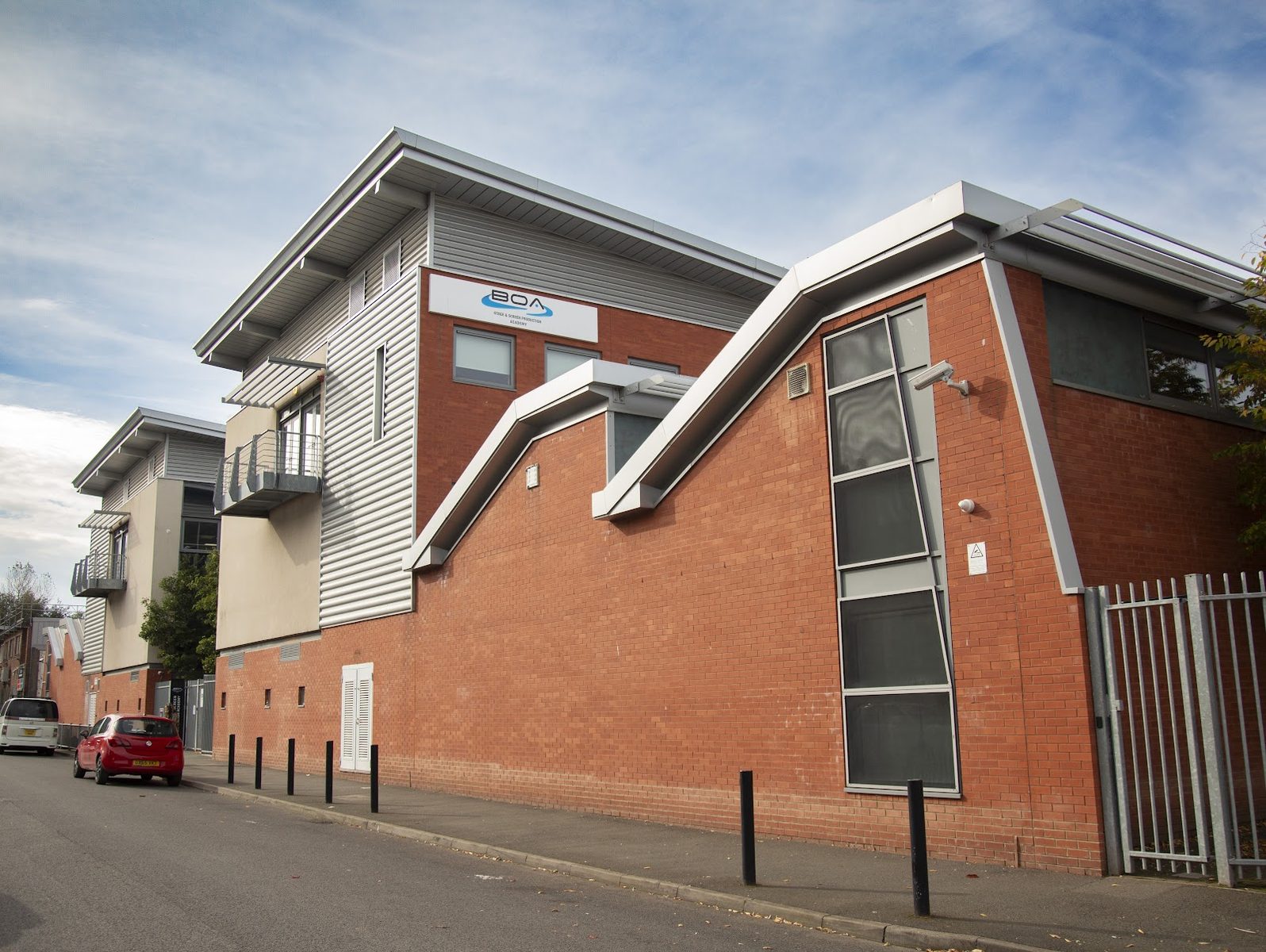
BOA Stage & Screen Production Academy
Birmingham · United Kingdom
In Birmingham's Jewellery Quarter, a 16-19 academy trains backstage talent for the BBC, the RSC and Birmingham Royal Ballet.
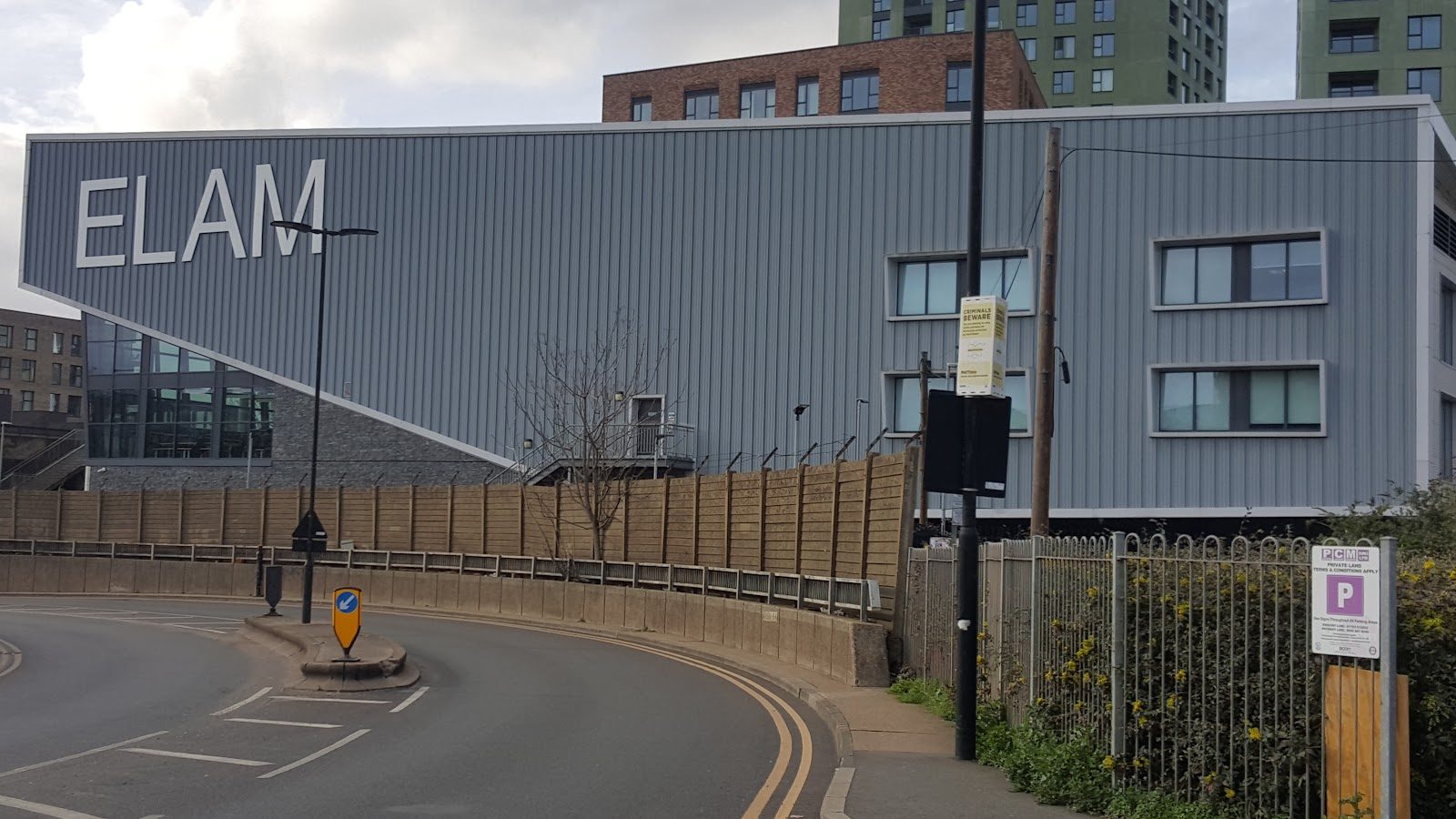
ELAM
London · United Kingdom
A free East London sixth form built around industry-standard studios, training music, games and film talent for direct industry entry.

Kaywon High School of Arts
Uiwang, Gyeonggi · South Korea
Since 1980, a Gyeonggi campus splits fine art, music, dance and theatre into four dedicated conservatory tracks under one roof.

Gyeonggi Arts High School
Uijeongbu, Gyeonggi · South Korea
Gyeonggi's only publicly funded arts high school, housing music, fine art, theatre-film and animation studios under one dormitory roof.
Same specialism, country and curriculum — closest matches within ±10 points either way