
Pennsylvania
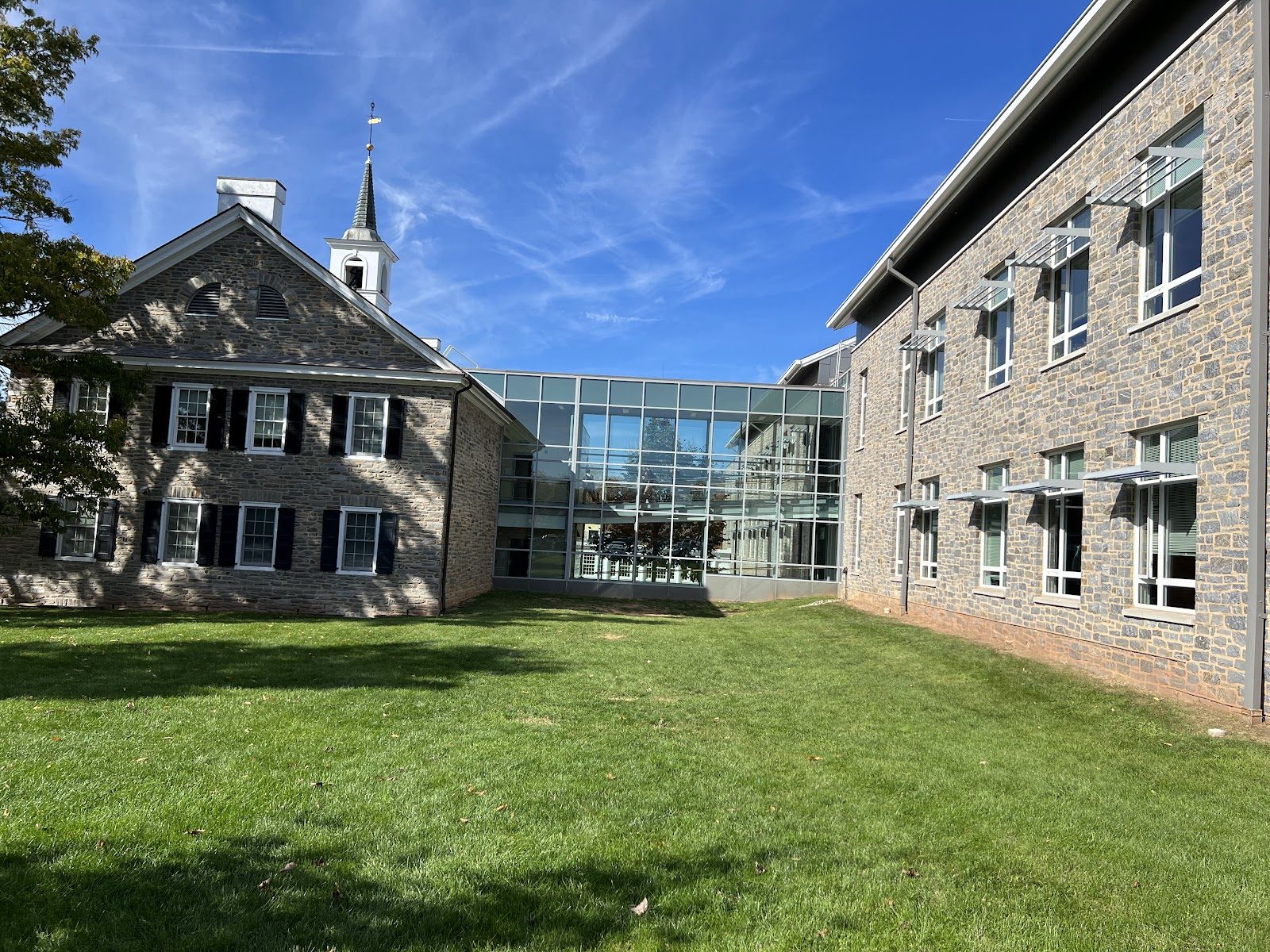
America's oldest nonsectarian day school, still fielding the country's longest-running football rivalry from its Fort Washington campus
Type
Day
Ages
3–18
Curriculum
American
Qualifications
AP
Ratio
1:8
The Verdict
Editor's commitment
Right for
Families who want a serious American college-prep from age 3 to 18 at a nonsectarian Fort Washington day school founded in 1759.
Wrong for
Parents seeking boarding, religious formation or bilingual teaching: Germantown Academy is day-only, nonsectarian, English-medium and charges an average US$36,431.
Watch out for
The 126-acre campus and 265-plus years of institutional confidence carry weight; children who need anonymity or a looser culture will feel pinned down.
Ranking breakdown
Germantown Academy · #775 of 1591
Composite score 65.4. 8 weighted criteria.
By criterion
Academic Outcomes
Weight 20%
#386
of 1529 scored
University Placement
Weight 16%
#354
of 1529 scored
Prestige & Heritage
Weight 12%
#296
of 1571 scored
Alumni Network
Weight 12%
#1403
of 1530 scored
Facilities
Weight 12%
#279
of 1533 scored
Transparency & Communications
Weight 8%
#354
of 1532 scored
Peer & Industry Review
Weight 10%
#385
of 1548 scored
Admissions Selectivity & Demand
Weight 8%
#438
of 1529 scored
Peer & Industry Review
How Germantown Academy is regarded in the sector
73
Respected · medium confidence
Within Philadelphia's tightly knit independent-school ecosystem, Germantown Academy is regarded as a credible, athletically formidable member of the Inter-Academic League, competing directly with Episcopal Academy, The Haverford School, and Malvern Prep, all of which recognize GA's swimming and squash programs as genuine benchmarks. University admissions offices in the Philadelphia corridor generally treat GA as a known quantity with a stable, unremarkable-but-solid feeder record rather than a marquee pipeline school. Independent education press coverage is largely regional, appearing in Philadelphia Inquirer and Main Line Today features on private-school athletics and, occasionally, in alumni profiles referencing Bradley Cooper, rather than in national guides like the Good Schools Guide or WhichSchoolAdvisor rankings, which focus more heavily on UK and international schools. Among peer heads, GA's longevity, dating to 1759, is respected as a point of institutional credibility, though its post-1965 suburban campus and lack of a distinctive pedagogical brand keep it positioned as a strong regional player rather than a nationally benchmarked innovator.
- Owen Wister — Author, Literature
- David Rittenhouse — Astronomer, First Director of the U.S. Mint
- Neil Walker — Olympic Gold Medalist, Swimming
Editors' overview
What keeps Germantown Academy on a shortlist is not mystique but range. This is a nonsectarian, coeducational day school in Fort Washington for ages 3 to 18, founded in 1759 and still operating with the scale and self-possession of an old American independent school. The school declares an American curriculum, teaches in English, and carries NAIS accreditation. That matters less as a badge than as a marker of where it sits: firmly in the established US independent-school market, not in the newer premium segment built on facilities alone. The $36,431 average annual day fee places it in expensive territory, but not at the very top of the north-eastern private-school market.
Its clearest distinction is the combination of age, campus and breadth. A 126-acre campus for a day school gives GA room to do more than run classes efficiently; it can sustain the full life of a serious prep school across academics, sport and the arts without the cramped feel that weakens many urban competitors. The school also trades on genuine historical weight. “America’s oldest nonsectarian day school” is not empty branding when the institution has lasted since 1759 and still anchors a long-standing culture of tradition and rivalry. That will appeal to families who want institutional heft, deep-rooted tradition and a school that treats character, conduct and community life as part of the main business, not decorative language around exam preparation.
The caveat is straightforward. Public information here says little about measurable academic outcomes: no aggregate exam data, university destinations or cohort performance figures are disclosed in the material supplied, so parents must probe hard on sixth-form results, college counselling and where graduates actually go. That does not cancel the school’s appeal; it sharpens the due diligence. Germantown Academy suits students who want a full-spectrum American independent-school education in a day setting: children who will use fields, stages and outdoor space; who value a busy, tradition-conscious community; and who are comfortable in a college-preparatory environment that talks as much about honour and compassion as it does about rigour. It is less suited to families who want a narrowly transactional school with published outcomes doing all the talking.
Academic Performance
Germantown Academy does not publish the core academic data a parent needs to judge performance against strong US independents. We have not seen aggregate SAT or ACT results, AP participation or score profiles, grade distributions, matriculation tables, or a full university-destination list. That leaves a conspicuous gap at the heart of academic scrutiny. In a market where serious college-preparatory schools use outcomes to substantiate their claims, GA asks families to lean on reputation, ethos and individual fit instead. For some parents that is acceptable. For anyone comparing selective day schools on hard academic return, it is plainly insufficient.
That opacity places GA in the trust-us category, not the data-led tier. The school talks about rigour, independent thinking and ethical leadership, but public proof of external performance is thin. That does not mean weak results; it means unverified results. Against peers that publish AP score distributions, testing medians and destination patterns, GA gives away ground. Parents considering the upper school need direct answers on AP breadth, the share of pupils taking advanced courses, median standardised-test scores, and the spread between headline college offers and the destinations students actually attend. Until that evidence is disclosed, Germantown Academy sits as an established but opaque option: credible on history and profile, less convincing on measurable academic outcomes.
Facilities
Facilities are one of Germantown Academy’s clearest strengths. The school’s 126-acre site gives it an advantage that many north-eastern day-school peers do not have: space to run a full-blooded programme without squeezing sport, arts and outdoor learning into the margins. That matters in practical terms. A campus of this scale supports proper fields, room for movement across age groups, and the daily rhythms of a school that expects students to spend serious time outside the classroom as well as in it. For families comparing suburban independents, that places GA above the polished but spatially constrained schools that deliver strong teaching yet cannot match the breadth of physical provision. The site reads as institutional rather than improvised.
The more important point is fit. These facilities favour children who will use them: keen athletes, students drawn to performance and those who benefit from a campus with real breathing room. The school itself points to outdoor learning spaces, fields and stages, and that combination gives GA a broader operating base than a purely academic commuter school. What is missing is the kind of granular public breakdown that top comparator schools now provide: named specialist centres, technical labs, maker spaces, performance venues and recent capital investment plans. So the verdict is clear. The campus is a serious asset and stronger than many direct peers on land and scope; the public description of what sits on that land remains too vague.
What keeps Germantown Academy on a shortlist is not mystique but range
Prestige
Germantown Academy carries real social and institutional prestige in the Philadelphia independent-school world. That prestige rests on durability, name recognition and the kind of entrenched local standing money alone cannot buy. Families who know the north-eastern US day-school market will recognise GA as an old-line school with a serious address book, a settled culture and a long memory. The continuation of the football rivalry with Penn Charter matters here not as trivia but as evidence of genuine establishment status: schools do not sustain that kind of ritual over generations unless they occupy lasting civic and educational relevance. The physical scale of the campus — 126 acres — reinforces that standing. It gives GA the footprint of a major institution rather than a polished but cramped commuter school.
That said, prestige here is traditional rather than rarefied. GA has cachet, but not the hyper-selective national aura of the very top US boarding names or the data-driven shine of schools that publish immaculate outcome metrics. Its public face leans more on heritage, community and character than on quantifiable academic dominance. For many families, that combination works well: the school offers old-guard credibility without the theatrical exclusivity that can make elite education feel performative. The limit is clear. When a school trades this heavily on stature and legacy, parents still need proof that the upper-school academic and college-placement engine matches the brand. At present, that evidence is *too thin for the prestige to carry the whole case*.
Germantown Academy does not publish the core academic data a parent needs to judge performance against strong US independents
Communications
Germantown Academy’s parent communication has a clear institutional tone: formal, mission-led and confident in its own culture. The public-facing copy leans hard on values, belonging and the character of the community, with the head’s welcome doing much of the work. That gives parents a strong sense of ethos and of the kind of adults the school wants pupils to become. It also carries a cost. Communication is more atmospheric than forensic. Families get plenty of language about compassion, honour and thriving, and far less about the operational detail that experienced parents scrutinise when judging a school’s day-to-day sharpness. For a school with a campus of 126 acres and an all-through age range, that balance matters: big, busy institutions need communication that is not just warm but exact.
Effectiveness, then, is mixed. GA communicates identity well; it communicates outcomes and specifics less well. We have not seen the kind of parent-facing transparency that distinguishes the best-run independent schools: clear published academic metrics, richer breakdowns of programmes, or a more granular picture of what older pupils actually achieve. That leaves communication strong on tone, weaker on evidence. Some families will welcome the measured, old-school manner and read it as stability. Others will find it too guarded and too reliant on institutional confidence. The school’s message is coherent, but coherence is not the same as candour. Parents considering an average annual fee of $36,431 have every right to expect harder information alongside the rhetoric.
Uniqueness
What sets Germantown Academy apart is not a gimmick or a niche programme. It is the combination of institutional memory, a genuinely all-through structure, and rituals that still carry force in student life. The school does not operate like a start-up independent built around branding and facilities tours; it operates like a place with habits, expectations and social codes formed over generations. That brings advantages for students. Children grow up inside a community with a settled sense of itself, where younger pupils can see the shape of the upper school long before they reach it, and older pupils inherit traditions rather than being asked to invent school culture from scratch. The long-running football rivalry with Penn Charter captures that inheritance well: not because every child will care about football, but because continuity matters when a school is trying to build loyalty, confidence and belonging across 3–18.
The other distinctive feature is that this depth of tradition sits inside a day-school model rather than a boarding one. Students get a serious prep-school environment without the detachment and intensity that boarding can bring, and family life stays central. For the right child, that is a strong mix: high-identity schooling with daily access to home, long-term peer networks, and adults who know the institution well enough to pass its standards on clearly. The trade-off is plain. A school this rooted will suit pupils who value shared custom and collective life; it will feel too tradition-bound for families chasing novelty, disruption or a stripped-back academic transaction.
Facilities are one of Germantown Academy’s clearest strengths
Student Profile
The students who fit Germantown Academy best are those who want more than a classroom-only education. This is a school for children who will use a large day-school environment properly: pupils happy moving between lessons, sport, performances and outdoor spaces, and comfortable being known inside a community with a strong sense of itself. The all-through structure from 3–18 suits families who value continuity and who want their child’s education to build inside one institution rather than be reset at each stage. Socially, GA will reward students who can handle clear expectations, shared rituals and a culture that puts conduct alongside achievement. It will suit the grounded joiner, the team-minded contributor, the child who likes belonging to something durable.
It is less well matched to families looking for a hard-edged academic hothouse or a school built around published metrics and relentless competition. Children who thrive on novelty, looseness or institutional reinvention may find the culture too settled and too tradition-conscious. Equally, students who want to disappear into anonymity will struggle in a community that prizes participation and visible character. The fee level — $36,431 on average each year — also places GA in a bracket where parents expect children to engage fully with what the school offers, not just attend lessons and go home. Best fit, then: capable, busy students who want a full-spectrum independent-school life and families who value community habits as much as individual advancement.
Germantown Academy carries real social and institutional prestige in the Philadelphia independent-school world
Co-curricular strengths
Arts & sport, on a separate axis
Overall 8.7/10
Scored 0-10 from the school's own published evidence. This axis is editorial-only — it does not feed the main WTS ranking.
Sports
9.3/10
Absolute independent athletic force; home to historically dominant swimming (the legendary GA Aquatic Club), track, and baseball programs.
Drama
9/10
Ambitious theater curriculum staging large-scale classical and contemporary plays inside their primary performing arts spaces.
Dance
7/10
Popular choreographic asset utilized to build movement and synchronization ensembles for large-scale performance showcases.
Music
9/10
Robust private vocal and instrumental infrastructure feeding active jazz big bands and full symphonies.
Visual Arts
9.2/10
Studio-intensive fine arts focus housed within custom studio environments, prioritizing landscape painting and portfolio layout.
Strengths
- +Founded in 1759, Germantown Academy is documented as the oldest nonsectarian day school in the United States, giving it a long institutional track record.
- +Small classes are supported by a student-teacher ratio of roughly 8:1 across an enrollment of about 1,225 students from PreK to Grade 12.
- +The school maintains a need-blind admission policy and allocates about $7 million annually to financial aid, with roughly 300 of its 1,150 students receiving assistance.
- +GA competes in the Inter-Ac League and offers a wide athletic program (34 sports per GreatSchools data), including the oldest continuous high school football rivalry in the US, against William Penn Charter School.
- +According to Niche, 100% of graduates go on to a four-year college, and recent class lists show matriculation at universities including Penn, NYU, Georgetown and Michigan.
Considerations
- −Tuition reaches $45,960 for the upper grades, placing it firmly in the expensive tier of US independent day schools.
- −Admission is moderately selective, with a reported acceptance rate around 33%, meaning entry is not guaranteed even for well-prepared applicants.
- −As a day school with a single suburban campus in Fort Washington, there is no boarding option, so relocating families must arrange local housing and daily transport, with Philadelphia International Airport about 12 miles away.
- −GA does not accept applications for Grade 12, so families arriving very late in a child's secondary schooling cannot use this as an entry point.
Availability
Primary entry gate & tests
ISEE/SSAT + Interview
Gallery
Parent reviews
Have you sent your child here?
Voice reviews carry the strongest trust badge — we transcribe them for you to tidy up before they go live. Prefer to type? A written review is fine too.
Add your voice
In 60 seconds, tell other parents: what's the best thing about Germantown Academy, and what surprised you when your child joined?
We ask for a Google sign-in so every review has a real face behind it — no anonymous drive-by attacks on schools, and no faked positive reviews. Your email is never shown publicly.
Send this profile to a friend
International parents rely on word-of-mouth. Share this review with someone weighing the same decision.
Schools with places
Similar schools to Germantown Academy with places available now.
The Haverford School
Haverford · United States
- 2026-27
- CLOSEDRegular cycle closed
- 2027-28
- OPENS SOONOpens Sept '26
Germantown Friends School
Philadelphia · United States
- 2026-27
- CLOSEDRegular cycle closed
- 2027-28
- OPENS SOONOpens Sept '26
The Hill School
Pottstown · United States
- 2026-27
- CLOSEDRegular cycle closed
- 2027-28
- OPENS SOONOpens Sept '26
The Baldwin School
Bryn Mawr · United States
- 2026-27
- CLOSEDRegular cycle closed
- 2027-28
- OPENS SOONOpens 1 Sept '26
Availability first, then country, area, curriculum, price, co-curricular
Consider also
Also worth looking at alongside Germantown Academy.
Friends Seminary
New York City · United States
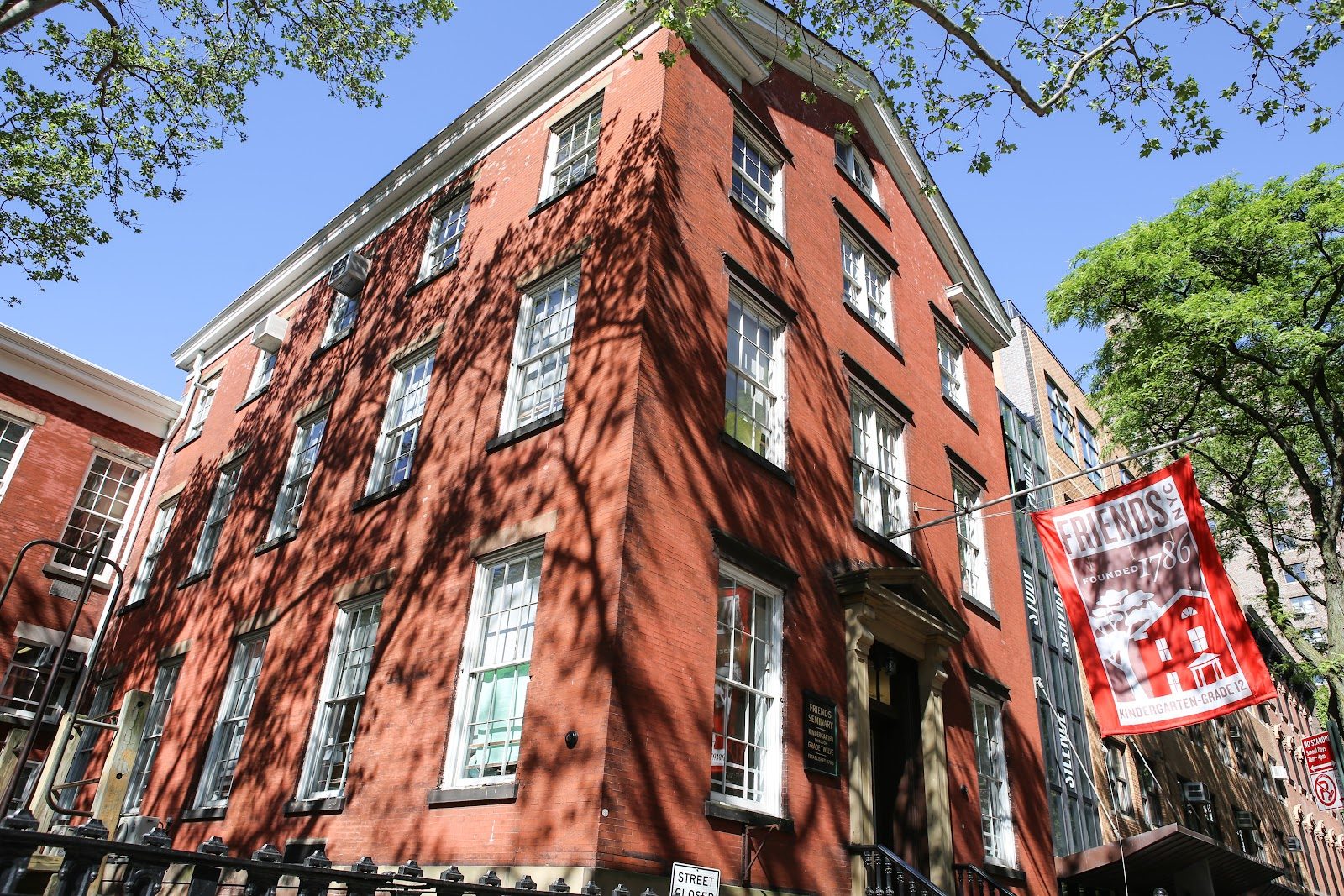
Founded in 1786, the oldest coeducational school in New York City still teaches Quaker simplicity and peace amid Manhattan's bustle
The Buckley School
New York City · United States
On Manhattan's Upper East Side since 1913, a K-9 boys' school pairing classical rigor with mandatory public-speaking training for every student.
Head-Royce School
Oakland · United States
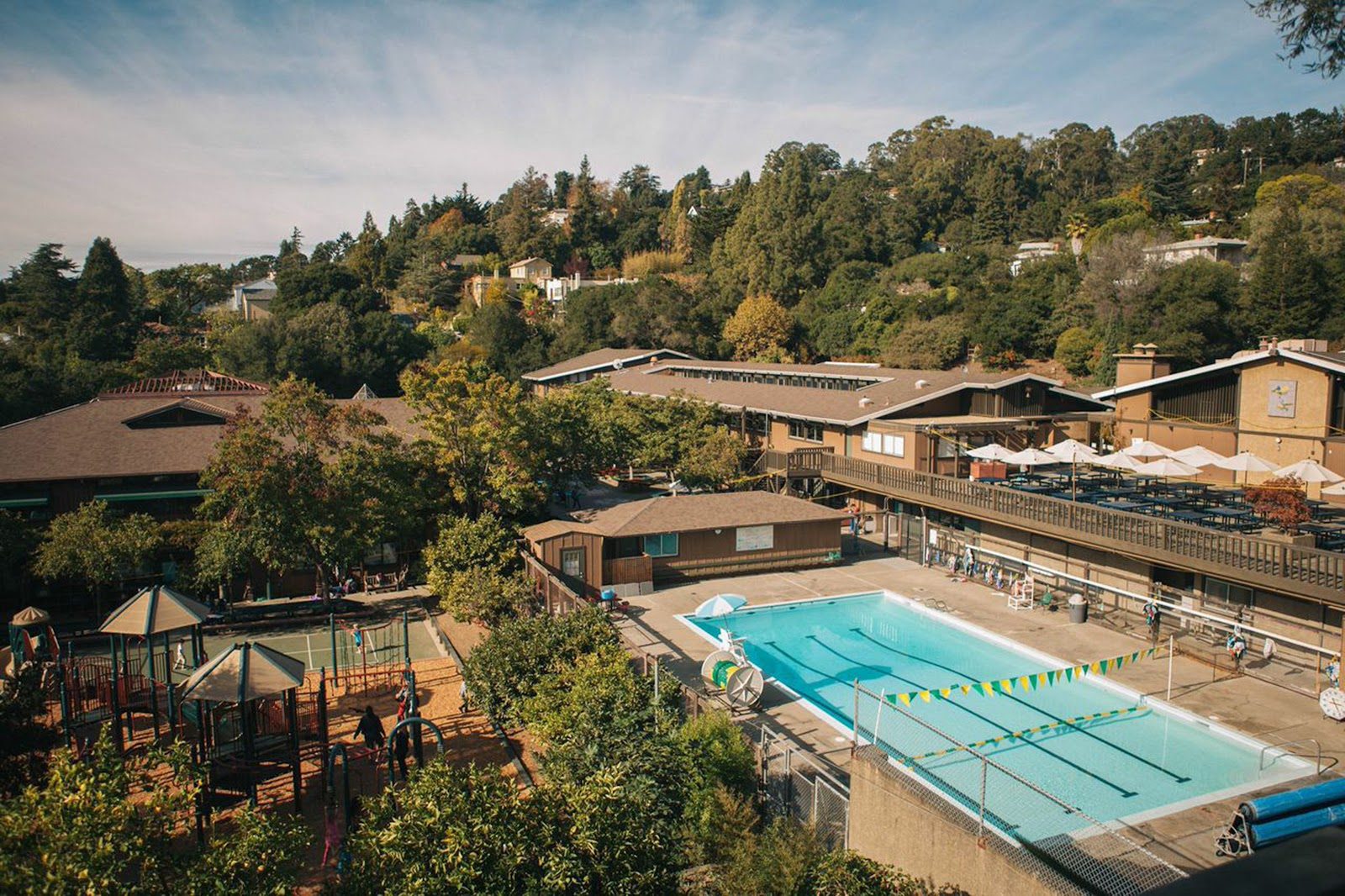
Since 1887 on a wooded Oakland hills campus, pairing rigorous scholarship with a decades-old public-school partnership that opens college doors for first-generation students
The Haverford School
Haverford · United States
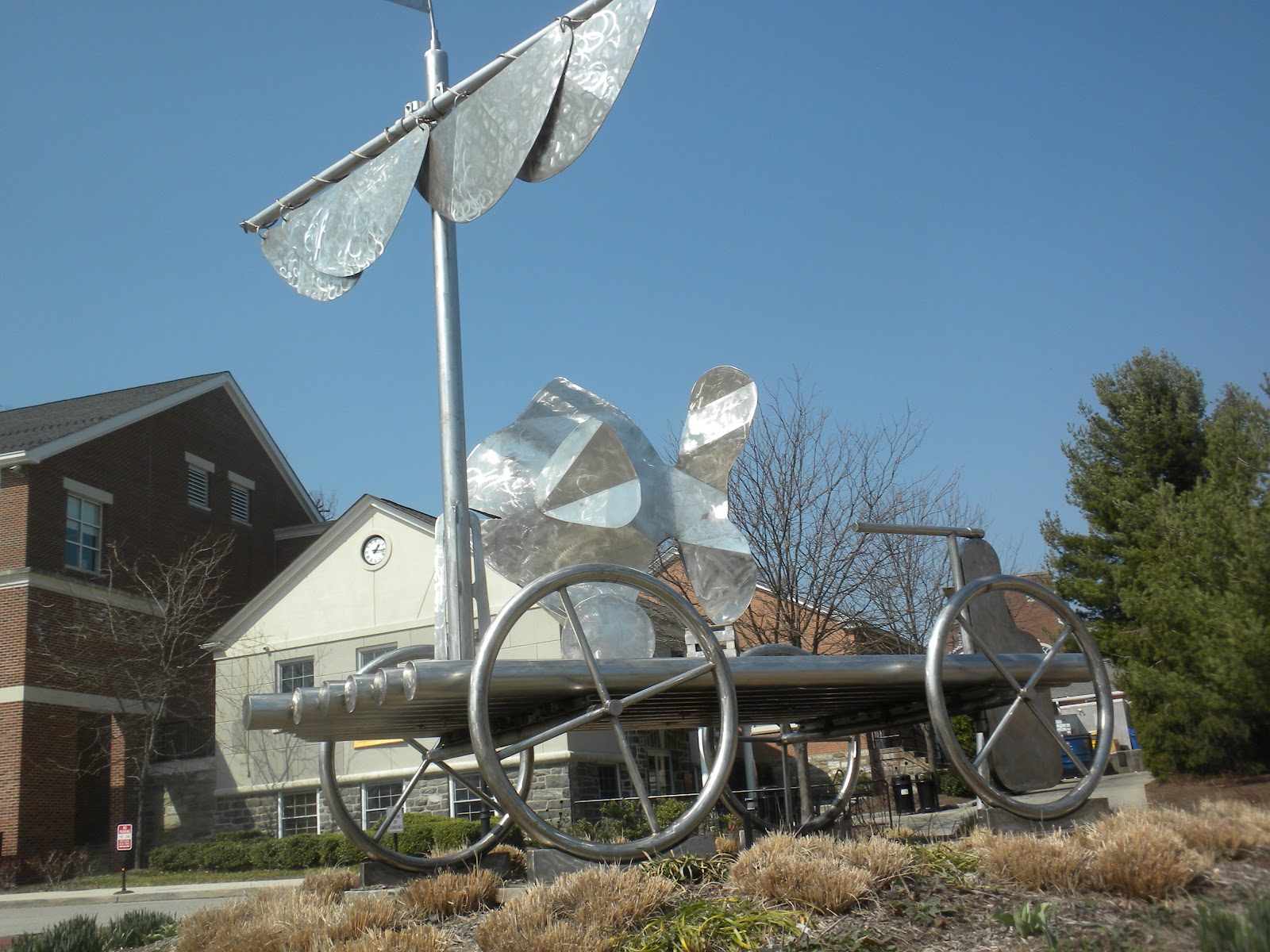
Since 1884 on Philadelphia's storied Main Line, an all-boys campus balances rigorous academics with athletics and the arts.
Same country and curriculum — closest matches within ±10 points either way