
Pennsylvania
Germantown Friends School
high confidence· 6/6 cats · 3.2 avg sourcesRooted in an 1845 Quaker meeting in historic Germantown, where juniors design a month-long independent study of their own.

Photo © Germantown Friends School via Google Maps
Type
Day
Ages
3–18
Curriculum
American
Qualifications
AP
Ratio
5:1
The Verdict
Editor's commitment
Right for
Families who want a 3–18 Philadelphia day school with a 5:1 ratio, Quaker roots from 1845 and 80-plus student-led clubs.
Wrong for
Parents who want a secular identity in practice, boarding, or a cheap option: GFS sits at an average annual fee of $44,629.
Watch out for
100% of graduates move to four-year colleges, but the school does not publish aggregate exam outcomes; prestige here rests on ethos and selectivity.
Ranking breakdown
Germantown Friends School · #1043 of 1591
Composite score 60.5. 8 weighted criteria.
By criterion
Academic Outcomes
Weight 20%
#1084
of 1529 scored
University Placement
Weight 16%
#1089
of 1529 scored
Prestige & Heritage
Weight 12%
#1037
of 1571 scored
Alumni Network
Weight 12%
#663
of 1530 scored
Facilities
Weight 12%
#1153
of 1534 scored
Transparency & Communications
Weight 8%
#1099
of 1532 scored
Peer & Industry Review
Weight 10%
#998
of 1548 scored
Admissions Selectivity & Demand
Weight 8%
#837
of 1529 scored
Score history
Germantown Friends School · 2026
Movement across 2024–2026. Peer average overlaid.
Overall — 2024–2026
60.5/ 100
▲ +10.7 vs 2025
year on year
Peer & Industry Review
How Germantown Friends School is regarded in the sector
78
Strong · medium confidence
Germantown Friends School is consistently cited as one of Philadelphia's premier independent Quaker day schools, regularly appearing in Niche.com and local 'best private schools' rankings for the Philadelphia metro area, and is known for sending graduates to highly selective colleges. It has a notable alumni network including figures in media, law, and academia, and is frequently mentioned alongside peer Friends schools (e.g., Friends Select, Westtown) in regional education press, though it lacks the national/international name recognition of boarding powerhouses like Phillips Exeter or Andover.
Editors' overview
The point of difference at Germantown Friends School is not the Quaker label on the prospectus but the intellectual culture that flows from it. This is a Philadelphia day school with real age and substance: founded in 1845, still under the care of Germantown Monthly Meeting, and large enough to offer breadth with 1,125 students across early childhood to Grade 12. The academic tone is serious, but not narrow. The school’s own mission — to seek truth, challenge the intellect, honour differences and embrace the city — reads less like branding than an operating brief. For families who want a school that treats ideas, ethics and civic life as part of the same education, GFS has a *distinctive moral and intellectual centre*.
It also has scale without losing intensity. A 5:1 student-to-faculty ratio is elite territory, and it tells you something about access to adults, discussion-based teaching and the expectation that students will be known well. GFS reports 100% of graduates attend a four-year college, which confirms a strong academic floor, though the school does not publish aggregate exam-style outcomes in the way international families may expect from IB or A level schools. The American curriculum matters here: this is a school for families comfortable with continuous assessment, transcript-building and a broad high-school programme rather than a single terminal exam system. The average annual day fee across the full age range is $44,629, expensive by Philadelphia standards but consistent with a top-tier independent day school.
What puts GFS on a shortlist is the mix of serious academics, clear convictions and a student body large enough to sustain genuine range. More than 80 student-led clubs and affinity groups, 179 Friends Schools League athletic championship titles and students drawn from 90 zip codes point to a school with reach, energy and internal variety. The Germantown base, plus a separate Center City preschool and PreK site in the Curtis Center, adds a city-wide catchment that many suburban independents cannot match. The alumni footprint is strong too, with at least 52 notable alumni catalogued in Wikidata across scholarship, writing, music, art and screen work; that breadth fits a school that values thought and voice as much as conventional prestige.
The student who thrives here is bright, self-directed and ready for lively scrutiny. This is not the right school for families chasing rote academic drill, overt status display or a tightly managed, socially conservative culture. It suits children who like discussion, who can handle being asked what they think and why, and who want room to build interests across the arts, athletics and civic life. The independent study thread in the junior years captures the type: GFS rewards curiosity with structure, then expects students to do something with it. That makes it demanding in the right way.
Academic Performance
Germantown Friends School does not publish the kind of external examination data that makes straightforward peer comparison easy. There are no public IB, A level or AP aggregate results, no average SAT or ACT figures in the school’s main public-facing profile, and no college matriculation table breaking outcomes down by institution. That opacity matters. Among academically ambitious American independents, the strongest schools now disclose at least some hard outcome data, even when they resist reducing the sixth form years to league-table arithmetic. GFS asks families to trust its serious internal academic culture more than a spreadsheet of scores.
That does not leave the school without signals of quality. The destination line is clear: 100% of graduates move on to four-year colleges. The school’s profile also points to a demanding, discussion-led model rather than exam drilling, and the junior independent-study requirement fits that pattern: this is a place that values sustained inquiry, autonomy and intellectual voice. Against direct competitors in the Philadelphia independent sector, GFS sits in the top academic tier by reputation and selectivity, but without published external results it is harder to rank precisely within that group. Parents who want clean, quantified proof of examination performance will find better disclosure elsewhere; parents who are content to judge by college placement, classroom culture and long-term alumni depth will find enough evidence that academic standards are high.
Facilities
Facilities are not the headline strength here in the way they are at newer suburban campuses built to impress on the tour. GFS operates from an old urban base, and parents looking for vast acreage, arena-scale sports provision or a glossy all-in-one campus will find richer physical plant elsewhere in the Philadelphia independent market. That said, the school has enough scale to support a serious co-curricular life: 80+ student-led clubs and affinity groups, a long record of league titles, and a separate Center City site for the youngest children all point to a campus network used hard rather than merely displayed. The Germantown setting also gives the place an urban, lived-in character that suits families who value city engagement over manicured seclusion.
Against close peers, the comparison is clear. Schools with large suburban footprints hold the advantage in land-heavy amenities such as expansive playing fields and purpose-built athletic complexes. GFS competes instead on density of use, adult access and the way its spaces feed discussion, arts, clubs and independent work. The junior month-long independent study matters here: schools do not sustain that kind of programme without libraries, classrooms and project support that function well beyond the timetable. The result is less spectacle, more substance. For many families that is a fair trade. For those who want a campus that dazzles before a lesson has started, it is not.
The point of difference at Germantown Friends School is not the Quaker label on the prospectus but the intellectual culture that flows from it
Prestige
Germantown Friends carries real independent-school prestige in Philadelphia: old, selective, intellectually serious, and tied to a social world that prizes ideas over flash. The school benefits from the Friends-school halo, but its standing does not rest on Quaker branding alone. It rests on depth of community, a long-established alumni network, and a record of sending every graduate into four-year higher education. The notable alumni base strengthens that claim. At least 52 are catalogued in Wikidata, with strong representation not just in conventional high-status fields such as scholarship and journalism, but also in music, visual art and screen work. That breadth matters. It marks a school whose status extends beyond college admissions into the wider cultural and intellectual life of the city and beyond.
The prestige here is serious rather than glossy. Families drawn to overtly branded East Coast polish or relentless public scoreboard culture will find stronger signalling elsewhere. GFS does not trade on public exam data, trophy-college lists or a hard-sell narrative of elite outcomes. That trims its visibility with international parents, but it also sharpens the school’s identity: high-status without showiness, confident enough to lean on substance, adult attention and a durable local reputation. The reach across 90 zip codes and the scale of 80+ student-led clubs and affinity groups reinforce that standing. This is a school with earned social capital, not borrowed shine.
Germantown Friends School does not publish the kind of external examination data that makes straightforward peer comparison easy
Communications
Germantown Friends communicates like a mature independent school that expects parents to read, think and engage, not merely consume alerts. The public-facing side is clear on the essentials: mission, governance, leadership, campus structure and headline school facts are easy to find, and the explanation of the school’s Quaker basis is direct rather than ornamental. That matters. Schools with strong internal cultures need to explain the terms of belonging plainly, and GFS does. The separate mention of its downtown early-years site also shows practical awareness of how families navigate a multi-site school. What the school projects is coherent, adult and values-led, with little of the inflated sales language that clutters weaker competitors’ websites.
The limits are clear too. GFS communicates culture and institutional identity better than it communicates measurable academic outcomes. Parents can grasp the school’s ethos quickly; they get far less hard data on senior-school performance, comparative results or destination detail. For international families, that is a real weakness, because strong communication is not only warmth and tone but disclosure. A school asking families to commit serious money — an average of $44,629 a year — needs to publish more evidence, not just more narrative. Still, the low staffing ratio of 5:1 points to a parent experience with real adult access, and schools with that level of staffing intensity tend to manage relationships closely and personally. The communication style fits the institution: thoughtful, self-possessed and short on showmanship, but not fully transparent where numbers matter most.
Uniqueness
What sets Germantown Friends apart is the way Quaker schooling shapes the intellectual method, not just the values statement. At many schools, “student voice” means more discussion in class. Here it extends into how older pupils are trusted to work: juniors design a month-long independent study of their own, a demanding piece of academic self-management that tells you a great deal about the school’s priorities. GFS prizes serious inwardness, intellectual independence and moral scrutiny. Children are not only taught to perform well; they are trained to examine what they think, test it in conversation and defend it with care. The result is a culture that feels deliberate rather than theatrical.
That brings clear benefits for the right student. A child with ideas, discipline and curiosity gets unusual room to grow a mind rather than just assemble credentials. The breadth of clubs and affinity groups — more than 80 — also matters in this context: it gives students multiple arenas in which identity, commitment and leadership can develop outside the timetable. Add a catchment spread across 90 zip codes and you get a school with more social and geographic range than many elite independents. That mix of ethical seriousness, urban range and genuine trust in students is rare. It produces graduates who are not just polished applicants but articulate, self-possessed people.
For families who want a school that treats ideas, ethics and civic life as part of the same education, GFS has a distinctive moral and intellectual centre
Student Profile
The pupil who fits best here is intellectually alive, verbally confident and willing to be known well by adults. Germantown Friends suits children who like to ask awkward questions, argue a point properly and live with scrutiny from teachers and peers. The school’s Quaker base shapes that culture in concrete ways: reflection matters, difference is taken seriously, and classroom life rewards thoughtfulness more than swagger. With a staffing ratio of 5:1, there is little room to hide. That helps earnest, engaged students; it can expose those who prefer to coast, blend into the middle or perform interest without much substance. The social tone is serious-minded, self-aware and low on peacocking.
It also suits pupils who want range without social uniformity. More than 80 clubs and affinity groups, plus families drawn from 90 zip codes, create a student body with more internal variety than many elite day schools. Children who are comfortable crossing boundaries — academic, social, artistic, civic — will have more to work with here than at a narrower, more status-coded institution. The month-long junior independent study is the clearest test of fit: students need initiative, stamina and the confidence to manage their own thinking over time. This is not for spoon-fed strivers or families who want rigid external pressure at every turn. It is strong for curious, articulate, internally driven young people who want an education with moral weight as well as academic demand.
The average annual day fee across the full age range is $44,629, expensive by Philadelphia standards but consistent with a top-tier independent day school
Co-curricular strengths
Arts & sport, on a separate axis
Overall 8.6/10
Scored 0-10 from the school's own published evidence. This axis is editorial-only — it does not feed the main WTS ranking.
Sports
8.2/10
Soccer and basketball, and swimming, horseback riding and roller-blading, which confirms sports provision but without facilities, teams, or competitive detail.
Drama
8.8/10
Theater productions, and the external evidence specifically cites GFS's Yarnell Auditorium, a named venue supporting drama-related events, which clears the dedicated-facility threshold.
Dance
8.3/10
Music
8.7/10
Jazz ensemble and chamber orchestra, and external evidence adds ninth-grade music composition students, showing a structured music programme beyond a bare listing.
Visual Arts
9/10
Visual arts, and external evidence references the art world but gives no concrete details on facilities, specialist staff, exhibitions, or programme depth.
Editor first-pass · editor-reviewable · 7/28/2026
Notable alumni · Wikidata
52notable alumni
12 historic (born pre-1930) · 11 modern (born post-1970)wikidata:2026-07-28 How we source this
Strengths
- +PreK–12 continuity from age 3 to 18
- +10:1 student-teacher ratio
- +Average class size: 18
- +Offers American curriculum with AP
Considerations
- −High day fees: USD 55,000
- −Boarding fee listed: USD 68,000
- −Quaker oversight may not suit all families
Availability
Primary entry gate & tests
ISEE/SSAT + Interview
Gallery
Photo © Charlie Brodkin via Google Maps
Photo © Charlie Brodkin via Google Maps
Photo © Germantown Friends School via Google Maps
Photo © Germantown Friends School via Google Maps
Photo © Germantown Friends School via Google Maps
Photo © Germantown Friends School via Google Maps
Photo © Germantown Friends School via Google Maps
Photo © Germantown Friends School via Google Maps
Photo © Germantown Friends School via Google Maps
Parent reviews
Have you sent your child here?
Voice reviews carry the strongest trust badge — we transcribe them for you to tidy up before they go live. Prefer to type? A written review is fine too.
Add your voice
In 60 seconds, tell other parents: what's the best thing about Germantown Friends School, and what surprised you when your child joined?
We ask for a Google sign-in so every review has a real face behind it — no anonymous drive-by attacks on schools, and no faked positive reviews. Your email is never shown publicly.
Send this profile to a friend
International parents rely on word-of-mouth. Share this review with someone weighing the same decision.
Schools with places
Similar schools to Germantown Friends School with places available now.
The Haverford School
Haverford · United States
- 2026-27
- CLOSEDRegular cycle closed
- 2027-28
- OPENS SOONOpens Sept '26
The Hill School
Pottstown · United States
- 2026-27
- CLOSEDRegular cycle closed
- 2027-28
- OPENS SOONOpens Sept '26
The Baldwin School
Bryn Mawr · United States
- 2026-27
- CLOSEDRegular cycle closed
- 2027-28
- OPENS SOONOpens 1 Sept '26
Availability first, then country, area, curriculum, price, co-curricular
Consider also
Also worth looking at alongside Germantown Friends School.
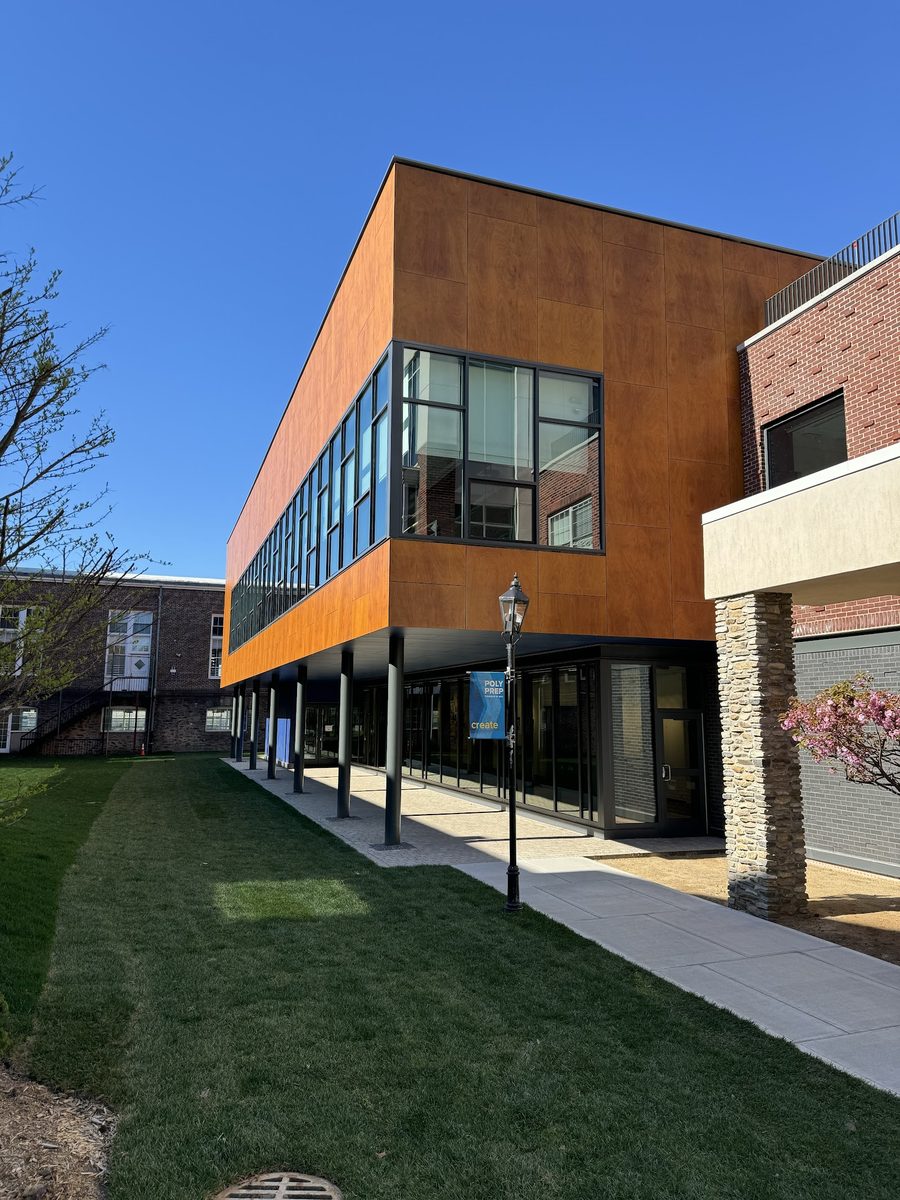
Poly Prep Country Day School
Brooklyn · United States
Founded in 1854 as Brooklyn's first boys' school, this day school pairs a Prospect Park mansion with a 25-acre Dyker Heights campus.
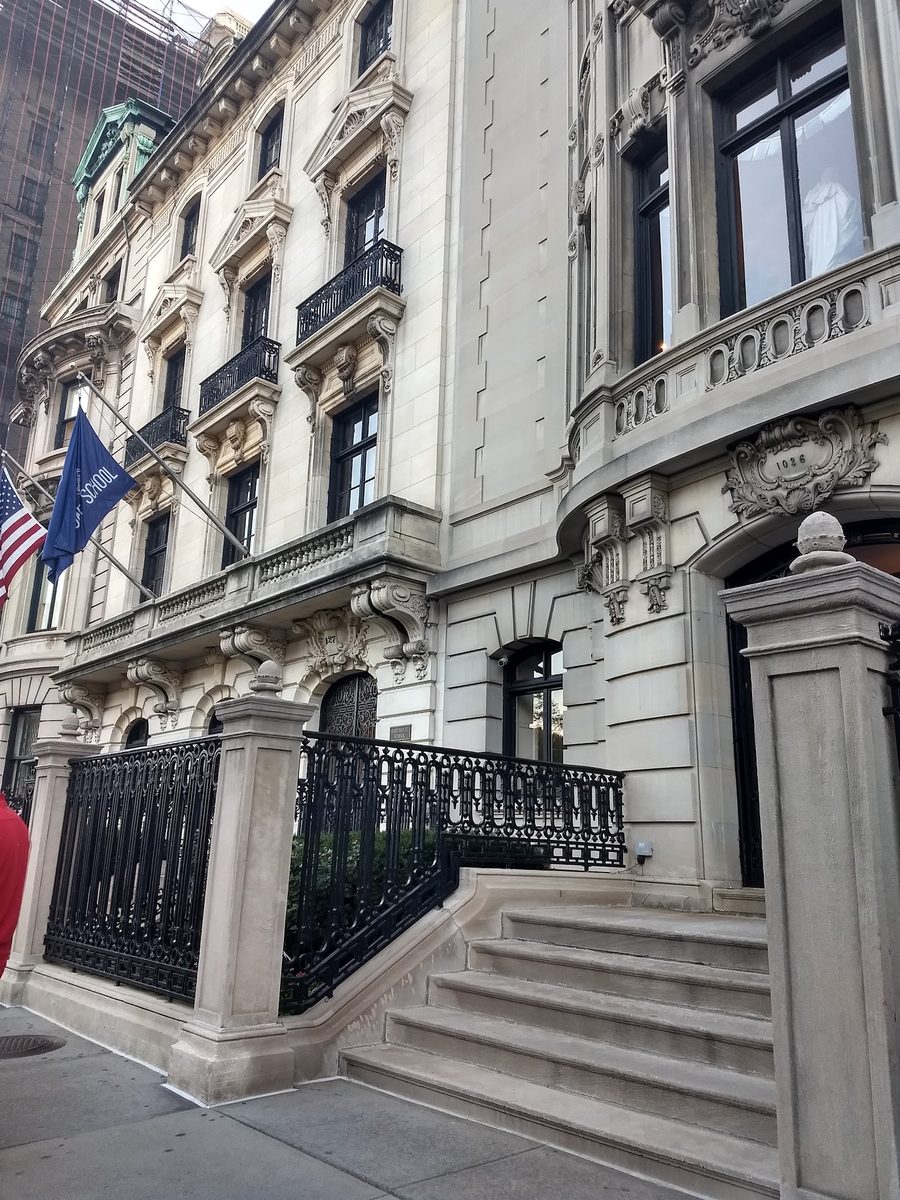
Marymount School of New York
New York City · United States
On Fifth Avenue, landmark mansions give way to Bloomberg terminals and classrooms inside the Met.
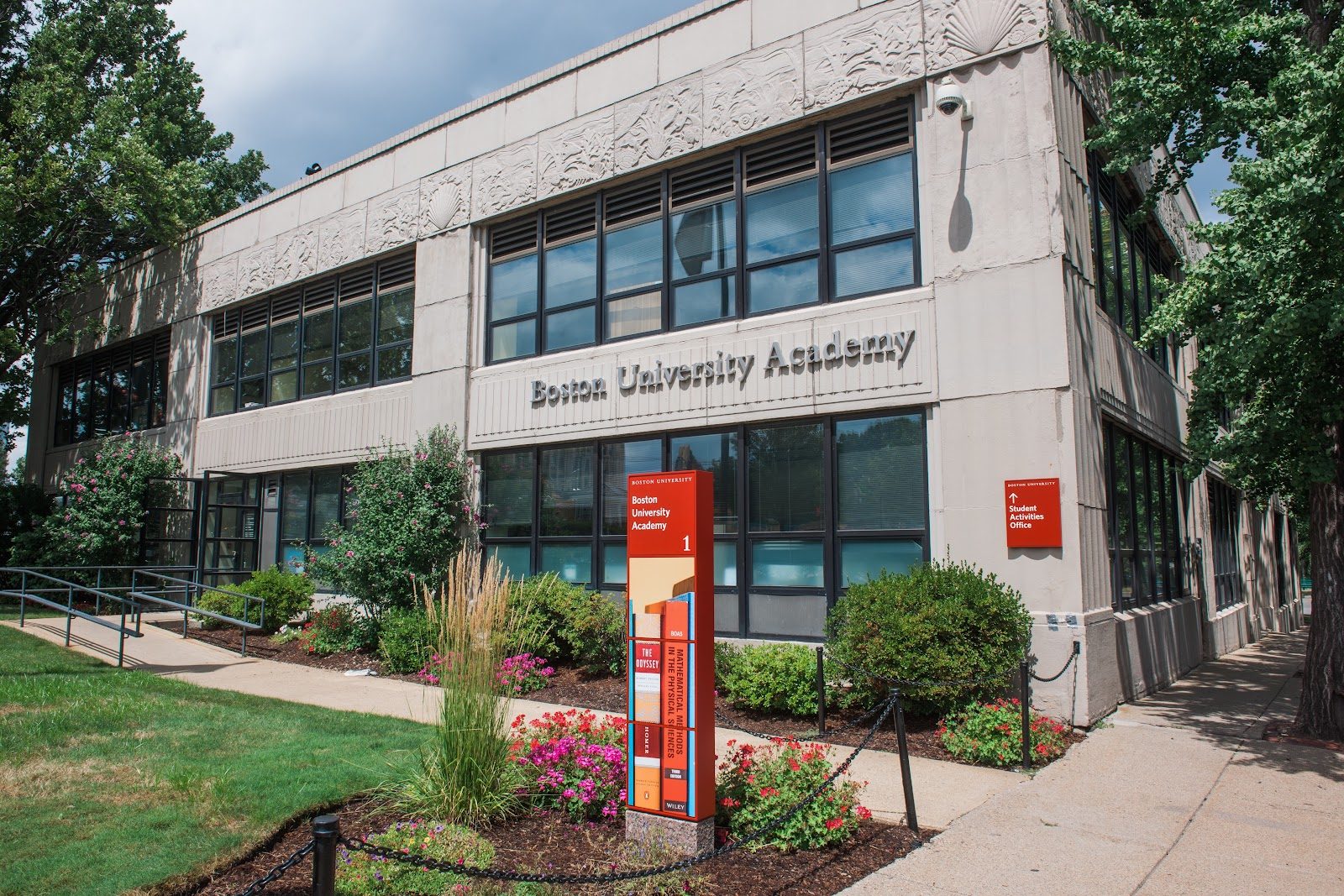
Boston University Academy
Boston · United States
Upperclassmen trade study halls for Boston University lecture halls, banking college credit before graduation.

The Browning School
New York City · United States
Manhattan's only K-12 all-boys day school, expanding onto East 64th Street after nearly 140 years on the Upper East Side.
Same country and curriculum — closest matches within ±10 points either way