
Pennsylvania
The Baldwin School
high confidence· 6/6 cats · 3.25 avg sourcesSince 1888, a single-sex college-prep tradition on Philadelphia's Main Line, housed in Frank Furness's landmark former Bryn Mawr Hotel.
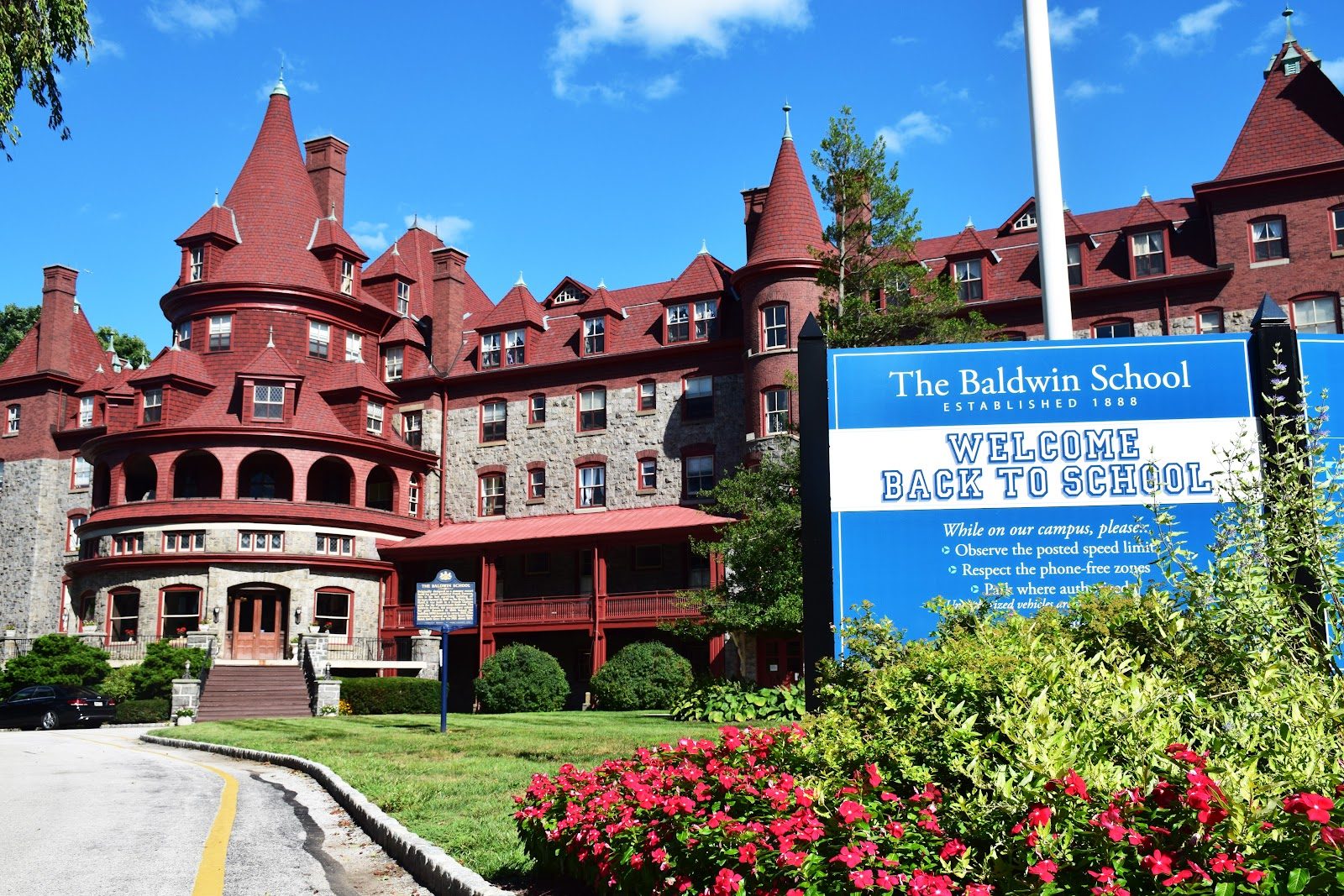
Photo © The Baldwin School via Google Maps
Type
Day
Ages
3–18
Curriculum
American
Qualifications
AP
Ratio
—
The Verdict
Editor's commitment
Right for
Girls aged 3–18 who want a single-sex American college-prep education on the Main Line, with NEASC and NAIS accreditation.
Wrong for
Families wanting co-education, boarding or a lower price point: Baldwin is day-only in Bryn Mawr and averages $45,802 a year.
Watch out for
The 1888 pedigree and Frank Furness campus carry weight, but the school does not publish hard outcome data in the source here.
Ranking breakdown
The Baldwin School · #328 of 1591
Composite score 72.8. 8 weighted criteria.
By criterion
Academic Outcomes
Weight 20%
#333
of 1529 scored
University Placement
Weight 16%
#305
of 1529 scored
Prestige & Heritage
Weight 12%
#393
of 1529 scored
Alumni Network
Weight 12%
#306
of 1529 scored
Facilities
Weight 12%
#502
of 1529 scored
Transparency & Communications
Weight 8%
#437
of 1529 scored
Peer & Industry Review
Weight 10%
#479
of 1529 scored
Admissions Selectivity & Demand
Weight 8%
#308
of 1529 scored
Score history
The Baldwin School · 2026
Movement across 2024–2026. Peer average overlaid.
Overall — 2024–2026
72.8/ 100
▲ +19.2 vs 2025
year on year
Peer & Industry Review
How The Baldwin School is regarded in the sector
78
Strong · medium confidence
The Baldwin School is consistently ranked among the top all-girls independent schools in Pennsylvania by Niche.com and similar education-ranking directories, and is frequently mentioned alongside peer institutions like Agnes Irwin and Shipley in Philadelphia-area private school comparisons. Its strong college matriculation record (frequently cited feeding into Ivy League and elite liberal arts colleges) and long-standing accreditation by the Pennsylvania Association of Independent Schools support a solid regional-to-national reputation, though it lacks the global brand recognition of Tatler-listed UK schools or top-tier US boarding schools like Exeter or Andover.
Evidence sources
Editors' overview
The Baldwin School trades on two assets that many American independents cannot match: a deep institutional history and a sharply defined educational model. Founded in 1888, it is a non-religious, girls-only day school in Bryn Mawr for ages 3 to 18, and it sits in the Frank Furness-designed former Bryn Mawr Hotel rather than on an anonymous suburban campus. That matters. Parents shopping the Philadelphia Main Line market are not choosing Baldwin for novelty; they are choosing a school with a clear sense of self. The offer is straightforward: an American college-prep education, delivered in English, inside a single-sex environment that the school defends openly rather than treating as a legacy quirk. In a market full of schools trying to be everything at once, Baldwin’s institutional confidence stands out.
The shortlist case rests on focus. Baldwin puts academics, arts and athletics all on the front page of its public identity, and the structure underneath that claim is visible: Advanced Topics courses, college counselling, academic support and enrichment, a DREAM Lab, libraries, a conservatory for music, theatre and visual arts, and membership of the Inter-Academic Athletic League. That is the profile of a school built for girls who want a full independent-school education rather than a narrow exam factory. The average annual day fee across the full age range is $45,802, which places Baldwin in the expensive, upper-tier US private day-school bracket. NEASC and NAIS accreditation add credibility, but the stronger signal is longevity plus coherence: Baldwin has had plenty of time to calcify into mannerism, yet the school still reads as a place with active academic and extracurricular ambition.
The right student for Baldwin is a girl who will use the opportunities rather than hide inside them. She does not need to be loud, but she does need appetite: for discussion, for performance, for sport, for leadership, and for the concentrated social dynamics of an all-girls school. Students who thrive in mixed settings, want a more diffuse campus culture, or need a low-pressure environment may find Baldwin too defined and too exacting. Students who want a serious college-prep school with a strong female peer culture, a distinctive setting, and a tradition that still has practical force will find Baldwin easy to place on a shortlist. Its alumni floor is also meaningful: Wikidata records 16 notable alumni, including 4 scientists or scholars and 4 writers or journalists. That is not decoration; it fits the school’s long-established habit of educating girls for public, intellectual and professional life.
Academic Performance
Baldwin gives parents one hard academic datapoint on its public site: a page for graduation statistics and a school profile tied to college counselling. That signals a college-placement culture with at least some willingness to publish outcomes. What it does not publish, in the excerpts we have seen, is the core examination data that lets families compare it cleanly with academic peers: no aggregate AP participation, no average AP scores, no SAT or ACT ranges, no IB results, and no university destination pattern beyond the implication of a structured counselling operation. That leaves the academic-performance picture less transparent than it should be for a school charging $45,802 a year on average. In this bracket, parents should expect hard numbers, not just infrastructure.
Relative to peers, Baldwin therefore sits in an opaque middle ground: strong signs of an academically serious school, weak public disclosure of the results that prove how strong. The presence of Advanced Topics courses points to work pitched above baseline high-school level, and a dedicated school profile usually exists to frame students credibly for selective admissions. Still, absent published exam aggregates, Baldwin does not give the clean empirical readout offered by the most results-forward American independents. The practical conclusion is straightforward. Families interested in Baldwin’s academic profile need to ask directly for recent AP distributions, testing ranges and matriculation detail. Until then, its academic standing reads as credible but under-evidenced rather than fully evidenced.
Facilities
Baldwin’s facilities profile centres on breadth rather than spectacle. The school flags a DREAM Lab, libraries, academic support and enrichment, and a formal college counselling operation, which together cover the academic essentials expected in this fee bracket. In the arts, the structure is stronger than a token music room and annual play: a named conservatory spans music, theatre and visual arts, signalling dedicated space and staffing rather than loose extracurricular provision. Athletics also has visible infrastructure behind it, with team pages, facilities listings, camps and private lessons, plus a turf campaign that points to active investment rather than static provision. Set against peer schools, that puts Baldwin in the serious all-rounder category: not a campus built to overwhelm on scale, but one with the core specialist spaces a full independent education needs.
The real differentiator is the building itself. Housed in a former Main Line hotel designed by Frank Furness, Baldwin occupies a setting with genuine architectural character rather than the interchangeable red-brick sprawl common in suburban day schools. That cuts both ways. Historic buildings give a school atmosphere and identity; they also impose constraints on expansion, layout and the frictionless circulation that brand-new campuses deliver. Parents who want a polished, purpose-built mega-campus packed with headline sports and performing-arts infrastructure will find stronger physical plant elsewhere. Parents who value distinctive surroundings, coherent arts provision and enough athletic backing to sustain competitive school sport will find Baldwin’s estate convincing, if not extravagant.
The Baldwin School trades on two assets that many American independents cannot match: a deep institutional history and a sharply defined educational model
Prestige
Baldwin carries real local prestige and a narrower national profile than the most famous American girls’ schools. On the Main Line, the name has weight: long institutional memory, a landmark home rather than a generic campus, and an alumnae body the school itself puts at more than 4,200. That combination matters in independent-school circles because it signals continuity, donor depth and a network that extends beyond current parents. The all-girls model also sharpens the brand. Baldwin is not chasing every family in the market; it is speaking directly to those who want a self-assured, old-line college-prep education for daughters. Prestige here rests less on headline-selective admissions mythology and more on social and institutional standing built over generations.
The ceiling, though, is clear. Baldwin does not publish the kind of hard outcome data that turns reputation into undeniable academic prestige. We have seen the architecture of seriousness — college counselling, advanced courses, academic support, arts infrastructure and competitive sport — but not the public academic scorecard that top-tier schools use to close the case. Its notable-alumni floor is respectable at 16, with strength in intellectual and literary fields, which reinforces the school’s cultural seriousness. That points to a school with substantial inherited prestige and credible present-day standing, but not one that dominates the conversation through transparent academic results. In plain terms: socially established, educationally serious, and still short of the most commanding prestige tier.
Parents shopping the Philadelphia Main Line market are not choosing Baldwin for novelty; they are choosing a school with a clear sense of self
Communications
Baldwin communicates like a school that expects parents to engage closely. The public site is dense, well signposted and built around practical routes rather than glossy storytelling: admissions pages split by division, dedicated areas for new and relocating families, a campus map and transport information, a live calendar, recent news, publications, and a parents’ association with its own events structure. That matters because it points to operational seriousness. Parents are not left hunting for the mechanics of school life. The school also keeps visible contact channels and frames visiting the campus as central to understanding the offer, which fits a school trading on community and lived experience rather than mass-market messaging. An alumnae community of more than 4,200 also gives communications a built-in constituency beyond current parents.
The limitation is depth, not volume. Baldwin publishes plenty of pathways into the school and into day-to-day life, but less of the hard-edged information that demanding parents want once interest turns into due diligence. We can see college counselling, graduation-statistics pages and divisional detail; we do not see a fully transparent academic dashboard or the kind of data-rich outcomes reporting that answers difficult questions before they are asked. So the school’s parent communication lands as orderly, confident and community-minded, but also selective. It tells families how the school runs and what it values. It is less strong at publishing the evidence that tests those claims.
Uniqueness
Baldwin’s strongest point of difference is not a gimmick or a branded programme. It is the combination of a girls-only education with a campus that has real architectural authority and a social identity formed over generations. The former hotel setting matters because it gives daily school life a sense of place that purpose-built campuses rarely match; students are not moving through anonymous corridors but through a building with weight, memory and character. Add an alumnae community of more than 4,200, and Baldwin offers girls entry into an institution with a thick internal culture rather than a school still inventing itself. That can sharpen belonging, confidence and intergenerational connection.
For students, the gain is practical as well as atmospheric. In an all-girls environment, leadership, public speaking, performance and competitive sport are not rationed around boys; girls take the visible roles by default, and repeated exposure changes habits. Baldwin also gives that model range: the school’s own structure spans a conservatory, a DREAM Lab, academic support, advanced courses and league athletics, so students do not have to choose between being scholarly, artistic or competitive. The payoff is a more integrated version of ambition. The drawback is clear too: schools with this much identity can feel enclosed and demanding. For the right student, that pressure builds voice and purpose. For the wrong one, it narrows room to disappear.
In a market full of schools trying to be everything at once, Baldwin’s institutional confidence stands out
Student Profile
The Baldwin student who fits best is not one looking for anonymity. This is a school for girls who can handle a high-participation culture in which teachers, classmates and families know one another well, and where opting out carries a social cost. The all-girls setting suits students ready to take visible roles without waiting for permission: speaking in class, performing, captaining, organising, competing. The school’s own emphasis on partnership, cooperation and trust points to a community with clear behavioural expectations rather than a loose, laissez-faire atmosphere. Girls who like structure, respond to adult attention and want a peer group that treats school life seriously will settle faster here than those who want emotional distance or a more casual social tempo.
It also suits families buying into a strongly defined idea of education. With more than 4,200 alumnae and a long-established Main Line identity, Baldwin carries the habits of an institution that knows what it is and expects students to meet it halfway. The right pupil is self-possessed, busy and willing to be stretched across lessons, arts and sport instead of retreating into a single niche. The wrong fit is just as clear: girls who thrive in co-ed dynamics, dislike concentrated female social environments, or need a lower-pressure, less watchful school will find Baldwin tight, traditional and, at times, unforgiving. For the student who wants belonging with bite, that intensity is a draw rather than a drawback.
That is the profile of a school built for girls who want a full independent-school education rather than a narrow exam factory
Co-curricular strengths
Arts & sport, on a separate axis
Overall 8.8/10
Scored 0-10 from the school's own published evidence. This axis is editorial-only — it does not feed the main WTS ranking.
Sports
8.8/10
Highly active in Inter-Ac tournaments, utilizing top-tier indoor squash courts and expansive physical fields on a historic Main Line campus.
Drama
9/10
The magnificent performing arts centers anchor an ambitious dramatic tracking program, mounting complex classical and modern plays.
Dance
8/10
Formal intensive dance track offering technical contemporary, jazz, and classical ballet choreography modules.
Music
9/10
Staggering musical breadth; supports a world-famous music department, multiple symphony orchestras, and extensive musical ensembles.
Visual Arts
9.2/10
Features custom exhibition galleries alongside massive digital imaging labs, industrial ceramics, and fine art studios.
Editor-verified · 8/6/2026
Notable alumni · Wikidata
16notable alumni
7 historic (born pre-1930) · 0 modern (born post-1970)wikidata:2026-07-28 How we source this
Strengths
- +The Baldwin School was founded in 1888 by Florence Baldwin as a preparatory school for young women planning to enter nearby Bryn Mawr College, giving it over 130 years of continuous operation as a girls' school.
- +The school occupies a former nineteenth-century resort hotel designed by Victorian architect Frank Furness, a landmark of the Philadelphia Main Line, and the building is listed on the U.S. National Register of Historic Places.
- +Student to teacher ratio stands at 7.0, on an enrollment of 572 (2022-2023), supporting close academic attention within a small day-school community.
- +The average GPA is 3.62, the graduation rate is 100%, and average standardized test scores include an SAT score of 1410 and an ACT score of 31, indicating a consistently strong academic cohort.
- +The Baldwin School offers 14 interscholastic sports: Basketball, Crew, Cross Country, Dance, Field Hockey, Golf, Lacrosse, Soccer, Softball, Squash, Swimming, Tennis, Track and Field and Volleyball, giving girls broad co-curricular options beyond academics.
Considerations
- −The school is single-sex by design -- the school's commitment to remaining a single sex institution means it will not suit families seeking a coeducational environment.
- −Day tuition runs high for the region, listed at $48,402 for 2024, plus a non-refundable enrollment deposit and additional fees for extracurriculars and uniforms.
- −The last boarders graduated in 1974, so the school offers no residential option, which is a structural limitation for relocating expat families without a local home base.
- −Admission is competitive and process-heavy, requiring standardized testing and an interview rather than a straightforward application, which can slow placement for families on tight relocation timelines.
Availability
Primary entry gate & tests
ISEE/SSAT + Interview (Girls)
Gallery
Photo © Qi Li via Google Maps
Photo © Qi Li via Google Maps
Photo © The Baldwin School via Google Maps
Photo © The Baldwin School via Google Maps
Photo © The Baldwin School via Google Maps
Photo © The Baldwin School via Google Maps
Photo © The Baldwin School via Google Maps
Photo © The Baldwin School via Google Maps
Photo © The Baldwin School via Google Maps
Parent reviews
Have you sent your child here?
Voice reviews carry the strongest trust badge — we transcribe them for you to tidy up before they go live. Prefer to type? A written review is fine too.
Add your voice
In 60 seconds, tell other parents: what's the best thing about The Baldwin School, and what surprised you when your child joined?
We ask for a Google sign-in so every review has a real face behind it — no anonymous drive-by attacks on schools, and no faked positive reviews. Your email is never shown publicly.
Send this profile to a friend
International parents rely on word-of-mouth. Share this review with someone weighing the same decision.
Schools with places
Similar schools to The Baldwin School with places available now.
Friends Seminary
New York City · United States
- 2026-27
- WAITPOOLLate/held pending openings
- 2027-28
- OPENS SOONExpected Sept '26
Saint Ann's School
Brooklyn · United States
- 2026-27
- WAITPOOLLate / attrition-dependent
- 2027-28
- OPENS SOONOpens 8 Sept '26
Ethical Culture Fieldston School
New York City · United States
- 2026-27
- WAITPOOLLimited late availability
- 2027-28
- OPENS SOONOpens post-Labor Day '26
Riverdale Country School
New York City · United States
- 2026-27
- WAITPOOLLate application possible
- 2027-28
- OPENS SOONOpens 8 Sept '26 (Noon ET)
Availability first, then country, area, curriculum, price, co-curricular
Consider also
Also worth looking at alongside The Baldwin School.
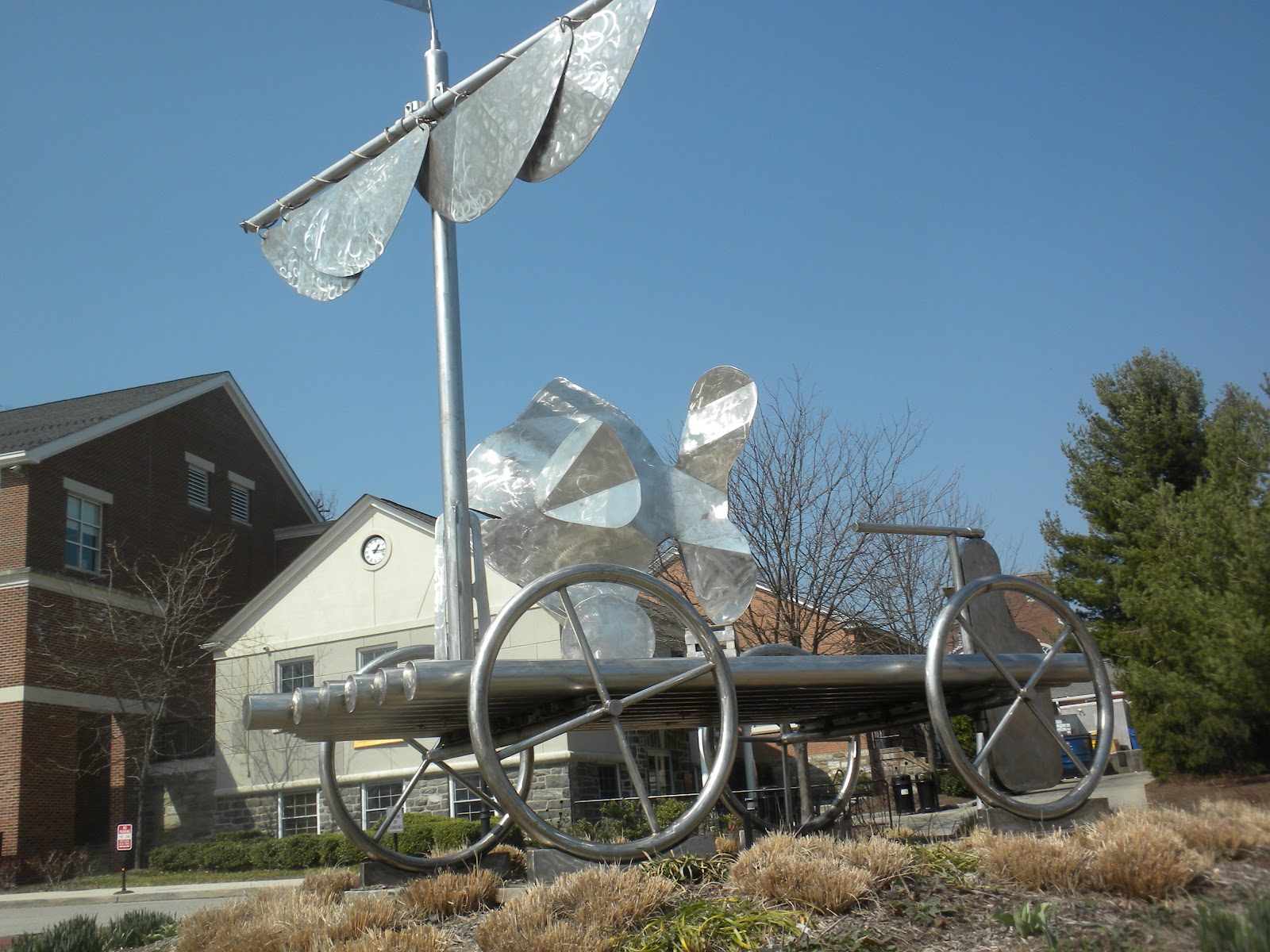
The Haverford School
Haverford · United States
Since 1884 on Philadelphia's storied Main Line, an all-boys campus balances rigorous academics with athletics and the arts.
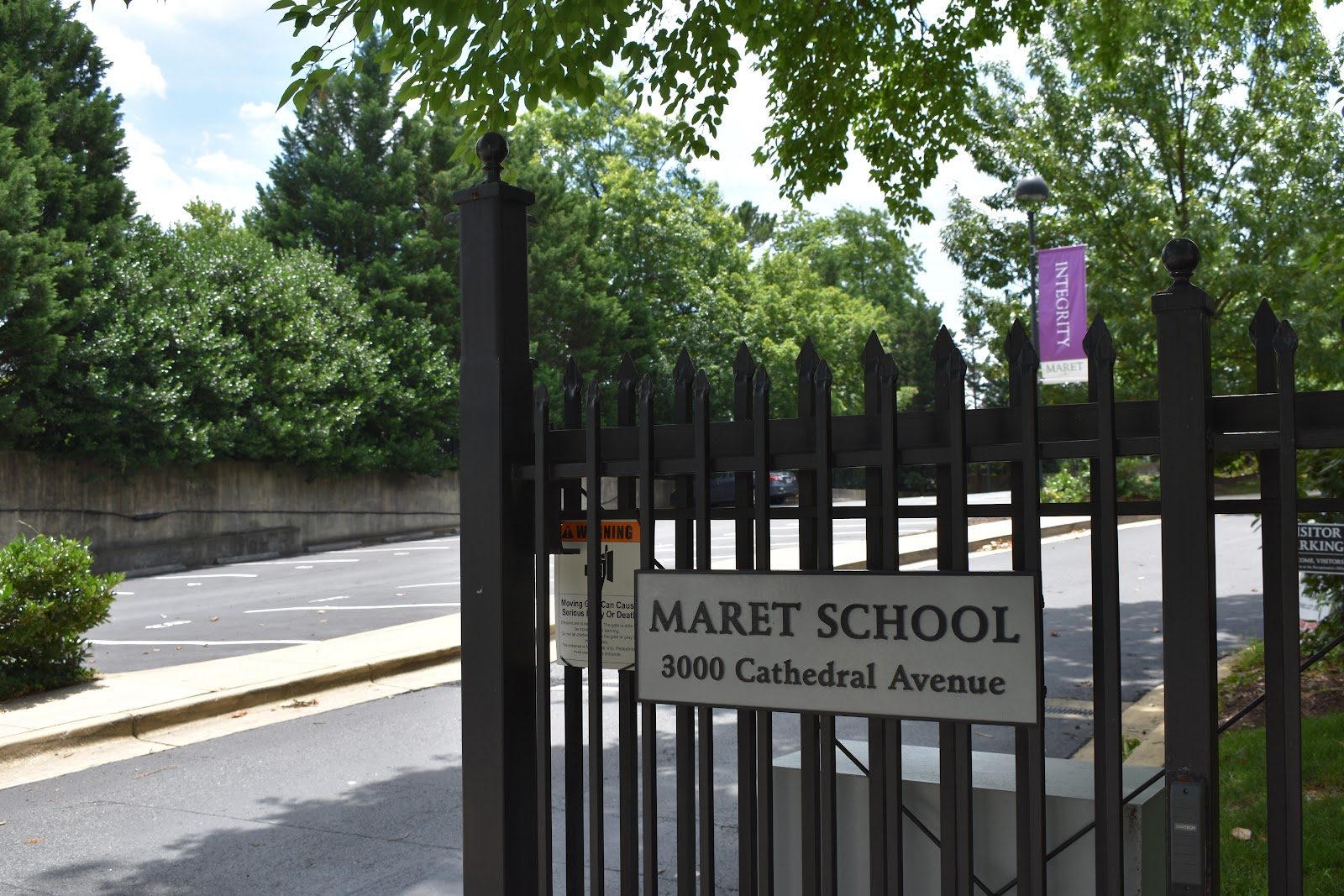
Maret School
Washington, D.C. · United States
A Federal-era Woodley Park estate carries forward the French-language roots planted by three immigrant sisters in 1911.
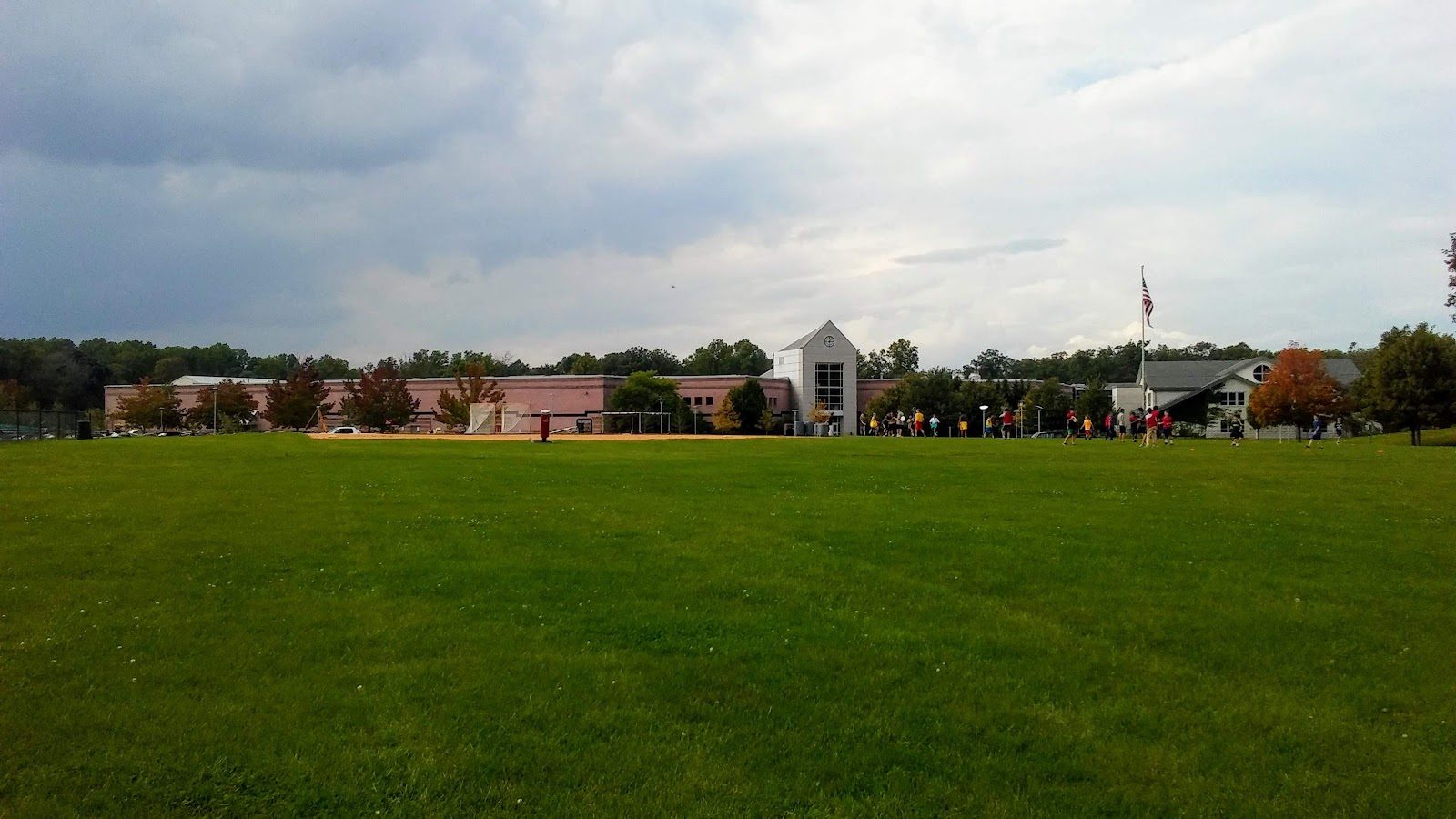
The Pingry School
Basking Ridge · United States
A 1861-founded New Jersey day school whose soccer pitches were deemed fit to host Morocco's 2026 World Cup training camp.
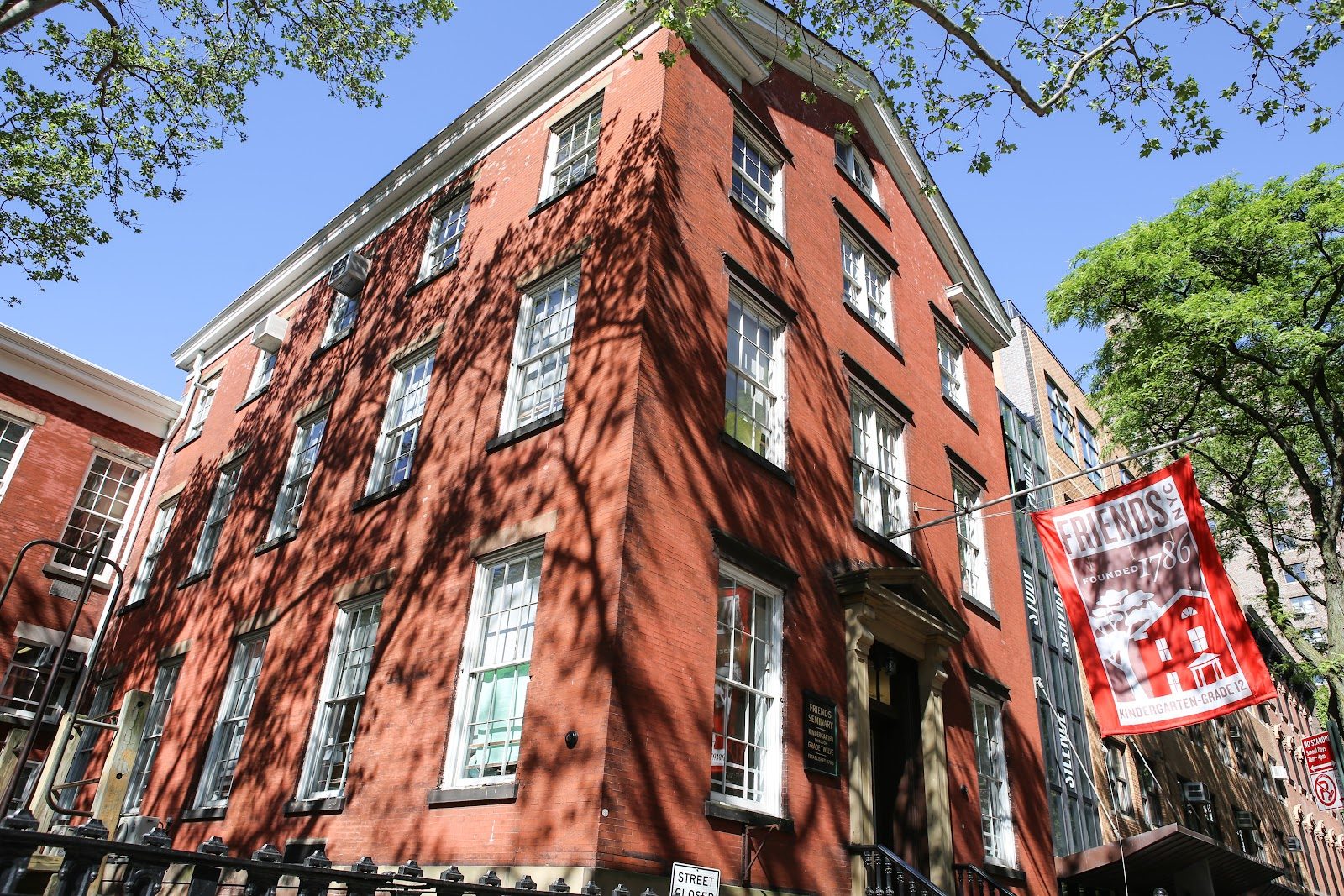
Friends Seminary
New York City · United States
Founded in 1786, the oldest coeducational school in New York City still teaches Quaker simplicity and peace amid Manhattan's bustle
Same country and curriculum — closest matches within ±10 points either way