
Ontario
Canada's National Ballet School
Talent is the sole entry ticket to this Toronto campus fusing full-time ballet training, academics, and boarding life under one roof.
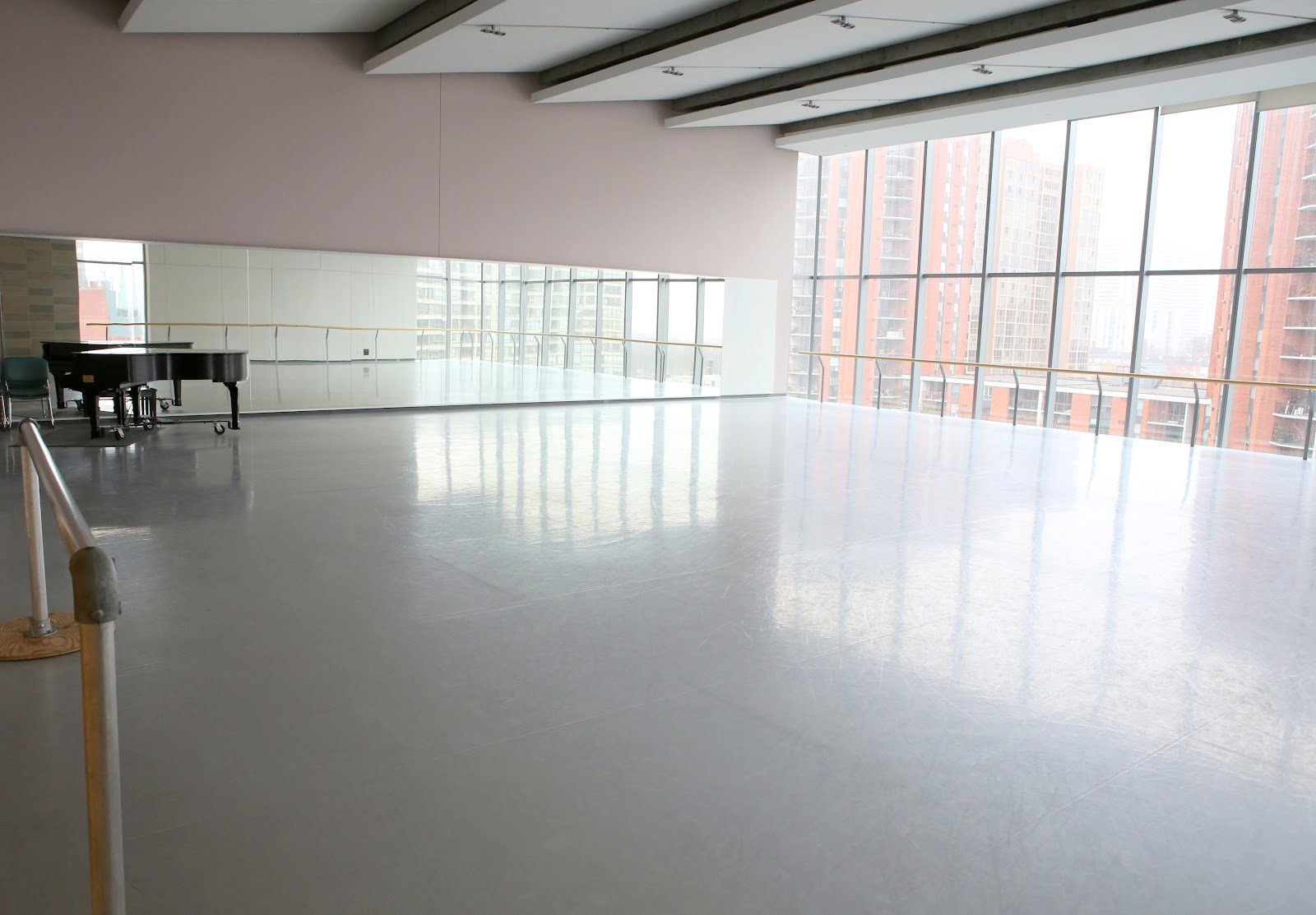
Photo © National Ballet School via Google Maps
Type
Boarding + Day
Ages
11–18
Curriculum
Ontario Secondary School Diploma
Ratio
—
The Verdict
Editor's commitment
Right for
Serious dancers aged 11–18 who want full-time ballet training with the Ontario Secondary School Diploma on one Toronto campus.
Wrong for
Children who want a broad school sport menu, a conventional secondary experience, or any route where talent is not the entry test.
Watch out for
This is a boarding and day school under Ontario Ministry of Education oversight, but ballet sits at the centre and everything else follows.
Ranking breakdown
Canada's National Ballet School · #774 of 1591
Composite score 49.1. 8 weighted criteria.
By criterion
Academic Outcomes
Weight 20%
#1427
of 1529 scored
University Placement
Weight 16%
#1504
of 1529 scored
Prestige & Heritage
Weight 12%
#1425
of 1571 scored
Alumni Network
Weight 12%
#1468
of 1530 scored
Facilities
Weight 12%
#1382
of 1533 scored
Transparency & Communications
Weight 8%
#938
of 1532 scored
Peer & Industry Review
Weight 10%
#127
of 1548 scored
Admissions Selectivity & Demand
Weight 8%
#11
of 1529 scored
Peer & Industry Review
How Canada's National Ballet School is regarded in the sector
90
Top-tier · medium confidence
Canada's National Ballet School occupies a distinct niche compared to conventional academic 'best schools' lists, so its standing is judged less by WhichSchoolAdvisor-style rankings and more by professional dance and arts-education circles. Founded in 1959 by Celia Franca and Betty Oliphant, it is consistently referenced alongside the Royal Ballet School and Paris Opera Ballet School as one of the world's leading classical training institutions, with graduates regularly placing in Prix de Lausanne finals and joining major companies such as The National Ballet of Canada, American Ballet Theatre and Stuttgart Ballet. Its formal academic partnership with Toronto Metropolitan University, allowing students to combine full ballet training with a recognized Ontario diploma, is cited by education press covering arts-integrated schooling as a model for balancing rigorous vocational training with academic credentialing. Within Canadian independent-school and arts-education circles, NBS is frequently mentioned in Globe and Mail and CBC arts coverage as the country's premier ballet conservatory. However, verifiable head-to-head commentary from rival school leaders or university admissions officers specific to NBS is limited in public sources, reflecting its specialized rather than broad-curriculum profile.
Award

Elite Dance 50
World's Top School · The Global Ranking
Canada's National Ballet School is featured on our Global Top 50 ranking at #11. This seal is available for the school's marketing team to use on their website, prospectus and social channels.
- Karen Kain — Artistic Director, National Ballet of Canada - Arts
- Veronica Tennant — Prima Ballerina, Arts
- Evelyn Hart — Prima Ballerina, Arts
Editors' overview
Canada’s National Ballet School occupies a narrow, serious niche: full-time classical ballet training for young dancers who want the art form at the centre of daily life, not bolted on after school. This is not a conventional independent school with a strong dance department. It is a specialist institution in Toronto for ages 11–18, offering the Ontario Secondary School Diploma alongside an intensive professional ballet track, with day and boarding options under the same roof. Entry turns on talent and trainability. That single fact defines the place. For the right child, that is electrifying. For the wrong child, it is claustrophobic.
What sets NBS apart is the integration. Ballet training, academic study, physiotherapy support and residential life sit inside one ecosystem, built for students whose schedules and physical demands do not fit ordinary schooling. The school also has wider reach than a pure conservatoire model: the public footprint includes community dance work, educator resources and a research institute, which gives the institution cultural weight beyond its student body. Still, parents need to read the proposition clearly. This is a classical ballet school first. The academics matter because they must; the ballet matters because it is the point. That hierarchy will suit families who want single-minded training and a professional atmosphere, and it will deter those seeking broad sixth-form optionality, mainstream school sport, or a looser adolescence.
In market terms, NBS sits at the top of the Canadian pre-professional ballet pathway, alongside only a tiny number of institutions with comparable purpose. Its boarding offer matters because elite dance training depends on time, routine and proximity; long commutes and piecemeal timetables waste energy that dancers need in the studio. The school’s standing also rests on scarcity: there are few places in Canada where a student can pursue elite classical ballet and an OSSD within one specialist structure. That makes it hard-edged, demanding and attractive to families who value focus over breadth. We have not seen aggregate academic outcomes published, and parents should ask direct questions about exam performance, university destinations and injury management before committing.
The student who will thrive here is disciplined, physically resilient, coachable and happy to have identity tied closely to ballet. A child who needs a broad menu of subjects, a big-house sports culture, or room to drift between interests will chafe. A young dancer who wants exacting daily training, peers with the same priorities, and adults who understand the mechanics of a life in dance will find a rare fit. For that student, NBS belongs on the shortlist because it offers something few schools can: a clear runway from adolescence to the professional ballet world, inside a school structure built around that ambition.
A Global Elite 50 Dance school
Canada's National Ballet School sits at #11 on our Global Elite 50 Dance Schools 2026, with B confidence, because on the 100-point cohort-conversion methodology it demonstrates the professional conversion, faculty pedigree, health-and-wellbeing infrastructure and specialist facilities required for the individually-ranked top-20 group.
The Global Elite 50 Dance Schools methodology is deliberately aggressive: half of the 100 available points are directly tied to professional conversion between 2016 and 2026 — main-company contracts, elite junior-company positions, apprenticeships and second companies. Beautiful campuses, historic alumni and impressive facilities cannot compensate for weak contemporary professional conversion, and are not scored independently.
Its evidence-confidence grade is deliberately separate from the ranking position: a lower grade reflects less public disclosure, not weaker performance. Where the school moves substantially better cohort data into the public domain in future audit cycles, the position — but not the underlying professional-conversion reality — may be revised.
International openness is a defining feature. Boarding or residential arrangements are standard, and overseas dancers apply on a rolling international audition + video pre-screen basis without residency, federation or citizenship gates. Student visas are handled by the school or its host-family partner. This is one of the internationally-open pipelines on the Global Elite 50 Dance Schools list that a relocating family can consider directly. Prospective families are advised to begin overseas application conversations early in the calendar year, with detailed audition and boarding logistics arranged 12-18 months ahead of the intended entry point. Prospective families are advised to begin overseas application conversations early in the calendar year, with detailed audition and boarding logistics arranged 12-18 months ahead of the intended entry point. Prospective families are advised to begin overseas application conversations early in the calendar year, with detailed audition and boarding logistics arranged 12-18 months ahead of the intended entry point. Prospective families are advised to begin overseas application conversations early in the calendar year, with detailed audition and boarding logistics arranged 12-18 months ahead of the intended entry point.
Academic Performance
Academic performance is not where NBS makes its public case. The school offers the Ontario Secondary School Diploma inside a schedule dominated by professional ballet training, yet it does not publish aggregate OSSD data, grade distributions, university entrance figures or any comparative academic metrics in the public domain. That opacity matters. Specialist arts schools ask families to accept a trade: less breadth, less timetable flexibility, and a daily regime built around rehearsal and physical load. In return, parents need hard academic evidence. Here, that evidence is absent. The result is a clear credibility gap in external-facing academic reporting, especially for a school serving adolescents whose careers can be redirected by injury, burnout or changed ambition.
Relative to peers, NBS sits in a different category from mainstream independent schools and even from many arts schools with stronger published results. Its benchmark is not a conventional university-prep campus chasing league-table optics; it is a pre-professional training institution where academics must remain genuinely robust despite the pressure of elite dance. That can still produce strong individual outcomes, but the school does not furnish the data that would prove consistency across cohorts. Parents should press for recent OSSD performance, post-secondary destinations over at least 3 years, and evidence on how students who leave the ballet track are supported academically. Until then, NBS earns respect for focus, not for transparent academic results.
Facilities
For a specialist ballet school, the key facilities are the ones that protect time, bodies and performance standards. NBS has those in the right places. The public footprint names the Celia Franca Centre, the Betty Oliphant Theatre, Currie Hall, 410 Jarvis, Artistry of Motion Physiotherapy and The Shoe Room. That combination matters more than glossy extras. A dedicated theatre gives students a proper performance environment rather than an adapted assembly hall; on-site physiotherapy signals that injury prevention and recovery sit inside the training model, not outsourced after something goes wrong; and an in-house shoe resource points to the daily practicalities of serious ballet being handled with professional discipline. For families comparing specialist schools, this is the difference between a campus built around dance and a school that has simply added studios.
Against peers, NBS reads as properly purpose-built rather than ornamental. Many independent schools can offer sprung floors, a black-box theatre and a dance showcase. Far fewer can present a campus where performance, treatment and student life operate as one system under one institutional umbrella. That does not make the estate luxurious; it makes it hard-working. Parents who want Olympic-scale sports grounds, broad maker spaces or a parade of generalist facilities will find a narrower proposition. Parents who want a school where the most important rooms are the studio, the theatre and the physio clinic will recognise a serious setup. In this market, that concentration is a strength.
In market terms, NBS sits at the top of the Canadian pre-professional ballet pathway, alongside only a tiny number of institutions with comparable purpose
Prestige
Canada’s National Ballet School carries real prestige within its field, but parents need to define the field correctly. This is not prestige in the generic independent-school sense of broad university results, famous old-school cachet or social polish. It is prestige inside the hard-edged world of classical ballet training, where reputation rests on selection, standards and the seriousness of the daily regime. In Canada, the school sits in a rarefied bracket: even Wikipedia’s blunt summary places it alongside only 1 other provider of professional ballet training nationally. That scarcity matters. So does institutional reach. NBS is not just a school with studios; it also houses a theatre, physiotherapy provision, a centre for community dance and a research institute. That breadth gives it cultural authority beyond its student cohort.
The rating stays high because the school’s name carries weight with families, dancers and the wider dance sector, and because the entire structure is built around one demanding craft. It does not stay high because the school publishes outstanding academic outcomes or sells a rounded all-purpose education; it does neither. Prestige here is specialist, earned and exacting. For the right student, that is gold-standard validation that their training belongs in a national-level institution. For anyone outside the ballet track, the lustre fades fast. A school this focused wins esteem through artistic seriousness, not through breadth, comfort or conventional school prestige.
This is not a conventional independent school with a strong dance department
Communications
Parent communication is functional, service-heavy and more institutional than pastoral. The public site gives families clear routes into the school’s world: audition, current students and families, board access, alumni, strategic plan and annual reports, careers, equity and diversity, venue hire, community programmes and research all sit in plain view. That breadth tells you something important. NBS communicates as an organisation with multiple constituencies, not just as a school sending newsletters to parents. For some families, that reads as serious and grown-up. For others, it can feel diffuse. The navigation is crowded, with repeated menu items and layers that ask users to know where they are going. A parent trying to answer a simple practical question may need more clicks than necessary.
What is strong is the school’s willingness to expose governance and institutional infrastructure rather than hiding behind glossy admissions copy. Board pages, annual reports and strategic planning are there; that is a mark of substance. What is weaker is the absence of the academic disclosure that parents of adolescents need most. We have not seen published aggregate diploma outcomes, university destinations or other hard academic tracking. For a specialist institution where injury or changed ambition can alter a student’s path fast, that gap is too important to excuse. In short: communication around mission, structure and the ballet ecosystem is confident and comprehensive; communication around measurable academic outcomes is thin where it counts.
Uniqueness
What makes NBS distinct is not dance excellence alone. Many schools claim serious arts provision. NBS builds the entire adolescent day around one exacting discipline and admits students on talent and trainability rather than on a conventional academic or all-rounder profile. That creates a rare institutional clarity. The school is not trying to balance ballet against a crowded menu of co-curricular distractions, nor dilute training to fit a standard school timetable. Add the public-facing ecosystem around the core school — a theatre, physiotherapy provision, a community dance centre and a research institute — and the result is far more than a strong dance department. It is a specialist cultural institution in which students train inside a world that treats ballet as serious work, not enrichment.
For students, that brings obvious gains and hard limits. The gains are focus, immersion and proximity to adults who understand the physical and artistic demands of pre-professional training. Young dancers get a daily environment where technique, conditioning, performance and recovery sit in one structure, which saves time and sharpens standards. Living and learning alongside peers with the same priorities also creates a powerful tribe; for the right student, that is energising. The limit is breadth. A school built this tightly around one art form leaves less room for experimentation, sporting variety or a looser teenage identity. NBS is uncommonly effective for students who want ballet at the centre of life. It is a narrow road by design for everyone else.
The academics matter because they must; the ballet matters because it is the point
Student Profile
The right student for NBS has already made a hard choice before applying: ballet sits above breadth. This is a place for young people who want daily classical training to shape the rhythm of school, friendships, rest and ambition. They need stamina, body awareness and a high tolerance for correction. They also need to cope with a peer group selected for the same purpose, which creates a driven, competitive atmosphere with little room for vagueness about commitment. Entry starts at 11, and that matters: students arrive young enough for the school to mould habits early, but old enough to feel the pressure of comparison, casting and progression. The strongest fit is a dancer who values routine, accepts discipline and does not need a broad adolescent buffet of identities.
The weaker fit is easy to identify. A child who wants school sport, wide subject choice, social looseness or space to treat dance as one passion among several will find this constricting. So will students who wilt under scrutiny or need frequent external reassurance. NBS suits teenagers prepared to live inside a single-track system where physical resilience and emotional steadiness matter as much as talent. Because the school runs through to 18, families also need a student who can sustain that focus over years, not just through an exciting first audition cycle. For the right dancer, the environment is electrifying and professionally serious. For everyone else, it is too narrow.
That makes it hard-edged, demanding and attractive to families who value focus over breadth
Co-curricular strengths
Arts & sport, on a separate axis
Overall 6.3/10
Scored 0-10 from the school's own published evidence. This axis is editorial-only — it does not feed the main WTS ranking.
Sports
4/10
Drama
5.5/10
Dance
10/10
Music
6/10
Visual Arts
6/10
Strengths
- +Founded in 1959 by Celia Franca and Betty Oliphant, giving it a long, well-documented history as a specialist ballet institution in Toronto.
- +Combines professional dance training with the Ontario Secondary School Diploma through a partnership with the Toronto District School Board.
- +Alumni include prominent Canadian dancers such as Karen Kain, Veronica Tennant and Evelyn Hart, later leaders in the National Ballet of Canada.
- +Purpose-built campus (the Celia Franca Centre, opened 2005) provides dedicated studios, a health centre and on-site residence for boarders.
- +Offers both day and boarding options, allowing local Toronto families and international students to attend the same program.
Considerations
- −Curriculum is narrowly focused on classical ballet training; academic breadth and extracurricular variety are limited compared with generalist schools.
- −Admission is by competitive audition assessing physical suitability for ballet, which excludes students without prior dance training or aptitude.
- −Boarding and tuition fees are significant, and detailed current fee schedules are not fully published on the school's public website.
- −The intensive daily training schedule alongside academics demands a high physical and time commitment unsuitable for casual dance students.
Gallery
Photo © National Ballet School via Google Maps
Photo © National Ballet School via Google Maps
Photo © National Ballet School via Google Maps
Photo © National Ballet School via Google Maps
Photo © National Ballet School via Google Maps
Photo © National Ballet School via Google Maps
Photo © Michael M via Google Maps
Parent reviews
Have you sent your child here?
Voice reviews carry the strongest trust badge — we transcribe them for you to tidy up before they go live. Prefer to type? A written review is fine too.
Add your voice
In 60 seconds, tell other parents: what's the best thing about Canada's National Ballet School, and what surprised you when your child joined?
We ask for a Google sign-in so every review has a real face behind it — no anonymous drive-by attacks on schools, and no faked positive reviews. Your email is never shown publicly.
Send this profile to a friend
International parents rely on word-of-mouth. Share this review with someone weighing the same decision.
Schools with places
Similar schools to Canada's National Ballet School with places available now.
Ashbury College
Ottawa · Canada
- 2026-27
- CLOSEDRegular cycle closed
- 2027-28
- PLACES OPENDay Dec / Boarding rolling
Havergal College
Toronto · Canada
- 2026-27
- CLOSEDRegular cycle closed
- 2027-28
- OPENS SOONOpens 1 Sept '26 (Day) / Boarding active
Branksome Hall
Toronto · Canada
- 2026-27
- CLOSEDRegular cycle closed
- 2027-28
- PLACES OPENDay 1 Dec / boarding rolling
The York School
Toronto · Canada
- 2026-27
- CLOSEDRegular cycle closed
- 2027-28
- PLACES OPENActive now
Availability first, then country, area, curriculum, price, co-curricular
Consider also
Also worth looking at alongside Canada's National Ballet School.
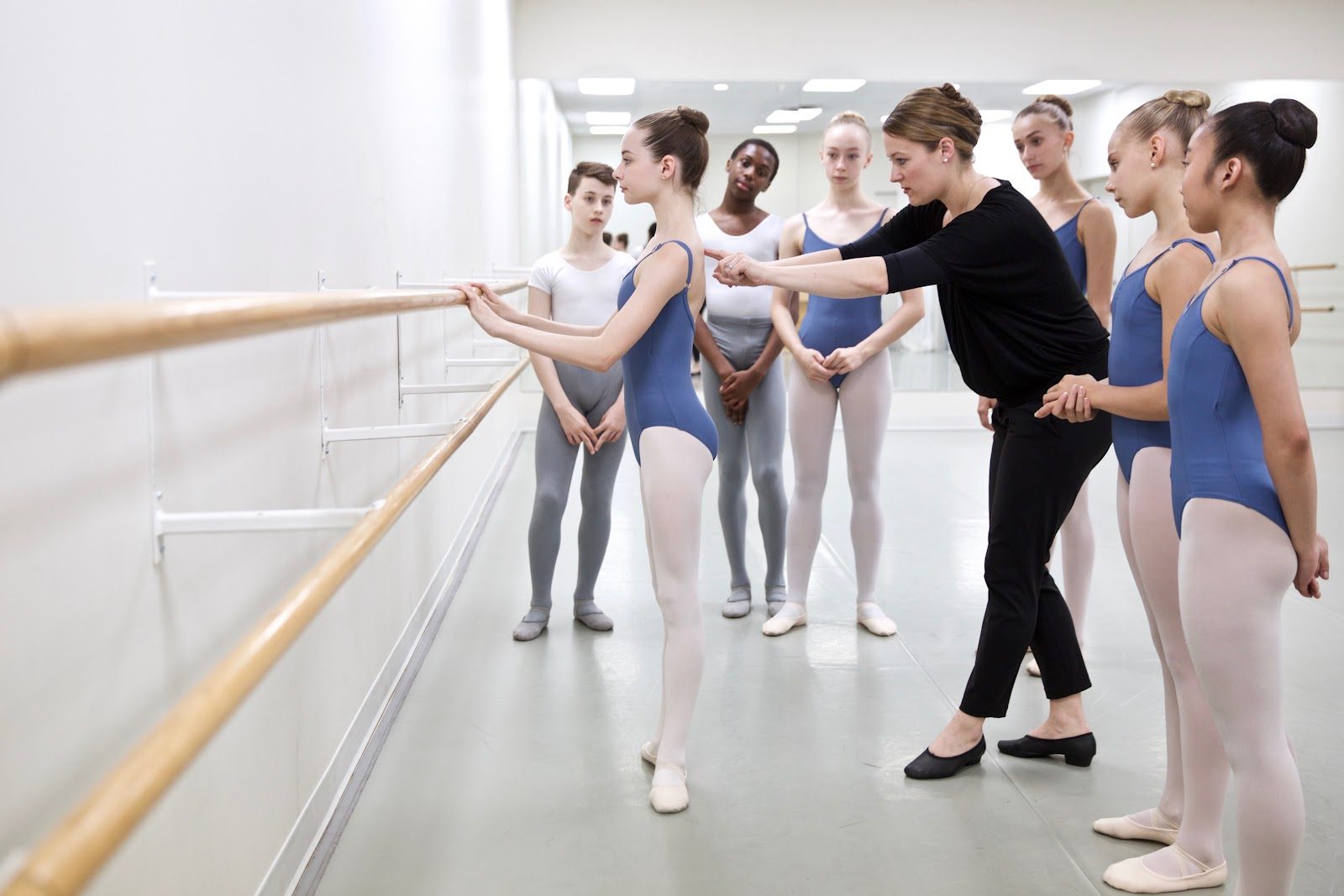
Alberta Ballet School
Calgary, Alberta · Canada
The only boarding school of its kind in western Canada, splitting each school day evenly between pointe work and the classroom.
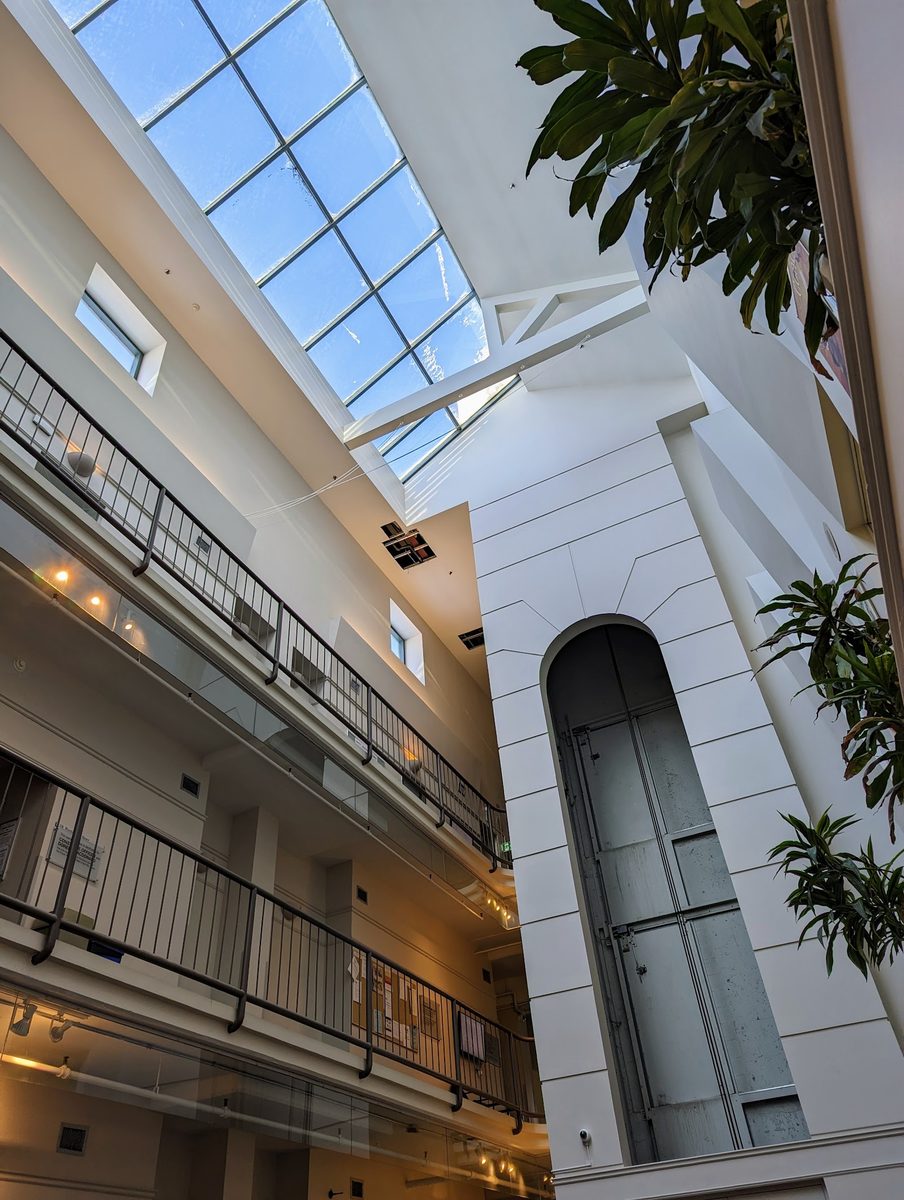
Royal Winnipeg Ballet School, Professional Division
Winnipeg, Manitoba · Canada
A Russian-method training ground on the Prairies, feeding a ballet company where three in four dancers are its own graduates.

The Royal Ballet School
White Lodge, Richmond Park (Lower) / Covent Garden (Upper) · United Kingdom
A Grade I-listed royal hunting lodge in Richmond Park doubles as classroom and studio for GCSE-age dancers admitted on talent alone.

Miami City Ballet School
Miami Beach, FL · United States
Where Balanchine technique meets professional stagecraft, training young dancers inside a working ballet company on Miami Beach
Same specialism, country and curriculum — closest matches within ±10 points either way