
Hampshire
Bedales School
low confidence· 3/6 cats · 3 avg sourcesOn 120 acres of South Downs farmland, this co-ed pioneer swaps GCSEs for its own coursework-based Assessed Courses.
Type
Both
Ages
3–18
Curriculum
British
Qualifications
A-Level · GCSE
Ratio
1:8
The Verdict
Editor's commitment
Right for
Children 3–18 who want a co-ed day-and-boarding school on 120 acres, with Bedales Assessed Courses instead of GCSEs.
Wrong for
Families who want a standard British exam route, a religious ethos, or a large anonymous school; Bedales runs at 1:8.
Watch out for
This 1893 Hampshire progressive still demands commitment: Bedales publishes no aggregate outcomes here, so inspect Sixth Form results hard.
Ranking breakdown
Bedales School · #979 of 1591
Composite score 60.8. 8 weighted criteria.
By criterion
Academic Outcomes
Weight 20%
#791
of 1529 scored
University Placement
Weight 16%
#736
of 1529 scored
Prestige & Heritage
Weight 12%
#438
of 1571 scored
Alumni Network
Weight 12%
#1386
of 1530 scored
Facilities
Weight 12%
#559
of 1534 scored
Transparency & Communications
Weight 8%
#650
of 1532 scored
Peer & Industry Review
Weight 10%
#640
of 1548 scored
Admissions Selectivity & Demand
Weight 8%
#726
of 1529 scored
Peer & Industry Review
How Bedales School is regarded in the sector
68
Respected · medium confidence
Among HMC peers, Bedales is regarded less as a competitor on exam league tables and more as the reference point for progressive, arts-led education - frequently mentioned alongside Frensham Heights and King Alfred's, though with considerably more academic and reputational heft than either. Good Schools Guide reviews have long praised its creative output and pastoral ethos while noting that its distinctive Bedales Assessed Courses require parental buy-in, a point echoed in independent press coverage of the school's departure from standard GCSEs. University admissions tutors, particularly in art foundation, drama and design pathways, have been reported to view BAC coursework favourably as evidence of sustained independent research, though Bedales does not feature prominently in Oxbridge admissions data in the way more academically selective HMC schools do. Its standing rests chiefly on consistent inclusion in broadsheet round-ups of Britain's most individual schools rather than on raw results-table prominence.
Award
Elite Visual & Fine Arts 76
World's Top School · The Global Ranking
Bedales School is featured on our Global Top 76 ranking at #44. This seal is available for the school's marketing team to use on their website, prospectus and social channels.
- Daniel Day-Lewis — Actor, Film
- Lily Cole — Actress/Model, Entertainment
- Sophie Dahl — Writer/Model, Media
Editors' overview
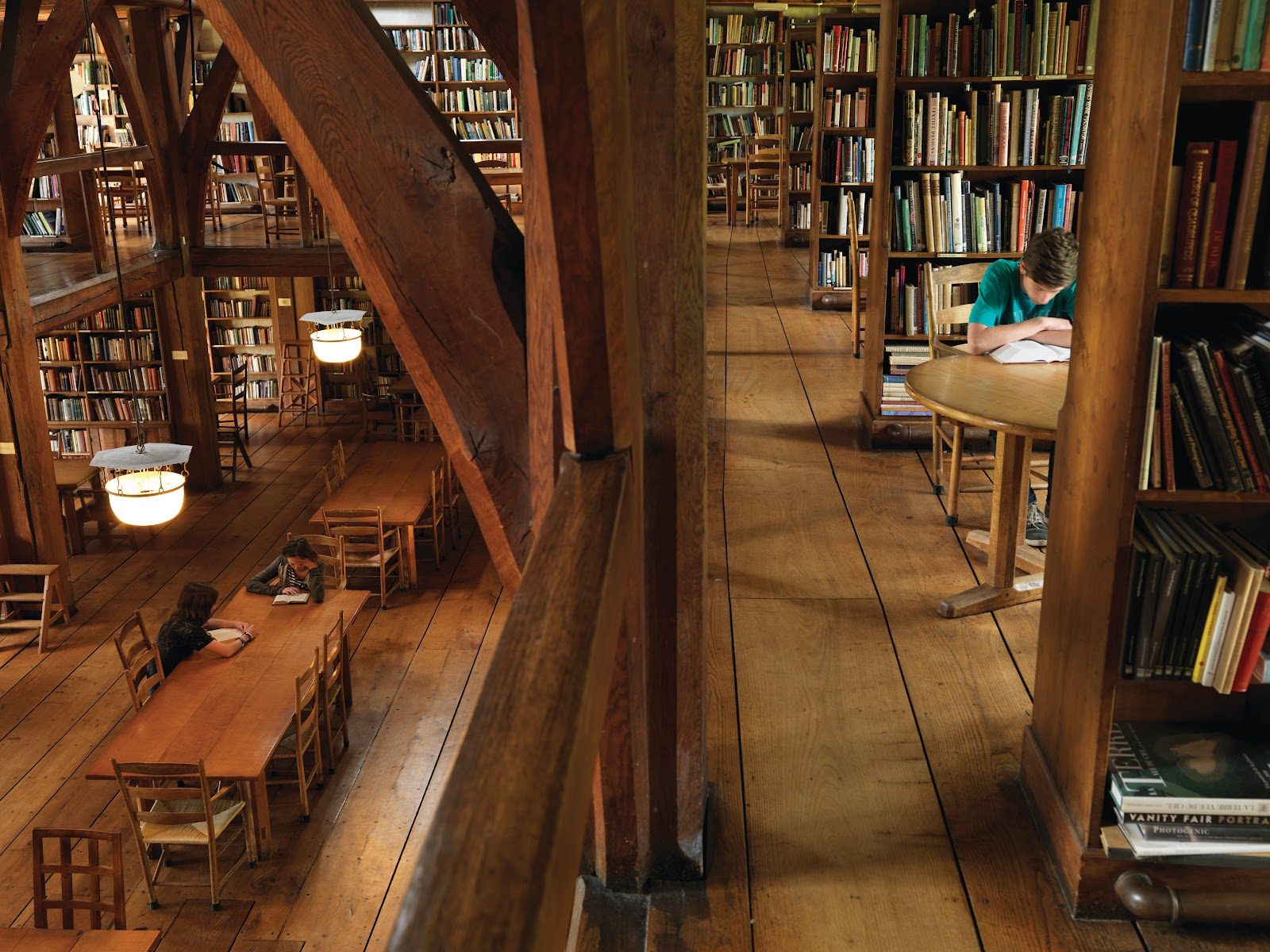
Bedales occupies a distinct corner of the British independent market: progressive, co-educational, rural, and deliberately resistant to the standard exam treadmill. Its defining feature is the replacement of GCSEs with Bedales Assessed Courses, the school’s own coursework-based qualification route, set within a British curriculum and a 3–18 all-through structure. That matters. For families who dislike narrow teaching to the test, Bedales offers a serious alternative with more room for independent thought, practical work and creative risk. The setting reinforces the point: 120 acres in the South Downs, a working farm, outdoor learning, subject studios, and an Arts and Crafts library. This is not a polished urban hothouse. It is a school built around freedom to think, creative seriousness and a strong sense of self.
Its market position is clear. Bedales sits against orthodox academic independents by offering breadth, culture and individuality over conformity. The school talks about “high academic challenge” and “ambitious imaginative expression”; the important question for parents is whether that balance is real. The answer, in structural terms, is yes: the curriculum design, the arts infrastructure and the farm-and-campus model all point in the same direction. The student-teacher ratio of 1:8 supports that promise. So does the day-and-boarding mix, which broadens the social life beyond a local day-school pattern. Bedales will appeal to parents who want intellectual ambition without the brittle manner of more traditional schools, and who value inclusive community, compassionate living and responsible environmental stewardship as part of daily school life, not add-ons in a prospectus.
This school belongs on a shortlist for bright, articulate, self-directed children who have interests beyond the classroom and want a school that takes those interests seriously. It suits the young musician, actor, artist, designer, writer, environmentalist or unconventional academic who thrives when given autonomy and adult trust. It also suits boarders who want a warm, authentic environment rather than a stiff institutional one. It does not suit every child. Families who want the certainty and comparability of GCSE results, a more conventional disciplinary culture, or a school defined by raw exam metrics will find Bedales a frustrating fit. Bedales is for students who want education to feel *lived-in, humane and intellectually alive*, not industrial.
An Elite Visual & Fine Arts 76 school
Bedales School in Steep, near Petersfield, ranks among the country's strongest schools for visual and fine arts, a standing reflected in a world-class co-curricular score of 9.4. The centrepiece is a purpose-built art and design building that won a Royal Institute of British Architects National Award, a rare architectural endorsement of a school's fine art provision. The barn-form studios were designed specifically to house painting, sculpture, ceramics, printmaking and fashion under one roof, a physical expression of an institution that treats the arts as central rather than decorative.
The specialism is delivered through Bedales's own Assessed Courses and an A Level art and design pathway. Pupils work through project-based rotations in drawing, painting, ceramics, sculpture and printmaking before specialising, building portfolios aimed explicitly at art-school foundation and direct-entry degree routes in fine art, illustration, textiles and design. This is a programme built to prepare serious young artists for progression, not simply to fill a timetable.
That depth is supported by the wider estate - specialist creative subject studios, an Arts and Crafts library and the Bedales Olivier Theatre - which places making, design and performance within reach of everyday school life. Alongside strong provision in drama and music, both scored at world-class level, the arts form a coherent creative ecosystem rather than a set of isolated departments.
International openness is genuine but modest in scale: around a tenth of the student body comes from overseas, and both day and boarding places are available across the 3-18 age range. Senior fees run around GBP 42,657 a year, placing Bedales in the ultra-premium band. Overseas families should begin the admissions and any visa-compliance process well ahead of entry, and treat a visit to the art and design building itself as essential due diligence before committing.
Academic Performance
Bedales is a hard school to rank by the standard league-table reflex, because its most distinctive move is to step away from the standard exam route before sixth form. That gives it a structural problem of comparability in the middle years: parents cannot line up GCSE results against rival independents, because there are none. For some families that is the point; for others it is a serious loss of clarity. In external terms, the school therefore asks to be judged less by raw public data at sixteen and more by what happens later. That is a defensible position, but it leaves academic performance less transparent than at conventional peers, and transparency matters when fees are high and alternatives publish clean, comparable scorelines.
By sixth form, the judgement shifts back onto familiar ground: external outcomes matter, university destinations matter, and Bedales needs to show that its alternative earlier pathway does not narrow options. The school makes strong claims for academic challenge and broader learning, but we have not seen aggregate public examination data in the public domain here, nor published benchmarking against rival independent schools. That limits any precise placement within the top academic tier. The fair conclusion is narrower and sharper: Bedales is not an exam-factory school and does not trade on relentless score-chasing. Its academic proposition rests on depth, independence and breadth rather than a barrage of headline results. For parents who want clean comparative metrics, that is a weakness. For parents who distrust narrow exam culture, it is the school’s central strength.
Facilities
Facilities are one of Bedales’s strongest selling points, because they are not generic. The campus combines a working farm, RIBA award-winning classrooms, creative subject studios, an Arts and Crafts library, and performance venues that include the Olivier Theatre and Lupton Hall. That mix gives the school a lived-in seriousness that many independent rivals lack. Plenty of peers can offer polished science blocks, sports pitches and a smart theatre; fewer build daily learning around land, making, performance and outdoor work in a way that feels structural rather than decorative. The estate itself matters too. On 120 acres, Bedales has the physical room to support a broader rhythm of school life than tighter day schools or suburban campuses can manage.
Against peer schools, the facilities are strongest in the arts, outdoor education and the practical expression of the school’s values. The farm is not a novelty add-on. It reinforces the school’s environmental and whole-person ethos with real substance. The library and studios also point to a school that backs creative work with proper infrastructure, not just warm language. Where Bedales looks less dominant is in the conventional prestige arms race of elite facilities: we have not seen a public list of standout high-performance sports provision, major scientific research partnerships or the kind of specialist flagship centres some top-fee competitors advertise heavily. For families who want creative breadth, rural immersion and spaces with real educational purpose, Bedales is exceptionally well equipped. For families hunting glossy excess, it is a different proposition.
That limits any precise placement within the top academic tier
Prestige
Bedales carries real name recognition in the British independent sector, but not in the blunt, status-signalling way attached to the most traditional public schools. Its prestige rests on influence, distinctiveness and educational confidence. This is a school with a long-established identity, a clear intellectual point of view and the nerve to organise teaching and assessment around that view rather than follow the standard market script. That gives it weight with families who know the sector well. The campus also contributes to the aura: the South Downs setting, the working farm, the arts spaces and the school’s own theatres and library create a high-culture, anti-formula version of prestige. It feels self-possessed rather than aspirational.
That said, Bedales does not trade in the same currency as schools whose prestige is built on relentless exam scores, Oxbridge pipelines or social conservatism. Its reputation is selective rather than universal. Among parents who value progressive education, the arts, independence of mind and a less standardised adolescence, Bedales ranks as a serious prize. Among families chasing conventional academic pecking-order signals, it carries less force. That split defines the school’s standing. Bedales is prestigious because it has held a distinctive line for well over a century, because it offers an educational experience few rivals can replicate, and because the school has the institutional substance to make that difference credible across 3–18. It is cult prestige, not mass prestige.
For families who want creative breadth, rural immersion and spaces with real educational purpose, Bedales is exceptionally well equipped
Communications
Bedales communicates with parents in a voice that is confidently non-standard. The public-facing message is clear: this is a school built around individuality, creative work, outdoor learning and a broader idea of achievement. The website does that job well. It gives parents a coherent picture of school culture, practical entry points such as visits and contact, and a visible calendar of performances, talks and community events. The events listing matters. It shows a school with a busy internal life and enough confidence to put that life on display. The tone is warm without becoming slack, and the emphasis on openness, visits and meeting staff helps. For parents choosing between orthodox independents and a school with its own educational line, that clarity of identity is one of Bedales’s strongest communication assets.
Where communication is less effective is in hard accountability. The school excels at explaining atmosphere, values and experience; it is weaker on the blunt comparative data many fee-paying parents want before they commit. We have not seen aggregate public examination figures or much by way of sharp benchmarking against direct competitors. That leaves a gap between the school’s self-assured philosophy and the evidence some families will expect. In other words, Bedales communicates culture extremely well and outcomes less well. Parents already drawn to the school’s ethos will find the messaging persuasive and coherent. Parents who want crisp scorecards, academic comparators and a more forensic level of disclosure will find it frustratingly soft-edged.
Uniqueness
Bedales is unique because it does not treat adolescence as a sorting exercise. The school gives real institutional weight to independence of mind, practical work and creative production, then builds assessment and daily life around that choice. Many schools talk about educating the whole child; Bedales has the machinery to do it. Its own assessed-course model, the all-through structure, the farm, the studios, the theatre culture and the rural campus all pull in the same direction. That coherence is rare. This is not a school with one progressive department bolted onto a conventional core. It is a deliberately non-standard place that asks pupils to think, make, perform, test ideas and take responsibility for their work in public.
What that brings to students is freedom with consequence. Children who chafe under narrow exam drilling get more room to develop judgement, stamina and a genuine relationship with learning. Young artists, performers, makers and intellectually restless pupils gain serious permission to pursue their strengths without being pushed to the margins. The social effect matters too: a day-and-boarding community on 120 acres creates a school life that feels absorbing rather than transactional. Students do not just move between lessons; they inhabit a culture. The payoff is confidence, self-knowledge and range. The trade-off is plain: pupils who need constant external structure or who want the reassurance of a standard academic script will find Bedales unusually demanding in its own way.
Its prestige rests on influence, distinctiveness and educational confidence
Student Profile
The Bedales student is not a neat fit for the standard independent-school mould. This school suits children with strong internal drive, a taste for autonomy and enough confidence to use freedom well. The right pupil has interests that spill beyond set homework: music, theatre, making, design, writing, environmental work, outdoor life, or a subject pursued for its own sake rather than for rank-ordering. Bedales also fits students who are bright but resist the exam-treadmill mentality that dominates more orthodox schools. The low staffing ratio of 1:8 matters here, because pupils get adult attention without being pinned into a narrow idea of success. Children who want to be known as individuals, and who can handle teachers asking for judgement rather than mere compliance, do well.
Socially, the fit is clear. Bedales works for students who want an immersive community and who value collaboration over peacocking. On a campus of 120 acres, with school life spread across classrooms, arts spaces and the working farm, the culture rewards participation and curiosity more than polish. Boarders who want a lived-in, humane atmosphere rather than a stiff institutional one fit well. So do day pupils who want a school life with real depth. The weaker fit is just as plain: children who need constant external pressure, crave rigid hierarchy, or want the clean reassurance of conventional academic signalling will struggle. Bedales is not a school for passengers.
Bedales is unique because it does not treat adolescence as a sorting exercise
Co-curricular strengths
Arts & sport, on a separate axis
Overall 8.94/10
Scored 0-10 from the school's own published evidence. This axis is editorial-only — it does not feed the main WTS ranking.
Sports
8.5/10
Focuses heavily on inclusive participation and outdoors recreation rather than the hyper-competitive league culture of traditional public schools.
Drama
9/10
Internationally renowned for theater; features an incredible oak-framed theater and a legendary track record of producing premier Oscar-winning actors and directors.
Dance
8.8/10
Contemporary dance is treated as a major artistic pillar with its own dedicated performance platforms and composition modules.
Music
9/10
Highly unique, non-traditional setup specializing in songwriting, acoustics, and composition alongside formal classical orchestras.
Visual Arts
9.4/10
Exceptional art school reputation; sprawling art barns allow students to explore blacksmithing, fashion, and advanced sculpture portfolios.
Editor-verified · 8/7/2026
Strengths
- +Co-educational day and boarding provision for ages 3-18 on one campus
- +120-acre Hampshire campus supports outdoor learning and a working farm
- +World-class visual arts, drama and music alongside a broad British curriculum
- +Bedales Assessed Courses offer a flexible alternative to conventional GCSEs
- +Published 2025 outcomes (32% A*-A at A-Level; 61.6% 9-7 at GCSE)
Considerations
- −Progressive Bedales Assessed Courses may not suit traditionalists
- −Rural Steep location may limit urban access
- −Academic results are solid but not at the top of national league tables
- −Ultra-premium fees of around GBP 42,657 a year at senior level
Availability
Primary entry gate & tests
13+ ISEB / 16+ Exams
Gallery
Parent reviews
Have you sent your child here?
Voice reviews carry the strongest trust badge — we transcribe them for you to tidy up before they go live. Prefer to type? A written review is fine too.
Add your voice
In 60 seconds, tell other parents: what's the best thing about Bedales School, and what surprised you when your child joined?
We ask for a Google sign-in so every review has a real face behind it — no anonymous drive-by attacks on schools, and no faked positive reviews. Your email is never shown publicly.
Send this profile to a friend
International parents rely on word-of-mouth. Share this review with someone weighing the same decision.
Schools with places
Similar schools to Bedales School with places available now.
St Swithun's School
Winchester · United Kingdom
- 2026-27
- CLOSEDStandard route closed
- 2027-28
- PLACES OPENCloses Nov '26
Winchester College
Winchester · United Kingdom
- 2026-27
- CLOSEDStandard route
- 2027-28
- WAITPOOL13+ Std Closed; Registrar Route
Availability first, then country, area, curriculum, price, co-curricular
Consider also
Also worth looking at alongside Bedales School.
Ibstock Place School
London · United Kingdom
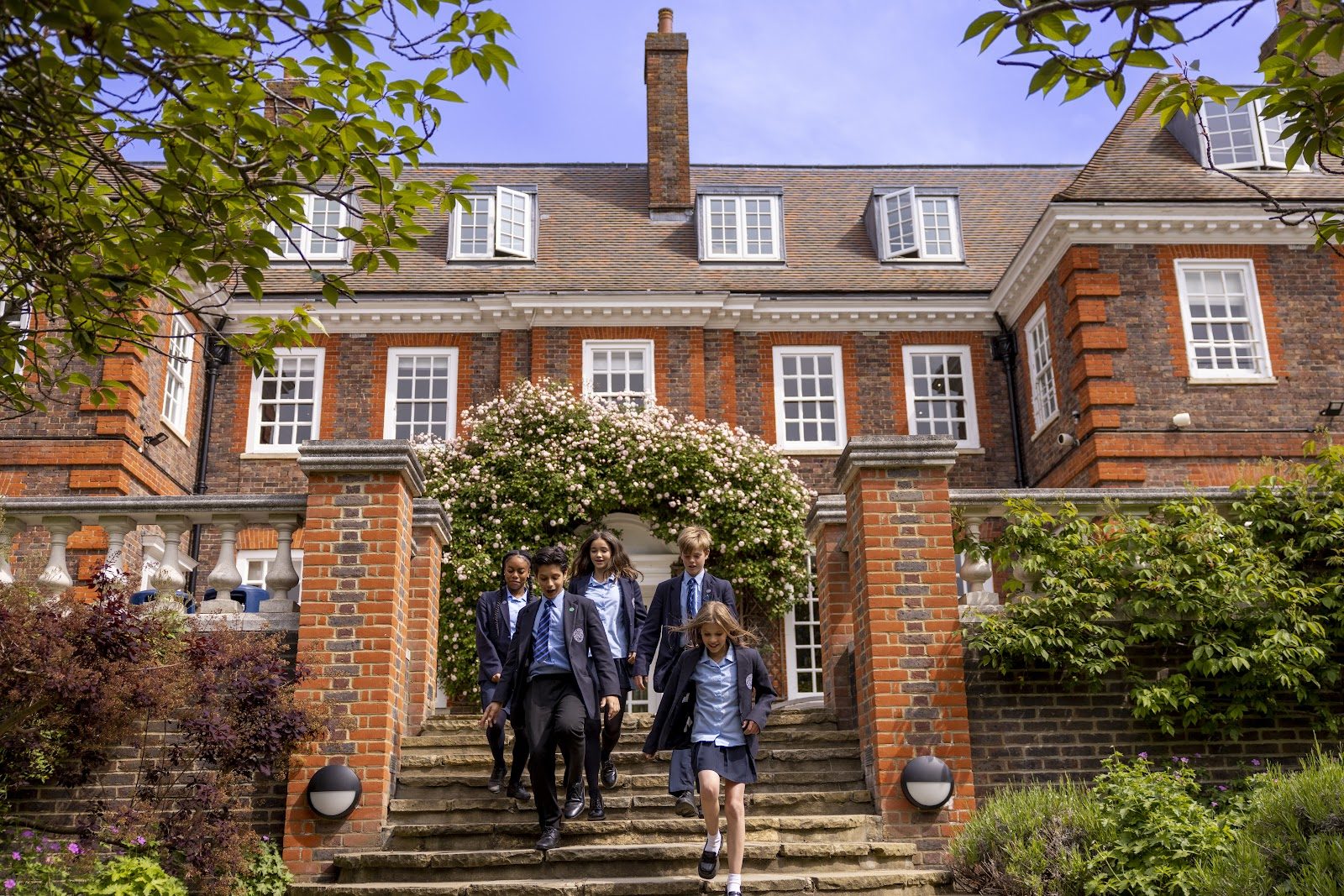
On the fringe of Richmond Park, a Froebel-founded day school has championed co-education since 1894.
Downe House School
Cold Ash · United Kingdom
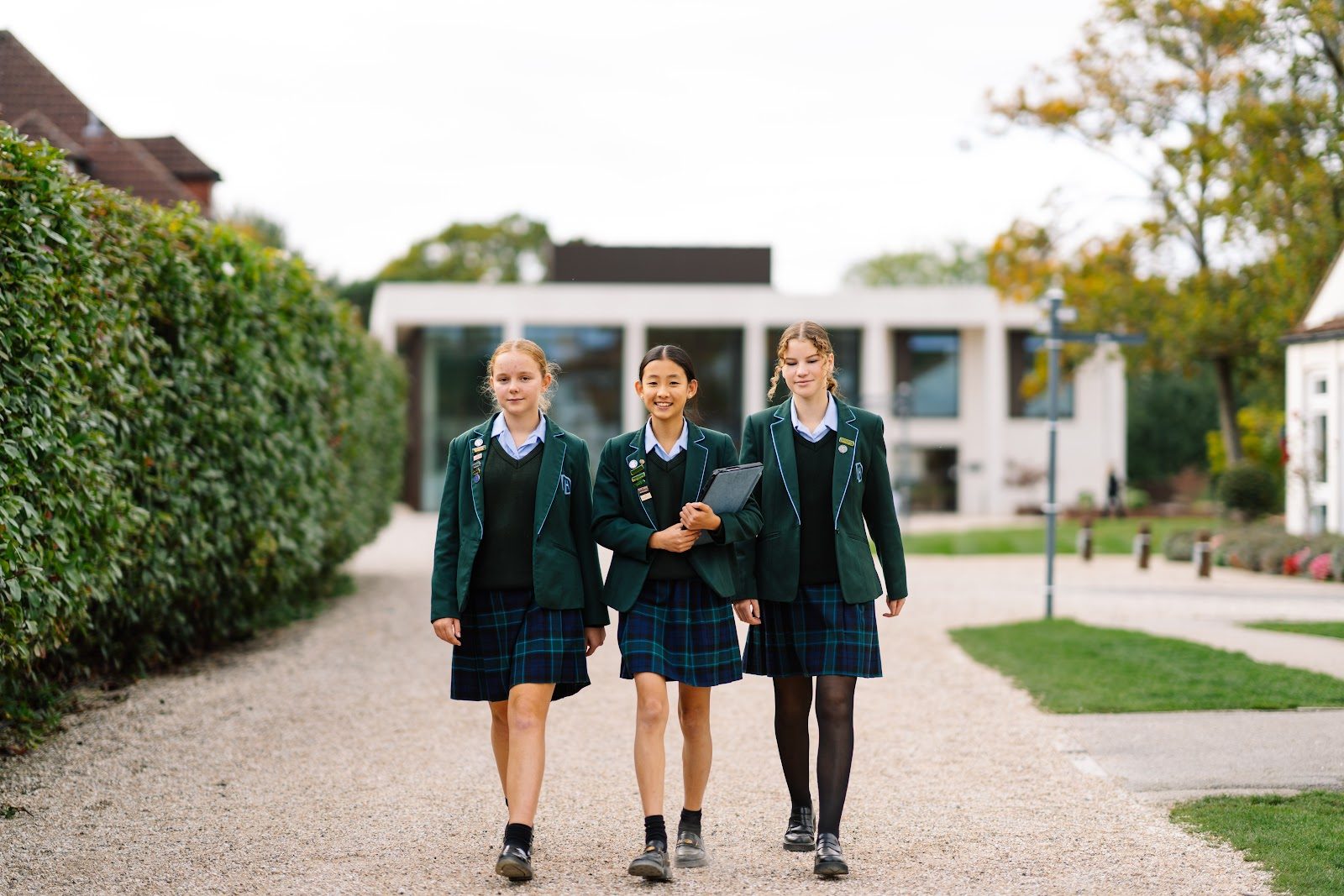
Rooted in Charles Darwin's former home, now a 110-acre Berkshire estate where science thrives and Oxbridge ambition runs deep.

Oakham School
Oakham · United Kingdom
Where a 1584 market-town foundation meets Rutland Water sailing, early co-education, and a long-standing IB Diploma alongside A-levels.
Malvern College
Malvern · United Kingdom
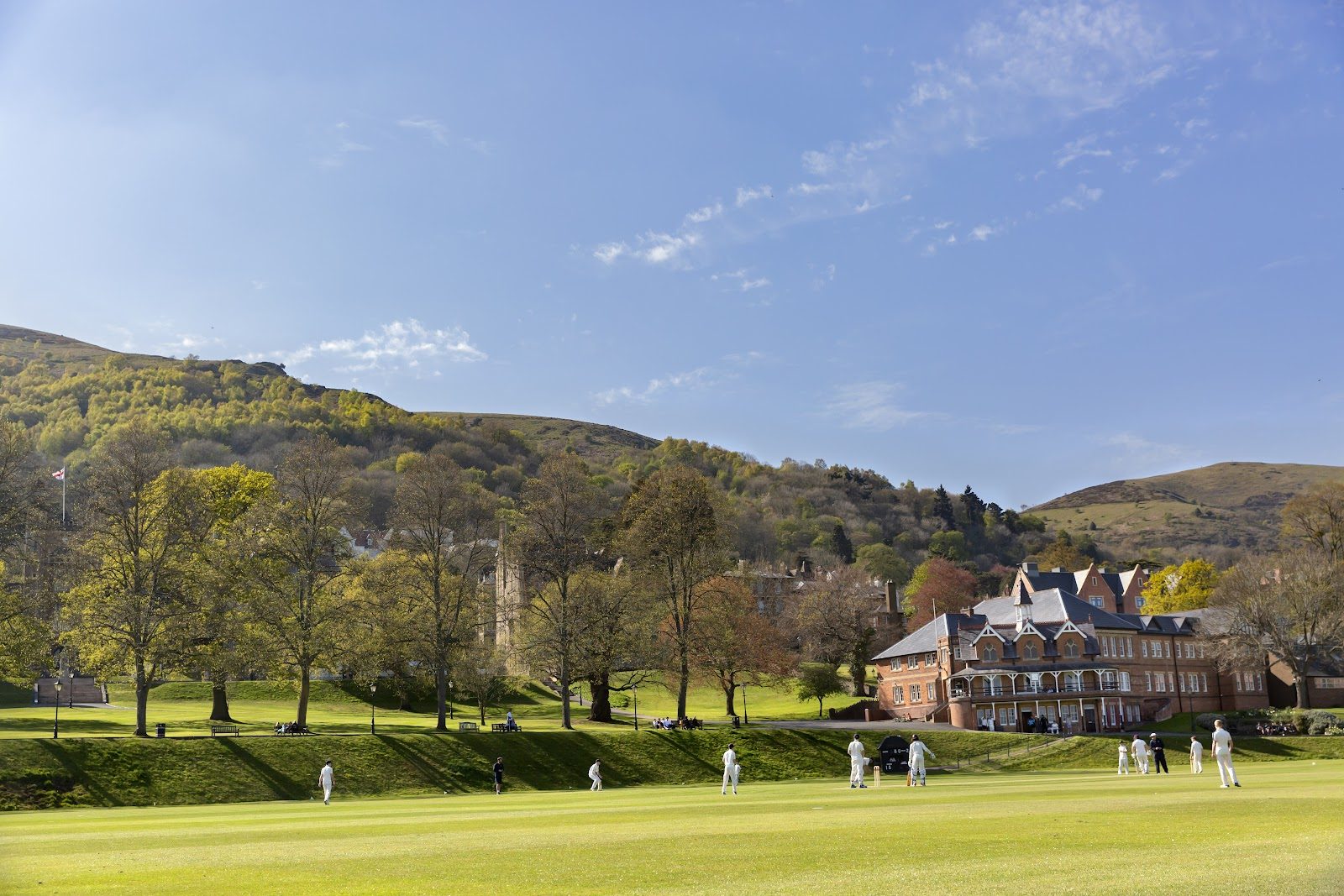
Beneath the Malvern Hills, a campus that once housed wartime radar research has produced four Nobel Prize winners.
Same country and curriculum — closest matches within ±10 points either way