
Russian Federation
Moscow Central Art School at the Russian Academy of Arts
Type
Ages
—
Curriculum
—
Ratio
—
Ranking breakdown
Moscow Central Art School at the Russian Academy of Arts · # of 1591
Composite score 49.8. 8 weighted criteria.
By criterion
Academic Outcomes
Weight 20%
No data yet
1529 of 1591 scored
University Placement
Weight 16%
No data yet
1529 of 1591 scored
Prestige & Heritage
Weight 12%
#1454
of 1571 scored
Alumni Network
Weight 12%
No data yet
1530 of 1591 scored
Facilities
Weight 12%
No data yet
1534 of 1591 scored
Transparency & Communications
Weight 8%
No data yet
1532 of 1591 scored
Peer & Industry Review
Weight 10%
No data yet
1548 of 1591 scored
Admissions Selectivity & Demand
Weight 8%
No data yet
1529 of 1591 scored
Peer & Industry Review
How Moscow Central Art School at the Russian Academy of Arts is regarded in the sector
Insufficient peer signal
We couldn't find enough independent third-party evidence to score this school's peer & industry standing with confidence. It doesn't mean the school isn't well regarded — only that public reputation sources we trust don't yet cover it. This axis is left blank for now and the composite score is median-imputed from the other six categories.
Award
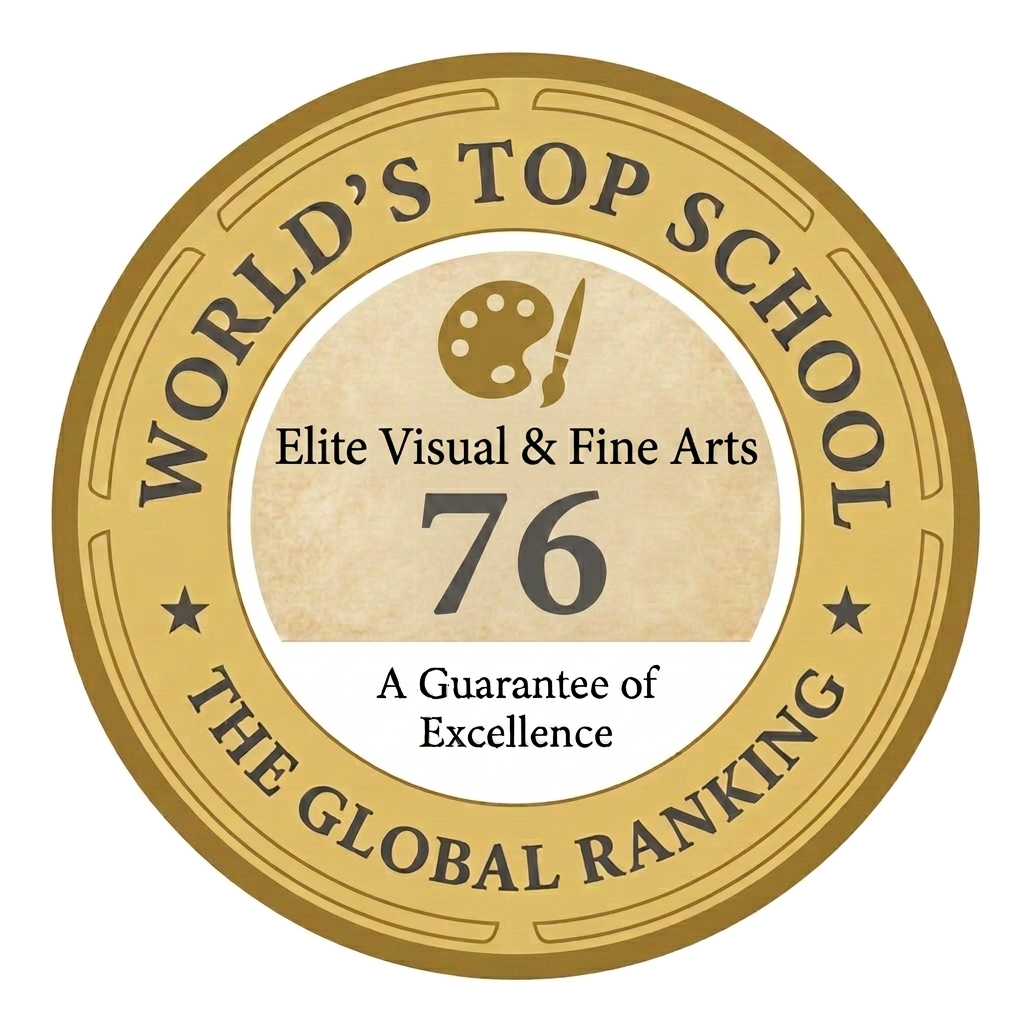
Elite Visual & Fine Arts 76
World's Top School · The Global Ranking
Moscow Central Art School at the Russian Academy of Arts is featured on our Global Top 76 ranking at #4. This seal is available for the school's marketing team to use on their website, prospectus and social channels.
Editors' overview
Full editorial coverage forthcoming. This institution has been included in the 2026 Visual Arts & Fine Art audit on the strength of its specialist Fine Art pathway. A long-form editorial review — covering curriculum, faculty, graduate conversion, portfolio provision and international accessibility — will be published as editorial capacity allows. The rank position, country and international-access classification shown on the ranking page have been verified against the methodology.
An Elite Visual & Fine Arts 76 school
The Moscow Central Art School at the Russian Academy of Arts, based in Moscow, sits at rank four on the Elite Visual & Fine Arts 76 because it is a state-designated national treasure built for exactly one purpose: feeding Russia's most gifted young realist painters, sculptors and graphic artists into the country's top art institutes. Founded in 1939 and by presidential decree of 1992 classed among Russia's "especially valuable objects of cultural heritage," it is the base school of the Moscow Surikov State Academic Art Institute.
The specialism is rigorous academic fine art, not a generic arts elective bolted onto a normal curriculum. Pupils across four profile tracks -- painting, sculpture, graphics and architecture -- take daily classes in drawing, painting, composition, sculpture, architecture and art history, with painting itself split into two dedicated studio workshops. Twice yearly the whole school decamps for plein-air practice to sites including Kerch, Bakhchisaray, Suzdal, St Petersburg and Yalta, and the school's own exhibition complex regularly shows finished student and faculty work. Progression into the Surikov Institute ("Surikovka") or the Stroganov Academy ("Stroganovka") is, in the words of one independent guide to the school, effectively "поставлено на поток" -- put on a production line.
The school's alumni record anchors real academic tradition rather than marketing claims. Painter Pavel Nikonov graduated from the school in 1950 before training at the Surikov Institute; his 1962 painting "Geologists" drew public criticism from Nikita Khrushchev at a Moscow Union of Artists exhibition, and Nikonov later headed the Surikov Institute's easel-painting workshop and received the State Prize of the Russian Federation. Filipp Moskvitin, who graduated the school in 1992, is now a corresponding member of the Russian Academy of Arts (2022) and an Honored Artist of the Russian Federation (2025), with work held in Russian museum collections.
International openness is limited and should be assessed honestly. Instruction is exclusively in Russian with no ESL track; boarding exists but is structured as an internat for out-of-town Russian applicants rather than an international residential programme. Entry is by competitive exams in composition, drawing and painting, budgeted places are scarce, and fee-paying places run to noticeably more than half a million rubles annually. Given current visa and geopolitical realities for foreign nationals seeking long-term study in Russia, this school suits Russian-speaking or CIS families pursuing a genuine academic-realist pathway into Surikov or Stroganov -- not a first stop for Western families seeking an international boarding fine-art school, and any application should be planned at least a year ahead with direct, Russian-language contact with the admissions office.
Academic Performance
The school combines the standard Russian general-education curriculum with an intensive specialised programme in drawing, painting, composition and sculpture, taught alongside academic subjects through the eleven-year cycle. Studio disciplines are assessed through juried exhibitions and portfolio review rather than conventional examinations alone, and students sit standard state attestation exams in core subjects. The declared purpose of the course is to prepare pupils for entry to the Surikov Moscow State Academic Art Institute and other higher art academies, and the school's own graduation projects function as an early portfolio review. Emphasis falls heavily on academic drawing from life, anatomy, perspective and classical composition in the tradition of the Russian Academy of Arts, with less time devoted to elective or vocational tracks outside the arts. Class sizes in studio work are kept small to allow individual critique from practising artist-teachers.
Facilities
The school operates from premises in Moscow under the umbrella of the Russian Academy of Arts, with dedicated studio spaces for painting, drawing, sculpture and print work, plus a plaster-cast hall used for academic figure study, a tradition inherited from nineteenth-century academy pedagogy. There is a boarding component for students recruited from outside Moscow, alongside standard classrooms for general subjects. Exhibition space is used for regular student shows and end-of-year assessments open to academy staff. Facilities are oriented almost entirely toward visual art production rather than sport or laboratory science, which occupy a secondary place in the timetable. Compared with large comprehensive schools, sports provision is modest and functional rather than a defining feature of school life.
This institution has been included in the 2026 Visual Arts & Fine Art audit on the strength of its specialist Fine Art pathway
Prestige
Founded in 1939 as a feeder institution for what became the Russian Academy of Arts, the school is one of the oldest and most established specialised art schools in Russia, predating most Soviet-era arts education reforms. Its long institutional link to the Academy and to the Surikov Institute gives it recognised standing within Russian art education, and admission is competitive, drawing talented children from Moscow and other regions. It occupies a niche position: not a mass-market prestige school in the Western sense, but a respected conduit into the country's official academic art establishment, valued by families oriented toward classical fine-art training rather than broad academic prestige metrics.
The rank position, country and international-access classification shown on the ranking page have been verified against the methodology
Communications
As a state-run specialised school embedded within the Russian Academy of Arts, public-facing communication is limited and largely administrative, conducted through the Academy's own channels rather than an independent school website or press office. Prospective families typically learn about entrance requirements, exam dates and portfolio expectations through direct enquiry to the school or Academy administration, and through word of mouth within Russia's art-education community. There is no marketing apparatus comparable to private international schools; information flow is functional, oriented toward exhibition announcements, term dates and academic notices rather than promotional outreach.
Uniqueness
The school's distinguishing feature is its unbroken academic-realist pedagogy, rooted in nineteenth-century Russian Academy methods of drawing from plaster casts and live models, sustained through the Soviet period into the present. Few schools worldwide combine full compulsory general education with this intensity of classical studio training for children as young as ten or eleven. Its direct institutional pipeline into the Surikov Institute and the wider Academy of Arts structure gives it a specific, narrow purpose rarely replicated outside Russia's academy system, making it a specialist rather than a comprehensive school.
Class sizes in studio work are kept small to allow individual critique from practising artist-teachers
Student Profile
Pupils are children identified early for drawing and painting talent, recruited by competitive entrance examination from Moscow and other Russian regions, with boarding provision for those from outside the capital. The intake is academically and artistically selective rather than socioeconomically exclusive, drawing on Russia's broader network of art clubs and preparatory studios. Students generally arrive committed to pursuing fine art professionally, and the culture of the school reflects disciplined, studio-based work habits rather than broad extracurricular breadth. Many go on to further academic art training, reflecting a self-selecting population oriented toward a specific creative career path rather than general higher education.
There is a boarding component for students recruited from outside Moscow, alongside standard classrooms for general subjects
Co-curricular strengths
Arts & sport, on a separate axis
Overall 4.36/10
Scored 0-10 from the school's own published evidence. This axis is editorial-only — it does not feed the main WTS ranking.
Sports
3/10
Drama
3/10
Dance
2.8/10
Music
3.2/10
Visual Arts
9.8/10
Parent reviews
Have you sent your child here?
Voice reviews carry the strongest trust badge — we transcribe them for you to tidy up before they go live. Prefer to type? A written review is fine too.
Add your voice
In 60 seconds, tell other parents: what's the best thing about Moscow Central Art School at the Russian Academy of Arts, and what surprised you when your child joined?
We ask for a Google sign-in so every review has a real face behind it — no anonymous drive-by attacks on schools, and no faked positive reviews. Your email is never shown publicly.
Send this profile to a friend
International parents rely on word-of-mouth. Share this review with someone weighing the same decision.
Schools with places
Similar schools to Moscow Central Art School at the Russian Academy of Arts with places available now.
The English School
Kuwait City · Kuwait
- 2026-27
- PLACES OPENApps open / space-dependent
- 2027-28
- WAITPOOL2027/28 timetable TBC
Collège du Léman
Versoix · Switzerland
- 2026-27
- WAITPOOLSpace-dependent
- 2027-28
- PLACES OPENRolling
Muscat International School
Muscat · Oman
- 2026-27
- PLACES OPENApps open / space-dependent
- 2027-28
- WAITPOOL2027/28 timetable TBC
Al Hekma International School
Manama · Bahrain
- 2026-27
- PLACES OPENApps open / space-dependent
- 2027-28
- WAITPOOL2027/28 timetable TBC
Availability first, then country, area, curriculum, price, co-curricular
Consider also
Also worth looking at alongside Moscow Central Art School at the Russian Academy of Arts.
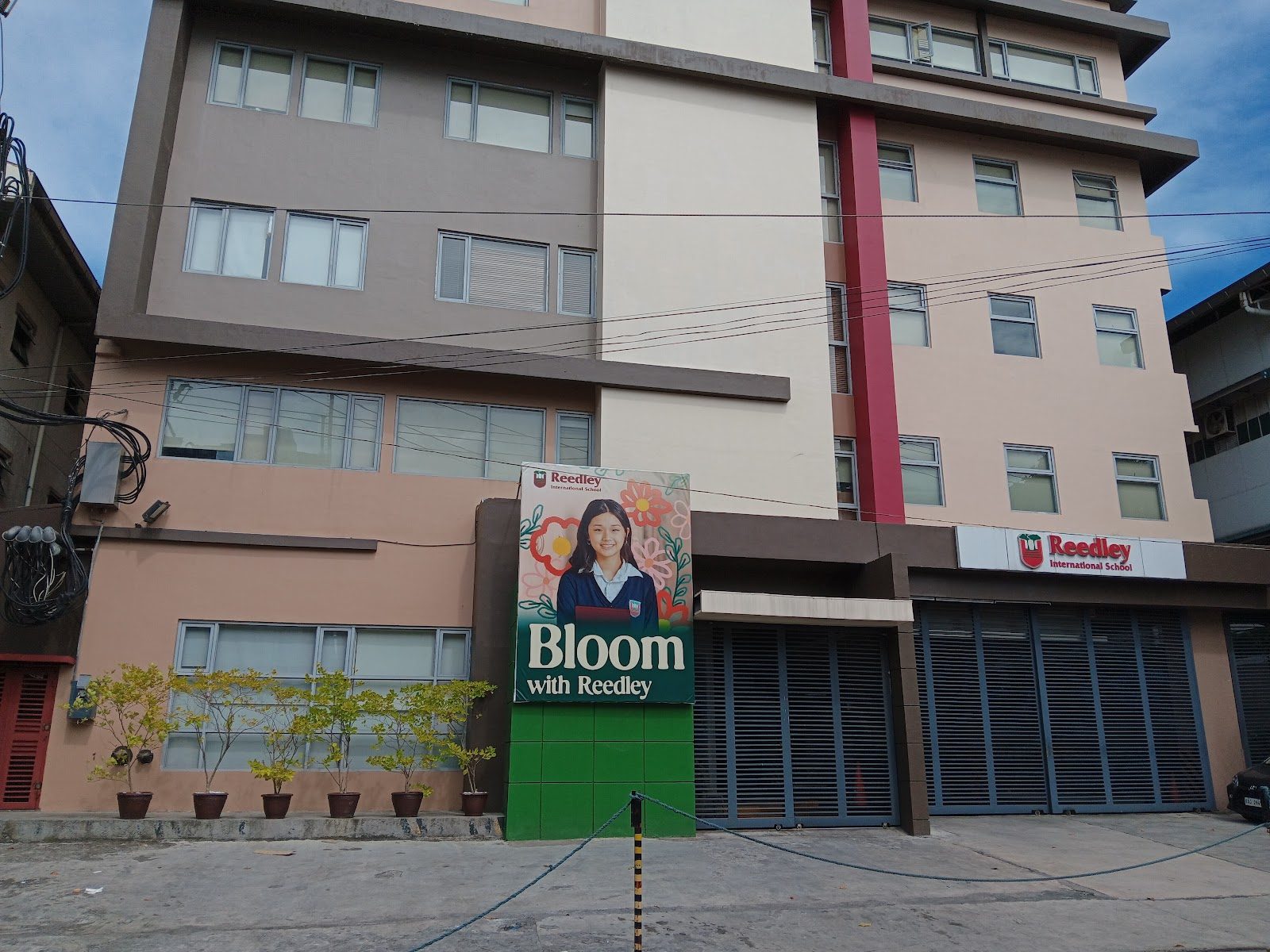
Reedley International School
Pasig · Philippines
Where Singapore's math rigor meets American humanities, and life coaches track every student's growth in Pasig.
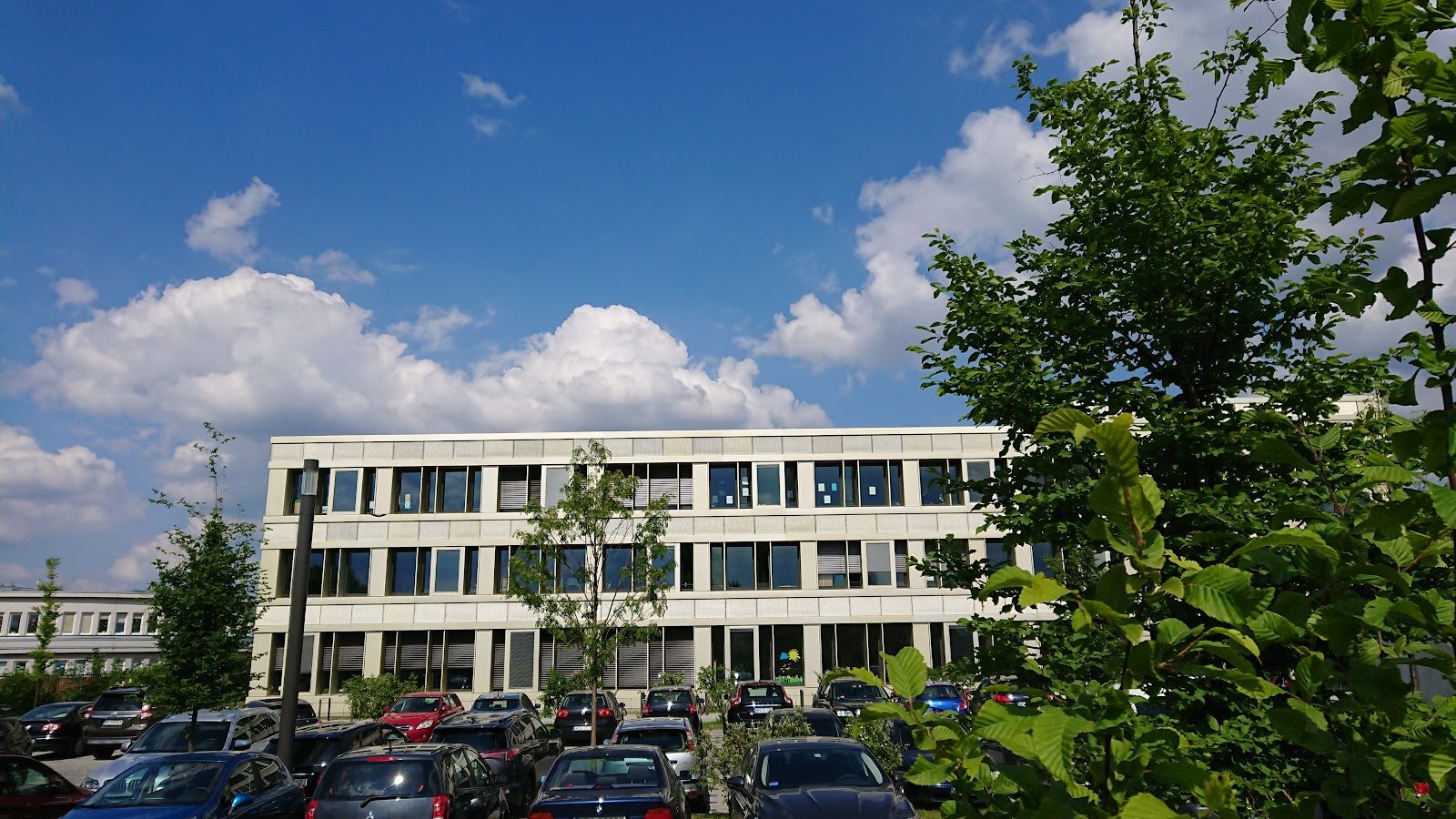
Willy Brandt German School
Warsaw · Poland
Poland's only German Auslandsschule, pairing Abitur rigor with a namesake built on Cold War reconciliation
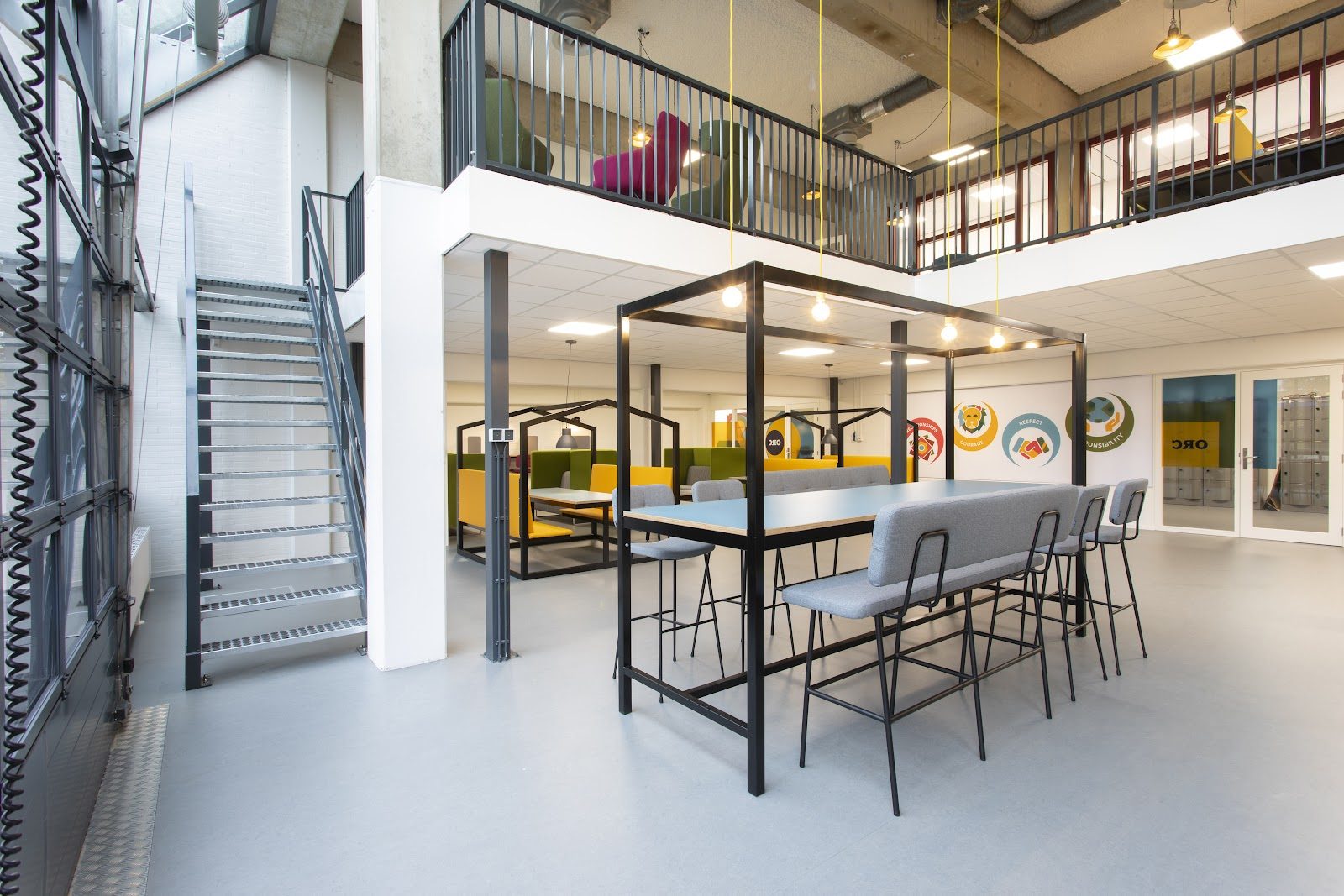
Rotterdam International Secondary School
Rotterdam · Netherlands
Steps from Rotterdam Central Station, this state-subsidised IB day school draws students from over eighty nations without trading on exclusivity.
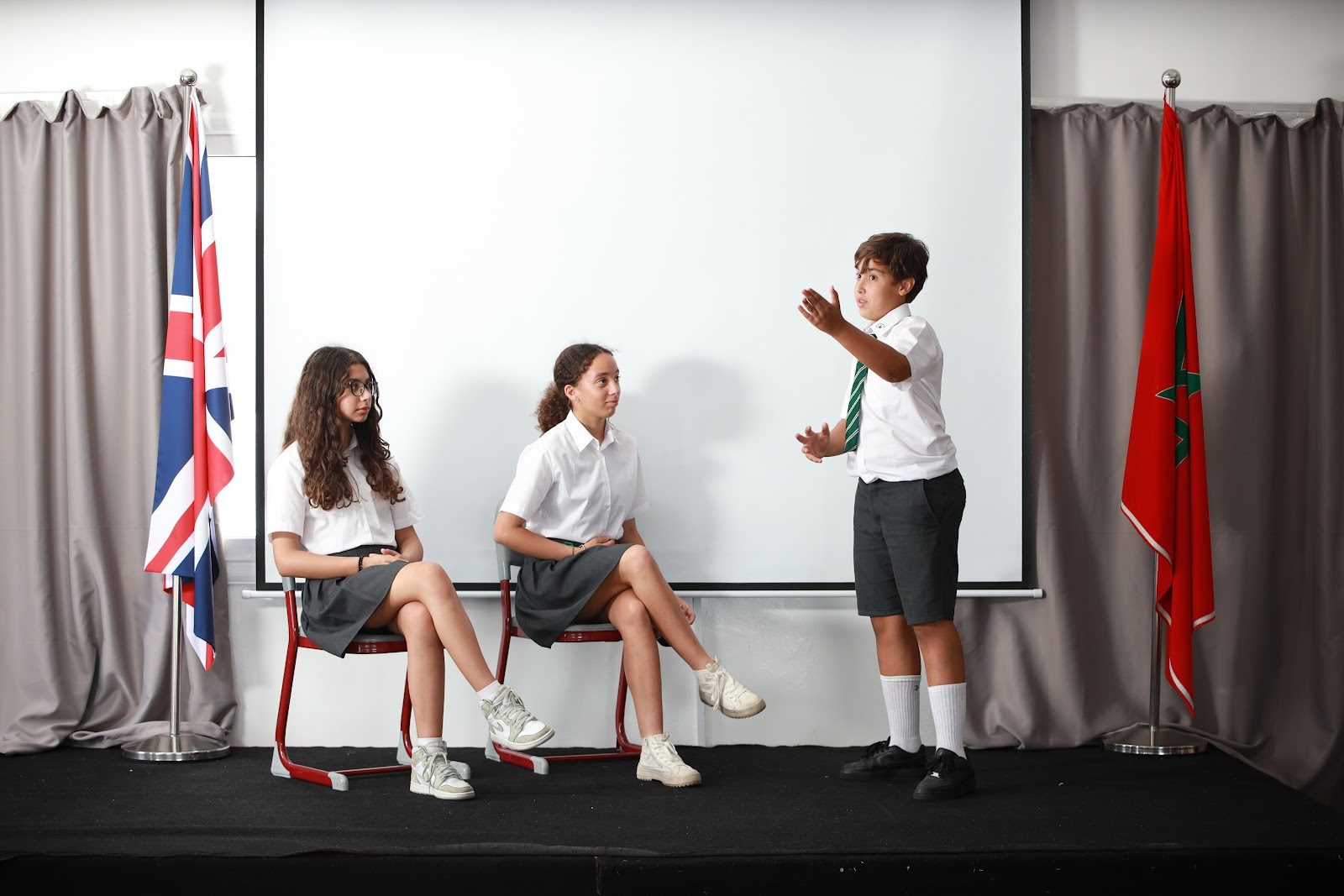
London Academy Casablanca
Casablanca · Morocco
A British day school in Bouskoura pairing IGCSE and A-Level study with trilingual teaching in English, French and Arabic
Same country and curriculum — closest matches within ±10 points either way