
Geneva
Ecole Moser
low confidence· 6/6 cats · 0 avg sourcesThe only school in French-speaking Switzerland pairing the Swiss Maturite with a full IB Diploma track, taught across French, German and English.
Photo © Ecole Moser Genève via Google Maps
Type
Day
Ages
3–18
Curriculum
Swiss Maturité (Bilingual French / German) · IB (Diploma)
Ratio
9:1
The Verdict
Editor's commitment
Right for
Families in Geneva who want one school from ages 3–18 with a Swiss Maturité bilingual in French and German plus the IB Diploma.
Wrong for
Parents expecting a monolingual English route: Ecole Moser is non-religious, Geneva-based, and its flagship Swiss pathway runs in French and German.
Watch out for
The selling point is breadth, not simplicity: founded in 1961, this day school asks teenagers to navigate Swiss Maturité or IB Diploma choices.
Ranking breakdown
Ecole Moser · # of 1591
Composite score 66.5. 8 weighted criteria.
By criterion
Academic Outcomes
Weight 20%
#791
of 1529 scored
University Placement
Weight 16%
#793
of 1529 scored
Prestige & Heritage
Weight 12%
#723
of 1571 scored
Alumni Network
Weight 12%
#510
of 1530 scored
Facilities
Weight 12%
#721
of 1534 scored
Transparency & Communications
Weight 8%
#820
of 1532 scored
Peer & Industry Review
Weight 10%
#891
of 1548 scored
Admissions Selectivity & Demand
Weight 8%
#607
of 1529 scored
Peer & Industry Review
How Ecole Moser is regarded in the sector
66
Respected · medium confidence
I could not identify at least two independent, verifiable third-party sources (e.g., Tatler, Good Schools Guide, specialist education press, or established expat forums) with substantive commentary on Ecole Moser's reputation. Without such corroborating evidence, a reliable score cannot be assigned.
Editors' overview
Ecole Moser earns attention for a rare piece of academic architecture: in Geneva it pairs the Swiss Maturité in a bilingual French/German format with a full IB Diploma track, all inside one day school for ages 3 to 18. That matters because these routes serve different families and different futures. The Swiss Maturité keeps a firm anchor in the local system; the IB keeps international universities squarely in view. Few schools can offer both without one route feeling decorative. Here, the dual track is the point. Founded in 1961, non-religious, and based in Geneva, Ecole Moser sits in a distinctive niche rather than a crowded generic one.
What puts it on a shortlist is not breadth for its own sake but the type of student that structure suits. This is a school for families who want optionality without changing school at 16, and for children who can handle serious language demands. The school’s declared model spans French, German and English, with English listed as the language of instruction in this context; that multilingual frame is genuinely unusual and not a cosmetic add-on. A child heading for the bilingual Swiss Maturité needs stamina, linguistic agility and comfort with academic stretch. A sixth-former choosing the IB needs the same discipline in a different register: breadth, writing, organisation, and the ability to manage competing deadlines. This is not a soft landing for students who want a narrow, monolingual, exam-coached experience.
The market position is clear. Ecole Moser is not the obvious pick for parents chasing a pure British pathway, a US-style high school, or a school built around one dominant language and one set of university outcomes. It is for internationally minded families in French-speaking Switzerland who want their child to stay connected to the Swiss system while keeping a strong outward-facing option. That makes it strategically attractive for mobile professional families, mixed-language households, and academically ambitious students who do not fit neatly into one national box. The trade-off is equally clear: a school built around linguistic range and dual academic credibility will suit a self-directed, resilient pupil far better than one who needs a simpler, more protected route.
Academic Performance
Ecole Moser does not publish enough examination data to support a strong public verdict on outcomes. We have not seen aggregate IB Diploma results, average point scores, subject distributions, Maturité pass rates, or university destination lists in the public domain. That absence matters. In a school whose case rests on a demanding senior academic structure, parents need more than the promise of choice; they need proof that students convert that choice into strong external results. Without those figures, Ecole Moser sits in the opaque end of the market on academic performance, not the transparent one. Against Geneva competitors that disclose cohort results in detail, that is a clear weakness.
That does not make the academic offer weak; it makes it harder to verify. The dual-route structure carries real intellectual weight and sets a high bar for students who can thrive across languages and sustain exam pressure in the final years. If results are strong, the school should publish them plainly and annually. Until it does, families must press for hard numbers: cohort size, pass rates, score averages, score ranges, and destination data over several years. In peer comparison terms, Ecole Moser belongs in the group that warrants close scrutiny rather than automatic confidence.
Facilities
Ecole Moser does not trade on the kind of campus spectacle that some Geneva rivals use to justify their fees. We have not seen a public facilities inventory detailed enough to support claims about specialist labs, theatre infrastructure, elite sports provision or major stand-alone arts spaces. That gap matters, because schools asking families to buy into an academically demanding all-through model need to show where that work happens: science rooms, libraries, sixth-form study space, music teaching rooms, indoor sport and outdoor play. Without that disclosure, the school sits in the under-documented bracket on facilities. Parents comparing it with better-published peers will need to ask sharper questions than usual.
The benchmark here is straightforward. In this market, top competitors publish campus photography, room-by-room detail, sports access and clear evidence of investment. Ecole Moser does not give the same level of public visibility, which leaves its estate harder to judge and strips away one route to confidence. That does not mean the campus is weak; it means the school has not made a serious public case for it. For families focused first on teaching and academic structure, that may be acceptable. For parents who want extensive performance venues, tournament-level sport or the full international-school hardware, this is not a school that proves the point in advance.
Founded in 1961, non-religious, and based in Geneva, Ecole Moser sits in a distinctive niche rather than a crowded generic one
Prestige
Ecole Moser carries selective local prestige rather than mass-market international cachet. In Geneva, its name has weight with families who know the Swiss system and value a school that can keep several serious academic doors open at once. That matters more than glossy brand recognition. This is not one of the global chains that trade on scale, sports spectacle or a polished expatriate social scene. Its status comes from academic seriousness, linguistic demand and a route structure that asks more of students than the standard international-school formula. For the right family, that reads as high-value substance. For families shopping by fame alone, it reads as a quieter proposition.
That is why the prestige rating sits in the upper-middle tier, not at the absolute top. The school occupies a distinctive intellectual niche and earns respect from informed parents, but public proof points are thinner than they need to be. We have not seen the kind of examination disclosure or destination data that turns professional regard into undisputed prestige. Nor does the school carry the automatic social signalling of the best-known Anglo-American names in the region. Its reputation rests less on glamour than on fit: a school for families who prize rigour, multilingualism and continuity over status theatre. That is real prestige, but it is specialist prestige, not universal prestige.
Ecole Moser does not publish enough examination data to support a strong public verdict on outcomes
Communications
Ecole Moser’s parent communication is hard to rate highly because the public-facing picture is thin where discerning parents need substance. We have not seen the basic signals of a school that prioritises external clarity: detailed examination reporting, a rich facilities presentation, or the kind of data-led parent information architecture that answers obvious questions before they are asked. That matters beyond marketing. In an academically high-demand school, communication is part of the service model. Parents need a clear line of sight on expectations, senior-pathway guidance, language support, daily organisation and how the school handles transitions between phases. Ecole Moser does not publish enough to count as transparent on those fronts, and that leaves too much work to the admissions conversation.
That does not mean parent communication is weak in practice; it means the school has not made a convincing public case for its effectiveness. Some families will read that as a sign of old-school restraint and judge the substance in person. Others will read it correctly as a visibility problem. In Geneva, where competing schools document themselves with far greater precision, sparse communication lands as a disadvantage. Parents considering Ecole Moser need to test responsiveness directly: how quickly questions are answered, how clearly the school explains route choices, and whether day-to-day systems feel disciplined rather than improvised. Until the school publishes more, communications sit in the competent-but-underpowered bracket rather than the exemplary one.
Uniqueness
What sets Ecole Moser apart is not generic “internationalism” but the hard mechanics of its sixth-form offer. In one school, families can keep a Swiss route open while also keeping an outward-facing pre-university pathway in play, without forcing a move at the point where stakes rise fastest. That matters in practice. Students do not just pick subjects; they pick the academic culture that fits them best. One route rewards linguistic command and comfort inside the national framework; the other rewards breadth, independent study and disciplined time management. Very few schools build both into the core structure. Fewer still do it in a way that makes multilingual study central rather than decorative. For the right child, that creates real optionality, not brochure optionality.
The gain for students is intellectual range with consequences. A pupil moving through this model learns to work across more than one academic tradition and more than one language register, which is serious preparation for university and cross-border life. It also filters the intake by temperament. This is a school for students who can tolerate complexity, absorb competing demands and keep their footing when the work stops being simple. That gives Ecole Moser a clear edge with mixed-nationality families and ambitious local-international households. It also narrows the fit. Children who need a single-track, lower-friction experience will find stronger options elsewhere.
Without those figures, Ecole Moser sits in the opaque end of the market on academic performance, not the transparent one
Student Profile
The right student for Ecole Moser is linguistically agile, academically durable and comfortable living in more than one educational frame at once. This is not a school for children who need a single dominant language, a narrow subject experience or heavy hand-holding through every transition. It suits pupils who can absorb complexity early, keep organised as expectations rise, and tolerate the friction that comes with serious multilingual study. Mixed-nationality families, internationally mobile households and locally rooted parents who want to preserve Swiss academic credibility without closing off wider options will find the fit strongest. The age span from 3–18 also favours children who value continuity and can grow inside one institution rather than resetting culture and expectations at each phase change.
Socially, the best fit is a student who does not need a loud campus identity or a high-gloss international scene to feel validated. Ecole Moser will suit the child who gets energy from ideas, structure and intellectual stretch more than from spectacle. That does not mean bookish to the point of narrowness; it means a pupil with strong internal drive, good tolerance for pressure and the maturity to manage different academic demands without constant external prompting. Children who flourish in simpler, more buffered environments will find this model hard-edged. Students who enjoy switching between linguistic and cultural registers, and who treat that challenge as real stimulation rather than burden, will fit well.
In peer comparison terms, Ecole Moser belongs in the group that warrants close scrutiny rather than automatic confidence
Co-curricular strengths
Arts & sport, on a separate axis
Overall 7.72/10
Scored 0-10 from the school's own published evidence. This axis is editorial-only — it does not feed the main WTS ranking.
Sports
8.2/10
Drama
7.8/10
Dance
7.1/10
Music
7.8/10
Visual Arts
7.7/10
Strengths
- +Swiss Maturité and IB Diploma both offered
- +Bilingual French/German Swiss Maturité broadens options
- +9:1 student-teacher ratio allows closer attention
- +Covers ages 3–18 in one day school
Considerations
- −Day school only; no boarding option
- −English instruction may not suit French-focused families
- −Average class size 18, not especially small
Availability
Primary entry gate & tests
Academic Record
Gallery
Photo © Ecole Moser Genève via Google Maps
Photo © Ecole Moser Genève via Google Maps
Photo © Ecole Moser Genève via Google Maps
Photo © Ecole Moser Genève via Google Maps
Photo © Ecole Moser Genève via Google Maps
Parent reviews
Have you sent your child here?
Voice reviews carry the strongest trust badge — we transcribe them for you to tidy up before they go live. Prefer to type? A written review is fine too.
Add your voice
In 60 seconds, tell other parents: what's the best thing about Ecole Moser, and what surprised you when your child joined?
We ask for a Google sign-in so every review has a real face behind it — no anonymous drive-by attacks on schools, and no faked positive reviews. Your email is never shown publicly.
Send this profile to a friend
International parents rely on word-of-mouth. Share this review with someone weighing the same decision.
Schools with places
Similar schools to Ecole Moser with places available now.
International School of Geneva
Geneva · Switzerland
- 2026-27
- WAITPOOLSpace-dependent
- 2027-28
- PLACES OPENRolling
Institut International de Lancy
Geneva · Switzerland
- 2026-27
- WAITPOOLSpace-dependent
- 2027-28
- PLACES OPENRolling
Collège du Léman
Versoix · Switzerland
- 2026-27
- WAITPOOLSpace-dependent
- 2027-28
- PLACES OPENRolling
Availability first, then country, area, curriculum, price, co-curricular
Consider also
Also worth looking at alongside Ecole Moser.
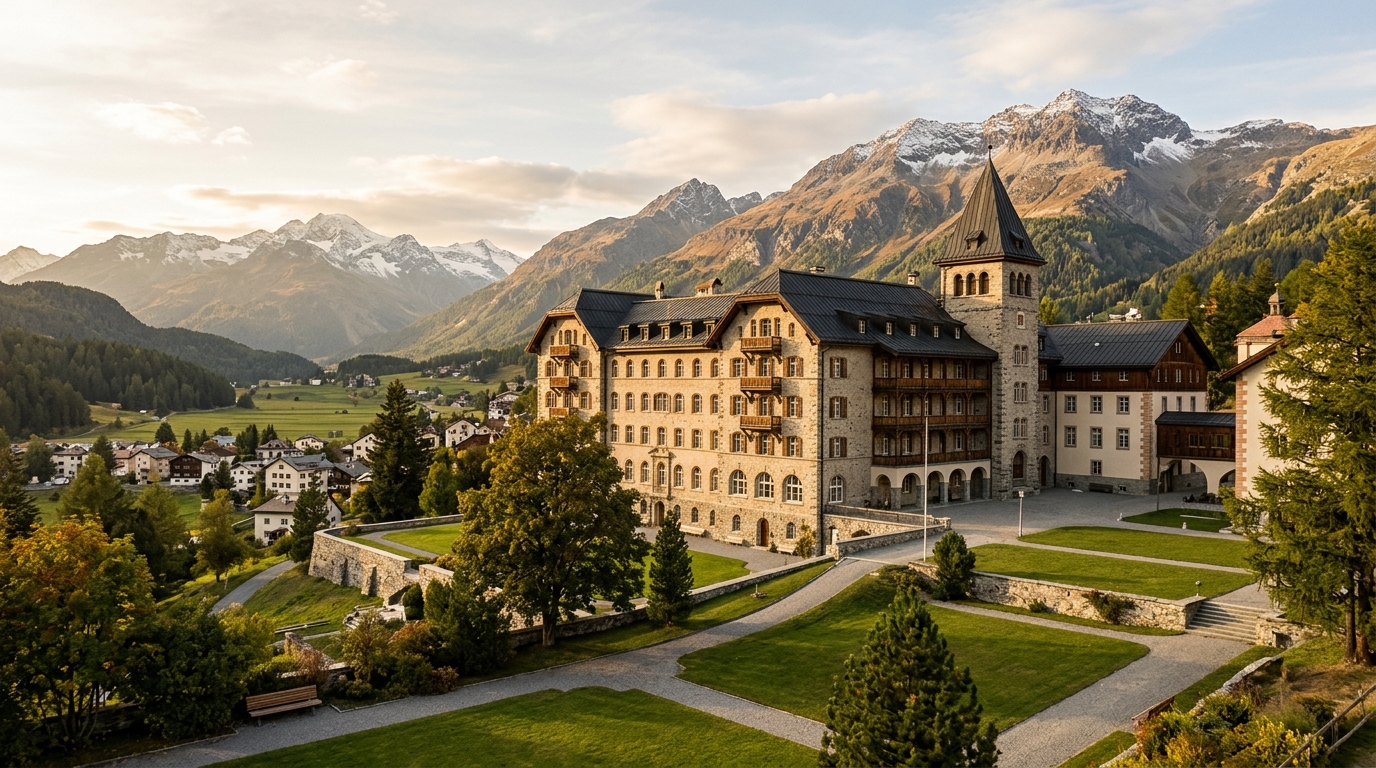
Lyceum Alpinum Zuoz
Zuoz · Switzerland
At 1,750 metres in the Engadine, IB and Swiss Matura classes share the calendar with cricket on Europe's highest pitch, in play since 1922.
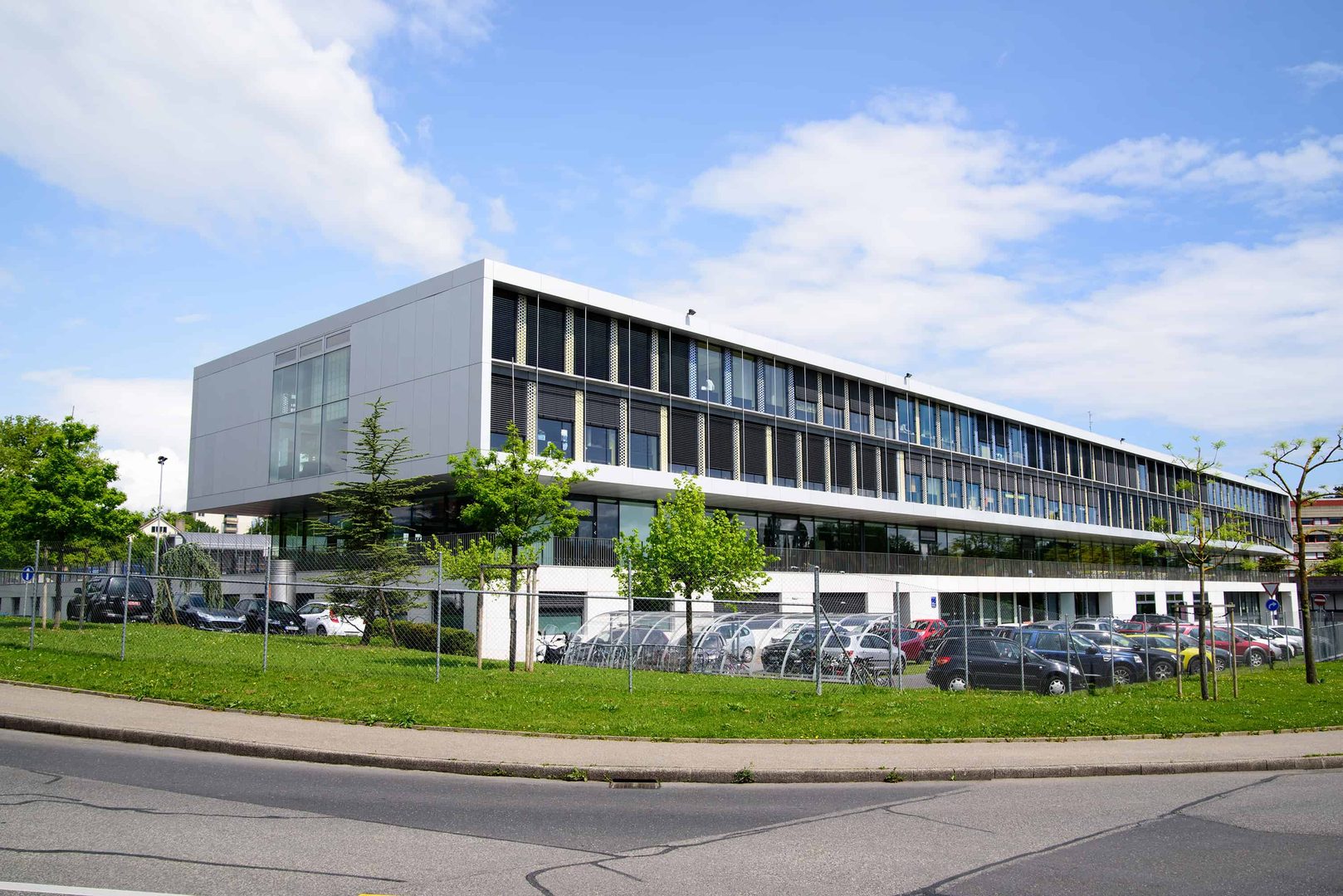
International School of Geneva
Geneva · Switzerland
Born beside the League of Nations in 1924, where its own teachers first drafted the IB diploma.
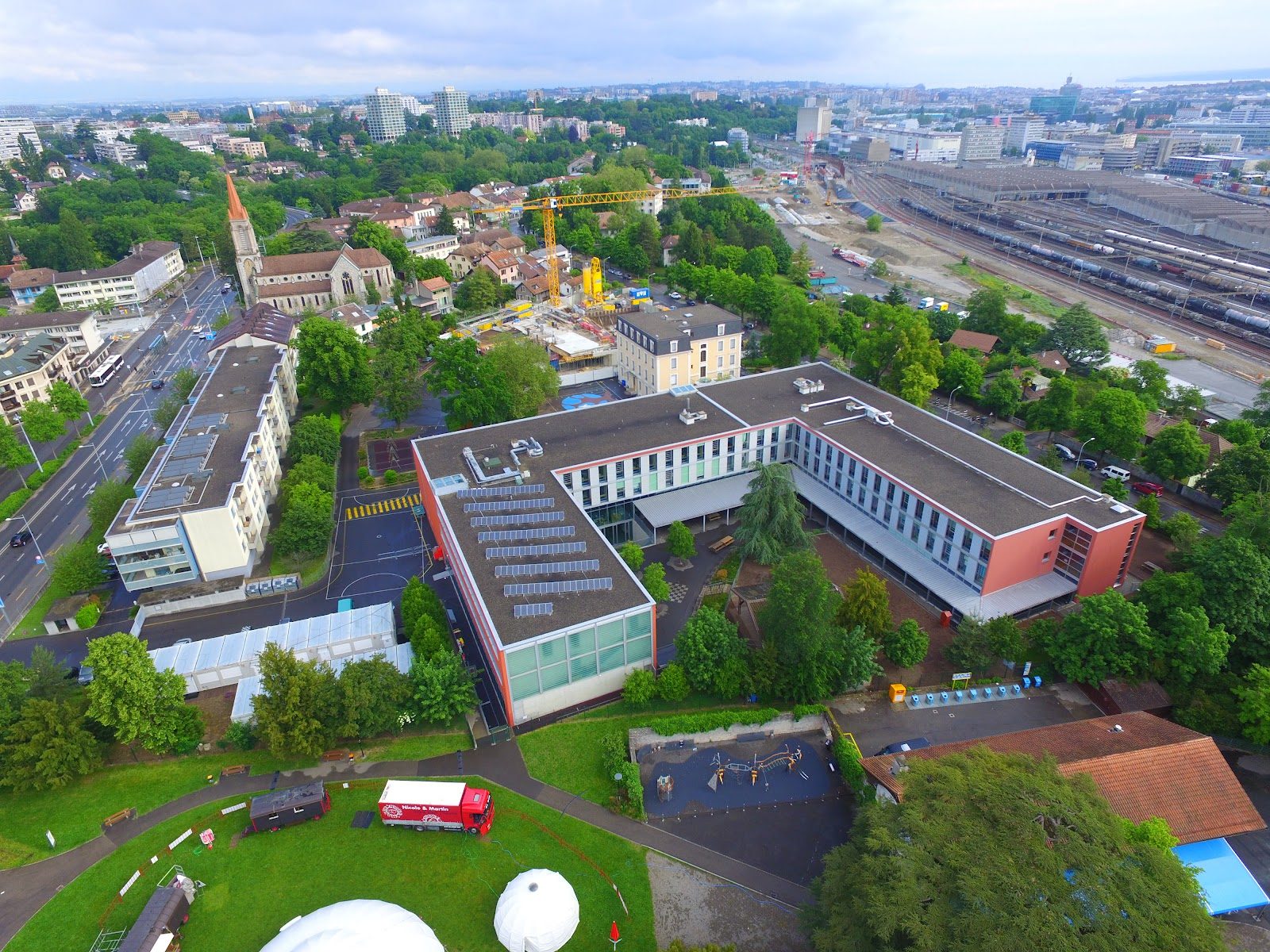
Institut International de Lancy
Geneva · Switzerland
Founded in 1903 near Geneva, this campus runs French, British and bilingual tracks side by side into the IB diploma.
Collège Alpin International Beau Soleil
Villars-sur-Ollon · Switzerland
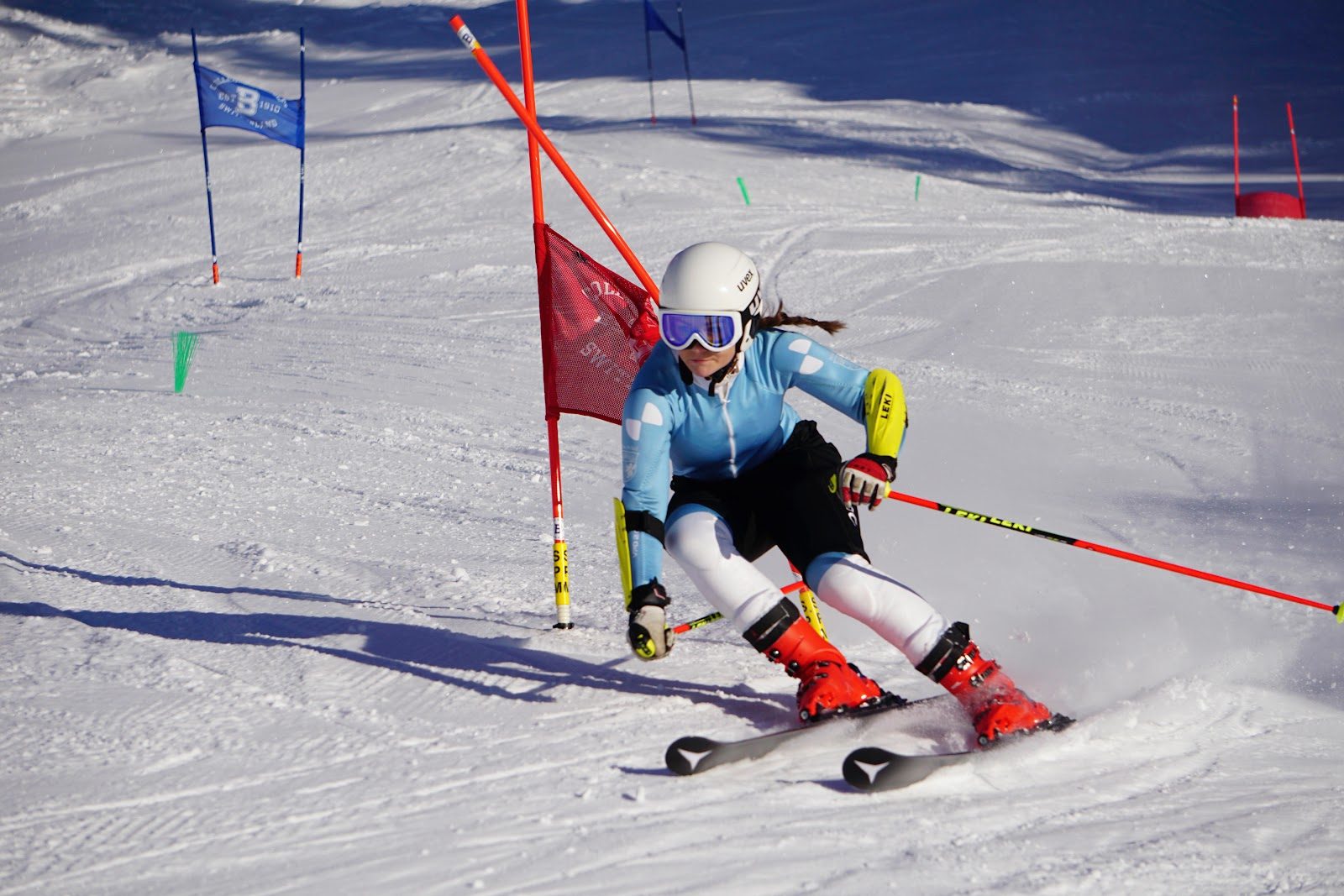
Since 1910, alpine boarding at 4,429 feet, where house culture is built for ridge hikes and a record Kilimanjaro summit push.
Same country and curriculum — closest matches within ±10 points either way