
Europe
Forest School
Independent day school on the edge of Epping Forest
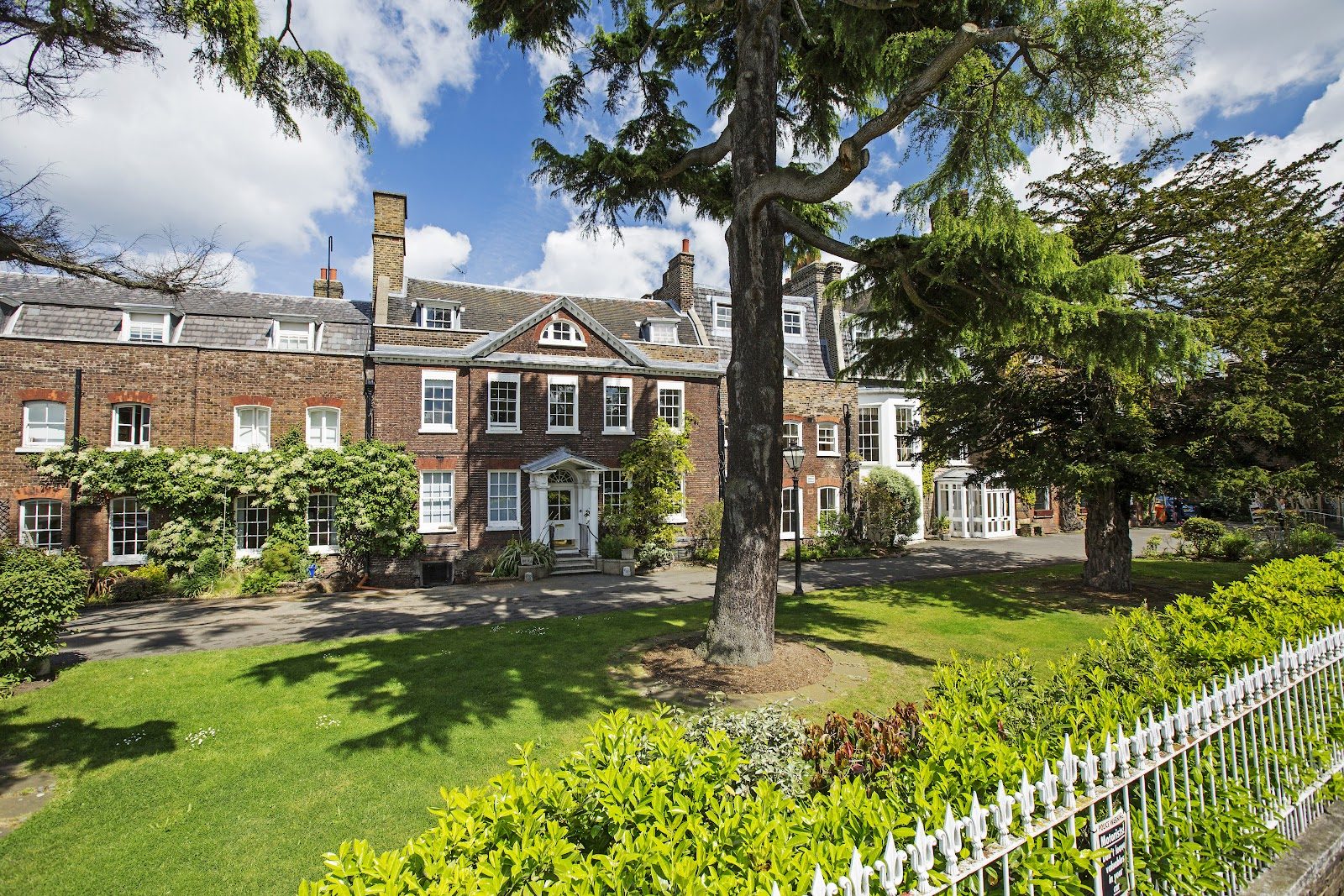
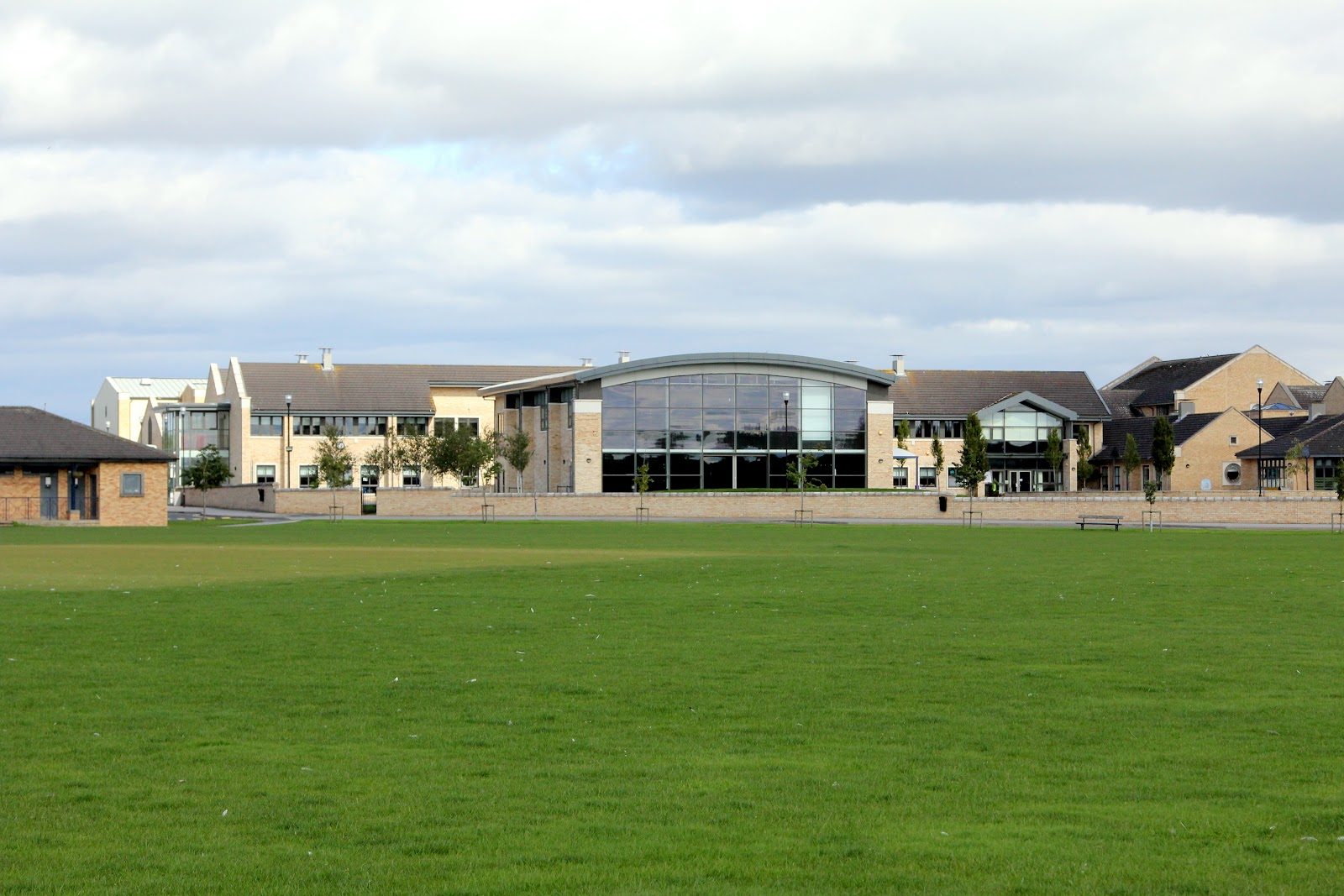
Photo © Forest School via Google Maps
Type
Day
Ages
4–18
Curriculum
British
Ratio
—
The Verdict
Editor's commitment
Right for
Families wanting a London day school for ages 4–18, founded in 1834, with English teaching and a Church of England identity.
Wrong for
Anyone needing boarding, a non-British curriculum, or a lower-fee option: the average annual day fee is £21,349.
Watch out for
Forest talks values and location on the edge of Epping Forest; it does not publish public academic outcomes in the source provided.
Ranking breakdown
Forest School · #720 of 1591
Composite score 66.3. 8 weighted criteria.
By criterion
Academic Outcomes
Weight 20%
#1085
of 1529 scored
University Placement
Weight 16%
#1015
of 1529 scored
Prestige & Heritage
Weight 12%
#854
of 1571 scored
Alumni Network
Weight 12%
#619
of 1530 scored
Facilities
Weight 12%
#37
of 1533 scored
Transparency & Communications
Weight 8%
#288
of 1532 scored
Peer & Industry Review
Weight 10%
#998
of 1548 scored
Admissions Selectivity & Demand
Weight 8%
#760
of 1529 scored
Peer & Industry Review
How Forest School is regarded in the sector
Insufficient peer signal
We couldn't find enough independent third-party evidence to score this school's peer & industry standing with confidence. It doesn't mean the school isn't well regarded — only that public reputation sources we trust don't yet cover it. This axis is left blank for now and the composite score is median-imputed from the other six categories.
Editors' overview
Forest School sits on the edge of Epping Forest, and that setting is the first reason it earns a place on a shortlist. In a London market crowded with polished urban independents, this is a 4–18 day school with an identity tied to space, outdoors and continuity across the full age range. It was founded in 1834, teaches in English, and keeps a Church of England foundation without reducing the school to a narrowly confessional proposition. The school’s own language is heavy on the individual child and a clear set of values; the sharper point for parents is that Forest offers a long, settled educational runway in one institution, from age 4 to 18, with the physical advantage of a site beside woodland rather than a constricted city block.
Its market position is clear. At an average annual day fee of £21,349, Forest sits below the eye-watering end of the London independent sector while remaining firmly fee-paying and selective in outlook. That price point matters: for families who want an established independent school in London without stepping straight into the capital’s most inflated fee bracket, Forest occupies a useful middle ground. The curriculum is British, the format is day-only, and the age span gives it the feel of a school built for families planning the whole journey rather than a single exam stage. What is missing from public view is just as important: the school does not publish aggregate exam outcomes, destination data or inspection detail in the information here, so any parent comparing Forest with harder-edged academic competitors will need to press for evidence rather than rely on tone.
The pupil who will want Forest is not hard to picture. This suits children who benefit from a grounded, full-spectrum school life rather than a hyper-branded, sixth-form-only academic factory. It will appeal to families who value pastoral steadiness, room to grow and a less theatrical kind of London independent education. It will appeal less to parents who want published metrics front and centre, or who are shopping for the city’s most overtly prestige-driven schools. Forest’s attraction lies in a combination that is harder to find than it sounds: historical depth, a broad age range, a day-school structure, and a genuine edge-of-forest setting in London. For the right child, that is distinctive enough to matter.
Academic Performance
Forest School does not publish the core data a serious parent needs to judge academic performance: no aggregate GCSE results, no aggregate A-level results, no value-added measures, no university destination profile in the public domain. That makes external scrutiny blunter than it should be. In the London independent sector, where many competitors put headline passes, top grades and Oxbridge or Russell Group destinations front and centre, that absence matters. It does not prove weak outcomes; it does mean the school asks families to buy into culture, continuity and setting without offering the hard-edged academic evidence that its strongest peers supply as standard.
So where does that leave Forest relative to the market? Not in the publicly documented, exam-results-driven top tier. Schools in that bracket publish numbers because the numbers help them. Forest’s silence places it in a more opaque category: a school that may educate well, but does not make measurable attainment its public calling card. For some families, that will read as confidence in a broader educational model. For others, it is a clear handicap at comparison stage. Any parent weighing Forest against academically results-loud London independents should ask directly for recent GCSE and A-level distributions, subject performance, destination lists and value-added context before treating it as an academic equal.
Facilities
The headline facility here is the site itself. Forest trades on immediate access to the edge of Epping Forest, and that matters in practical terms, not just branding. In a London market full of constrained campuses, hard play surfaces and stitched-together buildings, usable green space is a serious competitive advantage. It gives younger children room, gives older pupils air, and supports a school day that feels less boxed in than many metropolitan rivals. For families comparing it with central London independents, that outdoor setting is the facility distinction that counts first. The weakness is equally plain: the school does not publish a clear public inventory of specialist spaces, so parents do not get the same level of detail some peer schools provide on laboratories, performing arts provision, design technology, sports infrastructure or sixth-form study areas.
That leaves Forest in an unusual bracket: strong on setting, weaker on disclosure. Plenty of London competitors with less land compensate by publishing meticulous detail on theatres, pools, elite sports provision or new STEM blocks. Forest does not make that case in public. The result is a facilities picture that feels convincing in broad strokes but thin on verifiable specifics. If your priority is outdoor life and a campus with real breathing room, Forest has an edge many peers cannot match. If your priority is a documented list of specialist assets benchmarked line by line against the London independent field, the school gives you less to work with than the best-run competitors.
Forest School sits on the edge of Epping Forest, and that setting is the first reason it earns a place on a shortlist
Prestige
Forest’s prestige sits in London’s solid second tier of independent education: established, recognisable, and credible, but not one of the capital’s status-obsessed trophy schools. The school benefits from three assets that carry social weight with parents: a long institutional history, a through-school structure that keeps families in one system for the full journey, and a setting that gives it a more expansive identity than many urban independents can claim. The average annual fee of £21,349 also places it in an interesting bracket. This is not a bargain school, and nobody mistakes it for one; nor does it trade at the extreme luxury end where price itself becomes a prestige signal. Its standing rests on continuity, confidence and constituency rather than metropolitan flash.
That is why the prestige here reads as quiet rather than commanding. Forest has the kind of reputation that travels well in north and east London family networks, among parents who want an established independent school without the theatrical social coding of the most famous names. What it lacks is the public proof that converts reputation into harder authority. Schools with the strongest academic prestige publish outcomes and destinations aggressively because those numbers reinforce their claim. Forest does not. That leaves its status real but contained: respected, well-established and attractive to families who value culture and setting, yet short of the nationally dominant cachet that defines the top handful of London independents.
Not in the publicly documented, exam-results-driven top tier
Communications
Forest’s public-facing communication is polished at the top line and thin once a parent wants substance. The homepage does the basics cleanly: age range, location, ethos and contact routes are all easy to find, and the school keeps an active social feed that projects day-to-day energy rather than institutional dust. The phrase “where people grow” and the emphasis on the individual child tell you exactly how Forest wants to frame the relationship with families: personal, values-led and warmly pastoral. That works as branding. It does less well as information architecture. For a school charging an average of £21,349 a year, parents need more than atmosphere, and Forest does not give enough hard detail in public on the things that drive serious decision-making.
That gap affects trust. Strong school communications do two jobs at once: they welcome and they disclose. Forest handles the first; the second is underpowered. We have not seen the level of published academic data, destination evidence, facilities detail or operational clarity that would let a parent test the school’s claims against outcomes. Even the social presence, while lively and human, functions more as window than ledger. For current parents, that may still translate into responsive day-to-day communication behind the login wall or in direct school contact, but the public-facing picture remains selective. The result is a communications style that feels confident in tone, guarded where scrutiny starts, and less transparent than the best independent schools in its bracket.
Uniqueness
Forest’s point of difference is not a flashy programme or a branded specialism. It is the combination of a through-school structure and a genuinely uncommon physical setting for an independent London day school. Children start young, stay put, and grow up in one institutional culture rather than crossing awkward thresholds between prep, senior and sixth form. That continuity brings practical benefits: staff know families over time, transitions carry less disruption, and pupils do not need to rebuild their place in a new school at each high-stakes stage. Set beside woodland rather than hemmed in by streets, Forest also offers a school day with more room to breathe than many urban competitors. For some children, that changes everything: less compression, more movement, and a daily rhythm that feels less claustrophobic than the city norm.
The school’s own language centres the individual child and a shared value system. That can slide into blandness in weaker hands; here, tied to a full age range from 4 to 18 and a campus identity built around the forest edge, it gives Forest a coherent internal character. Students get a long runway to develop confidence, friendships and habits without the churn that defines fragmented school careers. The trade-off is clear. Families hunting for a school whose uniqueness lies in relentless academic display, published outcomes or grand metropolitan cachet will not find it here. Forest’s uniqueness is calmer, more environmental and more continuous than that — and for the right child, more formative.
Forest’s public-facing communication is polished at the top line and thin once a parent wants substance
Student Profile
Forest suits children who thrive in a school with a settled internal culture and a long runway, not those who need constant reinvention or the social reset of changing schools at each stage. The fit is strongest for pupils who value continuity, know how to use space well, and gain from a daily life that extends beyond classrooms and corridors. The age span from 4 to 18 matters here: younger children can grow into the place rather than crack it quickly, and older pupils who prefer rootedness over churn will find that structure helpful. This is also a good fit for families who want a school community shaped by clear expectations and a Church of England foundation, but not one defined by doctrinal intensity.
The less suitable student is just as easy to identify. Forest will not satisfy the child who wants a hard-charging, publicly metrics-led academic culture worn on the school’s sleeve, or the family that equates school quality with overt status display. Nor is it the obvious choice for pupils who need an ultra-urban, high-voltage environment and draw energy from competitive social theatre. The students who fit best are those who respond to calmer confidence, pastoral consistency and a school identity tied to place rather than hype. For the right child, that produces deep belonging. For the wrong one, it will feel too restrained.
It is the combination of a through-school structure and a genuinely uncommon physical setting for an independent London day school
Co-curricular strengths
We haven't scored this school on the arts & sport axis yet. Our editorial team is working through the fleet — the school's public evidence will earn its own score, not a guess.
Gallery
Photo © Chris Buck-Marshall via Google Maps
Photo © Chris Buck-Marshall via Google Maps
Photo © Елена Зуева via Google Maps
Photo © Leigh Strong via Google Maps
Photo © Christiano Castellano via Google Maps
Photo © Forest School via Google Maps
Photo © Rob Welham via Google Maps
Photo © Rob Welham via Google Maps
Photo © Rob Welham via Google Maps
Parent reviews
Have you sent your child here?
Voice reviews carry the strongest trust badge — we transcribe them for you to tidy up before they go live. Prefer to type? A written review is fine too.
Add your voice
In 60 seconds, tell other parents: what's the best thing about Forest School, and what surprised you when your child joined?
We ask for a Google sign-in so every review has a real face behind it — no anonymous drive-by attacks on schools, and no faked positive reviews. Your email is never shown publicly.
Send this profile to a friend
International parents rely on word-of-mouth. Share this review with someone weighing the same decision.
Schools with places
Similar schools to Forest School with places available now.
University College School
London · United Kingdom
- 2026-27
- CLOSEDStandard route
- 2027-28
- PLACES OPEN11+ (9 Nov); 16+ (28 Sept)
Emanuel School
London · United Kingdom
- 2026-27
- CLOSEDStandard route closed
- 2027-28
- PLACES OPEN11+ / 16+ active
City of London School
London · United Kingdom
- 2026-27
- CLOSEDStandard route
- 2027-28
- PLACES OPEN11+/16+ Active
Latymer Upper School
London · United Kingdom
- 2026-27
- CLOSEDStandard route
- 2027-28
- PLACES OPENCloses Nov
Availability first, then country, area, curriculum, price, co-curricular
Consider also
Also worth looking at alongside Forest School.
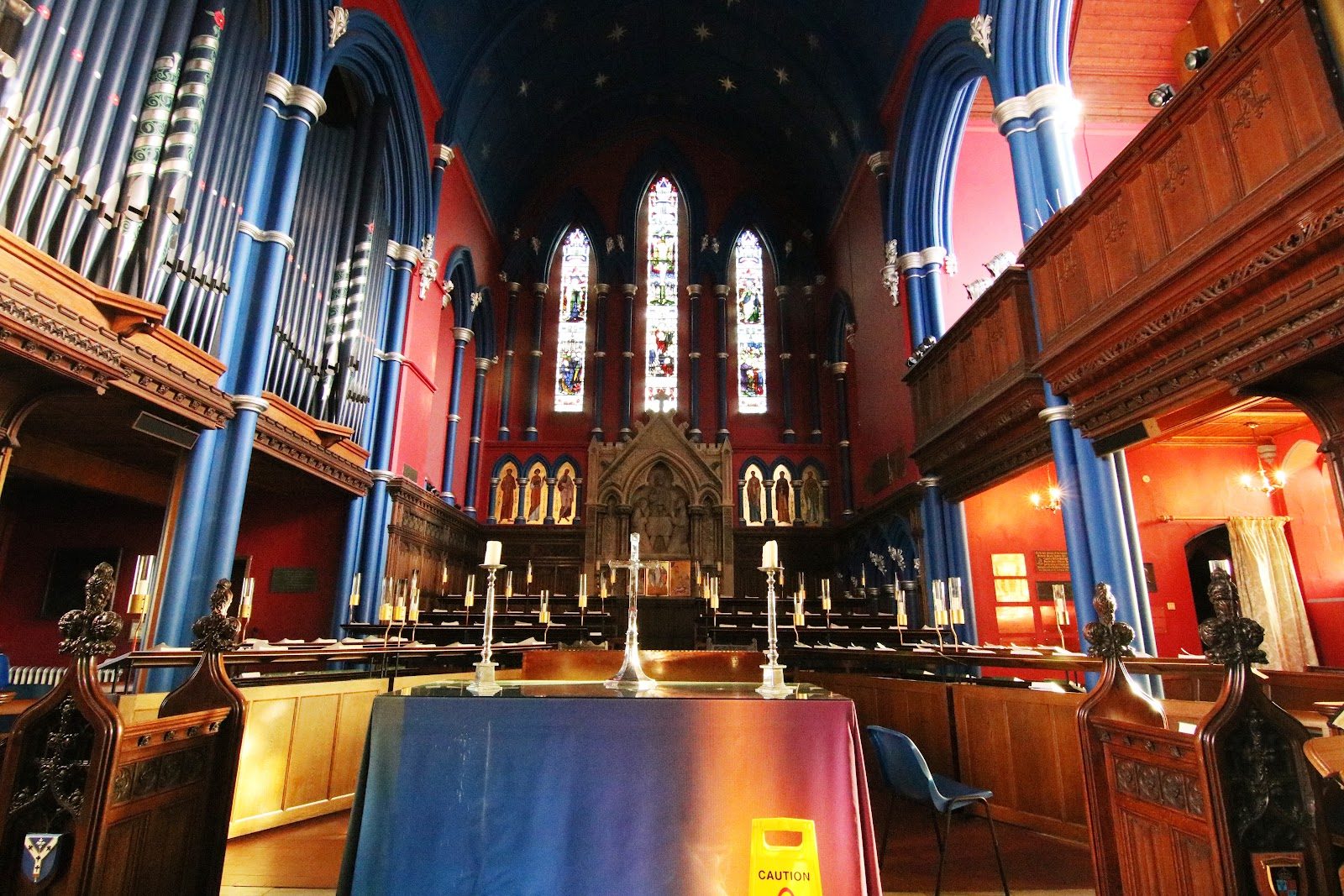
Shrewsbury School
Shrewsbury · United Kingdom
Curled inside a loop of the River Severn, twelve boarding houses keep alive a rowing tradition dating to 1866.
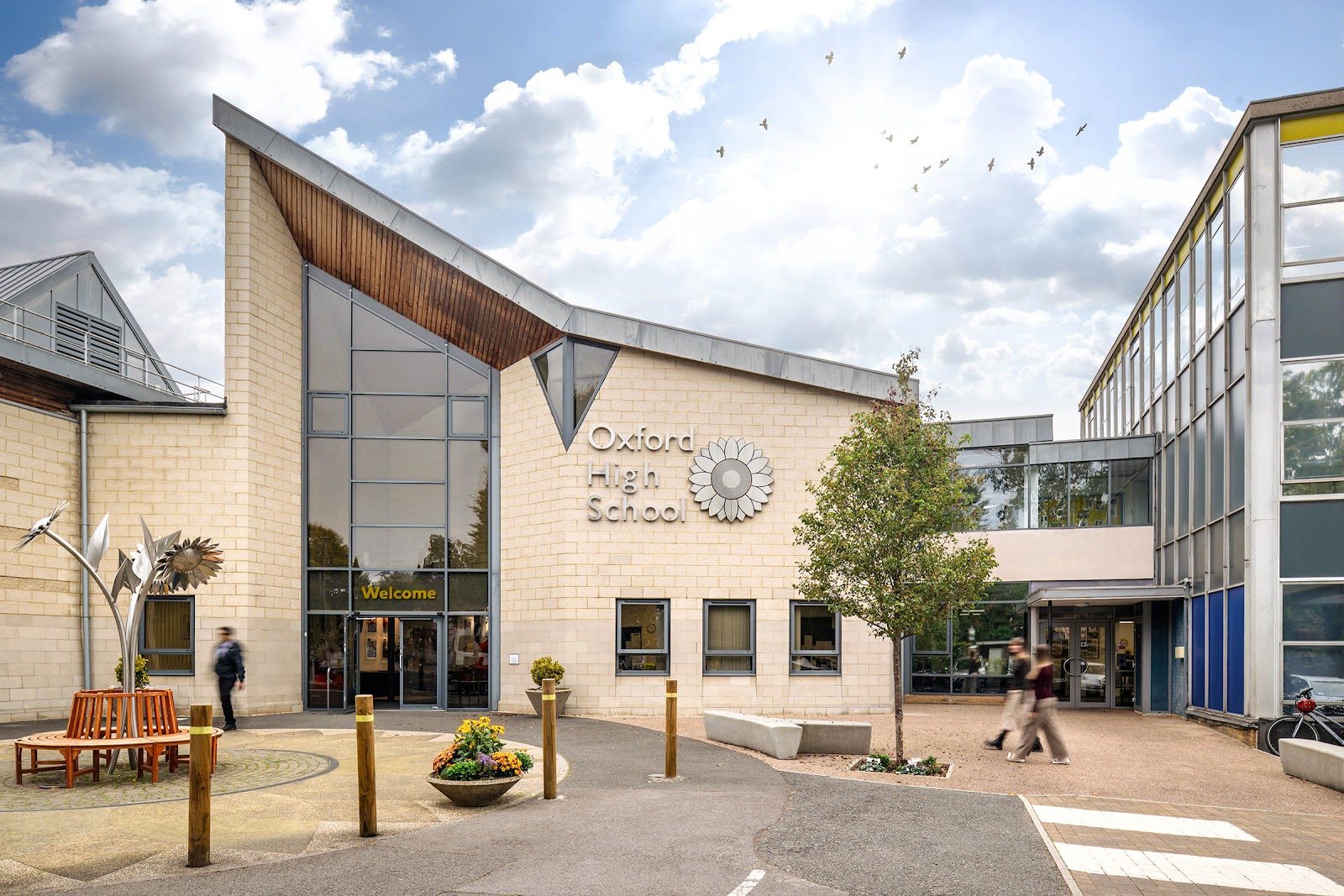
Oxford High School
Oxford · United Kingdom
One of England's earliest girls' day schools, founded in 1875, pairs Oxford scholarship with a culture of fearless inquiry.
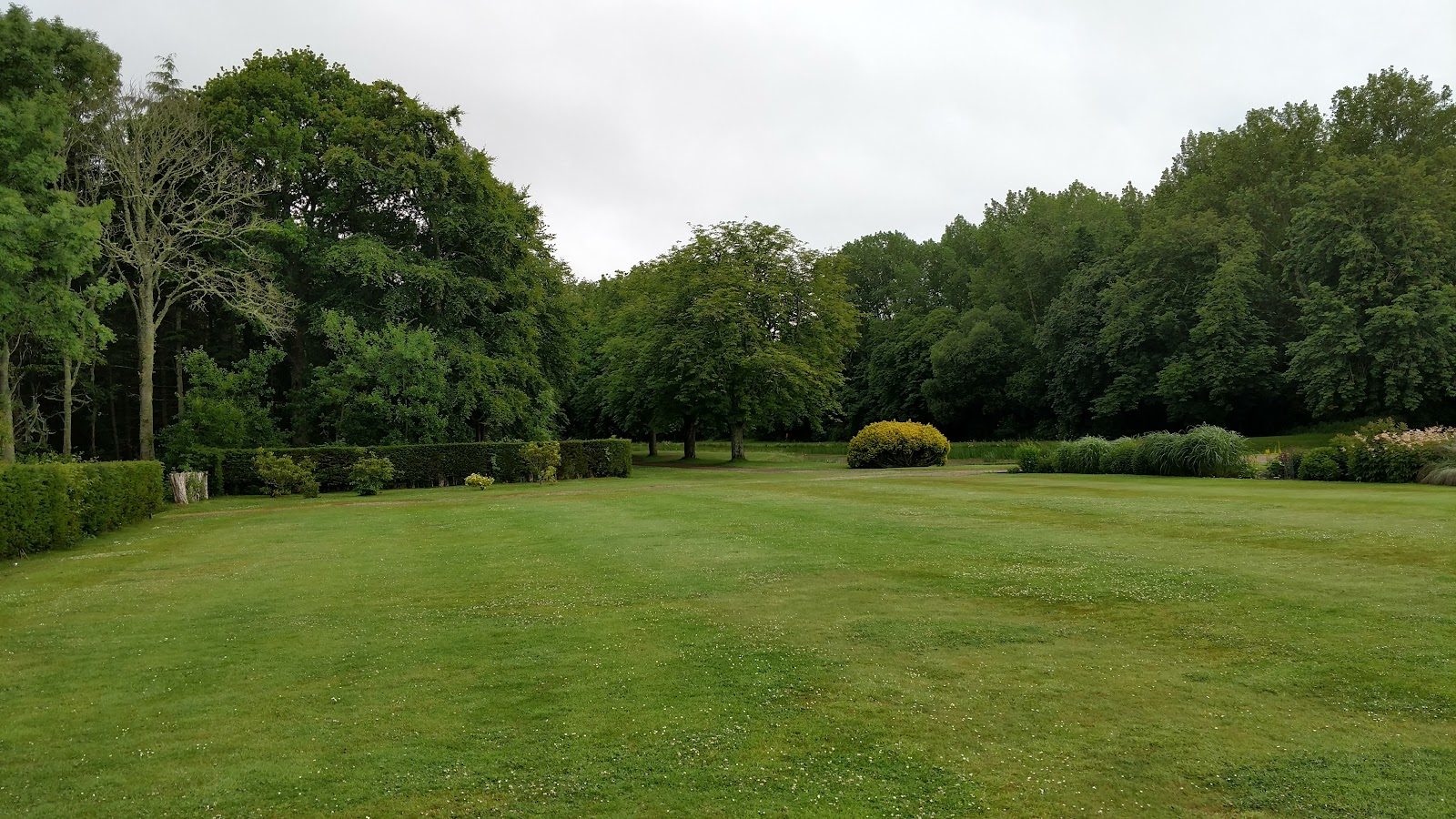
Gordonstoun
Elgin · United Kingdom
On Scotland's Moray coast, birthplace of Outward Bound, where sail training aboard the school's own ocean-going yacht counts as curriculum.
The Grammar School at Leeds
Leeds · United Kingdom
Where a 1552 boys' grammar school and an 1876 girls' high school fused into one diamond-model campus across 140 Yorkshire acres
Same country and curriculum — closest matches within ±10 points either way