
Minnesota
St. Paul Academy and Summit School
low confidence· 2/6 cats · 3 avg sourcesHarkness tables replace AP checklists at this century-old St. Paul day school built for discussion over test-prep

Type
Day
Ages
4–18
Curriculum
American
Qualifications
AP
Ratio
7:1
The Verdict
Editor's commitment
Right for
Children who learn by speaking and arguing, not hiding: SPA runs Pre-K to 12 with 13-pupil classes and a 7:1 ratio.
Wrong for
Families chasing AP-style box-ticking, giant year groups or bargain fees; this St. Paul day school charges an average $38,271 a year.
Watch out for
Founded in 1900 and accredited by NAIS, SPA sells academic rigour and discussion; quieter children need teachers who draw them in.
Ranking breakdown
St. Paul Academy and Summit School · #721 of 1591
Composite score 66.2. 8 weighted criteria.
By criterion
Academic Outcomes
Weight 20%
#294
of 1529 scored
University Placement
Weight 16%
#305
of 1529 scored
Prestige & Heritage
Weight 12%
#377
of 1571 scored
Alumni Network
Weight 12%
#1365
of 1530 scored
Facilities
Weight 12%
#339
of 1533 scored
Transparency & Communications
Weight 8%
#354
of 1532 scored
Peer & Industry Review
Weight 10%
#335
of 1548 scored
Admissions Selectivity & Demand
Weight 8%
#400
of 1529 scored
Peer & Industry Review
How St. Paul Academy and Summit School is regarded in the sector
74
Respected · medium confidence
Within Minnesota, SPA is consistently grouped with Blake and Breck as one of the three serious Twin Cities independents, a reputation reinforced by shared participation in Minnesota's independent school athletic and academic conferences and by ISACS peer accreditation review, which subjects it to the same external benchmarks as comparable Midwest schools. It does not feature in national broadsheet league tables or in the WhichSchoolAdvisor/Good Schools Guide corpus, which focus overwhelmingly on UK and international schools, leaving its profile largely a regional rather than global one. Coverage tends to appear in local outlets such as the Star Tribune around admissions, tuition or campus issues rather than in specialist education press. University admissions offices in the Upper Midwest and at national liberal arts colleges recognise the school's transcript and grading rigor, and its graduates are unremarkable in the best sense - regularly admitted to solid state flagships and mid-tier private universities - but SPA carries none of the brand cachet that prompts unsolicited comment from elite university admissions officers or rival heads on the coasts.
- F. Scott Fitzgerald — Novelist, Literature
- Ann Bancroft — Polar Explorer, Exploration
- Peter Hutchinson — Businessman/Politician, Business
Editors' overview
St. Paul Academy and Summit School sells itself on discussion, and that is the right frame. This is a small, deliberately intellectual day school in St. Paul, founded in 1900, with a 7:1 student-teacher ratio and average classes of 13. Those numbers matter because the school’s core claim — “there is no back of the classroom” — depends on adults knowing each child well and expecting them to speak, think and defend a point of view. Parents who want a quieter, more passive version of college-prep schooling should look elsewhere. SPA is built for children who can handle being called on, challenged and heard.
The academic offer is American, but the important distinction is cultural rather than curricular. This is not a school trading on AP-counting or industrialised résumé-building. Its own language points instead to hard work, high standards, resilience and contribution in every class. That puts SPA in a clear market position: a high-expectation independent day school for families who value seminar-style learning over test-prep choreography. The average annual fee across Pre-K to Grade 12 is $38,271, which places it firmly in the expensive bracket for a local day school, though the class size and staffing ratio give a direct explanation for that price.
The strongest reason to shortlist SPA is fit. It will suit articulate, curious students who like ideas, read willingly and do not need anonymity to feel comfortable. It will also suit children who benefit from close adult attention and a school structure where participation is not optional. It will suit less well the student who wants a broad social sprawl, low-pressure classrooms or a school identity built around spectacle. SPA’s NAIS accreditation and day-school format tell you what it is: an established, serious-minded independent school with a clear educational stance, not a mass-market institution trying to be all things to all families.
Academic Performance
SPA does not publish aggregate AP, SAT or ACT outcomes in the public domain, and that limits any hard comparison with the most data-forward independent schools in the US. That opacity matters. In a market where many college-preparatory schools use score distributions, National Merit counts and matriculation patterns as shorthand for academic strength, SPA asks parents to judge the school more through classroom culture than through a public exam-results dashboard. That is a defensible choice for a school built around discussion and daily participation, but it leaves outsiders without the headline metrics that many peers provide.
What can be said with confidence is narrower. The school’s academic model points to high-attention, seminar-style teaching rather than scale, acceleration theatre or AP volume as a public badge of honour. For the right student, that can produce stronger thinking than a transcript built by checklist. For parents who want visible proof in the form of published score data, SPA is a less transparent proposition than peer schools that disclose exam results in detail. In performance terms, then, SPA fits best in the group of selective day schools whose reputation rests on rigorous teaching and college preparation, but whose external attainment story is not fully legible because the school does not publish the numbers that would settle the question.
Facilities
SPA does not trade on a facilities arms race in its public-facing information, and that omission matters. There is no published catalogue of theatres, labs, maker spaces, pools or arena-scale sports provision, so parents cannot benchmark the campus in the granular way many US independents now allow. What the school does make clear is the educational use of space: small classes, discussion at the centre, and a conviction that every pupil contributes. That points to classrooms built for constant participation rather than lecture-style passivity. With average classes of 13, SPA has the staffing and room usage to make seminar-style teaching credible. In facilities terms, that is a serious academic advantage if your benchmark is the quality of daily teaching rather than square footage.
Against peer schools, that places SPA in an interesting bracket. Some competitors advertise showpiece campuses and specialist buildings as a proxy for ambition; SPA gives parents far less to inspect and far less spectacle to admire. That weakens its case for families who want visible hardware. It strengthens its case for families who care more about whether rooms are used for conversation, close reading and sustained teacher attention. The verdict is plain: this school’s most important “facility” is the classroom itself, used in a high-expectation, discussion-driven way. If you want architectural theatre, look elsewhere. If you want space organised around intellectual exchange, SPA’s model is more convincing than many richer-looking rivals.
Paul Academy and Summit School sells itself on discussion, and that is the right frame
Prestige
SPA carries real local prestige, though it is a narrower form of prestige than the global-brand independent schools or the American boarding names that trade on national mythology. In Minnesota, this is an old, established independent day school with the social and academic capital that flows from selectivity, continuity and a long-standing place in the city’s professional class. The school’s serious-minded identity adds weight: small classes, a 7:1 staffing ratio and a classroom culture built on contribution give it status among families who value intellectual confidence over performative polish. This is not prestige built on spectacle, elite athletics or public exam scoreboards. It is prestige built on the confidence that a child will be known, pushed and expected to speak with substance.
That distinction matters. SPA’s name will carry strongest currency in the Twin Cities and among US families who understand the independent-school landscape; it does not carry the same instant international recognition as Exeter, Andover or the big east-coast brands. The school’s refusal to publish the usual exam-data trophies also makes its standing less legible to outsiders hunting for easy proof. Even so, the fee level — an average of $38,271 a year — places it in the premium tier, and the school’s long institutional life gives it the old-family assurance many parents read as prestige. The verdict: *high-status regionally, credible nationally, limited globally*.
Paul, founded in 1900, with a 7:1 student-teacher ratio and average classes of 13
Communications
SPA’s parent communication is clear in tone, if thin in public proof. The school states its mission, values and educational expectations plainly, and that matters: families get a direct sense that this is a place built on participation, effort and contribution, not on vague promises of “whole child” uplift. The admissions journey also reads cleanly — inquire, visit, apply — with lower, middle and upper school routes signposted without clutter. For a school with an average annual fee of $38,271, that baseline clarity is not a bonus; it is the minimum. On that front, SPA does the essentials well. The message is coherent, adult and free of gimmickry.
What is missing is the deeper layer of parent-facing communication that stronger schools now publish as standard: concrete detail on day-to-day reporting, academic tracking, pastoral updates, leadership access, or how concerns move through the system. There is no public window into the cadence of communication once a child is enrolled. That leaves parents to infer a lot from the school’s small-scale, discussion-led model and its low staffing ratio of 7:1. That inference cuts both ways. A close-knit school can communicate with real immediacy and high personal accountability; it can also rely too heavily on informality and under-explain the mechanics. The verdict: promising but under-evidenced. SPA communicates its identity well. It does not publish enough about parent communication in practice.
Uniqueness
What sets SPA apart is not a niche programme or a branded specialism, but a disciplined refusal to let pupils hide. The school’s line that “there is no back of the classroom” is more than slogan: with classes averaging 13 and a staffing ratio of 7:1, discussion stops being an enrichment extra and becomes the operating system. That creates a high-accountability environment in which pupils learn to speak with clarity, listen closely, and defend an idea under scrutiny. Many college-preparatory schools reward accumulation — more courses, more activities, more credentials. SPA pushes in a different direction: intellectual visibility. Every child is expected to contribute, and the quiet student does not get to drift through on polite competence alone.
That brings clear advantages for the right child. Students get sustained practice in argument, presence and resilience; they learn that school is not a spectator sport. The gain is not just academic. A culture built around contribution gives pupils repeated experience of being taken seriously by adults and peers, which can sharpen confidence without drifting into empty polish. It also creates a school identity with a serious-minded, almost seminar-like tone that stands apart from the more industrial side of US private schooling. The trade-off is just as clear: this is not for the faint-hearted. Children who thrive on anonymity, low-pressure classrooms or a more transactional route through school will find SPA demanding in exactly the way its strongest supporters value most.
Parents who want a quieter, more passive version of college-prep schooling should look elsewhere
Student Profile
The best fit at SPA is the child who wants to be in the room, not just present in it. This school suits students who read closely, think in full sentences and can tolerate being pressed for an answer. Its classroom claim — that nobody disappears into the background — makes this a strong home for young people who enjoy discussion, argument and the discipline of having to justify a view. It also works well for children who benefit from close adult attention and who do better when teachers know their habits, strengths and evasions. With classes at 13 on average and a staffing ratio of 7:1, the school has the structure to make that scrutiny real. The result is a high-accountability, ideas-first culture.
The weaker fit is just as clear. A student who wants anonymity, loose expectations or a more performative version of private schooling will chafe here. So will the child who prefers to coast on charm, or who shuts down when asked to speak before feeling fully ready. SPA asks for intellectual stamina, social confidence and a willingness to be known. That does not mean every pupil needs to be loud; quiet students can thrive if they are thoughtful, steady and prepared to join the conversation. The dividing line is not extroversion but participation. This is a school for children who can handle being challenged without retreating, and who find daily classroom visibility energising rather than exhausting.
SPA is built for children who can handle being called on, challenged and heard
Co-curricular strengths
Arts & sport, on a separate axis
Overall 8.7/10
Scored 0-10 from the school's own published evidence. This axis is editorial-only — it does not feed the main WTS ranking.
Sports
9.2/10
High-energy teams dominate regional independent tournaments in ice hockey and tennis, balancing urban space layouts with high-intensity training.
Drama
8.8/10
Active classical drama societies and Shakespeare showcases focused on building rigorous public speaking and confidence traits.
Dance
7.5/10
Popular choreographic asset utilized to build movement and synchronization ensembles for large-scale performance showcases.
Music
9/10
Highly elite music wing backing top-tier youth orchestras, chamber groups, and elite touring choirs.
Visual Arts
9/10
Highly structured fine art layout leaning heavily toward technical design, digital graphics, and portfolio mastery.
Strengths
- +Small student-teacher ratio of roughly 7-8:1 with average class sizes of 13-15 students across Lower, Middle, and Upper School.
- +Notable literary alumnus: novelist F. Scott Fitzgerald attended St. Paul Academy from 1908 to 1911, where he published his first stories in the school newspaper.
- +Substantial need-based financial aid program, with the school citing a $4.8 million annual financial aid budget for qualifying families.
- +Accredited by the Independent Schools Association of the Central States and a member of the National Association of Independent Schools, the Cum Laude Society, and The College Board.
- +Strong standardized test outcomes, with average ACT composite scores around 29-32, placing it among the higher-performing independent schools in Minnesota.
Considerations
- −Selective admissions with an acceptance rate cited around 61%, meaning a meaningful share of applicants are turned away each year.
- −Upper School day tuition is roughly $38,000 per year, a significant recurring cost before fees, transport, or extras are added.
- −Single urban-metro location in St. Paul with two campuses only, so relocating families outside the Twin Cities area face a long commute or need to move house.
- −As a single, non-boarding day school, it offers no residential option for international or out-of-state families relocating without local housing.
Availability
Primary entry gate & tests
ISEE/SSAT + Interview
Gallery
Parent reviews
Have you sent your child here?
Voice reviews carry the strongest trust badge — we transcribe them for you to tidy up before they go live. Prefer to type? A written review is fine too.
Add your voice
In 60 seconds, tell other parents: what's the best thing about St. Paul Academy and Summit School, and what surprised you when your child joined?
We ask for a Google sign-in so every review has a real face behind it — no anonymous drive-by attacks on schools, and no faked positive reviews. Your email is never shown publicly.
Send this profile to a friend
International parents rely on word-of-mouth. Share this review with someone weighing the same decision.
Schools with places
Similar schools to St. Paul Academy and Summit School with places available now.
The Haverford School
Haverford · United States
- 2026-27
- CLOSEDRegular cycle closed
- 2027-28
- OPENS SOONOpens Sept '26
Friends Seminary
New York City · United States
- 2026-27
- WAITPOOLLate/held pending openings
- 2027-28
- OPENS SOONExpected Sept '26
Ethical Culture Fieldston School
New York City · United States
- 2026-27
- WAITPOOLLimited late availability
- 2027-28
- OPENS SOONOpens post-Labor Day '26
The Buckley School
New York City · United States
- 2026-27
- CLOSEDConfirmed full
- 2027-28
- OPENS SOONOpens post-Labor Day '26
Availability first, then country, area, curriculum, price, co-curricular
Consider also
Also worth looking at alongside St. Paul Academy and Summit School.
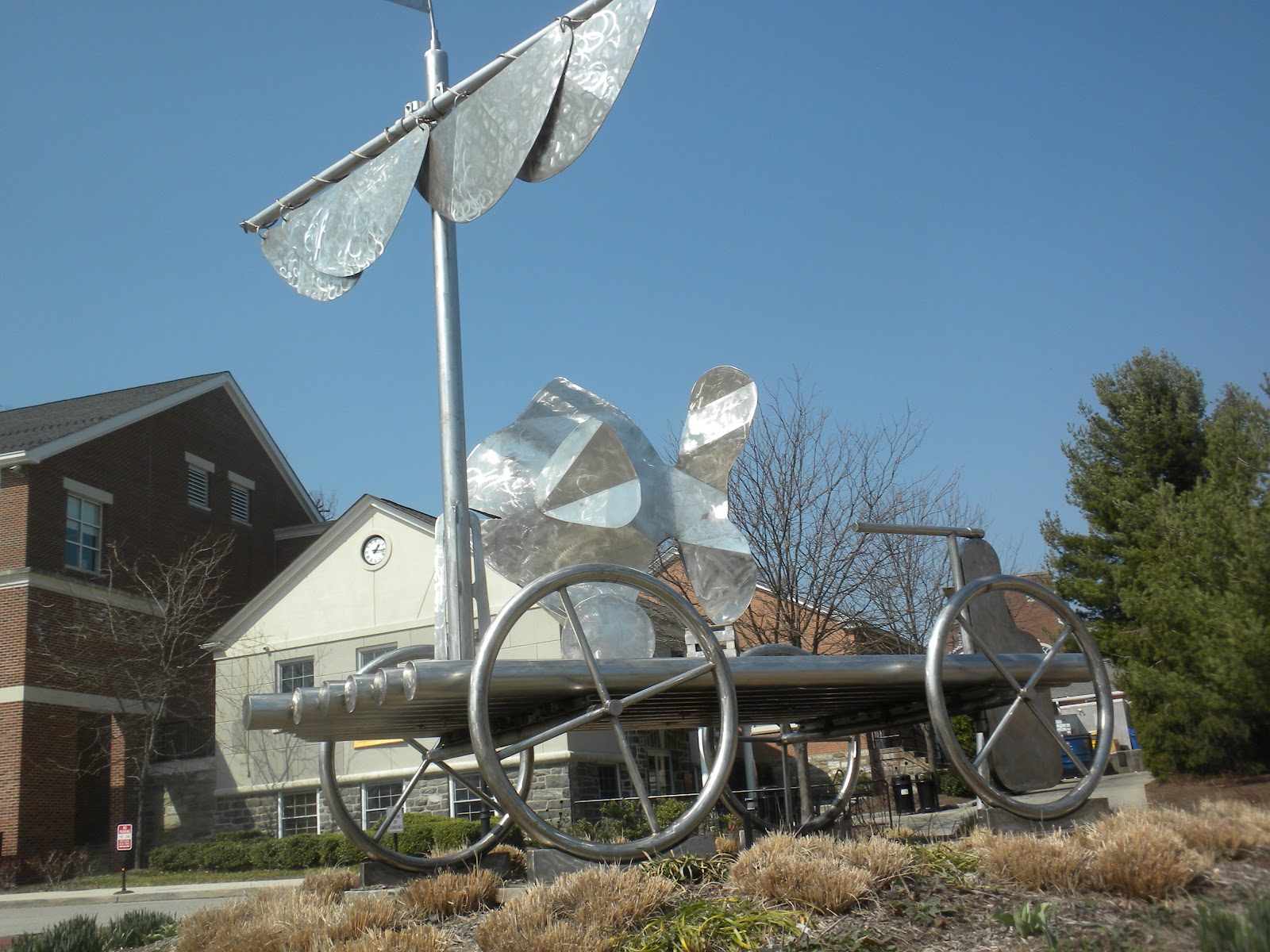
The Haverford School
Haverford · United States
Since 1884 on Philadelphia's storied Main Line, an all-boys campus balances rigorous academics with athletics and the arts.
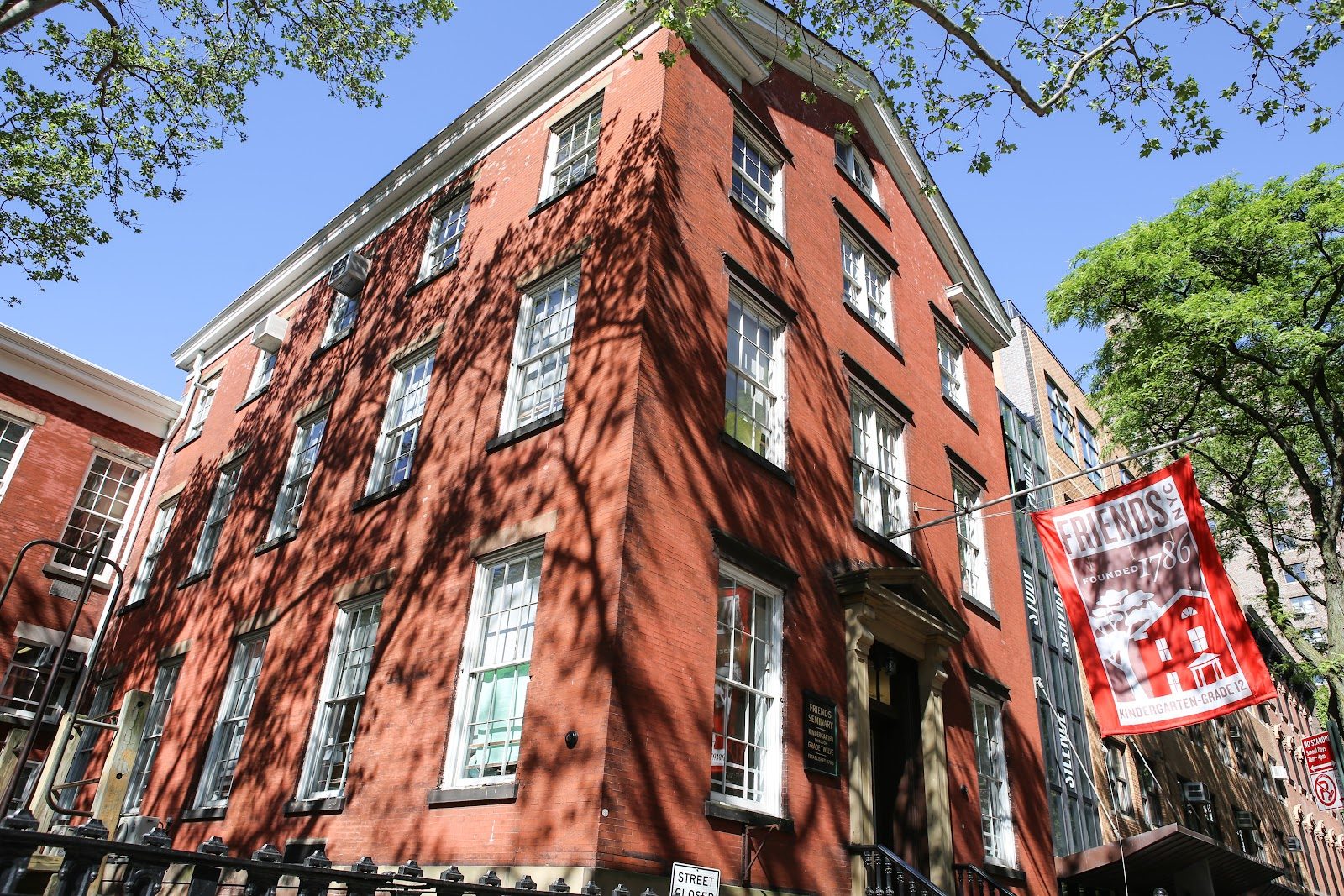
Friends Seminary
New York City · United States
Founded in 1786, the oldest coeducational school in New York City still teaches Quaker simplicity and peace amid Manhattan's bustle
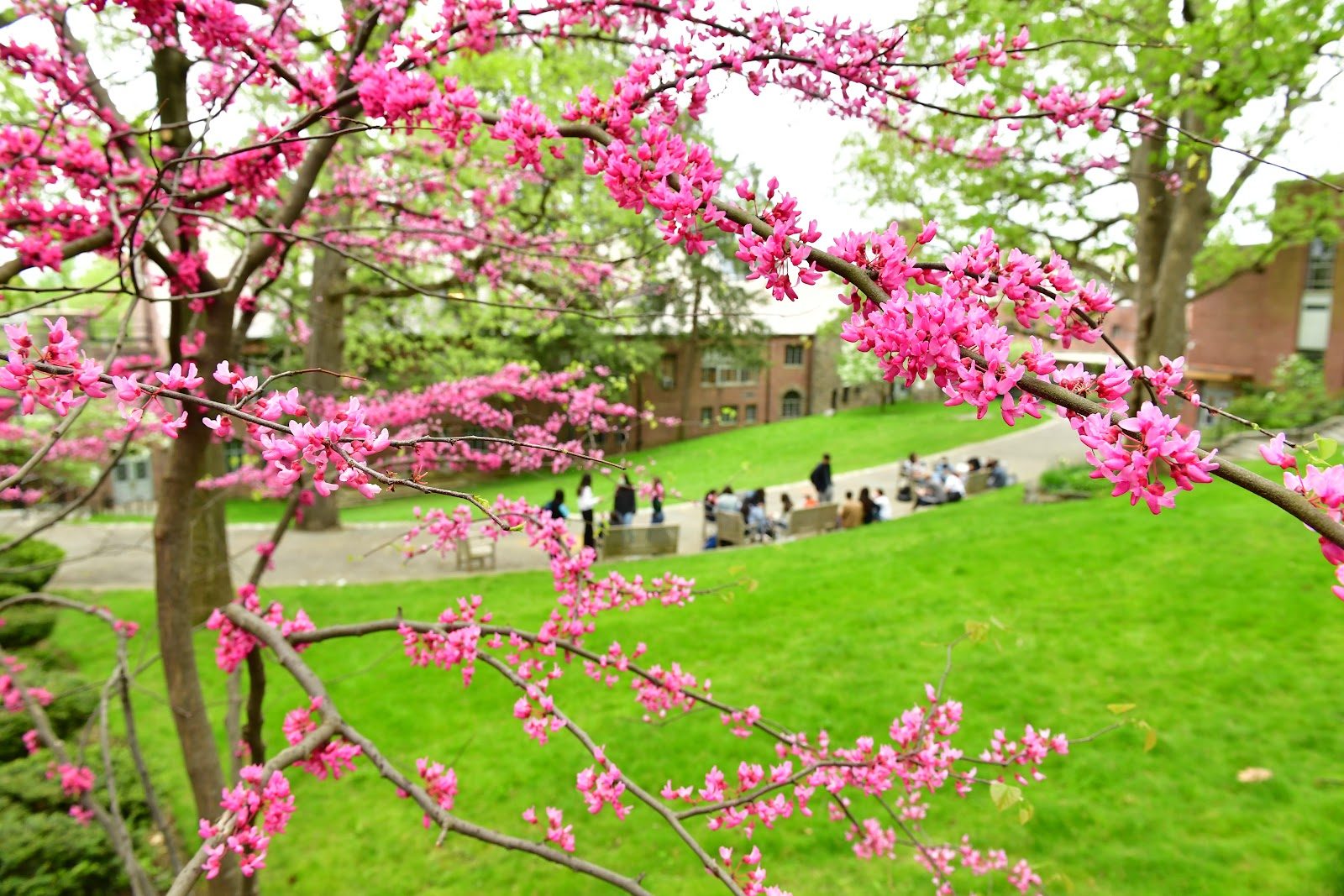
Ethical Culture Fieldston School
New York City · United States
Rooted in Felix Adler's 1878 Ethical Culture movement, its wooded Riverdale hilltop campus still anchors progressive American pedagogy.
The Buckley School
New York City · United States
On Manhattan's Upper East Side since 1913, a K-9 boys' school pairing classical rigor with mandatory public-speaking training for every student.
Same country and curriculum — closest matches within ±10 points either way