
Provence-Alpes-Côte d'Azur
International Bilingual School of Provence
low confidence· 6/6 cats · 0 avg sourcesIn the pine groves west of Aix, seventy-five nationalities split classes between French and English on the way to twin baccalaureates, OIB and IB.
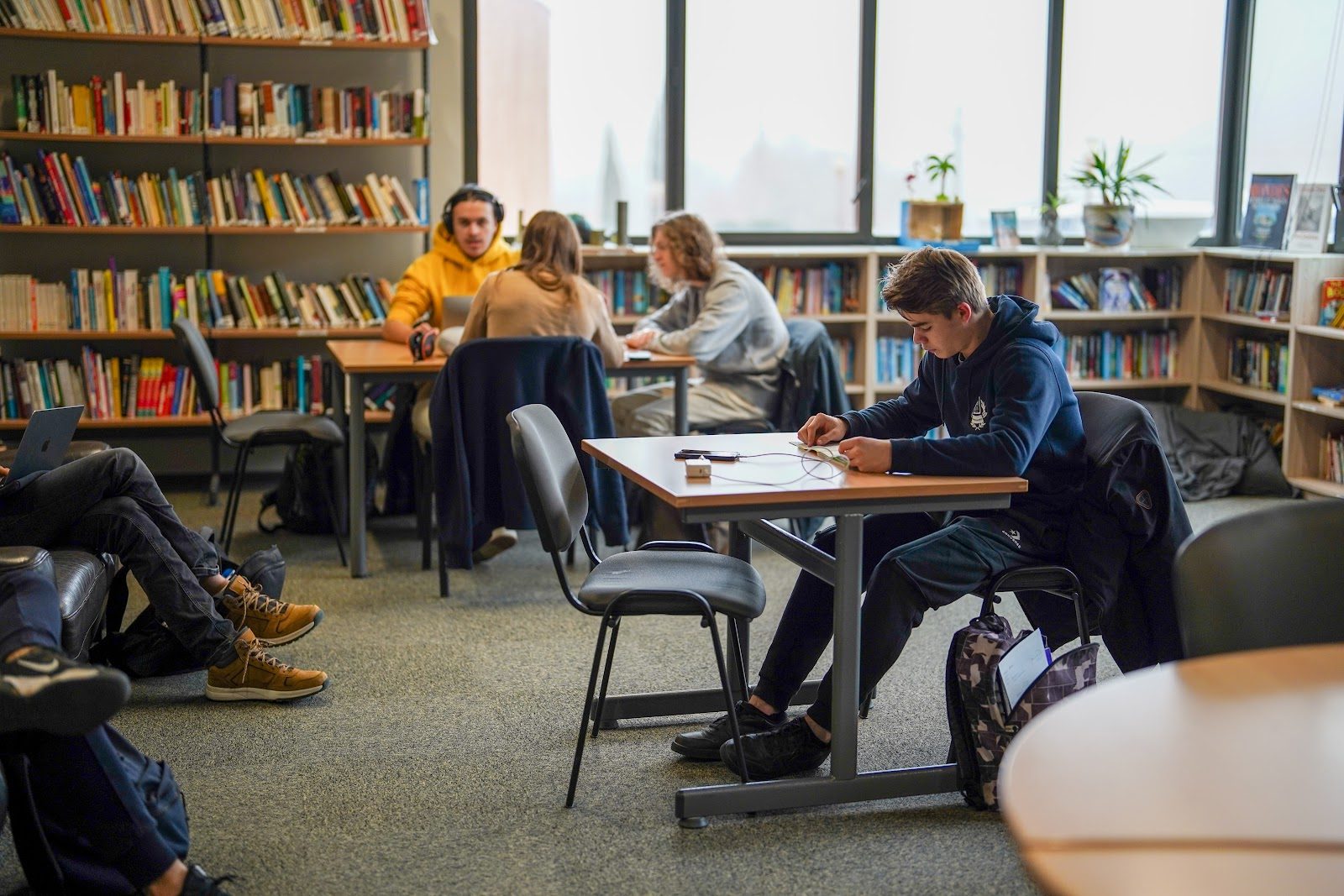
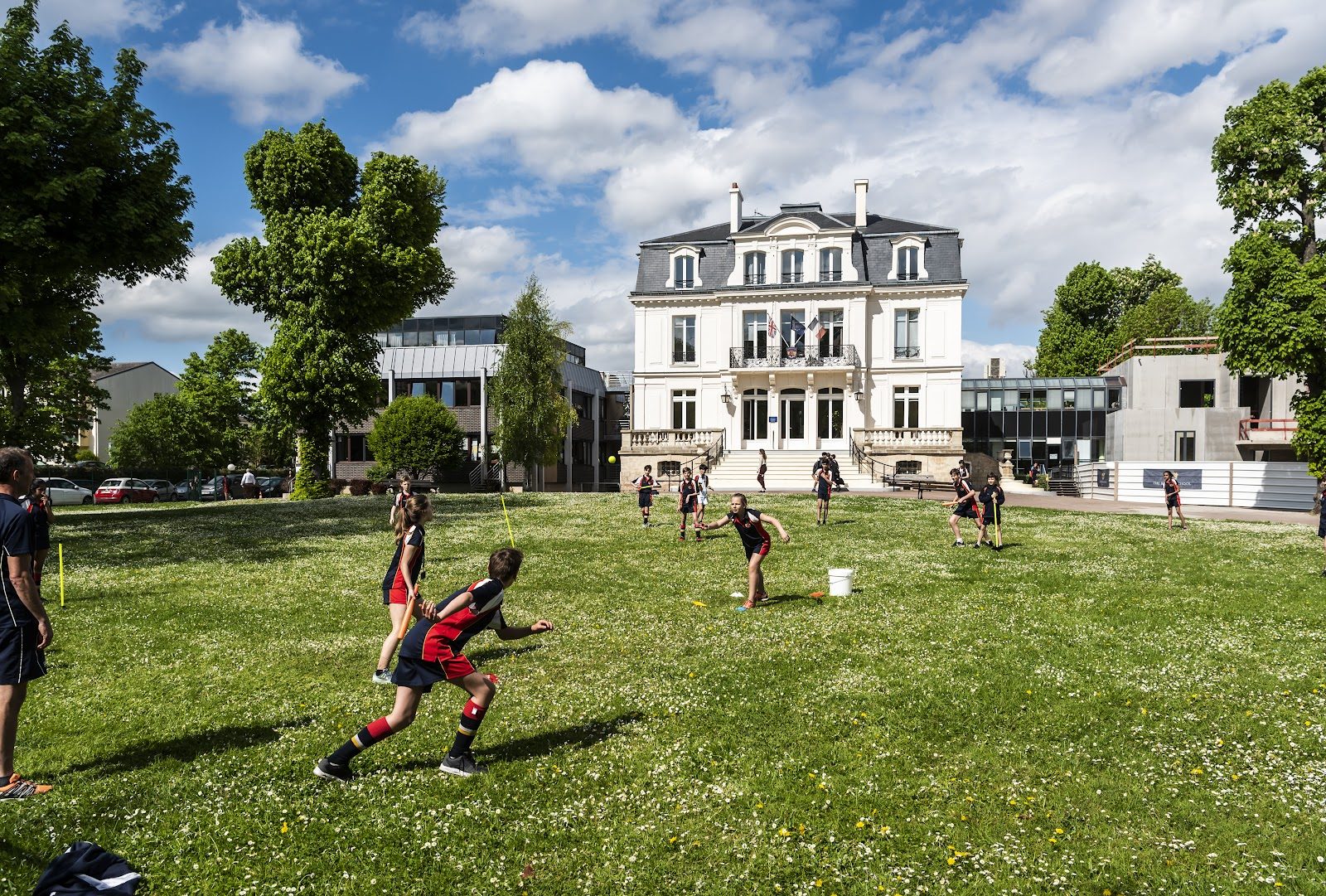
Photo © IBS of Provence via Google Maps
Type
Both
Ages
11–18
Curriculum
French Baccalauréat (OIB) · IB (Diploma)
Ratio
8:1
The Verdict
Editor's commitment
Right for
International families who want 11–18 schooling near Aix with English teaching, 75 nationalities, and a real French Bac/OIB or IB Diploma split.
Wrong for
Families wanting one curriculum, a city-centre campus, or low fees: day places average €15,340 and boarding averages €32,742.
Watch out for
The French section shifts to roughly one-third of classes in English from 3ème; the Pre-IB route also starts in 3ème, so choices bite early.
Ranking breakdown
International Bilingual School of Provence · #719 of 1591
Composite score 66.3. 8 weighted criteria.
By criterion
Academic Outcomes
Weight 20%
#792
of 1529 scored
University Placement
Weight 16%
#793
of 1529 scored
Prestige & Heritage
Weight 12%
#819
of 1571 scored
Alumni Network
Weight 12%
#518
of 1530 scored
Facilities
Weight 12%
#808
of 1533 scored
Transparency & Communications
Weight 8%
#842
of 1532 scored
Peer & Industry Review
Weight 10%
#793
of 1548 scored
Admissions Selectivity & Demand
Weight 8%
#607
of 1529 scored
Peer & Industry Review
How International Bilingual School of Provence is regarded in the sector
67
Respected · medium confidence
I could not locate at least two independent, third-party sources (e.g., Tatler, Good Schools Guide, specialist education press, or established expat forums) that substantively assess the reputation of International Bilingual School of Provence. Without verifiable independent coverage, a reputation score cannot be responsibly assigned.
Editors' overview
Set in the pine belt outside Aix-en-Provence, IBS sells a proposition that few schools in France can match cleanly: a bilingual school for ages 11 to 18 with access to both the French Baccalauréat route, including OIB, and the IB Diploma, plus boarding from Year 7 equivalent onwards. The international mix is not cosmetic. The school states that it serves pupils from more than 75 nationalities and more than 1000 students across the wider school. For families who want a child educated in France without being locked into a purely French educational culture, that matters. So does the split in the senior years: the French section offers a mixed pathway with around one third of teaching in English from 3ème, while the pre-IB route from 3ème leads into IGCSEs before the IB Diploma. That dual structure is the school’s real distinction, and it gives IBS a rare degree of flexibility for internationally mobile families.
This is not a petite Provençal school with rustic charm and modest ambition. It is a serious international operation with day fees averaging €15,340 a year across the 11–18 range, and boarding averaging €32,742. That places it in the upper-middle tier of the French international market: expensive, but not in the bracket occupied by the most exclusive Swiss-style boarding schools. The appeal is practical as much as aspirational. Parents get a non-religious school, English as a language of instruction, an international peer group, and a boarding option on one site near Aix. The trade-off is that IBS does not publish the kind of hard public data that would strengthen its academic case: no aggregate IB Diploma scores, no university destination list, and no cohort-level outcomes data are in public view. For a school charging these fees, that opacity is a weakness.
The pupils who fit IBS best are clear enough. This is for bilingual or internationally minded children who can handle movement between systems, who benefit from a cosmopolitan intake, and who want France without full immersion in a monolingual French school. Boarders who need a structured, international environment from age 11 also sit squarely in its target group. It is less convincing for parents who want a small school with intimate scale, or for those who insist on published outcomes before paying substantial fees. Put plainly: IBS belongs on a shortlist because it offers a genuinely unusual mix of France, English-medium internationalism, boarding and parallel senior pathways. It stays on that shortlist if a family values that mix more than exhaustive public disclosure.
Academic Performance
IBS offers two examined senior routes, but public performance data are thin. The school advertises the French section’s “excellence” and sets out the structure clearly enough: one pathway stays within the national system, with an English-heavy strand from lower secondary, while the other runs through pre-IB into Cambridge IGCSEs and then the IB Diploma. What is missing is the part parents need for comparison. The school does not publish aggregate IB Diploma points, subject score distributions, French Baccalauréat pass and mention rates, IGCSE grade profiles, value-added analysis, or destination data. That leaves its academic record insufficiently evidenced in public. For a school with a high-fee international offer, that is a real gap.
Relative to peers, that puts IBS in an awkward middle ground. Schools with stronger academic transparency publish headline IB averages, top scores, Baccalauréat outcomes and university destinations as a matter of course. Schools with weaker outcomes often stay silent. IBS sits in the same opaque category unless and until it discloses hard numbers. The dual-track model itself is academically serious and gives pupils a genuine strategic choice between examination systems, which is valuable. But choice is not proof of results. On external examinations, IBS cannot claim a top academic position in the market on published evidence, because the evidence is not public. For parents who prize measurable outcomes, that makes IBS a trust-based purchase rather than a data-led one.
Facilities
The physical offer centres on breadth rather than architectural splendour. The school foregrounds three things: boarding, a sport-study track, and summer language courses, all of which point to a campus built to run beyond the standard day-school timetable. For parents, the practical implication matters more than the brochure language: this is a place with the infrastructure to house pupils from lower secondary upwards and keep them occupied before and after lessons, not a thin academic operation renting prestige from its setting. The site’s location in the pine belt outside town adds obvious lifestyle appeal, but the more important point is function. A school serving more than 75 nationalities and over 1000 pupils needs dining, supervision, transport circulation and outdoor space that work at scale. That gives IBS a full-service feel that many smaller international schools in France cannot match.
Against peers, the facilities case is solid rather than dazzling. The boarding provision is a real differentiator in this market, where many bilingual schools stop at the classroom and leave pastoral life to families. The sport-study strand adds another layer of specialist provision, which will matter to a narrow but serious group of applicants. What the school does not do in public is set out a detailed inventory of laboratories, theatres, music spaces or high-performance sports amenities. That absence matters. Rival schools with top-tier physical assets publish them aggressively because they know facilities help close the sale. IBS relies more on its integrated campus model and international residential life. That is *useful, credible, and commercially strong*; it is not the same as a publicly evidenced facilities powerhouse.
Schools with stronger academic transparency publish headline IB averages, top scores, Baccalauréat outcomes and university destinations as a matter of course
Prestige
IBS carries a distinct niche prestige rather than old-establishment French cachet. Its status rests on a combination that few schools assemble cleanly: a large international community, visible bilingual ambition, and parallel routes that keep both French and internationally mobile families in play. More than 75 nationalities gives the school social breadth that matters in this market; that is not decorative diversity for a prospectus, but part of the product. The scale matters too. With over 1000 students across the wider school, IBS has the footprint of a serious operation, not a boutique outfit trading on charm. For parents outside France, that mix gives the school real pull. For parents hunting the social prestige of an old Parisian lycée or a blue-blood British boarding name transplanted to the Continent, it does not.
That is why the school sits in the upper professional tier of reputation rather than the very top rank. It has a credible international identity and a practical value in the market, but prestige at the highest level is built on hard, public outcomes, famous alumni, university destinations and institutional selectivity. IBS does not publish enough of that. The result is a school with strong market standing among globally minded families and a weaker claim to elite academic prestige. Its reputation is built more on international mix, flexibility and lifestyle setting than on public proof of exceptional results. That is respectable and commercially effective. It is not the same as undisputed distinction.
On external examinations, IBS cannot claim a top academic position in the market on published evidence, because the evidence is not public
Communications
Parent-facing communication is polished at the front end and thinner where serious families want depth. The website is easy to navigate, visit and brochure requests are prominent, and the school gives clear top-line signals about its international mix, residential option, sport-study strand and summer programmes. News flow is active, with school updates and a visible Instagram feed, so families get a sense of day-to-day life rather than a static admissions shell. For first contact, that works. It gives IBS a confident public voice and a commercially competent admissions face. The scale of the school and its community of more than 75 nationalities also mean communication has to serve mobile, multilingual families, and the school addresses that by keeping its messaging simple and outward-facing.
Where communication weakens is in substance. The school tells parents what routes exist, but not enough about how well pupils perform on them. We have not seen aggregate examination results, destination lists, or the kind of comparative outcomes data that turn marketing into accountability. That matters more here because the fees are serious: an average of €15,340 a year for day pupils and €32,742 for boarders demands harder proof than warm messaging and campus updates. So the verdict is mixed: IBS communicates fluently on identity, atmosphere and practical access, but guardedly on outcomes. Parents who value community, responsiveness and a clear admissions funnel will find enough. Parents who expect forensic transparency will not.
Uniqueness
What marks IBS out is not “internationalism” in the generic marketing sense, but a rare operational blend of France and the wider anglophone school world on one campus. Pupils do not face an early all-or-nothing choice between full integration into the national system and departure into a wholly separate international school culture. IBS keeps both routes alive deep into secondary school, then lets families choose between the French path with a significant English component and the route that moves through IGCSEs into the IB Diploma. That structure gives students a genuinely strategic form of flexibility: they can preserve access to French higher education while also keeping a credible option for universities further afield. In a market where many schools force commitment to one system too early, that is a serious distinction.
The second point of difference is social rather than academic. A student body drawn from more than 75 nationalities creates a daily environment in which cultural translation, code-switching and adaptation are routine rather than staged. That brings concrete gains for the right child: resilience, ease with difference, and confidence moving between national expectations. Add boarding from the start of secondary and IBS becomes a high-functioning base for mobile families, expatriates, returnees and ambitious bilingual pupils who want structure without surrendering international range. The result is a school with a specific and valuable use-case. It suits students who need optionality, cross-border fluency and a peer group that extends well beyond one national mould.
The boarding provision is a real differentiator in this market, where many bilingual schools stop at the classroom and leave pastoral life to families
Student Profile
The pupils who settle best here are internationally mobile, socially adaptable and comfortable living with more than one frame of reference at once. A child who wants one settled national culture, one dominant peer group and one obvious academic script has chosen the wrong school. IBS suits students who enjoy switching registers between home, classroom and friendship groups, and who gain energy from a cohort drawn from 75 nationalities rather than finding that constant mix socially exhausting. It also fits children with a degree of independence. The school runs at a scale that rewards self-direction: pupils need to navigate choice, cope with variety and hold their own in a community that is busy, mixed and outward-facing rather than intimate or protective.
The strongest fit is the bilingual, cross-border family: expatriates, returnees, internationally minded French families, and students whose futures are not confined to one country. Boarders from the start of secondary need another trait again: emotional resilience. This is not a soft landing for a child who needs heavy hand-holding or a cocooning pastoral style. It will suit the student who wants a grown-up international environment, values breadth in friendships, and can make use of the school’s parallel routes without becoming unsettled by choice. Athletes drawn to the sport-study option also have a clear place here. The weaker fit is the child who thrives on small-scale familiarity, close adult oversight and a narrow, highly local social world.
Rival schools with top-tier physical assets publish them aggressively because they know facilities help close the sale
Co-curricular strengths
Arts & sport, on a separate axis
Overall 7.6/10
Scored 0-10 from the school's own published evidence. This axis is editorial-only — it does not feed the main WTS ranking.
Sports
8.5/10
Drama
7.5/10
Dance
7/10
Music
7/10
Visual Arts
8/10
Strengths
- +French Bac OIB and IB Diploma both offered
- +English instruction with bilingual English-French teaching
- +Boarding available from Year 7 onwards
- +8:1 student-teacher ratio allows close attention
Considerations
- −Ages 11–18 only; no primary provision here
- −French Bac route adds national exam requirements
- −Average class size 16 may feel sizeable
Availability
Primary entry gate & tests
Academic Record
Gallery
Photo © IBS of Provence via Google Maps
Photo © IBS of Provence via Google Maps
Photo © IBS of Provence via Google Maps
Photo © Lisa ortola via Google Maps
Photo © IBS of Provence via Google Maps
Photo © IBS of Provence via Google Maps
Photo © IBS of Provence via Google Maps
Photo © IBS of Provence via Google Maps
Photo © IBS of Provence via Google Maps
Parent reviews
Have you sent your child here?
Voice reviews carry the strongest trust badge — we transcribe them for you to tidy up before they go live. Prefer to type? A written review is fine too.
Add your voice
In 60 seconds, tell other parents: what's the best thing about International Bilingual School of Provence, and what surprised you when your child joined?
We ask for a Google sign-in so every review has a real face behind it — no anonymous drive-by attacks on schools, and no faked positive reviews. Your email is never shown publicly.
Send this profile to a friend
International parents rely on word-of-mouth. Share this review with someone weighing the same decision.
Schools with places
Similar schools to International Bilingual School of Provence with places available now.
École Alsacienne
Paris · France
- 2026-27
- CLOSEDStandard route
- 2027-28
- OPENS SOONOpens Sept/Oct '26
The British School of Paris
Paris · France
- 2026-27
- WAITPOOLSpace-dependent
- 2027-28
- PLACES OPENRolling
International School of Paris
Paris · France
- 2026-27
- WAITPOOLSpace-dependent
- 2027-28
- PLACES OPENRolling
American School of Paris
Saint-Cloud · France
- 2026-27
- WAITPOOLSpace-dependent
- 2027-28
- PLACES OPENRolling
Availability first, then country, area, curriculum, price, co-curricular
Consider also
Also worth looking at alongside International Bilingual School of Provence.
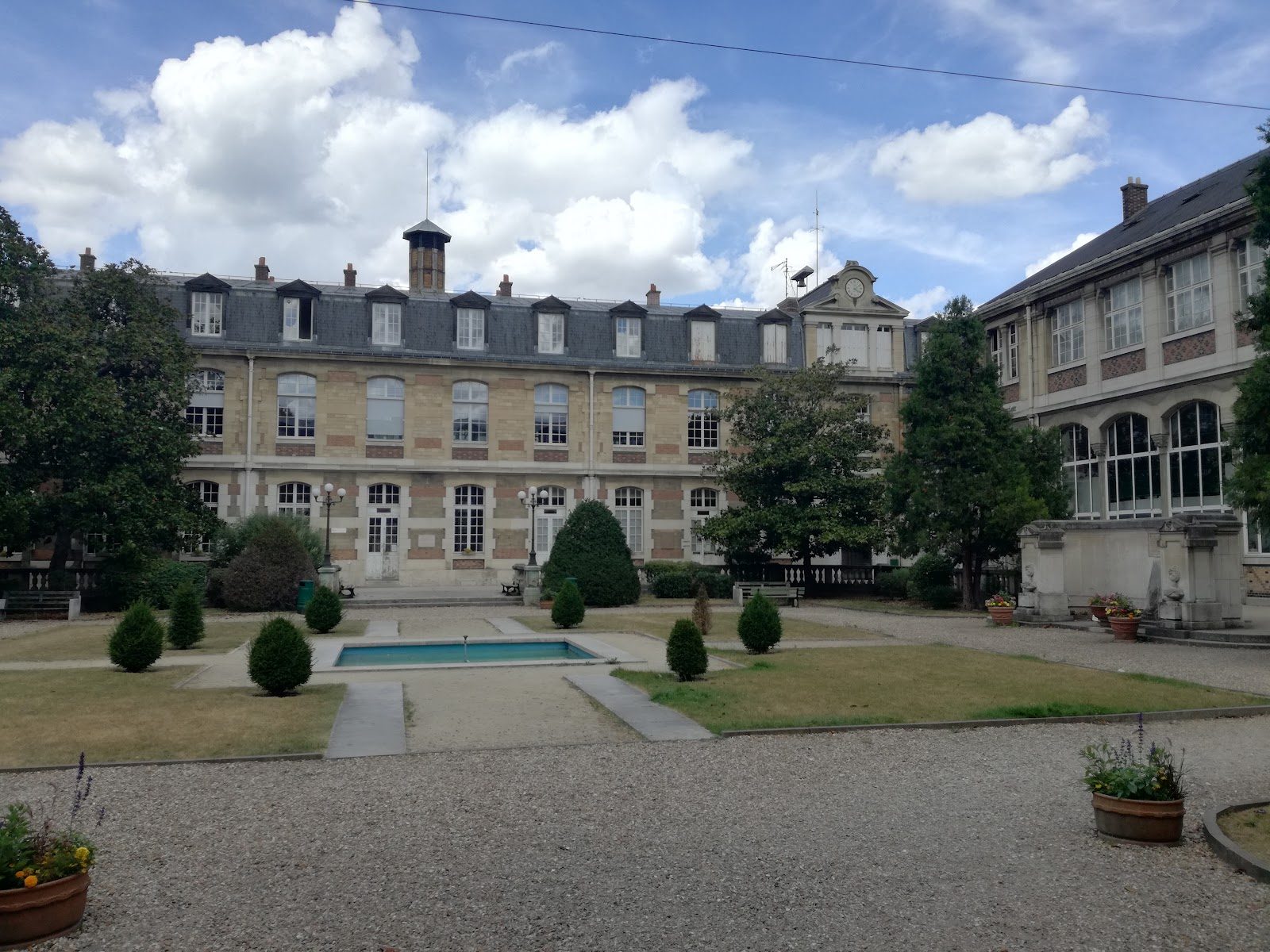
Lycée Janson-de-Sailly
Paris · France
A jilted lawyer's bequest built a 16th-arrondissement giant whose prepa classes still funnel thousands into France's grandes ecoles.
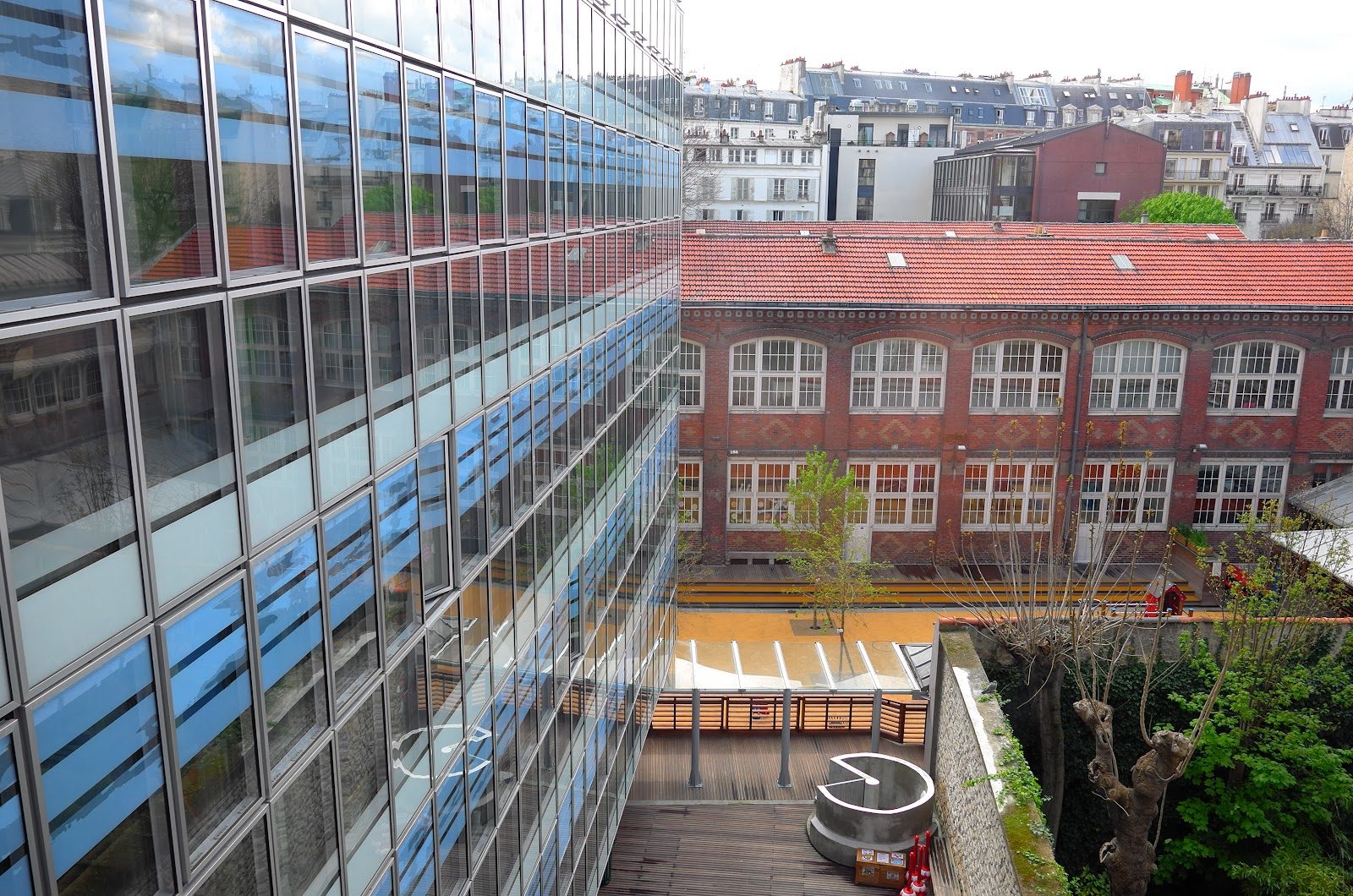
École Alsacienne
Paris · France
Founded by Alsatian refugees in 1874, a Left Bank laboratory for secular, progressive pedagogy that shaped France's republican school system.
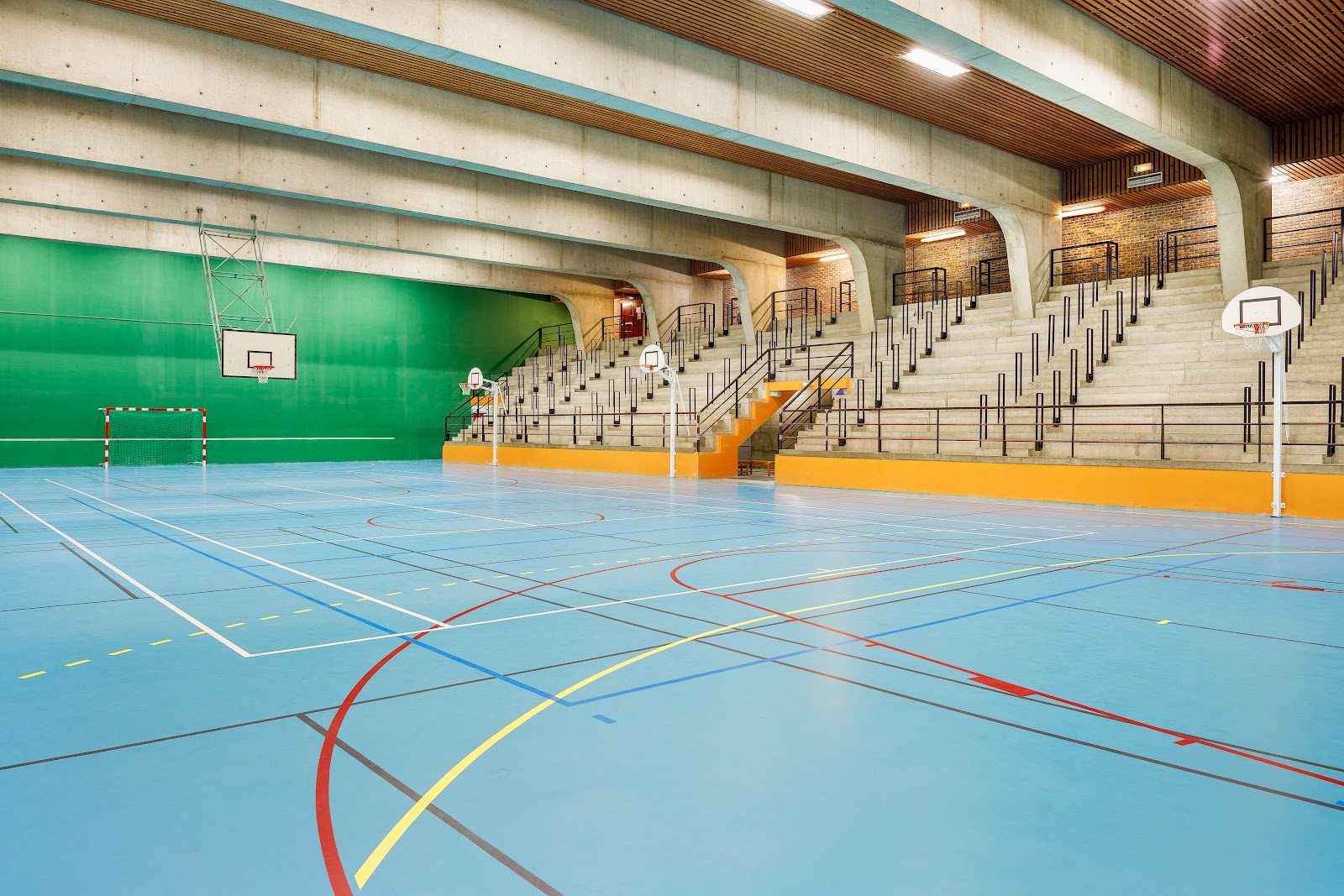
Collège Stanislas de Paris
Paris · France
In Montparnasse since 1804, this Catholic day school channels rigorous bac prep straight into France's grandes ecoles pipeline.
The British School of Paris
Paris · France
The only UK-government-accredited British School Overseas in France, pairing A-Levels and IB on the Seine west of Paris
Same country and curriculum — closest matches within ±10 points either way