
London
Emanuel School
high confidence· 6/6 cats · 3.25 avg sourcesA 1594 royal foundation on Wandsworth Common, where Thames-side rowing tradition meets steadily climbing GCSE results.
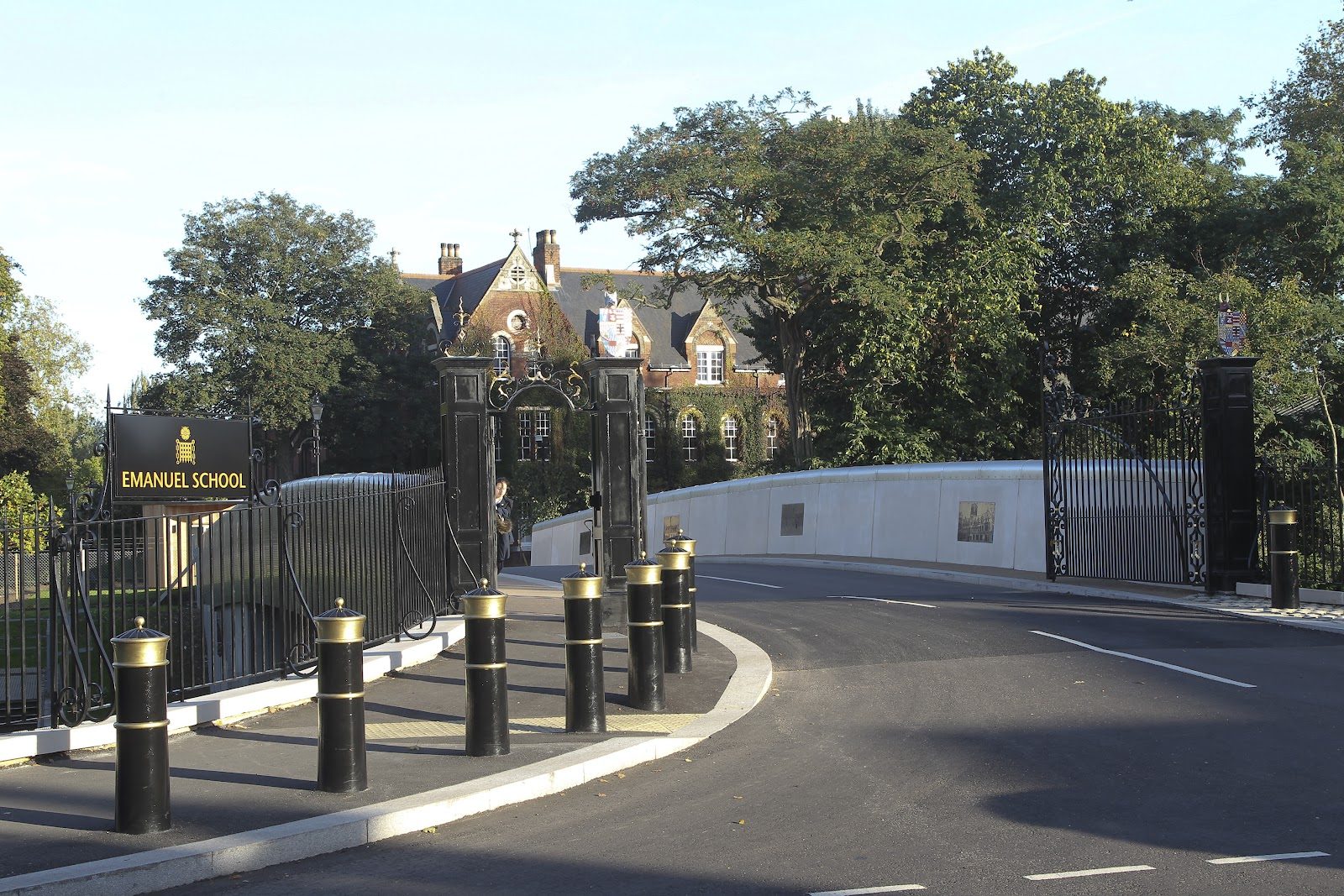
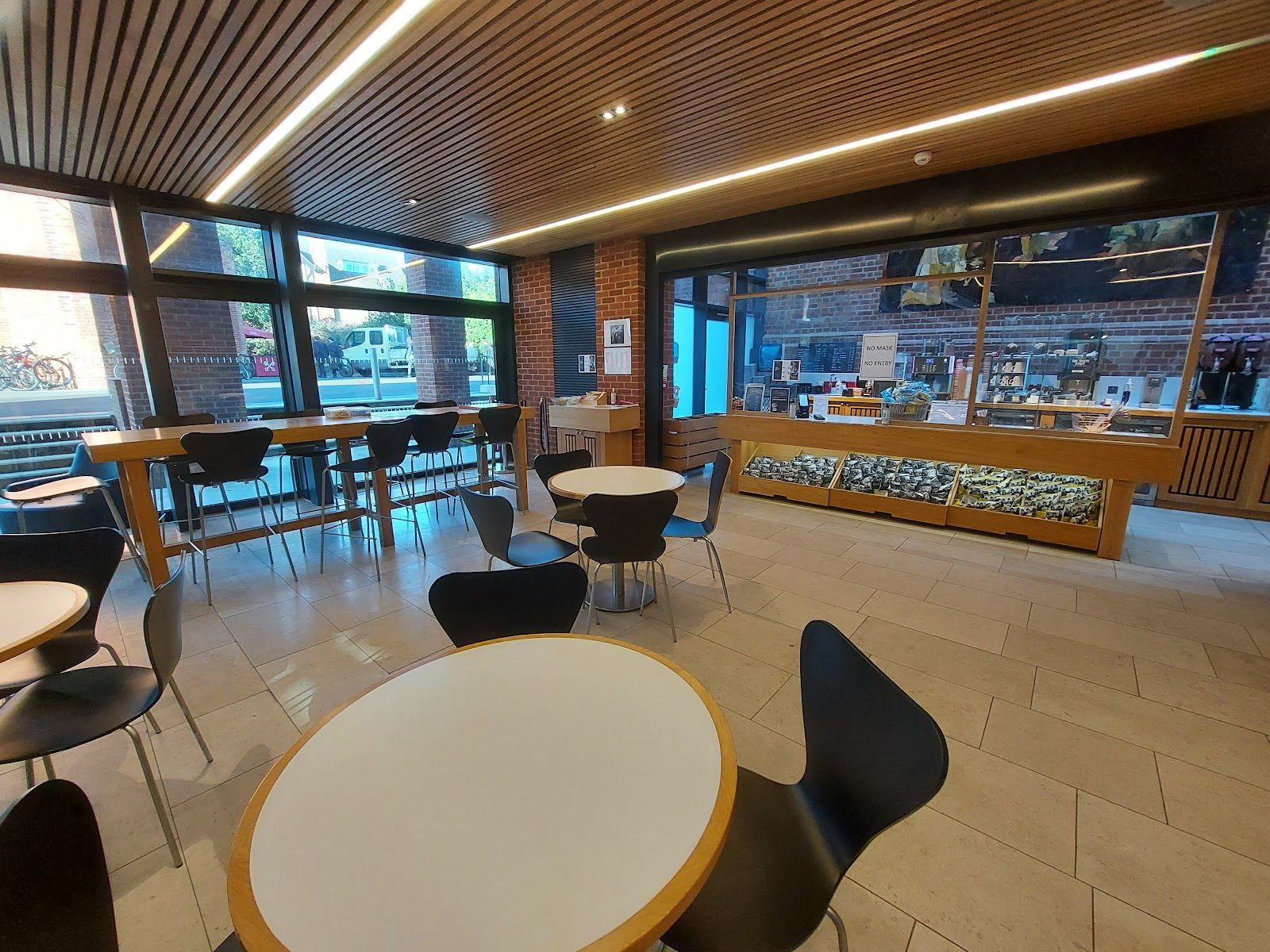
Photo © Jeremy Sharp via Google Maps
Type
Day
Ages
10–18
Curriculum
British
Qualifications
A-Level · IGCSE
Ratio
—
The Verdict
Editor's commitment
Right for
London day-school families who want a British curriculum from ages 10–18, Anglican roots, HMC membership and serious rowing on Wandsworth Common.
Wrong for
Families seeking boarding, an IB pathway or a secular school; Emanuel is day-only, British-curriculum, Anglican and rooted in London life.
Watch out for
Founded in 1594 and polished by strong branding, Emanuel still charges independent-school fees; test whether the academic climb matches your child, not the narrative.
Ranking breakdown
Emanuel School · #528 of 1591
Composite score 69.9. 8 weighted criteria.
By criterion
Academic Outcomes
Weight 20%
#511
of 1529 scored
University Placement
Weight 16%
#516
of 1529 scored
Prestige & Heritage
Weight 12%
#552
of 1529 scored
Alumni Network
Weight 12%
#454
of 1529 scored
Facilities
Weight 12%
#676
of 1529 scored
Transparency & Communications
Weight 8%
#594
of 1529 scored
Peer & Industry Review
Weight 10%
#637
of 1529 scored
Admissions Selectivity & Demand
Weight 8%
#400
of 1529 scored
Score history
Emanuel School · 2026
Movement across 2024–2026. Peer average overlaid.
Overall — 2024–2026
69.9/ 100
▲ +15.4 vs 2025
year on year
Peer & Industry Review
How Emanuel School is regarded in the sector
68
Respected · medium confidence
Emanuel School has earned a solid and rising reputation among London's competitive day schools, with the Good Schools Guide judging its trajectory "an astonishing evolution," driven by results that have "improved exponentially, with consequent rise up league tables." The Independent Schools Council notes it is "consistently ranked among the top 50 independent schools," while the Telegraph placed it in the top 30 independent schools for GCSE, and Sunday Times Parent Power tables have tracked it climbing from 189th to 99th place nationally. Its Headmasters' and Headmistresses' Conference membership and a genuinely notable alumni roster, including the inventor of the World Wide Web, lend it credible institutional weight. It remains, however, a school still "chasing the likes of St Paul's or Westminster" rather than sitting among that top-tier bracket itself.
Evidence sources
Editors' overview
Emanuel occupies a useful niche in London’s independent day-school market: old foundation, strong co-education, and a track record of academic rise without the monastic severity that puts off many families. Founded in 1594 and set on a 12-acre site by Wandsworth Common, it offers the appeal of heritage with a modern operating model. The school’s own framing is blunt: results have climbed, bursary provision has expanded, and co-curricular life carries real weight. That combination matters. Plenty of London schools can claim tradition; fewer marry it to serious academic momentum, visible investment in widening access, and a campus footprint that gives pupils room to breathe.
What distinguishes Emanuel is breadth with edge. This is a British curriculum day school for ages 10 to 18, Anglican in foundation, with rowing, sport, music and drama woven into the school’s identity rather than parked at the margins. The rowing tradition carries old south-west London prestige, but the wider offer is broader than that cliché: 50+ clubs and societies, major emphasis on sport, and a new STEM and refectory building that points to current capital ambition rather than inherited polish. The headline academic number is strong: 75% scored grades 9–8 at GCSE in 2025. That places Emanuel firmly in the conversation for families who want high attainment without sending a child into a pressure-cooker defined by exam technique alone. The latest ISI language on pupils’ self-knowledge, self-confidence and empathy also matters; schools do not earn that wording by accident.
Why shortlist it? Because Emanuel gives parents a rare blend of earned confidence, institutional depth, and a genuinely full school life. It has enough academic credibility for ambitious families, enough co-curricular range for pupils with energy beyond the classroom, and enough scale to avoid the thinness that afflicts smaller independents. Its alumni footprint is also substantial, with verified strength across politics, scholarship, writing, acting and sport. The weak point is the one common to many prosperous London day schools: success brings competition, and competition can harden the atmosphere for children who need a slower pace or a narrower brief. This is not the place for a child who wants anonymity or a school day stripped to lessons and home.
The pupil who fits Emanuel best is bright, engaged and ready to use the whole institution. This school suits children who want strong teaching, but also real camaraderie, visible opportunity and a campus culture that rewards participation. Rowers, musicians, actors, team-sport players and academically driven all-rounders will find a lot to work with here. So will families who want social breadth with standards rather than old-school social signalling. Emanuel’s pitch is clear: a historic London day school that has sharpened its academic performance while keeping its humanity intact. For many parents, that is exactly the point.
Academic Performance
Emanuel’s external results place it in the upper tier of London co-educational independents, and the school is right to foreground them. The headline GCSE figure already cited tells you the core story: this is not a charming all-rounder with middling academics, but a school with serious exam traction. More important than one strong set of grades is the direction of travel. The school itself talks about results improving “exponentially” and a rise up the league tables; stripped of the flourish, that points to a clear institutional shift from good to genuinely competitive. For parents comparing it with the capital’s academic heavyweights, that matters. Emanuel now sits in the bracket where strong pupils can expect demanding teaching, credible stretch, and outcomes that hold up well against other selective day schools.
There are limits to the picture. We have not seen aggregate A-level statistics set out in the source extracts here, and the school does not publish enough in these excerpts to support a fine-grained subject-by-subject judgement. That opacity stops short of undermining the case, but it does matter when peers publish exhaustive score breakdowns and university destinations with forensic detail. Even so, the published examination signals are hard to dismiss. Emanuel fits best in the market as a high-performing broad church: academically ambitious, no longer playing catch-up, and stronger on public results than schools whose reputations still rest more on atmosphere, sport or social cachet than on what pupils actually achieve at the end of school.
Facilities
Emanuel’s physical advantage over many London day schools is simple: it has room to operate as a real school rather than a vertical collection of classrooms. The site supports the parts of the offer that matter most to families choosing this bracket of co-educational independent education: sport, music, drama and rowing all have visible institutional backing, not token timetable space. The strongest current facilities story is the capital programme, with a new STEM and refectory building now far enough along to register as a material upgrade rather than an aspiration. Add to that the school’s own emphasis on sport as a flagship strength and a co-curricular menu of 50+ clubs and societies, and the picture is of a campus built for high-usage school life. In a city where many peers trade on reputation while making do with cramped urban compromises, Emanuel holds a practical edge.
Against competitors, that matters most in breadth rather than architectural spectacle. This is not one of the London independents with a museum-grade arts centre or a university-scale science complex trumpeted as a destination in itself. What Emanuel offers instead is well-targeted functional strength: enough space, enough specialist provision, and enough outdoor capacity to let pupils do things properly. The rowing emphasis sharpens that identity further; few schools can fold that tradition into daily life with equal credibility. Parents weighing peers should read the facilities as serious, well-used and improving fast rather than glamorous for its own sake.
Because Emanuel gives parents a rare blend of earned confidence, institutional depth, and a genuinely full school life
Prestige
Emanuel carries real London independent-school standing, but not the automatic social dominance of the capital’s oldest boys’ brands or the most selective academic powerhouses. Its prestige rests on a stronger foundation: sustained institutional substance. The school combines a royal foundation, a well-known south-west London setting, a long-established old-Edwardian network, and a public profile that reaches beyond the classroom into sport, music and drama. The alumni record reinforces that status. A verified floor of 60 notable former pupils across politics, scholarship, writing, performance and elite sport gives Emanuel more than local name recognition; it gives the school credible cultural reach. That matters for families who want a school with history and connections, but not one trapped in museum-glass tradition.
The rating also reflects momentum. Emanuel is not prestigious on nostalgia alone. Its improving academic profile, visible investment in new buildings, and emphasis on funded access push it into the category of schools with earned prestige rather than inherited gloss. The rowing association still carries cachet in this part of London, and the broader co-curricular offer strengthens the sense of a school that produces polished, outward-facing pupils rather than narrow examination machines. The caveat is clear: this is serious prestige, not untouchable prestige. In the pecking order of London independents, Emanuel sits below the most socially mythologised and academically ferocious names, but above the crowded field of pleasant, competent schools without distinctive weight. For many families, that is the sweet spot.
That does not damage trust, but it does stop short of the hard-edged transparency that the strongest communicators deliver
Communications
Emanuel communicates with parents through a well-organised digital front door backed by the standard independent-school portal structure: separate parent and pupil portals, a visible calendar spine, policy access, admissions FAQs, news updates, fixtures, newsletters and route-specific entry pages. That matters because it tells you the school does not treat parent communication as an afterthought buried under branding. Navigation is clean, the major practical channels are easy to find, and the school gives parents clear pathways into the areas they care about most: admissions, school life, pastoral provision, results, higher education guidance and events. The presence of an active news feed and a named newsletter also points to a school that understands communication as an ongoing rhythm rather than a once-a-term data dump.
The effectiveness is good rather than exceptional. Emanuel publishes enough to convey the shape of the school and the priorities of senior leadership, and it does a solid job of linking academic, pastoral and co-curricular life into one coherent story. Parents get a reassuringly functional sense of how the school runs. The limitation is depth. For a school in this bracket, parts of the public information remain less forensic than the best competitors: there is not much granular outcome data in the extracts here, and the tone tilts at points into testimonial and award-led promotion. That does not damage trust, but it does stop short of the hard-edged transparency that the strongest communicators deliver. Overall, Emanuel communicates with competence, structure and confidence, without setting a new benchmark.
Uniqueness
What marks Emanuel out is not heritage alone, nor raw results alone, but the way it fuses high-functioning all-round education with a social tone that stays open rather than forbidding. Plenty of London independents offer one of those things. Fewer deliver both without sliding into either brittle academic intensity or glossy co-curricular theatre. Here, rowing, music, drama, sport and academic ambition sit in the same institutional frame and carry equal legitimacy. That gives pupils a school culture where achievement has more than one shape. A strong mathematician is not the only child with status; nor is the polished extrovert who lives on the stage or river. The result is a broader definition of success than parents find at many competitors.
That breadth carries practical benefits. Pupils get access to a deep activities menu — 50+ clubs and societies — inside a school with the space and staffing to make participation real rather than decorative. Emanuel also stands apart for pairing this with a serious access agenda: funded places, outreach work, and public emphasis on widening opportunity. In a prosperous corner of the London market, that matters. It changes the social texture of the school and gives able pupils from different backgrounds a route into a less insular environment. Add the old-established alumni network and the current capital investment, and Emanuel offers students something distinct: a school with institutional heft that still rewards range, contribution and personal drive, not one narrow template of excellence.
Founded in 1594 and set on a 12-acre site by Wandsworth Common, it offers the appeal of heritage with a modern operating model
Student Profile
The Emanuel pupil is an engaged all-rounder with enough academic drive to enjoy stretch, but not so narrow that life outside lessons feels like a distraction. This school suits children who want to do things as well as study them: row before school, rehearse after it, play competitive sport, join societies, take the stage, and still care about grades. The social fit matters. Emanuel rewards pupils who participate, mix easily and cope well in a busy peer culture where achievement has several outlets and idleness has none. Children who value camaraderie, respond to adults who know them well, and like the rhythm of a full school day will do well here. The menu of 50+ clubs and societies is not decorative; it points to a student body expected to get involved.
The child who struggles most here is the one who wants to drift anonymously through school or keep life tightly compartmentalised. Emanuel has warmth, but it also has pace and expectation. That makes it a strong fit for energetic, outward-facing pupils and a weaker one for those who need a quieter, low-demand environment with less social and co-curricular pull. There is also a distinct south-west London confidence to the place: polished without being stiff, ambitious without turning joyless. Pupils with one strong passion — music, drama, sport, academic competition — can thrive, but the school’s instincts favour breadth. The best fit is a child ready to use the institution fully, not just attend it.
The school’s own framing is blunt: results have climbed, bursary provision has expanded, and co-curricular life carries real weight
Co-curricular strengths
Arts & sport, on a separate axis
Overall 9.18/10
Scored 0-10 from the school's own published evidence. This axis is editorial-only — it does not feed the main WTS ranking.
Sports
9.2/10
Football, Rugby, Netball, Cricket and Rowing, showing a solid multi-sport extracurricular offering, but gives no dedicated sports facilities, specialist staff or competitive results.
Drama
9.3/10
'Drama productions', which is stronger than a bare mention of drama because it indicates active staged participation.
Dance
8.7/10
Music
9.5/10
Both Orchestra and Choir, indicating structured ensemble music-making with visible participation.
Visual Arts
9.2/10
Editor first-pass · editor-reviewable · 7/28/2026
Notable alumni · Wikidata
60notable alumni
25 historic (born pre-1930) · 7 modern (born post-1970)wikidata:2026-07-28 How we source this
Strengths
- +Founded in 1594 and now co-educational, Emanuel occupies a leafy 12-acre site in Battersea about ten minutes' walk from Clapham Junction, giving it more space than many central London day schools.
- +The ISI 2026 inspection found that pupils develop levels of self-knowledge, self-confidence and empathy well beyond expectations for their age, identified as a significant strength.
- +2025 GCSE results were strong, with 46% of grades at the top grade 9 and over 75% graded 8 or above, as published on the school's own results page.
- +The school publishes both its GCSE and A-level results openly, and runs a widening-access programme through bursaries and funded places.
- +A broad co-curricular offer of more than 50 clubs and societies spans sport, music, drama, art, trips and Duke of Edinburgh, supported by dedicated facilities including a boat club.
Considerations
- −Entry at 10+, 11+, 13+ and 16+ is by the school's own competitive papers in English, maths and verbal reasoning plus interview, and places at the main 11+ intake are oversubscribed.
- −Fees are a significant recurring cost before extras such as trips, music tuition and exam fees are added.
- −Emanuel operates as a day school, so relocating families would need to arrange separate accommodation and daily transport.
- −The school retains a Church of England character, which may not suit families seeking a strictly secular or religiously neutral environment.
Availability
Primary entry gate & tests
11+ Written Exams / 16+ Exams
Gallery
Photo © Emanuel School via Google Maps
Recommended reading
Independent write-ups of this school from editorial outlets we trust.
- Emanuel School reviewGood Schools Guide
Parent reviews
Have you sent your child here?
Voice reviews carry the strongest trust badge — we transcribe them for you to tidy up before they go live. Prefer to type? A written review is fine too.
Add your voice
In 60 seconds, tell other parents: what's the best thing about Emanuel School, and what surprised you when your child joined?
We ask for a Google sign-in so every review has a real face behind it — no anonymous drive-by attacks on schools, and no faked positive reviews. Your email is never shown publicly.
Send this profile to a friend
International parents rely on word-of-mouth. Share this review with someone weighing the same decision.
Schools with places
Similar schools to Emanuel School with places available now.
Availability first, then country, area, curriculum, price, co-curricular
Consider also
Also worth looking at alongside Emanuel School.
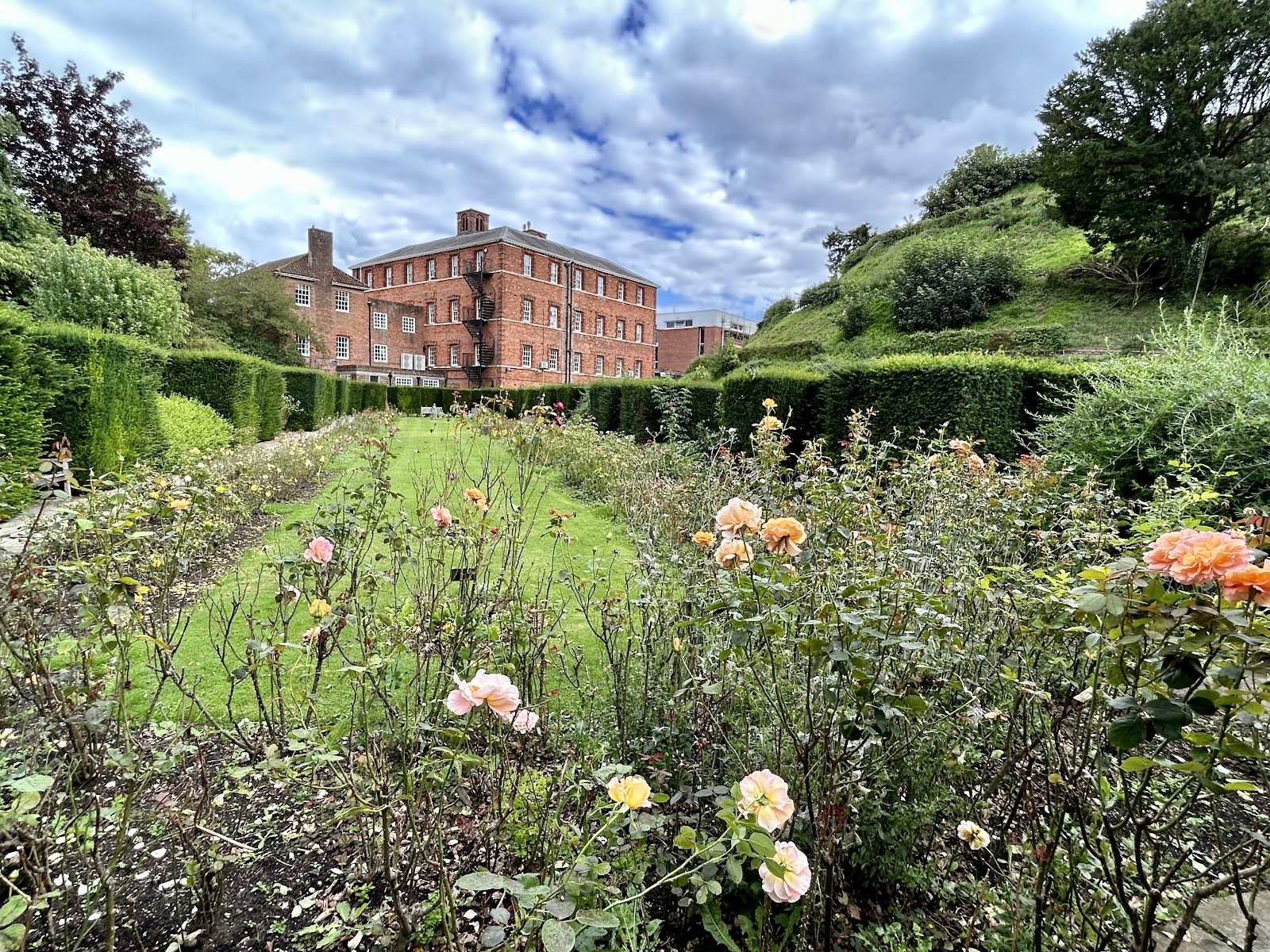
Marlborough College
Marlborough · United Kingdom
A 4,000-year-old Neolithic mound anchors a Wiltshire campus that pioneered co-education among Britain's boarding schools.
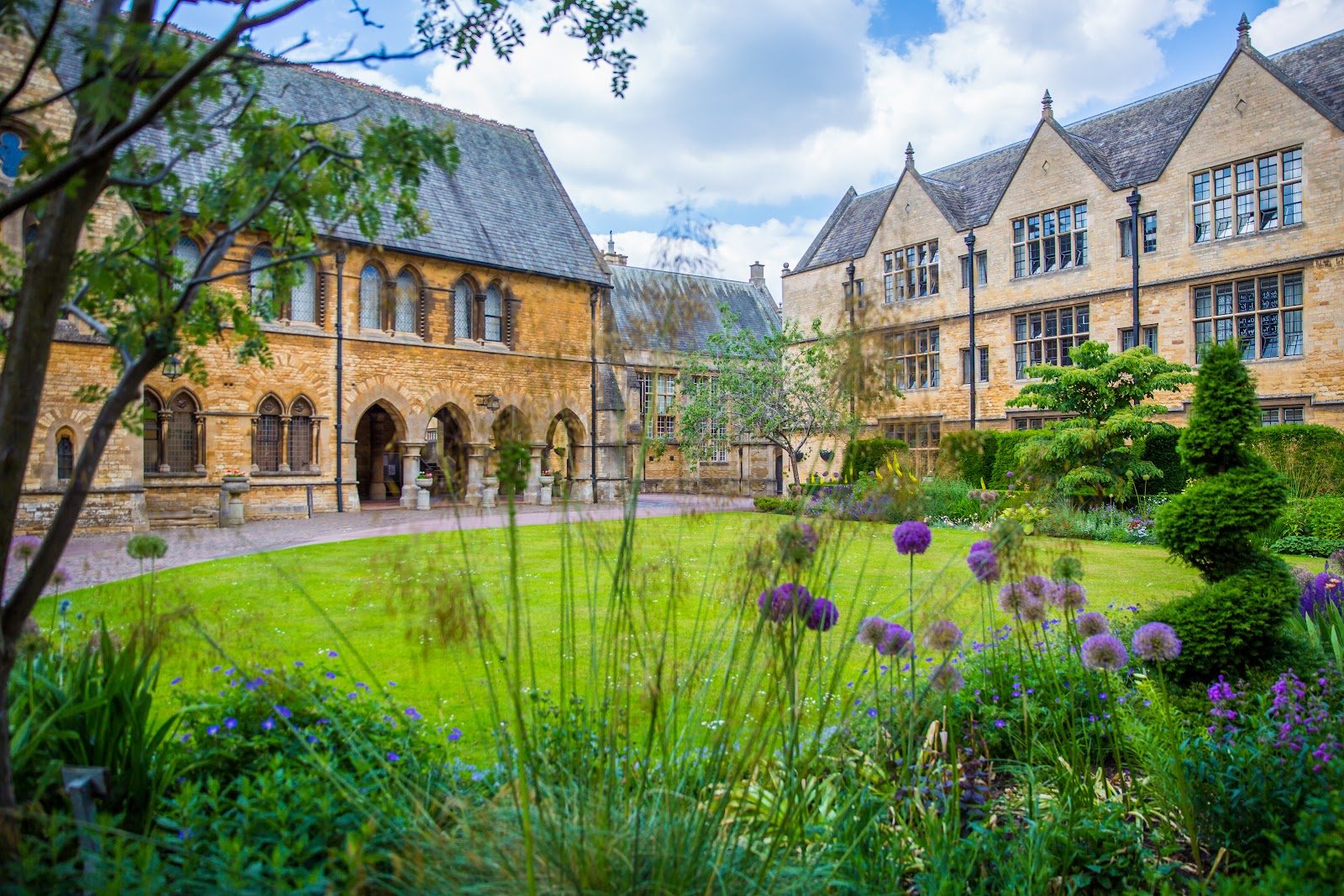
Uppingham School
Uppingham · United Kingdom
A Rutland boarding school where Thring's music-first Victorian philosophy still shapes seven-day house life today
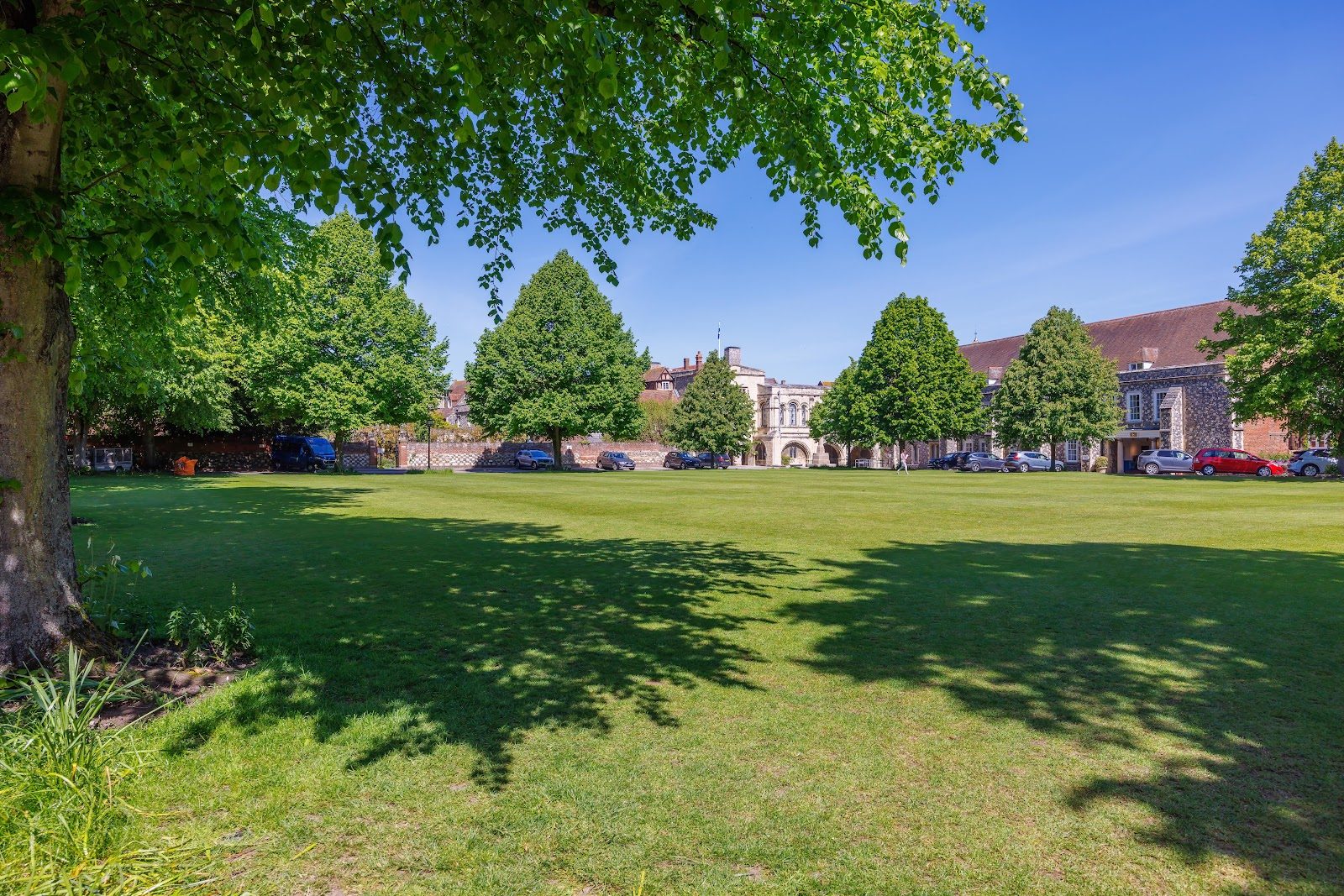
The King's School, Canterbury
Canterbury · United Kingdom
Inside Canterbury Cathedral's UNESCO precincts, lessons have run unbroken since 597 AD, folding King's Week festivities into daily life.
Radley College
Abingdon · United Kingdom
Eleven 'Socials' boarding houses anchor a full-boarding, all-boys community on an 800-acre Oxfordshire estate with its own golf course.
Same country and curriculum — closest matches within ±10 points either way