
Greater London
Latymer Upper School
high confidence· 6/6 cats · 3.33 avg sourcesA 1624-founded, non-denominational day school in Hammersmith prized for its stellar Oxbridge and Russell Group outcomes.
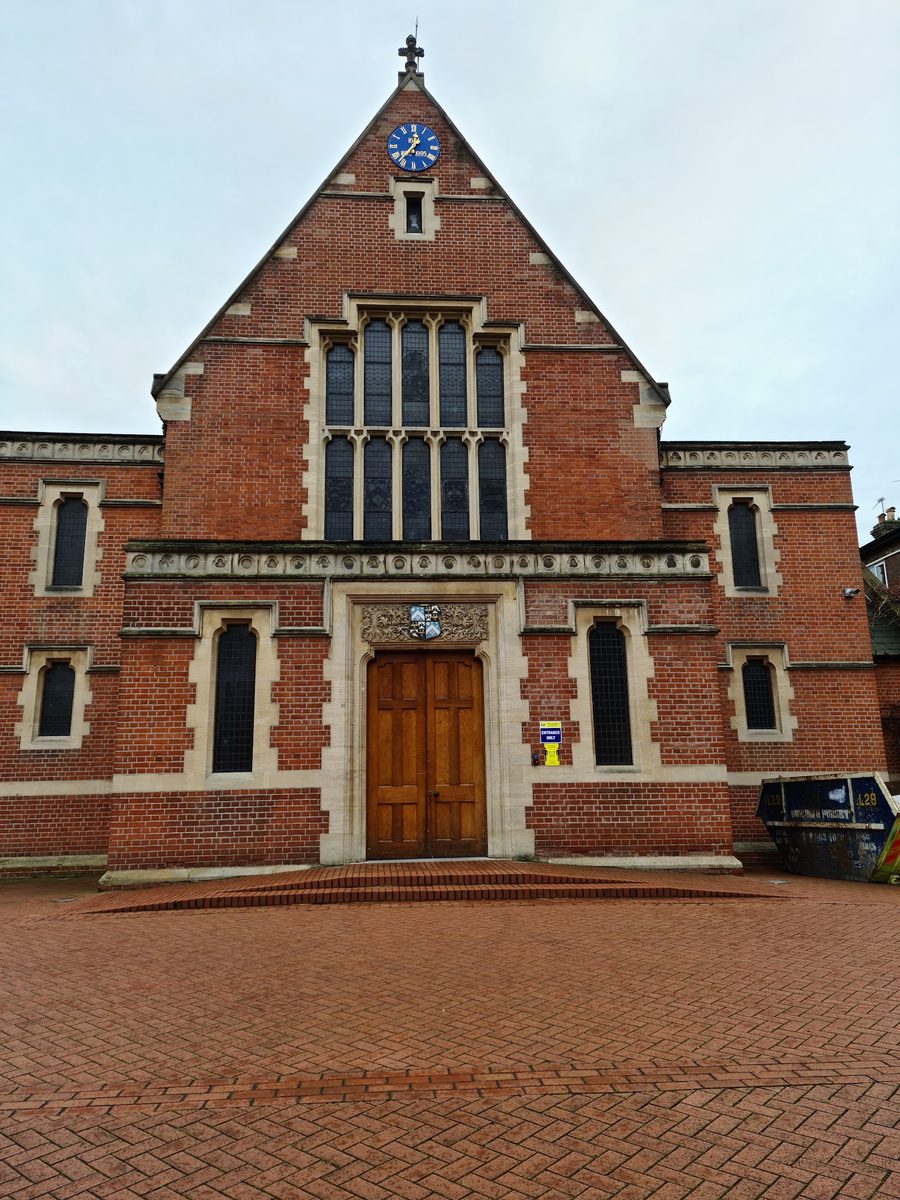
Photo © Marco Domizio via Google Maps
Type
Boarding
Ages
11–18
Curriculum
British
Qualifications
A-Level
Ratio
—
The Verdict
Editor's commitment
Right for
Academic high-flyers who want a British education with serious outcomes: 14 Oxbridge places in 2024 and 85% into top-100 universities.
Wrong for
Families wanting full boarding or a softer religious identity; this Anglican school is marketed by the school itself as co-educational day provision.
Watch out for
Fees are steep at an average £30,000 a year for day pupils, and the published destinations skew hard towards Cambridge, Oxford and UCL.
Ranking breakdown
Latymer Upper School · #373 of 1591
Composite score 70.9. 8 weighted criteria.
By criterion
Academic Outcomes
Weight 20%
#92
of 1529 scored
University Placement
Weight 16%
#59
of 1529 scored
Prestige & Heritage
Weight 12%
#91
of 1571 scored
Alumni Network
Weight 12%
#1373
of 1530 scored
Facilities
Weight 12%
#339
of 1533 scored
Transparency & Communications
Weight 8%
#123
of 1532 scored
Peer & Industry Review
Weight 10%
#134
of 1548 scored
Admissions Selectivity & Demand
Weight 8%
#143
of 1529 scored
Score history
Latymer Upper School · 2026
Movement across 2024–2026. Peer average overlaid.
Overall — 2024–2026
70.9/ 100
▲ +13.9 vs 2025
year on year
Peer & Industry Review
How Latymer Upper School is regarded in the sector
90
Top-tier · high confidence
Latymer Upper ranks among the most consistently admired co-educational day schools in London, with The Good Schools Guide's independent verdict declaring "we love this school - what's not to love?" and praising it as "purposeful, confident, outward looking and utterly unpretentious." WhichSchoolAdvisor's review, drawn from ISI reports and consultant visits, singles out the school's bespoke Global Goals and World Perspectives courses as a "particular strength of the school curriculum" in the regulator's own assessment. Independent league-table analysis reinforces the standing, with the school ranked twenty-second nationally on performance tables by one reviewer and 25th in England for A-Level results by another. Its scale of bursary provision, offering means-tested support to one in four Upper School pupils with average fee remission over 80%, is repeatedly cited as evidence of genuine social breadth rather than marketing spin, cementing its place as a benchmark London day school.
- Hugh Grant — Actor, Film/TV
- Alan Rickman — Actor, Film/Theatre
- Mike Leigh — Film Director, Cinema
Editors' overview
Latymer trades on academic power, social range and a rare sense of metropolitan ease. This is a co-educational British school in Hammersmith for ages 11–18, founded in 1624, with ISI and HMC credentials and a student body of over 1,440. The strongest point in its favour is that it combines serious intellectual ambition with a bursary tradition that is not cosmetic: the school says it has created 30+ bursaries annually since 2024, and that commitment matters in a London day-school market that too often talks about access more than it funds it. Parents who want a polished country-house atmosphere should look elsewhere. Latymer is urban, fast-moving and *unpretentious by independent-school standards*.
The academic case is straightforward. Recent university outcomes are excellent: from 175 leavers in 2024, 85% went to top-100 universities, with 14 to Oxbridge and 45 to Russell Group institutions; the most common destinations included Cambridge, Oxford and UCL. The school’s own headline on results is blunt enough too: 93% of A-level grades at A*–B, and 98% of university applicants securing their first choice. That places Latymer firmly in the top academic tier of London day schools. It also tells you what kind of child thrives here: bright, self-propelled, comfortable in a competitive peer group, and keen to use a big co-curricular menu rather than hide from it. This is not the right school for a pupil who needs constant hand-holding or a gentler academic tempo.
Cost sits exactly where the market would expect for a school of this calibre: an average annual day fee of £30,467, with boarding at £55,000. What justifies a shortlist place is not only the results but the texture of the place: a 400-year-old foundation, a high-functioning co-ed culture, and an alumni bench that runs deep across politics, scholarship, journalism, the arts and sport, with 115 notable alumni catalogued in Wikidata. Latymer suits families who want brainy, worldly company rather than cloistered tradition, and students who will relish a school that is demanding, busy and unsentimental about high performance.
Academic Performance
Latymer sits in the sharp end of London academic selection. The headline A-level figure — 93% at A*–B — puts it well above the national independent-school baseline and keeps it in direct competition with the capital’s strongest co-educational day schools. The university data reinforces that picture rather than decorating it: 98% of applicants secured a first-choice place, and the destination pattern points to a school that converts sixth-form attainment into admissions success with serious consistency. This is not a school trading on reputation while keeping outcomes vague. It publishes enough to show that pupils leave with grades and offers that match the school’s high-pressure academic culture.
The caveat is one of granularity, not quality. The school advertises strong headline outcomes, but the public picture is thinner than at some peers that publish full grade distributions across both GCSE and A level year by year. Parents comparing London’s top tier school by school will notice that gap. Even so, the available numbers place Latymer firmly among the top-flight academic operators: demanding in intake, exacting in expectation, and effective at moving able pupils into elite universities. For families seeking a softer or more forgiving academic environment, that is a warning as much as a selling point. For families who want hard-edged academic delivery with clear evidence behind it, Latymer holds its ground.
Facilities
Latymer’s physical offer is strong where it matters most for an ambitious London day school: academic support spaces, arts provision and sport that works inside an urban footprint rather than pretending to be a country campus. The school flags a library, dedicated lower, middle and sixth-form academic areas, and specialist provision across music, drama, art and sport. That breadth puts it in the right company among London’s top independent co-educational schools. The key distinction is not acreage or architectural theatre; it is high-utility provision for pupils who will use rooms hard, move quickly between commitments and expect the school day to run at pace. Parents looking for grandiose grounds or boarding-house atmosphere will not find that here.
Against peers, Latymer’s facilities read as serious rather than showy. The on-site prep school and upper school arrangement gives the campus more continuity than many squeezed central-London competitors, while the emphasis on clubs, societies, trips and activities points to spaces built for a busy, high-output student culture rather than occasional showcase use. The public information is thinner on flagship capital assets than at schools that publish exhaustive tours of science suites, theatres or sports centres, so the school leaves some questions unanswered about standout infrastructure. That matters at this fee level. Even so, for a day school serving over 1,440 pupils, the overall picture is of a well-tooled metropolitan campus with enough specialist provision to support demanding academic and co-curricular lives.
I rate Latymer as genuinely top-tier within the British day-school market, and especially strong in the co-educational London field
Prestige
Latymer’s prestige rests on three things that carry real weight with informed parents: selective entry, sustained academic conversion, and a social profile that reaches beyond the usual independent-school enclaves. This is not cachet built on uniform folklore or country-house polish. It is built on outcomes, on a name that admissions tutors recognise, and on a London reputation strong enough for the school to market itself with unusual confidence. The most persuasive marker is the alumni bench: 115 notable former pupils catalogued in Wikidata across politics, scholarship, journalism, the arts and sport. That breadth matters. It points to a school with serious intellectual inheritance and a network that extends into public life, not just the City and the dinner circuit. The bursary record adds a second layer of standing: social range with substance, not token access language.
I rate Latymer as genuinely top-tier within the British day-school market, and especially strong in the co-educational London field. The prestige is not old-school theatricality; it is *high-functioning, metropolitan and hard-earned*. The school also benefits from external validation that cuts through self-congratulation: the Sunday Times Parent Power line, the Tatler praise, and the Good Schools Guide verdict quoted on its site all reinforce a reputation already established in the market. The limit is clear enough. Latymer does not trade in the rarefied mystique of Eton, Westminster or St Paul’s, and families chasing that specific brand of national status will know the difference. For many modern parents, that is a strength rather than a deficit.
That places Latymer firmly in the top academic tier of London day schools
Communications
Latymer communicates with parents in a clean, functional, high-frequency way. The website does the heavy lifting: admissions routes are easy to find, sample papers are public, bursary information sits in plain view rather than behind enquiry gates, and academic, pastoral and co-curricular sections are separated sensibly. That matters. Schools serving selective families need to explain process without clutter, and Latymer does. The news feed is active, results and destinations have their own navigation, and practical pages such as policies, term dates and staff information are not buried. The tone is confident to the point of swagger — “London’s leading co-educational day school” and a league-table boast on the front page — but at least the school states its case directly. I would take that over the gauzy self-congratulation many independents prefer.
The weakness is depth, not visibility. Latymer publishes enough to reassure an already interested parent, but not enough to satisfy the forensic comparer weighing it against the most transparent schools in the market. The site advertises headline outcomes and broad school strengths, yet detailed academic breakdowns and a fuller picture of day-to-day pastoral life are thinner than they need to be at fees averaging £30,467 a year for day pupils and £55,000 for boarding. That does not amount to poor communication; it amounts to controlled communication. Parents who value clarity on admissions, bursaries and the shape of school life will find it. Parents who want exhaustive disclosure will still have questions after the first read.
Uniqueness
What marks Latymer out is not heritage on its own, and not raw exam strength on its own, but the way it combines serious selectivity with a foundation story that still has practical force. Plenty of London independents talk about access; Latymer has a long charitable lineage and a current bursary operation big enough to affect the character of the school. That changes the intake and, in turn, the conversation in classrooms and corridors. The result is a less insulated social mix than parents find at many fee-charging competitors, without any drop in academic tempo. Add a co-educational structure and an unapologetically urban setting, and you get a school culture that feels metropolitan rather than mannered: bright pupils, busy timetables, sharp debate, and less patience for inherited polish as a substitute for substance.
For students, that mix brings tangible benefits. They get the pressure and opportunity of a top academic school, but inside a community with more range in outlook, ambition and background than the standard independent template. The university outcomes and alumni footprint back that up: this is a place with 115 notable former pupils catalogued in Wikidata and a recent leavers’ profile that sends students into demanding next steps, not just safe ones. The gain is real-world confidence. Pupils learn to hold their own with able peers, navigate difference, and operate in an environment that is demanding, brisk and adult-toned. For the right child, that is an excellent preparation for university and professional life.
Parents comparing London’s top tier school by school will notice that gap
Student Profile
Latymer suits bright, quick-processing children who enjoy being stretched and do not need their confidence protected from every setback. The intake is selective at the main entry points, and the culture rewards pupils who can cope with pace, competition and a crowded working week. The right student is intellectually ambitious, organised enough to juggle lessons with clubs, music, drama or sport, and comfortable speaking up in a room full of able peers. The school’s own language points to a community that values social inclusivity alongside high attainment, so this is not a narrow hot-house for polished privilege. It is a better fit for families who want sharp-minded, outward-facing company than for those chasing old-fashioned social theatre.
Children who thrive here tend to have a degree of self-possession early on. They do not need to be extroverts, but they do need resilience, curiosity and the ability to use a big school well. The co-educational day-school rhythm also matters: pupils head home each evening, keep one foot in ordinary London life, and move through a community large enough to offer range without anonymity. The bursary commitment and the university outcomes — including 98% securing first-choice places and 85% progressing to top-100 universities — reinforce the same point: Latymer works best for students who are *hungry, self-starting and realistic about pressure. If your child needs a softer, slower, more protective* environment, this is the wrong school.
That breadth puts it in the right company among London’s top independent co-educational schools
Co-curricular strengths
Arts & sport, on a separate axis
Overall 8.6/10
Scored 0-10 from the school's own published evidence. This axis is editorial-only — it does not feed the main WTS ranking.
Sports
8.5/10
Highly competitive in rowing and football on the Thames, utilizing modern indoor physical pavilions and dedicated boathouses.
Drama
9/10
Famous for its brilliant dramatic pedigree, running highly complex, intellectually ambitious student-led theater seasons.
Dance
7.5/10
Strong afternoon performance track providing core choreography assets for major collaborative musical theater shows.
Music
9.2/10
Outstanding musical depth; supports multiple jazz big bands, massive symphonies, and elite choirs with deep civic pipelines.
Visual Arts
8.8/10
Breathtaking visual studios producing top-tier design portfolios, digital multimedia creations, and fine art pieces.
Editor-verified · 8/6/2026
Outcomes & destinations
Where students go next
Editorial estimateClass of 2024
175 graduates
A-Level distribution
99% covered
- A*35%
- A32%
- B27%
- C5%
Top destinations
59 placements
- Cambridge· 8
- Oxford· 6
- UCL· 14
- Imperial College London· 8
- Durham· 7
- Bristol· 6
- Warwick· 5
- LSE· 5
Hammersmith co-ed day school with strong UCL flow.
Editor-approximated from the school's own leavers report. Awaiting school-attested figures.
Notable alumni · Wikidata
115notable alumni
30 historic (born pre-1930) · 21 modern (born post-1970)wikidata:2026-07-28 How we source this
The story in one line
73% achieved ≥ AAB in 2+ facilitating subjects·ISI Routine Inspection 2023
AAB with 2 facilitating subjects is the Department for Education's published predictor of admission to a top-third UK university: the pupil has scored high grades in at least two of the classic Russell-Group subjects (maths, sciences, English, history, geography, or a modern language). Independent schools don't appear in the state-only HE-destinations dataset, so this is the strongest DfE-verified sixth-form signal available. Source: DfE 16-18 school and college performance data · 2023/24. Value-added +0.34
DfE-verified statistics
Official GCSE data · 2024/2025
Progress 8
—
Value-added score. State-schools only; 0 = expected progress, +1 = one grade above.
Attainment 8
13.5
Average grade across 8 GCSEs (score out of 90). National ≈ 46.
EBacc average score
0.73
Avg grade across the 5 EBacc pillars (English, Maths, Sciences, Language, Humanity).
EBacc slots filled
1
How many of the 5 EBacc pillars pupils typically enter (max 5).
A-Level attainment
Cohort · 2023/24
Avg A-Level grade
A
APS per entry: 51.30
Best 3 grade
A+
Best-3 APS: 52.01
≥ AAB + 2 fac.
72.5%
Russell-Group predictor.
Progress (value-added)
+0.34
Above average
Read with care. Independent schools frequently sit IGCSEs or Pre-U qualifications instead of standard GCSEs — DfE data only counts standard GCSEs, so these numbers may reflect a partial cohort. For a fuller picture, cross-check with the school's own annually-published results.
URN 100370Verified · DfE 2024/2025
Official inspection
ISI report · 2023
Inspectorate
Independent Schools Inspectorate
The Government-approved inspectorate for English independent schools.
Latest report
14 November 2023
Routine Inspection
Report history
Verified · Independent Schools InspectorateSource-of-truth
Strengths
- +Highly selective co-educational day school with strong 2024 A-level outcomes: 35% at A* and 67% at A*–A, and 85% of leavers progressing to top-100 universities.
- +World-class music (9.2) and drama (9.0) provision, with elite sport (8.5) and visual arts (8.8), giving genuine co-curricular breadth alongside academic rigour.
- +One of the most extensive means-tested bursary programmes in the UK, with support up to full fee remission to widen access for able pupils from all backgrounds.
- +Academic and music scholarships available at 11+, including the Walter Legge Music Scholarship worth 40% of fees.
- +Long-established 1624 foundation with a notable alumni network spanning entertainment and public life, including Hugh Grant, Alan Rickman and Heston Blumenthal.
- +Named as the UK's No 1 co-educational day school in the Sunday Times Parent Power league tables 2025.
Considerations
- −Admissions are highly competitive at the main 11+ entry point, with roughly ten applicants per place.
- −Beyond tuition, families face additional costs at application stage, including a non-refundable registration fee and an acceptance deposit payable on accepting an offer.
- −The school operates principally from its Hammersmith site, so its academic model and pastoral system are not replicated elsewhere for families who later relocate.
- −A metropolitan urban campus offers less physical grandeur per pupil than large suburban or rural independents, with facilities split across two Hammersmith and Chiswick locations.
Availability
Primary entry gate & tests
11+ Written Exams
Gallery
Photo © Cormac Farrell via Google Maps
Photo © Luigi Duprez via Google Maps
Photo © Vlad Proudnikov via Google Maps
Photo © Maximus via Google Maps
Photo © Nigel Barrett (nigethegooner) via Google Maps
Photo © Cormac Farrell via Google Maps
Photo © MacO 777 via Google Maps
Photo © Marco Domizio via Google Maps
Photo © Latymer Upper School via Google Maps
Recommended reading
Independent write-ups of this school from editorial outlets we trust.
- Latymer Upper SchoolGood Schools Guide
Parent reviews
Have you sent your child here?
Voice reviews carry the strongest trust badge — we transcribe them for you to tidy up before they go live. Prefer to type? A written review is fine too.
Add your voice
In 60 seconds, tell other parents: what's the best thing about Latymer Upper School, and what surprised you when your child joined?
We ask for a Google sign-in so every review has a real face behind it — no anonymous drive-by attacks on schools, and no faked positive reviews. Your email is never shown publicly.
Send this profile to a friend
International parents rely on word-of-mouth. Share this review with someone weighing the same decision.
Schools with places
Similar schools to Latymer Upper School with places available now.
City of London School
London · United Kingdom
- 2026-27
- CLOSEDStandard route
- 2027-28
- PLACES OPEN11+/16+ Active
Emanuel School
London · United Kingdom
- 2026-27
- CLOSEDStandard route closed
- 2027-28
- PLACES OPEN11+ / 16+ active
University College School
London · United Kingdom
- 2026-27
- CLOSEDStandard route
- 2027-28
- PLACES OPEN11+ (9 Nov); 16+ (28 Sept)
St Paul's Girls' School
London · United Kingdom
- 2026-27
- CLOSEDStandard route
- 2027-28
- PLACES OPEN11+ Nov 6 / 16+ Sept 25
Availability first, then country, area, curriculum, price, co-curricular
Consider also
Also worth looking at alongside Latymer Upper School.
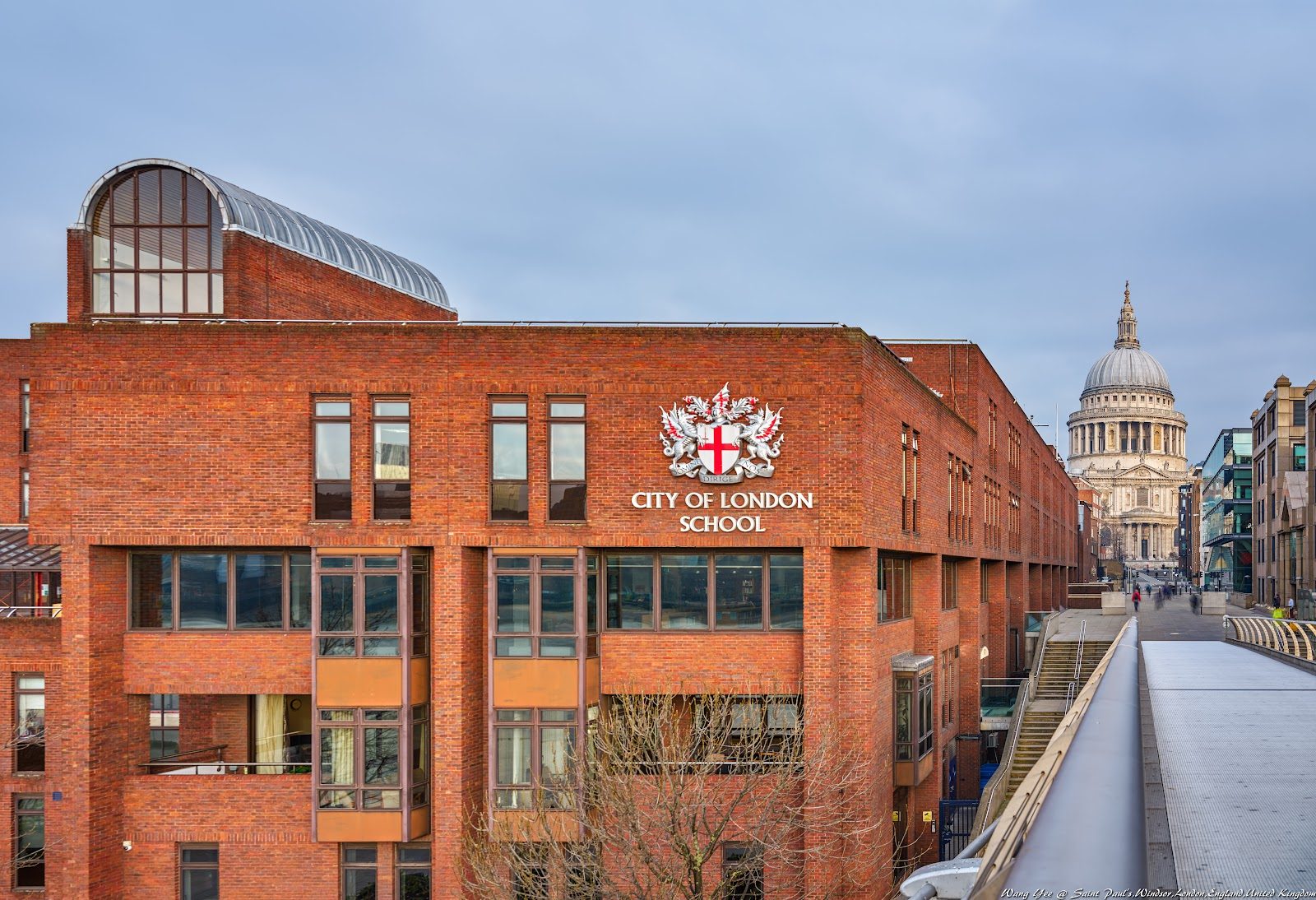
City of London School
London · United Kingdom
A 1442 bequest from the City's own Town Clerk still funds this rigorous day school perched on the Thames at Blackfriars.
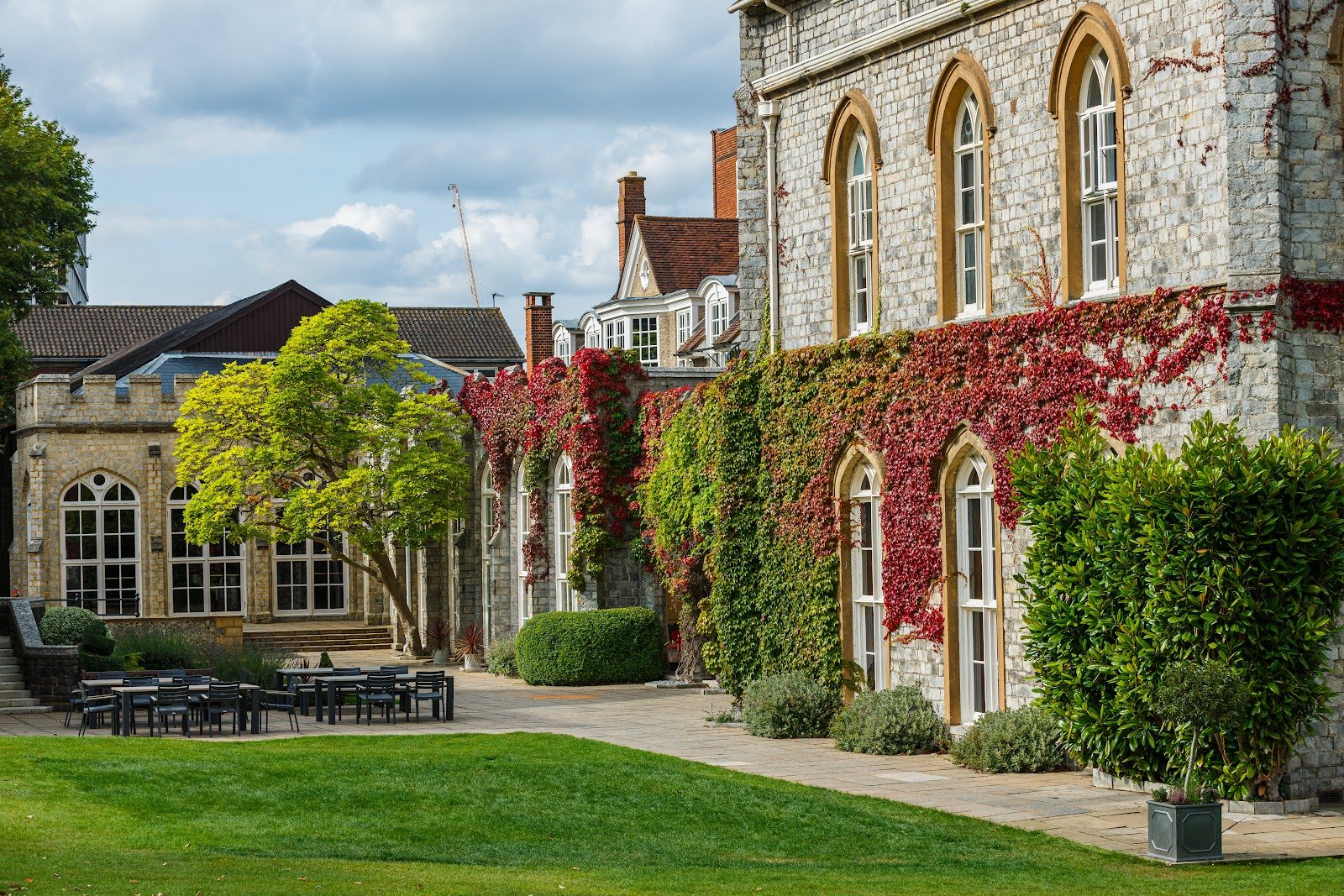
Wycombe Abbey
High Wycombe · United Kingdom
A Victorian pioneer's 1896 foundation, this Chiltern hills estate blends mixed-age boarding houses with one-in-five Oxbridge offers.
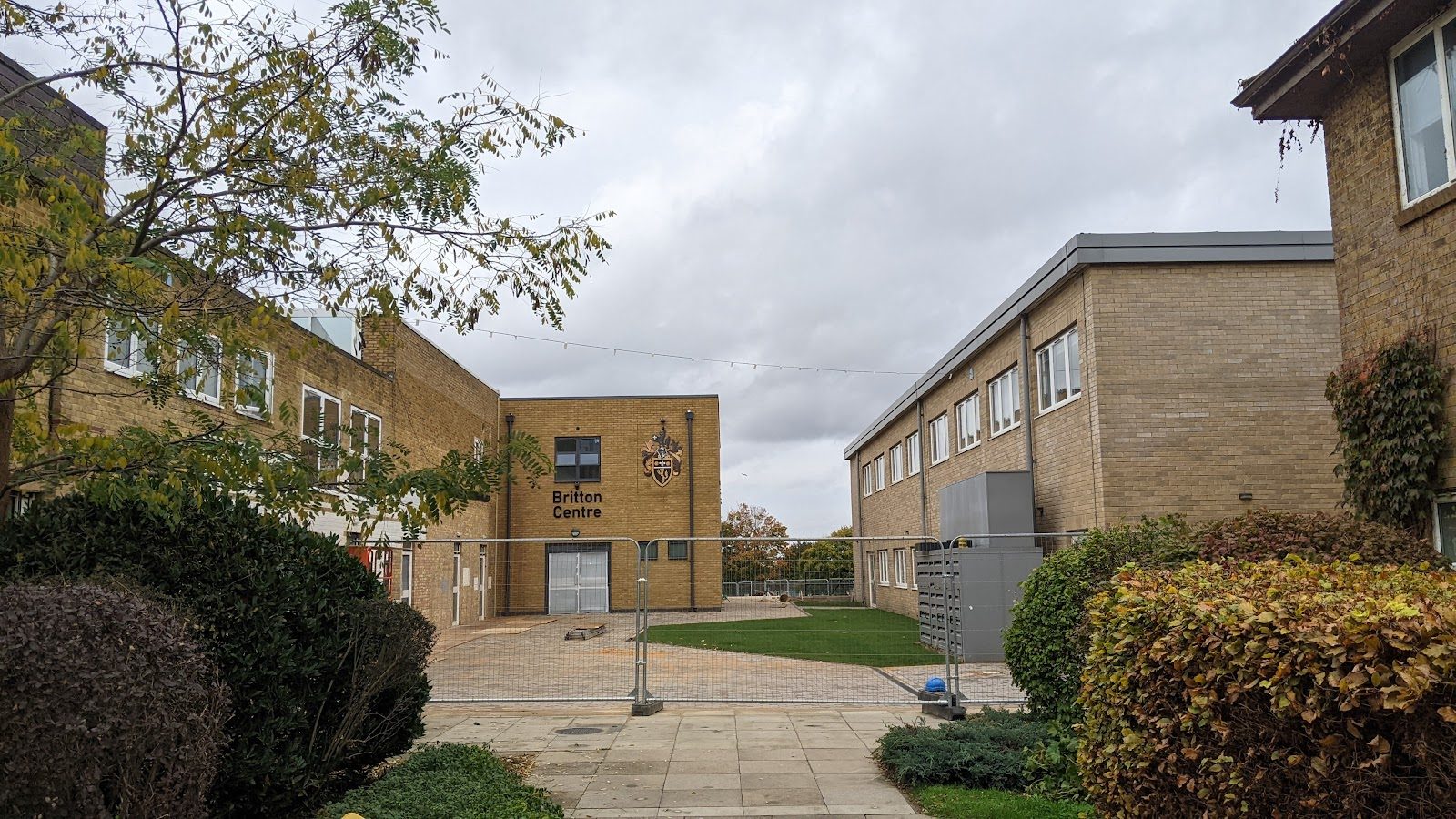
Wilson's School
Sutton · United Kingdom
A 1615 charity foundation turned super-selective grammar, thriving on a former Croydon airfield with a sharp focus on maths and computing.
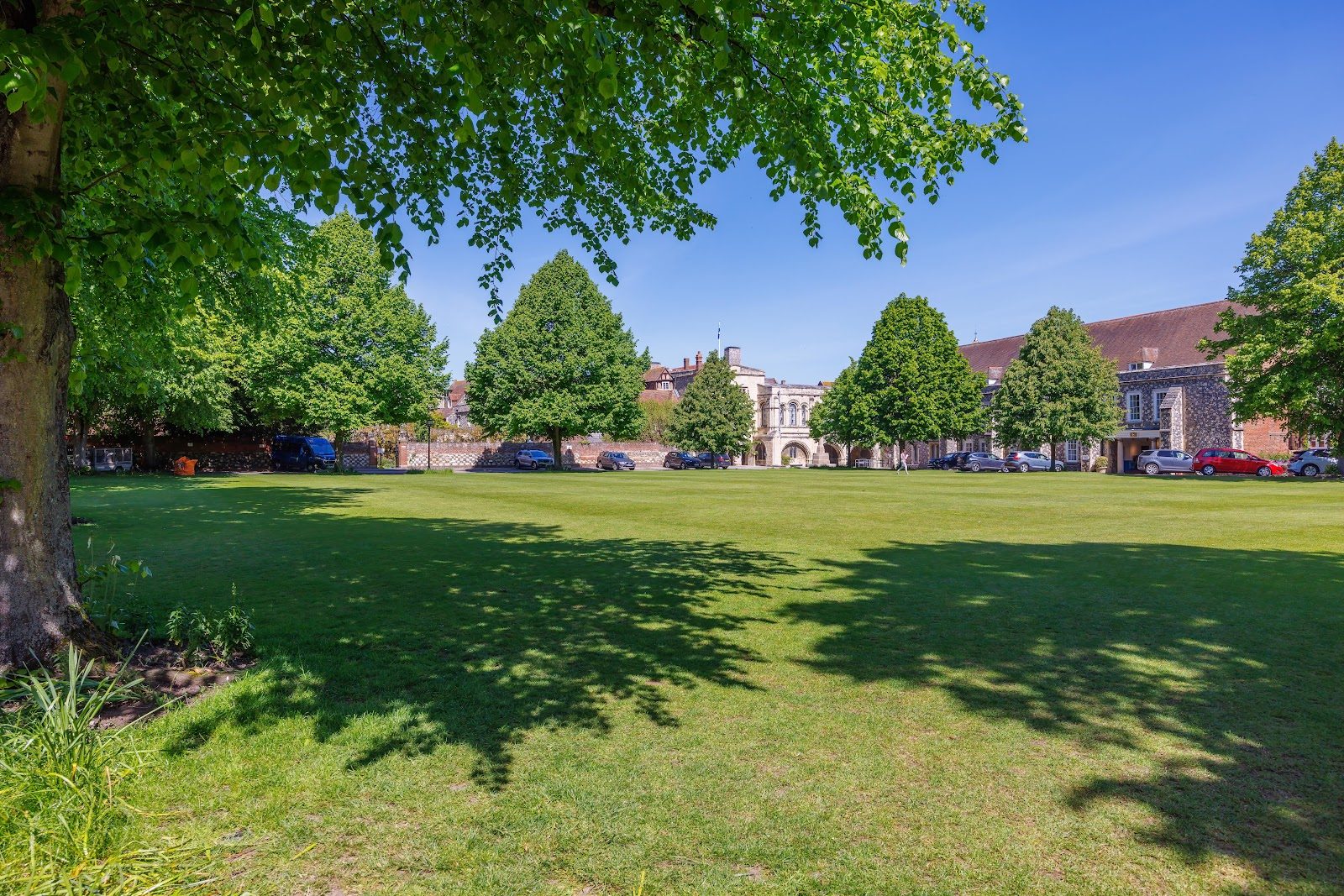
The King's School, Canterbury
Canterbury · United Kingdom
Inside Canterbury Cathedral's UNESCO precincts, lessons have run unbroken since 597 AD, folding King's Week festivities into daily life.
Same country and curriculum — closest matches within ±10 points either way