
Greater London
City of London School
high confidence· 5/6 cats · 3.06 avg sourcesA 1442 bequest from the City's own Town Clerk still funds this rigorous day school perched on the Thames at Blackfriars.
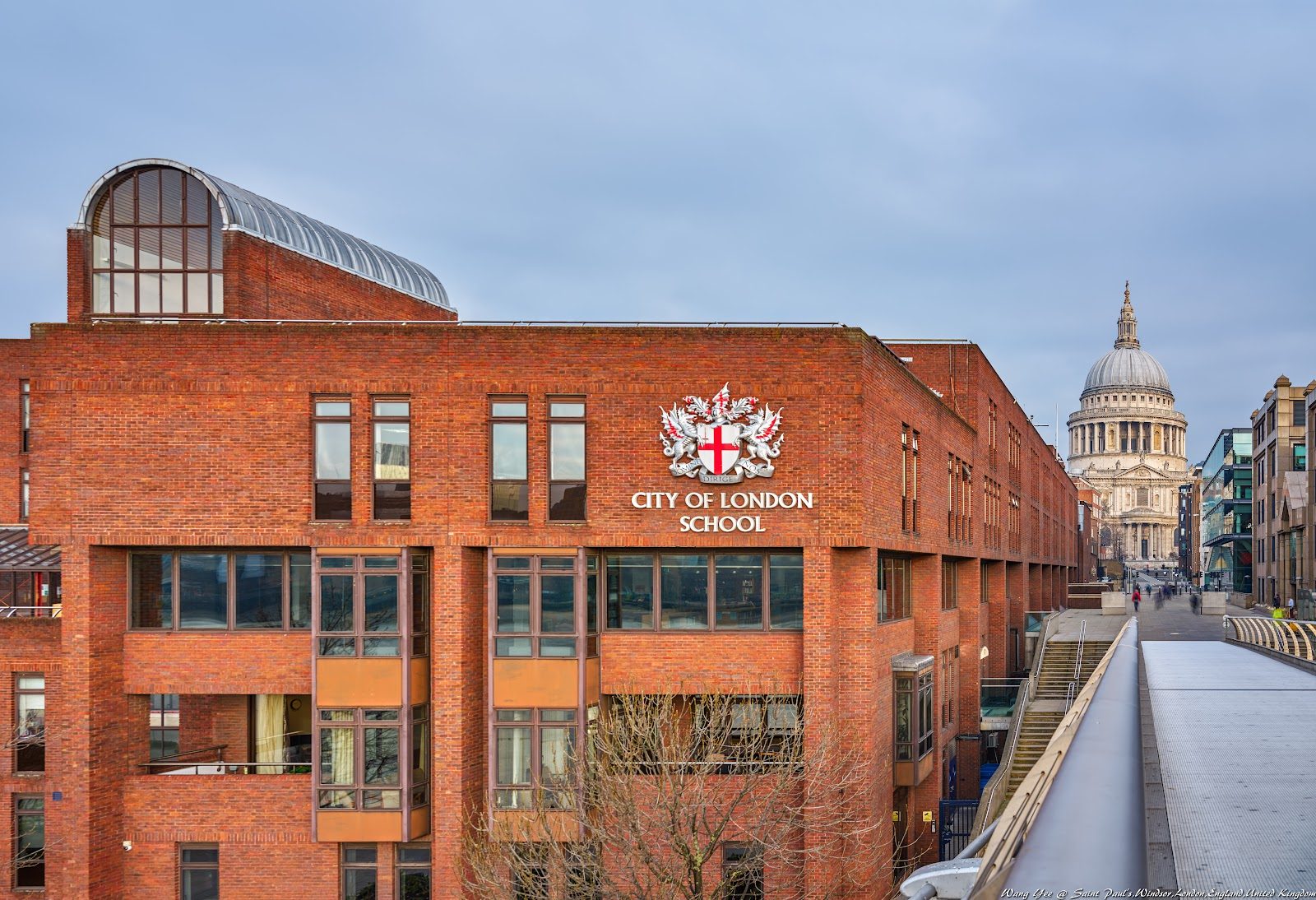
Photo © Yee WANG (Architecte) via Google Maps
Type
Day
Ages
11–18
Curriculum
British
Qualifications
A-Level
Ratio
—
The Verdict
Editor's commitment
Right for
Ambitious boys, 11–18, who want a rigorous British education on the Thames, with 18 Oxbridge places from 165 leavers.
Wrong for
Families wanting co-education, boarding, or a softer runway: this is an Anglican boys' day school charging an average £29,545.
Watch out for
Outcomes are strong — 88% to top-100 universities, 45 to Russell Group, 12 to UCL — and that sets the pace.
Ranking breakdown
City of London School · #381 of 1591
Composite score 70.8. 8 weighted criteria.
By criterion
Academic Outcomes
Weight 20%
#92
of 1529 scored
University Placement
Weight 16%
#59
of 1529 scored
Prestige & Heritage
Weight 12%
#76
of 1571 scored
Alumni Network
Weight 12%
#1385
of 1530 scored
Facilities
Weight 12%
#406
of 1533 scored
Transparency & Communications
Weight 8%
#123
of 1532 scored
Peer & Industry Review
Weight 10%
#134
of 1548 scored
Admissions Selectivity & Demand
Weight 8%
#143
of 1529 scored
Score history
City of London School · 2026
Movement across 2024–2026. Peer average overlaid.
Overall — 2024–2026
70.8/ 100
▲ +16.9 vs 2025
year on year
Peer & Industry Review
How City of London School is regarded in the sector
83
Strong · high confidence
City of London School sits comfortably among the capital's academically elite boys' day schools, with WhichSchoolAdvisor describing it as an institution for "the academically strong with an iconic location" and consistently high entry to top universities. The Good Schools Guide's independent verdict praises "unbelievably good" pastoral care and a music programme it says could "rival the Festival Hall," while stressing the school avoids being a "bubble of privilege." Tatler's Schools Guide has listed CLS among the UK's top independent schools, and Time Out routinely names it alongside Harrow and Westminster when citing London's best-known private schools. Its Old Citizens network includes a former prime minister and a Nobel laureate physicist, reinforcing a long-established, rather than newly manufactured, sector reputation.
- H. H. Asquith — Prime Minister, Politics
- Julian Huxley — Biologist, Academia
- Peter May — Cricketer, Sports
Editors' overview
The selling point is plain: this is a boys’ day school in the City, on the Thames at Blackfriars, with the weight of the Corporation of London behind it and a serious record of university placement. City of London School was founded in 1834, but its identity is older and sharper than the date alone implies; the school still sits inside a civic tradition funded by the City’s Cash, alongside its partner schools for girls and at Freemen’s. That matters. CLS is not a country-house boarding school importing metropolitan polish after the fact. It is a hard-edged urban academic school, built for bright boys who want London itself as part of the experience.
The academic case is strong and concrete. In the Class of 2024, 88% of 165 leavers went to top-100 universities; 18 went to Oxbridge, with 10 to Cambridge and 8 to Oxford, and 45 to Russell Group institutions. Those are serious outcomes at scale, not a boutique sixth-form triumph built on a tiny cohort. HMC membership places the school firmly in the established top tier of British independent education, and the average annual day fee of £29,545 across ages 11 to 18 pitches it as expensive but not absurd by central London standards. Parents paying that sum are buying access to a fiercely academic boys’ school with clear traction at the most selective universities.
What is special here is the combination of place, purpose and alumni depth. The school is for boys only, aged 11 to 18, taught in English on a British curriculum, and it has at least 117 notable alumni catalogued in Wikidata across politics, scholarship, writing, the arts and sport. That breadth reinforces the point that CLS does not educate for one narrow professional lane, even if its City location invites assumptions about finance and law. The more telling pattern is intellectual seriousness. This is a school for boys who will thrive in a high-pressure, argumentative, fast-moving environment and who want classmates with similar horsepower. It is not for the faint-hearted, and that is part of its appeal.
It belongs on a shortlist for families who want a rigorous London day education without the social theatre of the grander boarding names. Boys who will do well here are academically ambitious, verbally confident and happy in a school with a strong sense of tradition but no pastoral soft-focus in its public identity. If you want bucolic grounds, co-education or a visibly progressive institutional mood, look elsewhere. If you want central London, strong university outcomes, deep civic roots and a serious intellectual culture, CLS earns close attention.
Academic Performance
City of London School delivers the kind of outcomes families expect from a hard-driving London boys’ school, but there is a limit to how precisely the outside world can judge its examination strength because the school does not publish a full public set of headline GCSE and A-level data in the source set here. That opacity matters. In the British independent sector, the strongest academic schools now compete not just on university destinations but on clean, comparable exam disclosure. CLS has the destination record of a top-flight academic institution and the reputation to sit in that company, yet the absence of published aggregate grade profiles leaves parents without the sharpest tool for peer comparison.
Relative to direct competitors, that places CLS in an interesting bracket. It belongs with academically selective London day schools where high attainment is built in, classroom pace is unforgiving, and university preparation is a central function rather than a by-product. The available leavers’ data point to real academic traction, not mere polish, and the scale of progression to selective universities confirms that boys are leaving with results strong enough to convert ambition into offers. Even so, parents comparing it with Westminster, St Paul’s, King’s Wimbledon or the most transparent London independents will want the missing exam tables. Without them, CLS still reads as serious and high-performing; it just does not give the public the full scoreboard.
Facilities
The defining facility is the site itself: a purpose-built urban school on the Thames beside the Millennium Bridge, with central London functioning as an extension of the campus. That gives CLS an advantage few peers can match. Many London day schools have strong buildings; fewer have this degree of immediate access to the capital’s legal, financial and cultural institutions without a coach journey or a suburban commute. The trade-off is plain. Families looking for sweeping playing fields, a closed campus world or the visual comfort of a traditional estate will not find it here. This is a dense, high-function city school, not a pastoral showcase, and that suits boys who thrive on movement, independence and a hard-edged urban rhythm.
Against competitors, the facilities profile reads as practical rather than grand. The riverside position opposite Tate Modern and next to major transport links gives the school an enviable platform for enrichment, but it does not deliver the expansive landholdings that schools such as St Paul’s or King’s in Wimbledon can use for on-site sport. Parents should read the estate in that light: strong for access, strong for city-based opportunity, weaker if your benchmark is acres. For academic life, that is not a fatal weakness. For sport and the broader feel of daily school life, it is a real distinction. CLS offers a strategic London base, not a country-house fantasy in miniature.
In London terms, CLS sits in the top rank of academic day schools
Prestige
City of London School carries real metropolitan prestige: not the inherited glow of a country-house boarding name, but the sharper status of a selective boys’ school embedded in the civic machinery of the Square Mile. Its direct link to the Corporation of London, its Thames-side position beside the financial and legal core of the capital, and its partnership structure with the City’s sister schools give it a public weight that many independents cannot match. This is a school with institutional seriousness, not a fashionable upstart or a lifestyle brand. HMC membership reinforces that standing, but the stronger signal is the combination of selectivity, longevity and civic backing. In London terms, CLS sits in the top rank of academic day schools.
The prestige also rests on outcomes and alumni breadth, and here the picture is strong. A school that sends 18 leavers to Oxbridge in one cycle and places 88% into top-100 universities commands respect because those results are hard to fake. The alumni record adds another layer: 117 notable former pupils catalogued across politics, scholarship, writing, the arts and public life. That gives CLS a deep bench of cultural and professional capital, not just a handful of famous names recycled in admissions copy. It does not carry the same social mythology as Eton or Winchester, and it does not need to. Its prestige is urban, intellectual and hard-earned.
A school that sends 18 leavers to Oxbridge in one cycle and places 88% into top-100 universities commands respect because those results are hard to fake
Communications
City of London School’s parent communication has one obvious strength: the school is anchored in a compact, high-accountability day-school model where families expect direct contact, quick turnaround and administrative competence. That setting tends to reward clear, brisk communication rather than pastoral theatre, and CLS fits that pattern. The public-facing picture is disciplined rather than expansive. Parents get a strong sense of institutional identity and academic intent; they get less of the warm, hand-holding style that some schools use to reassure at every turn. For many families, that is a virtue. In a school with 165 leavers in a single year and a high-output academic culture, communication needs to be efficient, not over-upholstered.
There is, however, a limit to how highly CLS scores on transparency. The school does not publish the fullest public academic data set, and that matters because communications are not just about tone or responsiveness; they are also about disclosure. A school asking parents to commit an average of £29,545 a year needs to put key performance information in plain view. On that test, CLS is more guarded than the best operators in its peer group. The impression is of a school that communicates purpose and standards well, but shares information on its own terms. Families who value crisp institutional confidence will tolerate that. Families who want exhaustive public detail will find it less open than ideal.
Uniqueness
What sets CLS apart is not a marketing-line blend of “tradition” and “innovation”, but a rarer combination: civic ownership, a river-edge urban site, and a boys’ academic culture tied directly to the institutions of central London. This is not an independent school borrowing prestige from its postcode. It sits inside the City’s own educational ecosystem, alongside its partner schools, with funding roots that run through the Corporation rather than a private family trust or a church foundation alone. That gives the place a distinct civic identity: boys are educated not at a remove from public life, but in sight of courts, chambers, galleries, newsrooms and financial firms. For the right pupil, that creates a sharper sense of seriousness than the insulated boarding-school model.
That distinctiveness brings practical advantages. Daily school life unfolds in a part of London where adult work, public argument and cultural life are visible rather than abstract. Boys who thrive on intellectual competition get a school experience that feels wired into the real world, not staged on a self-contained estate. The alumni record reinforces that breadth: at least 117 notable former pupils across politics, scholarship, writing and the arts point to a school that produces more than one social type. The payoff is clear. Students gain academic ambition, urban confidence and early familiarity with professional London. The cost is clear too: this is a high-pressure, unsentimental environment with little pastoral romance about it.
CLS is not a country-house boarding school importing metropolitan polish after the fact
Student Profile
This is a school for boys who enjoy intellectual contest and do not need coaxing into effort. The best fit is articulate, quick-thinking and happy to have his ideas tested in class, in corridors and in the daily churn of a demanding city routine. A boy who wants a soft landing, broad pastoral cushioning or a low-stakes pace will feel exposed. A boy who likes argument, reads widely, handles pressure and wants classmates with ambition will find his tribe. The social mix is not one-note, but the dominant type is clear: academically driven, verbally confident, independent in organisation, and comfortable moving through a serious, high-expectation environment where standards are visible and comparison is unavoidable.
The university outcomes underline the point. With 18 Oxbridge places in one leaving cohort and 88% progressing to top-100 universities, the school attracts families who are aiming high and boys who can sustain that level of competition over time. That does not mean every pupil is a future lawyer, banker or don; the alumni spread is wider than that. It does mean the centre of gravity is scholarly and unsentimental. Boys who flourish here are mature for their age, can manage a long commute without drama, and are energised rather than intimidated by London itself. For the right child, CLS is electrifying. For the wrong one, it is abrasive.
It is a hard-edged urban academic school, built for bright boys who want London itself as part of the experience
Co-curricular strengths
Arts & sport, on a separate axis
Overall 7.96/10
Scored 0-10 from the school's own published evidence. This axis is editorial-only — it does not feed the main WTS ranking.
Sports
8.3/10
Maximizes its iconic, central riverfront site with an indoor swimming pool and fitness pavilions, utilizing external pitches for major field sports.
Drama
8.8/10
Active theatrical tracking inside the custom on-campus theatre, emphasizing technical stagecraft and contemporary acting styles.
Dance
5.5/10
Treated primarily as an auxiliary component for theatrical physical training rather than an independent standalone discipline.
Music
9.2/10
Exceptionally high standard; close links to City temples and cathedrals feed elite vocal and instrumental performance networks.
Visual Arts
8/10
Highly structured fine art layout leaning heavily toward technical drawing, fine oils, and advanced portfolio mastery.
Editor-verified · 8/6/2026
Outcomes & destinations
Where students go next
Editorial estimateClass of 2024
165 graduates
A-Level distribution
99% covered
- A*39%
- A32%
- B23%
- C5%
Top destinations
63 placements
- Cambridge· 10
- Oxford· 8
- UCL· 12
- Imperial College London· 10
- LSE· 8
- Warwick· 6
- Durham· 5
- Bristol· 4
Barbican boys' day school; heavy LSE and Imperial flow.
Editor-approximated from the school's own leavers report. Awaiting school-attested figures.
Notable alumni · Wikidata
117notable alumni
Includes
- Mellis Napier(1882)
93 historic (born pre-1930) · 6 modern (born post-1970)wikidata:2026-07-28 How we source this
The story in one line
77% achieved ≥ AAB in 2+ facilitating subjects·ISI Routine Inspection 2024
AAB with 2 facilitating subjects is the Department for Education's published predictor of admission to a top-third UK university: the pupil has scored high grades in at least two of the classic Russell-Group subjects (maths, sciences, English, history, geography, or a modern language). Independent schools don't appear in the state-only HE-destinations dataset, so this is the strongest DfE-verified sixth-form signal available. Source: DfE 16-18 school and college performance data · 2023/24. Value-added +0.23
DfE-verified statistics
Official GCSE data · 2024/2025
Progress 8
—
Value-added score. State-schools only; 0 = expected progress, +1 = one grade above.
Attainment 8
39.2
Average grade across 8 GCSEs (score out of 90). National ≈ 46.
EBacc average score
2.64
Avg grade across the 5 EBacc pillars (English, Maths, Sciences, Language, Humanity).
EBacc slots filled
1.1
How many of the 5 EBacc pillars pupils typically enter (max 5).
A-Level attainment
Cohort · 2023/24
Avg A-Level grade
A
APS per entry: 51.40
Best 3 grade
A+
Best-3 APS: 52.07
≥ AAB + 2 fac.
77.3%
Russell-Group predictor.
Progress (value-added)
+0.23
Above average
Read with care. Independent schools frequently sit IGCSEs or Pre-U qualifications instead of standard GCSEs — DfE data only counts standard GCSEs, so these numbers may reflect a partial cohort. For a fuller picture, cross-check with the school's own annually-published results.
URN 100003Verified · DfE 2024/2025
Official inspection
ISI report · 2024
Inspectorate
Independent Schools Inspectorate
The Government-approved inspectorate for English independent schools.
Latest report
19 November 2024
Routine Inspection
Report history
Verified · Independent Schools InspectorateSource-of-truth
Strengths
- +City of London School is a boys' day school with roots to a 1442 bequest by town clerk John Carpenter, formally established by Act of Parliament in 1834, giving it one of the longest continuous educational lineages in London.
- +The 2024 A-level cohort was strong, with 39% of grades at A*, 71% at A*-A and 94% at A*-B per the school's published results.
- +The school offers transformational bursaries that can cover up to 100% of fees, opening access to boys from the state sector.
- +It occupies a purpose-built site beside the Thames in the City of London, giving pupils ready access to the Square Mile's museums, livery companies and transport links.
- +University progression is strong, with 88% of 2024 leavers heading to top-100 universities, including 18 to Oxbridge and 45 to Russell Group institutions.
Considerations
- −It is a single-sex boys' school with no boarding provision, so it will not suit families wanting co-education or a residential option.
- −Entry is highly competitive at every stage, particularly at 11+ and 13+, where applicants far outnumber places.
- −The annual day fee of £30,000 places it firmly in the higher tier of London day-school costs.
- −A cottage industry of specialist tutoring firms exists specifically to prepare boys for CLS entrance tests and interviews, indicating an exam-preparation intensity some families may find off-putting.
- −On-site sport and outdoor space are limited by the constrained central London site relative to schools with suburban or rural estates.
Availability
Primary entry gate & tests
11+/13+ Written Exams (Boys)
Gallery
Photo © Daniel Austin via Google Maps
Photo © kfLeoungGB via Google Maps
Photo © Tomas Kicera via Google Maps
Photo © BROTHERSNARE PHOTOGRAPHY via Google Maps
Photo © Serghei Stratan via Google Maps
Photo © Juan Chapar via Google Maps
Photo © MOHAMMED DILWAR via Google Maps
Photo © City of London School via Google Maps
Photo © Joe White via Google Maps
Recommended reading
Independent write-ups of this school from editorial outlets we trust.
- City of London SchoolGood Schools Guide
Parent reviews
Have you sent your child here?
Voice reviews carry the strongest trust badge — we transcribe them for you to tidy up before they go live. Prefer to type? A written review is fine too.
Add your voice
In 60 seconds, tell other parents: what's the best thing about City of London School, and what surprised you when your child joined?
We ask for a Google sign-in so every review has a real face behind it — no anonymous drive-by attacks on schools, and no faked positive reviews. Your email is never shown publicly.
Send this profile to a friend
International parents rely on word-of-mouth. Share this review with someone weighing the same decision.
Schools with places
Similar schools to City of London School with places available now.
Latymer Upper School
London · United Kingdom
- 2026-27
- CLOSEDStandard route
- 2027-28
- PLACES OPENCloses Nov
Emanuel School
London · United Kingdom
- 2026-27
- CLOSEDStandard route closed
- 2027-28
- PLACES OPEN11+ / 16+ active
University College School
London · United Kingdom
- 2026-27
- CLOSEDStandard route
- 2027-28
- PLACES OPEN11+ (9 Nov); 16+ (28 Sept)
Tiffin School
Kingston upon Thames · United Kingdom
- 2026-27
- CLOSEDStandard route
- 2027-28
- PLACES OPENCloses 1 Sept '26, 12pm
Availability first, then country, area, curriculum, price, co-curricular
Consider also
Also worth looking at alongside City of London School.
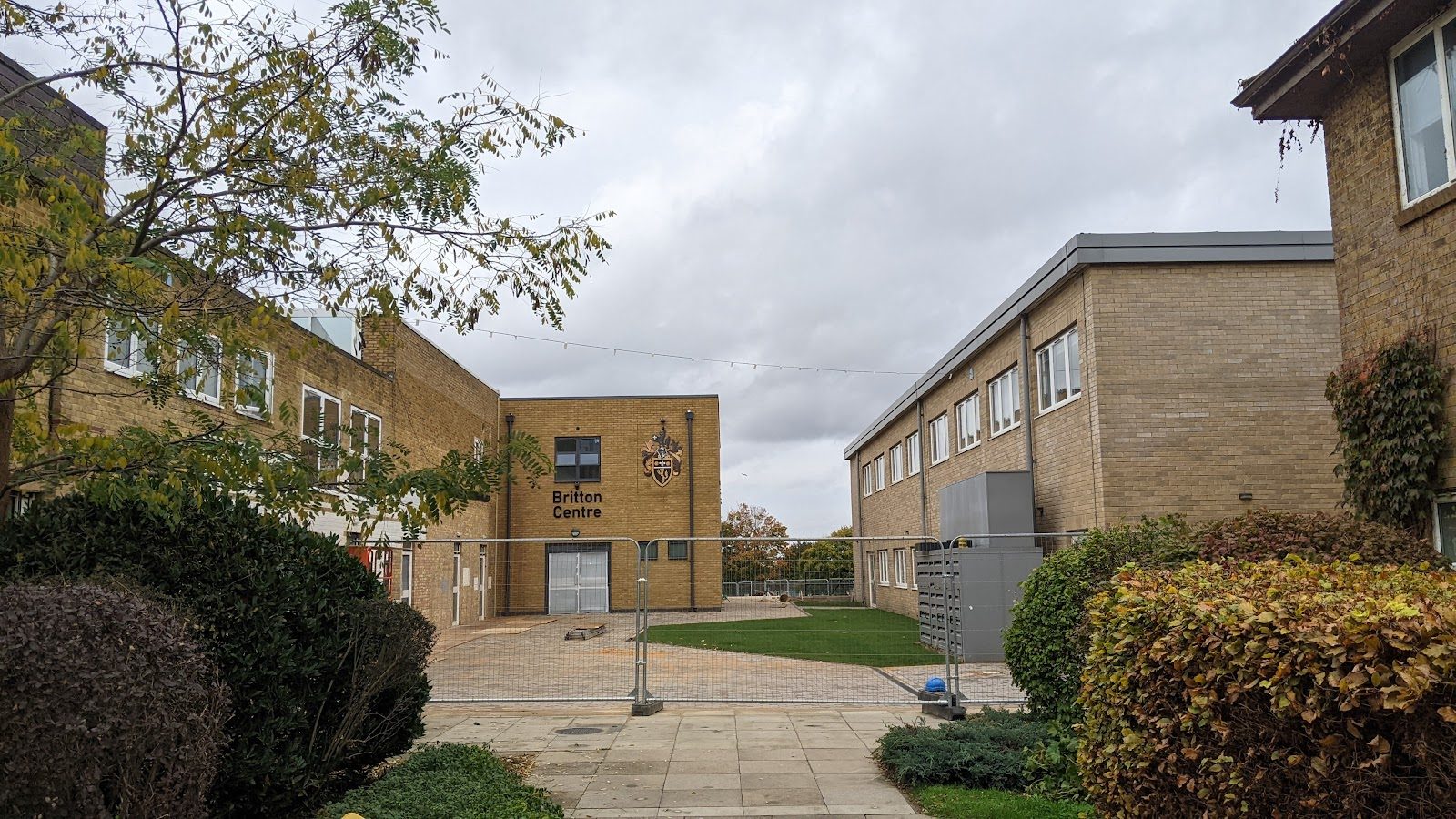
Wilson's School
Sutton · United Kingdom
A 1615 charity foundation turned super-selective grammar, thriving on a former Croydon airfield with a sharp focus on maths and computing.
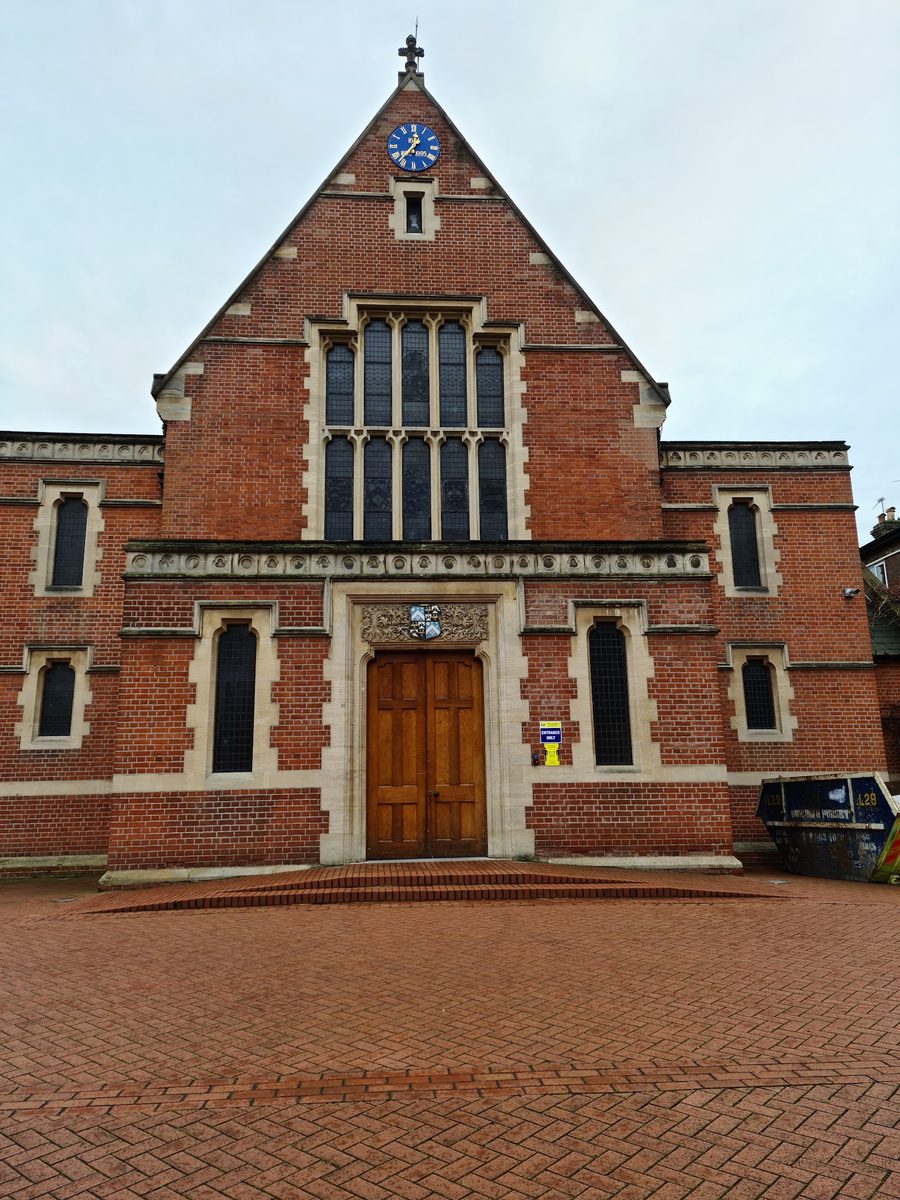
Latymer Upper School
London · United Kingdom
A 1624-founded, non-denominational day school in Hammersmith prized for its stellar Oxbridge and Russell Group outcomes.
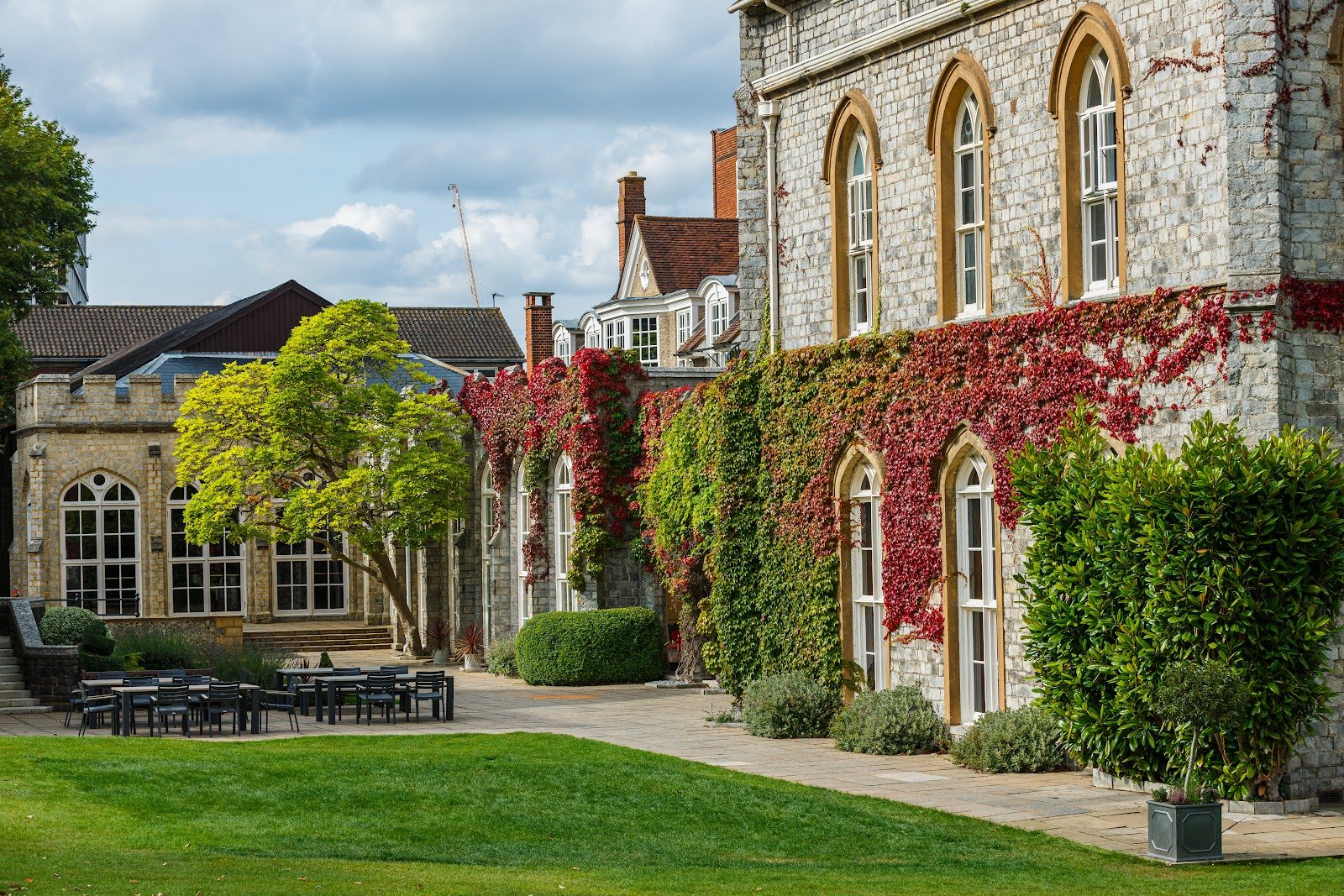
Wycombe Abbey
High Wycombe · United Kingdom
A Victorian pioneer's 1896 foundation, this Chiltern hills estate blends mixed-age boarding houses with one-in-five Oxbridge offers.
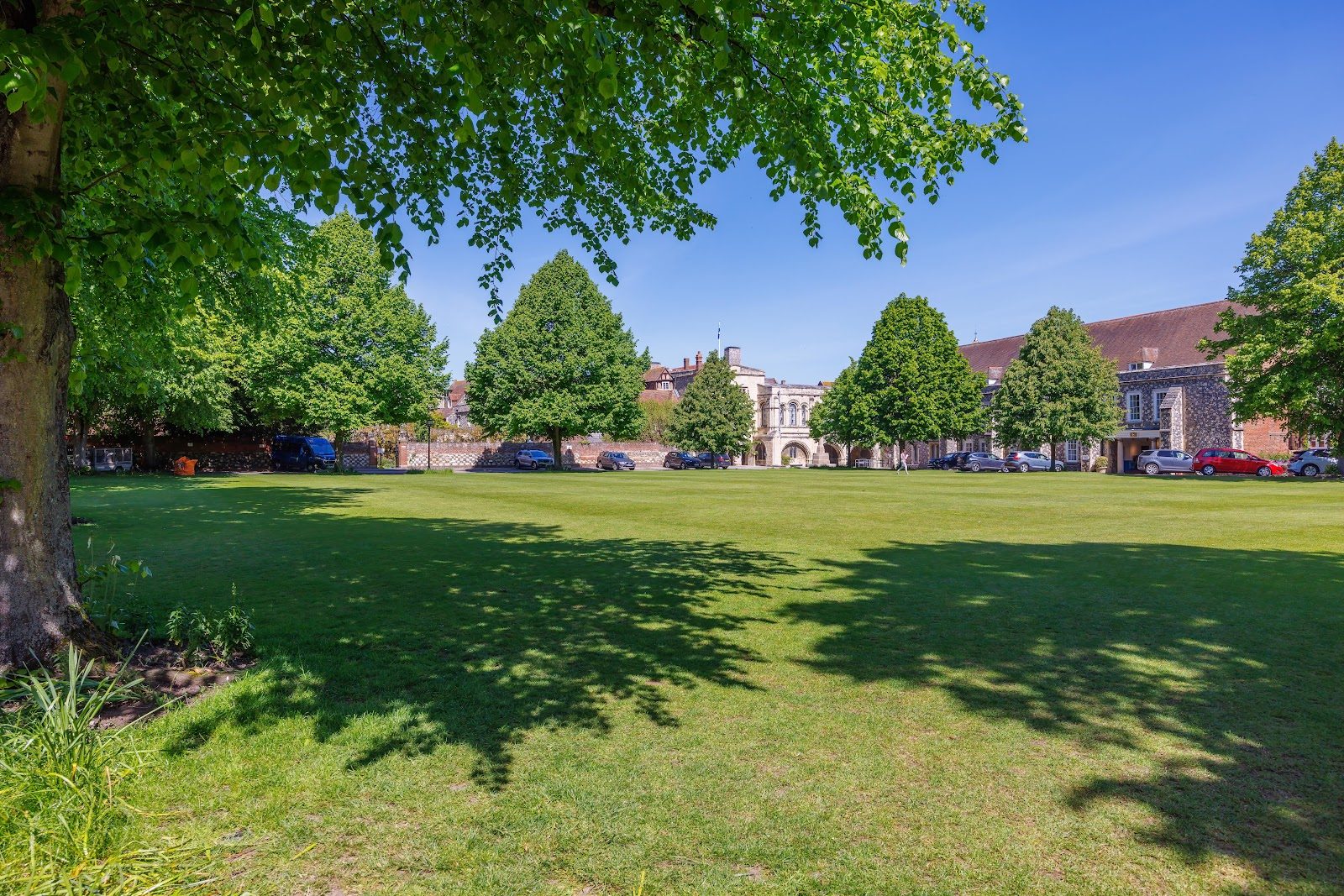
The King's School, Canterbury
Canterbury · United Kingdom
Inside Canterbury Cathedral's UNESCO precincts, lessons have run unbroken since 597 AD, folding King's Week festivities into daily life.
Same country and curriculum — closest matches within ±10 points either way