
Nara Prefecture
Nishi-Yamato Gakuen
A Nara hillside campus where a Super Science High School pipeline and boys' boarding houses feed steady streams into Tokyo and Kyoto University.
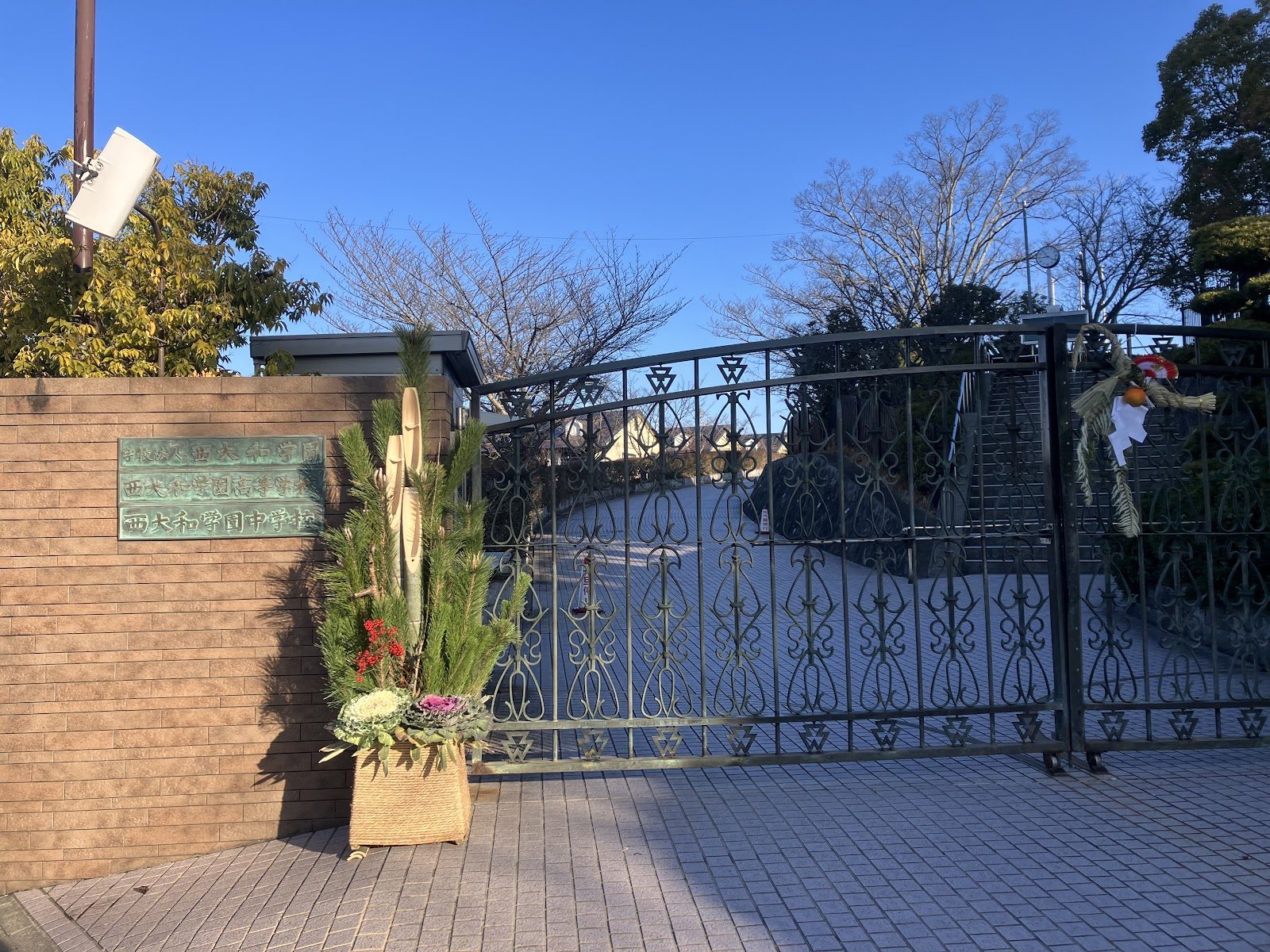
Photo © aiueo 114514 2nd via Google Maps
Type
Day
Ages
15–18
Curriculum
Japanese National
Qualifications
Japanese Senior HS Diploma
Ratio
—
The Verdict
Editor's commitment
Right for
Academically ambitious families who want Japanese National schooling in Japanese, with the school's SSH track and named routes to Tokyo and Kyoto University.
Wrong for
Anyone needing English-medium teaching, an international curriculum, or a standard day-school setup: Nishi-Yamato runs boys' boarding houses alongside day provision.
Watch out for
Founded in 1986 and accredited by Japan's Ministry of Education, this is a young, hard-driving domestic school; published outcomes beyond university destinations stay thin.
Ranking breakdown
Nishi-Yamato Gakuen · #248 of 1591
Composite score 73.2. 8 weighted criteria.
By criterion
Academic Outcomes
Weight 20%
#92
of 1529 scored
University Placement
Weight 16%
#104
of 1529 scored
Prestige & Heritage
Weight 12%
#296
of 1571 scored
Alumni Network
Weight 12%
#1013
of 1530 scored
Facilities
Weight 12%
#406
of 1533 scored
Transparency & Communications
Weight 8%
#725
of 1532 scored
Peer & Industry Review
Weight 10%
#533
of 1548 scored
Admissions Selectivity & Demand
Weight 8%
#51
of 1529 scored
Peer & Industry Review
How Nishi-Yamato Gakuen is regarded in the sector
70
Respected · medium confidence
Nishi-Yamato Gakuen's standing rests almost entirely on quantifiable university-entrance outcomes rather than international press coverage. Within Kansai's competitive private-school landscape it is consistently grouped with Nada, Rakusai/Rasshin and Joto as a top feeder to Tokyo and Kyoto Universities, and it publishes detailed annual placement data (Todai, Kyodai, Osaka University, and national medical faculties) that rival schools and cram-school rankings (e.g., Sundai, Kawai Juku benchmarking tables) use as comparison points. Its designation as a MEXT Super Science High School and its SGH (Super Global High School) history give it recognized standing in national education-ministry circles rather than in Anglophone guides such as Good Schools Guide or WhichSchoolAdvisor, which rarely cover Japanese domestic schools. English-language commentary is sparse, largely limited to expat-education forums noting its rigorous, exam-focused culture and boarding option for regional and overseas Japanese families. Among Japanese education journalists (e.g., Diamond Online, Toyo Keizai rankings of 'nationally strong' high schools), it is repeatedly cited as one of the strongest non-metropolitan performers, though it lacks the broader international brand recognition of Tokyo's flagship institutions.
Editors' overview
Nishi-Yamato Gakuen occupies a very specific corner of the Japanese market: an academically hard-driving senior secondary school with a national curriculum, a serious science spine and a boarding option that extends its reach well beyond Nara. Founded in 1986, it is young by Japanese private-school standards, but it has built a clear identity fast. The school’s Super Science High School designation matters. This is not decorative branding; it signals a structured emphasis on advanced maths and science, exposure to research and technology, and a culture that rewards intellectual speed. Add the Action Innovation Programme, Tokyo University live lectures and a stated leadership track that reaches as far as Harvard, and the pitch is unmistakable: *high pressure, high ambition, no wasted motion*.
Why shortlist it? Because few schools in this segment combine elite-university focus, STEM intensity and national recruitment as cleanly. Nishi-Yamato does not trade on pastoral rhetoric. It trades on outcomes, stretch and institutional momentum. The campus sits within reach of Osaka and Tennoji, with JR Osaka to Oji in about 31 minutes and Tennoji in 17 minutes, and the admissions operation runs information sessions and test centres far beyond Kansai, including Tokyo, Sapporo, Fukuoka and Okinawa. That matters. This is a Nara school with a national market. The boys’ boarding houses sharpen that proposition further for families outside commuting distance, even though the school itself is classified here as day. Parents who want academic horsepower, a disciplined intellectual culture and a direct route into Japan’s top universities will understand the attraction immediately.
The special feature is the blend of Japanese academic orthodoxy and selective global add-ons. Instruction is in Japanese, the curriculum is Japanese National, and the school remains rooted in the domestic university race. Yet it layers that with English-facing communications, international programmes, Model UN activity, an all-student Year 9 US language programme on the combined middle-and-high-school site, and an overseas university project. That mix suits families who want competitive Japanese rigour without a provincial mindset. It does not suit families looking for a progressive, low-stakes sixth form or broad disclosure of outcomes; the school advertises destination ambition far more than public data.
The right student for Nishi-Yamato is bright, fast, resilient and comfortable in a selective environment where external benchmarks matter. A pupil who enjoys maths, science, debate, extension classes and the company of equally driven peers will thrive. So will a teenager who wants structure and does not need constant hand-holding. A student who needs a gentler pace, broad curricular choice in English, or a school built around emotional cushioning will find this a hard fit. For the right child, though, Nishi-Yamato offers an engine room of ambition and a clear upward track.
Academic Performance
Nishi-Yamato sits in the top academic tier of Japanese private schools aimed at selective university entry. The school itself foregrounds progression to elite universities and even features staff commentary on cohorts moving on to Tokyo University. That tells you where it places its benchmark: not broad completion rates, but performance at the sharp end of the national admissions race. Its Super Science High School track also matters here. Schools with that designation are expected to push able pupils harder in maths and science, with research exposure and advanced study built into the routine. In practice, that places Nishi-Yamato closer to Japan’s exam-heavy super-schools than to the average private senior high school.
The caveat is blunt: the school does not publish the kind of clean, comparable public data international parents would want. We have not seen aggregate university acceptance tables, national examination averages, or year-by-year outcome breakdowns in the public domain on the excerpts supplied here. That weakens external scrutiny. Even so, the institutional signals are strong. Nationally distributed entrance testing, explicit Tokyo University ambition, extension teaching in English and mathematics, and a science-and-leadership pipeline all point to a high-pressure, results-first culture with serious academic stretch. Relative to peers, Nishi-Yamato belongs with the hard-driving Japanese independents that recruit able students and expect them to convert that intake into top-end university offers. Parents who need transparent published metrics will find the opacity frustrating.
Facilities
The facilities that matter here are the ones tied to the school’s academic machine. The campus gives prominent space to its Super Science High School work, advanced mathematics and English extension classes, Tokyo University-linked lectures and a steady stream of visiting speakers from public life, science and the arts. That points to a school built around specialist teaching rooms, lecture-style spaces and the infrastructure for serious ICT use rather than the country-club extras some international schools push. The site also runs a substantial programme calendar for clubs and public events, plus online delivery when needed; that breadth tells you the school has the operational capacity to support more than standard classroom teaching. For academically selective Japanese peers, that places Nishi-Yamato in the well-equipped, purpose-built bracket, with a *clear bias towards intellectual infrastructure* over lifestyle polish.
The standout non-academic facility is Seiun Dormitory, which the school treats as part of its educational offer rather than an afterthought. That matters because many strong day schools in the region do not have residential provision attached in any serious way. The public-facing material also points repeatedly to campus tours, open events, club activity and a culture festival now in its 36th edition, which signals a campus large and organised enough to absorb heavy student use. What the school does not publish is just as important: there is no clear public inventory of laboratories, theatres, sports halls or specialist art spaces. Against top-fee international competitors, that lack of disclosure is frustratingly opaque. Against domestic academic rivals, the facilities read as serious, functional and fit for purpose.
Nishi-Yamato sits in the top academic tier of Japanese private schools aimed at selective university entry
Prestige
Nishi-Yamato carries serious domestic prestige in the slice of the Japanese market that matters most to ambitious families: selective university preparation. This is not old-establishment prestige built on age, ritual or social cachet. It is earned prestige built on academic selectivity, national reach and a reputation for producing students who can survive a brutal competitive track. The school runs admissions activity far beyond Kansai, with testing linked to venues from Sapporo to Fukuoka, and that alone marks it out from ordinary local private schools. The Super Science High School designation adds another layer of standing. In Japan, that label carries weight because it ties a school to advanced maths and science work, research exposure and institutional seriousness rather than vague enrichment.
I rate its prestige highly because the signals line up cleanly. The school pushes specialist programmes, extension teaching, Model UN success, university-linked lectures and a leadership pipeline that reaches overseas. Staff-facing and student-facing messaging alike centre advancement, not comfort. Even the transport pitch is framed around access and reach, not lifestyle. The result is a school with sharp-edged credibility among families who value exam performance and elite university trajectories. The limitation is clear: prestige here is narrow and hard-earned, not broad-based. Parents looking for heritage charm, transparent public outcomes or a softer all-round reputation will not find them. Parents who want a high-status academic machine will.
Against top-fee international competitors, that lack of disclosure is frustratingly opaque
Communications
Parent communication is more organised than warm. The website carries Japanese, English and Simplified Chinese navigation, and the admissions operation is unusually broad in reach: briefing events, open days, entrance guidance, downloadable exam papers, online enquiry routes, and separate pages for current students, alumni and parents. The calendar is dense and practical. Families can book school explanations, dormitory explanation sessions and visits, open-school events, festival access for applicants and off-campus consultation meetings. For a school with a national recruitment footprint, that matters. It gives parents a clear operational map of how to engage, when to visit and what stage comes next. The fact that the school publishes specific result-release timings and warns families about mistimed links also speaks to a disciplined, process-heavy administrative culture.
The weakness is plain: communication prioritises logistics over interpretation. There is plenty on how to apply and where to go, less on the hard questions international parents ask once the brochure layer ends. We have not seen rich public reporting on whole-school outcomes, nor much candid explanation of workload, pastoral systems or how the academic pressure is managed in practice. The site is busy, sometimes cluttered, and written for families already comfortable with the Japanese private-school exam track. Even the English-facing elements do not change that basic orientation. So the verdict is mixed but firm: communications are efficient, information-dense and recruitment-savvy; they are not transparent in the deeper sense. Parents who want dates, forms and event access will do well. Parents who want hard-edged clarity on student experience will need to ask sharper questions.
Uniqueness
What sets Nishi-Yamato apart is the precision of its ambition. Many academically selective Japanese schools talk about global outlook; this one bolts it directly onto a domestic high-performance engine. The unusual part is not any single programme but the combination: Super Science High School work, the Action Innovation Programme built around “questions without answers”, university-level lectures delivered on campus, Model UN success, and a leadership strand that reaches as far as Harvard. Even the international layer is selective rather than diffuse. The school is not trying to be cosmopolitan in every direction. It is building a disciplined export version of the Japanese top-university track: science-heavy, competition-ready and deliberately stretched.
That brings clear benefits for the right student. A bright teenager gets more than exam drilling; they get intellectual acceleration, exposure to front-rank speakers, and peers who accept pressure as normal. The school also recruits and informs families well beyond its home region, with admissions activity running through places such as Sapporo, Tokyo and Fukuoka, which gives the student body a wider catchment than the average prefectural private school. Add a culture festival now in its 36th edition and a visible club scene, and the place avoids the deadening feel of a cram factory. The trade-off is just as clear. This is a high-strain environment with little sentimental cushioning. Students who need room to drift, or parents who want abundant public data and pastoral language, will not get either.
It is building a disciplined export version of the Japanese top-university track: science-heavy, competition-ready and deliberately stretched
Student Profile
The students who fit Nishi-Yamato best are the ones who treat competition as fuel rather than threat. This is a strong match for teenagers who like hard classes, move quickly, and do not need coaxing to do more than the minimum. The school advertises extension in English and mathematics, science activity under SSH, Model UN success, university lectures on campus and leadership programmes that reach far beyond ordinary school trips. That mix suits pupils with serious intellectual appetite, high tolerance for pressure and a taste for structured stretch. A boy willing to live in Seiun Dormitory also needs emotional steadiness and self-management; residential life sharpens discipline and exposes weakness fast. The public reach of the admissions process, with exam activity tied to venues in 7 cities beyond the home base, also tells you the intake is not narrowly local.
The weaker fit is just as clear. A student who needs a broad, exploratory sixth form, frequent reassurance or a forgiving pace will struggle. So will anyone hoping for a soft, lifestyle-led school culture built around personal expression first and academic performance second. There is plenty beyond the classroom — clubs, lectures, festival culture, overseas exposure — but it all sits inside a demanding, status-conscious and not-for-the-faint-hearted institution. The best Nishi-Yamato student is bright, composed and ambitious enough to hold their own among peers who already expect to aim high.
Founded in 1986, it is young by Japanese private-school standards, but it has built a clear identity fast
Co-curricular strengths
Arts & sport, on a separate axis
Overall 6.6/10
Scored 0-10 from the school's own published evidence. This axis is editorial-only — it does not feed the main WTS ranking.
Sports
8.5/10
Drama
5/10
Dance
4/10
Music
7.5/10
Visual Arts
8/10
WTS 300 badge
Nishi-Yamato Gakuen is one of the World's Top 300 Schools. Claim your listing to add it to your site →
Strengths
- +This spring 76 students were admitted to Tokyo University and 63 to Kyoto University, with 74 gaining places in national and public university medical faculties.
- +The school holds Ministry of Education designations as a Super Science High School (SSH) and a Super Global High School (SGH).
- +Runs an international/returnee track with a Harvard and MIT liberal-arts programme and a model UN, where students exchange with participants from around the world at Harvard and take on the role of representatives for United Nations member countries.
- +An on-campus dormitory (Seiun-ryo) is open for students who do not reside within a two-hour commute of the school, allowing enrolment from well beyond the Kansai region.
- +The nearest station, JR Oji, is about 31 minutes from Osaka Station and 17 minutes from Tennoji Station by rapid train, easing commuting for Osaka-based families.
Considerations
- −The dormitory is available only for male students, so girls needing to board from outside commuting distance have no on-site option.
- −Junior-high entrance deviation scores run around 72-76, placing it among the most academically selective schools in the Kansai region.
- −Instruction follows Japan's national curriculum in Japanese; the international activities supplement rather than replace a Japanese-medium core programme, limiting fit for non-Japanese-speaking families.
- −Average class size is 40 students and the school operates a six-day week, reflecting a traditional, exam-intensive Japanese schedule rather than a lighter international pace.
Availability
Primary entry gate & tests
High-Stakes Winter Exam
Gallery
Photo © ondle ondle via Google Maps
Photo © ondle ondle via Google Maps
Photo © おおおお via Google Maps
Photo © ondle ondle via Google Maps
Photo © ondle ondle via Google Maps
Photo © chatani映 via Google Maps
Photo © nara oka via Google Maps
Parent reviews
Have you sent your child here?
Voice reviews carry the strongest trust badge — we transcribe them for you to tidy up before they go live. Prefer to type? A written review is fine too.
Add your voice
In 60 seconds, tell other parents: what's the best thing about Nishi-Yamato Gakuen, and what surprised you when your child joined?
We ask for a Google sign-in so every review has a real face behind it — no anonymous drive-by attacks on schools, and no faked positive reviews. Your email is never shown publicly.
Send this profile to a friend
International parents rely on word-of-mouth. Share this review with someone weighing the same decision.
Schools with places
Similar schools to Nishi-Yamato Gakuen with places available now.
Kaisei Academy
Tokyo · Japan
- 2026-27
- CLOSEDStandard route
- 2027-28
- OPENS SOONOpens Late '26
K. International School Tokyo
Tokyo · Japan
- 2026-27
- WAITPOOLSpace-dependent
- 2027-28
- PLACES OPENRolling
Nada High School
Kobe · Japan
- 2026-27
- CLOSEDStandard route
- 2027-28
- OPENS SOONOpens Late '26
International School of the Sacred Heart
Tokyo · Japan
- 2026-27
- WAITPOOLSpace-dependent
- 2027-28
- PLACES OPENRolling
Availability first, then country, area, curriculum, price, co-curricular
Consider also
Also worth looking at alongside Nishi-Yamato Gakuen.
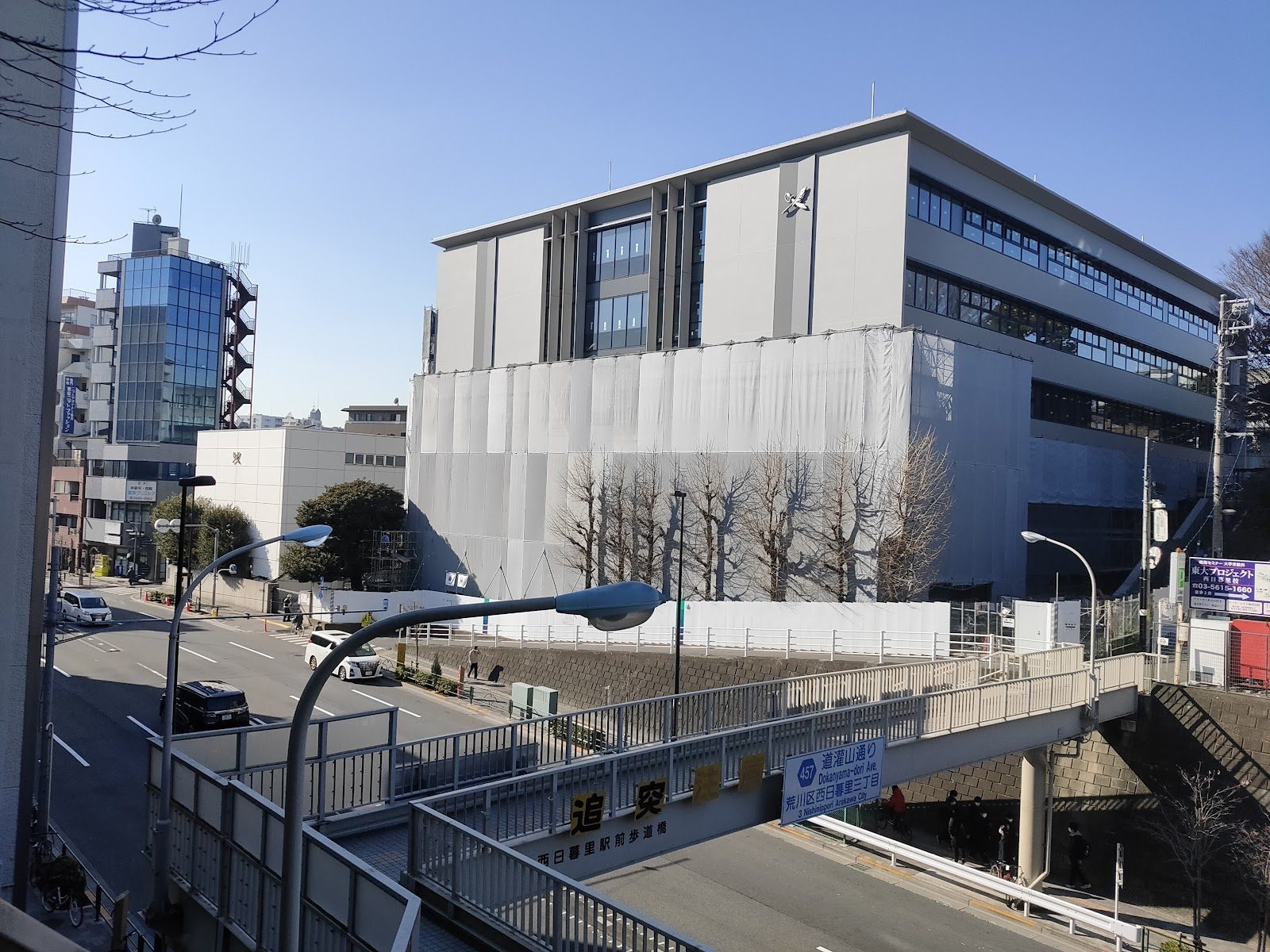
Kaisei Academy
Tokyo · Japan
An 1871 all-boys day school in one of Tokyo's densest wards, a perennial University of Tokyo feeder now adding IB and AP tracks abroad.
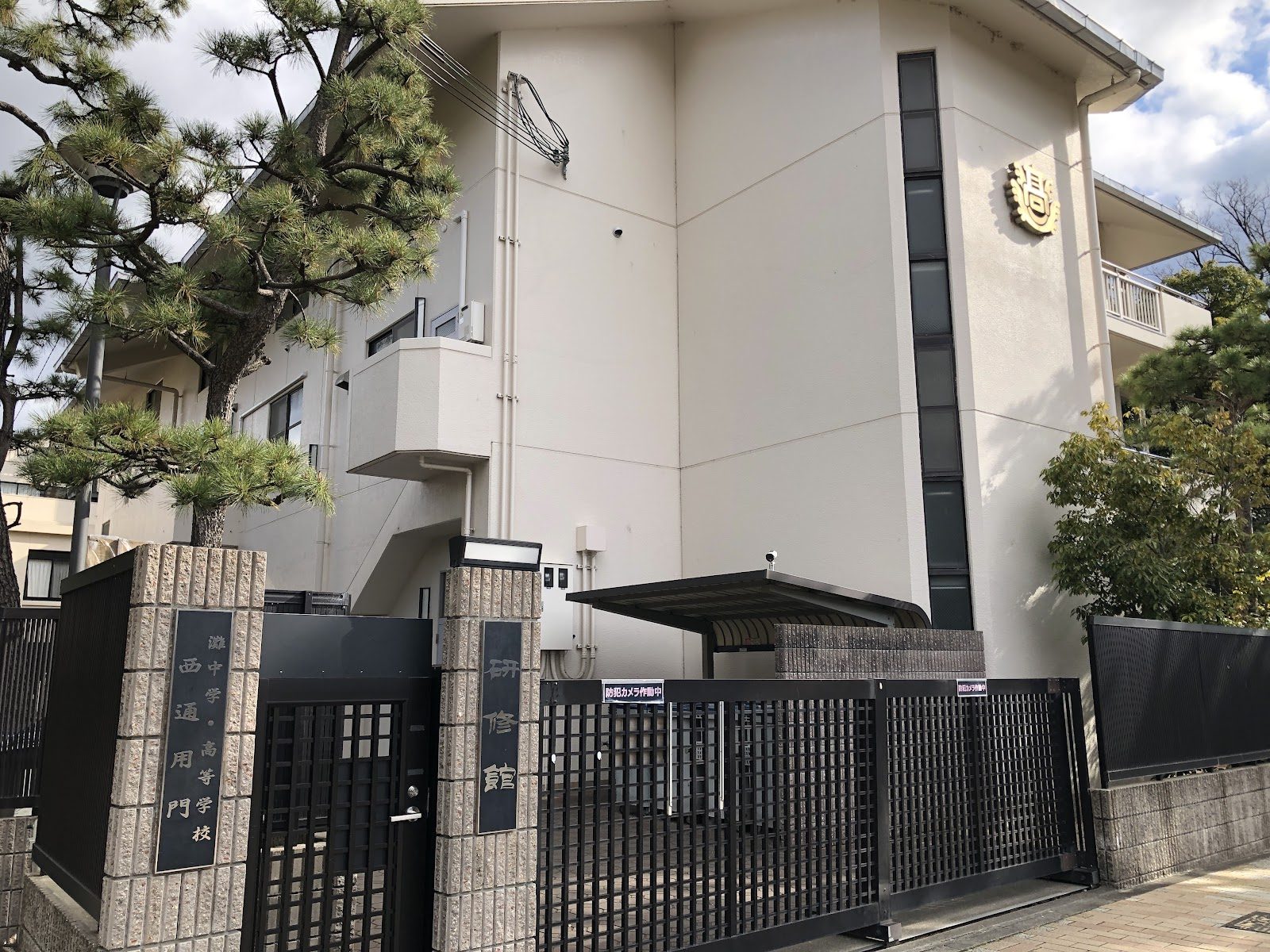
Nada High School
Kobe · Japan
Founded by Kobe sake brewers with judo's creator as an advisor, this uniform-free campus channels students straight into Tokyo and Kyoto University.
UWC ISAK Japan
Karuizawa · Japan
Japan's only UWC campus, tucked on Mount Asama, where seven in ten students study on need-based scholarship.

The American School in Japan
Tokyo · Japan
Rooted in Chofu since 1902, its early campus plans once drew sketches from Frank Lloyd Wright himself.
Same country and curriculum — closest matches within ±10 points either way