
Hyōgo Prefecture
Nada High School
medium confidence· 4/6 cats · 2.93 avg sourcesFounded by Kobe sake brewers with judo's creator as an advisor, this uniform-free campus channels students straight into Tokyo and Kyoto University.
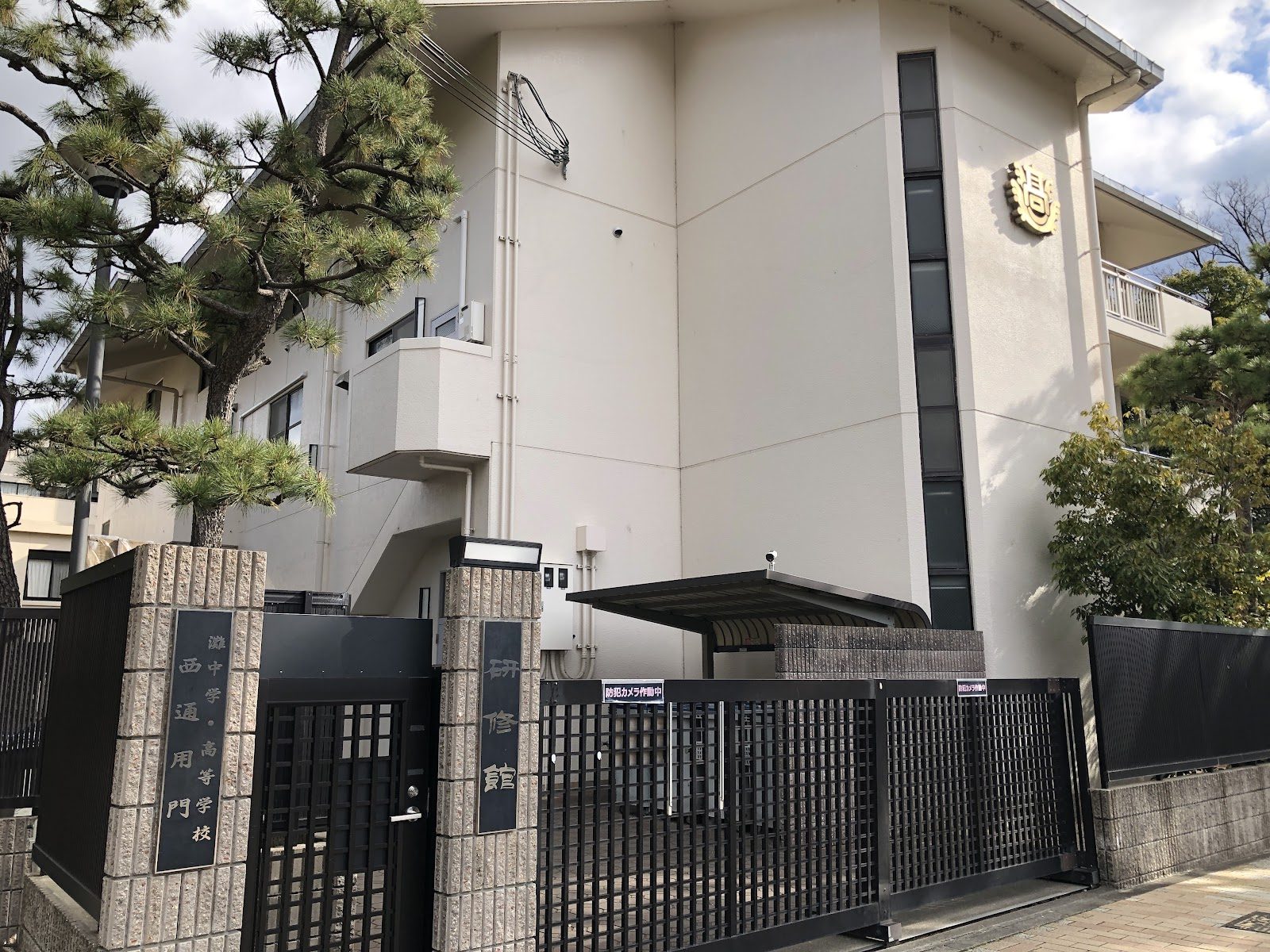
Photo © Mihoko via Google Maps
Type
Day
Ages
3–18
Curriculum
IB · American
Ratio
10:1
The Verdict
Editor's commitment
Right for
Academic high-flyers who want Kobe discipline, a 10:1 ratio, and a route that feeds graduates into Tokyo and Kyoto University.
Wrong for
Families wanting co-education, boarding, or a broad all-rounder school: Nada is a private boys' day school with classes averaging 18.
Watch out for
The average annual fee is a modest USD 4,818, but this is still a selective, university-driven institution with IBO and CIS accreditation.
Ranking breakdown
Nada High School · #194 of 1591
Composite score 74.4. 8 weighted criteria.
By criterion
Academic Outcomes
Weight 20%
#7
of 1529 scored
University Placement
Weight 16%
#5
of 1529 scored
Prestige & Heritage
Weight 12%
#73
of 1571 scored
Alumni Network
Weight 12%
#1288
of 1530 scored
Facilities
Weight 12%
#329
of 1534 scored
Transparency & Communications
Weight 8%
#153
of 1532 scored
Peer & Industry Review
Weight 10%
#66
of 1548 scored
Admissions Selectivity & Demand
Weight 8%
#34
of 1529 scored
Score history
Nada High School · 2026
Movement across 2024–2026. Peer average overlaid.
Overall — 2024–2026
74.4/ 100
▲ +37.5 vs 2025
year on year
Peer & Industry Review
How Nada High School is regarded in the sector
88
Strong · medium confidence
Nada High School is consistently cited in Japanese education press (e.g., Sunday Mainichi and Weekly Diamond university entrance rankings) as one of the top 2-3 feeder schools nationally to the University of Tokyo and Kyoto University, a benchmark referenced by rival elite schools like Kaisei and Rakusai. Its reputation is reinforced by prominent alumni such as Nobel laureate Susumu Tonegawa, and it is a fixture in domestic 'best high schools in Japan' commentary, though it has limited international/expat visibility compared to Tokyo-based international schools.
Evidence sources
Award
Elite Mathematics 60
World's Top School · The Global Ranking
Nada High School is featured on our Global Top 60 ranking at #20. This seal is available for the school's marketing team to use on their website, prospectus and social channels.
- Susumu Tonegawa — Nobel Laureate in Physiology or Medicine, Biologist/Academic
- Sadakazu Tanigaki — Former President of the Liberal Democratic Party, Politician
- Yoshihiko Miyauchi — Chairman, ORIX Corporation, Business Executive
Editors' overview
A school founded in 1927 by Kobe sake brewers, with a website still dominated by entrance examinations, university admissions counts and its 80th cultural festival, does not waste time pretending to be progressive in the soft, western sense. Nada is a hard-edged academic machine. It runs as a private day school in Kobe, non-religious, with English and Japanese as languages of instruction, a declared IB and American curriculum, and accreditations from the IBO and CIS. The published staffing metrics are strong: a 10:1 student-teacher ratio and an average class size of 18. Fees are strikingly low by international-school standards, at an average annual day fee of $4,818 across ages 3 to 18.
What puts Nada on a shortlist is not glossy campus theatre but intellectual yield. The school’s own site foregrounds annual university acceptance figures; the editorial context is blunter still, describing a pipeline into Tokyo and Kyoto University. Wikipedia goes further and calls it a boys’ college-preparatory school whose graduates often dominate admissions to Japan’s most prestigious universities. The alumni floor is already formidable: 40 notable alumni catalogued on Wikidata, including 16 scientists and scholars, 9 politicians or statesmen, 8 writers or journalists and 6 business or finance leaders. That profile points to a school with serious scholarly gravity, not a lifestyle campus designed to flatter average students into feeling exceptional.
This is not a school for children who need hand-holding, wide curricular meandering or a heavy emphasis on pastoral branding. It suits students who are *competitive, self-propelled and academically ambitious*; who can handle a culture where admissions, exams and outcomes sit in plain view; and who want peers who treat intellectual work as the main event. Parents who want warmth, individual curation and a broad church of talents need to ask harder questions, because the public face here is more institutional than intimate. Parents who want a ruthlessly effective route into Japan’s top universities, at a price that undercuts most international schools, will find Nada difficult to ignore.
An Elite Mathematics 60 school
Nada High School in Kobe, Japan, sits at rank twenty on the Elite Mathematics 60 on the strength of a single statistic no other Japanese school matches: forty-seven cumulative appearances at the International Mathematical Olympiad, the highest total of any high school nationwide, just ahead of Tokyo's Tsukuba Komaba at forty-six. In 2022 Nada senior Yuya Oki placed first in the world with a perfect 42-point score, and at IMO 2026 in Shanghai two more Nada students, Shogo Ando and Ryunosuke Hara, won gold and silver on the same six-member Japanese team.
The school is not genuinely an IB or American-system operation, whatever label gets attached to it; its real architecture is Japan's national curriculum compressed so the standard six-year secondary syllabus finishes by the end of high school's second year, leaving a final year for university-entrance-level problem sets. Advanced mathematics runs through the cohort rather than a token top set, taught partly through blackboard-based competition proof sessions rather than lecture format. Olympiad training is driven internally by the student-run Nada Mathematics Research Club rather than an outside coaching contract. No published figure states the exact share of the cohort inside advanced mathematics, but forty-seven Olympiad selections drawn from a year group of roughly two hundred and twenty implies unusually deep penetration.
Named alumni tied directly to the mathematics program include Yuya Oki, the 2022 IMO gold medalist and world number-one scorer; Naoki Kuroda, who won IMO gold in 2018 and placed sixth internationally; and Yukio Koriyama, a former national mathematics olympiad prizewinner at Nada who now serves as an economics professor at Ecole Polytechnique in France. The wider alumni roster includes Nobel chemistry laureate Ryoji Noyori, evidence that the same rigor carries into research science beyond mathematics itself.
International openness is where families should calibrate expectations honestly. Nada is a Japanese-language day school; the school's own admissions guidance states plainly that it has no dormitory facilities, and entry is by a famously difficult Japanese-language exam that draws roughly seven hundred applicants a year for about one hundred and eighty junior-high places, taught entirely under the national curriculum with no ESL bridge. Fees are modest by international standards, near 468,000 yen a year in tuition plus roughly 200,000 to 450,000 yen in entrance and facility charges, far below Tokyo's international day schools. There is no visa-sponsorship route for foreign applicants; a child needs Japanese residency and native fluency years before sitting the exam. Overseas families should treat Nada as a benchmark for cohort-wide olympiad culture rather than a realistic application target.
Academic Performance
Academic performance is the core of Nada’s public identity. The school’s own site puts university admissions counts front and centre, with a dedicated document for annual acceptances. That matters because in Japan’s academic pecking order, entry to the University of Tokyo and Kyoto University functions as a hard currency of school quality. Nada sits in that top stratum. Wikipedia’s claim that its graduates “often make up the majority of admissions” to those universities is sweeping, but the broader point holds: this is a results-first, exam-driven institution whose standing rests on elite university outcomes, not on expansive rhetoric about whole-child education. Among Japanese secondary schools, that places it in rare company.
What is missing is public disclosure of the exam data international parents may expect. We have not seen aggregate IB scores, AP results, mean point scores, subject distributions, or destination breakdowns beyond headline admissions counts. That does not weaken Nada’s domestic reputation; it does limit clean comparison with international schools selling the IB or American pathways. Relative to global competitors, the school is opaque on metrics and unusually blunt about what it values: selective entry, hard study and top-university conversion. For families targeting Japan’s most competitive universities, that is a powerful academic proposition. For families wanting transparent international benchmarking, it is a weak one.
Facilities
Nada’s public face gives almost nothing to parents hunting for campus theatre. The school site points instead to the library, counselling office, health room and a stream of operational notices, plus a student-run cultural festival that has reached its 80th edition. That tells you more than a glossy facilities page would. This is a campus organised around study, supervision and student-led academic culture, not around selling itself through theatres, aquatics centres or design-lab glamour. The absence of heavy facilities marketing is itself revealing: Nada treats buildings as tools, not as brand assets. For the right family, that reads as bracingly serious. For others, it reads as austere.
Against elite international-school peers, that is a mixed picture. Schools competing for globally mobile families publish art studios, sports complexes, performance spaces, maker labs and specialist sixth-form centres in exhausting detail. Nada does not. We have not seen a public showcase of high-spec sports provision, standout arts infrastructure or expansive extracurricular plant. What the school does publish points to the essentials of a hard-working academic campus: library access, student services, exam administration and a culture robust enough to sustain a major festival under student leadership. Parents should not expect a luxury campus experience. They should expect facilities that serve scholarship first, with frills cut away. In that sense, Nada fits its institutional character exactly: *functional, disciplined and unsentimental*.
That profile points to a school with serious scholarly gravity, not a lifestyle campus designed to flatter average students into feeling exceptional
Prestige
Nada carries top-tier domestic prestige because its name signals one thing with absolute clarity: intellectual selection converted into elite university entry. In Japan, that is the currency that matters. A place on the university admissions lists for Tokyo and Kyoto does more for a school’s standing than any international-schools gloss about innovation, wellbeing or global citizenship. Nada’s public face reflects that hierarchy without apology. The school foregrounds entrance examinations, admissions information and annual university acceptance figures. That gives it the stamp of a serious national institution, not a lifestyle school built to reassure fee-paying parents. The verified alumni floor reinforces the point: 40 notable alumni already catalogued, with heavy representation in politics, scholarship, writing and business. That is the profile of a school whose graduates enter Japan’s leadership class.
The prestige is strongest inside Japan’s academic and professional establishment, where exam performance still carries brutal social weight. It is weaker in the international-school market, where parents expect published IB averages, glossy destination maps and a broad reputational story that travels cleanly across borders. Nada does not play that game. For families targeting status within Japan’s own hierarchy, that restraint adds to the aura: hard-won, old-school and formidably selective. For families comparing it with international brands, the prestige is more local than global. That distinction matters. Nada’s name opens doors in the circles that value scholarship, state power and professional authority; it does less to advertise itself to outsiders.
Nada carries top-tier domestic prestige because its name signals one thing with absolute clarity: intellectual selection converted into elite university entry
Communications
Nada communicates like a school that expects parents to keep up. The website is dense, text-heavy and operational: entrance-exam notices, admissions briefings, application updates, school closures, policy documents, counselling access, certificates for current families and alumni, library information, and links out to municipal transport support and private-school subsidy schemes. That menu tells you a great deal. The school treats communication as administration and instruction, not as persuasion. Parents get institutional clarity on procedures and deadlines, plus direct access to practical services. They do not get narrative hand-holding, polished storytelling or the emotional choreography international schools use to make families feel courted. The public-facing style is austere, bureaucratic and decisive.
Its effectiveness depends on what a parent wants. For families who value precision, this is high-functioning communication: notices are frequent, document trails are visible, and the school surfaces concrete items that matter in daily life, from exam logistics to counselling. The student cultural festival, now in its 80th edition, also has its own student-council page, which hints at a campus confident enough to let important parts of school life speak in a student voice. The weakness is warmth. There is little sign of a communications culture built around explanation for outsiders, community-building, or transparent performance reporting in the style of international schools. Existing families who can read the system will cope well. Newcomers, especially international parents, face a steep on-ramp.
Uniqueness
What makes Nada distinctive is the single-mindedness of its culture. Plenty of schools claim to value scholarship; Nada builds its public identity around entrance examinations, admissions briefings, published university acceptances and a student body that treats intellectual competition as normal. Even the prominence of the cultural festival does not soften that picture; it strengthens it, because it points to a school confident enough to let students drive a major institution-wide event without turning the campus into a brochure. The result for students is an environment with very little confusion about the main prize. Academic effort carries status here. High performers are not hidden, diluted or asked to apologise for intensity. For the right child, that is liberating.
The second point of difference is social outcome. This is not just a school with a strong exam record; it is a school with a documented route into Japan’s governing, scholarly and professional elite. The verified alumni floor alone is 40, with heavy weight in science, politics, writing and business. That matters because children absorb ambition from peers and from institutional memory. At Nada, the message is hard-edged and clear: serious study leads somewhere concrete. Students gain from that concentration of expectation, from classmates who raise the academic ceiling, and from a culture that prizes mastery over display. The trade-off is obvious. Children who need pastoral theatre, broad validation or a gentler pace will find Nada not for the faint-hearted.
What makes Nada distinctive is the single-mindedness of its culture
Student Profile
The students who thrive here are the ones who treat school as serious work, not as a social backdrop with lessons attached. Nada suits high-aptitude, self-propelled children who can absorb pressure without constant reassurance and who draw energy from being surrounded by equally able peers. The site’s relentless focus on entrance processes, admissions information and university acceptances tells you that competition is not hidden behind soft language. It is built into the air. Pupils who enjoy intellectual ranking, hard feedback and clear external standards will fit. Pupils who need frequent praise, extensive choice-making or a broad culture of “every talent matters equally” will not.
This is also a school for families comfortable with institutional bluntness. The published staffing profile — 10:1 with classes averaging 18 — gives students access to teachers, but nothing in Nada’s public character points to a cosseting environment. The better fit is a child with strong habits already in place: concentration, stamina, independence, and the confidence to operate in a hard-driving cohort where academic excellence carries social weight. The age span listed in the school profile reaches 3–18, yet the culture described in public is unmistakably secondary in tone: selective, exam-minded and not remotely indulgent. Children who want to test themselves against the top end of the pack will find that challenge here.
Children who want to test themselves against the top end of the pack will find that challenge here
Co-curricular strengths
Arts & sport, on a separate axis
Overall 6.02/10
Scored 0-10 from the school's own published evidence. This axis is editorial-only — it does not feed the main WTS ranking.
Sports
8.3/10
Basketball, Soccer, Volleyball, Swimming, and Track and Field, and the external source confirms interscholastic teams in sports, indicating a solid multi-sport programme without named facilities or competitive distinctions.
Drama
5.5/10
Drama Club appears explicitly in the extracurricular list, but there is no further detail about productions, staff, facilities, or results.
Dance
3.5/10
Music
6.8/10
School Orchestra is offered, but there is.
Visual Arts
6/10
Visual Arts is explicitly named in the extracurricular list, with no additional evidence of specialist spaces, exhibitions, staff, or awards.
Editor-verified · 8/5/2026
Notable alumni · Wikidata
40notable alumni
1 historic (born pre-1930) · 7 modern (born post-1970)wikidata:2026-07-28 How we source this

WTS 300 badge
2026/27 editionNada High School is one of the World's Top 300 Schools for 2026/27. Claim your listing to add it to your site →
Strengths
- +Nada is frequently cited and ranked as the best high school in all of Japan, and graduates often make up the majority of admissions to Japan's most prestigious universities, like the University of Tokyo and Kyoto University.
- +Alumni include Nobel Chemistry laureate Ryoji Noyori, novelist Shusaku Endo, and politician Yasutoshi Nishimura.
- +The school excels especially in mathematics, chemistry, physics and biology, and students often receive gold medals at international science olympiads, with 8 gold medals won in total.
- +Day-school tuition is modest by international-school standards: annual tuition was set at 480,000 yen (2024), plus entrance and facility fees of 250,000 yen each, well below typical Western-curriculum private school fees.
- +School regulations are minimal, with no compulsory uniform, reflecting a long-standing liberal campus culture rather than a heavily regimented environment.
Considerations
- −Nada is a boys-only school, so it is not an option for families with daughters.
- −Despite being listed under IB/American curricula in some directories, public sources describe only a Japanese national-curriculum program: the entrance exam is a multi-subject assessment covering Japanese language, mathematics, science, and English, indicating instruction is Japanese-medium and geared to Japanese university entrance, not an internationally accredited diploma track.
- −There is no boarding facility, so pupils and their families must live within daily commuting distance of Kobe rather than relocating short-term for a residential placement.
- −Nada High School receives over 140 applications for around 40 class positions each year, making the external entry route into a Japanese-medium boys' school extremely selective for newcomers without established local schooling.
Availability
Primary entry gate & tests
High-Stakes Winter Exam
Gallery
Photo © a s, via Google Maps
Photo © ナカヤマコウキ via Google Maps
Photo © a s, via Google Maps
Photo © 岸川克仁 via Google Maps
Photo © Alk Walk via Google Maps
Photo © Alk Walk via Google Maps
Photo © Alk Walk via Google Maps
Photo © Alk Walk via Google Maps
Photo © Alk Walk via Google Maps
Parent reviews
Have you sent your child here?
Voice reviews carry the strongest trust badge — we transcribe them for you to tidy up before they go live. Prefer to type? A written review is fine too.
Add your voice
In 60 seconds, tell other parents: what's the best thing about Nada High School, and what surprised you when your child joined?
We ask for a Google sign-in so every review has a real face behind it — no anonymous drive-by attacks on schools, and no faked positive reviews. Your email is never shown publicly.
Send this profile to a friend
International parents rely on word-of-mouth. Share this review with someone weighing the same decision.
Schools with places
Similar schools to Nada High School with places available now.
Availability first, then country, area, curriculum, price, co-curricular
Consider also
Also worth looking at alongside Nada High School.
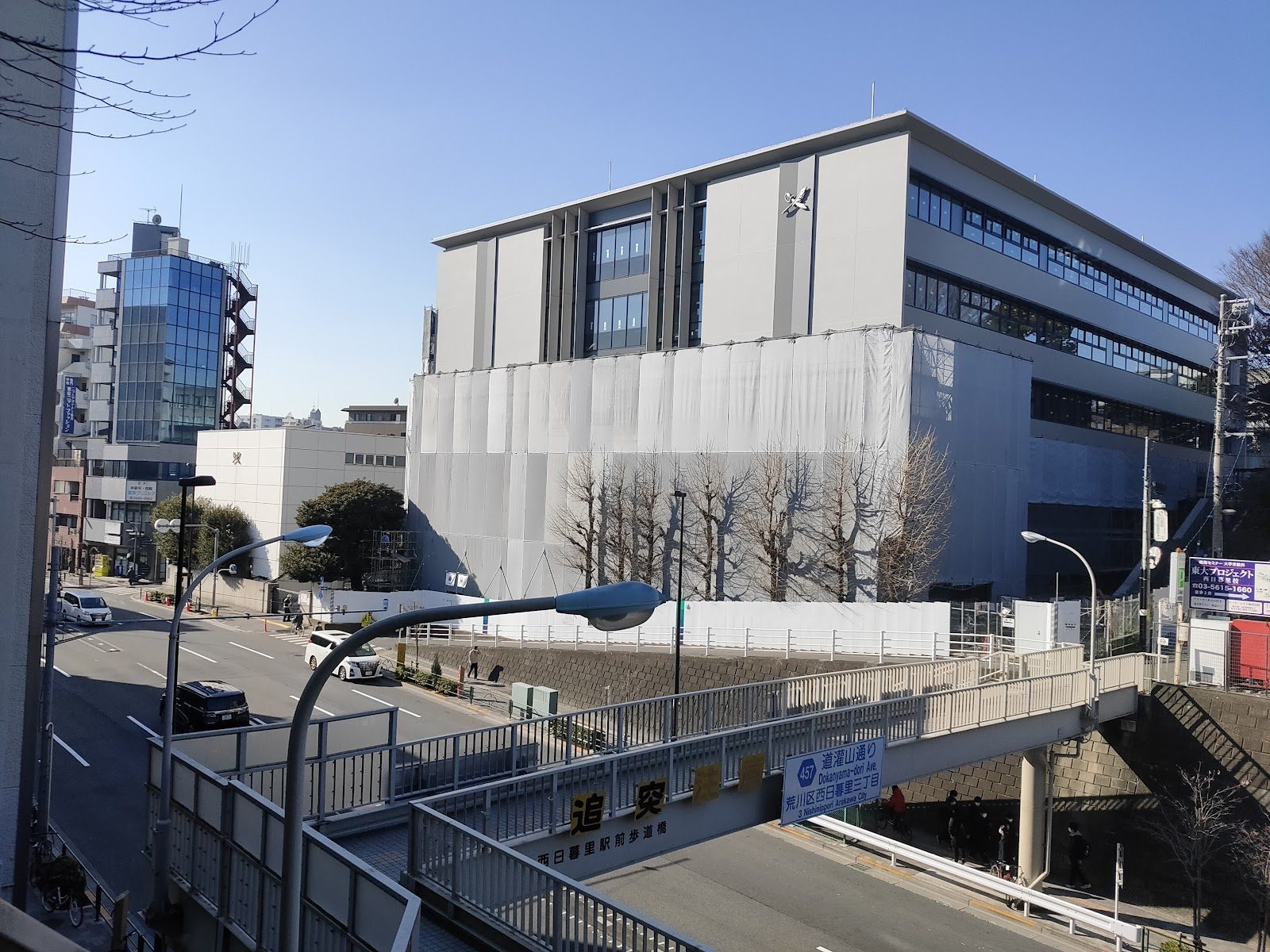
Kaisei Academy
Tokyo · Japan
An 1871 all-boys day school in one of Tokyo's densest wards, a perennial University of Tokyo feeder now adding IB and AP tracks abroad.
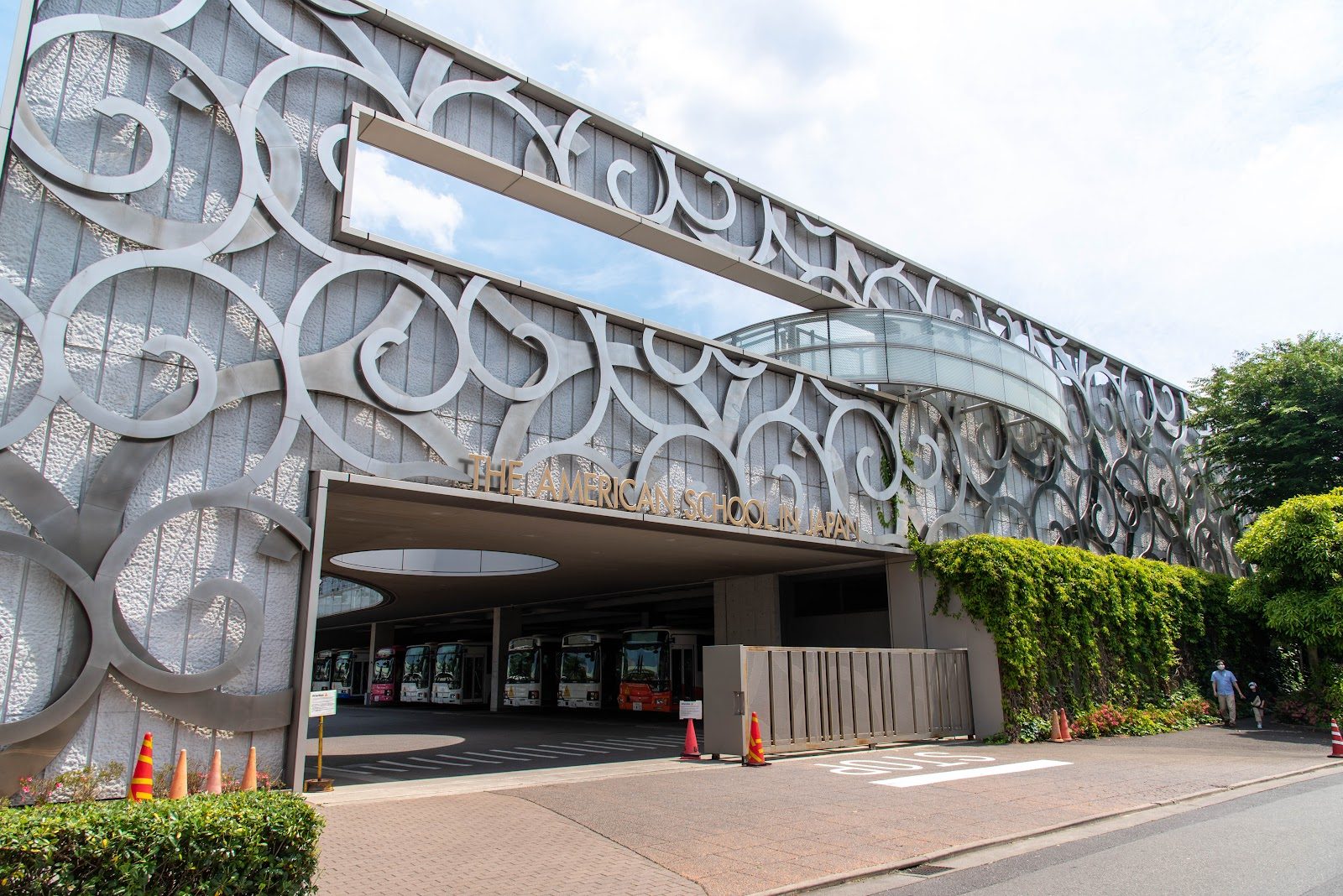
The American School in Japan
Tokyo · Japan
Rooted in Chofu since 1902, its early campus plans once drew sketches from Frank Lloyd Wright himself.
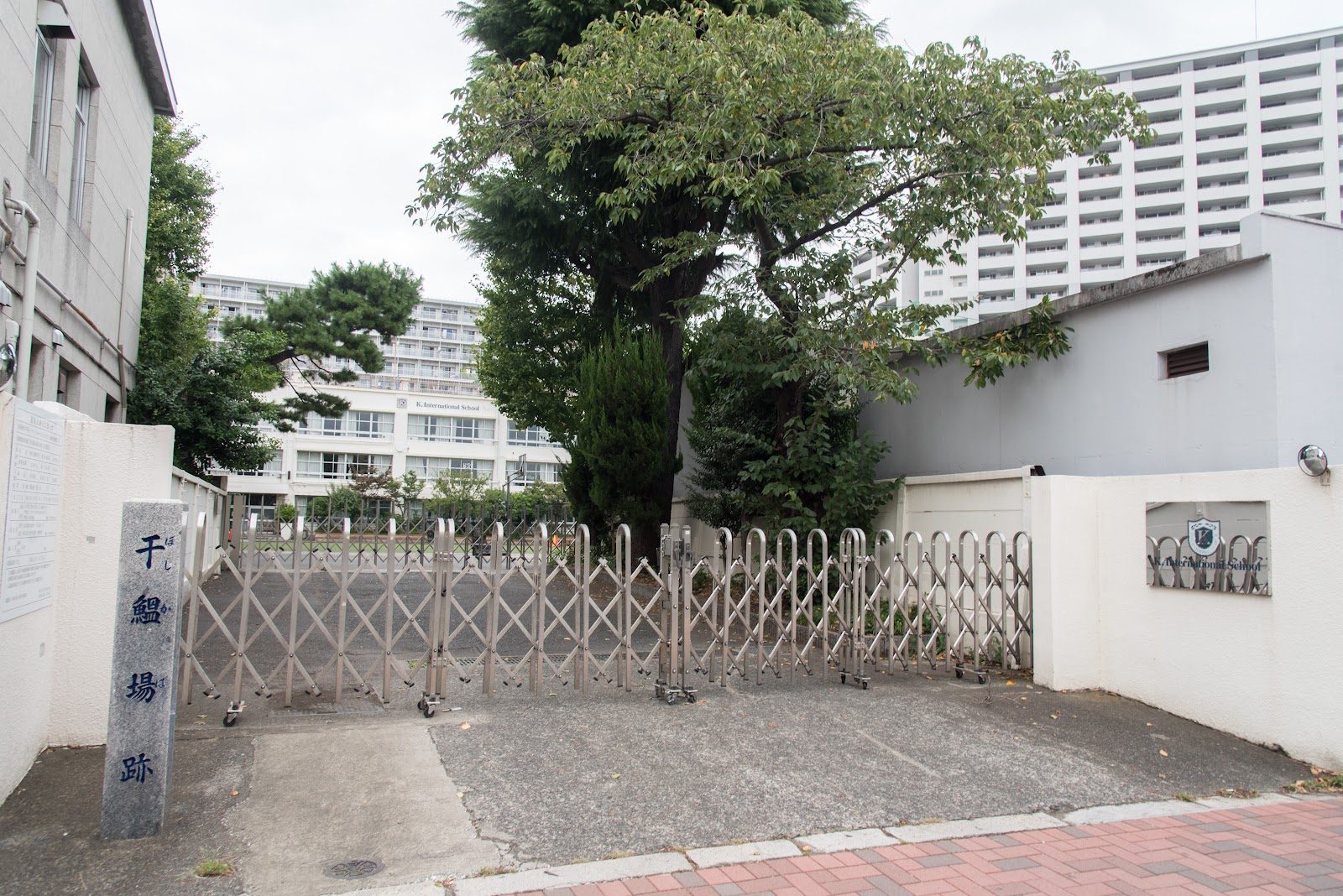
K. International School Tokyo
Tokyo · Japan
Tucked in Koto-ku's Kiyosumi-Shirakawa district, a full IB continuum school whose diploma scores have topped Japan's rankings since 2015.
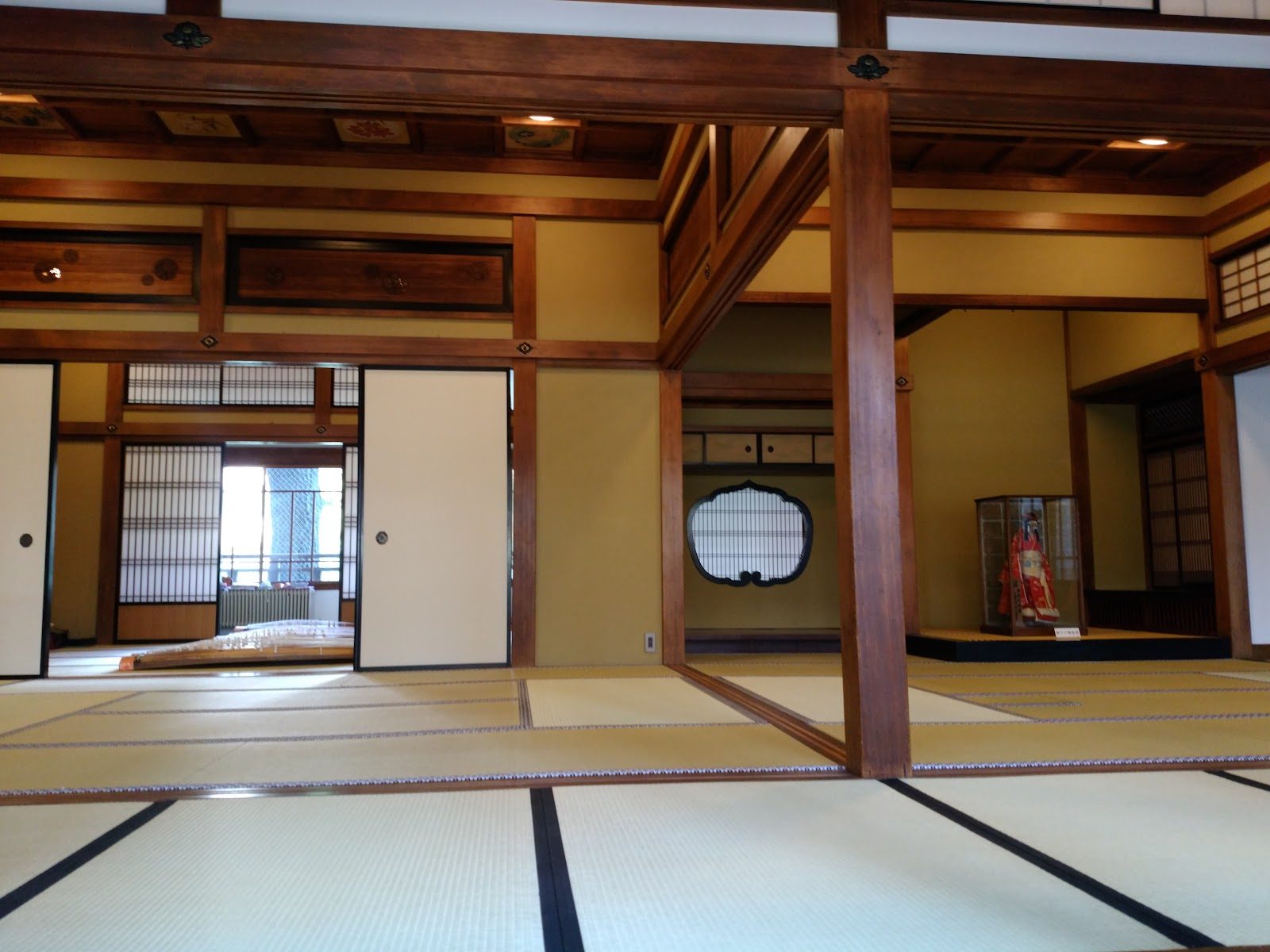
International School of the Sacred Heart
Tokyo · Japan
Since 1908, a wooded Hiroo campus anchors Japan's oldest all-girls international school, blending Sacred Heart values with 23 AP courses.
Same country and curriculum — closest matches within ±10 points either way