
Nagano Prefecture
UWC ISAK Japan
high confidence· 5/6 cats · 3.12 avg sourcesJapan's only UWC campus, tucked on Mount Asama, where seven in ten students study on need-based scholarship.
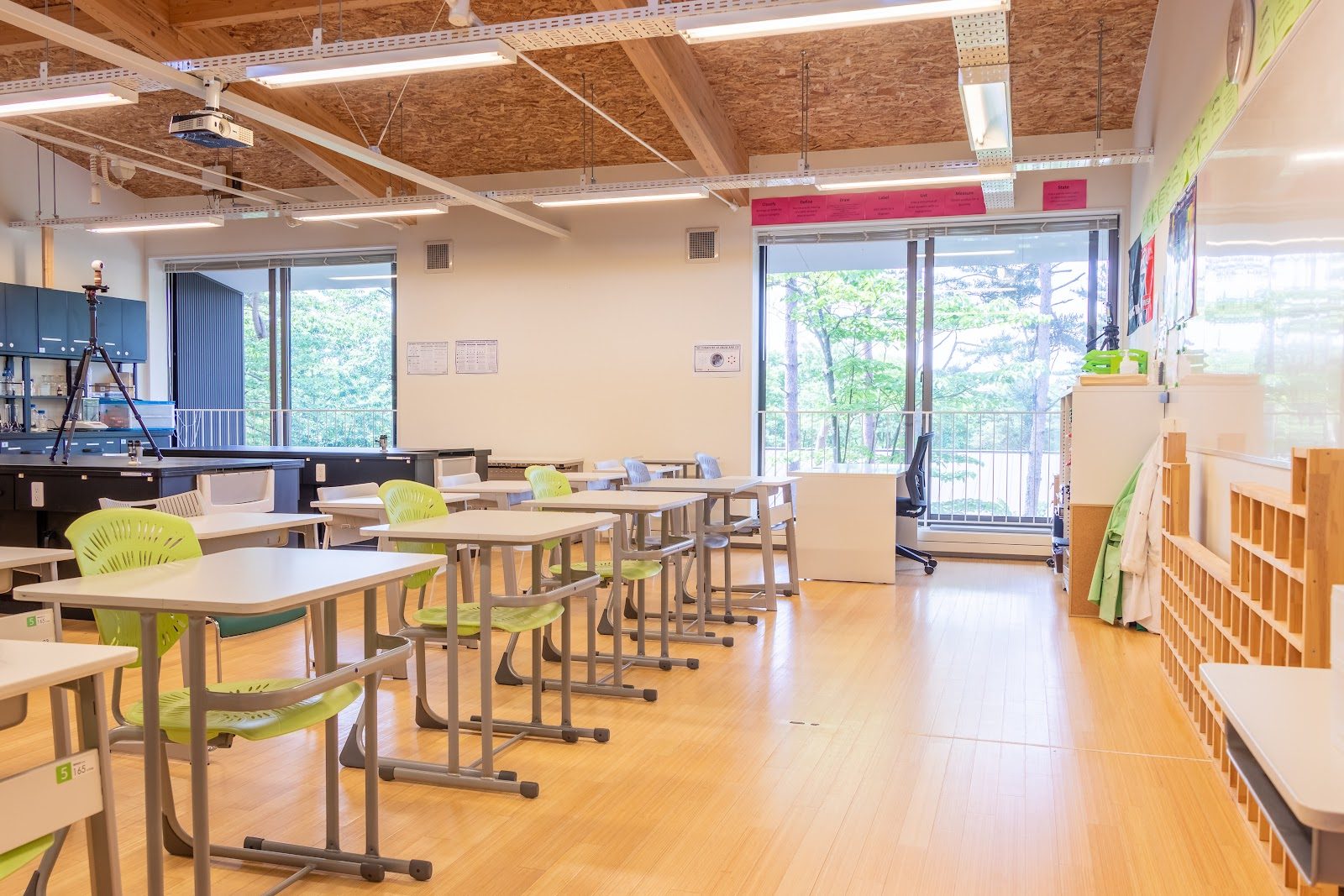
Photo © UWC ISAK Japan Communications Team via Google Maps
Type
Boarding
Ages
3–18
Curriculum
IB
Ratio
—
The Verdict
Editor's commitment
Right for
Families who want Japan’s only UWC campus: full boarding in Karuizawa, IB, and English-Japanese teaching with a clear international brief.
Wrong for
Parents chasing a conventional city-school run or day-school life; this is a boarding school founded in 2014 on Mount Asama, not Tokyo.
Watch out for
Boarding averages $47,683 a year, and the headline destinations list is thin: Arts University Bournemouth, ANU and Bates, one student each.
Ranking breakdown
UWC ISAK Japan · #404 of 1591
Composite score 70.5. 8 weighted criteria.
By criterion
Academic Outcomes
Weight 20%
#386
of 1529 scored
University Placement
Weight 16%
#305
of 1529 scored
Prestige & Heritage
Weight 12%
#1150
of 1571 scored
Alumni Network
Weight 12%
#900
of 1530 scored
Facilities
Weight 12%
#125
of 1533 scored
Transparency & Communications
Weight 8%
#123
of 1532 scored
Peer & Industry Review
Weight 10%
#164
of 1548 scored
Admissions Selectivity & Demand
Weight 8%
#489
of 1529 scored
Score history
UWC ISAK Japan · 2026
Movement across 2024–2026. Peer average overlaid.
Overall — 2024–2026
70.5/ 100
▲ +30.7 vs 2025
year on year
Peer & Industry Review
How UWC ISAK Japan is regarded in the sector
62
Respected · medium confidence
UWC ISAK Japan is consistently featured in Japan-focused education and business press (Nikkei Asia, The Japan Times, Forbes Japan) as a pioneering international boarding school and Japan's flagship member of the global UWC movement, praised for its selective admissions and scholarship model backed by major Japanese corporate donors. However, it lacks the deep third-party benchmarking seen in Tatler/Good Schools Guide-style rankings and has a comparatively young, still-developing alumni network, placing it as a respected regional player rather than a top-tier global name.
Evidence sources
Editors' overview
UWC ISAK Japan sits in a niche of its own: Japan’s only UWC campus, in Karuizawa on the slopes of Mount Asama, with English and Japanese as languages of instruction and a full boarding model. It opened in 2014 and joined the UWC movement in 2017, which matters because this is not a generic international boarding school with a service gloss added on top. The UWC mission, the IB curriculum and the school’s own leadership focus are the core of the offer. For families who want Japan without the exam-cram culture of domestic elite schooling, that combination is genuinely distinctive.
The other fact that puts it straight onto a shortlist is access. Seven in ten students study on need-based scholarship. That is an unusually serious commitment to socioeconomic diversity, and it changes the character of a boarding school. Parents looking for a polished, affluent enclave will find a very different social mix here. Parents who value international breadth, moral seriousness and students who have not all followed the same privileged track will find exactly that. The average annual boarding fee across the school is $47,683, which places it in the expensive end of the market, but the scholarship profile makes the community more mixed than that number alone implies.
This is a school for a specific type of child. The strongest fit is an intellectually curious, outward-facing teenager who wants an IB education, can handle boarding, and has a real appetite for living with peers from different backgrounds in a remote campus setting. Karuizawa is part of the attraction and part of the test: it is beautifully secluded, not urban, and students need to draw energy from the community and the landscape rather than from a city on the doorstep. The recent destinations list is modestly published rather than triumphantly sold — Arts University Bournemouth, Australian National University and Bates College are named — which tells you something useful. This school is not built around a narrow conveyor belt to a handful of famous universities. It is built around formation, leadership and international mindedness, with university outcomes that are real but not the sole point of the exercise.
That clarity makes UWC ISAK Japan compelling for the right family and wrong for the wrong one. Students who want relentless traditional academic drilling, a large-city social life, or a conventional prestige hierarchy will find it ill-suited. Students who want a boarding education with purpose, an IB framework, a strong Japanese context and a peer group shaped by scholarship access will find a school with a clear identity and far more substance than many institutions with shinier branding. The shortlist case is simple: 2014 foundation, 2017 entry into the UWC movement, and 70% of students on need-based scholarship add up to a school with a rare proposition in Japan.
Academic Performance
Academic transparency is limited. The school does not publish aggregate IB Diploma results, average point scores, subject-level performance, or university placement patterns in enough detail to support a hard comparison with the strongest IB boarding schools in Asia. That matters. In this market, schools with top-flight outcomes publish the numbers. UWC ISAK Japan instead asks families to buy into mission, leadership and community with less public academic proof than many direct competitors. The destinations cited are real but lightly disclosed, and the school’s own description gives equal weight to transformation, impact and leadership. That points to an education with a broader brief than pure exam maximisation.
Where does that leave it against peers? Not in the camp of the results-obsessed IB schools that trade on published averages and elite-university volume. It sits closer to the UWC tradition: selective, internationally mixed, values-driven, and academically serious without reducing the school to a score machine. For the right student, that can be far more meaningful than a narrowly drilled academic culture. For parents who want clear external-performance data before paying an average annual boarding fee of $47,683, the opacity is a weakness, full stop. The school’s academic case rests on trust in its model rather than on a public run of headline exam figures.
Facilities
Facilities are not the reason to choose this school, and that is worth stating plainly. The campus’s main asset is place: a serene, remote mountain setting in Karuizawa that supports residential life, outdoor activity and a strong sense of separation from urban distraction. That suits students who thrive in a contained community. It does not suit families hunting the flashy hardware race of top-tier Asian boarding schools. The school talks about its setting, its community and its leadership ethos far more than about specialist buildings, performance venues, sports complexes or standout labs. That silence matters. Against big-budget peers in Japan, Hong Kong, Singapore or Switzerland, the physical plant reads as purposeful rather than grand.
For younger children, the age range on paper raises an obvious facilities question: what provision exists for early years and primary pupils within a campus best known for its older students. The school does not set that out clearly enough. Nor does it publish the kind of detailed campus inventory that helps parents judge music practice space, theatre quality, indoor sport, maker facilities or boarding-house specification. In a peer set where strong schools itemise every studio, pitch and lab, that lack of disclosure is a weakness. Families drawn by mission and community will accept a campus that is less polished and more intimate. Families who expect a fully loaded boarding estate for an average annual fee of $47,683 will want firmer detail before signing.
For families who want Japan without the exam-cram culture of domestic elite schooling, that combination is genuinely distinctive
Prestige
Prestige here comes from network, selectivity and mission rather than from old-money cachet or published score-chasing. The UWC badge carries real weight with internationally minded families, universities and scholarship bodies because it signals a school built around cross-border living, service and intellectual seriousness, not a branded luxury enclave. In Japan, that status is sharper because this remains the country’s only UWC campus. The school’s commitment to need-based aid for 7 in 10 students also gives its reputation a different texture from conventional premium boarding schools: less gilded, more credible, and harder to dismiss as a finishing ground for the affluent. That matters. A socially mixed intake drawn through a global UWC frame gives the school distinction that money alone cannot buy.
That said, prestige here is specialist prestige, not universal prestige. Among families who prize published league-table dominance, old institutional lineage or a conveyor belt to famous universities, UWC ISAK Japan has a weaker hand. The school does not trade on grand tradition, and it does not publish the kind of results data that turns reputation into a blunt market weapon. Its average annual boarding fee of $47,683 places it in an elite bracket, but the school’s standing rests on a serious moral proposition and a rare educational model, not on social polish. For the right family, that gives it real intellectual stature. For status buyers, it has less obvious shine.
That clarity makes UWC ISAK Japan compelling for the right family and wrong for the wrong one
Communications
Parent communication is clear in intent and thin in substance. The public-facing site does the mission work well: it explains the UWC connection, the school’s emphasis on leadership and impact, and the practical fact that applications are live for short-course programmes such as the winter offer for ages 12–13. It also gives families straightforward routes to apply, donate, switch into Japanese, and move between the high school and short-course sections. That structure helps. Parents can grasp the school’s priorities quickly. What they cannot do is test them against hard operational detail. There is little public depth on day-to-day school life, academic reporting, pastoral systems, boarding routines, calendar texture, or the mechanics of parent partnership. For a residential school asking families for a high level of trust, that gap is a real weakness.
The tone is serious, mission-led and free of glossy nonsense, which counts in its favour. This school does not write like a luxury brand. Yet effective parent communication needs more than values language and clean navigation. It needs concrete disclosure. Families need to know how progress is reported, how safeguarding concerns move through the system, how boarding staff communicate with parents across distance, and how the school handles the practical strain of teenagers living away from home. On those points, the school is too opaque. Parents already sold on the ethos will tolerate that. Hard-headed families will ask sharper questions before committing $47,683 a year.
Uniqueness
What sets UWC ISAK Japan apart is not a single selling point but an uncommon combination: the UWC mission embedded in a school rooted in Japan, a leadership programme treated as central rather than decorative, and a student body shaped by need-based aid at a scale that changes the social reality of the campus. The headline figure is 7 in 10 on scholarship. That produces a community with a different moral centre from the standard premium boarding model. Students do not just talk about diversity; they live with peers whose lives, passports and financial circumstances differ sharply. In practical terms, that brings daily friction, adjustment and perspective. For the right teenager, that is formative in the strongest sense.
The setting reinforces the model. This is a deliberately self-contained school in a mountain town, tied into a global network but removed from the usual metropolitan circuit of international schooling. Students get a more demanding version of international education: less social display, less urban distraction, more reliance on the residential community itself. The school’s own emphasis on peace, sustainability and impact beyond campus gives that environment a clear purpose. The gain for students is not glamour or institutional theatre. It is a chance to grow inside a mission-driven, socially mixed and culturally specific school that asks more of character than many schools with stronger market polish.
UWC ISAK Japan instead asks families to buy into mission, leadership and community with less public academic proof than many direct competitors
Student Profile
The right student here is not a passive high-achiever shopping for a polished launchpad. UWC ISAK Japan suits a teenager who wants to live closely with peers from many backgrounds, argue ideas at the dinner table, and treat school as more than classes plus credentials. The scholarship profile matters because it shapes daily life, not just admissions optics: with 7 in 10 students on need-based aid, the social mix is wider and the campus culture less insulated than at many expensive boarding schools. Students who fit tend to have strong internal drive, real social elasticity and a willingness to be unsettled by other people’s experiences. A child who needs constant home comforts, status reassurance or a familiar social tribe will struggle.
It also suits students who can cope with intensity without spectacle. The setting asks for self-sufficiency, resilience and a taste for community over city buzz. There is space here for thoughtful, idealistic, internationally minded young people, including those drawn to leadership, service and questions of peace and sustainability. There is less space for the prestige-fixated, the hyper-competitive grinder or the teenager who wants school to revolve around rankings, polish and personal advancement. For families considering the lower age range, the fit question is sharper: the school’s public identity centres so strongly on older students that the profile for younger children remains under-explained. The clearest match is still the adolescent ready for a demanding, values-led residential education.
Among families who prize published league-table dominance, old institutional lineage or a conveyor belt to famous universities, UWC ISAK Japan has a weaker hand
Co-curricular strengths
Arts & sport, on a separate axis
Overall 8.08/10
Scored 0-10 from the school's own published evidence. This axis is editorial-only — it does not feed the main WTS ranking.
Sports
8.7/10
Basketball, Soccer, Tennis and Skiing, and the facilities section also mentions sports facilities plus outdoor access supporting outdoor education.
Drama
8.6/10
The extracurriculars explicitly include Drama productions, and specialist rooms for arts and performance, giving both recurring productions and dedicated performance spaces.
Dance
6.5/10
Music
7.8/10
Specialist rooms for arts and performance, but there is no music-specific programme, ensemble, staff, or facility evidence to score responsibly.
Visual Arts
8.8/10
Specialist rooms for arts, which is clear evidence of visual-arts provision.
Editor first-pass · editor-reviewable · 7/27/2026
Outcomes & destinations
Where students go next
Class of 2023
Top destinations
90 placements
- Arts University Bournemouth· 1
- Australian National University· 1
- Bates College· 1
- Bentley University· 1
- Bowdoin College· 1
- Brandeis University· 1
- Brown University· 1
- Case Western Reserve University· 1
- CEU Cardenal Herrera University· 1
- Chinese University of Hong Kong· 1
- Colby University· 1
- College of the Atlantic· 1
- Columbia University· 1
- Concordia College at Moorhead· 1
- Cornell University· 1
- Davidson College· 1
- Delft University of Technology· 1
- Duke University· 1
- Earlham College· 1
- Erasmus University Rotterdam· 1
- Franklin & Marshall College· 1
- Fulbright University· 1
- Furman University· 1
- IE University· 1
- International Christian University· 1
- Kalamazoo College· 1
- Keio University· 1
- King's College London· 1
- Laguna College of Art and Design· 1
- Lake Forest College· 1
- Leiden University· 1
- Loyola Marymount University· 1
- Luther College· 1
- Macalester College· 1
- Methodist University· 1
- Minerva Schools at KGI· 1
- Mount Allison University· 1
- Mount Holyoke College· 1
- Nagoya University of Commerce and Business· 1
- National University of Singapore· 1
- Oberlin College· 1
- Pace University· 1
- Pitzer College· 1
- Pomona College· 1
- Princess Srisavangavadhana College of Medicine· 1
- Princeton University· 1
- Queen Mary University of London· 1
- Rhode Island School of Design· 1
- Ringling College of Art and Design· 1
- Ritsumeikan APU· 1
- Ritsumeikan University· 1
- Royal Northern College of Music· 1
- Rutgers University· 1
- Savannah College of Art and Design· 1
- Skidmore College· 1
- Sophia University· 1
- St Lawrence University· 1
- St Olaf College· 1
- Swarthmore College· 1
- Temple University Japan· 1
- The New School, Parsons School of Design· 1
- Trinity College· 1
- Tufts University· 1
- University of Amsterdam· 1
- University of Bath· 1
- University of California, Berkeley· 1
- University of California, Davis· 1
- University of California, Los Angeles· 1
- University of Chicago· 1
- University of Edinburgh· 1
- University of Florida· 1
- University of Hawaii, Manoa· 1
- University of Melbourne· 1
- University of North Carolina Chapel Hill· 1
- University of Oklahoma· 1
- University of Richmond· 1
- University of Rochester· 1
- University of the Arts London· 1
- University of Tokyo· 1
- University of Toronto· 1
- University of Twente· 1
- University of Virginia· 1
- Utrecht University· 1
- Wake Forest University· 1
- Wartburg College· 1
- Waseda University· 1
- Washington University in St Louis· 1
- Wellesley College· 1
- Whitman College· 1
- Worcester Polytechnic Institute· 1
Reported by the school. Confirm with admissions.
Strengths
- +Japan's first full-boarding international high school, formed when ISAK joined the UWC movement in 2017 as its 17th member college.
- +Genuinely global cohort: students are drawn from more than 80 countries, with about 70 percent receiving need-based financial assistance.
- +The school offers no merit scholarships, only need-based aid, a policy designed to keep the community accessible across income levels.
- +Campus sits roughly 70 minutes from Tokyo by Shinkansen, giving a rural boarding setting with a fast rail link to the capital.
- +Curriculum pairs a Grade 10 leadership/design-innovation foundation year with the two-year IB Diploma Programme in Grades 11-12.
Considerations
- −Total enrollment is small (Wikipedia lists 175 students, other sources around 199), meaning fewer IB subject combinations and a narrower peer group than larger international schools.
- −Even with generous need-based aid, listed fees for families not receiving assistance are substantial: tuition of 4,900,000 JPY plus boarding fee of 1,825,000 JPY and a 500,000 JPY facilities fee.
- −Location is genuinely remote: a wooded campus near Karuizawa town rather than in or near a major city, so full-time boarding is effectively mandatory for all students.
- −Because no merit-based scholarships exist, academically outstanding applicants from wealthier families cannot reduce fees through achievement alone.
Availability
Primary entry gate & tests
Direct Gr 10 / UWC NC Gr 11
Gallery
Photo © UWC ISAK Japan Communications Team via Google Maps
Photo © UWC ISAK Japan Communications Team via Google Maps
Photo © UWC ISAK Japan Communications Team via Google Maps
Photo © UWC ISAK Japan Communications Team via Google Maps
Photo © UWC ISAK Japan Communications Team via Google Maps
Photo © UWC ISAK Japan Communications Team via Google Maps
Photo © UWC ISAK Japan via Google Maps
Photo © UWC ISAK Japan via Google Maps
Photo © UWC ISAK Japan via Google Maps
Parent reviews
Have you sent your child here?
Voice reviews carry the strongest trust badge — we transcribe them for you to tidy up before they go live. Prefer to type? A written review is fine too.
Add your voice
In 60 seconds, tell other parents: what's the best thing about UWC ISAK Japan, and what surprised you when your child joined?
We ask for a Google sign-in so every review has a real face behind it — no anonymous drive-by attacks on schools, and no faked positive reviews. Your email is never shown publicly.
Send this profile to a friend
International parents rely on word-of-mouth. Share this review with someone weighing the same decision.
Schools with places
Similar schools to UWC ISAK Japan with places available now.
Yokohama International School
Yokohama · Japan
- 2026-27
- WAITPOOLSpace-dependent
- 2027-28
- PLACES OPENRolling
Saint Maur International School
Yokohama · Japan
- 2026-27
- WAITPOOLSpace-dependent
- 2027-28
- PLACES OPENRolling
K. International School Tokyo
Tokyo · Japan
- 2026-27
- WAITPOOLSpace-dependent
- 2027-28
- PLACES OPENRolling
Canadian Academy
Kobe · Japan
- 2026-27
- WAITPOOLSpace-dependent
- 2027-28
- OPENS SOONExpected ~Sept '26 (one-year-ahead policy)
Availability first, then country, area, curriculum, price, co-curricular
Consider also
Also worth looking at alongside UWC ISAK Japan.
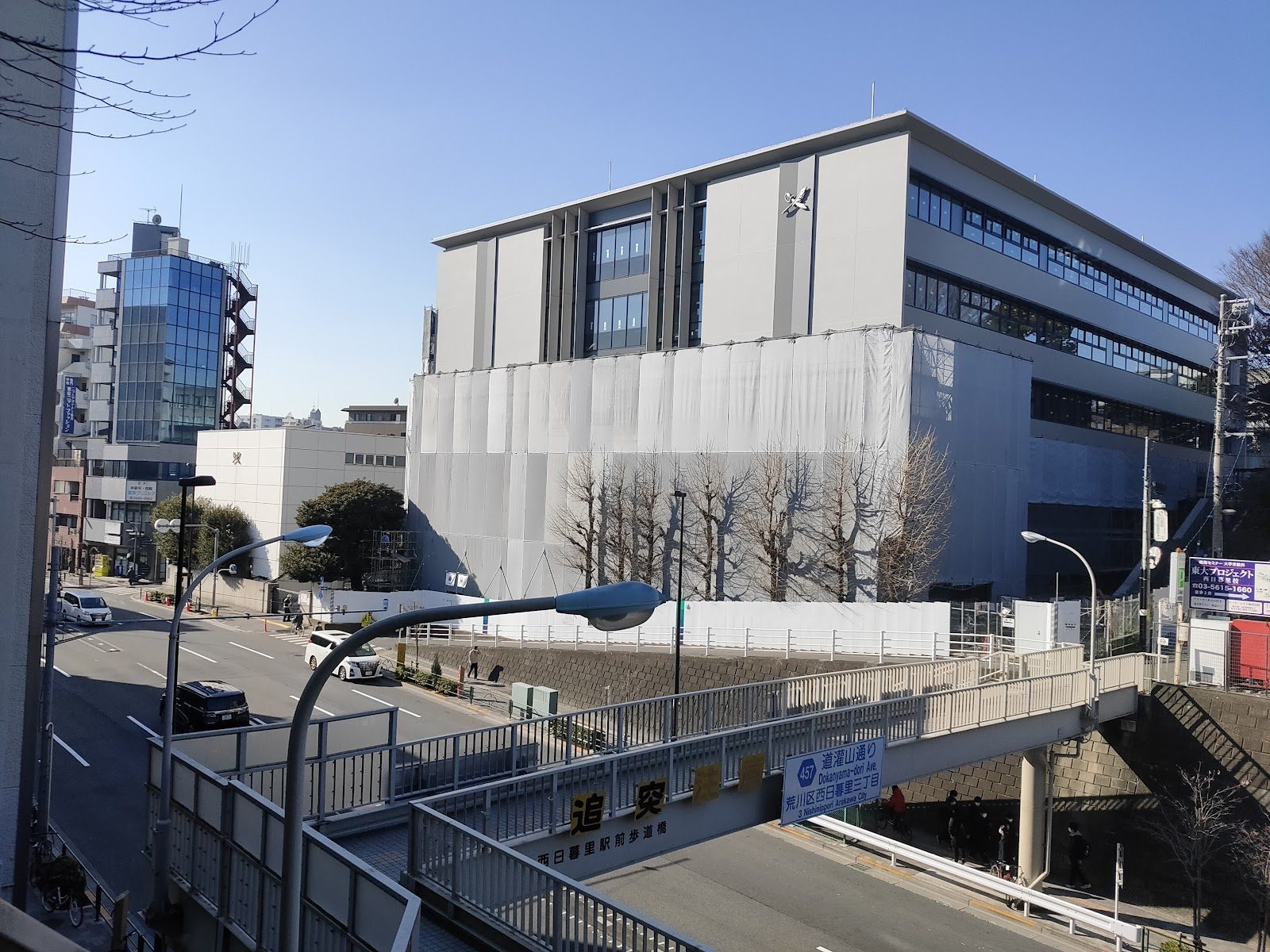
Kaisei Academy
Tokyo · Japan
An 1871 all-boys day school in one of Tokyo's densest wards, a perennial University of Tokyo feeder now adding IB and AP tracks abroad.
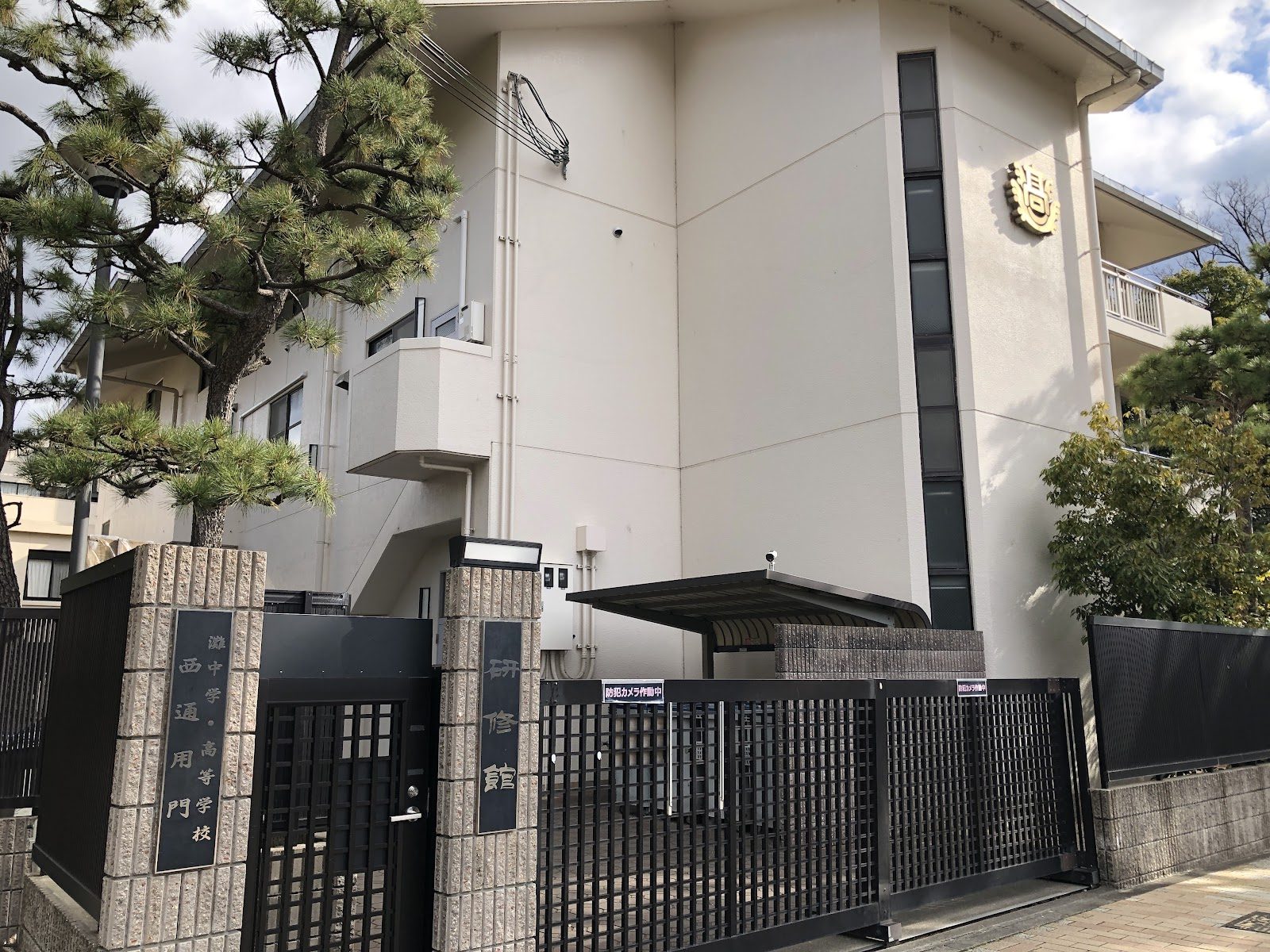
Nada High School
Kobe · Japan
Founded by Kobe sake brewers with judo's creator as an advisor, this uniform-free campus channels students straight into Tokyo and Kyoto University.
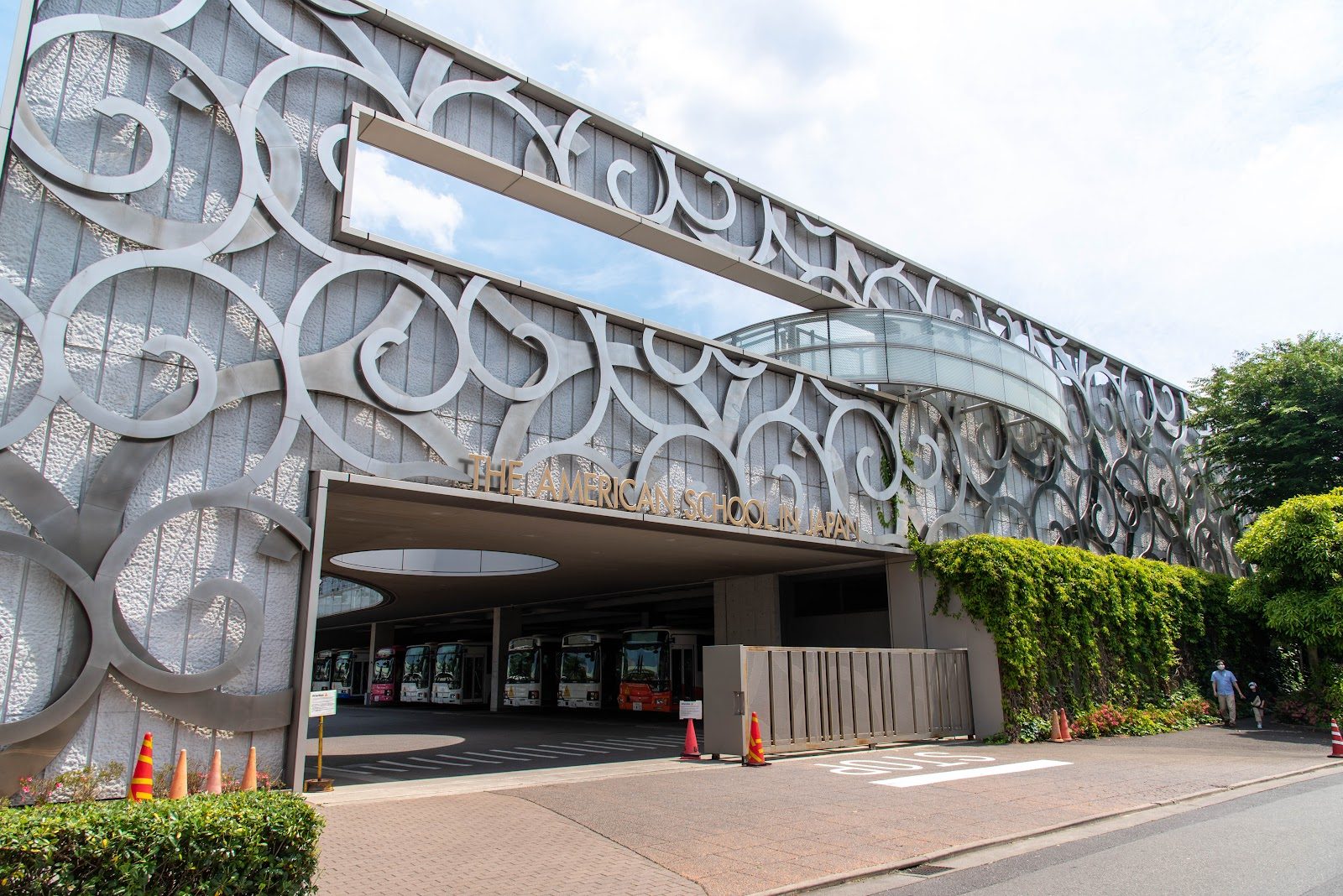
The American School in Japan
Tokyo · Japan
Rooted in Chofu since 1902, its early campus plans once drew sketches from Frank Lloyd Wright himself.
British International School Riyadh
Riyadh · Saudi Arabia
Founded in 1979 amid Riyadh's diplomatic and oil community, this multi-campus day school pairs A-Levels with the IB Diploma.
Same country and curriculum — closest matches within ±10 points either way