
Ohio
Founded in 1826 as Western Reserve College, this Hudson campus now teaches cancer immunology with the Cleveland Clinic.
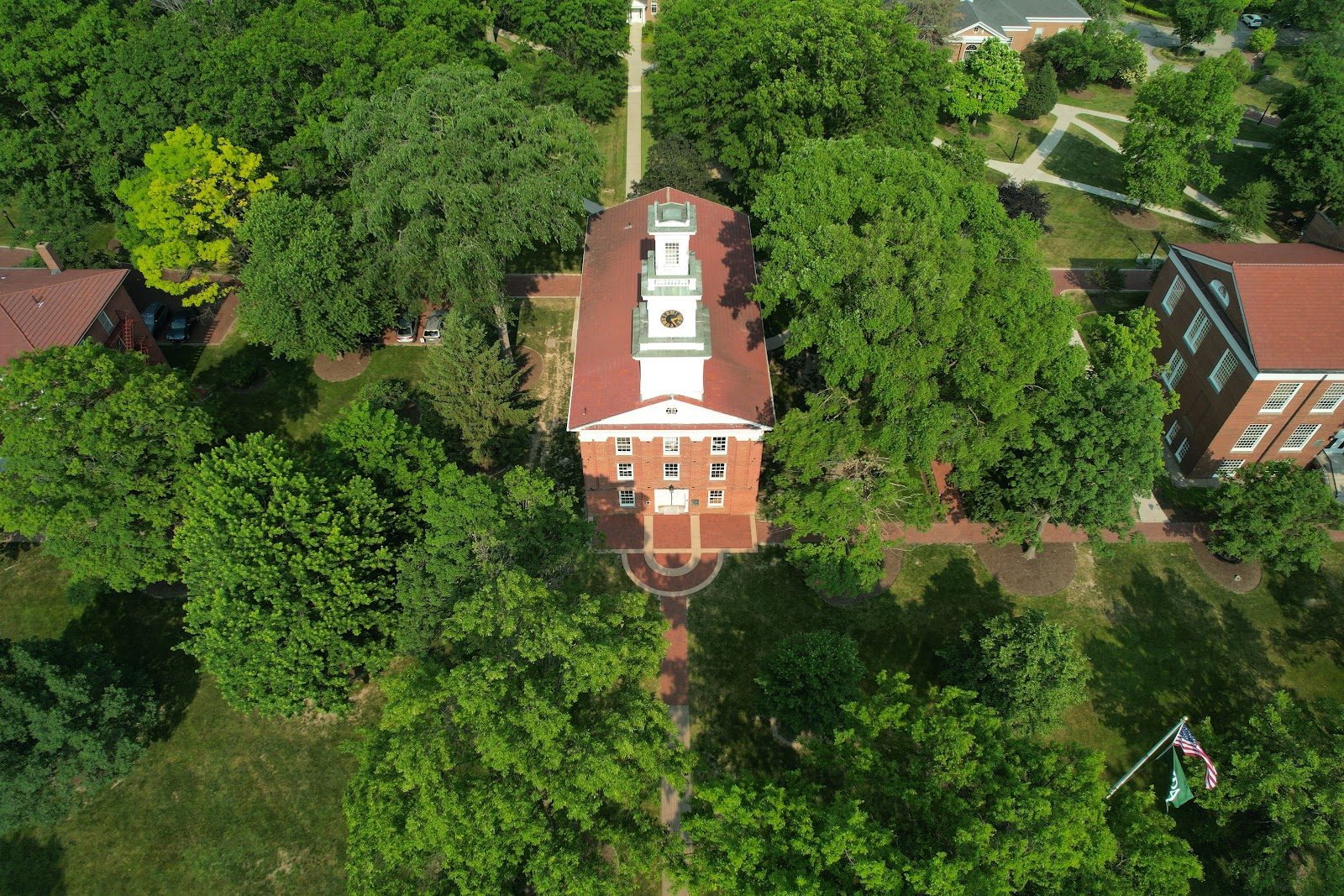
Photo © Robert Keener via Google Maps
Type
Both
Ages
13–18
Curriculum
American
Qualifications
AP
Ratio
1:8
The Verdict
Editor's commitment
Right for
Boarders and day pupils aged 13–18 who want an American college-prep school with a 1:8 ratio and serious lab-led teaching.
Wrong for
Families wanting a British or IB route, faith framing, or schooling in another language: WRA teaches an American curriculum in English.
Watch out for
Founded in 1826 and accredited by NAIS, WRA trades on heritage; test whether the Cleveland Clinic-linked cancer immunology work reaches your child.
Ranking breakdown
Western Reserve Academy · #249 of 1591
Composite score 73.2. 8 weighted criteria.
By criterion
Academic Outcomes
Weight 20%
#450
of 1529 scored
University Placement
Weight 16%
#398
of 1529 scored
Prestige & Heritage
Weight 12%
#262
of 1571 scored
Alumni Network
Weight 12%
#142
of 1530 scored
Facilities
Weight 12%
#193
of 1533 scored
Transparency & Communications
Weight 8%
#388
of 1532 scored
Peer & Industry Review
Weight 10%
#385
of 1548 scored
Admissions Selectivity & Demand
Weight 8%
#489
of 1529 scored
Peer & Industry Review
How Western Reserve Academy is regarded in the sector
73
Respected · medium confidence
Among Ohio and Midwest independent schools, WRA is consistently regarded as one of the region's most established boarding options, cited alongside University School and Hawken in local rankings but rarely mentioned in the same breath as the Eight Schools Association institutions of the Northeast. College counselors and admissions commentary generally place it as a solid, if not nationally elite, feeder - graduates matriculate to a broad mix of strong state flagships and mid-tier private universities rather than the concentrated Ivy pipelines of Exeter or Andover. Independent education outlets such as Niche and Boarding School Review rate it favorably for community and value but do not position it in the top national tier. It rarely appears at international boarding-school conferences or in UK-oriented guides like Good Schools Guide or WhichSchoolAdvisor, reflecting a reputation that is respected but distinctly regional and domestic rather than globally competitive.
Editors' overview
Western Reserve Academy occupies a rare niche: an old American boarding school with a live appetite for applied science and modern making. Founded in 1826, it has longevity, but its sharper point is the Wang Innovation Center and the school’s three-year cancer immunology programme run in partnership with the Cleveland Clinic. That is not decorative enrichment. Students work with real cancer cells and have presented research at the American Association of Immunologists conference. For families comparing polished college-prep schools that offer the same AP-style menu in different buildings, WRA has a concrete differentiator. The school is both boarding and day, with a 1:8 student-teacher ratio, and the residential culture matters: Wikipedia records 280 of 390 students living on campus, which gives the place a proper boarding-school centre of gravity rather than a commuter feel.
The market position is clear. This is an American independent school for ambitious teenagers who want rigorous preparation without a narrow, test-factory atmosphere. WRA pushes hard on active, intentional learning, and its language about the teacher as “guide on the side” signals a classroom culture built around discussion, projects and ownership rather than passive note-taking. The campus in Hudson adds another selling point: families get a contained residential environment with access to a functioning town, not an isolated hilltop. That combination of intellectual seriousness, residential energy and a small-school scale will appeal to parents who want close adult attention without sacrificing breadth.
What is special here is not only the science. WRA also advertises distinctive routes such as digital music production, backed by a school structure that gives students room to build a profile across disciplines. The strongest candidates for WRA are self-propelled, curious and ready to use specialist opportunities rather than wait for instruction. A student who wants real academic stretch, enjoys living in a community, and values direct access to teachers will do well. A child who needs constant external prodding, or who wants the anonymity of a very large school, will not. This is a place for students who like the idea of purposeful intensity with enough warmth and tradition to make boarding life feel alive rather than institutional.
Academic Performance
Western Reserve Academy does not publish the core data a serious parent would want for an academic performance judgement: no school-wide SAT or ACT profile, no aggregate AP outcomes, no IB data, and no university destinations list in the sources here. That leaves a gap. In a market where strong American independents often put at least some outcome measures into the public domain, this level of opacity is a weakness. The school asks families to trust the quality of the teaching and the distinctiveness of its programmes rather than inspect a clean results dashboard. For a school competing in the high-expectation college-prep bracket, that is a material omission.
What WRA does publish points more to academic character than to measurable attainment. The strongest evidence sits in its specialist work: a three-year cancer immunology programme, access to real cancer cells through the Cleveland Clinic partnership, and student presentations at a major immunology conference. That is serious academic enrichment, not a token elective. Relative to peers, WRA fits best with smaller American boarding schools that trade on intellectual texture and close teaching rather than massed public exam statistics. That can be persuasive for the right family, but it is not the same as transparent performance reporting. Until the school discloses broader attainment data, its external academic standing remains hard to verify in the conventional league-table sense.
Facilities
The facility that matters most at Western Reserve Academy is the Wang Innovation Center. The school makes an unusually concrete claim for it: this is not a token makerspace with a few printers and a laser cutter parked behind a glass wall. It is built for serious design and prototyping work, with equipment and software aimed at architecture, engineering and product development, and it underpins one of the school’s few plainly distinctive academic offers. The Cleveland Clinic link gives that infrastructure extra weight. Access to real cancer cells moves the science provision out of the realm of polished school PR and into genuinely advanced territory for teenagers. Among peer American college-prep schools, that combination is rare and gives WRA a facility-led edge that many better-known schools do not match.
Beyond that flagship, the picture is more mixed. The school points parents towards a library called The Learning Hub, named academic support, dance, music, theatre and visual arts, plus health and counselling services, which indicates a properly rounded campus rather than a single-trick science shop. Hudson itself sits just beyond the gates, and that matters as an extension of daily life. What is missing is detail. We do not get the hard inventory a parent would want on labs beyond the innovation centre, theatre scale, music practice provision, sports plant, boarding-house quality or acreage. So the verdict is clear: one standout specialist facility, supported by a full independent-school backbone, but not the level of published facilities transparency that the top tier provides.
Western Reserve Academy occupies a rare niche: an old American boarding school with a live appetite for applied science and modern making
Prestige
Western Reserve Academy carries real old-school prestige within the American independent-school world, but it is not a household global name on the level of the biggest New England boarding brands. Its standing rests on three things: longevity, a serious residential culture, and a programme mix with sharper edges than many schools in its tier. The student body draws from more than 20 states and 15 countries, which gives the school reach beyond a local Ohio catchment and marks it as a national, not merely regional, proposition. That matters. So does the school’s command of place: a full campus community tied to a functioning town, with enough scale to feel lively without turning anonymous. Prestige here is earned through substance, not manufactured through volume.
What lifts WRA above the broad mass of respectable US college-prep schools is its willingness to back specialist work with genuine resources. The Wang Innovation Center is not a token add-on, and the Cleveland Clinic link gives the science offering rare credibility. Students have worked with real cancer cells and taken projects to a major professional conference. That kind of exposure gives the school serious intellectual cachet. The ceiling, though, is clear. WRA does not publish the breadth of outcomes data that top prestige schools use to reinforce reputation, and that keeps its status a notch below the most universally recognised American boarding names. Strong school, high regard, clear distinction — but not automatic brand supremacy.
The facility that matters most at Western Reserve Academy is the Wang Innovation Center
Communications
Western Reserve Academy communicates in a polished, high-frequency American independent-school style: clear navigation, dedicated parent and student portals, a visible admission events calendar, and distinct pages for counselling, health, wellbeing, college counselling and community life. That structure matters. It tells parents where to go and reduces friction around routine school business. The school also foregrounds leadership access, with the Head of School plainly surfaced rather than buried in governance pages, and it gives parents named pathways into the community through referral, guardian and support pages. For a school with students drawn from more than 15 countries, that level of signposting is functional and necessary, not a luxury.
The weakness is tone. WRA’s public-facing communication leans hard into slogan and uplift — “Forevergreen”, “Light. Truth. Joy.”, “School Is Solved!” — and that can feel over-produced when parents want hard operational detail. The website sells atmosphere well; it answers practical questions less consistently. We have not seen the kind of plain parent-facing disclosure that builds deep trust at the top end: published outcome dashboards, richer boarding-house detail, or a more granular account of daily systems and expectations. So the verdict is mixed but clear. Communication is slick, organised and easy to navigate, with a proper digital backbone, but it is stronger on brand management than on full-blooded transparency. Parents who value warmth and energy will respond well. Parents who want every serious metric in the open will find it too curated.
Uniqueness
What marks Western Reserve Academy out is not heritage alone but usable specialism. Plenty of old college-prep schools talk about innovation; WRA ties it to work that teenagers do with their hands, judgement and stamina. The cancer immunology strand runs for three years, not as a brief elective but as a sustained course of study, and the Cleveland Clinic link gives it real scientific weight. Students gain early exposure to laboratory method, research discipline and the habits of presenting technical work to adults outside school. That changes the academic texture. Science here has consequences: it asks for precision, persistence and comfort with complexity. The same applies to the Wang Innovation Center, which pushes making beyond classroom craft into design, prototyping and problem-solving with serious intent.
The second point of difference is the school’s refusal to split intellectual ambition from daily life. This is a place where specialist study sits inside a close residential and day-school community rather than a commuter timetable. That matters for students. It creates more time for conversation with teachers, more peer culture around projects, and more scope to build an identity that is not confined to one narrow strength. The result is purposeful range: a student can move between advanced science, digital music production, arts, leadership and ordinary adolescent life without the school feeling fragmented. For the right child, that blend produces genuine ownership of learning rather than passive compliance.
What marks Western Reserve Academy out is not heritage alone but usable specialism
Student Profile
The best fit at Western Reserve Academy is a student with drive, range and enough self-command to use freedom well. This is not the right school for a child who needs relentless supervision, narrow routines or constant grade-chasing prompts. It suits teenagers who want close contact with teachers, who can handle a residential social world without drama becoming the main event, and who take real pleasure in building things, testing ideas and talking them through. The school draws pupils from more than 20 states and 15 countries, so newcomers enter a community with some breadth of outlook rather than a purely local clique. The strongest candidates will bring intellectual appetite, social resilience and a willingness to join in.
Just as important, WRA fits students who do not want to be boxed into one identity. A mathematically strong pupil who also wants theatre or music, or an artist with a serious interest in design technology, has room here. The school’s signature science work raises the bar: a teenager excited by advanced lab-based study will find real stretch; one who recoils from depth, patience and precision will not. Nor is this a good match for families seeking prestige theatre for its own sake. The school rewards students who are genuinely curious, happy in a close community and ready to contribute rather than coast.
The best fit at Western Reserve Academy is a student with drive, range and enough self-command to use freedom well
Co-curricular strengths
Arts & sport, on a separate axis
Overall 9/10
Scored 0-10 from the school's own published evidence. This axis is editorial-only — it does not feed the main WTS ranking.
Sports
9/10
Drama
9/10
Dance
9/10
Music
9/10
Visual Arts
9/10
WTS 300 badge
Western Reserve Academy is one of the World's Top 300 Schools. Claim your listing to add it to your site →
Strengths
- +Founded in 1826, Western Reserve Academy is one of the oldest boarding schools in the United States and the oldest one located outside the Northeast.
- +The 190-acre campus sits in a historic Hudson, Ohio district and includes facilities such as the Wang Innovation Center and a library.
- +Academic ratio and scale are tight: average class size of 11 and a student-to-teacher ratio of roughly 7.6 to 1, per the school's published figures.
- +The school directs substantial resources to affordability, awarding more than $7.7 million in need-based financial aid annually plus merit scholarships up to $60,000 for boarders.
- +Distinctive elective offerings include a Cancer Immunology course developed through partnerships tied to Cleveland's medical institutions, unusual for a secondary school.
Considerations
- −Admission is competitive rather than open: the acceptance rate has been reported around 39-45%, notably lower than the boarding-school average of about 64%.
- −Fees are substantial for a Midwest school, with boarding tuition reported between roughly $71,250 and $76,975 and day tuition between $46,000 and $49,750 depending on the year cited.
- −The campus is in exurban Hudson, Ohio, about 22-30 miles from Cleveland, meaning international boarding families must route through Cleveland Hopkins International Airport rather than a major global hub.
- −As a school still building broader international name recognition outside the US Midwest, families weighing brand prestige against East Coast rivals should temper expectations accordingly.
Availability
Primary entry gate & tests
SSAT/ISEE + Interview
Gallery
Photo © Jeff Minar via Google Maps
Photo © jim jarrett via Google Maps
Photo © David Li via Google Maps
Photo © CPR Commercial via Google Maps
Photo © CPR Commercial via Google Maps
Parent reviews
Have you sent your child here?
Voice reviews carry the strongest trust badge — we transcribe them for you to tidy up before they go live. Prefer to type? A written review is fine too.
Add your voice
In 60 seconds, tell other parents: what's the best thing about Western Reserve Academy, and what surprised you when your child joined?
We ask for a Google sign-in so every review has a real face behind it — no anonymous drive-by attacks on schools, and no faked positive reviews. Your email is never shown publicly.
Send this profile to a friend
International parents rely on word-of-mouth. Share this review with someone weighing the same decision.
Schools with places
Similar schools to Western Reserve Academy with places available now.
Maret School
Washington, D.C. · United States
- 2026-27
- CLOSEDRegular cycle closed
- 2027-28
- PLACES OPENCloses 6 Jan '27
The Webb Schools
Claremont · United States
- 2026-27
- CLOSEDRegular cycle closed
- 2027-28
- PLACES OPENPortal live
The Baldwin School
Bryn Mawr · United States
- 2026-27
- CLOSEDRegular cycle closed
- 2027-28
- OPENS SOONOpens 1 Sept '26
The Branson School
Ross · United States
- 2026-27
- CLOSEDRegular cycle
- 2027-28
- OPENS SOONOpens Sept '26
Availability first, then country, area, curriculum, price, co-curricular
Consider also
Also worth looking at alongside Western Reserve Academy.
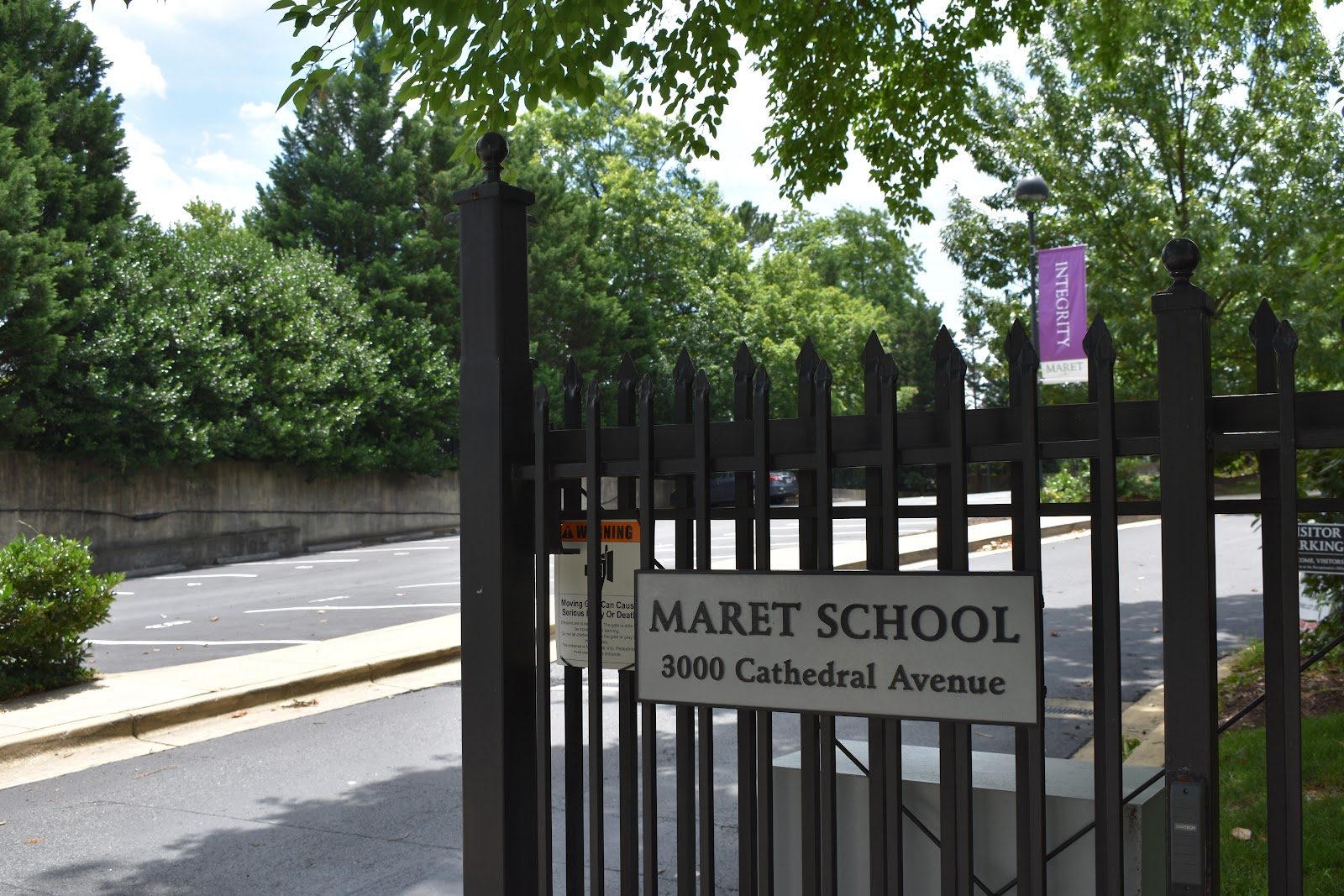
Maret School
Washington, D.C. · United States
A Federal-era Woodley Park estate carries forward the French-language roots planted by three immigrant sisters in 1911.
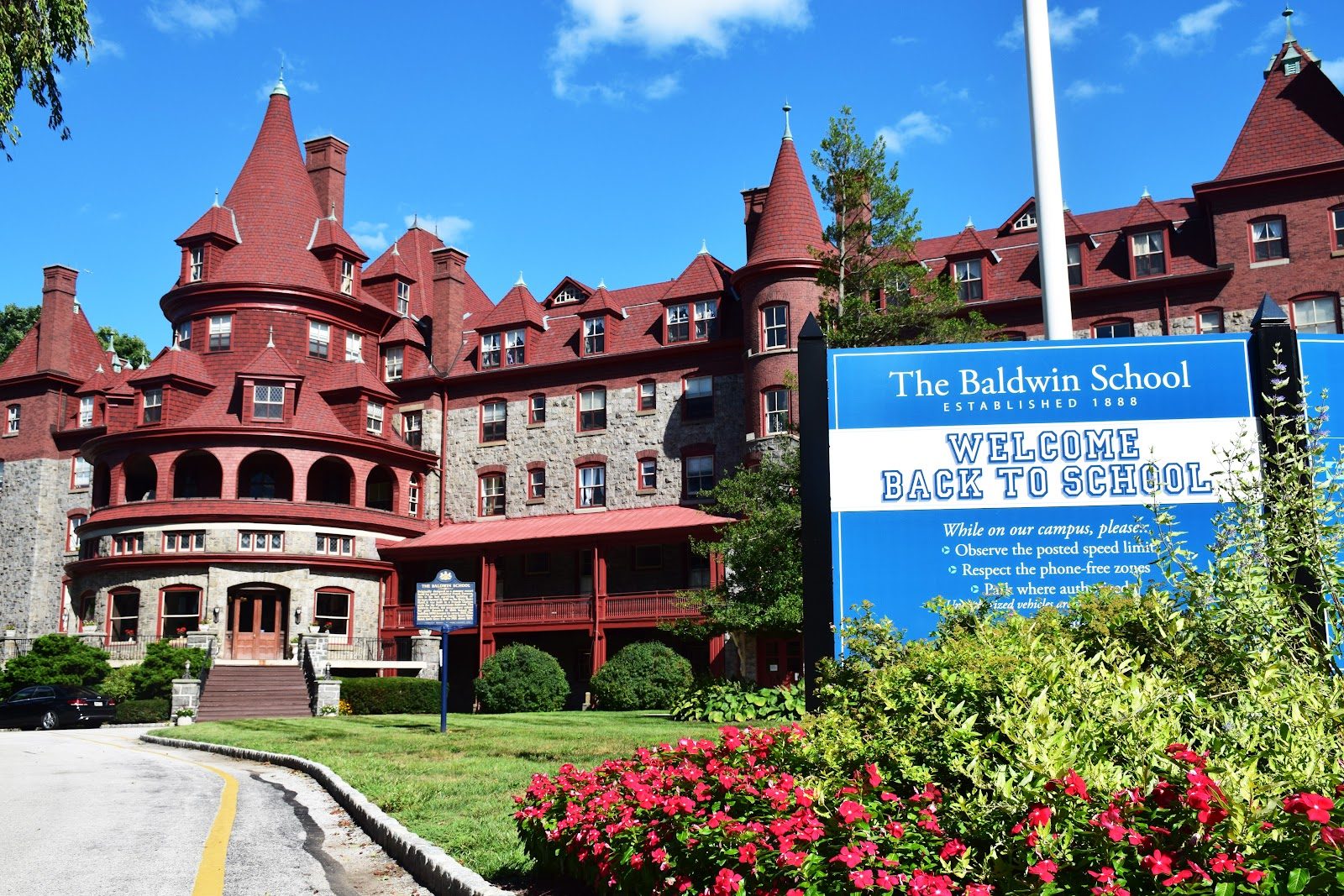
The Baldwin School
Bryn Mawr · United States
Since 1888, a single-sex college-prep tradition on Philadelphia's Main Line, housed in Frank Furness's landmark former Bryn Mawr Hotel.
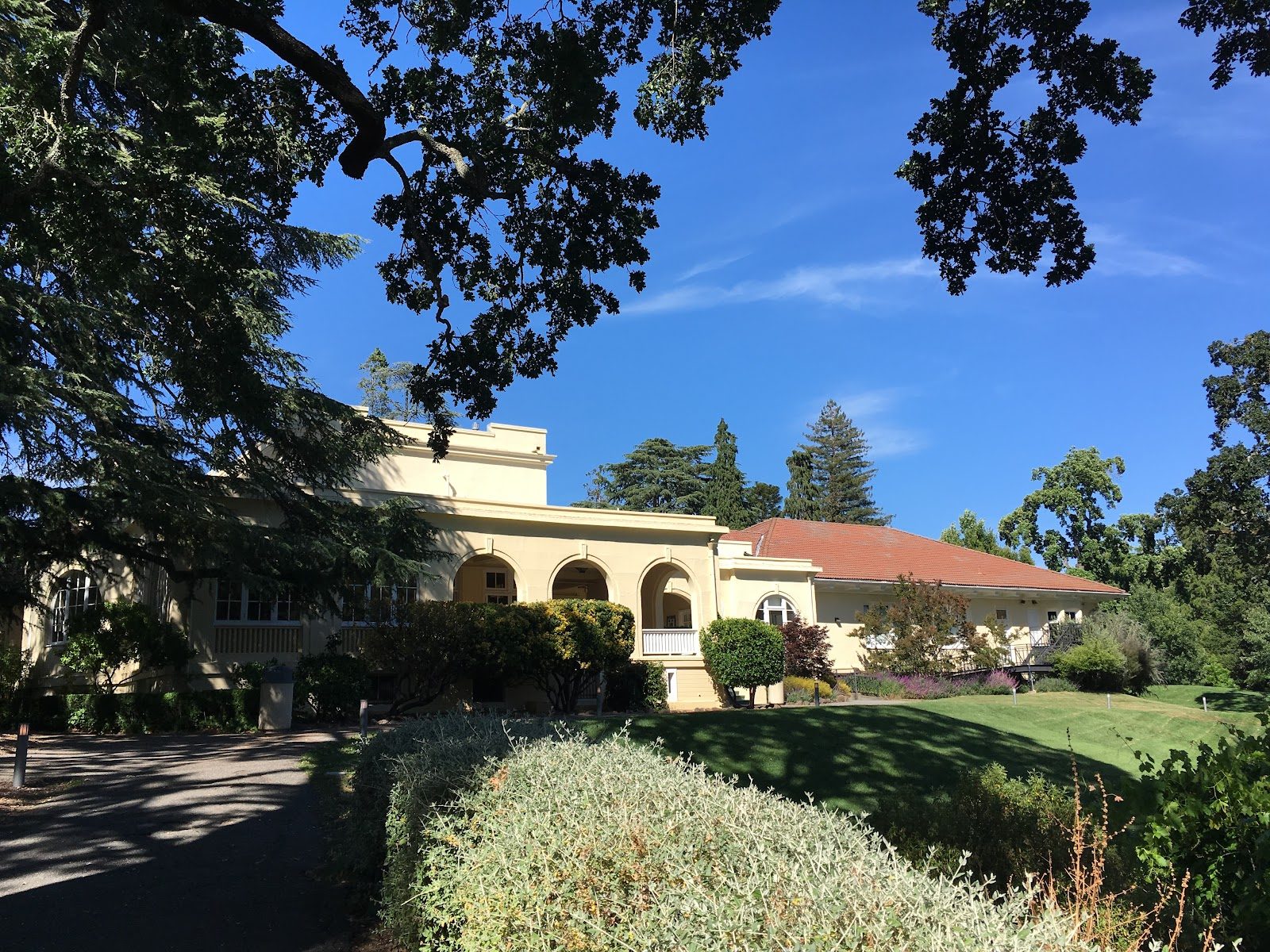
The Branson School
Ross · United States
A Marin hillside campus that skips AP tests for honors depth, immersive electives, and outdoor-education fieldwork.
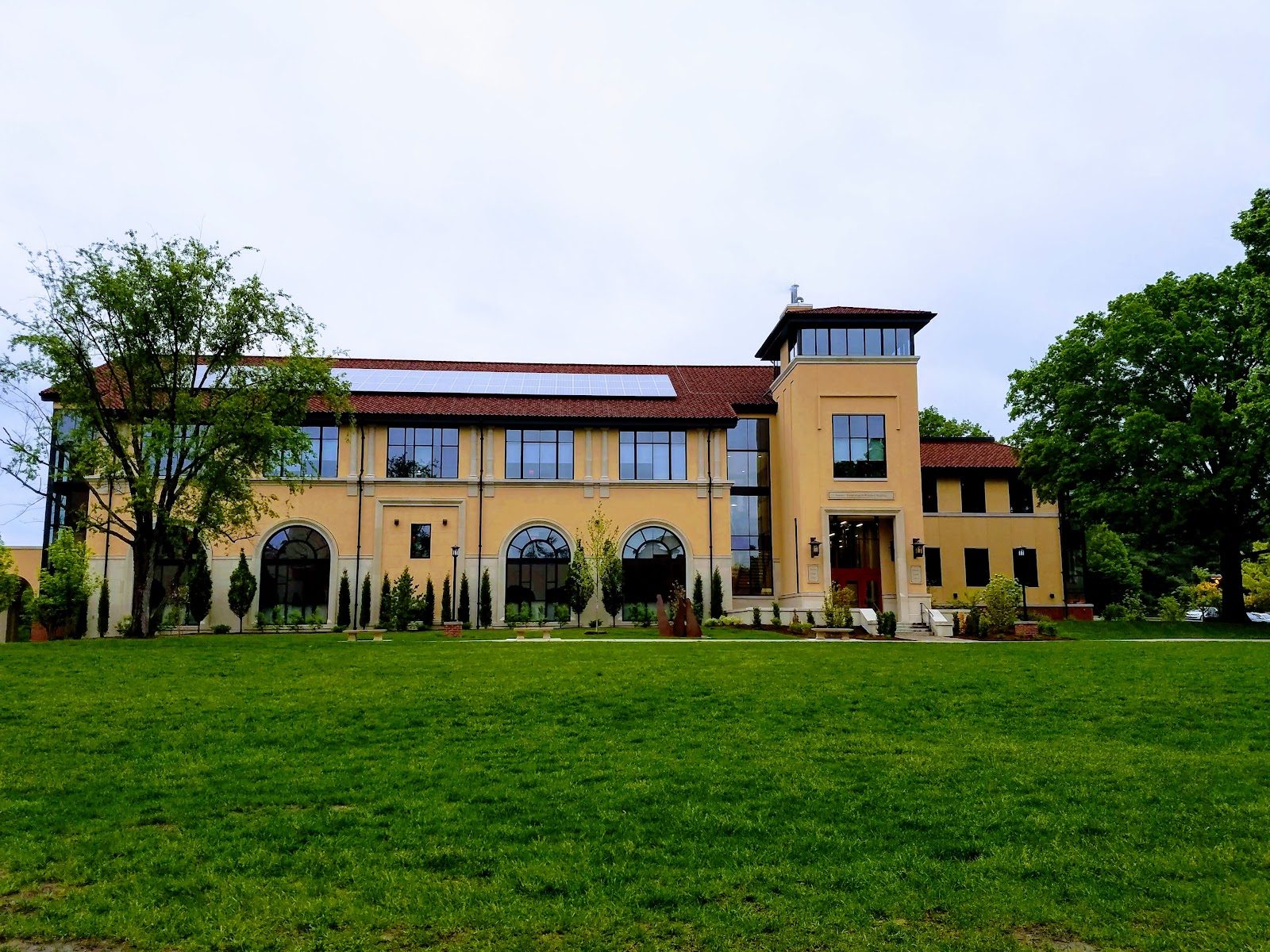
John Burroughs School
St Louis · United States
Since 1923 in the Ladue suburbs, a liberal-arts day school where family-style lunches and an Ozarks wilderness camp shape scholars as much as seminars do.
Same country and curriculum — closest matches within ±10 points either way