
Tokyo
An 1871 all-boys day school in one of Tokyo's densest wards, a perennial University of Tokyo feeder now adding IB and AP tracks abroad.
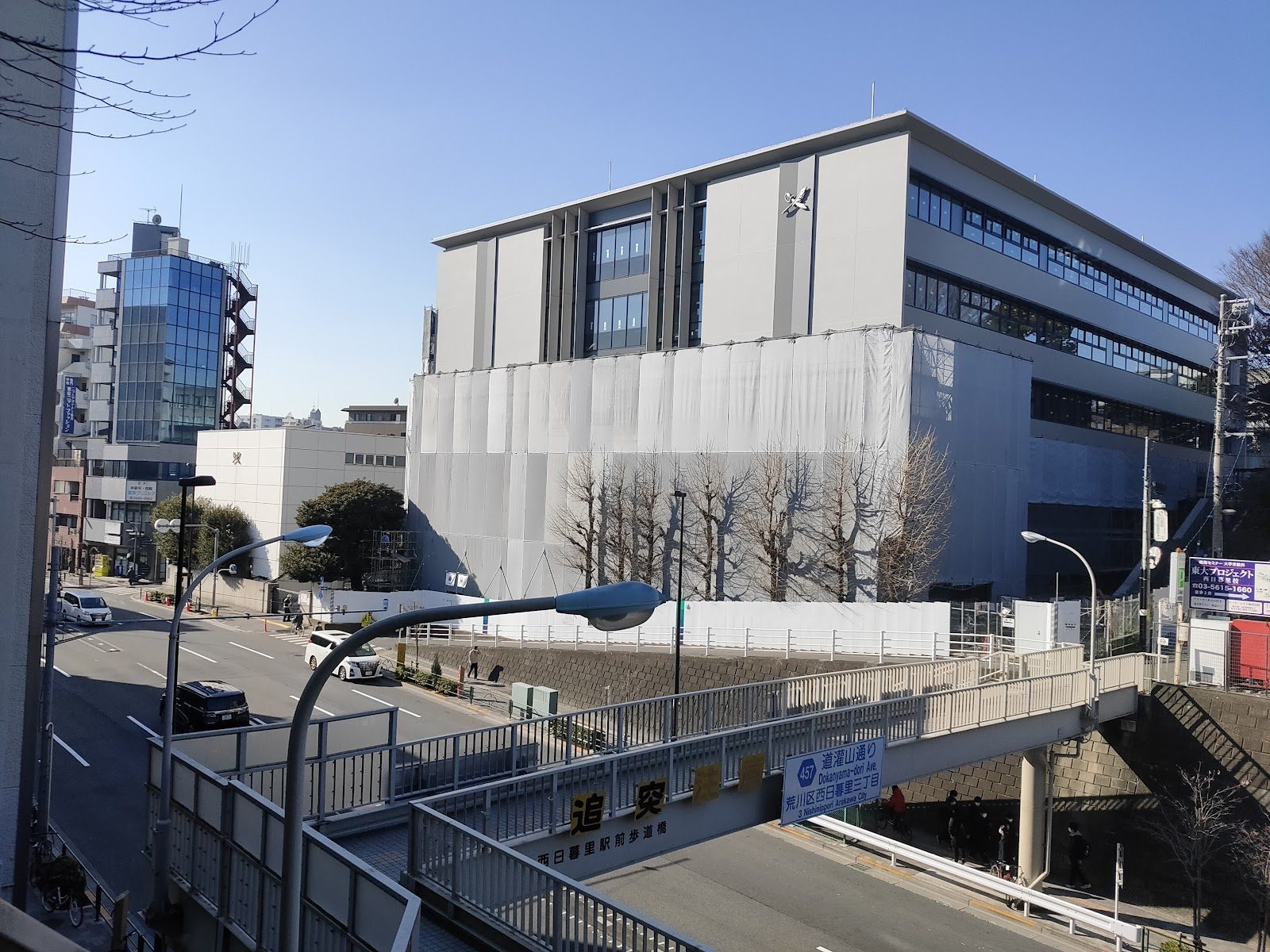
Photo © 牛島満 via Google Maps
Type
Day
Ages
3–18
Curriculum
IB · American
Ratio
10:1
The Verdict
Editor's commitment
Right for
Families wanting bilingual English-Japanese teaching, a 10:1 ratio and IB plus American pathways in Tokyo at an average $5,676.
Wrong for
Parents set on a girls' or co-ed school, boarding, or a long-established campus: this day school opened in 2016.
Watch out for
The public record is thin beyond IBO and CIS accreditation, ages 3–18 and average class size 18; probe outcomes hard.
Ranking breakdown
Kaisei Academy · #223 of 1591
Composite score 73.8. 8 weighted criteria.
By criterion
Academic Outcomes
Weight 20%
#10
of 1529 scored
University Placement
Weight 16%
#9
of 1529 scored
Prestige & Heritage
Weight 12%
#53
of 1571 scored
Alumni Network
Weight 12%
#1351
of 1530 scored
Facilities
Weight 12%
#339
of 1533 scored
Transparency & Communications
Weight 8%
#204
of 1532 scored
Peer & Industry Review
Weight 10%
#83
of 1548 scored
Admissions Selectivity & Demand
Weight 8%
#45
of 1529 scored
Score history
Kaisei Academy · 2026
Movement across 2024–2026. Peer average overlaid.
Overall — 2024–2026
73.8/ 100
▲ +54.8 vs 2025
year on year
Peer & Industry Review
How Kaisei Academy is regarded in the sector
92
Top-tier · high confidence
Kaisei Academy is consistently ranked as the top or near-top feeder school for University of Tokyo's medical and law faculties in Japanese press rankings (e.g., Weekly Diamond, Sunday Mainichi 'best high schools for Todai admissions' lists), a benchmark widely cited across Japanese secondary education coverage. It is routinely referenced in Japanese media (Asahi Shimbun, Nikkei) as the archetype of elite boys' preparatory schools, and its alumni network includes prominent politicians, scholars, and business leaders frequently profiled in Japanese press. Peer institutions and cram schools (juku) explicitly benchmark against Kaisei's Todai admission rates, reflecting near-unanimous top-tier standing within Japan's academic hierarchy.
Evidence sources
Award
Elite Mathematics 60
World's Top School · The Global Ranking
Kaisei Academy is featured on our Global Top 60 ranking at #38. This seal is available for the school's marketing team to use on their website, prospectus and social channels.
- Yukio Edano — Politician, former leader of Constitutional Democratic Party
- Yoshimasa Hayashi — Politician, Foreign Minister of Japan
- Kazuhiko Toyama — CEO/Founder, Industrial Growth Platform Inc.
Editors' overview
Set in Arakawa, one of Tokyo’s most crowded wards, Kaisei Academy is an unusual proposition: a non-religious day school for boys aged 3 to 18 that teaches in English and Japanese, carries both IB and American curricula, and charges an average annual fee of USD 5,676 across the full age range. That mix gives it a distinct place in Tokyo’s market. This is not a grand, high-fee expatriate campus trading on acreage or spectacle. It is a compact, academically directed school with a 10:1 student-teacher ratio, average class sizes of 18, and accreditations from the IBO and CIS. For parents who want an English-medium international route without the price point that dominates much of the sector, that matters.
The other point in its favour is clarity of function. An all-boys school narrows the audience, but it also creates a more specific environment: this is for families who want a focused, structured setting and do not regard co-education as essential. The bilingual profile adds substance. English and Japanese instruction gives the school a credible local-international bridge, and the IB plus American combination widens progression routes. That dual track is practically useful, not decorative. It suits internationally minded families in Tokyo who want options kept open, whether that means mobility across systems or a school experience less tied to a single national curriculum.
Parents should still read it for what it is. Kaisei Academy is not a broad church. It is for boys who are comfortable in a disciplined academic setting, who benefit from smaller classes, and who can use a bilingual environment to advantage. It will suit the serious, goal-led student more than the child who needs a sprawling campus, a heavy co-curricular sales pitch, or a loose educational style. The fee level is strikingly accessible for Tokyo, the accreditations are real, and the structure is easy to understand. That combination puts Kaisei Academy on a shortlist for families who value academic direction, bilingual delivery and cost control over status theatre.
An Elite Mathematics 60 school
Kaisei Academy in Arakawa, Tokyo sits at rank thirty-eight on the Elite Mathematics 60 because it has produced five different International Mathematical Olympiad gold medalists from a single all-boys day school, most strikingly Yuta Takaya, who followed a 2016 IMO gold with a 2017 performance so strong he tied for first place in the world, becoming only the fourth Japanese student ever to top the field. That is not a one-off; the pipeline behind it has kept producing.
Kaisei's mathematics architecture is not built on imported IB or AP frameworks -- the school teaches Japan's national Mathematics I/II/III and A/B curriculum, with AP and SAT exams sat separately by a subset of students mainly for overseas university applications rather than as the backbone of instruction. What actually differentiates Kaisei is 開成数研, its math research club founded in 1975, which runs internal mock Olympiad exams and student-led seminars feeding directly into Japan Mathematical Olympiad qualification and national training camps. Kaisei has placed multiple students on Japan's six-member IMO team in the same year, including two simultaneous representatives in 2020, and the school's own profile documents golds and silvers across several Olympiad cycles. The school does not publish what share of the cohort reaches this level, though the recurrence of medalists across different graduating years suggests a coaching culture deeper than a single gifted student.
Notable alumni include Yuta Takaya (IMO gold 2016, joint world number one in 2017), Yuhi Kamio (IMO gold 2021, following a 2020 silver), and Ayato Shukuda (two-time IMO team selection, 2019-2020, later co-translator of a published Olympiad geometry text).
International openness is limited and should be stated plainly. Kaisei is a Japanese national-curriculum boys' day school with no boarding, no ESL provision, and instruction entirely in Japanese; overseas applicants enter through the school's returnee-student (kikokusei) track, which still requires strong Japanese fluency and a written entrance exam. There is no institutional visa sponsorship -- families relocate independently, typically on a dependent visa. Annual costs are modest by international standards, roughly JPY700,000-900,000 including fees, well below international-school tuition. This school suits Japanese-fluent or returnee families targeting the University of Tokyo pathway, not English-medium newcomers; Japanese-language preparation should begin at least a year before any entrance exam attempt.
Academic Performance
Academic performance is the point that needs the most scrutiny. Kaisei Academy offers recognised exit routes, but it does not publish the aggregate examination data that serious parents need: no school-wide IB averages, no AP score distribution, no pass-rate tables, no university destination breakdown. That leaves the school opaque where it matters most. In a market where stronger operators put at least headline outcomes into the public domain, that absence is a weakness. Parents can infer ambition from the dual-track academic model and from the school’s small, tightly managed structure, but inference is not evidence. If you are comparing schools on sixth-form outcomes, Kaisei Academy gives you too little hard proof.
Relative to peers, that places it in the lower-confidence tier on published results, not because the outcomes are weak, but because the school does not disclose them. The all-boys format and the name carry academic associations in Japan, but this listing is a separate international school and needs to be judged on its own record. On publicly available evidence, it reads as a promising but unproven option for families who want an international pathway without the fee burden of Tokyo’s premium schools. Before enrolment, ask for cohort sizes, recent IB diploma results, AP subject entries, score ranges, and confirmed university offers across the last 3 graduating cycles. Without that, any verdict on academic strength is incomplete.
Facilities
Facilities are the area where Kaisei Academy needs the most caution from parents. The school does not publish a clear picture of its specialist spaces, site plan or major capital assets. There is no public case for advanced science provision, dedicated performing-arts infrastructure, serious sports facilities or the kind of large-format library and maker spaces that define the best-resourced international campuses. In a market where stronger peers document laboratories, studios, auditoria, pitches and indoor sports halls in detail, that silence matters. It points to a compact, functional operation rather than a facility-led one. For some families that is fine; for others it is a hard limit.
That does not make the school weak. It makes it narrowly provisioned by premium-sector standards. The low staffing ratio and modest class sizes point to classrooms built for close instruction rather than spectacle, and the low average fee of USD 5,676 reinforces that trade-off. Parents comparing Kaisei Academy with Tokyo’s larger international schools should expect less campus breadth, fewer specialist environments and less room for big-ticket sport or arts programming. The value proposition sits elsewhere: small-scale academic delivery, not architectural theatre. Before signing, ask to see the science rooms, library stock, outdoor play areas, indoor PE space, music practice provision and any dedicated sixth-form study areas. On facilities alone, this is not a destination campus.
That combination puts Kaisei Academy on a shortlist for families who value academic direction, bilingual delivery and cost control over status theatre
Prestige
Prestige here is split in two. In the domestic imagination, the Kaisei name carries weight because of the famous boys’ school in Tokyo and its long record of producing public figures, scholars and business leaders. That association gives this school an instant halo with families who know the Japanese education landscape. The problem is that borrowed prestige is not the same as earned prestige. This listing does not trade on a deep, independently published record of elite university outcomes, headline exam data or a widely recognised international-school reputation. In that sense, its status is real but limited: stronger than an unknown start-up, weaker than Tokyo’s top-tier international brands and weaker than the old Japanese institutions whose reputations rest on decades of visible results.
That is why the prestige rating sits in the middle band rather than at the top. The school has two concrete assets: a low average fee of USD 5,676 and a compact model that can appeal to families who want seriousness without luxury pricing. It also benefits from the wider Kaisei aura and from a verified notable-alumni floor of 43 figures attached to the name in public data, which reinforces the sense of academic seriousness. But prestige at the highest level depends on proof, not inheritance. Until the school publishes hard destination data and aggregate senior-year outcomes, its reputation remains credible, but not commanding.
If you are comparing schools on sixth-form outcomes, Kaisei Academy gives you too little hard proof
Communications
Parent communication is hard to rate highly because the school leaves too many practical questions unanswered in public. The basic identity is clear enough, but the detail that matters to families is thin: we have not seen a thorough account of day-to-day school life, senior leadership voice, reporting rhythms, parent-association activity, calendar clarity, or the usual archive of notices, newsletters and event coverage that shows a school is in regular, disciplined conversation with its community. That matters more in a compact school than in a sprawling one. Families need to know not just what the school offers, but how it explains expectations, tracks progress and handles concerns. On that front, Kaisei Academy reads as serviceable rather than strong, with a thin public record and too little evidence of the steady, operational communication that reassures parents.
The bilingual context raises the bar further. A school serving families across local and international expectations needs crisp, dependable communication: clear policies, prompt updates, transparent academic reporting and unambiguous routes into leadership. Kaisei Academy may do that privately with enrolled parents; it does not demonstrate it publicly. That leaves communications in the adequate but unconvincing bracket. Parents considering entry should test this directly before committing: ask to see recent parent bulletins, sample reports, the annual calendar, complaint procedures, safeguarding contacts and how urgent messages are sent. In a school with average annual fees of USD 5,676, no one expects a polished corporate machine. They should still expect clarity, rhythm and accountability.
Uniqueness
What marks Kaisei Academy out is not glamour or breadth. It is the collision of three things that rarely sit together in one school: an all-boys structure, a bilingual classroom culture, and an international academic route at a price point far below Tokyo’s polished expatriate campuses. That mix is genuinely unusual. It gives families a school that is neither a classic local boys’ powerhouse nor a standard international campus built around transient expat demand. For students, that can produce a tighter sense of identity and a more coherent daily experience. Boys who thrive with clear expectations, direct teaching and a socially narrower environment can benefit from that focus. The bilingual setting also gives students a practical double fluency in how they learn and operate, rather than forcing a choice between local rootedness and international mobility.
The other distinguishing feature is value with seriousness. An average annual fee of USD 5,676 across the age range is low by international-school standards, yet the school still offers recognised global pathways and small-scale teaching. That matters because it widens access to families who want an outward-facing education without paying for status theatre. Students gain from that trade: less campus spectacle, more concentration on classroom work and progression. The risk is clear too. A school this deliberately narrow will not suit families chasing a grand social scene, extensive facilities or a broad co-educational culture. Its uniqueness lies in being a compact, academically minded bridge between Japanese and international education, aimed at a specific kind of boy and doing that job at a hard-to-ignore price.
Facilities are the area where Kaisei Academy needs the most caution from parents
Student Profile
The boys who fit best here are the ones who do not need a sprawling campus or a high-gloss social scene to stay engaged. This is a school for students who can work within a tight academic structure, tolerate close supervision and benefit from a more contained peer culture. The all-boys setting will suit families who want fewer social variables in the classroom and a clearer behavioural frame; it will not suit those who value co-education as part of daily development. The strongest fit is the boy who is purposeful, steady and teachable rather than performatively extrovert. With classes averaging 18 and a staffing ratio of 10:1, there is less room to disappear and more expectation that each student participates, responds and keeps pace.
It also suits children growing up between educational worlds. Families with one foot in local life and another in an international future will find the school’s dual orientation useful, because it asks students to operate across more than one academic and cultural register. That demands a degree of adaptability and maturity. Boys who are self-dramatising, resistant to routine or hungry for a huge menu of facilities and activities will hit the limits quickly. Boys who are serious without being brittle, comfortable in a compact environment and ready to make use of a more direct, less theatrical style of schooling are the right audience. This is a specific fit, not a universal one.
Kaisei Academy may do that privately with enrolled parents; it does not demonstrate it publicly
Co-curricular strengths
Arts & sport, on a separate axis
Overall 6.6/10
Scored 0-10 from the school's own published evidence. This axis is editorial-only — it does not feed the main WTS ranking.
Sports
8/10
Explicitly names Basketball, Soccer and Swimming, which evidences sports provision.
Drama
6.5/10
Dance
4.5/10
Music
7.5/10
Explicitly names School Orchestra and Choir, which confirms music offerings but provides.
Visual Arts
6.5/10
Explicitly names Visual Arts, and Japanese Calligraphy adds a second art-related activity, but there is no further detail on studios, exhibitions or specialist staff.
Editor-verified · 8/7/2026
Notable alumni · Wikidata
43notable alumni
21 historic (born pre-1930) · 7 modern (born post-1970)wikidata:2026-07-28 How we source this
WTS 300 badge
2025/26 editionKaisei Academy is one of the World's Top 300 Schools for 2025/26. Claim your listing to add it to your site →
Strengths
- +Consistently records the nation's highest matriculation rate to the University of Tokyo, averaging about 35% over the past 40 years.
- +One of Japan's oldest private secondary schools, founded in 1871 and long regarded as a top academic institution.
- +Extensive extracurricular culture with roughly 75 student-run clubs and a track record of medals at international academic Olympiads.
- +MEXT-accredited and a day school in Arakawa-ku, giving families a stable, government-recognised Japanese secondary pathway.
- +Alumni network includes prominent public figures, among them former Prime Minister Fumio Kishida.
Considerations
- −All-boys school with no coeducational option, which will not suit families seeking a mixed-gender environment.
- −Instruction is conducted entirely in Japanese; the school itself states that IB or AP-style courses do not exist within its curriculum, so English-medium IB or American diploma tracks are not actually offered on campus.
- −Entry is exam-based and highly competitive, with a limited number of places offered each year at junior high and high school level.
- −Located in one of Tokyo's most densely populated wards, meaning a compact urban campus rather than sprawling grounds, and no boarding provision.
Availability
Primary entry gate & tests
High-Stakes Winter Exam
Gallery
Photo © カレーと珈琲 via Google Maps
Photo © Masahiko Motono via Google Maps
Photo © 牛島満 via Google Maps
Photo © 菊池洋匡 via Google Maps
Photo © 牛島満 via Google Maps
Photo © jin atedan via Google Maps
Photo © jin atedan via Google Maps
Photo © Jun MATSUMORI via Google Maps
Photo © Mugeo Mugeno via Google Maps
Parent reviews
Have you sent your child here?
Voice reviews carry the strongest trust badge — we transcribe them for you to tidy up before they go live. Prefer to type? A written review is fine too.
Add your voice
In 60 seconds, tell other parents: what's the best thing about Kaisei Academy, and what surprised you when your child joined?
We ask for a Google sign-in so every review has a real face behind it — no anonymous drive-by attacks on schools, and no faked positive reviews. Your email is never shown publicly.
Send this profile to a friend
International parents rely on word-of-mouth. Share this review with someone weighing the same decision.
Schools with places
Similar schools to Kaisei Academy with places available now.
K. International School Tokyo
Tokyo · Japan
- 2026-27
- WAITPOOLSpace-dependent
- 2027-28
- PLACES OPENRolling
The American School in Japan
Tokyo · Japan
- 2026-27
- WAITPOOLSpace-dependent
- 2027-28
- PLACES OPENRolling
International School of the Sacred Heart
Tokyo · Japan
- 2026-27
- WAITPOOLSpace-dependent
- 2027-28
- PLACES OPENRolling
Seisen International School
Tokyo · Japan
- 2026-27
- WAITPOOLSpace-dependent
- 2027-28
- PLACES OPENRolling
Availability first, then country, area, curriculum, price, co-curricular
Consider also
Also worth looking at alongside Kaisei Academy.
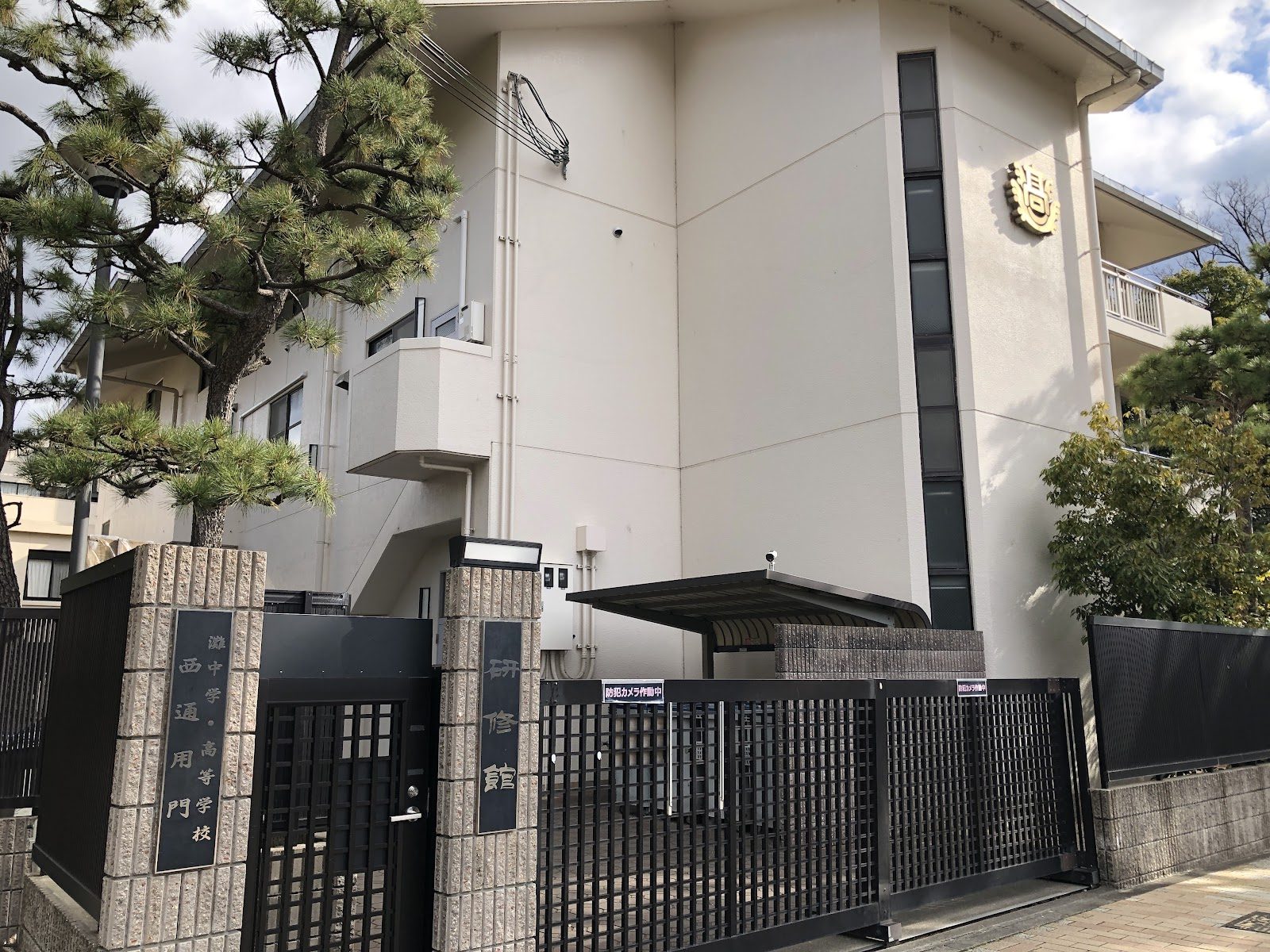
Nada High School
Kobe · Japan
Founded by Kobe sake brewers with judo's creator as an advisor, this uniform-free campus channels students straight into Tokyo and Kyoto University.
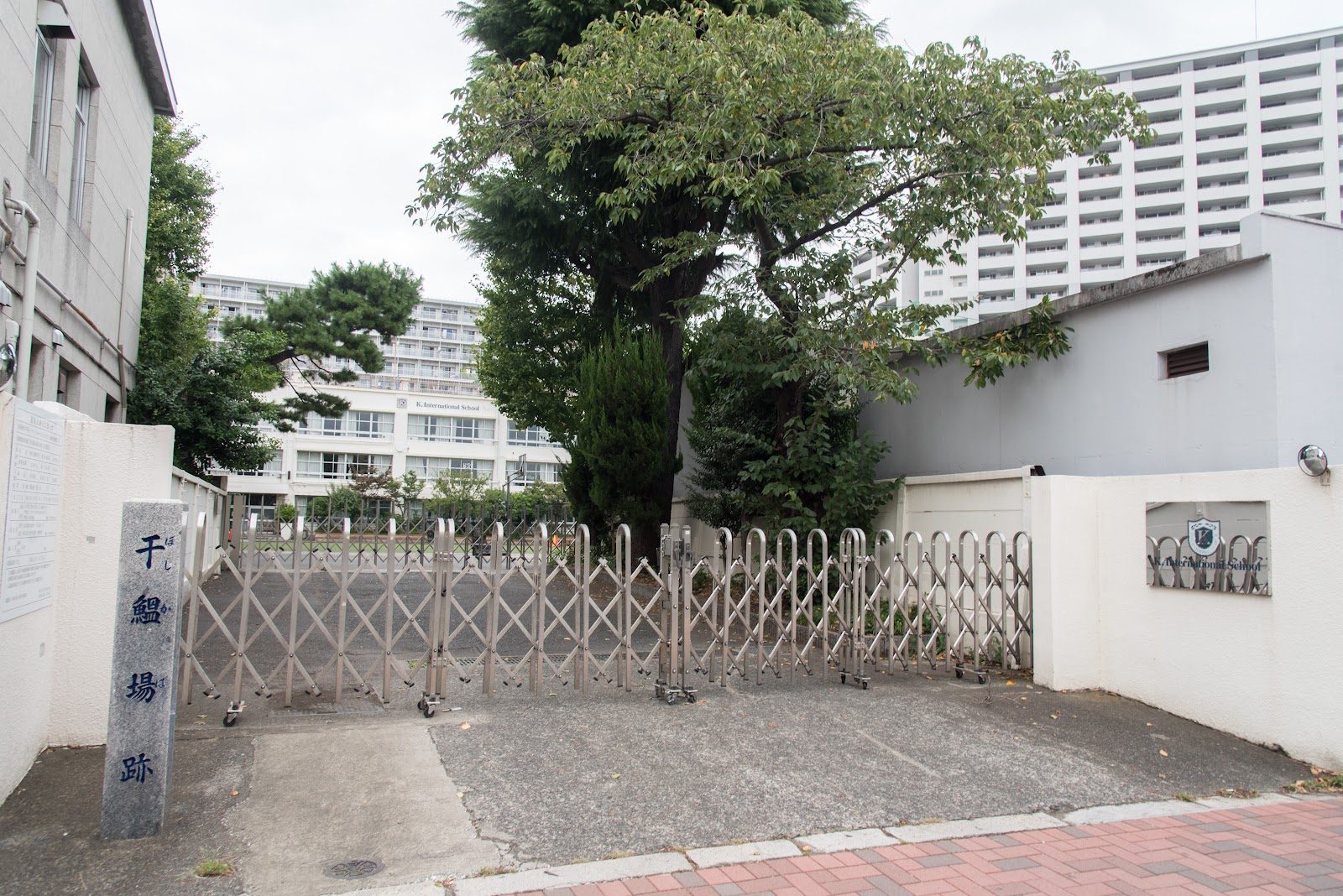
K. International School Tokyo
Tokyo · Japan
Tucked in Koto-ku's Kiyosumi-Shirakawa district, a full IB continuum school whose diploma scores have topped Japan's rankings since 2015.
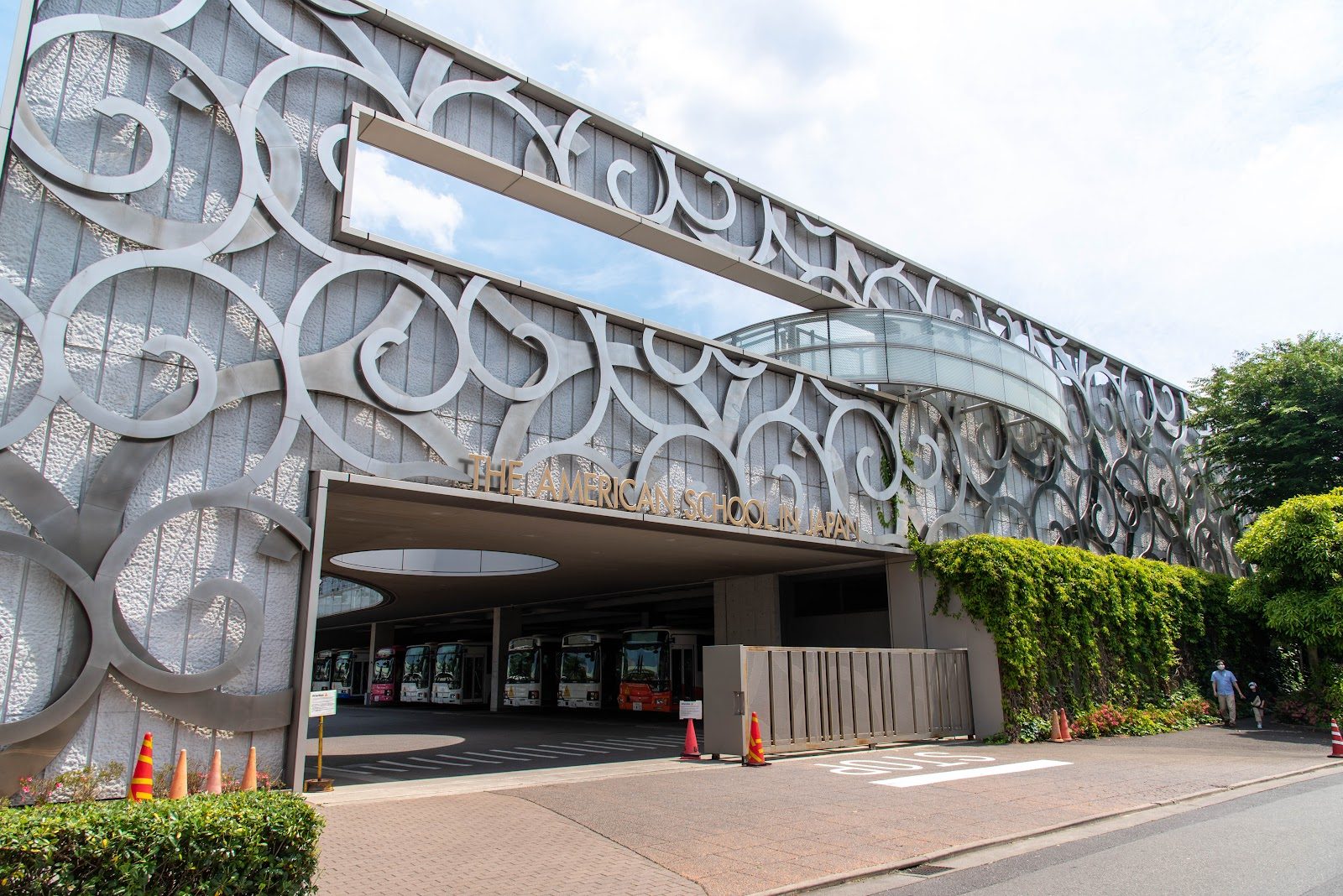
The American School in Japan
Tokyo · Japan
Rooted in Chofu since 1902, its early campus plans once drew sketches from Frank Lloyd Wright himself.
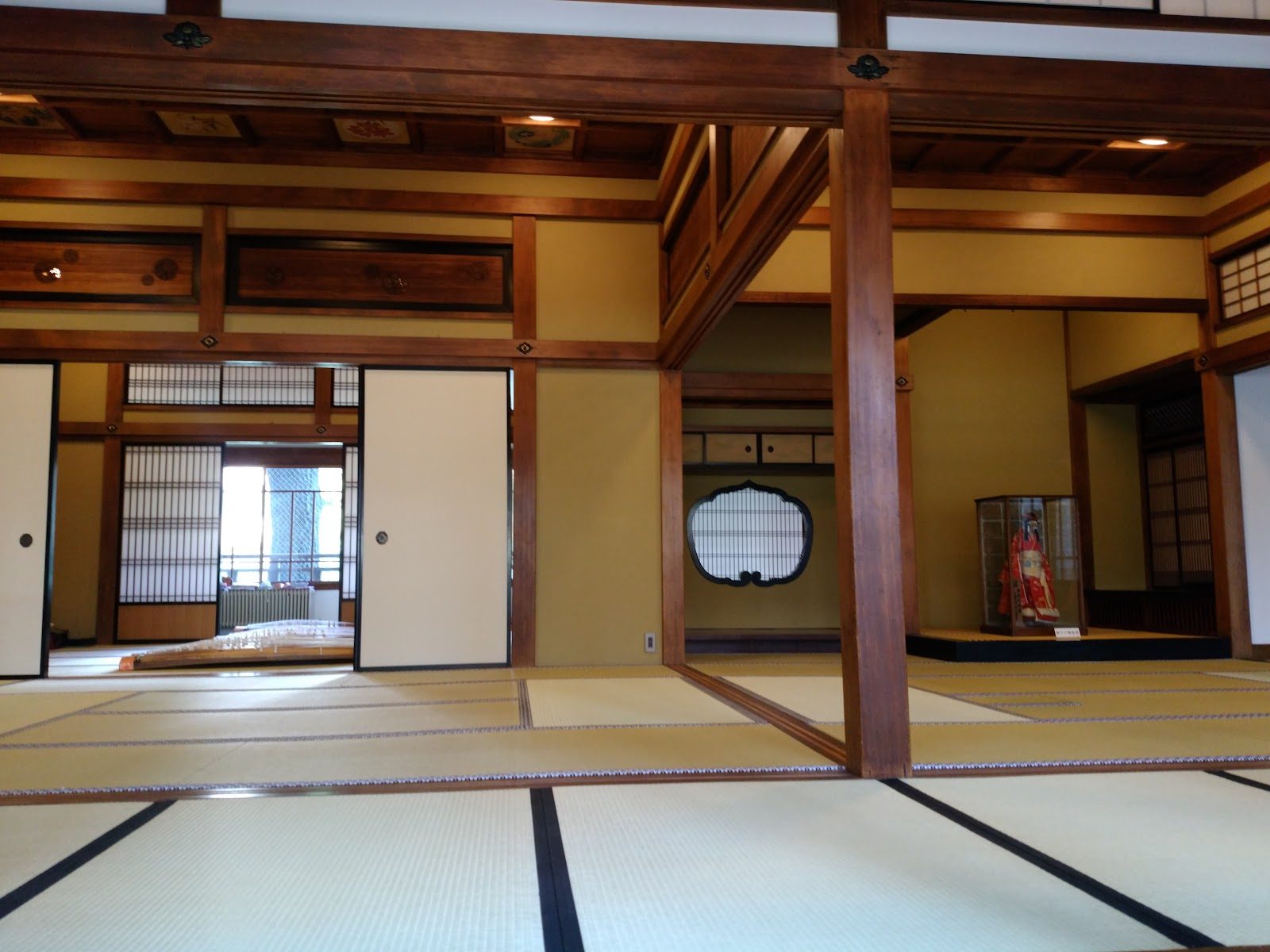
International School of the Sacred Heart
Tokyo · Japan
Since 1908, a wooded Hiroo campus anchors Japan's oldest all-girls international school, blending Sacred Heart values with 23 AP courses.
Same country and curriculum — closest matches within ±10 points either way