
Cundinamarca
Houses named for Nelson, Rodney, Hood and Beatty channel a Royal Navy ethos into a full IB continuum on Bogota's high savanna.
Type
Day
Ages
3–18
Curriculum
IB · British
Qualifications
IB Diploma · IGCSE
Ratio
—
The Verdict
Editor's commitment
Right for
Bogotá families wanting a 1955 day school with Spanish and English teaching, a full IB spine and British framing.
Wrong for
Parents after boarding, religious formation or a monolingual route; this Bogotá school is non-religious, day-only, and bilingual by design.
Watch out for
IB World School and HMC badges carry weight, but prestige is not pedagogy; test how the British-IB mix works from age 3 to 18.
Ranking breakdown
Colegio Anglo Colombiano · #247 of 1591
Composite score 73.3. 8 weighted criteria.
By criterion
Academic Outcomes
Weight 20%
#386
of 1529 scored
University Placement
Weight 16%
#305
of 1529 scored
Prestige & Heritage
Weight 12%
#296
of 1571 scored
Alumni Network
Weight 12%
#338
of 1530 scored
Facilities
Weight 12%
#125
of 1533 scored
Transparency & Communications
Weight 8%
#93
of 1532 scored
Peer & Industry Review
Weight 10%
#250
of 1548 scored
Admissions Selectivity & Demand
Weight 8%
#991
of 1529 scored
Peer & Industry Review
How Colegio Anglo Colombiano is regarded in the sector
76
Strong · medium confidence
I could not identify at least two independent, verifiable third-party sources (e.g., Tatler, Good Schools Guide, specialist education press, or established expat-parent forums) that specifically assess Colegio Anglo Colombiano's reputation. Without such corroborating evidence, I cannot responsibly place it on the scale.
Editors' overview
Colegio Anglo Colombiano occupies a distinct niche in Bogotá: an old, Anglophone-leaning day school with a full IB continuum and a house system that leans hard into British naval tradition. Founded in 1955, it has had time to harden into a culture rather than a brand story. Nelson, Rodney, Hood and Beatty are not decorative names; they set a tone of competition, loyalty and institutional memory that many newer international schools lack. The proposition is clear: bilingual education in Spanish and English, British inflection, IB structure, and a local setting rather than an expatriate bubble. For families who want discipline with identity rather than a generic international-school experience, that matters.
What puts it on a shortlist is the combination of continuity and clarity. This is a 3–18 day school, so pupils can move through one institution without the routine fracture between primary and secondary. The school also carries two strong external markers: IB World School status and HMC membership. That does not guarantee excellence, but it does place Anglo Colombiano in serious company and signals a school that wants inspection-grade credibility, not just polished marketing. In Bogotá’s market, where many schools promise bilingualism and global outlook, Anglo Colombiano stands out for institutional heft, house-driven belonging and a more traditional sense of order. Parents who want a school with visible rituals, competitive energy and a settled framework will find more substance here than at schools built around lifestyle language.
The trade-off is equally clear. This school will suit students who like structure, teams, houses, fixtures and the steady pressure of expectation. It will work for children who thrive when identity is tied to a community larger than their year group, and for families who value bilingual fluency without giving up a recognisable British academic current. It will not suit every child. Students who want a loose, highly progressive atmosphere or a school that softens hierarchy at every turn may find the culture too formal. The best fit is the child who responds to earned pride, competitive camaraderie and clear standards.
In market terms, Colegio Anglo Colombiano sits in the top tier of Bogotá’s established non-religious day schools: not defined by flash, but by permanence, coherence and a strong internal culture. The headline attraction is not novelty. It is the fact that after 70 years, the school still offers a recognisable educational character in a crowded field. For the right family, that is more persuasive than any new campus gloss: a school with a spine.
Academic Performance
Colegio Anglo Colombiano publishes enough to signal strength, though not enough to rank it with confidence against the most data-transparent schools in the region. The strongest public indicator is the Diploma Programme average of 35 points, against a stated world average of 30.3. That puts the school in the serious academic bracket: comfortably above the global baseline, but short of the eye-catching territory occupied by the most selective Latin American IB schools posting averages in the high 30s or beyond. The school also cites a 100% bilingual diploma rate and a cohort in which 56% earned 35 points or more. Those figures carry weight. They point to depth across the class, not just a handful of top scorers carrying the profile.
The limitation is disclosure. We have not seen a multi-year results table, subject-by-subject breakdowns, top score distribution or university placement data detailed enough to test consistency over time. That leaves an opaque edge around the headline numbers. Even so, the published outcomes place Anglo Colombiano above the broad IB pack in Colombia and in a credible position among Bogotá’s established academic schools. This is not a school trading on empty prestige. The exam profile shows real attainment, with enough evidence to take the academic proposition seriously and enough missing detail to stop short of calling it a clear market leader.
Facilities
The campus is not built around spectacle. It is built around breadth. The school’s own profile points to specialist space for science, technology, the arts and sport, and that matters more than glossy architecture. For a full through-school, the key question is whether facilities let pupils stay on one site and still move from early years to sixth form without the programme thinning out. Here, the answer is yes. Families can expect the standard backbone of labs, libraries, computing provision, performance space and outdoor sport that a top Bogotá day school needs. Against peer schools in the city, that places Anglo Colombiano in the serious all-rounder category: not the obvious choice for families chasing a showpiece campus, but strong where it counts for daily school life.
The more distinctive asset is the way facilities support house culture and organised competition. Grounds and sports provision carry extra weight in a school that puts identity, fixtures and collective ritual at the centre of pupil experience. That gives the campus a lived-in, institutional character that newer schools struggle to fake. The limitation is disclosure. The school does not publish the kind of detailed facilities inventory that would let parents compare it point by point with the most transparent operators, and we have not seen standout capital projects or unusual signature spaces that reset the market. In Bogotá’s upper tier, this reads as well-equipped rather than extravagant: solid, functional and aligned with the school’s disciplined ethos.
Colegio Anglo Colombiano carries real local prestige and a narrower international name than the best-known global-branded schools
Prestige
Colegio Anglo Colombiano carries real local prestige and a narrower international name than the best-known global-branded schools. In Bogotá, that distinction matters. This is an established school with a recognisable social and academic standing, the kind of place families choose for continuity, expectation and a network that runs through business, public life and the professional class. HMC membership sharpens that status. Few schools in the region hold that badge, and it places Anglo Colombiano in a more serious institutional category than schools that rely on slick bilingual claims alone. The published Diploma average of 35 points also gives the prestige substance. Parents are not buying folklore. They are buying a school with outcomes that clear a demanding international benchmark.
That said, this is not untouchable prestige. The school does not publish the depth of academic and university destination data that would place it beyond argument at the very top of the Latin American market. Nor does it carry the automatic worldwide recognition of a handful of historic British schools or vast international chains. Its status is stronger in Colombia than abroad. That leaves Anglo Colombiano in a persuasive position: high-status, old-guard, demanding, with enough academic proof to justify its reputation and enough opacity to stop short of market-dominating. For many families, that balance will suit perfectly: prestige with institutional weight, not prestige inflated by branding.
Colegio Anglo Colombiano communicates with more structure than charm
Communications
Colegio Anglo Colombiano communicates with more structure than charm. The website covers the core institutional facts cleanly and gives parents a usable map of school life: calendars, admissions steps, governance, student support, uniform, transport and the main academic pathways are all easy to locate. That matters. Too many schools bury practical information under image-heavy messaging; Anglo Colombiano does not. The tone is formal, orderly and aligned with the school’s wider culture. Families who value process, predictability and clear lines of responsibility will read that as competence. Families who want warmth, narrative and a strong sense of day-to-day classroom life will find the public-facing communication thin at the edges. The school publishes headline IB outcomes, including a 100% bilingual diploma rate and a 35-point average, but broader performance reporting remains selective rather than comprehensive.
That pattern carries into effectiveness. For current or prospective parents trying to understand how the school runs, the communication does the essentials well: it signals standards, systems and institutional seriousness. It does less well at opening the black box. We have not seen the level of detail that would let parents judge consistency across year groups, compare pastoral provision in depth, or track academic outcomes over time with confidence. In editorial terms, this is competent but controlled communication: enough to reassure, not enough to satisfy the most data-hungry families. That restraint will suit parents who trust established schools to hold the line internally. It will frustrate those who expect full-spectrum transparency from a top-fee day school.
Uniqueness
What marks Anglo Colombiano out is not the fact of British influence, but the way it has been absorbed into the school’s bloodstream. Many schools borrow British signals — a crest, a few house names, some imported terminology — and stop there. Here, the naval house structure gives the place a hard-edged internal identity. Nelson, Rodney, Hood and Beatty create rivalry, continuity and a sense that pupils belong to something older and more demanding than their own year group. That matters in a through-school: children do not just move class to class, they grow up inside a shared institutional script. The result is a culture with ritual, memory and consequence, not an interchangeable international-school mood board.
That brings clear gains for students. Children who thrive on teams, fixtures, competitions and visible standards get a stronger sense of belonging than they do in schools where community language stays abstract. The bilingual setting also lands differently here: not as a soft globalist flourish, but as part of a school that expects pupils to operate confidently across 2 linguistic worlds without losing local grounding. Add the full age range and the effect is cumulative. Older pupils inherit traditions rather than inventing them from scratch; younger ones see what they are growing into. For the right child, that produces earned confidence, loyalty and resilience. For the wrong child, it can feel tight-grained and exacting. That tension is part of the school’s distinctiveness, not a flaw in need of disguise.
In market terms, Colegio Anglo Colombiano sits in the top tier of Bogotá’s established non-religious day schools: not defined by flash, but by permanence, coherence and a strong internal culture
Student Profile
The best fit is the student who wants to belong to something organised and visible, not drift through school as an individual consumer of lessons. Anglo Colombiano suits children who respond to clear pecking orders, earned status and the social energy of houses, fixtures and collective rituals. Competitive pupils will find plenty to grip onto. So will children who like rules, routines and the confidence that comes from knowing where they stand. In a through-school, that culture has force: younger pupils grow into an established pattern rather than negotiating a new identity every few years. Families looking for a settled social world and a school friendship network with staying power will value that continuity.
This is not a natural home for every temperament. Highly independent students who resist institutional belonging, or children who want a looser adult-child culture, may chafe at the formality and steady pressure built into daily life. The school will reward self-discipline, team spirit and resilience more than flamboyant individuality. It also suits families who want their child to move confidently between 2 cultural and linguistic frames without treating either as decorative. The strongest candidates are pupils who can handle expectation without constant hand-holding: robust joiners, competitive without fragility, and ready to work inside a community that asks for contribution as well as achievement. For the right child, that produces deep-rooted loyalty. For the wrong one, it will feel tight and unforgiving.
They point to depth across the class, not just a handful of top scorers carrying the profile
Co-curricular strengths
Arts & sport, on a separate axis
Overall 8.56/10
Scored 0-10 from the school's own published evidence. This axis is editorial-only — it does not feed the main WTS ranking.
Sports
8.8/10
Drama
8.5/10
Dance
9/10
Music
8.5/10
Visual Arts
8/10
Editor first-pass · editor-reviewable · 7/30/2026
WTS 300 badge
Colegio Anglo Colombiano is one of the World's Top 300 Schools. Claim your listing to add it to your site →
Strengths
- +Founded in 1956 as a co-educational, non-denominational day school built on the British educational system, giving it a long, stable institutional history in Bogota.
- +Holds Council of International Schools (CIS) accreditation since 1998 and has run the IB Diploma Programme since 1980, one of the longest track records of any IB school in Colombia.
- +Global member of Round Square since 2013 (regional member since 2007), giving students access to an international exchange and service-learning network beyond the IB curriculum.
- +Delivers a genuinely bilingual English-Spanish programme with full English immersion from age 4-7, plus a compulsory third language choice of French, Italian or German in Secondary.
- +Uses a house system named after historic British naval admirals to structure pastoral care, sport and inter-house competition across the school.
Considerations
- −The school does not publish tuition fees, so prospective families must contact admissions directly for current-year pricing rather than compare costs upfront.
- −No school bus service is offered, which is a meaningful logistical burden given Bogota's traffic and the campus's location in the city's northern corridor.
- −Admissions require submission of official identification and, for new families, three references, adding friction and lead-time compared with schools that accept rolling, low-barrier enrolment.
- −With roughly 1,300 to 1,800 students spread across Preschool through Upper Bachillerato, class movement and place availability can be tight at popular entry points, particularly given the school's status as one of Bogota's established bilingual institutions.
Availability
Primary entry gate & tests
Academic Record + Interview
Parent reviews
Have you sent your child here?
Voice reviews carry the strongest trust badge — we transcribe them for you to tidy up before they go live. Prefer to type? A written review is fine too.
Add your voice
In 60 seconds, tell other parents: what's the best thing about Colegio Anglo Colombiano, and what surprised you when your child joined?
We ask for a Google sign-in so every review has a real face behind it — no anonymous drive-by attacks on schools, and no faked positive reviews. Your email is never shown publicly.
Send this profile to a friend
International parents rely on word-of-mouth. Share this review with someone weighing the same decision.
Schools with places
Similar schools to Colegio Anglo Colombiano with places available now.
The English School
Bogotá · Colombia
- 2026-27
- CLOSEDStandard route closed
- 2027-28
- WAITPOOL2027/28 enquiries underway
Colegio Nueva Granada
Bogotá · Colombia
- 2026-27
- WAITPOOLVacancy-dependent
- 2027-28
- WAITPOOLVacancy-dependent
Availability first, then country, area, curriculum, price, co-curricular
Consider also
Also worth looking at alongside Colegio Anglo Colombiano.
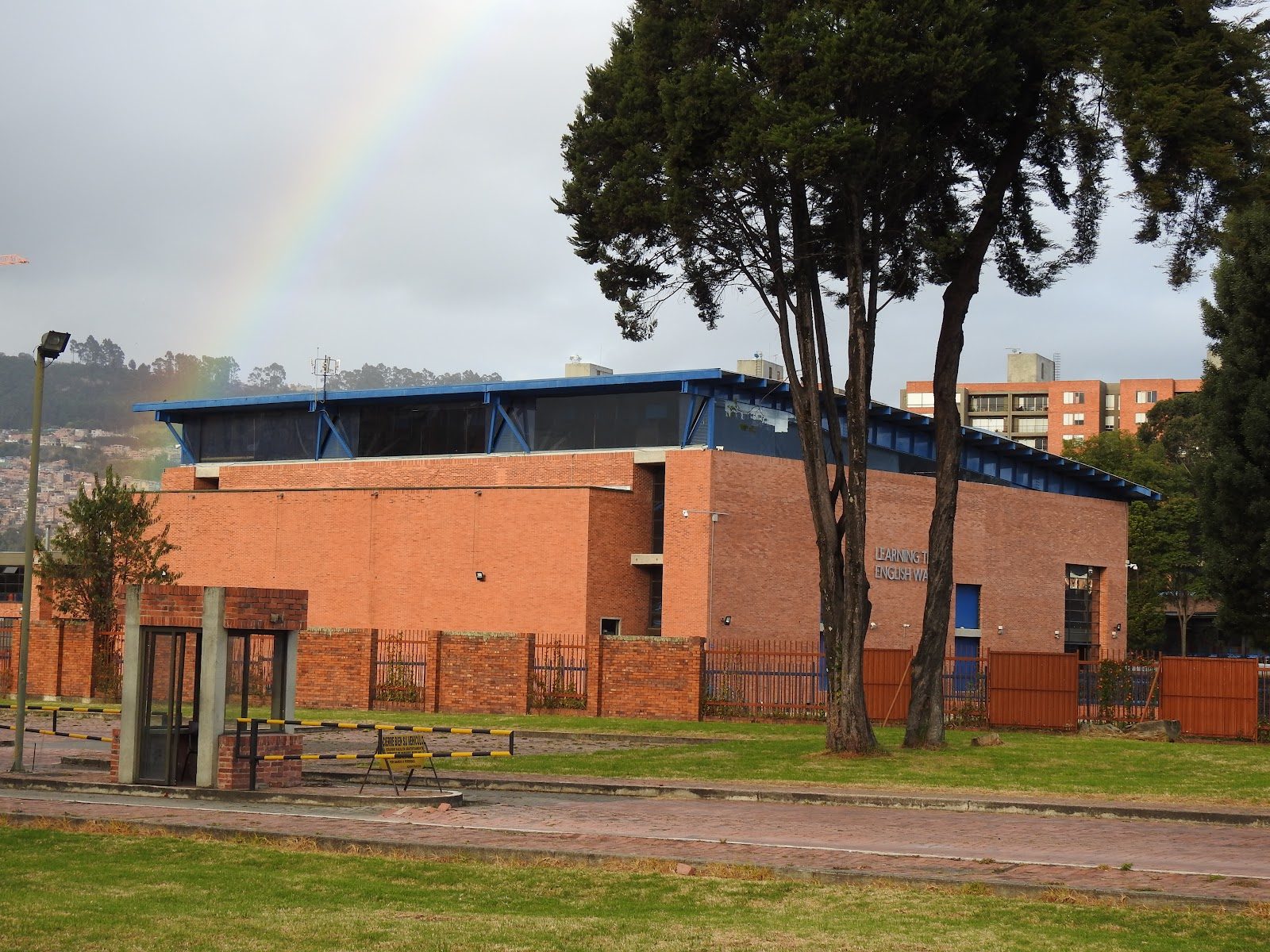
The English School
Bogotá · Colombia
Founded in 1961 as a bilingual British-style day school, now the first in Colombia authorized for all four IB programmes
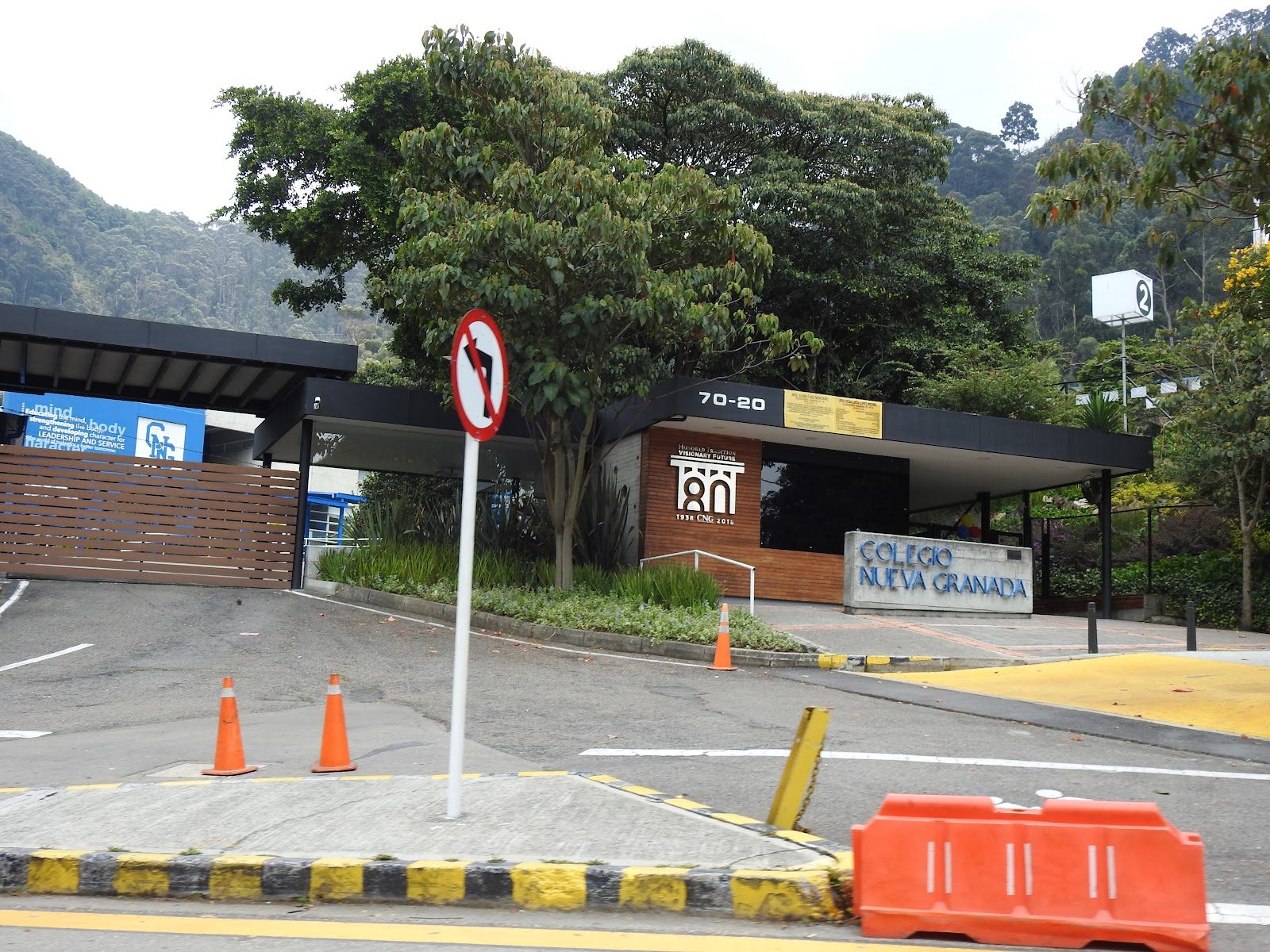
Colegio Nueva Granada
Bogotá · Colombia
A 1938 foothills campus in Bogota pairing dual US-Colombian diplomas, 32 AP courses and a four-house tradition.
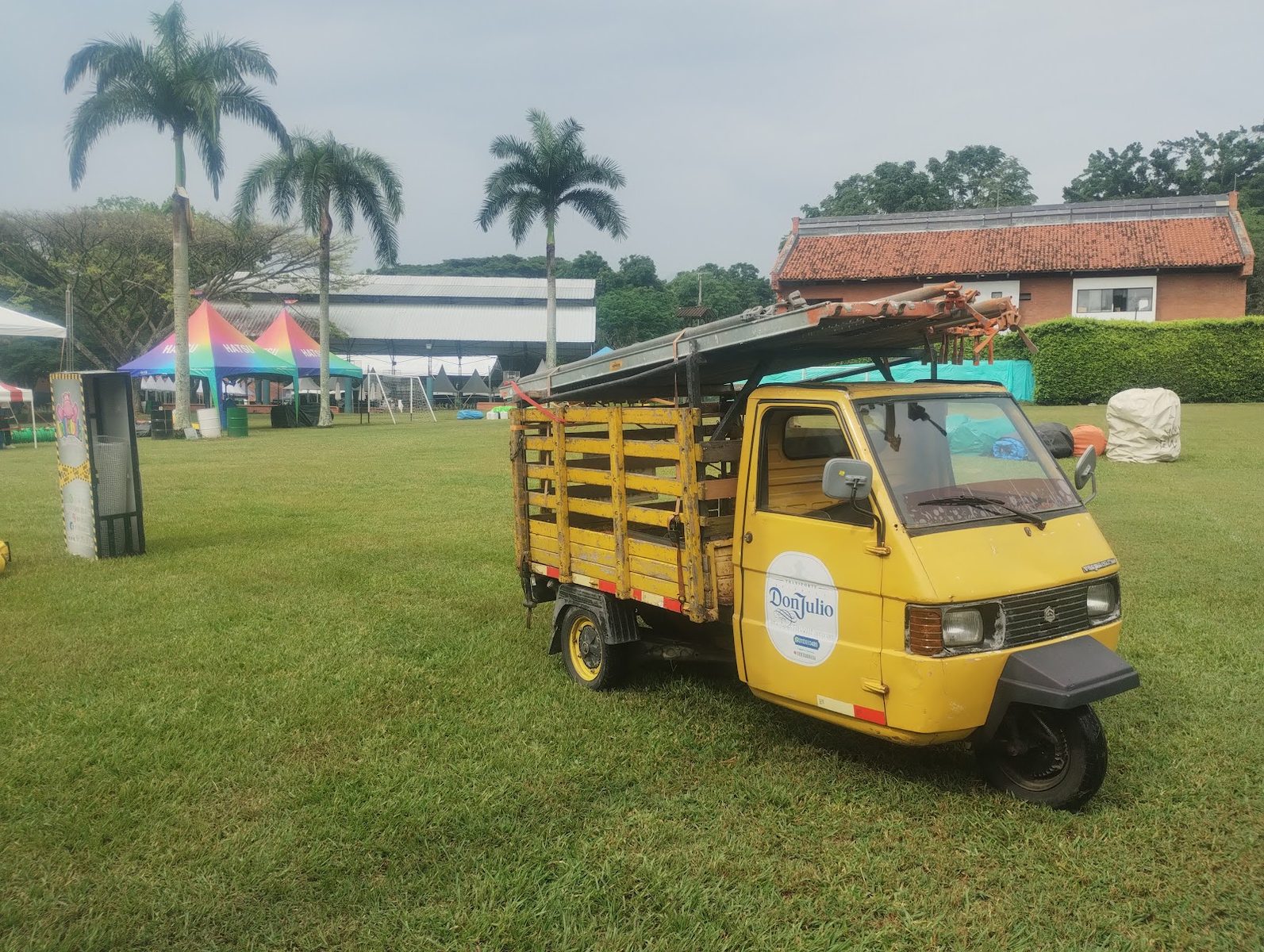
Colegio Bolívar
Cali · Colombia
Founded in 1947 at the foothills of the Andes, where three-walled, open-air classrooms meet a bilingual, dual-diploma American curriculum.
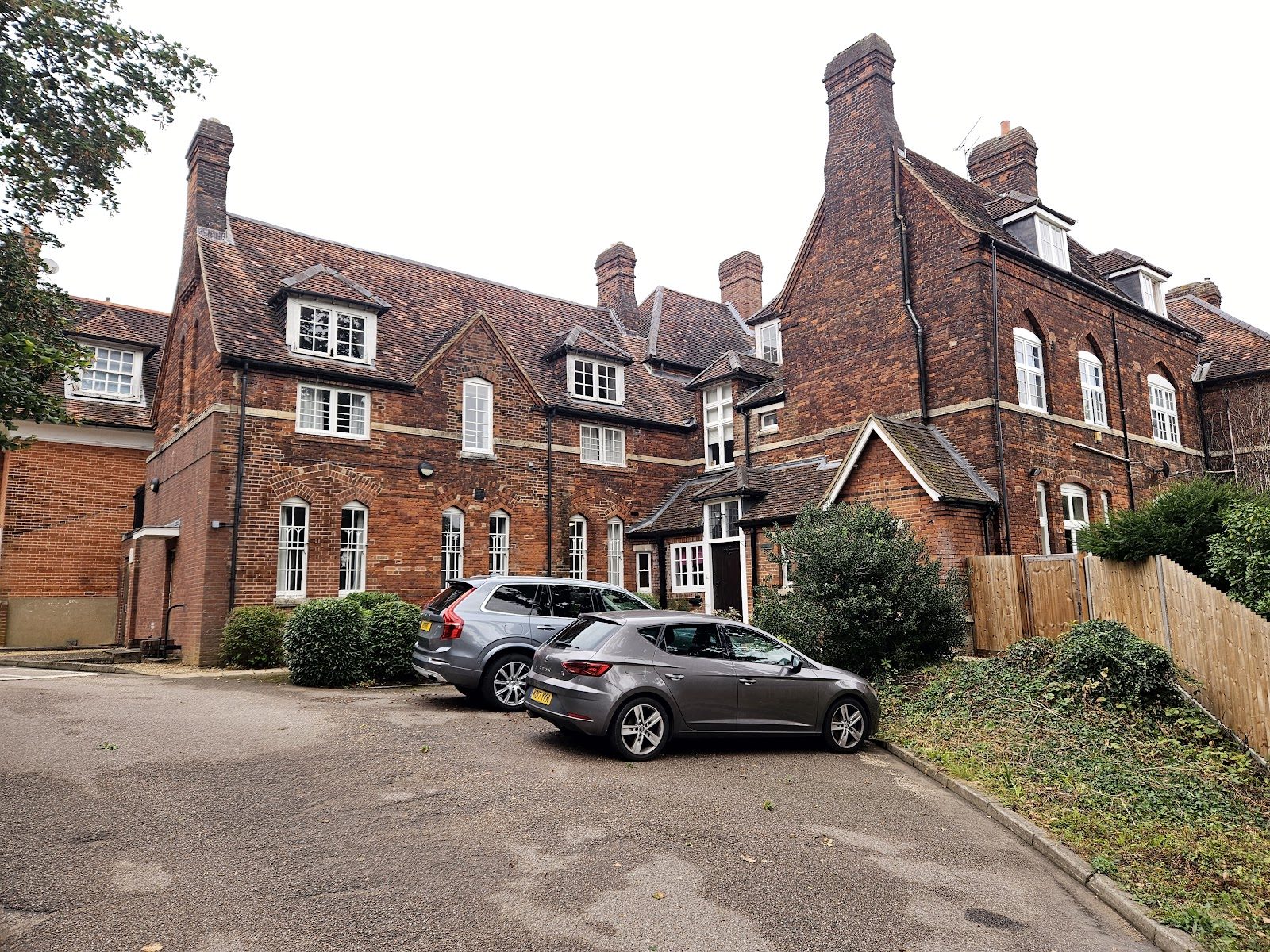
Haileybury
Hertford · United Kingdom
A neoclassical quadrangle built for East India Company recruits now anchors this Hertfordshire boarding school, second-largest of its kind in Britain.
Same country and curriculum — closest matches within ±10 points either way