
Singapore
River Valley High School
Singapore's first government Chinese secondary school, still pairing Special Assistance Plan bilingualism with a six-year Integrated Programme
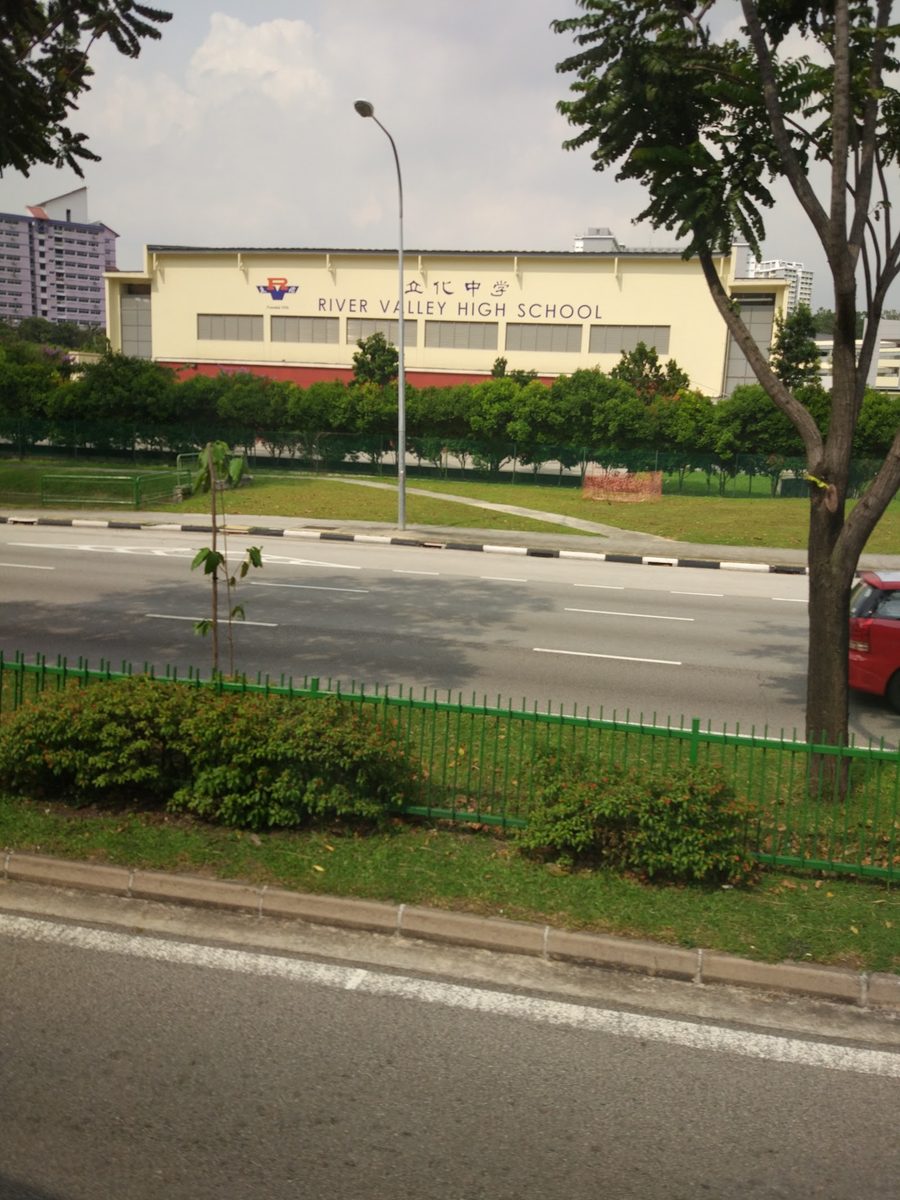
Photo © Ong Eng Hin via Google Maps
Type
Day
Ages
13–18
Curriculum
Singapore National
Qualifications
GCE O-Level · GCE A-Level
Ratio
—
The Verdict
Editor's commitment
Right for
Families who value 1956 roots, Singapore National schooling and a six-year Integrated Programme over a conventional O-Level route.
Wrong for
Students who want boarding, a non-SAP environment, or alternatives to English-medium teaching in this co-educational government autonomous day school.
Watch out for
Since 2006, RVHS skips GCE O Levels and runs straight to GCE A Levels; that suits committed learners, not late developers.
Ranking breakdown
River Valley High School · #988 of 1591
Composite score 60.8. 8 weighted criteria.
By criterion
Academic Outcomes
Weight 20%
#513
of 1533 scored
University Placement
Weight 16%
#736
of 1529 scored
Prestige & Heritage
Weight 12%
#601
of 1580 scored
Alumni Network
Weight 12%
#1354
of 1530 scored
Facilities
Weight 12%
#1113
of 1540 scored
Transparency & Communications
Weight 8%
#897
of 1547 scored
Peer & Industry Review
Weight 10%
#636
of 1564 scored
Admissions Selectivity & Demand
Weight 8%
#229
of 1529 scored
Peer & Industry Review
How River Valley High School is regarded in the sector
68
Respected · medium confidence
Within Singapore's tightly watched Special Assistance Plan (SAP) tier, River Valley High School is consistently grouped with Hwa Chong Institution, Nanyang Girls' High and Dunman High as one of the bilingual 'big name' secondary schools, a positioning reflected annually in the Ministry of Education's Joint Admissions Exercise cut-off tables reported by The Straits Times and Singapore parenting forums such as Kiasuparents. Its graduates are regularly admitted into Raffles Institution, Hwa Chong Institution and National Junior College's integrated programmes, and onward into NUS, NTU and competitive overseas universities, which local guidance counsellors cite as evidence of academic depth rather than marketing. It receives less coverage from UK-oriented outlets like WhichSchoolAdvisor or the Good Schools Guide, which focus on British and international curricula, so its reputation is built almost entirely on domestic signals: national exam league placement, strong CCA results (notably choir, chess and Chinese orchestra/debate circuits), and its status as a heritage SAP school tracing lineage to Chinese-medium education, which peer principals reference when discussing bilingual education models in Singapore.
- Chan Chun Sing — Minister for Education, Politics
- Josephine Teo — Minister for Manpower, Politics
- Tan Chuan-Jin — Speaker of Parliament, Politics
Editors' overview
River Valley High School occupies a distinct niche in Singapore: it was founded in 1956 as the country’s first government Chinese secondary school, and it still carries that inheritance into a modern state-school frame. This is a non-religious, co-educational, autonomous day school offering the Singapore national curriculum in English, with the added weight of Special Assistance Plan bilingualism. The school’s central proposition is clear: a strong Chinese cultural and linguistic tradition inside a mainstream academic route. For families who want serious bilingual formation rather than a token second-language add-on, River Valley earns a place on the shortlist.
Its other defining feature is the 6-year Integrated Programme. Students bypass the GCE O Levels and move straight through to the GCE A Levels at the end of Year 6. That changes the texture of school life. The programme gives the school room to teach beyond exam-drill in the middle years, but it also removes a public checkpoint that suits some students and steadies others. Parents need to be honest about that trade-off. River Valley suits children who are already secure, academically motivated and comfortable with a long runway. It is less attractive for students who need the structure and reassurance of staged external exams. High expectations, cultural confidence and long-horizon academic planning define the offer.
In market terms, River Valley sits in the group of academically selective Singapore schools that combine prestige, state backing and a strong internal identity. What sets it apart is not novelty but continuity: deep-rooted heritage, a government-school footing, and a bilingual mission with real institutional history behind it. The school will appeal to students aged 13–18 who enjoy language, thrive in fast company and want an environment where Chinese culture is not decorative but embedded. It suits the student who wants intellectual pace and a community with clear standards. Families seeking a softer, more flexible or more internationally styled experience should look elsewhere.
Academic Performance
River Valley’s academic reputation rests on selectivity and on where its pupils finish, not on a rich public release of exam data. The school runs a continuous route to the A Levels, with no O Level checkpoint in the middle, so parents looking for an early external benchmark will not get one. That structure suits self-directed high achievers and gives the school room to push breadth before the final exam stage. It also makes transparency more important. River Valley does not publish aggregate A Level outcomes in the public domain, and we have not seen school-level distributions for grades, university destinations or value-added measures. For an academically ambitious school, that is a real omission.
Even with that caveat, River Valley sits in Singapore’s elite state-school tier. Admission standards are high, the peer group is strong, and the school’s standing among Special Assistance Plan and Integrated Programme schools places it in demanding company. Parents should read its results profile in that context: this is not a school proving basic competence; it is competing on how well it stretches an already able intake over 6 years to the final national examinations. The absence of published aggregate outcomes stops short of a clean comparison with the very best-known names, but River Valley’s reputation and pathway place it firmly in the serious academic bracket rather than the merely respectable one.
Facilities
River Valley’s public profile does not trade on facilities, and that matters. We have not seen the school publish the kind of detailed campus inventory that many peer schools now treat as standard: no clear breakdown of specialist science provision, performing arts spaces, sports stock, design labs or signature centres. That leaves parents with a bluntly practical conclusion. River Valley’s appeal does not rest on a showpiece campus or on the arms race in branded specialist spaces that defines parts of the independent-school market. It rests on the strength of its students and programme. Against top Singapore government peers, that is not disqualifying; many strong state schools work from efficient, hard-used campuses rather than architectural theatre. Against fee-charging international competitors, it is a weaker hand.
What matters more here is fit between facilities and the school’s academic culture. A selective, exam-facing school with a continuous route to the final qualification needs dependable classrooms, solid laboratories, a serious library, competent sports provision and spaces that support sustained co-curricular life. River Valley almost certainly has those basics; schools in this bracket do not function without them. But “the basics” is the point. Families looking for lavish specialist infrastructure, resort-style sports amenities or a campus used as a prestige signal will find stronger offers elsewhere. Families content with functional provision in service of a demanding academic environment will not rank facilities as the deciding factor.
River Valley does not command the same instant public aura as the very top handful of Singapore names that dominate every conversation about elite schooling
Prestige
River Valley carries real status inside Singapore’s state-school hierarchy. That status rests on three things: selective entry, autonomous-school standing, and membership of the Special Assistance Plan group, which still carries weight with families who value Chinese language and cultural fluency as more than an academic accessory. The 6-year route adds another layer of prestige because it marks the school out as a place trusted to take able students straight through without the mid-course external exam checkpoint. In Singapore, that is a recognised badge of institutional confidence. The school’s identity is also unusually durable. It has not drifted into a generic high-performing secondary school; it has kept a clear internal character in a crowded market where many schools sound interchangeable.
That said, prestige here is earned and specific, not universal. River Valley does not command the same instant public aura as the very top handful of Singapore names that dominate every conversation about elite schooling. Its brand is stronger among families who understand the local system than among international families scanning from abroad. That does not diminish the substance. Within the government-school sector, River Valley sits in serious company: academically selective, culturally confident and shaped by a mission that still means something in practice. The lack of published aggregate outcomes keeps its reputation a touch less legible than the most transparent competitors, but the school’s standing remains formidable for the right family.
Communication does the essentials; it does not deliver exceptional transparency
Communications
River Valley communicates like a serious Singapore government school: functional, orderly and short on salesmanship. That has strengths. Parents are not forced through layers of lifestyle branding to find core information, and the school’s identity reads through in a direct way. The weakness is depth. We have not seen a strong public-facing pattern of detailed parent communication on outcomes, programme review, pastoral architecture or the practical workings of the long internal route from entry to the final exam stage. For a school asking families to commit to a continuous course without the usual external checkpoint, that gap matters. Communication does the essentials; it does not deliver exceptional transparency. The tone fits a high-trust state-school culture: the school sets the course, families join it, and not every process is narrated in public.
That works well for parents who already know the Singapore system and do not need hand-holding. It works less well for international or first-time families trying to judge day-to-day responsiveness, academic monitoring and escalation routes when things go wrong. A school with a 6-year through-path needs communication that is disciplined, predictable and rich in practical detail. River Valley gives more confidence on discipline than on detail. Nothing in its public communication points to confusion or disorder, but neither does it offer the forensic clarity that distinguishes the best-run schools for parent engagement. The verdict: competent, credible, and too opaque for comfort in a school of this stature.
Uniqueness
River Valley’s uniqueness lies in combination, not novelty. Few state schools hold together three things with this much coherence: SAP heritage, autonomous-school status and a through-train that removes the usual mid-course external exam break. That creates a school with a distinct internal logic. Chinese language and culture are not an optional enrichment layer bolted onto a high-performing secondary school; they sit close to the centre of the institution’s identity. For students, that brings more than better Mother Tongue performance. It brings cultural fluency, a stronger sense of inheritance, and a peer group that treats bilingual accomplishment as normal rather than niche. In a system that can flatten schools into exam factories, River Valley keeps a sharply defined character.
The long programme deepens that effect. With 6 continuous years, the school can shape habits, expectations and academic ambition over time rather than coaching towards an intermediate hurdle. That benefits students who thrive on sustained pace and who do not need constant external validation to stay on track. It also produces a more self-contained school culture: standards, rituals and loyalties have longer to take root. The gain is depth. The cost is flexibility. Students who discover they want a different pace, a broader social mix or a less tradition-conscious environment get less room to reset than they would in a conventional route. For the right child, that makes River Valley formative in the strongest sense.
The school’s central proposition is clear: a strong Chinese cultural and linguistic tradition inside a mainstream academic route
Student Profile
The student who fits River Valley is bright, disciplined and comfortable in a high-pressure peer culture. This is a school for adolescents who enjoy academic competition rather than merely tolerate it, and who can keep their footing without constant external reassurance. The through-route to the final public exams over 6 years rewards students with stamina, self-management and a taste for delayed gratification. It also suits children who value Chinese language and culture as part of daily school life rather than as an ornamental extra. A child who reads willingly, thinks fast, absorbs correction without drama and is happy among equally able classmates will find the atmosphere energising.
The weaker fit is just as clear. River Valley does not suit students who need frequent resets, heavy pastoral cushioning or a broad margin for academic drift. It is not a forgiving environment for the chronically disorganised, the thin-skinned or the indifferent. Nor is it ideal for families who want a loose, exploratory adolescence with minimal institutional direction. The school works best for self-propelled teenagers with serious bilingual commitment and enough confidence to hold their own in a selective cohort. For the right child, that mix feels formative and exacting in the best way. For the wrong one, it feels tight, relentless and exposing.
For families who want serious bilingual formation rather than a token second-language add-on, River Valley earns a place on the shortlist
Co-curricular strengths
Arts & sport, on a separate axis
Overall 8.42/10
Scored 0-10 from the school's own published evidence. This axis is editorial-only — it does not feed the main WTS ranking.
Sports
8.8/10
Drama
8.3/10
Dance
8.5/10
Music
8.5/10
Visual Arts
8/10
Strengths
- +One of Singapore's original Special Assistance Plan (SAP) schools, founded in 1956 and designated SAP in 1979, giving it a long-established bilingual English-Chinese, bicultural academic tradition.
- +Runs a six-year Integrated Programme (since 2006) that lets students bypass the O-Level examinations and proceed straight to the A-Levels at the end of Year 6.
- +Occupies the newest campus among Singapore's SAP/Integrated Programme schools, a purpose-built 7.64-hectare site in Boon Lay opened in 2010 at a construction cost of over S$70 million.
- +Since 2019 the school has taken part in the Joint Admission Exercise, admitting O-Level graduates from other secondary schools directly into Years 5 and 6 of its Integrated Programme.
- +Offers Direct School Admission routes for students with demonstrated talent in sports, performing arts, leadership or STEM, giving an alternative entry path beyond the PSLE score alone.
Considerations
- −As a SAP school, Higher Chinese Language performance is explicitly weighed in admissions, which can make the school a less natural fit for expatriate families without a strong Mandarin background.
- −Entry is highly competitive; PSLE cut-off points for the Integrated Programme run in a narrow band for non-affiliated applicants, leaving little margin for average performers.
- −The school was the site of a fatal attack on a 13-year-old Secondary 1 student in July 2021, a widely reported and legally concluded case that remains part of its public record.
- −As a national-curriculum, government-aided day school, it follows the Singapore syllabus toward A-Levels rather than an internationally portable qualification such as the IB, which may matter for families anticipating relocation.
Availability
Primary entry gate & tests
PSLE / O-Level / DSA Track
Gallery
Photo © Akhil via Google Maps
Photo © Mokkie Mok via Google Maps
Photo © Mokkie Mok via Google Maps
Photo © Zen Tao Ooi via Google Maps
Photo © Govintharasu Kannadhasan via Google Maps
Photo © David De Backere via Google Maps
Photo © siang hang lim via Google Maps
Parent reviews
Have you sent your child here?
Voice reviews carry the strongest trust badge — we transcribe them for you to tidy up before they go live. Prefer to type? A written review is fine too.
Add your voice
In 60 seconds, tell other parents: what's the best thing about River Valley High School, and what surprised you when your child joined?
We ask for a Google sign-in so every review has a real face behind it — no anonymous drive-by attacks on schools, and no faked positive reviews. Your email is never shown publicly.
Send this profile to a friend
International parents rely on word-of-mouth. Share this review with someone weighing the same decision.
Schools with places
Similar schools to River Valley High School with places available now.
Availability first, then country, area, curriculum, price, co-curricular
Consider also
Also worth looking at alongside River Valley High School.
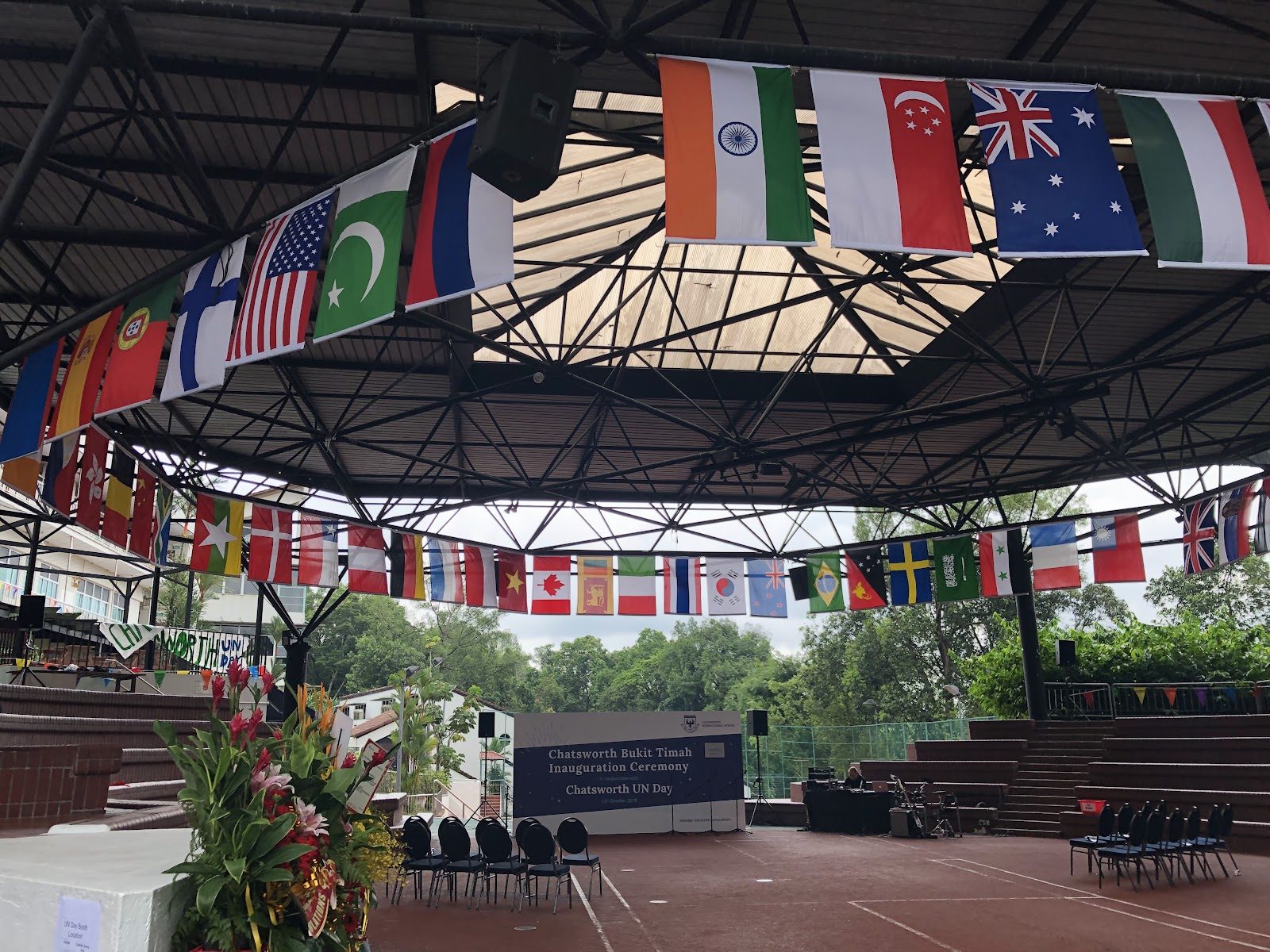
Chatsworth International School
Singapore · Singapore
Set beside Singapore's only tropical rainforest, a non-selective full IB continuum runs through a close-knit, village-like community.
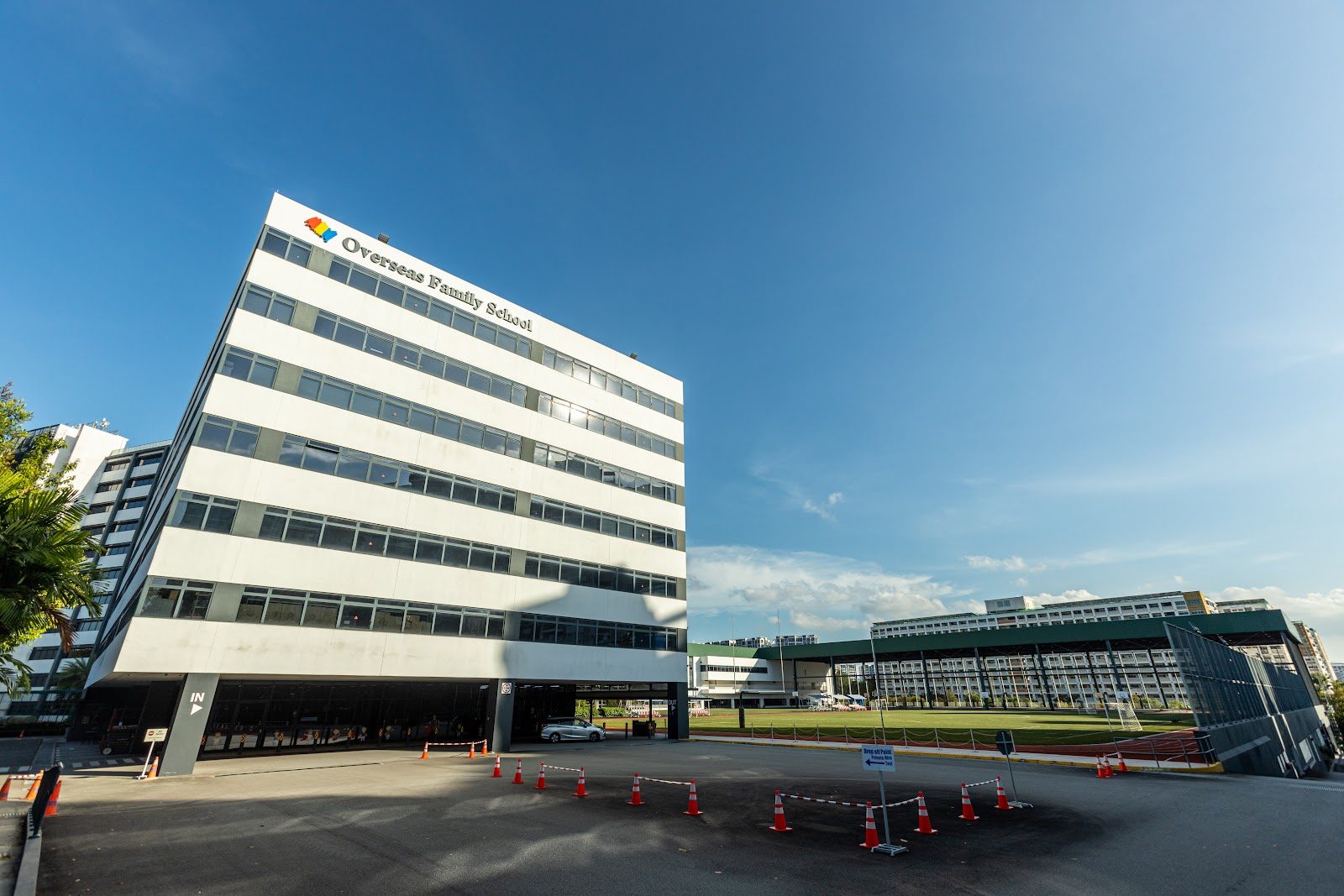
Overseas Family School
Singapore · Singapore
Open-access IB Diploma policy admits every student, no preselection, inside a 70-nation Pasir Ris campus.
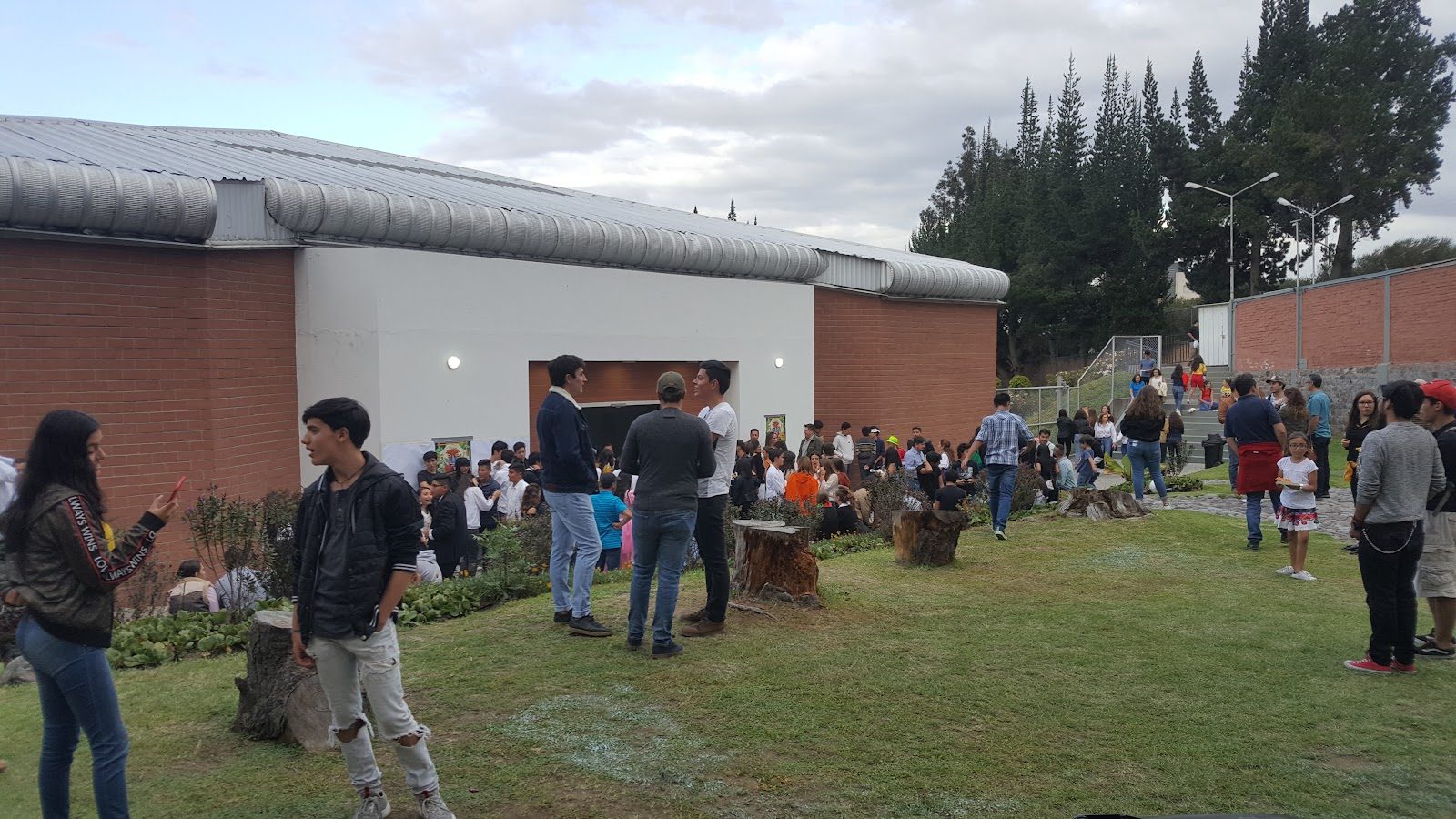
Colegio Alberto Einstein
Quito · Ecuador
Founded by Ecuador's Jewish community in 1973, its full IB continuum now unfolds on a Harvard-advised Puembo campus.
Ibstock Place School
London · United Kingdom
On the fringe of Richmond Park, a Froebel-founded day school has championed co-education since 1894.
Same country and curriculum — closest matches within ±10 points either way