
Île-de-France
Collège Stanislas de Paris
medium confidence· 4/6 cats · 3 avg sourcesIn Montparnasse since 1804, this Catholic day school channels rigorous bac prep straight into France's grandes ecoles pipeline.
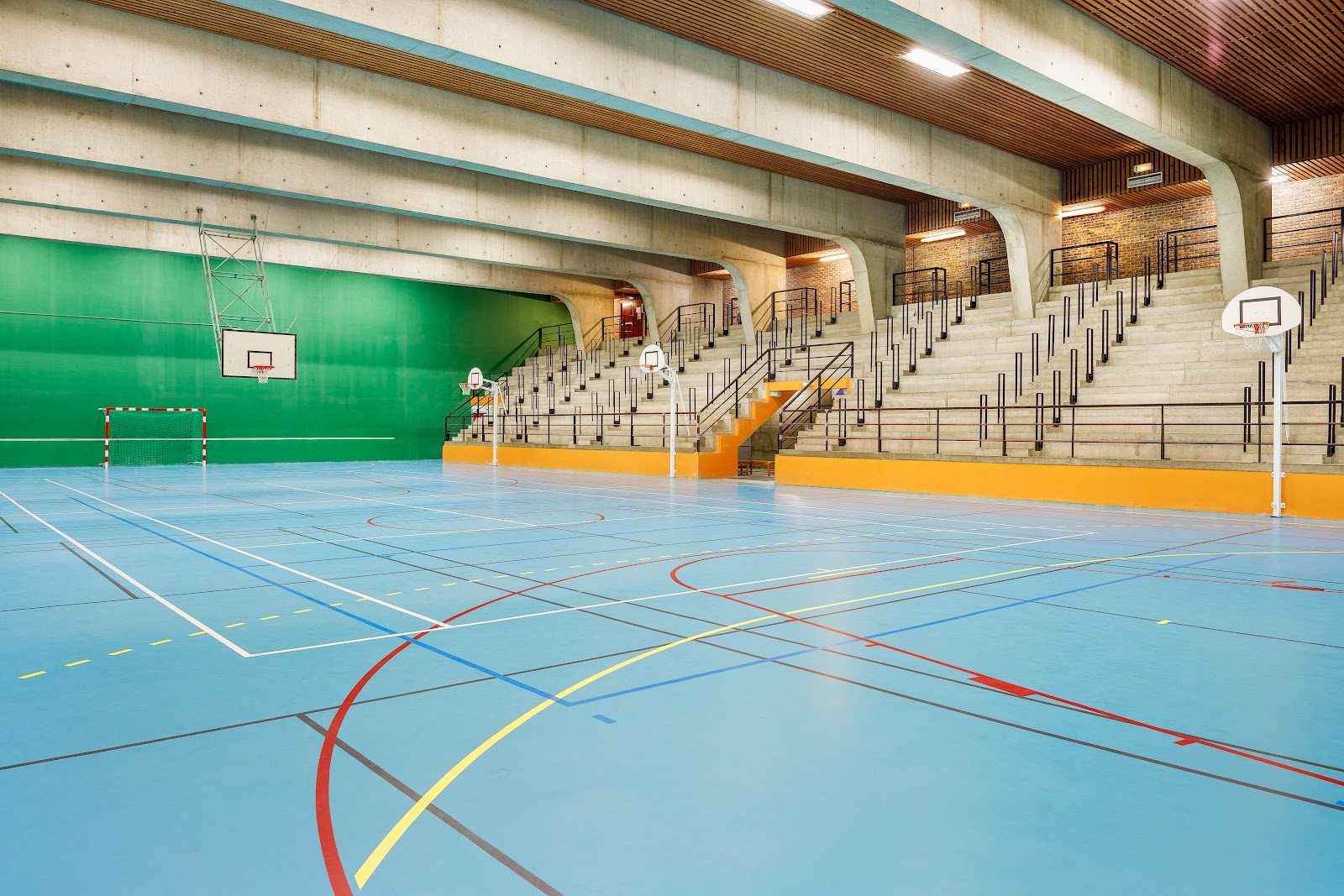
Photo © Collège Stanislas via Google Maps
Type
Day
Ages
6–18
Curriculum
French Baccalaureate
Ratio
—
The Verdict
Editor's commitment
Right for
Families wanting a Catholic French Baccalaureate route in Paris: founded in 1804, ages 6–18, with more than 3,000 students.
Wrong for
Anyone seeking progressive pedagogy or bilingual flexibility: instruction is in French, the school is Catholic, and it feeds France's grandes ecoles culture.
Watch out for
This is the largest private school in France, in the 6th arrondissement; scale, prestige and a 2019 high-school ranking of 1st bring intensity.
Ranking breakdown
Collège Stanislas de Paris · #608 of 1591
Composite score 67.6. 8 weighted criteria.
By criterion
Academic Outcomes
Weight 20%
#148
of 1529 scored
University Placement
Weight 16%
#219
of 1529 scored
Prestige & Heritage
Weight 12%
#212
of 1571 scored
Alumni Network
Weight 12%
#1401
of 1530 scored
Facilities
Weight 12%
#808
of 1533 scored
Transparency & Communications
Weight 8%
#288
of 1532 scored
Peer & Industry Review
Weight 10%
#335
of 1548 scored
Admissions Selectivity & Demand
Weight 8%
#143
of 1529 scored
Score history
Collège Stanislas de Paris · 2026
Movement across 2024–2026. Peer average overlaid.
Overall — 2024–2026
67.6/ 100
▲ +16.7 vs 2025
year on year
Peer & Industry Review
How Collège Stanislas de Paris is regarded in the sector
92
Top-tier · high confidence
Collège Stanislas de Paris is consistently ranked among France's top private schools in Le Figaro Étudiant and Le Parisien school rankings, known for exceptional baccalauréat pass rates and prestigious 'classes préparatoires' feeding into grandes écoles. Its Catholic, non-contract status and rigorous academic reputation are widely referenced in French education press, and its alumni network includes numerous prominent figures in French politics, business, and culture, cementing its status as a benchmark institution among Parisian private schools.
Evidence sources
- Ferdinand Foch — Marshal of France, Military
- Louis de Broglie — Physicist, Nobel Laureate, Science
- Edouard Balladur — Former Prime Minister, Politics
Editors' overview
Collège Stanislas de Paris occupies a rare position in the French market: a Catholic day school founded in 1804, rooted in the 6th arrondissement, and operating at a scale few private schools can match. With more than 3,000 students, it is the largest private school in France. Size, here, does not dilute identity. Stanislas runs on an old French model of academic seriousness, institutional confidence and clear social purpose: the production of strong Baccalaureate candidates who can move cleanly into the country’s selective higher-education tracks. For families who want intellectual pressure, old-regime gravitas and direct access to a school with deep Parisian standing, it earns a place on the shortlist quickly.
What sets Stanislas apart is not pastoral novelty or progressive reinvention. It is the force of the brand within France’s own hierarchy. This is a school associated with prestige, selection and performance, not educational experimentation. The attraction lies in the density of ambition around it: a large, established Catholic institution in which academic competition is normal, standards are explicit and the social environment carries its own momentum. Its alumni footprint is formidable, with 474 notable alumni catalogued in Wikidata across politics, business, scholarship, literature and the arts. That record reinforces the school’s real market value: not glossy internationalism, but serious academic muscle, social capital and a long-proven place in the French elite pipeline.
The right student for Stanislas is academically strong, resilient and comfortable inside a formal, demanding culture. This suits children who thrive on structure, accept discipline and want to measure themselves against able peers. It also suits families committed to French education at its most traditional: French-language instruction, Catholic framing, and a school experience tied tightly to national expectations rather than international fashion. Children who need a softer atmosphere, broader pedagogical flexibility or a less competitive peer culture will find Stanislas hard going. Children who want high-stakes ambition, institutional weight and Parisian prestige will understand its appeal immediately.
Academic Performance
Academic performance sits at the centre of Stanislas’s value proposition, and the public record places it near the top of the French pack. Wikipedia’s summary of national league-table performance records the school ranked 1st for middle school across a multi-year run and 1st for high school in one of those years. For parents comparing elite Parisian options, that matters. It places Stanislas in the top tier not only by reputation but by measured outcomes in the French system. This is not a school trading on name alone; it produces results that keep it in the serious end of national comparison.
The more important point is what those rankings imply about daily academic life. A school that sustains that level of performance does so through tight routines, demanding assessment culture and a student body able to handle pace and pressure. That brings clear upside for strong pupils aiming at selective higher education. It also narrows the margin for academic drift. Families looking for a high-output, exam-driven environment will read those standings as confirmation of quality. Families who want more latitude, more pedagogical looseness or less competitive benchmarking will read the same data as a warning. The school does not publish aggregate Baccalaureate score detail in the public domain here, so the cleanest comparative marker remains its 1st-place standing against peers.
Facilities
The key facility fact is scale. Stanislas houses more than 3,000 pupils on a single urban site and extends from the earliest years through classes préparatoires. That gives it an institutional footprint few Paris day schools can match. For parents, the practical implication is breadth of provision inside one address: enough classrooms, specialist teaching space and organisational capacity to run a full-through school at industrial strength. What it does not offer, at least publicly, is the glossy facilities narrative common in international-school marketing. We have not seen a published showcase of theatres, aquatic centres, maker spaces or landscaped sports grounds. In this market, that absence matters. Peer schools selling a premium urban experience now document those assets in detail; Stanislas trades on academic seriousness, not amenity theatre.
Benchmarked against elite Paris competitors, the school’s facilities profile reads as functional, high-pressure and city-bound rather than expansive. Its location in the dense Left Bank brings prestige and convenience, but it also means families should not expect the acreage or resort-style sports infrastructure found at suburban campuses. The advantage lies elsewhere: a large, established institution built to sustain heavy academic traffic and a long educational ladder under one roof. For some families that is exactly right — purpose-built for work. For others, especially those who prize open space, high-visibility arts provision or a more polished campus story, the physical offer will feel secondary to the machine.
Academic performance sits at the centre of Stanislas’s value proposition, and the public record places it near the top of the French pack
Prestige
Stanislas carries top-drawer French prestige. Not the Instagrammable kind, and not the diluted international-school version either: the real domestic article, embedded in the country’s own hierarchy of status and selection. Its address in the 6th arrondissement matters; so does its identity as the largest private school in France, with more than 3,000 pupils moving through a single institution whose name has weight well beyond school gates. In France, that kind of scale paired with elite reputation creates its own network effects. Teachers, universities, employers and families know the brand. That recognition gives a Stanislas education immediate social legibility in a way many fashionable schools do not.
The deeper reason for the rating lies in outcomes and alumni gravity. A school does not accumulate 474 notable alumni across politics, business, scholarship, literature and the arts by accident. That is the mark of an institution with serious generational reach. Add its recent run at the top of published school rankings, and the picture is clear: Stanislas sits in the uppermost tier of French schooling, with prestige built on performance, tradition and elite reproduction. That prestige has edge as well as shine. It attracts ambitious families, confers status, and carries expectations. For some children that is energising. For others it is social pressure in school uniform.
It places Stanislas in the top tier not only by reputation but by measured outcomes in the French system
Communications
Parent communication at Stanislas carries the stamp of the institution itself: formal, hierarchical and built for a school that handles more than 3,000 pupils across a very broad age span. Families should not expect the chatty, concierge-style tone that many premium schools now sell. This is a large French Catholic school with an entrenched internal culture, and communication follows that logic. Notices, expectations and administrative information matter more than brand polish. That can work well for parents who value clarity over courtship and who want a school to issue instructions plainly. It works less well for families who expect a constant stream of warm reassurance, personalised updates or a highly responsive customer-service mentality. At this scale, communication needs discipline, and Stanislas has the institutional gravity to enforce one.
Its effectiveness rests on coherence rather than charm. A school with this level of academic pressure and social confidence cannot function through improvisation; it needs routines, boundaries and parents who understand them. That usually produces communication that is brisk, top-down and administratively serious. The strength lies in legibility: families know they are dealing with a school, not a lifestyle brand. The weakness is just as clear. Large, prestigious institutions can slide into opaque bureaucracy when they rely too heavily on their own authority. We have not seen a strong public-facing effort to explain pastoral life, parent partnership or day-to-day responsiveness in detail. For confident local families, that will not matter. For international or first-time parents, it leaves too much unsaid.
Uniqueness
What marks Stanislas out is not a quirky educational concept or a polished international-school package. It is its place inside the French establishment. Few schools combine Catholic identity, mass scale and direct proximity to the country’s highest-status academic tracks with this level of institutional confidence. The presence of classes préparatoires on the same educational ladder matters here. It gives pupils a daily line of sight to the next stage of French meritocracy, and that changes the atmosphere. Ambition does not sit at the edge of school life; it saturates it. Students grow up in a culture where intellectual ranking is normalised, competitive exams are taken seriously, and progression into elite routes feels structural rather than aspirational.
That distinctiveness brings real advantages. Children who thrive in formal systems get early exposure to high expectations, demanding peers and an adult world that treats academic performance as consequential. The alumni record — 474 notable figures catalogued in Wikidata — adds another layer. This is not only a school with history; it is a school with deep social continuity, a name that carries through public life, the professions and the French cultural sphere. For the right student, that produces rare institutional momentum: strong habits, clear benchmarks and access to a network that extends well beyond school. The cost is plain. A child who needs looseness, reinvention or emotional cushioning will find the model hard-edged and unforgiving.
That usually produces communication that is brisk, top-down and administratively serious
Student Profile
The pupil who fits Stanislas is bright, disciplined and untroubled by hierarchy. This is a place for children who accept rules, work fast, and do not need teachers to package effort as personal discovery. They need stamina as much as intelligence. In a school of this scale, with more than 3,000 pupils moving through a single institution, no one is carrying each child by hand; students need to organise themselves, absorb correction without drama, and keep pace in a culture where strong performance is expected, not celebrated as exceptional. Socially, the best fit is a child comfortable around confidence, competition and families with high educational ambition. A pupil who wants to excel will find plenty of peers pushing in the same direction. A pupil who wants anonymity can disappear, but not comfortably.
This does not suit every temperament. Children who need close pastoral cushioning, flexible authority or a low-pressure peer group will find the environment hard-edged and unsentimental. The same goes for students who resist formal codes or wilt under constant comparison. Stanislas suits the academically serious child with a thick skin, good habits and a taste for structured pressure. It also suits families who value status, discipline and institutional continuity more than self-expression or progressive pedagogy. For the right student, that mix is electrifying. For the wrong one, it is bruising.
With more than 3,000 students, it is the largest private school in France
Co-curricular strengths
Arts & sport, on a separate axis
Overall 7/10
Scored 0-10 from the school's own published evidence. This axis is editorial-only — it does not feed the main WTS ranking.
Sports
8/10
The extracurriculars explicitly list multiple sports including football, basketball, tennis, judo, swimming and table tennis.
Drama
8/10
Theatre, and verified alumni include two Academy Award-winning film figures, which evidences a strong drama pedigree and anchors this dimension at least at 7.
Dance
4.5/10
Music
7.5/10
The extracurriculars explicitly list both school choir and orchestra, showing more than a bare mention through named ensembles, but there is no cited facility, department, specialist staff or notable awards.
Visual Arts
7/10
Visual arts is explicitly named in the extracurriculars.
Editor first-pass · editor-reviewable · 7/28/2026
Notable alumni · Wikidata
474notable alumni
Includes
- Vannina Kellershohn
376 historic (born pre-1930) · 20 modern (born post-1970)wikidata:2026-07-28 How we source this
Strengths
- +Founded in 1804, Collège Stanislas is France's largest private school, enrolling 3,660 students (in 2023) from preschool through classes preparatoires.
- +Regularly ranked at the top of Le Figaro's ranking of the country's best private schools, notably for its baccalaureat mentions, with 100% in 2022.
- +The Classes Preparatoires aux Grandes Ecoles (CPGE) enroll over 800 students across multiple filieres aimed at admission to elite institutions such as Polytechnique, Mines, Centrale, HEC and ESSEC.
- +Notable alumni include General Charles de Gaulle, fashion designer Christian Dior, oceanographer Jacques Cousteau, and physicist Pierre Duhem.
- +The school includes a boarding house for boys of around 450 places and a girls' boarding house opened in 2013, giving relocating families a residential option in central Paris.
Considerations
- −It is an explicitly Catholic establishment with religious education on specific days - originally Wednesdays, but now, since the Jules Ferry Laws of 1882, on Saturdays, a structural feature that will not suit secular or non-Christian families.
- −The school has been under investigation since autumn 2023 for public insult based on sexual orientation or gender identity and public incitement to hatred or violence based on sexual orientation or gender identity, following an inspection report into alleged homophobic and sexist conduct.
- −Parents are offered a choice between mixed or gender-segregated classes for the first four years of secondary school, an unusual and somewhat old-fashioned structural quirk compared to most contemporary Western day schools.
- −As one of the country's largest private schools with an intense, exam-focused prepa culture, it may not suit students seeking a small, low-pressure, or broadly international learning environment.
Availability
Primary entry gate & tests
Dossier / Affelnet
Gallery
Photo © Collège Stanislas via Google Maps
Photo © Collège Stanislas via Google Maps
Photo © Zig Zagueur via Google Maps
Photo © Nam Anh Tran via Google Maps
Photo © Nam Anh Tran via Google Maps
Parent reviews
Have you sent your child here?
Voice reviews carry the strongest trust badge — we transcribe them for you to tidy up before they go live. Prefer to type? A written review is fine too.
Add your voice
In 60 seconds, tell other parents: what's the best thing about Collège Stanislas de Paris, and what surprised you when your child joined?
We ask for a Google sign-in so every review has a real face behind it — no anonymous drive-by attacks on schools, and no faked positive reviews. Your email is never shown publicly.
Send this profile to a friend
International parents rely on word-of-mouth. Share this review with someone weighing the same decision.
Schools with places
Similar schools to Collège Stanislas de Paris with places available now.
École Alsacienne
Paris · France
- 2026-27
- CLOSEDStandard route
- 2027-28
- OPENS SOONOpens Sept/Oct '26
The British School of Paris
Paris · France
- 2026-27
- WAITPOOLSpace-dependent
- 2027-28
- PLACES OPENRolling
École Saint-Louis de Gonzague
Paris · France
- 2026-27
- CLOSEDStandard route
- 2027-28
- OPENS SOONOpens Oct/Nov '26
École Jeannine Manuel
Paris · France
- 2026-27
- CLOSEDStandard route
- 2027-28
- OPENS SOONOpens Oct '26
Availability first, then country, area, curriculum, price, co-curricular
Consider also
Also worth looking at alongside Collège Stanislas de Paris.
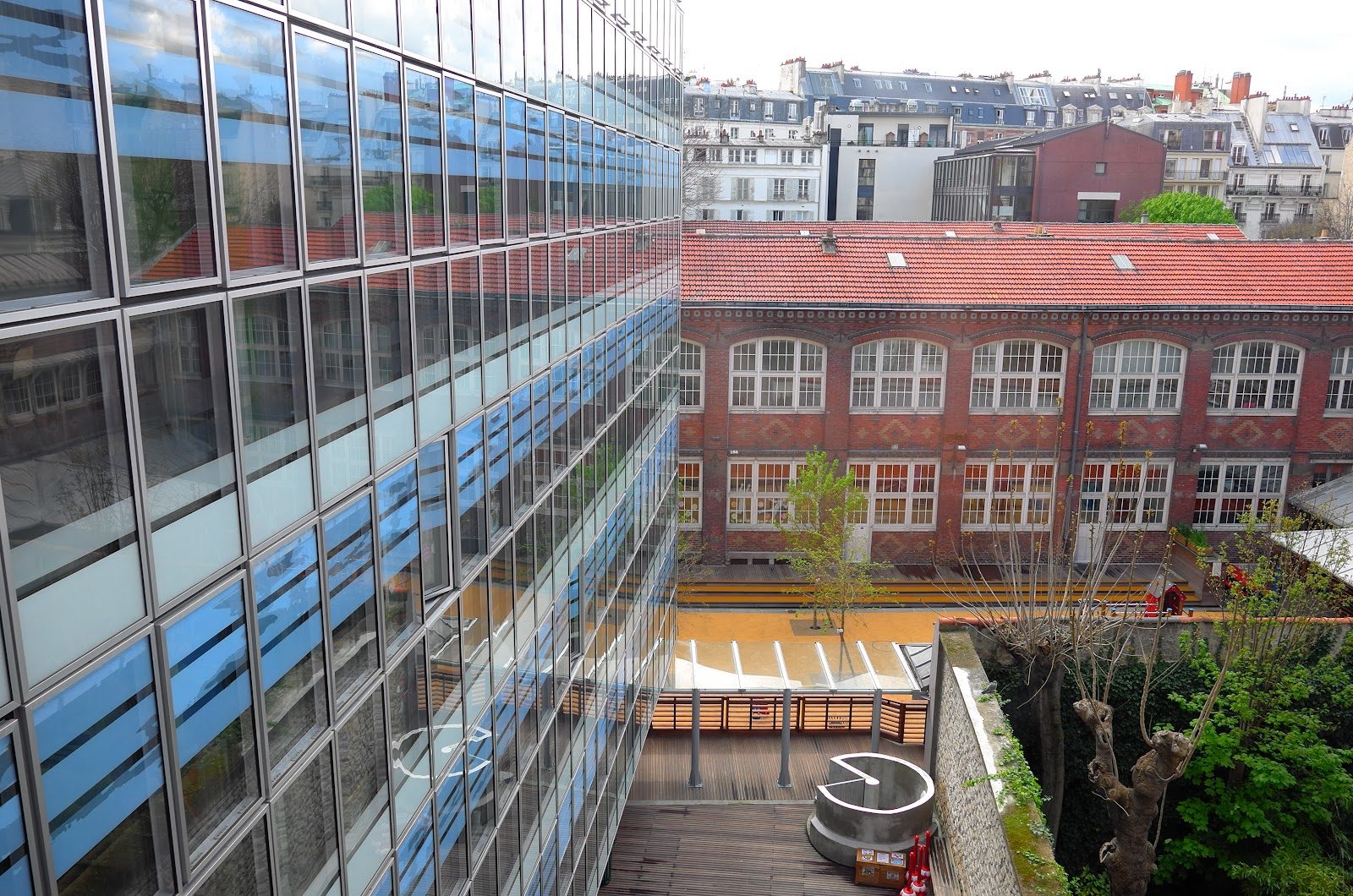
École Alsacienne
Paris · France
Founded by Alsatian refugees in 1874, a Left Bank laboratory for secular, progressive pedagogy that shaped France's republican school system.
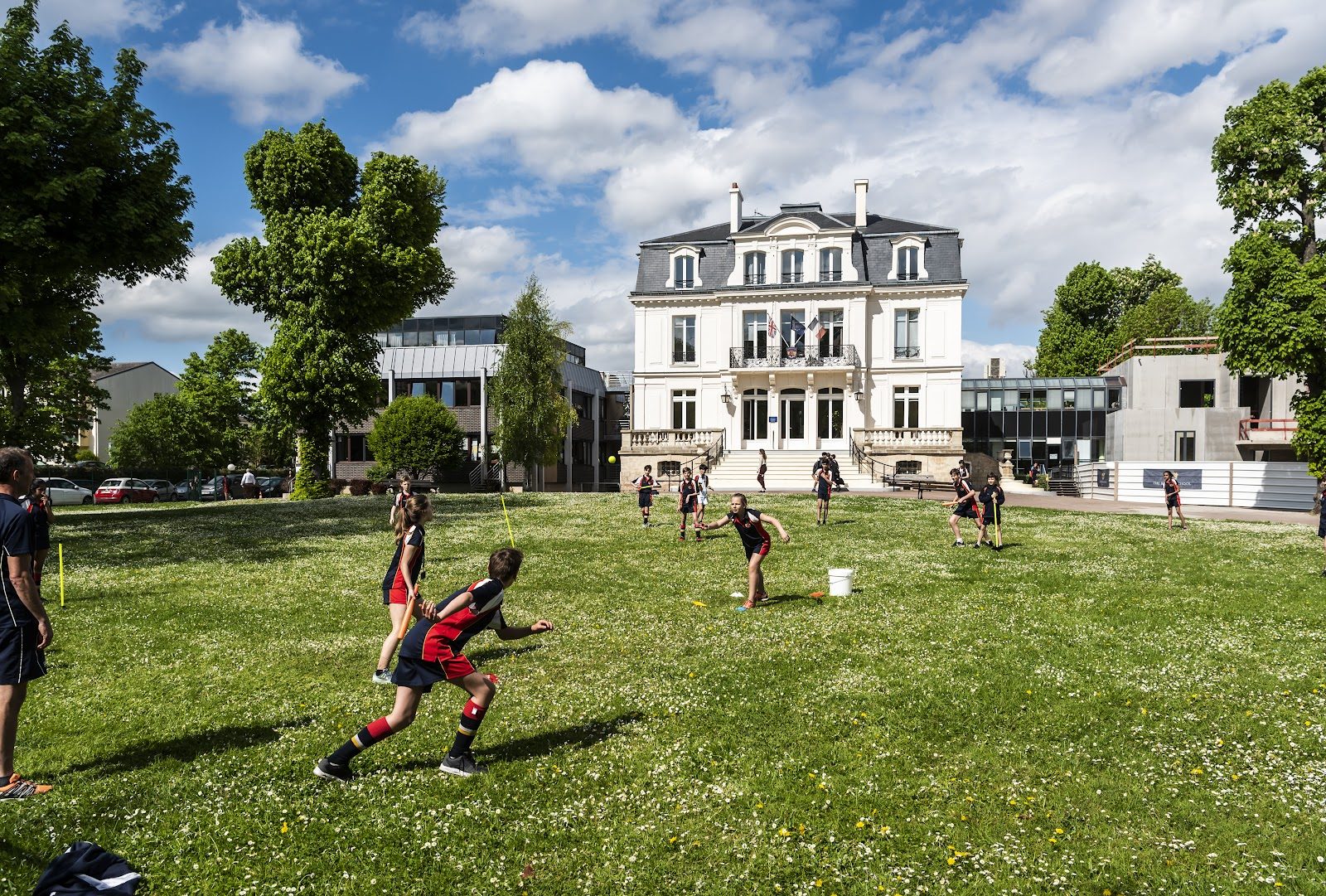
The British School of Paris
Paris · France
The only UK-government-accredited British School Overseas in France, pairing A-Levels and IB on the Seine west of Paris
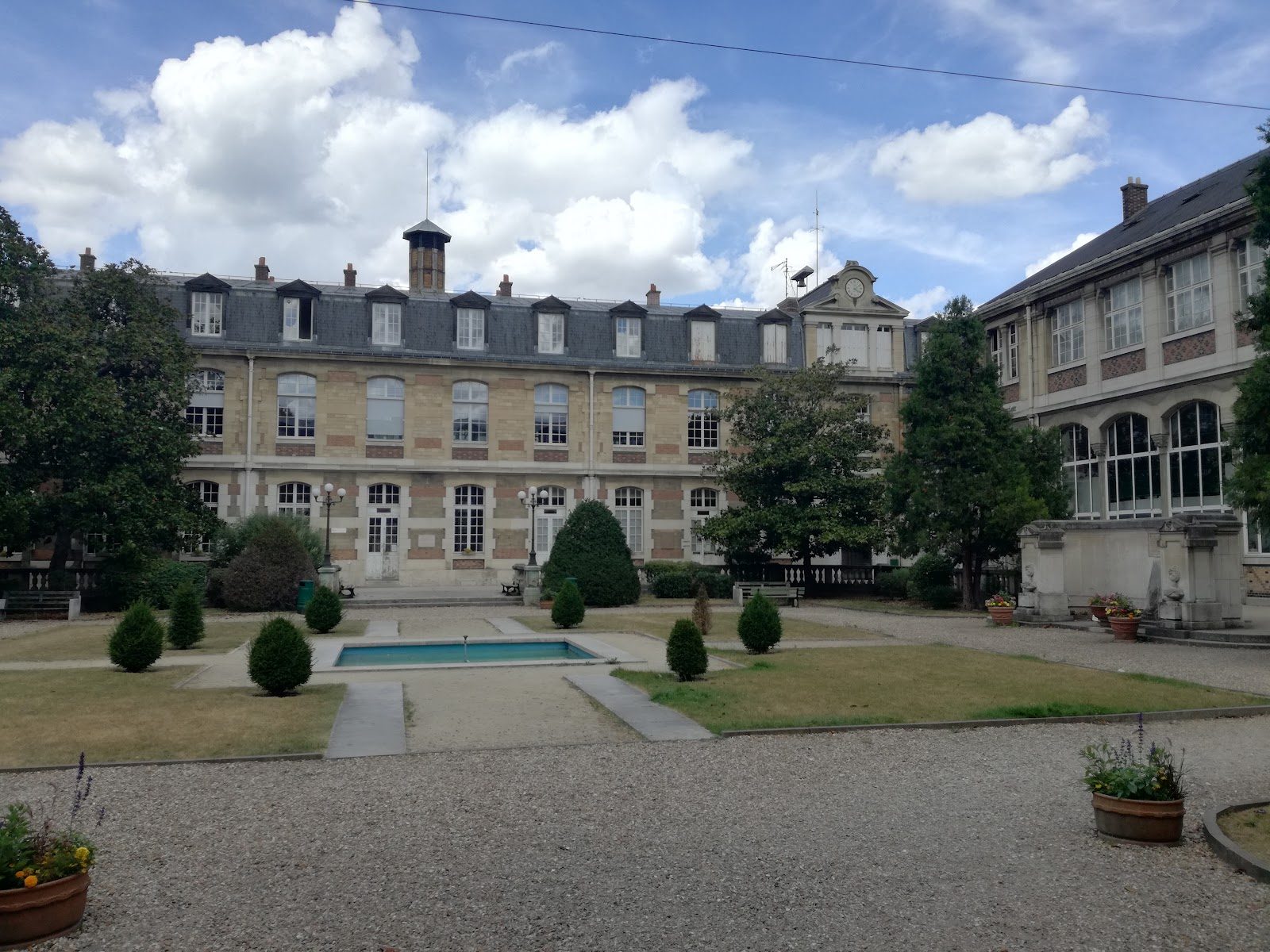
Lycée Janson-de-Sailly
Paris · France
A jilted lawyer's bequest built a 16th-arrondissement giant whose prepa classes still funnel thousands into France's grandes ecoles.
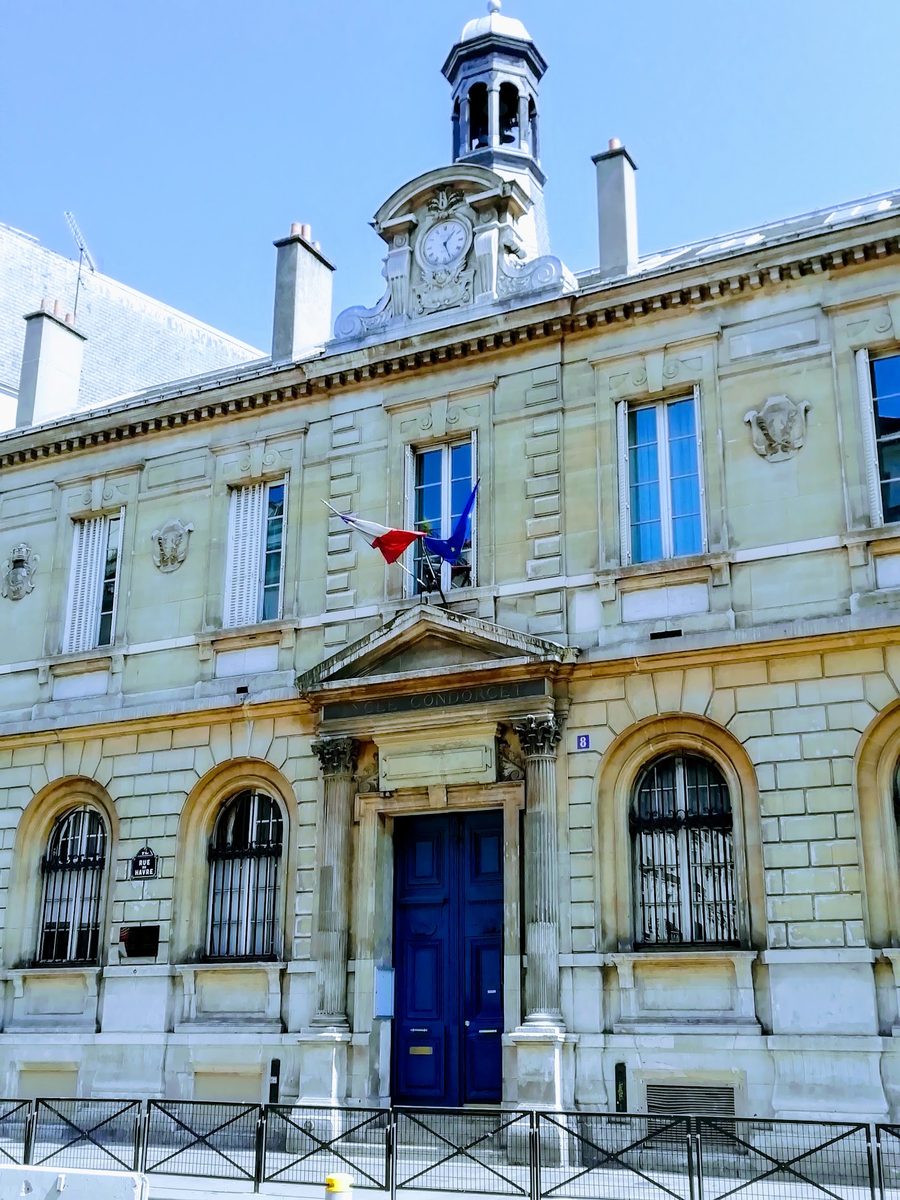
Lycée Condorcet
Paris · France
Housed in a former Capuchin cloister near Saint-Lazare, this boarding-free lycee still funnels day students into France's elite prep classes.
Same country and curriculum — closest matches within ±10 points either way