
Île-de-France
Founded by Alsatian refugees in 1874, a Left Bank laboratory for secular, progressive pedagogy that shaped France's republican school system.
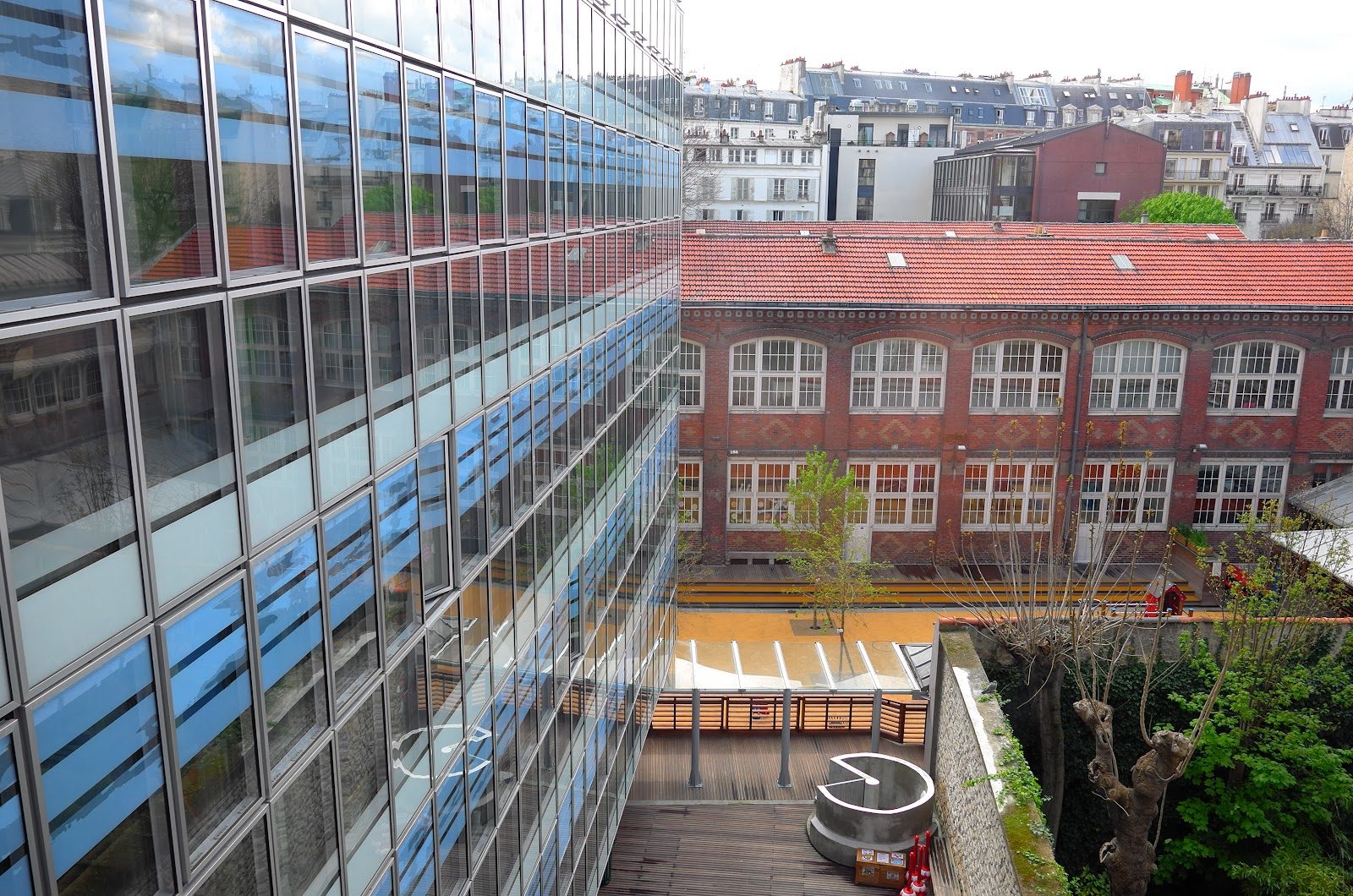
Photo © Pierre PANAFIEU (DE) via Google Maps
Type
Day
Ages
4–18
Curriculum
French Baccalaureate
Ratio
—
The Verdict
Editor's commitment
Right for
Families wanting a secular French Baccalaureate school in Paris 6e with 1,850 pupils, 210 new entrants, and real bursary-backed social mix.
Wrong for
Parents chasing overt academic peacocking or English-medium teaching; this day school teaches in French, rejects elitism, and sends many to Sciences Po.
Watch out for
Top destinations skew domestic—Sciences Po 30, HEC Paris 12, ESSEC 10—and the school publishes congratulations, not aggregate Baccalaureate scores.
Ranking breakdown
École Alsacienne · #620 of 1591
Composite score 67.5. 8 weighted criteria.
By criterion
Academic Outcomes
Weight 20%
#261
of 1529 scored
University Placement
Weight 16%
#263
of 1529 scored
Prestige & Heritage
Weight 12%
#212
of 1571 scored
Alumni Network
Weight 12%
#1317
of 1530 scored
Facilities
Weight 12%
#732
of 1533 scored
Transparency & Communications
Weight 8%
#354
of 1532 scored
Peer & Industry Review
Weight 10%
#385
of 1548 scored
Admissions Selectivity & Demand
Weight 8%
#198
of 1529 scored
Score history
École Alsacienne · 2026
Movement across 2024–2026. Peer average overlaid.
Overall — 2024–2026
67.5/ 100
▲ +16.4 vs 2025
year on year
Peer & Industry Review
How École Alsacienne is regarded in the sector
85
Strong · medium confidence
École Alsacienne is repeatedly singled out in French investigative and cultural press (Le Monde, L'Express, Society magazine) as one of Paris's most prestigious private schools, with feature pieces on its dense alumni network among politicians, journalists and business leaders (dubbed 'le réseau Alsacienne'). It is consistently mentioned alongside Lycée Henri-IV and École Jeannine Manuel in rankings of elite Parisian schools, though it lacks the UK-style Tatler/Good Schools Guide coverage typical of anglophone institutions.
Evidence sources
- Xavier Niel — Founder/CEO, Iliad-Free, telecom business
- Laurent Fabius — Former Prime Minister, politics
- Andre Citroen — Founder, Citroen automobiles
Editors' overview
École Alsacienne occupies a rare position in Paris: a private day school with deep establishment roots and a long record of educational dissent. Founded in 1874, it built its name on secular, progressive pedagogy, and that still shapes the offer. The school states its case plainly: innovation, social mix, inclusion, digital education, anti-bullying work and gender equality. It is private under state contract, teaches in French, runs through to the French Baccalaureate, and enrols 1,850 pupils aged 4 to 18. That scale matters. This is not an intimate boutique school. It is a full, complicated institution with enough breadth to sustain serious extracurricular life, internal initiatives and a wide peer group, while still carrying a distinct ideological inheritance from the republican Left Bank.
What puts it on a shortlist is not raw selectivity theatre or a luxury-campus fantasy. It is the combination of intellectual seriousness and a declared rejection of “competition and elitism”. Few Paris schools make that claim so directly; fewer still have the history to make it credible. École Alsacienne also pushes harder than many traditional independents on bursaries, partnerships, support for pupils with disabilities or special needs, and visible pastoral themes. The website points to 210 new pupils a year, bursaries, and a developed workshop culture across science, digital making, debate, writing, theatre, music and sport. This is a school for families who want a civilised intensity rather than drill; *a serious school without academic machismo; a progressive French education* with structure, range and cultural depth.
The trade-off is clear. Parents seeking English-medium teaching, an international curriculum, boarding, or a narrowly results-driven atmosphere should look elsewhere. This is a French school, in French, for families ready to commit to that system and to the social and intellectual codes that come with it. Its published university destinations show strong traction with France’s selective institutions, with top recent destinations including Sciences Po (30), HEC Paris (12) and ESSEC (10). That reinforces the school’s market position: not a global nomad school, but a high-status Parisian route into the French elite higher-education landscape.
The pupil who thrives here values ideas, conversation and participation. A child who wants only rank-order competition will find the culture constraining. A child who needs room to write, debate, perform, build, question and join in will find real oxygen here. École Alsacienne suits academically capable students who do not want their adolescence reduced to exam technique; creative pupils who still need rigour; and families drawn to *republican idealism with operational substance. In the Paris market, that mix remains genuinely distinctive*.
Academic Performance
École Alsacienne publishes examination-result notices, but not the aggregate data that matter most for serious comparison. The site carries congratulatory items for the baccalauréat, the brevet and the anticipées, plus a dedicated “Résultats” section, yet the extracts here give no pass rates, no mention counts, no subject breakdowns and no multi-year trend line. That leaves the public academic picture frustratingly opaque. For a school of this profile, that is a real weakness. Parents can infer steady operational competence from the routine publication of exam updates and from the school’s strong flow into selective French higher education, but inference is not enough. A school that wants credit for academic performance should publish hard numbers.
Relative to Paris peers, that places École Alsacienne in an unusual bracket: clearly high-status, academically serious, and plugged into elite French destinations, but less transparent on headline exam metrics than the strongest data-publishing independents. The signal is good; the proof is thin. The school’s own rhetoric matters here. A culture built against competition and elitism does not excuse weak disclosure; it explains it. Families who care more about intellectual formation than ranking tables will tolerate that trade-off. Families who want a cold, comparable scorecard will find the public record too guarded. The destination list still carries weight, with 30 to Sciences Po, 12 to HEC Paris and 10 to ESSEC in the recent cohort, and that is the clearest external outcome published.
Facilities
Facilities here are strong in breadth, not in the resort-style sense that dominates newer international-school marketing. École Alsacienne runs as a dense urban institution, so parents should expect a school built around working spaces and programmed activity rather than sprawling grounds. The clearest strengths sit in specialist and co-curricular provision: dedicated digital infrastructure with tablets, Google Classroom and home-control guidance via Jamf; science and making through clubs such as MATh.en.JEANS, Eureka and a 3D design/printing atelier; and an arts offer that reaches well beyond token enrichment, with cinema, chamber music, vocal ensemble, dance, comics, digital art, theatre and rock. For a day school of 1,850 pupils, that is serious operational range. The presence of a canteen, supervised study, a protected online portal and structured periscolaire workshops also points to a school designed for long days and heavy use.
Against Paris peers, that places École Alsacienne in a strong middle path. It has more intellectual and creative infrastructure than many traditional contract private schools, but less obvious physical grandeur than the city’s wealthiest campuses with extensive grounds or headline sports complexes. Sport exists, with football, volleyball, badminton, judo, gymnastics and basketball in view, yet the public picture gives more weight to culture, debate, digital work and student production than to elite athletic facilities. Inclusion also matters as a facility question, not just a values statement: the school foregrounds support for pupils with disabilities and special educational needs, and that is more consequential than a shiny atrium. The result is a campus ecosystem that feels purpose-built for participation, not spectacle.
École Alsacienne occupies a rare position in Paris: a private day school with deep establishment roots and a long record of educational dissent
Prestige
École Alsacienne carries real Parisian prestige, but not the glossy, plutocratic kind that many private schools sell. Its status rests on something harder to manufacture: a long entanglement with French intellectual, political and cultural life. The alumni footprint is the clearest indicator. Wikidata alone records 117 notable former pupils, spanning politics, business, scholarship, literature, the arts and screen. That breadth matters. This is not a school known for producing one narrow caste; it has fed multiple parts of the French establishment and cultural sphere. The recent destinations reinforce that standing. A school that sends pupils in visible numbers to the country’s most selective institutions holds serious domestic credibility, whatever its reluctance to publish cleaner exam data.
The prestige also has a distinct ideological flavour. This is not a school built on military discipline, social conservatism or exam-bragging. Its reputation comes from a republican, secular, cultivated model of education that has cachet in France, above all among professional and intellectual families who want status without crude status signalling. The school’s explicit language about social mix, bursaries, inclusion and the rejection of elitism gives it a moral seriousness that many expensive Paris schools lack. That does not make it egalitarian in the simple sense; schools with this level of reputation still function as gateways to influence. But École Alsacienne offers a form of prestige that reads as old Left Bank confidence: high-trust, well-networked, culturally literate, and secure enough not to shout.
In the Paris market, that mix remains genuinely distinctive. École Alsacienne publishes examination-result notices, but not the aggregate data that matter most for serious comparison
Communications
Parent communication is active, structured and more modern than many Paris schools of comparable pedigree. The site functions as a live operations board, not a ceremonial brochure: term-start timetables, book and supply lists, weekly menus, workshop sign-ups, exam notices, video rentrée meetings, and practical guidance for digital tools all sit in plain view. The school also signposts a protected area, EcoleDirecte and Google Classroom, plus tablet-control guidance for home use through Jamf. That matters. It tells parents where the real traffic runs and shows that everyday communication extends beyond static website pages. For a school taking in 210 new pupils each year and serving 1,850 children across a wide age span, that level of operational scaffolding is serious, workmanlike and reassuringly unglamorous.
The weakness is not frequency but disclosure. École Alsacienne communicates its values and logistics with real clarity, yet withholds the harder academic data that exacting parents want. It publishes congratulations, calendars, forms, FAQs, criteria, bursary information and university-facing pages; it does not publish the clean aggregate examination figures that would test school performance properly. So the verdict is mixed: strong day-to-day communication, thin hard accountability. Families who want a school that keeps the machine running and explains procedures will get that. Families who judge communication by the quality of published outcomes will find the public record too controlled.
Uniqueness
What marks École Alsacienne off from the rest of the Paris private market is not prestige alone but the combination of prestige and dissent. Most established schools inherit status and defend it through selection, hierarchy and ritual. This one built its identity around reform: secularism, pedagogic innovation, social mix, inclusion, and a declared refusal of competition and elitism. That gives the school a rare ideological coherence. The values are not buried in a mission statement; they run through admissions language, bursaries, disability support, anti-bullying work, digital education, gender-equality initiatives and the sheer scale of workshop life. For students, that creates a culture where high ability does not need to harden into swagger, and where participation carries as much weight as rank.
The second point of difference is range with purpose. A school of 1,850 pupils can drift into impersonality; here the scale funds a thick civic culture instead. Students get access to an unusually broad internal world: debating, writing clubs, visual media, Arabic initiation, science clubs, design and printing, chamber music, theatre across age groups, rock, sport, supervised study, even university-facing information for admissions officers. The result is not a narrow exam factory and not a boutique haven for the already polished. It is a serious urban school that trains students to speak, make, argue, perform and collaborate in public. That brings confidence of a durable kind: less brittle than competitive over-coaching, and more useful once school ends.
Against Paris peers, that places École Alsacienne in a strong middle path
Student Profile
The pupil who fits here is bright, verbally engaged and willing to join the life of the school rather than consume it from the sidelines. This is a place for children who like discussion, reading, performance, clubs and public participation; the internal offer is too broad for passive students to get the best from it. A child who enjoys debate, writing, theatre, music, digital projects or science workshops will find real room to move. So will students who value a peer group with intellectual range rather than a single narrow definition of success. With 210 new pupils joining each year, the school also needs children who can enter an established culture without needing hand-holding at every turn.
The harder truth is that this school will frustrate families chasing a cold-blooded competitive edge. Its own language rejects competition and elitism, and that has cultural consequences. Pupils who need constant ranking, overt prestige theatre or a hard exam-factory atmosphere will feel out of step. Those who thrive here tend to be self-possessed, socially functional and at ease with a school that expects commitment to collective norms: inclusion, anti-bullying work, gender equality and mixed social backgrounds are not decorative themes here. It also suits students who need a school that takes support seriously, including those with disabilities or specific needs. The best fit is a child with academic capacity, cultural curiosity and enough maturity to use a large, ideologically confident institution well.
What marks École Alsacienne off from the rest of the Paris private market is not prestige alone but the combination of prestige and dissent
Co-curricular strengths
Arts & sport, on a separate axis
Overall 7.6/10
Scored 0-10 from the school's own published evidence. This axis is editorial-only — it does not feed the main WTS ranking.
Sports
7/10
Basketball and Football, and a verified Olympic silver medal alumnus (Jean-Baptiste Charcot) anchors sports at at least 7.
Drama
9/10
The extracurriculars explicitly list Theatre, and a verified star-tier drama alumnus (Michel Piccoli, Cannes Best Actor) anchors drama at at least 7.
Dance
5/10
Music
9/10
The extracurriculars explicitly list Choir and Orchestra, which evidences music as a named activity.
Visual Arts
8/10
The extracurriculars explicitly list Visual arts and Photography, which supports a bare named visual arts offering without elaboration.
Editor first-pass · editor-reviewable · 7/28/2026
Outcomes & destinations
Where students go next
180 graduates
Top destinations
119 placements
- Sciences Po· 30
- HEC Paris· 12
- ESSEC Business School· 10
- École Polytechnique· 4
- ENS Ulm· 3
- Sorbonne University· 25
- Université PSL· 15
- Cambridge· 5
- Oxford· 5
- LSE· 6
- UCL· 4
Reported by the school. Confirm with admissions.
Notable alumni · Wikidata
117notable alumni
45 historic (born pre-1930) · 22 modern (born post-1970)wikidata:2026-07-28 How we source this
Strengths
- +Founded in 1874 by Alsatian teachers who left Strasbourg after the Franco-Prussian War, giving the school a long, documented history as a laboratory for French secular schooling reform.
- +Operates as a private school 'sous contrat' with the French State, delivering the standard national Baccalaureate curriculum from maternelle through terminale.
- +Tuition is adjusted to family income (quotient familial) and the school runs a scholarship programme, which helps sustain a degree of social mix despite its central Paris location.
- +A meaningful share of leavers pursue highly selective options after the Baccalaureate: 23% went on to foreign universities in 2021, institutions the school itself describes as at least as selective as French classes preparatoires.
- +Located in the 6th arrondissement, close to RER B and three Metro lines, giving families and older pupils easy access across the city.
Considerations
- −Overall admission is highly competitive, with an average acceptance rate of just 15.7% across candidates.
- −Entry is concentrated at the sixieme (start of college); more than half the student body is admitted at that single point, leaving few places for later joiners.
- −Even having a sibling already enrolled is no guarantee: only 38-40% of sibling applicants are admitted to college-lycee, so multi-child families cannot assume automatic places.
- −The school teaches a fully French Baccalaureate programme with no IB or bilingual track, which may not suit expat families wanting a curriculum that travels easily to non-French systems.
Availability
Primary entry gate & tests
Academic Dossier
Gallery
Photo © Patrick Clement via Google Maps
Photo © Pierre PANAFIEU (DE) via Google Maps
Photo © Pierre PANAFIEU (DE) via Google Maps
Photo © École alsacienne via Google Maps
Photo © École alsacienne via Google Maps
Parent reviews
Have you sent your child here?
Voice reviews carry the strongest trust badge — we transcribe them for you to tidy up before they go live. Prefer to type? A written review is fine too.
Add your voice
In 60 seconds, tell other parents: what's the best thing about École Alsacienne, and what surprised you when your child joined?
We ask for a Google sign-in so every review has a real face behind it — no anonymous drive-by attacks on schools, and no faked positive reviews. Your email is never shown publicly.
Send this profile to a friend
International parents rely on word-of-mouth. Share this review with someone weighing the same decision.
Schools with places
Similar schools to École Alsacienne with places available now.
The British School of Paris
Paris · France
- 2026-27
- WAITPOOLSpace-dependent
- 2027-28
- PLACES OPENRolling
École Saint-Louis de Gonzague
Paris · France
- 2026-27
- CLOSEDStandard route
- 2027-28
- OPENS SOONOpens Oct/Nov '26
École Jeannine Manuel
Paris · France
- 2026-27
- CLOSEDStandard route
- 2027-28
- OPENS SOONOpens Oct '26
Availability first, then country, area, curriculum, price, co-curricular
Consider also
Also worth looking at alongside École Alsacienne.
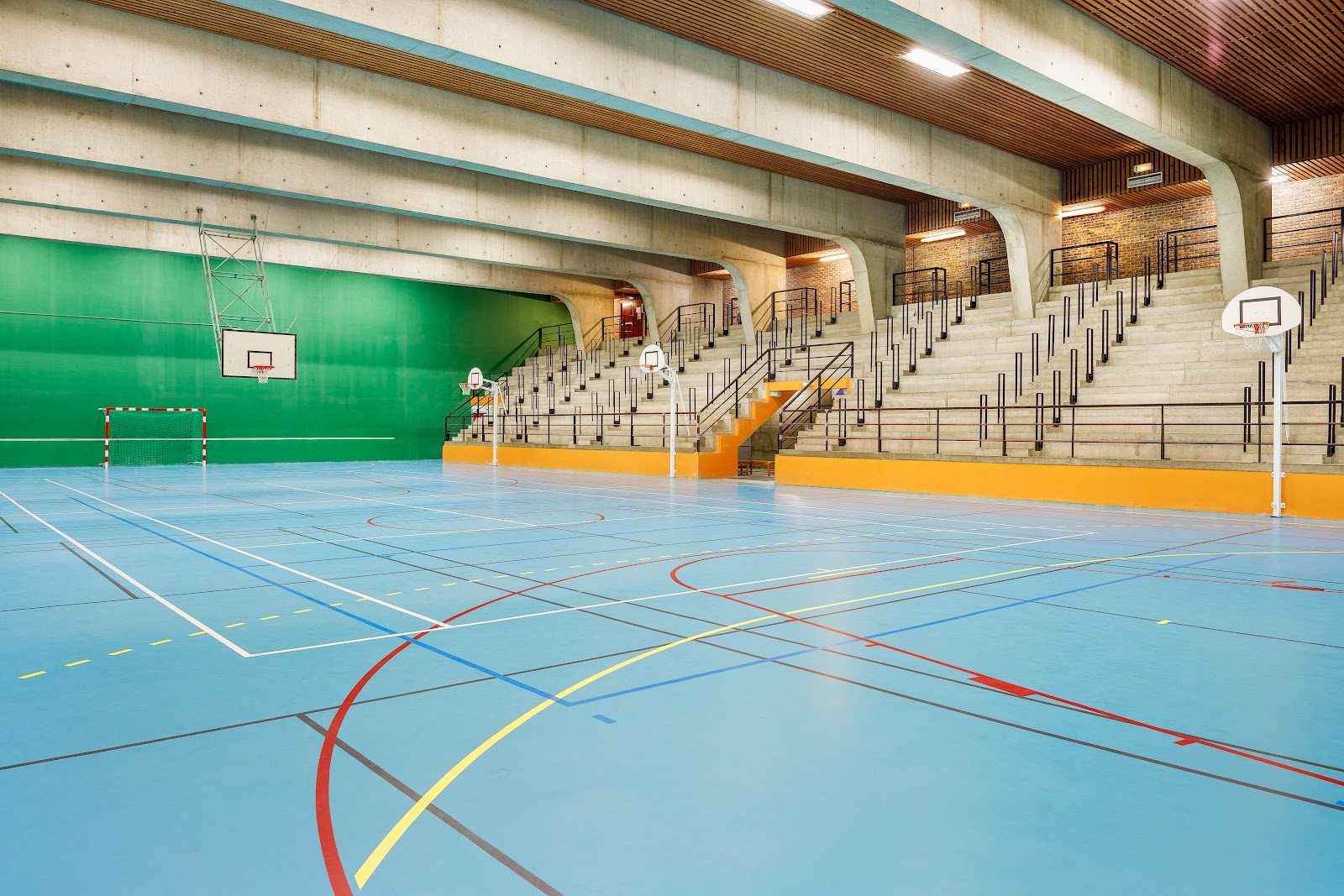
Collège Stanislas de Paris
Paris · France
In Montparnasse since 1804, this Catholic day school channels rigorous bac prep straight into France's grandes ecoles pipeline.
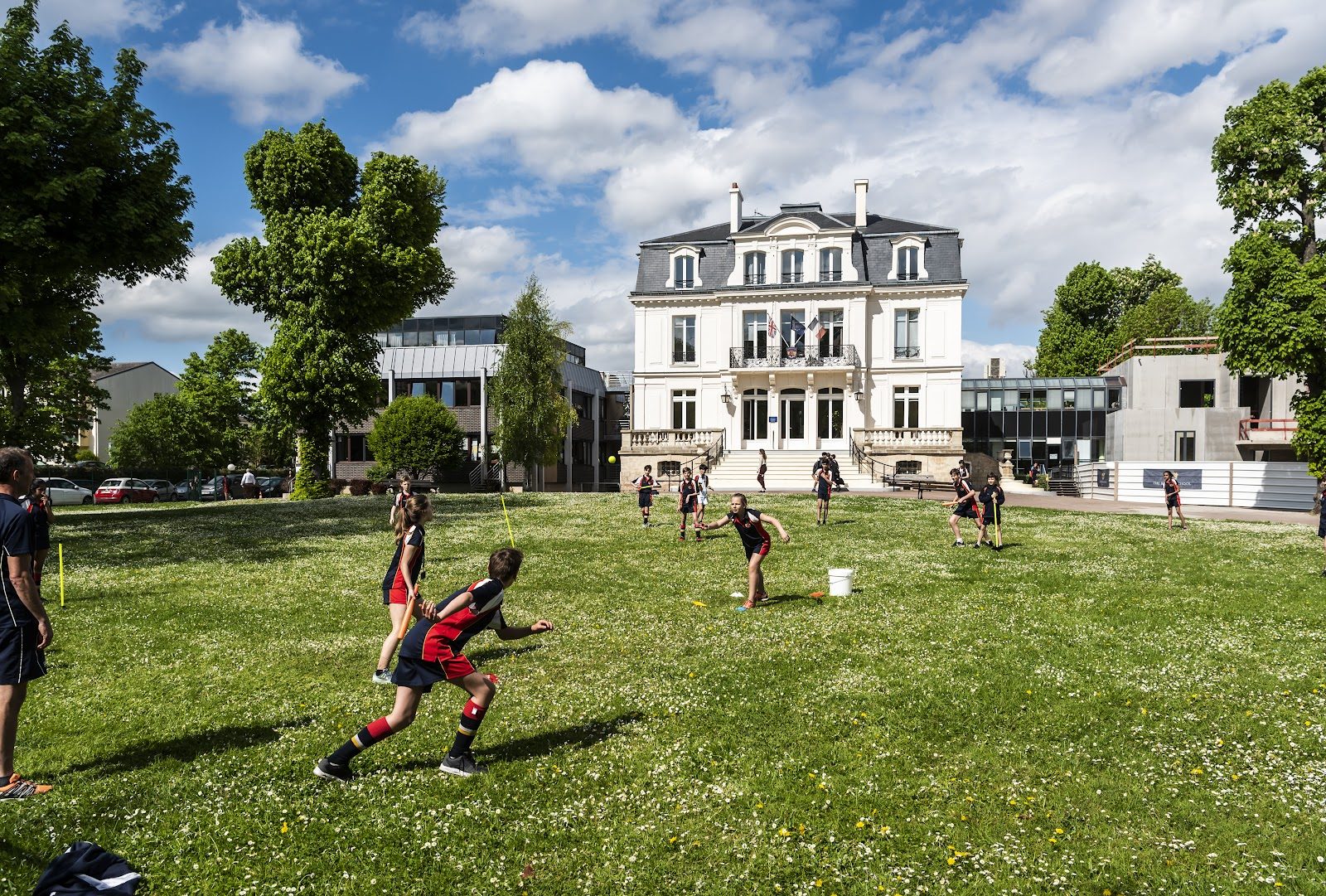
The British School of Paris
Paris · France
The only UK-government-accredited British School Overseas in France, pairing A-Levels and IB on the Seine west of Paris
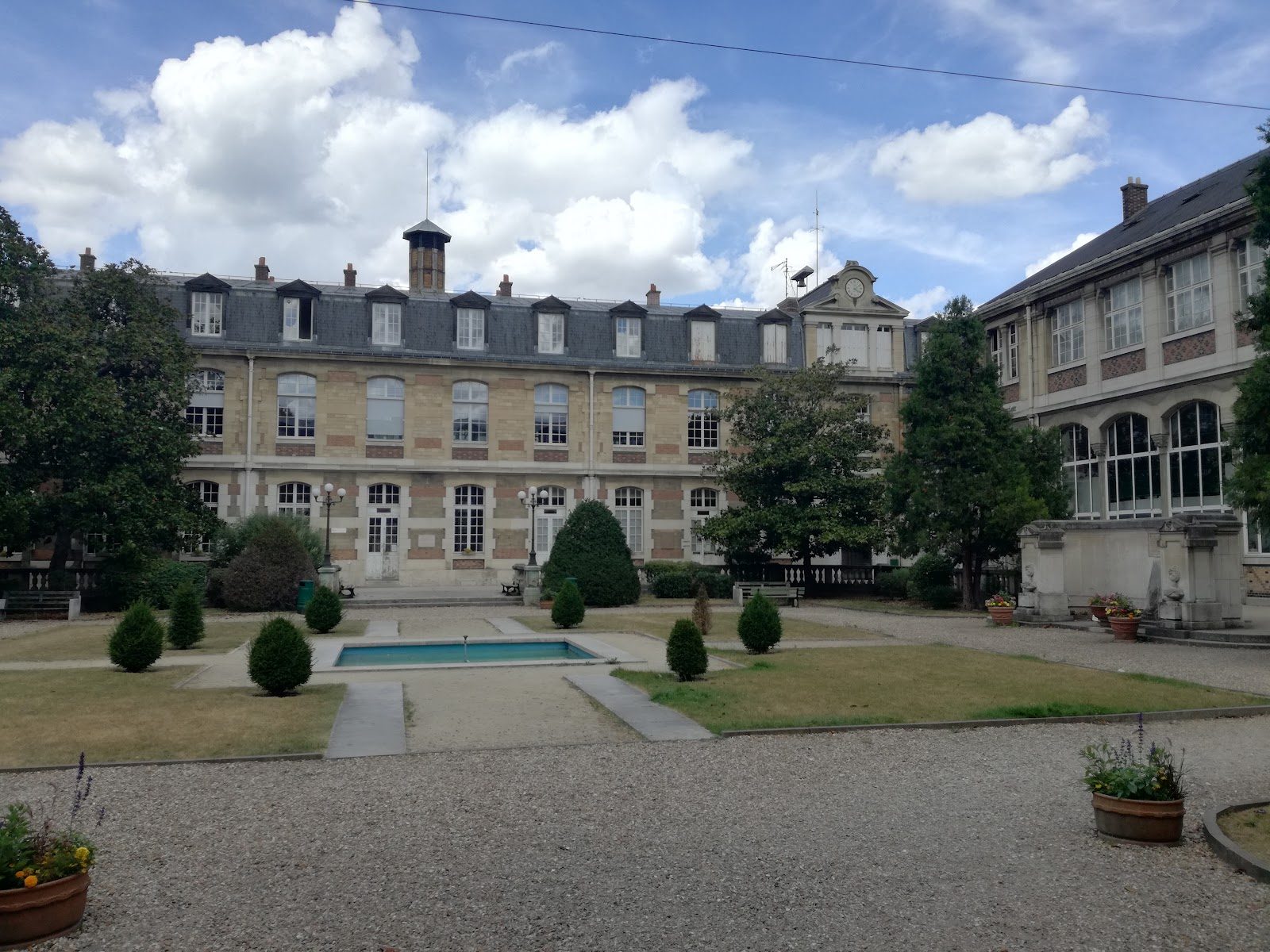
Lycée Janson-de-Sailly
Paris · France
A jilted lawyer's bequest built a 16th-arrondissement giant whose prepa classes still funnel thousands into France's grandes ecoles.
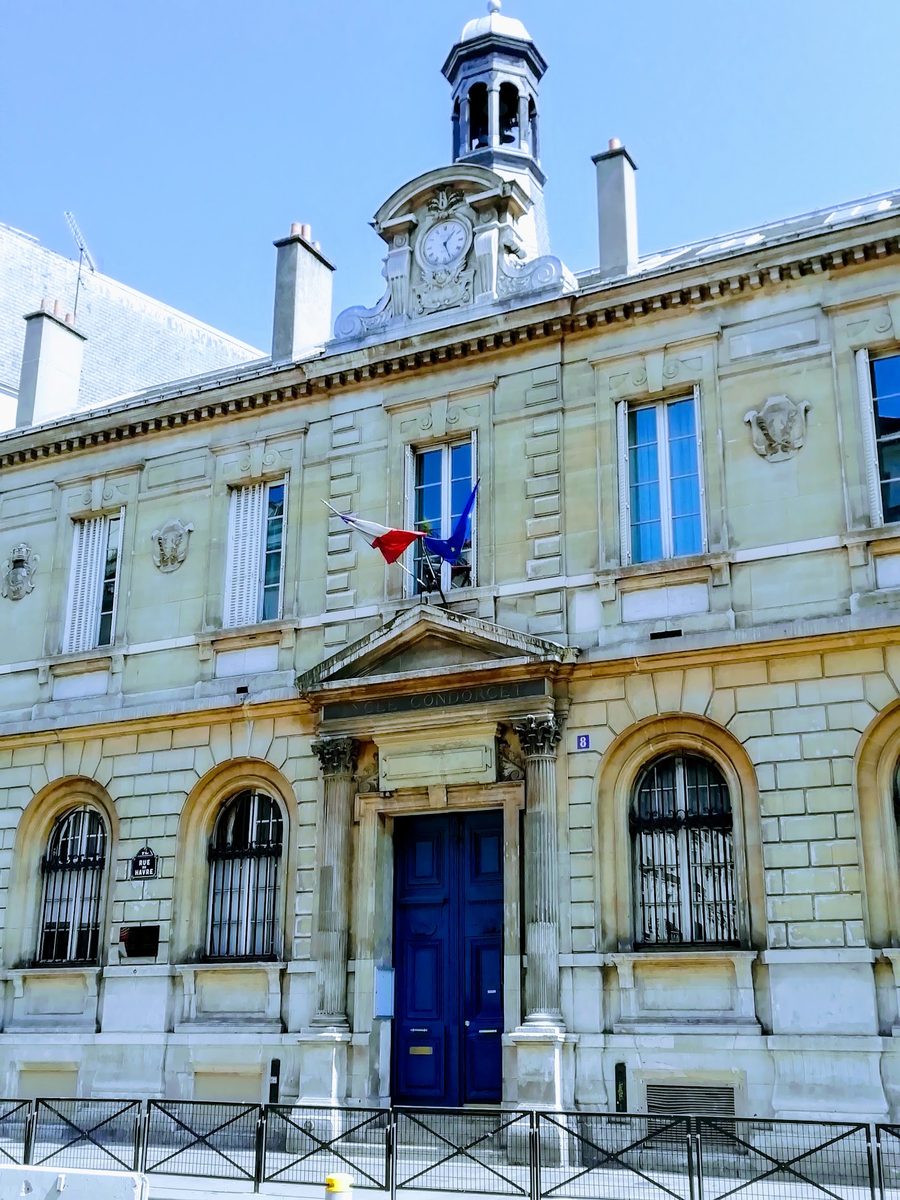
Lycée Condorcet
Paris · France
Housed in a former Capuchin cloister near Saint-Lazare, this boarding-free lycee still funnels day students into France's elite prep classes.
Same country and curriculum — closest matches within ±10 points either way