
Île-de-France
The British School of Paris
medium confidence· 4/6 cats · 2.55 avg sourcesThe only UK-government-accredited British School Overseas in France, pairing A-Levels and IB on the Seine west of Paris
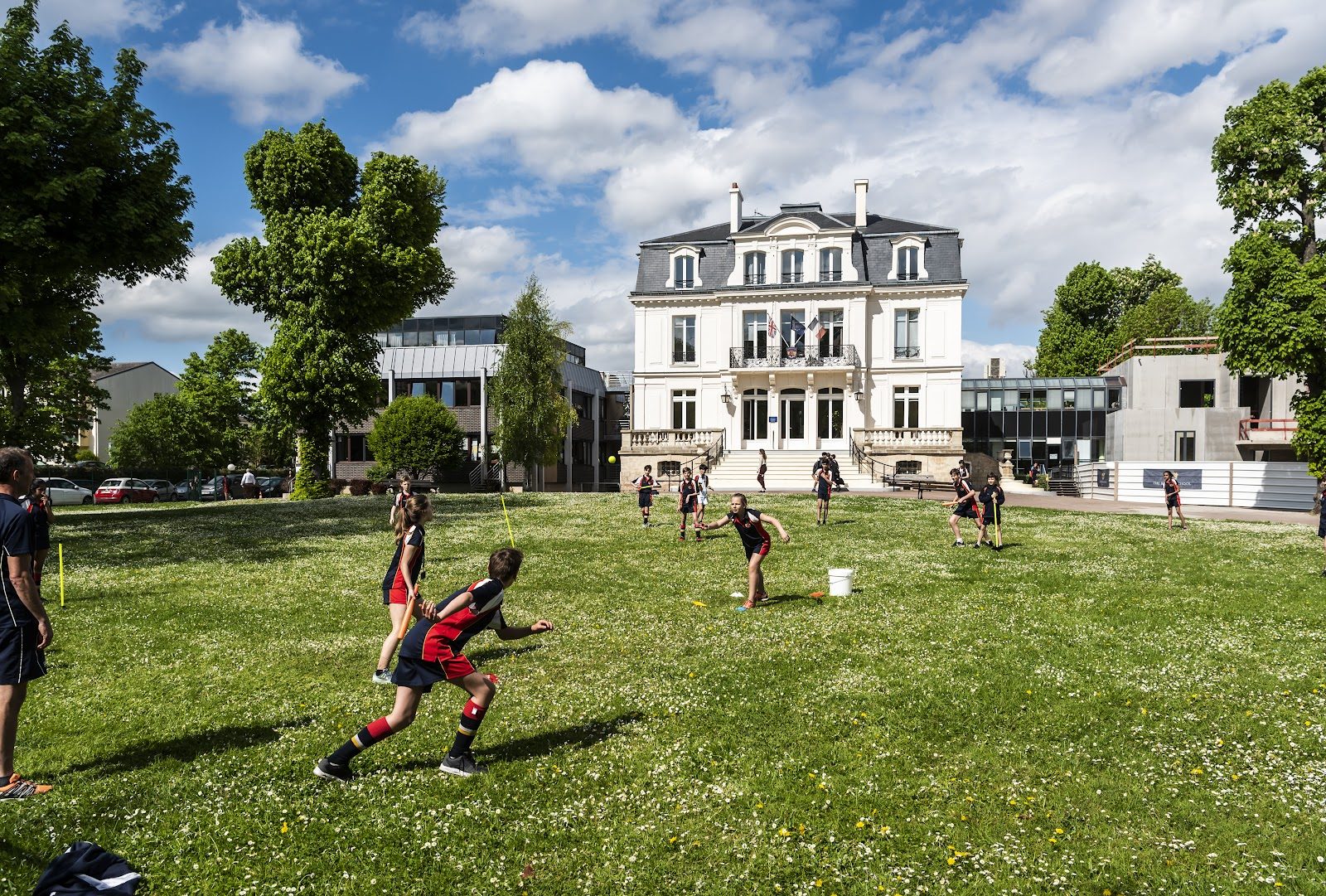
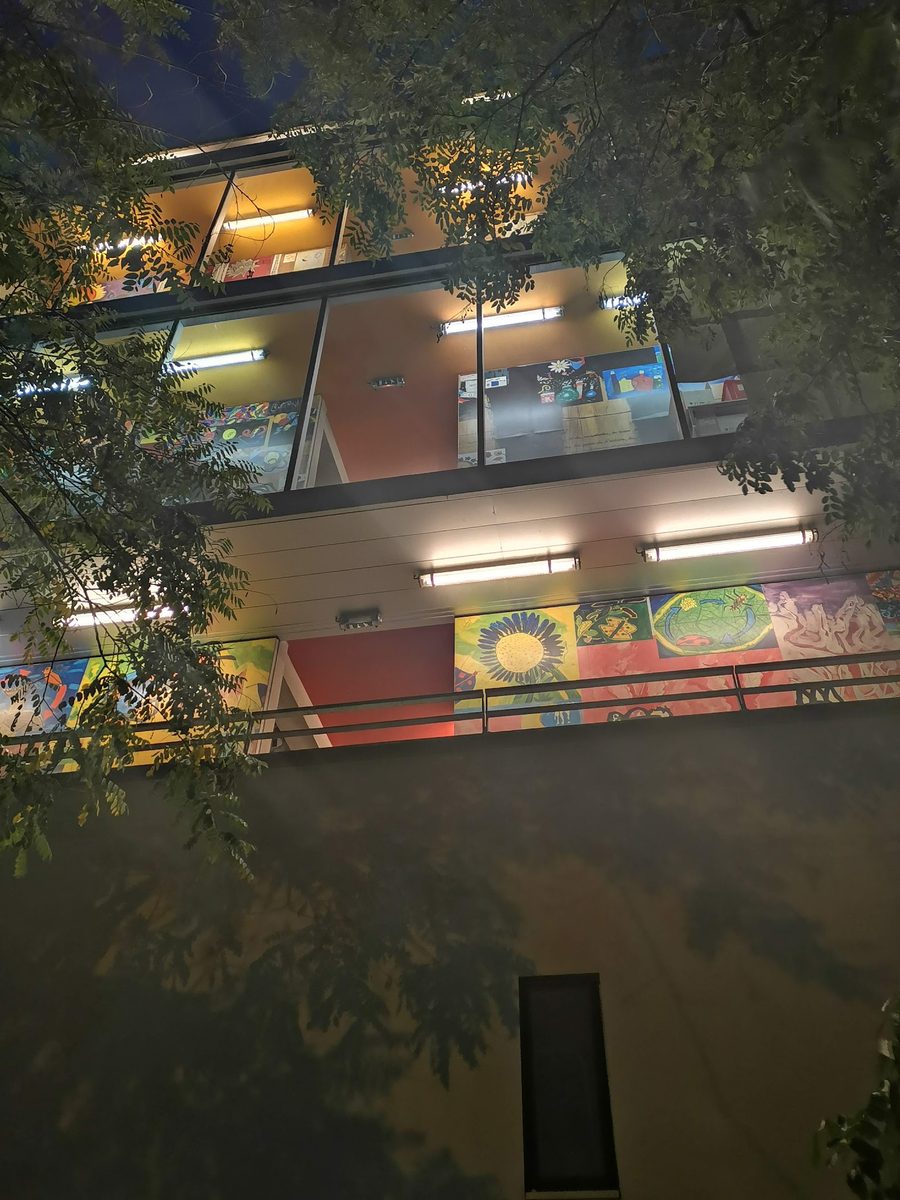
Photo © The British School of Paris via Google Maps
Type
Day
Ages
3–18
Curriculum
French Baccalaureate · IB
Ratio
—
The Verdict
Editor's commitment
Right for
Families wanting English and French teaching from ages 3–18, with IB accreditation and a day-school base in Paris.
Wrong for
Parents expecting boarding, a religious ethos, or a single-track sixth form; this is non-religious, day-only, and school-declared French Baccalaureate plus IB.
Watch out for
The average annual day fee is €27,000, and the school does not publish enough here on outcomes to justify buying on reputation alone.
Ranking breakdown
The British School of Paris · #560 of 1591
Composite score 68.2. 8 weighted criteria.
By criterion
Academic Outcomes
Weight 20%
#668
of 1529 scored
University Placement
Weight 16%
#649
of 1529 scored
Prestige & Heritage
Weight 12%
#689
of 1571 scored
Alumni Network
Weight 12%
#432
of 1530 scored
Facilities
Weight 12%
#666
of 1533 scored
Transparency & Communications
Weight 8%
#725
of 1532 scored
Peer & Industry Review
Weight 10%
#793
of 1548 scored
Admissions Selectivity & Demand
Weight 8%
#489
of 1529 scored
Score history
The British School of Paris · 2026
Movement across 2024–2026. Peer average overlaid.
Overall — 2024–2026
68.2/ 100
▲ +35.5 vs 2025
year on year
Peer & Industry Review
How The British School of Paris is regarded in the sector
62
Respected · low confidence
The British School of Paris is regularly listed in expat-parent guides and forums (e.g., Good Schools Guide International, Expatica, and Paris expat forums) as a well-established British curriculum option in the Paris region, generally described as solid and respected among the expat community rather than exceptional. It lacks prominent Tatler or Sunday Times School Awards coverage typical of top-tier international schools, suggesting a respected but regional reputation rather than a nationally benchmarked one.
Evidence sources
Editors' overview
The British School of Paris has one market position that no rival in France can match: it is the only UK-government-accredited British School Overseas in the country. For families who want a British education without leaving the Paris region, that matters. It gives the school a clear identity in a market full of international schools that borrow bits of the British model without the same formal standing. This is a day school for ages 3 to 18, founded in 1954, non-religious, and bilingual in French and English. Its setting west of Paris on the Seine places it squarely in the orbit of internationally mobile families who want access to the capital without sending children into a boarding system.
What puts it on a shortlist is the academic shape of the offer. The school declares a dual pathway through the French Baccalaureate and the IB, which is unusually exacting and also commercially intelligent in a city where families move between national systems. That combination gives pupils a route into French higher education and an internationally portable leaving qualification. The school also holds IBO accreditation, which gives at least one part of that offer formal external recognition. Parents need to be clear-eyed, though: this is not a cheap diplomatic convenience. The average annual day fee across the full age range is €27,000, which places it firmly in the expensive end of the Paris day-school market. The school also does not publish, in the source provided here, inspection outcomes, class sizes, staff ratios or university destinations, so anyone comparing it with London independents or top-tier international schools elsewhere will need to press for harder data.
The pupil who will want The British School of Paris is one who can handle institutional seriousness and a bilingual environment without hand-holding. This is a strong fit for expatriate British families, mixed-nationality households and internationally minded French families who want children educated in English while keeping a credible route through French academia. It also suits students who benefit from choice at the top end: a national curriculum path on one side, an international diploma route on the other. It is a specialist proposition, not a catch-all. Families looking for a softer, more lifestyle-led international school experience may find it too formal in concept. Families who want academic portability, a recognisable British school identity, and Paris rather than Surrey or Geneva will see exactly why it has endured since 1954.
Academic Performance
Academic performance is the weak point in the public picture. The school declares two demanding leaving routes, but it does not publish aggregate exam outcomes in the source provided here: no IB average, no pass rate, no distribution at the top end, no French Baccalaureate mentions or distinctions, and no multi-year trend line. That leaves parents without the basic numbers needed to place it against the strongest international schools in Paris, London or Geneva. For a school charging an average of €27,000 a year, that gap is hard to excuse. At this price, families should not need to infer academic strength from brand, history or accreditation alone.
Relative to peers, that means the school sits in an opaque middle ground. Schools with strong results publish them cleanly and repeatedly, because results are one of the few hard measures parents can compare across borders. Here, that evidence is absent. That does not mean outcomes are weak; it means the school has not given the market a usable account of them. The dual examination structure points to an ambitious senior offer and a pupil body prepared for serious academic sorting at the top end. But until the school discloses headline results and university destinations, it cannot claim a place among the data-led academic leaders in its competitive set.
Facilities
Facilities are hard to judge because the school does not publish a usable public account of them. There is an “About Us” navigation item for inspection reports and student welfare, but the source extract here gives no detail on classrooms, laboratories, sports provision, performing arts spaces, libraries or specialist sixth-form areas. That absence matters. At an average annual fee of €27,000, parents are entitled to more than a brand proposition and a menu structure. Peer schools in the top tier of the international market spell out their estate plainly: indoor and outdoor sports, science labs by phase, dedicated music and drama rooms, maker or design spaces, and photographs that let families judge condition as well as scale. Here, the facilities picture is opaque.
That does not make the campus weak; it makes the school needlessly guarded in a category where hard detail is easy to provide. For a day school serving the full age range, the important questions are straightforward: whether early years has its own secure outdoor provision, whether secondary science is housed in proper specialist labs, whether sport relies on shared municipal facilities, and whether arts spaces are serious working rooms or just multipurpose classrooms. Until the school answers those questions publicly, it sits behind leading peers on transparency. Families who care about sport, music, drama or STEM infrastructure need to ask for a full campus tour and press for specifics rather than accepting a trust us standard.
The pupil who will want The British School of Paris is one who can handle institutional seriousness and a bilingual environment without hand-holding
Prestige
Prestige here rests less on glamour than on institutional standing. In France, the school has a scarce advantage that parents immediately understand: formal recognition within the British overseas schools framework, not just a British name or an English-medium sales pitch. That gives it real signalling power with internationally mobile families, diplomatic households and employers who know the difference between a school that follows a British model loosely and one that sits inside a recognised structure. Its long tenure in the market adds to that status. This is not a fashionable newcomer trading on Paris cachet; it is an established fixture with a clear constituency and a durable reputation among families who move between national systems.
That said, prestige here is narrow rather than universal. It carries weight with parents who value British institutional legitimacy in France and who want serious academic routes at the top end. It carries less weight with families who judge prestige by published outcomes, elite university lists, celebrity alumni or a globally dominant brand. The school charges an average of €27,000 a year, so expectations rise accordingly. On that measure, the public case is incomplete: hard academic data remain undisclosed, which limits its standing against the most commanding names in the international sector. The result is a school with genuine positional prestige in its niche, but not the all-conquering prestige that comes from transparent results plus brand power.
What marks The British School of Paris out is not a generic “international” blend but a rare institutional crossover
Communications
Parent communication is competent in structure and thin in substance. The public-facing site has the bones of a school that knows parents will scrutinise governance and welfare: there are dedicated sections for inspection reports, history, governors, aims, student welfare and staff. That menu matters. It tells families where the school thinks accountability sits. It also tells you what is missing. The extract available here yields no actual inspection findings, no named leadership voices, no practical explanation of day-to-day parent contact, and no visible run of news, letters or performance data that would let an outsider judge cadence, candour or institutional confidence. For a school charging an average of €27,000 a year, that is too opaque.
The result is a communications profile that feels formal rather than open. Parents can infer a governance-minded culture, but they cannot test how quickly the school answers basic questions, how directly it handles problems, or how much operational detail it shares once a child is enrolled. Strong school communication does three things: it publishes the hard facts, explains decisions in plain language, and makes it easy to identify who is responsible for what. Here, the framework is visible; the proof is not. Families who value clear, adult communication need to press hard at enquiry stage: ask who leads each phase, how reporting works, how parent concerns are escalated, and how often academic and pastoral updates go out. Until those answers are public, the school’s communications remain serviceable but guarded.
Uniqueness
What marks The British School of Paris out is not a generic “international” blend but a rare institutional crossover. In one school, families get a British overseas-school identity inside France, alongside a senior academic structure that keeps one foot in the French system and another in a globally portable one. That matters in practice. Children do not have to choose, at an early age, between staying legible to French higher education and keeping options open across borders. For expatriate families, binational households and parents whose jobs move faster than school systems do, that is a serious strategic advantage. In a market crowded with schools that trade on English-medium demand, this one offers a more exacting form of portability.
For students, the gain is not just administrative convenience. It produces a school culture with higher cognitive demands than many one-track schools. Pupils must learn to operate across different academic expectations, different assessment logics and, by implication, different intellectual traditions. That can sharpen adaptability, precision and academic stamina. It also narrows the audience. This is not a loose, lifestyle-first international school built around easy assimilation. It suits children who can handle structured ambition and families who value systemic credibility over polish. The price reinforces that point: at €27,000 a year on average, parents are paying for a specialist proposition with a distinct place in the French market, not for a broad-brush international-school experience.
It also suits students who benefit from choice at the top end: a national curriculum path on one side, an international diploma route on the other
Student Profile
The best fit here is the child who can live comfortably between systems, expectations and peer groups. This school suits internationally mobile families, binational households and parents who want children anchored in one school while keeping more than one academic and cultural route open. The pupil profile is not carefree or experimental. It favours students who respond well to structure, who can handle a demanding bilingual environment, and who do not need endless reassurance when standards rise. A child who enjoys clear routines, adult expectations and serious academic purpose will settle more naturally than one looking for a looser, more lifestyle-led international setting.
Socially, the strongest fit is a student who is adaptable without being fragile. In schools that draw both local and expatriate families, friendship groups and parent expectations can span different national habits, different ideas of school-home balance, and different levels of academic pressure. That rewards children with good social range and a measure of independence. It also suits parents who are comfortable asking hard questions, because the school’s public picture leaves gaps. At an average annual fee of €27,000, this is a high-commitment choice for families who value institutional clarity and academic seriousness over warmth, gloss or endless hand-holding. For the right child, that can be bracing and productive. For the wrong one, it will feel rigid fast.
The dual examination structure points to an ambitious senior offer and a pupil body prepared for serious academic sorting at the top end
Co-curricular strengths
Arts & sport, on a separate axis
Overall 7.24/10
Scored 0-10 from the school's own published evidence. This axis is editorial-only — it does not feed the main WTS ranking.
Sports
7.5/10
Sports are explicitly listed through Football, Basketball, Rugby, Tennis and Swimming, but there is no further evidence of facilities, teams, fixtures or results.
Drama
7.2/10
Drama appears explicitly in the extracurricular list.
Dance
6.5/10
Music
7.5/10
Choir and School Orchestra, indicating more than a bare mention and showing named ensemble participation.
Visual Arts
7.5/10
Art rooms in the facilities review and an Art Club in extracurriculars, which supports a solid visual arts offering.
Editor first-pass · editor-reviewable · 7/27/2026
Strengths
- +French Baccalaureate and IB both offered
- +Bilingual instruction in French and English
- +Day school for ages 3–18
- +10:1 student-teacher ratio
Considerations
- −Boarding fee listed despite day-school status
- −Annual day fee reaches 15000 EUR
- −Average class size is 18
Availability
Primary entry gate & tests
Academic Record
Gallery
Photo © Kay Steggles via Google Maps
Photo © Kay Steggles via Google Maps
Photo © philippe lioret via Google Maps
Photo © philippe lioret via Google Maps
Photo © Musceleanu Dragos via Google Maps
Photo © The British School of Paris via Google Maps
Photo © Kay Steggles via Google Maps
Photo © The British School of Paris via Google Maps
Photo © The British School of Paris via Google Maps
Parent reviews
Have you sent your child here?
Voice reviews carry the strongest trust badge — we transcribe them for you to tidy up before they go live. Prefer to type? A written review is fine too.
Add your voice
In 60 seconds, tell other parents: what's the best thing about The British School of Paris, and what surprised you when your child joined?
We ask for a Google sign-in so every review has a real face behind it — no anonymous drive-by attacks on schools, and no faked positive reviews. Your email is never shown publicly.
Send this profile to a friend
International parents rely on word-of-mouth. Share this review with someone weighing the same decision.
Schools with places
Similar schools to The British School of Paris with places available now.
École Alsacienne
Paris · France
- 2026-27
- CLOSEDStandard route
- 2027-28
- OPENS SOONOpens Sept/Oct '26
International School of Paris
Paris · France
- 2026-27
- WAITPOOLSpace-dependent
- 2027-28
- PLACES OPENRolling
École Saint-Louis de Gonzague
Paris · France
- 2026-27
- CLOSEDStandard route
- 2027-28
- OPENS SOONOpens Oct/Nov '26
École Jeannine Manuel
Paris · France
- 2026-27
- CLOSEDStandard route
- 2027-28
- OPENS SOONOpens Oct '26
Availability first, then country, area, curriculum, price, co-curricular
Consider also
Also worth looking at alongside The British School of Paris.
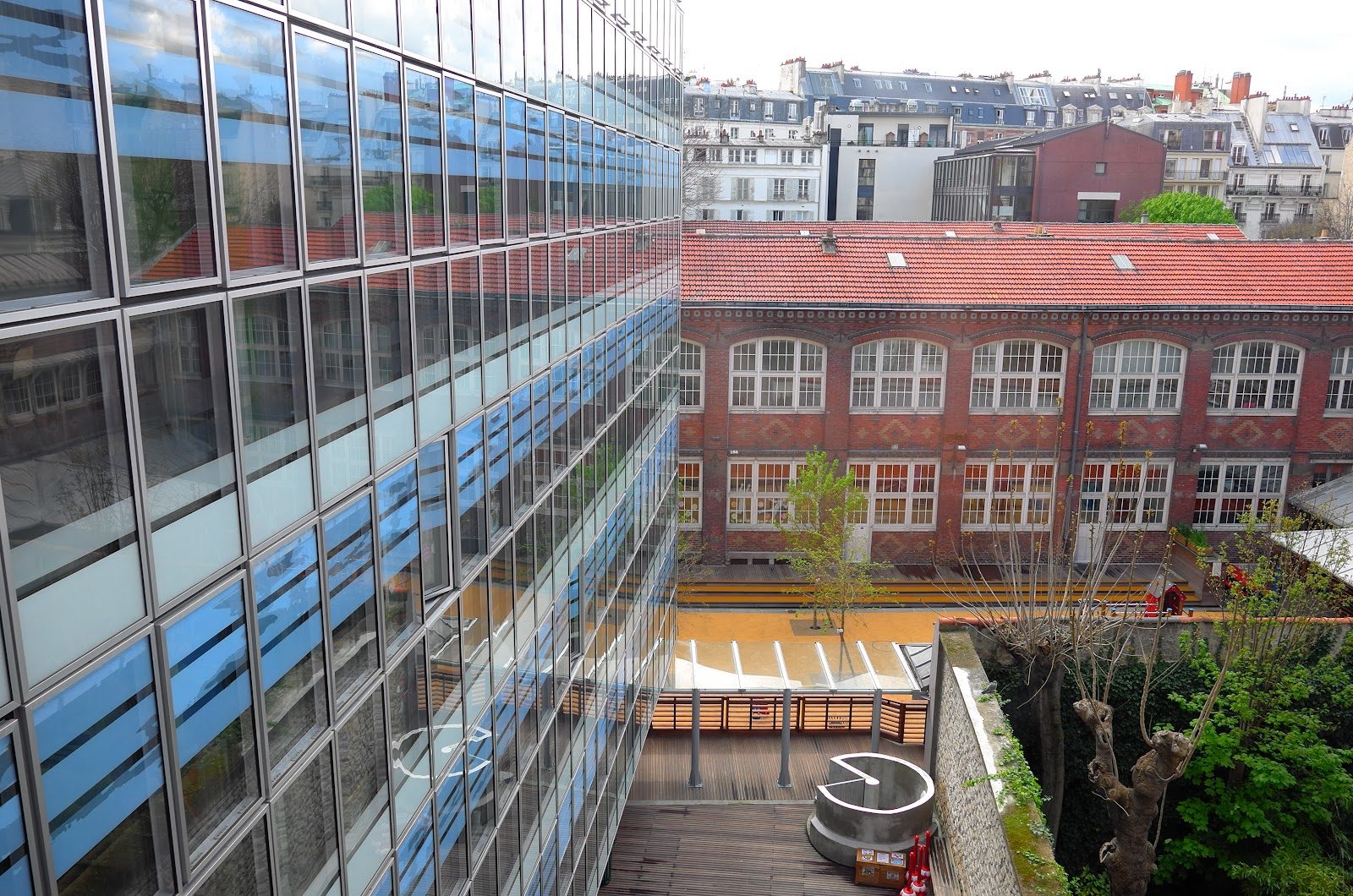
École Alsacienne
Paris · France
Founded by Alsatian refugees in 1874, a Left Bank laboratory for secular, progressive pedagogy that shaped France's republican school system.
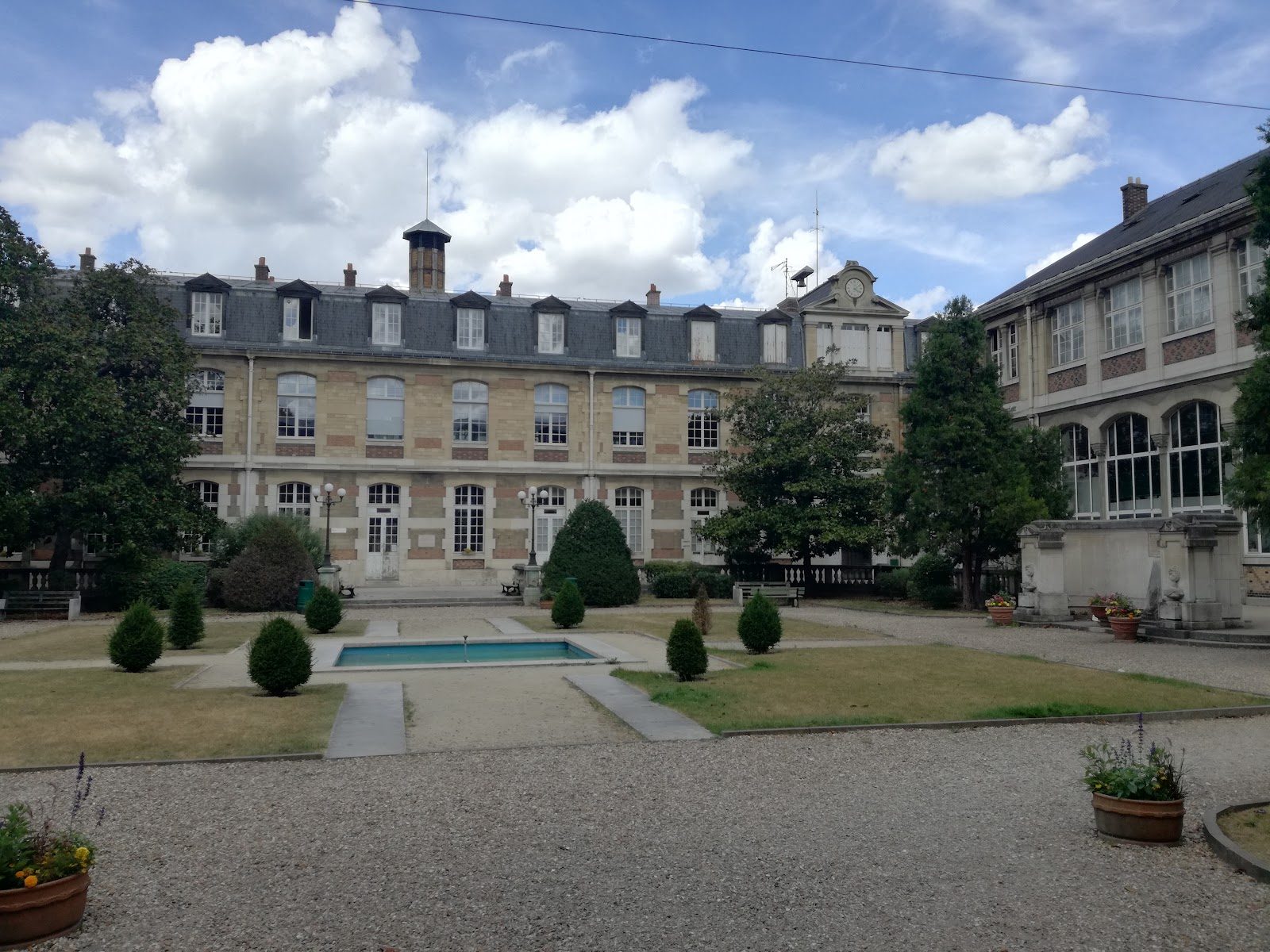
Lycée Janson-de-Sailly
Paris · France
A jilted lawyer's bequest built a 16th-arrondissement giant whose prepa classes still funnel thousands into France's grandes ecoles.
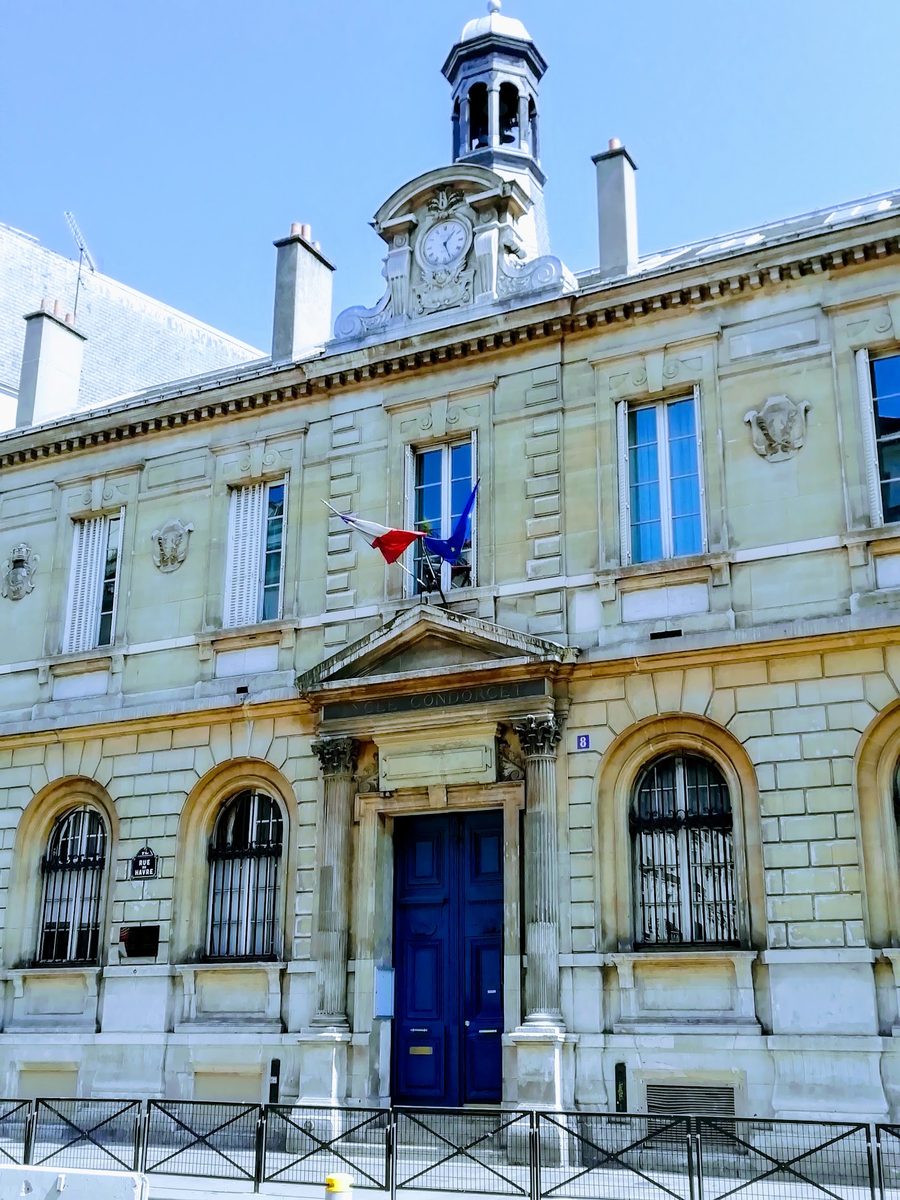
Lycée Condorcet
Paris · France
Housed in a former Capuchin cloister near Saint-Lazare, this boarding-free lycee still funnels day students into France's elite prep classes.
École Jeannine Manuel
Paris · France
Founded by a Resistance veteran, this Left Bank lycee teaches core subjects bilingually and has topped France's rankings for a decade.
Same country and curriculum — closest matches within ±10 points either way