
Île-de-France
A founding IB school since 1946, this Saint-Cloud campus is the only Paris-area school offering a dual-track IB and AP curriculum.
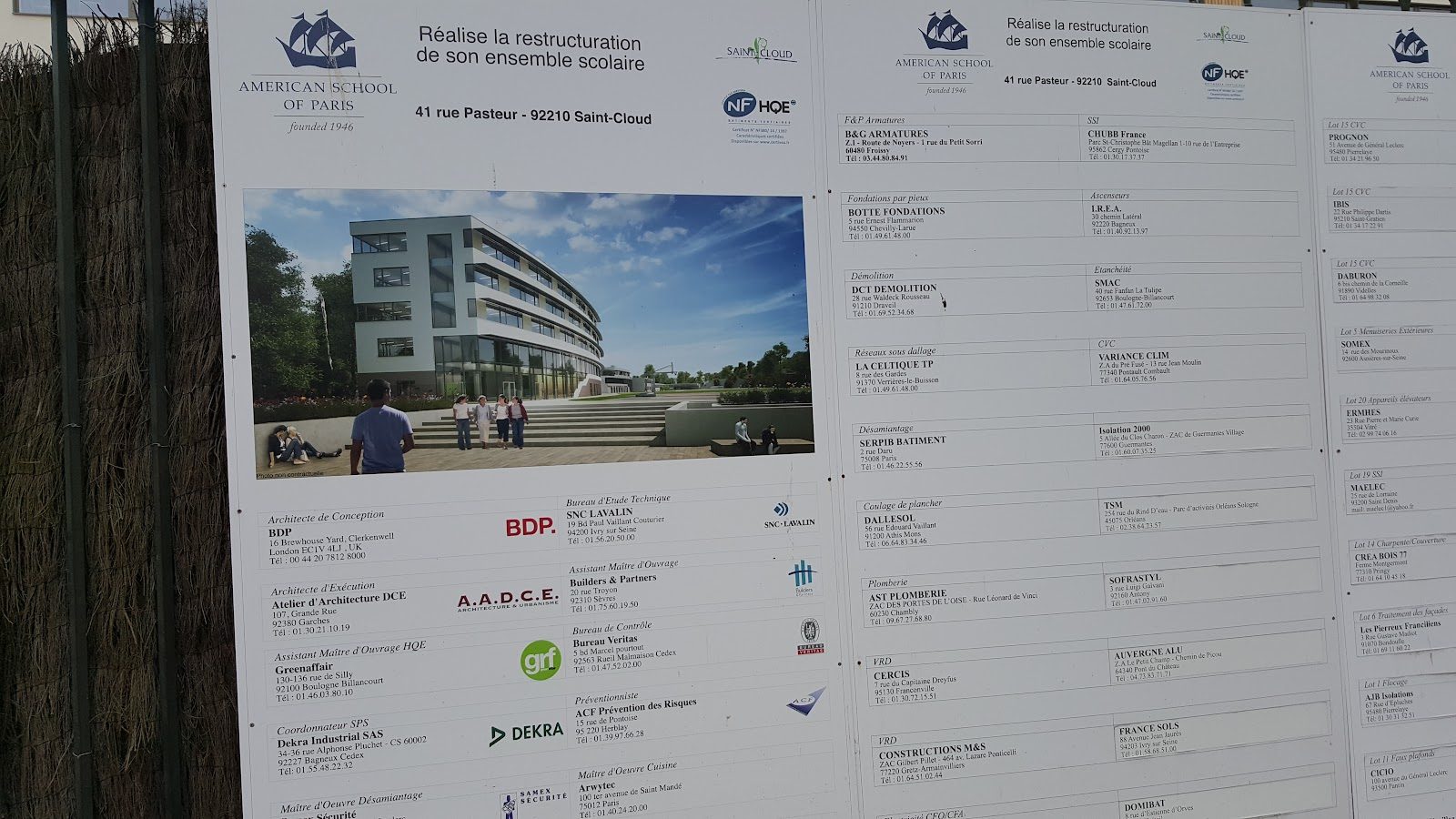
Photo © Jean Vincent via Google Maps
Type
Day
Ages
3–18
Curriculum
American
Qualifications
AP · IB Diploma
Ratio
1:8
The Verdict
Editor's commitment
Right for
Families wanting an American school in Saint-Cloud with English teaching, ages 3–18, and a real IB-plus-AP choice under one roof.
Wrong for
Parents after French-language schooling, boarding, or a cheaper route through Paris: this is a non-religious day school averaging €35,241 a year.
Watch out for
MSA, CIS and IB accreditation bring reassurance, but the sales pitch runs on scale and pathways; hard public outcome data are not published here.
Ranking breakdown
American School of Paris · #279 of 1591
Composite score 72.5. 8 weighted criteria.
By criterion
Academic Outcomes
Weight 20%
#512
of 1529 scored
University Placement
Weight 16%
#354
of 1529 scored
Prestige & Heritage
Weight 12%
#296
of 1571 scored
Alumni Network
Weight 12%
#338
of 1530 scored
Facilities
Weight 12%
#71
of 1533 scored
Transparency & Communications
Weight 8%
#62
of 1532 scored
Peer & Industry Review
Weight 10%
#335
of 1548 scored
Admissions Selectivity & Demand
Weight 8%
#1232
of 1529 scored
Score history
American School of Paris · 2026
Movement across 2024–2026. Peer average overlaid.
Overall — 2024–2026
72.5/ 100
▲ +13.2 vs 2025
year on year
Peer & Industry Review
How American School of Paris is regarded in the sector
78
Strong · medium confidence
The American School of Paris is consistently referenced in expat education guides and 'best international schools in Paris' rankings (e.g., ExpatExchange, Goodschoolsguide-style expat forums, and Forbes/CNBC style relocation coverage) as one of the top American curriculum options in France, alongside institutions like the International School of Paris. It has a long-established reputation among diplomatic and corporate expat communities in the Paris region, with strong IB/AP outcomes cited in third-party relocation and education press, though it lacks the broader 'unanimous top-tier' recognition seen in outlets like Tatler for UK-style institutions.
Evidence sources
Editors' overview
The American School of Paris occupies a rare niche in the French capital’s international market: it is a day school in Saint-Cloud for ages 3 to 18 that combines an American curriculum with both the IB Diploma and Advanced Placement. That dual-track sixth-form offer gives it a clear strategic advantage over schools that force a choice between a wholly American or wholly IB route from the outset. For internationally mobile families, that matters. So does the fact that instruction is in English throughout, and that the school has operated since 1946, which gives it institutional depth that newer Paris entrants do not match. ASP also trades on scale: the school states that it has the largest international school campus in the Paris region, set on more than 12 acres.
This is not a low-cost option. The average annual day fee across the full age range is €35,241, which places ASP firmly in the premium bracket for a non-boarding school. Parents paying that level need breadth, flexibility and a campus that can absorb the full life of a child from nursery to graduation; ASP’s age range and facilities support that case. Its accreditations matter too: MSA, CIS and IB World School status give it external validation across both American and international frameworks. The school’s public case rests heavily on academic range, experienced faculty and support services, and those claims fit the profile of a long-established expatriate school serving families who move between countries and school systems.
What makes ASP shortlist-worthy is not mystique but fit. This is a strong option for families who want an American educational base in France without shutting off the IB, and for students whose university ambitions span the US, the UK and other international destinations. It suits children who benefit from a large, established community rather than a boutique setting, and who want access to arts, activities and a full campus infrastructure rather than a compact urban campus. It also suits parents who value continuity: if a posting changes, an American-style school with AP, college preparatory classes and the IB offers more transfer resilience than a single-track local model.
The trade-off is equally plain. Families looking for a small, intimate school or a deeply French educational experience should look elsewhere. ASP is decidedly international, expatriate-facing and built for mobility. The student who thrives here wants breadth, options and an English-medium education with multiple senior pathways. The student who wants a narrowly defined national system, or a school organised around one academic philosophy, will find the menu too wide. For the right family, that breadth is the point.
Academic Performance
ASP’s senior academic offer gives it a rare advantage in Paris: students are not pushed down a single sixth-form track. The school offers both the IB Diploma and Advanced Placement alongside college preparatory classes, which matters in any discussion of performance. It widens university-facing options and reduces the risk of a poor curricular fit in the final years. That structure places ASP among the more flexible international schools in the market, and flexibility here is not cosmetic; it is an academic asset. Families targeting the US system, or keeping multiple destinations open, get a broader examination architecture than at single-pathway rivals. The school also states that its students progress to prestigious American and international universities, which aligns with that dual-track model, though ASP does not publish the hard aggregate data that would let parents judge outcomes with precision.
That missing public data is the key caveat. We have not seen cohort-wide IB averages, AP score distributions, pass rates, subject-level breakdowns or consistent destination statistics in the public domain. That leaves ASP stronger on academic proposition than on academic transparency. In peer terms, it still sits in the serious top tier of Paris-area international schools because of range, continuity and institutional depth, but schools that publish clean exam data make an easier evidential case. For parents, the conclusion is straightforward: ASP offers a high-ceiling academic platform, yet families should ask admissions for recent IB and AP outcome tables before treating the school’s performance record as fully proven.
Facilities
Facilities are one of ASP’s strongest selling points because the school has room to operate as a full-spectrum campus rather than a squeezed urban site. The standout fact is scale: more than 12 acres in the Paris region, which places it ahead of many peer international schools that work within tighter footprints and therefore ration outdoor space, specialist rooms or circulation between age groups. For parents, that matters less as a bragging point than as a daily quality-of-life issue. A campus of this size can sustain dedicated areas for younger children, proper sports provision, arts activity and the practical infrastructure that a through-school needs. In a market where some schools trade on centrality while accepting compressed facilities as the price, ASP offers a materially more expansive setup.
The school also frames the campus as purpose-built and ties it to student transport, support services and a broad co-curricular life. That package puts it in the serious infrastructure bracket of Paris-area international schools, not the improvised end of the market. The limitation is specificity: ASP talks confidently about breadth but does not publish a sharply itemised public inventory in the excerpts we have seen, so parents still need to ask direct questions about sports spaces, performance venues, labs and age-phase provision. Even with that caveat, the competitive position is clear. Among local peers, ASP has a commanding advantage on physical footprint, and families who want a school where campus life extends beyond classrooms will find a meaningfully stronger offer here than at more constrained city campuses.
But prestige at the top level also depends on visible academic results, and ASP does not publish the kind of aggregate outcomes that turn reputation into proof
Prestige
Prestige here rests on market position, not old-boy mythology. In the Paris international sector, ASP carries genuine weight because it occupies a slot that few rivals can match: an established American school with multiple senior academic routes, a large enough platform to support breadth, and a long record of serving globally mobile families. That combination gives the school real standing with expatriate parents who need continuity across moves and with universities that know how to read American transcripts, AP courses and the IB. The fee level — an average of €35,241 a year — also places it firmly in the premium tier, and schools charging at that level enter a different competitive bracket. This is not prestige built on scarcity or social theatre; it is prestige built on range, infrastructure and institutional recognition.
That said, ASP’s prestige is substantial rather than untouchable. It benefits from being one of the best-known international schools in its market, and the Wikidata floor of 6 notable alumni gives at least some public evidence of graduate reach. But prestige at the top level also depends on visible academic results, and ASP does not publish the kind of aggregate outcomes that turn reputation into proof. So the verdict is clear: this is a serious name in Paris international education, with strong parent recognition and clear university-facing credibility, but not a school whose status rests on mystique alone. Its standing is earned through durability, choice and profile; its weakest flank is public evidential transparency.
ASP’s distinctiveness lies in one thing above all: choice without fragmentation
Communications
ASP communicates like a school that knows admissions, current families and alumni all need different things. The public-facing structure is clear: separate navigation for Admissions, Academics, Arts and Activities, Student Life, Community and English and Holiday Programmes, with direct routes into inquiry forms, a Parent Portal, giving and shop links. That matters because muddled architecture usually signals muddled parent communication behind the scenes. Here, the signposting is disciplined, functional and built for a community with practical questions to answer fast. The school also pushes stories, leadership access and campus exploration, which gives families more than bare logistics; it gives them a sense of who runs the place and how the school wants to be read.
Effectiveness is strong but not complete. The school communicates breadth, mobility and community with professional polish, and the Parent Portal link signals a proper internal channel for enrolled families rather than a casual, email-only setup. For an internationally mobile parent body, that baseline matters. The weak point is substance at the sharp end. ASP talks fluently about pathways, support and outcomes, but when parents need hard proof, communication turns less exacting than it should. We have not seen clean public tables for whole-cohort exam performance or consistently detailed destination data. So the verdict is plain: day-to-day communication infrastructure looks well-drilled; strategic academic communication lacks the evidential force a school charging an average €35,241 a year ought to provide.
Uniqueness
ASP’s distinctiveness lies in one thing above all: choice without fragmentation. In the Paris market, many international schools ask families to buy into a single academic identity. ASP does not. A child can grow up inside one institution and still reach the senior years with more than one credible university-facing route open. That matters for expatriate families whose plans change, for students whose strengths sharpen late, and for parents who do not want to lock in a future at the age of 16. The result is a school with a broader academic runway than most direct competitors, and that breadth carries practical value, not just brochure value. It gives students more room to calibrate ambition, workload and destination.
The second point of difference is scale with continuity. This is a through-school for ages 3–18 with a full-service expatriate architecture: large campus life, support services, transport, activities and a community built around mobile international families rather than around local assimilation. For students, that brings a rare degree of institutional stability. A child does not need to change schools to move from early years to adolescence, and families arriving mid-posting enter a system designed for transition rather than one merely tolerating it. That does not suit everyone. Children who want a deeply French educational immersion or a tighter, more intimate school culture will find a better fit elsewhere. But for internationally mobile families who want breadth, resilience and one coherent base, ASP occupies a hard-to-replicate niche.
ASP also trades on scale: the school states that it has the largest international school campus in the Paris region, set on more than 12 acres
Student Profile
The student who fits here is internationally mobile, socially adaptable and comfortable in a community shaped by expatriate rhythms rather than local French immersion. This is a school for children whose families want continuity across postings, a broad social mix and a peer group that understands arrival, departure and reinvention as normal parts of school life. Pupils who enjoy keeping multiple doors open in the senior years will benefit most. So will self-directed students who can use a wide menu of classes, activities and support without needing a narrow, highly prescribed culture. The age span from 3–18 also matters: children who value staying in one institution through the full arc of schooling, rather than resetting at each phase, will find that continuity genuinely useful.
The less suitable student is easy to identify. A child who wants a deeply local educational identity, a strongly intimate atmosphere or a school organised around one fixed academic philosophy will find this environment too expansive and too internationally oriented. ASP suits families who are paying for breadth and expect the school to handle complexity well: transitions, university ambitions across more than one country, and a campus life larger than the classroom. It will also suit students who like being part of a full-scale community rather than a boutique setting. In blunt terms, this is a strong fit for cosmopolitan children with range; it is not the right place for families seeking cultural immersion first and mobility second.
The average annual day fee across the full age range is €35,241, which places ASP firmly in the premium bracket for a non-boarding school
Co-curricular strengths
Arts & sport, on a separate axis
Overall 8.78/10
Scored 0-10 from the school's own published evidence. This axis is editorial-only — it does not feed the main WTS ranking.
Sports
9/10
Soccer and basketball as extracurriculars.
Drama
9/10
Theater productions, which confirms drama provision.
Dance
7.5/10
Music
9.2/10
Both jazz band and choir, showing more than a bare mention through named ensembles.
Visual Arts
9.2/10
Visual arts as an extracurricular.
Editor-verified · 7/30/2026
Notable alumni · Wikidata
6notable alumni
0 historic (born pre-1930) · 4 modern (born post-1970)wikidata:2026-07-28 How we source this

WTS 300 badge
2025/26 editionAmerican School of Paris is one of the World's Top 300 Schools for 2025/26. Claim your listing to add it to your site →
Strengths
- +Founded in 1946 as one of the first international schools in Europe, giving it long institutional continuity in the Paris expat community.
- +Upper School students can choose between the IB Diploma and AP courses, a dual-track flexibility rare among Paris-area international schools.
- +Class of 2024 IB Diploma results were strong, with a 100% pass rate and an average score of 34.6.
- +Student-teacher ratio is 8:1 with an average class size of 18, supporting individual attention across grades.
- +12-acre campus in Saint-Cloud includes a 350-seat Performing Arts Center and dedicated STEM/design labs with 3D printers and robotics.
Considerations
- −Annual tuition runs from roughly EUR 25,000 to over EUR 41,000 depending on grade, placing it among the costliest schools in the Paris region.
- −A one-time, non-refundable Capital Assessment fee of EUR 12,200 per child is charged on top of tuition and a EUR 1,450 application fee.
- −Campus sits in Saint-Cloud, outside central Paris, meaning many families rely on the school's private bus network rather than walking or short transit.
- −Additional annual charges apply for English as an Additional Language (EUR 5,490) or learning support (EUR 6,695) if a child is assessed as needing them.
Availability
Primary entry gate & tests
Academic Record
Gallery
Photo © Jean Vincent via Google Maps
Photo © Antoine Conin via Google Maps
Parent reviews
Have you sent your child here?
Voice reviews carry the strongest trust badge — we transcribe them for you to tidy up before they go live. Prefer to type? A written review is fine too.
Add your voice
In 60 seconds, tell other parents: what's the best thing about American School of Paris, and what surprised you when your child joined?
We ask for a Google sign-in so every review has a real face behind it — no anonymous drive-by attacks on schools, and no faked positive reviews. Your email is never shown publicly.
Send this profile to a friend
International parents rely on word-of-mouth. Share this review with someone weighing the same decision.
Schools with places
Similar schools to American School of Paris with places available now.
École Saint-Louis de Gonzague
Paris · France
- 2026-27
- CLOSEDStandard route
- 2027-28
- OPENS SOONOpens Oct/Nov '26
École Jeannine Manuel
Paris · France
- 2026-27
- CLOSEDStandard route
- 2027-28
- OPENS SOONOpens Oct '26
International School of Paris
Paris · France
- 2026-27
- WAITPOOLSpace-dependent
- 2027-28
- PLACES OPENRolling
The British School of Paris
Paris · France
- 2026-27
- WAITPOOLSpace-dependent
- 2027-28
- PLACES OPENRolling
Availability first, then country, area, curriculum, price, co-curricular
Consider also
Also worth looking at alongside American School of Paris.
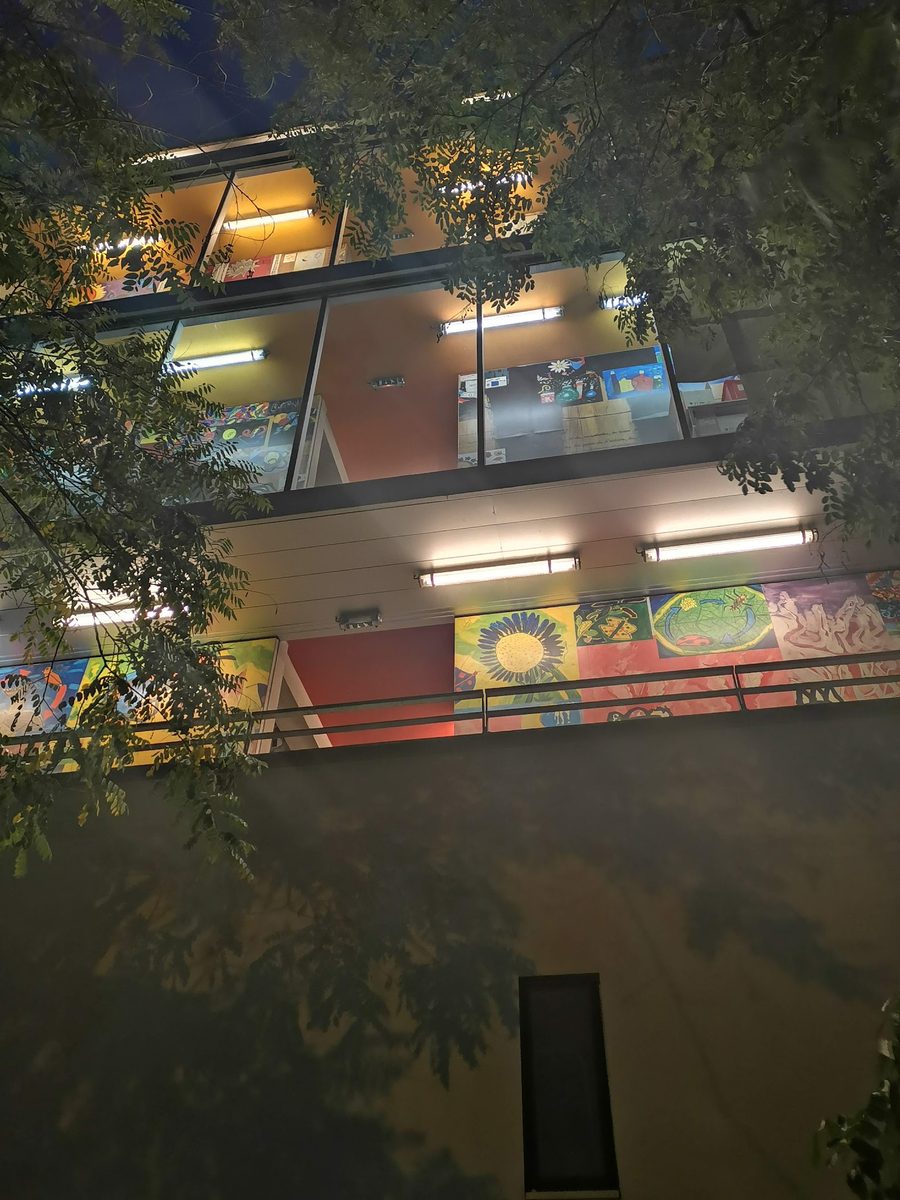
École Jeannine Manuel
Paris · France
Founded by a Resistance veteran, this Left Bank lycee teaches core subjects bilingually and has topped France's rankings for a decade.
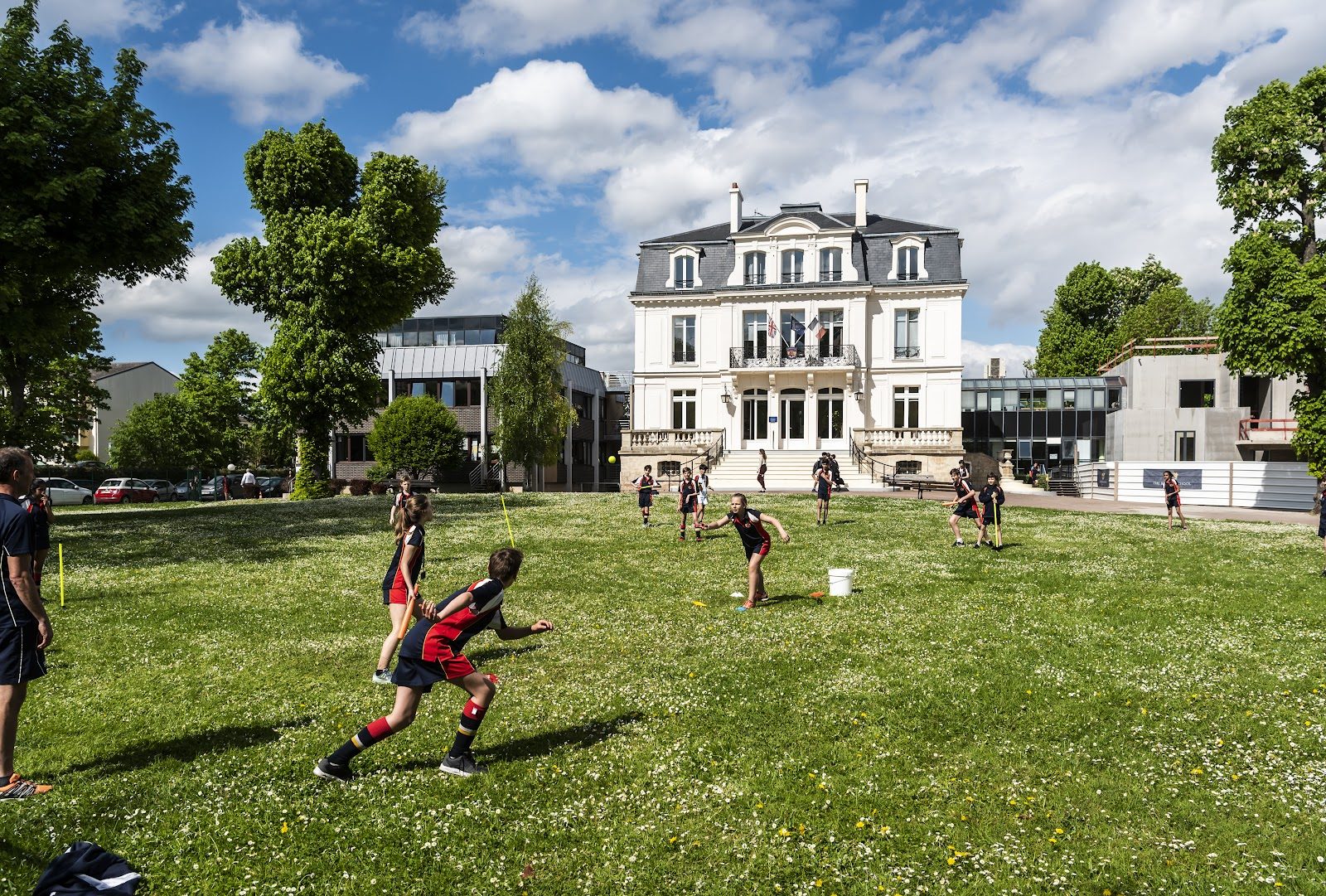
The British School of Paris
Paris · France
The only UK-government-accredited British School Overseas in France, pairing A-Levels and IB on the Seine west of Paris
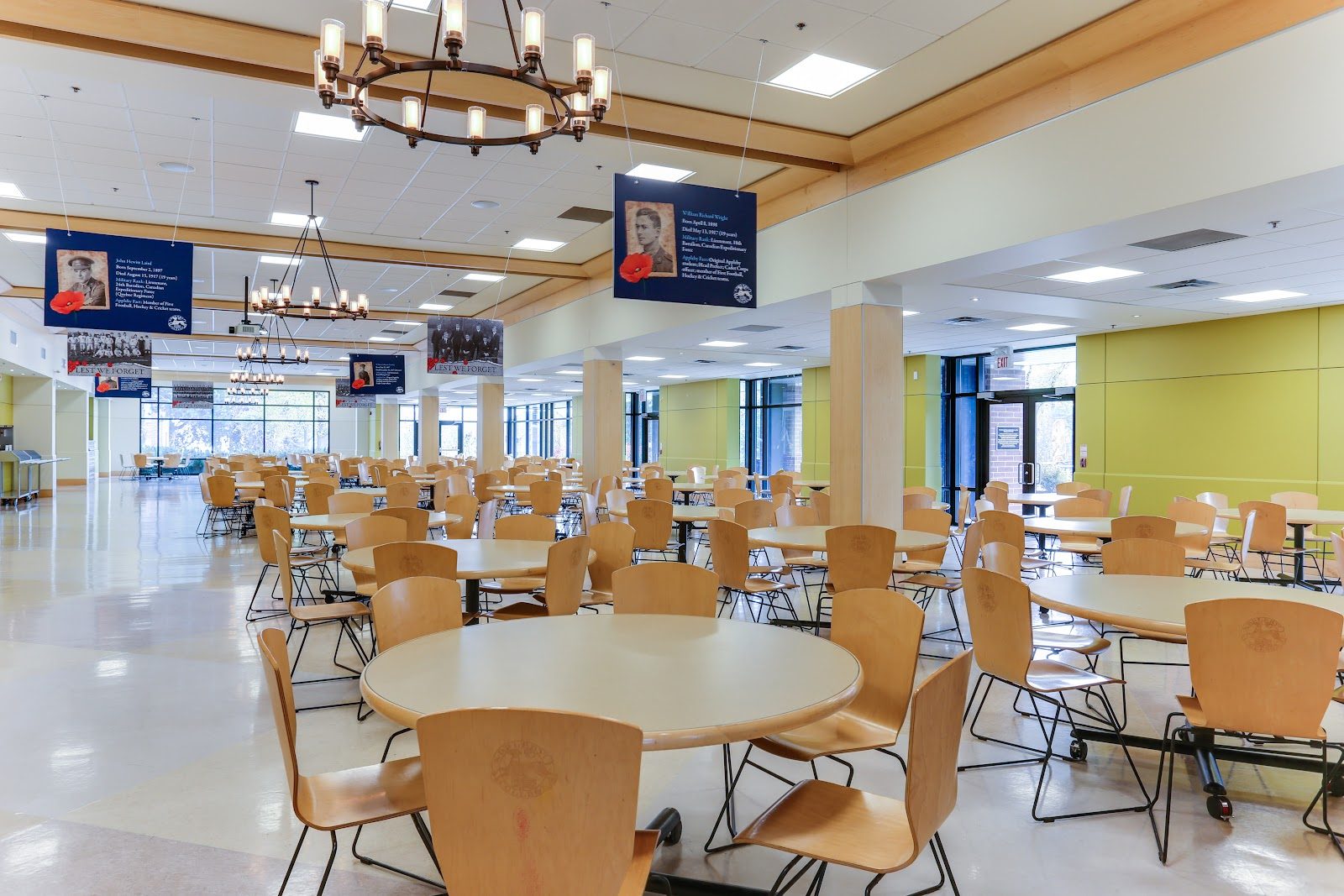
Appleby College
Oakville · Canada
A lakeside Oakville campus where every senior boards by tradition, and leadership training unfolds on a private island in Temagami.
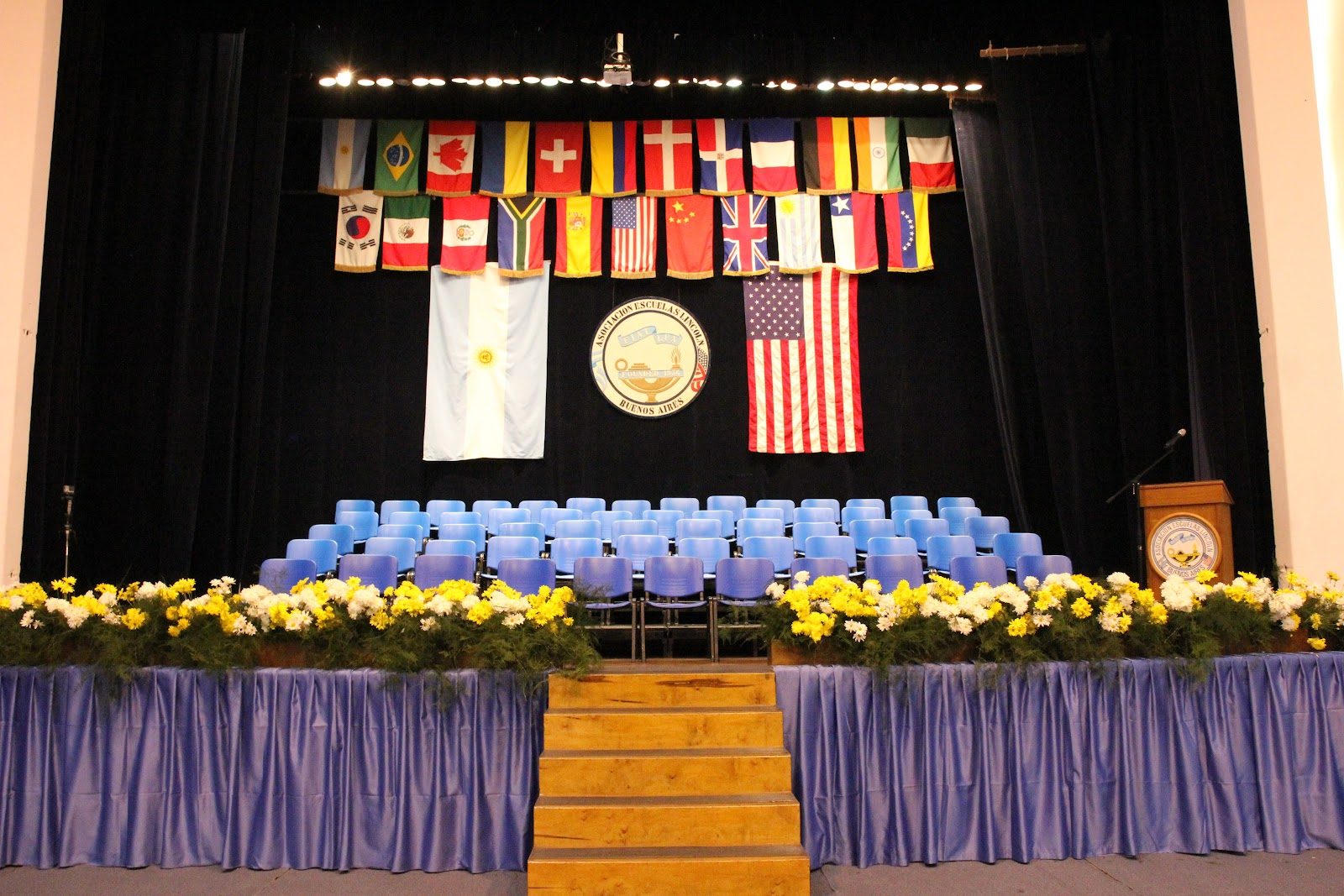
Asociación Escuelas Lincoln
Buenos Aires · Argentina
Where a Rio de la Plata campus in La Lucila delivers American, Argentine, and IB diplomas under Argentina's only US accreditation.
Same country and curriculum — closest matches within ±10 points either way