
Pennsylvania
Since 1799, America's oldest coeducational boarding school blends Quaker Meeting for Worship with a 600-acre working farm campus.
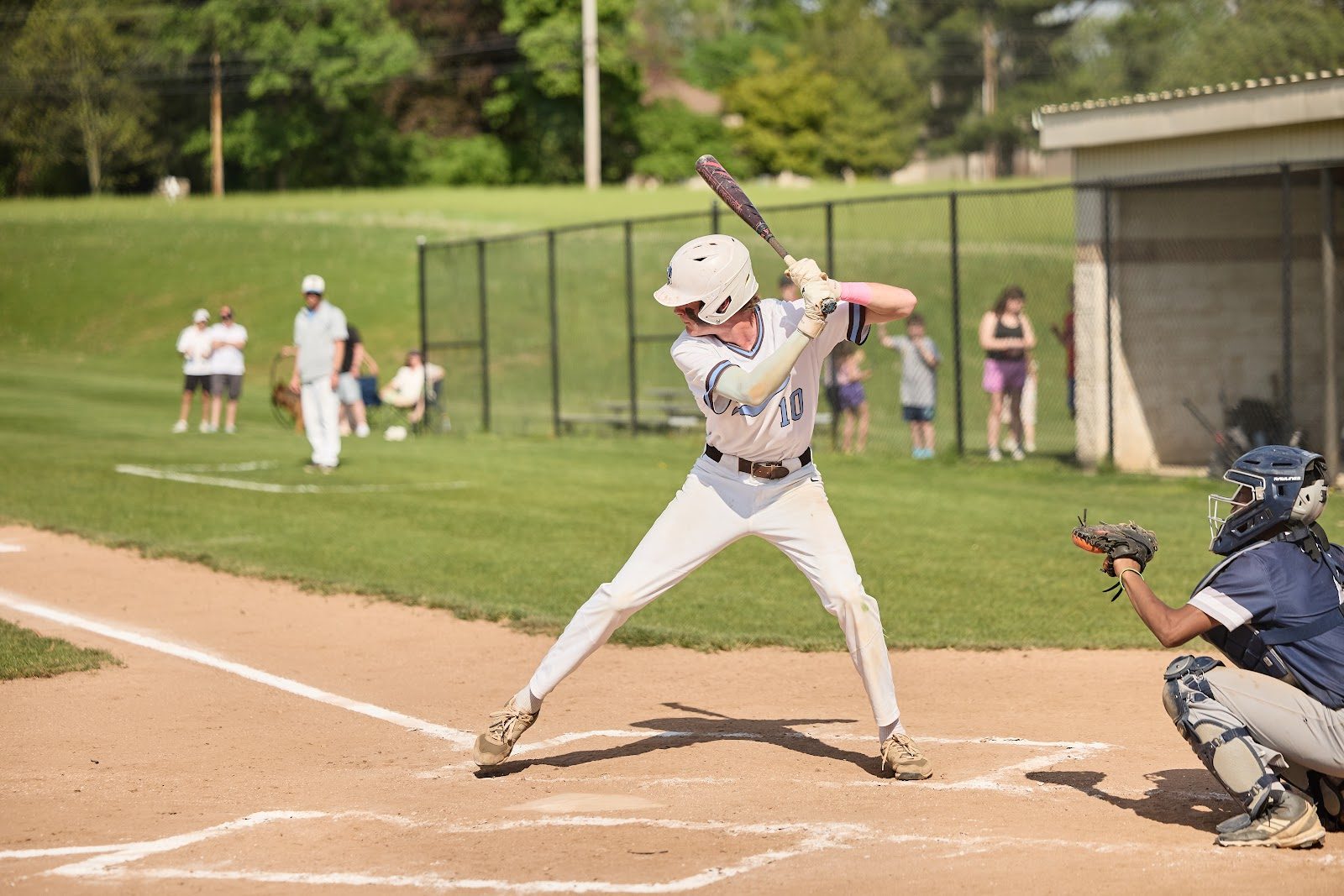
Photo © Westtown School via Google Maps
Type
Both
Ages
3–18
Curriculum
American
Qualifications
US High School Diploma · AP
Ratio
8:1
The Verdict
Editor's commitment
Right for
Families who want a Quaker, coeducational day-and-boarding school founded in 1799, with ages 3–18 and a 1:8 student-teacher ratio.
Wrong for
Parents seeking a secular school, a non-American curriculum, or instruction beyond English will not find it at this 687-pupil Pennsylvania campus.
Watch out for
Westtown is both day and boarding, but it publishes no aggregate exam results here; Quaker identity and a 600-acre farm campus shape daily life.
Ranking breakdown
Westtown School · #933 of 1591
Composite score 63.3. 8 weighted criteria.
By criterion
Academic Outcomes
Weight 20%
#586
of 1529 scored
University Placement
Weight 16%
#516
of 1529 scored
Prestige & Heritage
Weight 12%
#377
of 1571 scored
Alumni Network
Weight 12%
#1403
of 1530 scored
Facilities
Weight 12%
#339
of 1533 scored
Transparency & Communications
Weight 8%
#456
of 1532 scored
Peer & Industry Review
Weight 10%
#480
of 1548 scored
Admissions Selectivity & Demand
Weight 8%
#607
of 1529 scored
Peer & Industry Review
How Westtown School is regarded in the sector
71
Respected · medium confidence
Among Quaker and Friends schools, Westtown is generally grouped with George School and Sidwell Friends as one of the more established names, though it lacks the Washington-insider visibility Sidwell enjoys through prominent alumni connections. Within the wider Mid-Atlantic boarding sector, rival heads would likely position it as a values-led alternative rather than a direct competitor for the most selective university feeder slots occupied by historic New England schools. Liberal arts colleges with Quaker roots, such as Swarthmore and Haverford, are often cited informally as receptive to Friends-school applicants for their community engagement, though Ivy League placement is more modest than at the top New England boarding schools. Independent guides such as Niche and Boarding School Review rate Westtown favourably for character education, diversity and community life rather than raw academic selectivity, and it seldom features in national league tables weighted towards Oxbridge or Ivy admission rates, reflecting its identity as a mission-driven rather than prestige-driven institution.
- Bayard Rustin — Civil rights activist
- Henry Cadbury — Quaker scholar, co-founder of American Friends Service Committee
- Clarence Pickett — Quaker leader, AFSC executive secretary
Editors' overview
Westtown School occupies a rare niche in the US market: a Quaker day and boarding school founded in 1799, coeducational from the start, and still large enough to offer serious breadth without losing its sense of institutional character. That age matters. Few American schools carry this kind of continuity, and fewer still combine it with a plainly stated Quaker frame. For parents who want an American education without the competitive theatre that dominates many college-preparatory schools, Westtown earns a place on the shortlist. The school’s scale — 687 pupils from pre-kindergarten to Grade 12, with a 1:8 student-teacher ratio — points to strong adult attention. Its 600-acre farm campus adds something more unusual: not decorative grounds, but a setting that gives the school a grounded, unshowy identity.
What marks Westtown out is the combination of academic ambition and Quaker practice. Meeting for Worship is not a branding flourish; it sets a different tempo from the norm in US independent schooling. Parents drawn to intellectual seriousness without bombast will recognise the appeal. The coeducational boarding offer also matters. In a crowded American market, many schools sell prestige first and values second. Westtown does the reverse, and that will either attract or repel. Families who want relentless polish, social climbing and an overtly transactional route to university have stronger fits elsewhere. Families who value moral clarity, a calmer social atmosphere and a school culture that gives reflection real weight will find Westtown more compelling.
The school suits students who are academically capable, community-minded and comfortable in an environment that asks for participation beyond the classroom. The broad age range, from 3–18, creates continuity for local families and a more layered community than a stand-alone senior school can offer. Boarders and day pupils alike need to buy into the ethos. This is not the place for a child who wants anonymity, glamour or a purely results-driven experience. It is a strong fit for the student who wants room to think, space to grow up steadily and a campus life tied to shared responsibility rather than status. That combination — old Quaker roots, coeducation, boarding, and a working-farm campus — gives Westtown a distinct market position and a clear reason to stay on any serious shortlist.
Academic Performance
Westtown does not publish the kind of headline-grabbing exam dashboard that many American independents now use to market themselves. We have not seen aggregate SAT or ACT averages, AP score distributions, or matriculation statistics that would let parents place the school cleanly against the most data-forward college-preparatory peers. That leaves a gap. In a market where selective boarding and day schools often trade on hard outcome data, Westtown’s public academic picture is less transparent than the strongest operators. Parents who want a school to prove academic strength through published external results will find the picture frustratingly opaque.
That does not place Westtown in a weak bracket; it places it in a school culture that asks families to trust the institution more than the spreadsheet. Relative to peers, that reads as a values-first choice rather than a results-obsessed one. For some families, that restraint carries integrity. For others, it reads as avoidable vagueness. The key point is simple: Westtown fits best against American independent schools that prioritise broad college preparation and institutional ethos over public exam-point boasting. It does not sit in the same disclosure camp as schools that publish every score band and university destination list. If external examination outcomes are your main yardstick, ask directly for AP participation, score breakdowns, testing averages and multi-year college placement patterns before treating Westtown as a top academic bet.
Facilities
Westtown’s facilities start with the land. The campus is not a clipped showpiece but a working landscape, and that matters educationally as much as visually. The school’s 600-acre setting gives it a scale that few peer schools can match, with the farm standing out as the defining asset rather than a decorative extra. For families weighing American boarding schools, that puts Westtown in a different category from polished suburban campuses built around a central quad and little else. The value here lies in space, utility and daily contact with the physical environment. That creates a campus life that feels grounded, unshowy and tied to work as well as study.
Against peers, the strength is breadth of setting rather than a publicly documented parade of specialist buildings. We have not seen a detailed public inventory of standout centres, labs or headline sports infrastructure that would let Westtown compete point-by-point with schools that market performing arts complexes, aquatic centres and high-spec innovation hubs. That is a weakness in presentation, not a mark against the campus itself. The school’s advantage sits in the coherence of the place: ample grounds, room for boarding and day life to coexist, and facilities anchored in community use rather than spectacle. Parents seeking flashy capital-project bragging will find stronger contenders elsewhere. Parents who value a lived-in campus with real physical substance will rate Westtown highly.
Westtown’s distinctiveness lies in the way its Quaker identity governs the whole enterprise rather than decorating it
Prestige
Westtown carries real prestige, but it is a specific kind of prestige. This is not the flash-market status of an East Coast school that trades on public scoreboards, celebrity alumni, or relentless admissions theatre. Its standing rests on durability, selectivity of culture, and the force of a clear institutional identity. In the American independent-school world, a Quaker school with deep roots, a full age-range community, and both day and boarding provision occupies a distinctive old-establishment niche. That matters with families who know the sector well. The school projects seriousness, restraint and confidence in its own model. It does not chase attention. That in itself carries weight.
The limit to Westtown’s prestige is visibility. Schools at the very top of the global prestige ladder publish more academic outcome data, generate more international name recognition, and convert status into a louder public profile. Westtown does not operate in that register. Its 1:8 ratio, enrolment of 687, and broad age span point to strong educational substance, but prestige here is quiet, values-led and tied to reputation among informed US independent-school families rather than mass-market glamour. We rate it as highly respected rather than universally elite: serious, well-regarded, and credible in circles that prize character and intellectual discipline over polish and noise.
Few American schools carry this kind of continuity, and fewer still combine it with a plainly stated Quaker frame
Communications
Westtown’s parent communication carries the same institutional stamp as the school itself: measured, serious and not engineered for sales. The public-facing website does the core job well. It gives parents a clear sense of ethos, age range, structure and daily life without lapsing into the inflated claims common in US independent-school marketing. That counts in its favour. A school with pupils from pre-kindergarten to twelfth grade and an enrolment of 687 needs disciplined communication across very different parent cohorts, and Westtown’s public presentation indicates that kind of organisational control. The tone is adult, plain-spoken and confident enough not to over-explain itself.
The limitation is transparency at the sharper end. Westtown communicates values, culture and community expectations more clearly than it communicates measurable outcomes. That imbalance matters to parents making an expensive, high-stakes choice. If you want regular, concrete disclosure on academic performance, comparative data or headline destination results, the school leaves too much unsaid in public. That does not make communication weak; it makes it selective. Parents who value ethos-led schooling and want a school to speak with calm authority will rate Westtown’s approach highly. Parents who expect a hard-data habit and exhaustive public documentation will find it controlled to a fault.
Uniqueness
Westtown’s distinctiveness lies in the way its Quaker identity governs the whole enterprise rather than decorating it. Plenty of American independents borrow the language of character; far fewer build school life around shared silence, reflection and a moral vocabulary that asks students to examine how they live with other people. That changes the atmosphere. The school offers a version of ambition with less noise, less peacocking and less adolescent performance than the norm in competitive college-preparatory settings. Add the unusual span from early years to sixth form equivalent, and students grow up in a community with more continuity and less churn than a stand-alone senior school. The result is institutional coherence, moral seriousness and a culture that prizes steadiness over spectacle.
The other differentiator is the campus itself: not just expansive grounds, but a school organised around a working farm on 600 acres. That gives students daily contact with labour, land and seasonality in a sector that too often insulates children from all three. It brings real texture to community life. The scale also lets day pupils and boarders share a place with enough room for both to belong without constant friction. For students, that combination produces something genuinely uncommon: a college-preparatory education that feels less manufactured, more rooted, and harder to mistake for a status machine. In a market full of schools selling polish, Westtown offers substance with edges.
The school’s scale — 687 pupils from pre-kindergarten to Grade 12, with a 1:8 student-teacher ratio — points to strong adult attention
Student Profile
The student who fits Westtown is bright, self-possessed and willing to live inside a community with expectations. This is not a school for children who need constant external reward, social display or a high-drama competitive culture to stay engaged. It suits students who can handle reflection, tolerate quiet, and take shared norms seriously without finding them stifling. The Quaker frame will land well with young people who are thoughtful, inwardly motivated and open to a school culture that gives moral questions public weight. The broad age span also shapes the social mix: older pupils need a degree of maturity about living in a community that is not built only for teenagers. With 687 pupils and a 1:8 ratio, adult oversight is real, and students who want to vanish into the background will find less room to do it.
The strongest fit is a child who wants substance over theatre. That includes boarders and day pupils who can contribute steadily, treat staff with respect, and accept that participation matters outside lessons too. Westtown will reward the student who is community-minded, grounded and comfortable with a campus life tied to responsibility rather than status. It is a weaker fit for the child chasing glamour, relentless ranking talk or a peer culture built on visible ambition. Families who want a school to sharpen character as well as intellect will find the student body’s centre of gravity serious and unshowy.
Its 600-acre farm campus adds something more unusual: not decorative grounds, but a setting that gives the school a grounded, unshowy identity
Co-curricular strengths
Arts & sport, on a separate axis
Overall 9.16/10
Scored 0-10 from the school's own published evidence. This axis is editorial-only — it does not feed the main WTS ranking.
Sports
9/10
Drama
9.2/10
Dance
9.2/10
Music
9.2/10
Visual Arts
9.2/10
Strengths
- +Founded in 1799, Westtown is the oldest continuously operating co-educational boarding school in the country, giving it a long institutional track record.
- +The 600-acre campus includes a 14-acre lake, an arboretum and natural forest, and an instructional organic farm, unusual amenities for a school this size.
- +Academics are delivered in small groups: Wikipedia records an average class size of 10 students across the school.
- +The school is accredited by, and accredited by the Pennsylvania Association of Independent Schools, giving it recognised independent-school status.
- +Boarding School Review notes Westtown ranks among the top 20 boarding schools for Highest endowment/student, Most extracurriculars offered, High SSAT scores and Oldest founding date.
Considerations
- −Fees are substantial: the school's own 2026-27 schedule lists Upper School Day: $48,600 Upper School Boarding: $79,500, before additional dining and international fees.
- −Boarding is only available from the upper grades; per one directory, our boarding program, optional to those who enter Westtown in seventh grade or earlier, meaning younger children cannot board immediately.
- −The school is explicitly faith-based: the school requires all students to attend Meeting for Worship together with adults in the community who voluntarily attend, a structural feature families should weigh even though the school welcomes all faiths.
- −Location is rural rather than urban, roughly 20 miles from Philadelphia, per Wikipedia's description of the school as located in West Chester, Pennsylvania, United States, 20 miles west of Philadelphia, which adds a commute for families wanting city-centre access.
Availability
Primary entry gate & tests
SSAT/ISEE + Interview
Gallery
Photo © Westtown School via Google Maps
Photo © Westtown School via Google Maps
Photo © Westtown School via Google Maps
Photo © Westtown School via Google Maps
Photo © Westtown School via Google Maps
Parent reviews
Have you sent your child here?
Voice reviews carry the strongest trust badge — we transcribe them for you to tidy up before they go live. Prefer to type? A written review is fine too.
Add your voice
In 60 seconds, tell other parents: what's the best thing about Westtown School, and what surprised you when your child joined?
We ask for a Google sign-in so every review has a real face behind it — no anonymous drive-by attacks on schools, and no faked positive reviews. Your email is never shown publicly.
Send this profile to a friend
International parents rely on word-of-mouth. Share this review with someone weighing the same decision.
Schools with places
Similar schools to Westtown School with places available now.
Germantown Friends School
Philadelphia · United States
- 2026-27
- CLOSEDRegular cycle closed
- 2027-28
- OPENS SOONOpens Sept '26
The Haverford School
Haverford · United States
- 2026-27
- CLOSEDRegular cycle closed
- 2027-28
- OPENS SOONOpens Sept '26
The Hill School
Pottstown · United States
- 2026-27
- CLOSEDRegular cycle closed
- 2027-28
- OPENS SOONOpens Sept '26
The Baldwin School
Bryn Mawr · United States
- 2026-27
- CLOSEDRegular cycle closed
- 2027-28
- OPENS SOONOpens 1 Sept '26
Availability first, then country, area, curriculum, price, co-curricular
Consider also
Also worth looking at alongside Westtown School.
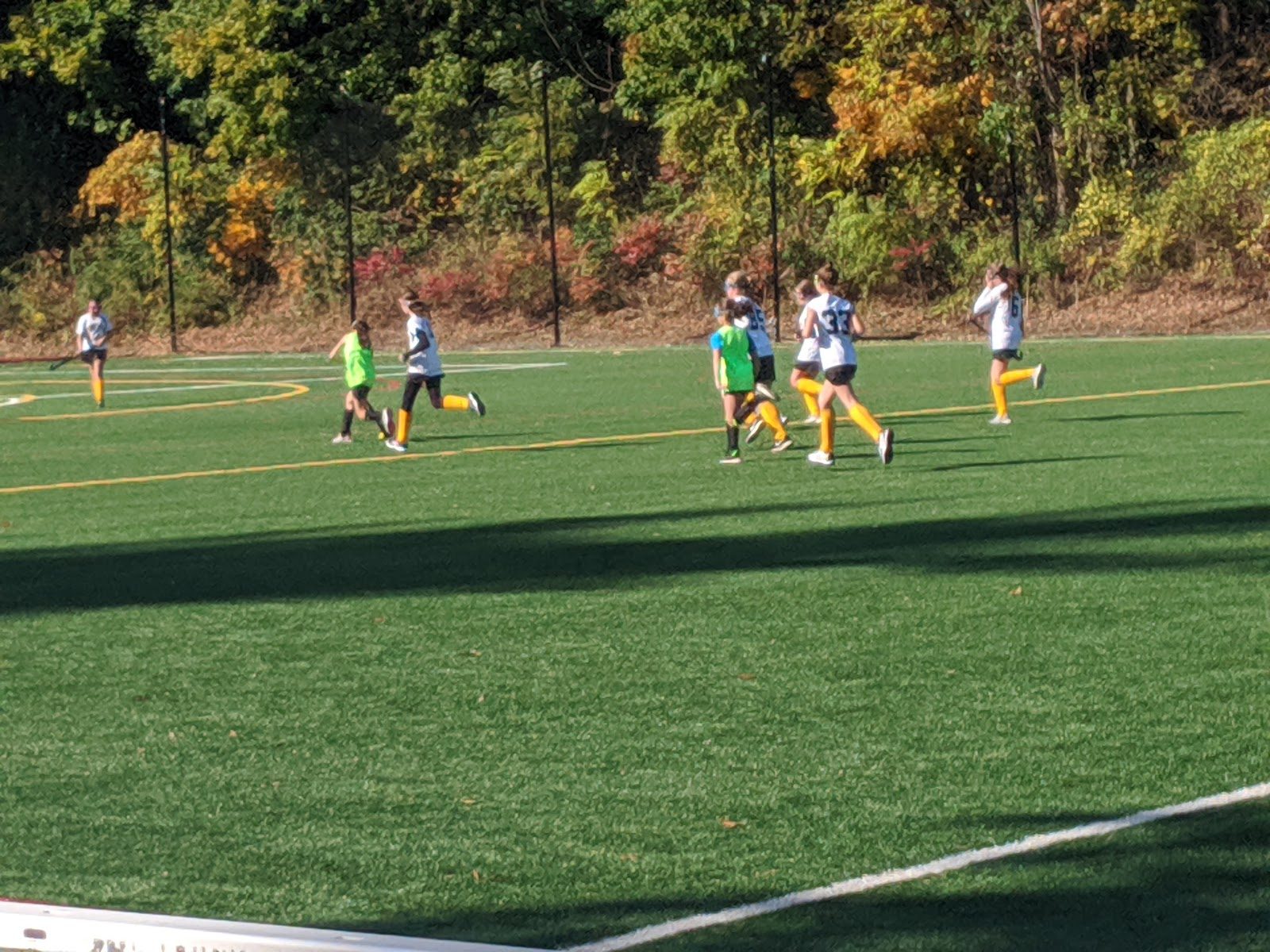
Greenwich Academy
Greenwich · United States
Connecticut's oldest all-girls school pairs single-sex grounding with coeducational upper-school classes shared alongside Brunswick's boys.

The Browning School
New York City · United States
Manhattan's only K-12 all-boys day school, expanding onto East 64th Street after nearly 140 years on the Upper East Side.
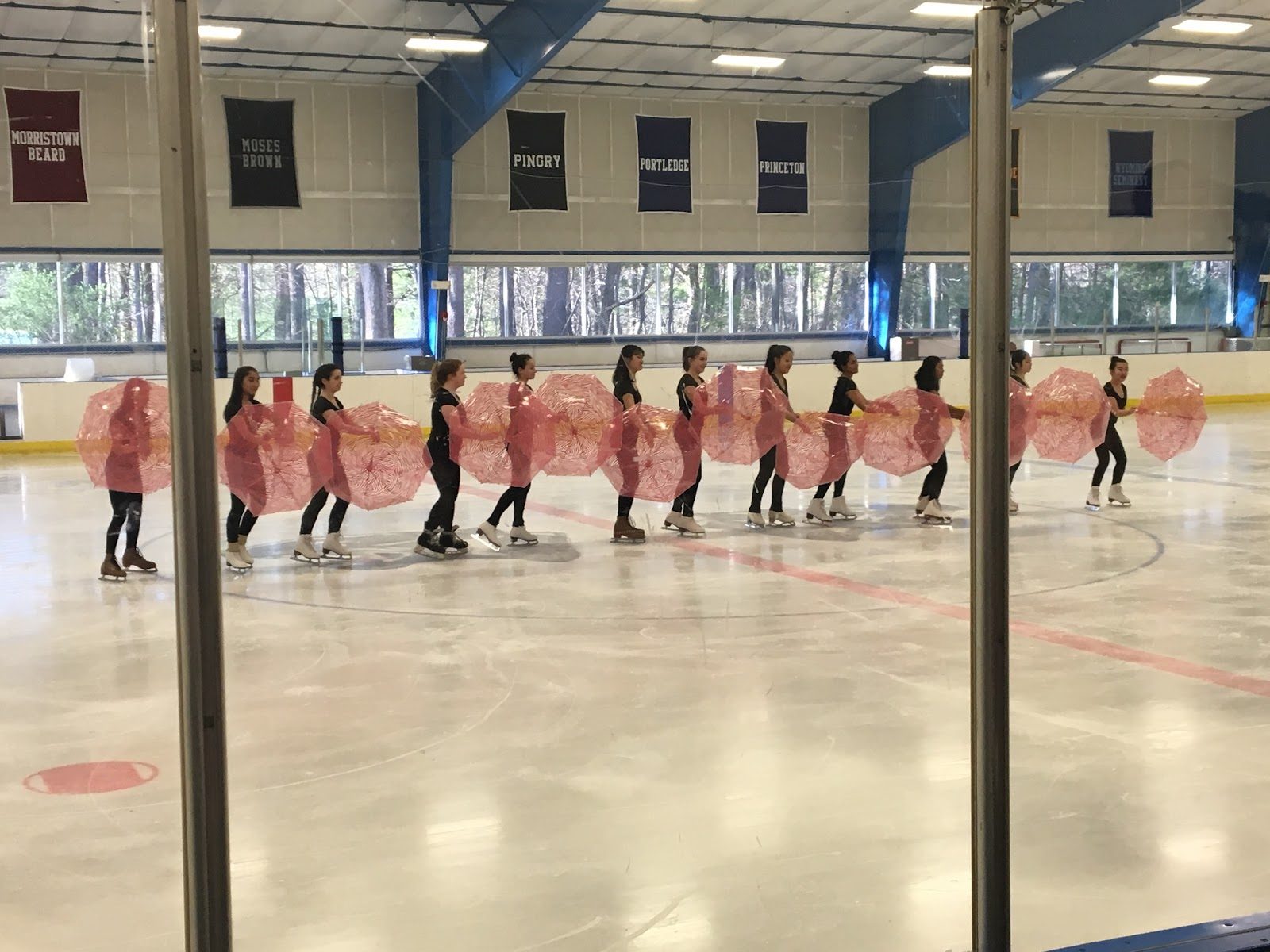
Princeton Day School
Princeton · United States
Formed by a 1965 merger of two century-old Princeton schools, pairing STEAM rigor with a rare four-year architecture program across 106 acres.
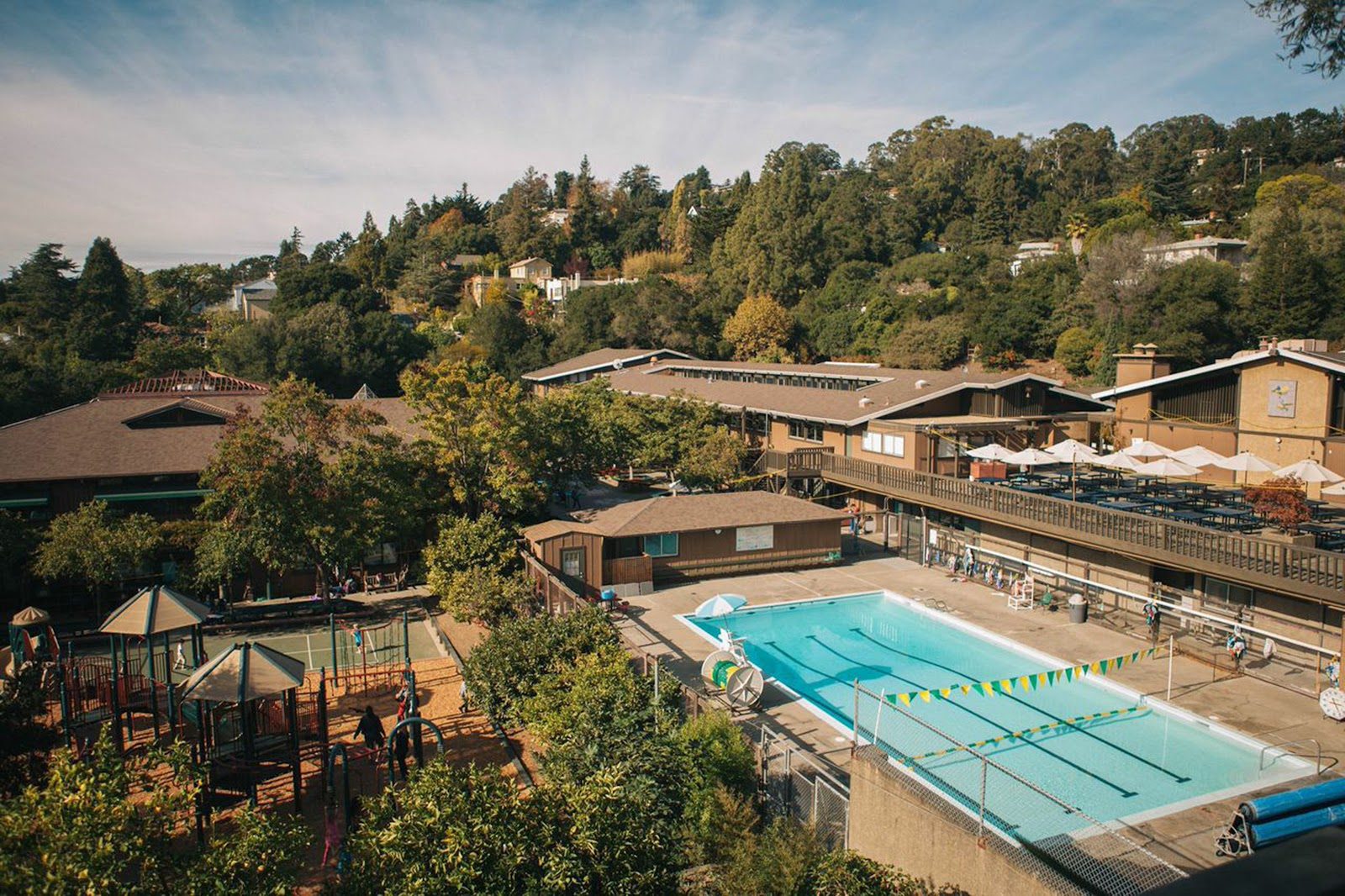
Head-Royce School
Oakland · United States
Since 1887 on a wooded Oakland hills campus, pairing rigorous scholarship with a decades-old public-school partnership that opens college doors for first-generation students
Same country and curriculum — closest matches within ±10 points either way